
1. Search Result
Search Result
Results for "

human blood

" in MedChemExpress (MCE) Product Catalog:

612

Inhibitors & Agonists

4

Screening Libraries

11

Fluorescent Dyes

20

Biochemical Assay Reagents

36

Peptides

5

MCE Kits

42

Inhibitory Antibodies

38

Natural
Products

19

Recombinant Proteins

29

Isotope-Labeled Compounds

9

Antibodies

1

Click Chemistry

13

Oligonucleotides

2

GMP Molecules

Cat. No. Product Name Target Research Areas Chemical Structure
  • HY-139414
    Lysophosphatidylcholines
    5+ Cited Publications

    Interleukin Related p38 MAPK ERK Apoptosis Inflammation/Immunology
    Lysophosphatidylcholines is an orally active lysolipid and a component of oxidized low density lipoprotein (LDL). Lysophosphatidylcholines induces cell injury, the production of IL-1β and apoptosis. Lysophosphatidylcholines has a proactive effect on sepsis .
    Lysophosphatidylcholines
  • HY-17379
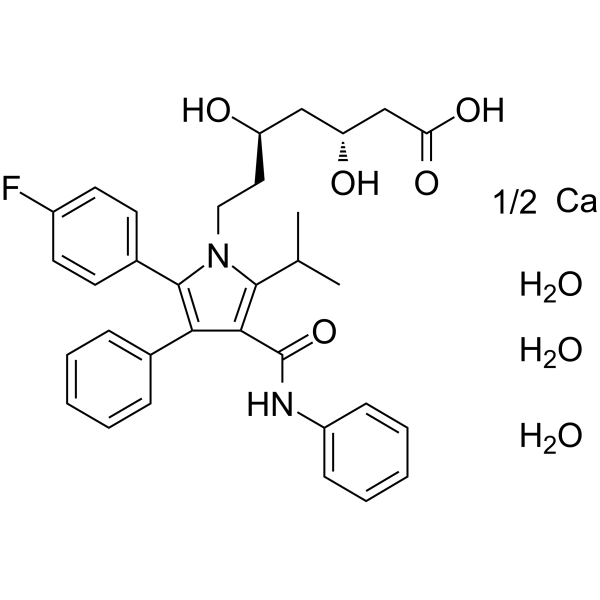
    Atorvastatin hemicalcium salt
    60+ Cited Publications

    CI-981; Atorvastatin hemicalcium

    HMG-CoA Reductase (HMGCR) Autophagy Ferroptosis Metabolic Disease Inflammation/Immunology Cancer
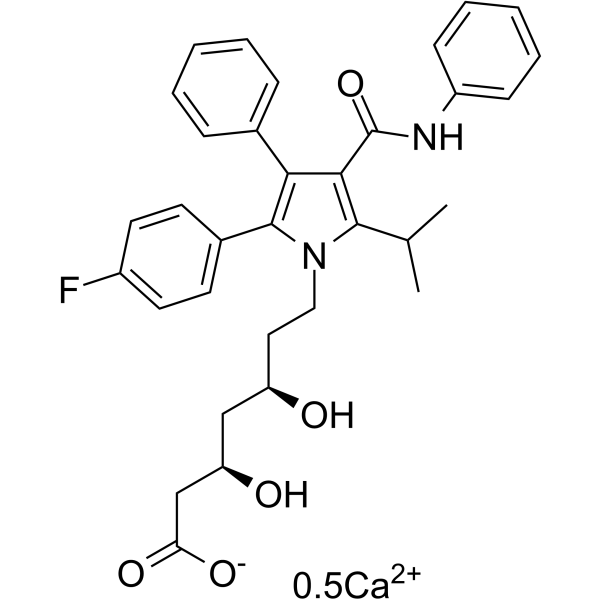
    Atorvastatin hemicalcium salt (CI-981) is an orally active 3-hydroxy-3-methylglutaryl coenzyme A (HMG-CoA) reductase inhibitor, with blood-brain barrier permeability. Atorvastatin hemicalcium salt has the ability to effectively decrease blood lipids. Atorvastatin hemicalcium salt inhibits human SV-SMC proliferation and invasion with IC50s of 0.39 μM and 2.39 μM, respectively .
    Atorvastatin hemicalcium salt
  • HY-P2273

    CGRP Receptor Metabolic Disease
    Calcitonin (human) is a hypocalcemic hormone. Calcitonin can lower blood calcium levels and inhibit bone resorption. Calcitonin can be used in hypercalcemia or osteoporosis research .
    Calcitonin (human)
  • HY-16276
    Osilodrostat
    4 Publications Verification

    LCI699

    Mineralocorticoid Receptor Cardiovascular Disease Inflammation/Immunology Cancer
    Osilodrostat (LCI699) is a potent, orally active11β-hydroxylase (CYP11B1) inhibitor with an IC50 value of 35 nM. Osilodrostat is a potent, orally aldosterone synthase (CYP11B2) inhibitor with IC50 values of 0.7 nM and 160 nM for human aldosterone synthase and rat aldosterone synthase, respectively. Osilodrostat inhibits aldosterone and corticosterone synthesis. Osilodrostat has blood pressure lowering ability. Osilodrostat can be used for research of Cushing syndrome (CS) .
    Osilodrostat
  • HY-17003
    Saquinavir mesylate
    15+ Cited Publications

    Ro 31-8959/003

    HIV HIV Protease Apoptosis Reactive Oxygen Species (ROS) Calcium Channel NO Synthase Interleukin Related Toll-like Receptor (TLR) p38 MAPK JNK Infection Cardiovascular Disease Inflammation/Immunology
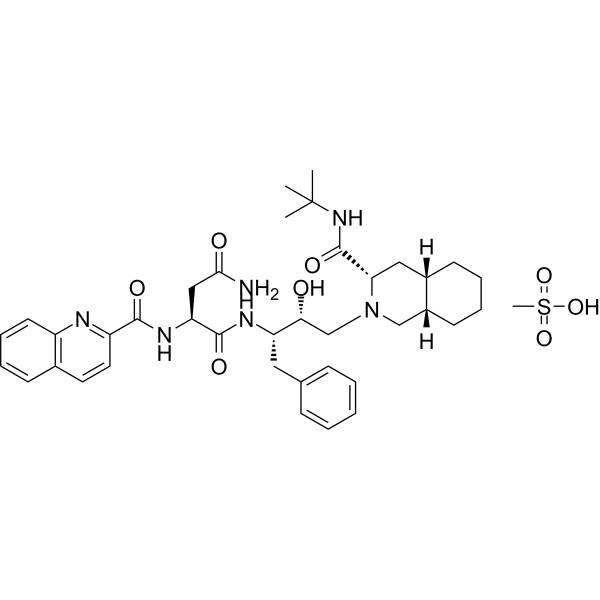
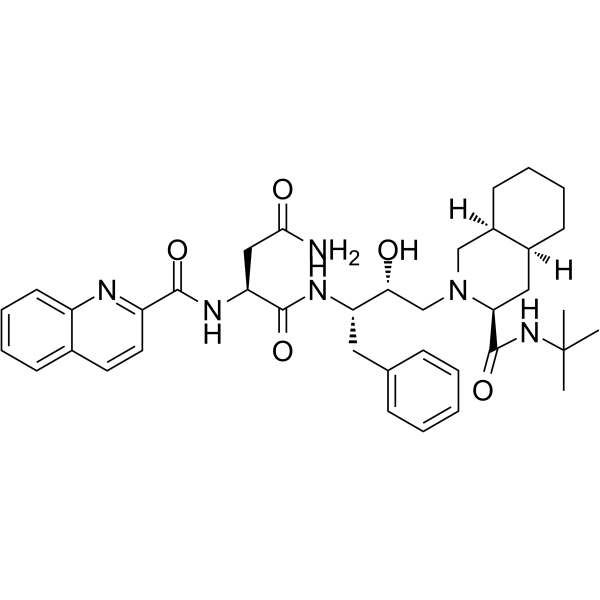
    Saquinavir (Ro 31-8959) mesylate is an orally active HIV protease inhibitor that can be used in the research of AIDS. Saquinavir mesylate also has anti-inflammatory activity and can induce apoptosis of human red blood cells .
    Saquinavir mesylate
  • HY-P990774

    ASP-7266; TRAB-1; UPB-101

    Interleukin Related Inflammation/Immunology
    Verekitug (ASP-7266; TRAB-1; UPB-101) is a human monoclonal antibody targeting the thymic stromal lymphopoietin receptor (TSLPR), with a mean half-life of approximately 20 days. At doses of Verekitug ≥100 mg, complete and sustained TSLPR-specific occupancy is achieved, and the antibody does not bind to IL-7Rα. By inhibiting TSLP-driven inflammatory responses, Verekitug blocks TSLP-induced cell proliferation and TARC expression, while reducing fractional exhaled NO levels, blood eosinophil counts, and levels of IL-5 and IgE. Verekitug significantly improves scores for nasal polyps, nasal congestion and olfactory dysfunction, with favorable safety and good tolerability; potential adverse reactions include headache, upper respiratory tract infection, sinusitis and nasopharyngitis. Verekitug is used in relevant studies on asthma, chronic rhinosinusitis with nasal polyps and chronic obstructive pulmonary disease .
    Verekitug
  • HY-13344
    PF-8380
    5 Publications Verification

    Phosphodiesterase (PDE) Inflammation/Immunology Cancer
    PF-8380 is a potent autotaxin inhibitor with an IC50 of 2.8 nM in isolated enzyme assay and 101 nM in human whole blood.
    PF-8380
  • HY-A0168
    Regadenoson
    3 Publications Verification

    CVT-3146

    Adenosine Receptor Cardiovascular Disease Cancer
    Regadenoson (CVT-3146) is a selective A2A adenosine receptor agonist and vasodilator that increases coronary blood flow, can be used in study of myocardial perfusion imaging. Regadenoson also increases the permeability of the blood-brain barrier (BBB) in rodents, can be used to study increased delivery of agents to the human CNS .
    Regadenoson
  • HY-P9967

    BIIB037

    Amyloid-β Neurological Disease
    Aducanumab (BIIB037) is a human monoclonal antibody that selectively targets aggregated amyloid-beta (Aβ). Aducanumab shows blood-brain-barrier penetration, and can be used for Alzheimer's disease (AD) research .
    Aducanumab
  • HY-108463
    A-967079
    15+ Cited Publications

    TRP Channel Neurological Disease Inflammation/Immunology
    A-967079 is a selective TRPA1 receptor antagonist with IC50s of 67 nM and 289 nM at human and rat TRPA1 receptors, respectively, and has good penetration into the blood-brain barrier .
    A-967079
  • HY-125859A
    Myeloperoxidase, human white blood cells
    1 Publications Verification

    MPO

    Bacterial Inflammation/Immunology
    Myeloperoxidase, human white blood cells (MPO) is a peroxidase. In Myeloperoxidase, human white blood cells mediate oxidative stress by promoting the production of reactive oxygen species (ROS) and active nitrogen (RNS), regulating the polarization and inflammation-related signaling pathways of microglia and neutrophils. Myeloperoxidase, human white blood cells has antibacterial activity .
    Myeloperoxidase, human white blood cells
  • HY-15321

    MK-0663; L-791456

    COX Inflammation/Immunology Cancer
    Etoricoxib (MK-0663) is a non steroidal anti-inflammatory agent, acting as a selective and orally active COX-2 inhibitor. Etoricoxib can cross the blood-brain barrier, with IC50s of 1.1 μM and 116 μM for COX-2 and COX-1 in human whole blood .
    Etoricoxib
  • HY-162457

    DNA/RNA Synthesis Infection
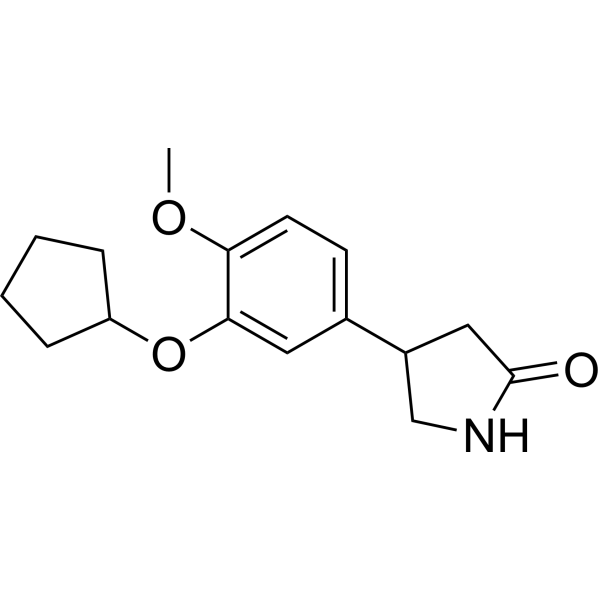
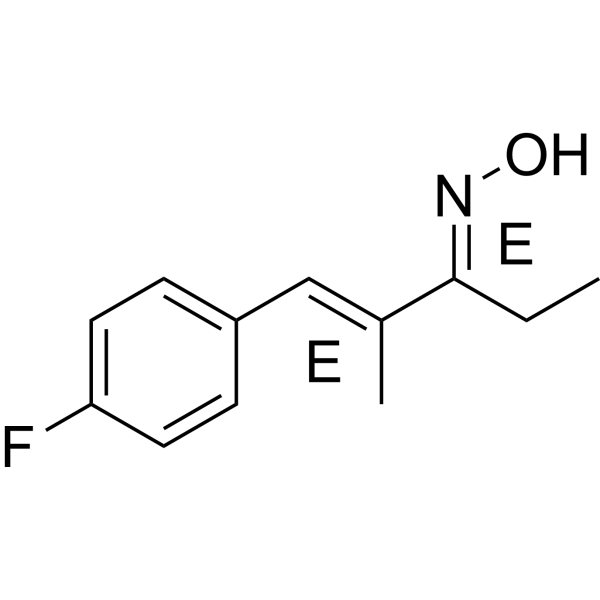
    Mn007 is a potent inhibitor of bovine pancreatic DNase I, with the IC50 of 45 μM, by forming molecular aggregation. Mn007 shows suppression of S. pyogenes growth in human whole blood .
    Mn007
  • HY-16276A
    Osilodrostat phosphate
    4 Publications Verification

    LCI699 phosphate

    Mineralocorticoid Receptor Cardiovascular Disease Cancer
    Osilodrostat (LCI699) phosphate is a potent, orally active11β-hydroxylase (CYP11B1) inhibitor with an IC50 value of 35 nM. Osilodrostat phosphate is a potent, orally aldosterone synthase (CYP11B2) inhibitor with IC50 values of 0.7 nM and 160 nM for human aldosterone synthase and rat aldosterone synthase, respectively. Osilodrostat phosphate inhibits aldosterone and corticosterone synthesis. Osilodrostat phosphate has blood pressure lowering ability. Osilodrostat phosphate can be used for research of Cushing syndrome (CS) .
    Osilodrostat phosphate
  • HY-132248

    Lenalidomide 5'-amine

    Drug Derivative TNF Receptor Inflammation/Immunology
    C5 Lenalidomide is a 5-amino-substituted Thalidomide (HY-14658) analog. C5 Lenalidomide inhibits LPS (HY-D1056)-stimulated TNF-α production .
    C5 Lenalidomide
  • HY-137892

    Epigenetic Reader Domain Inflammation/Immunology
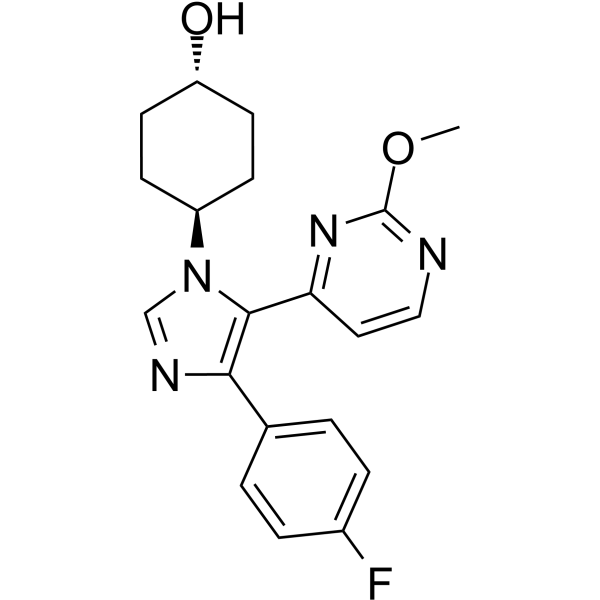
    GSK620, a chemical probe, is a potent and orally active pan-BD2 inhibitor with excellent broad selectivity, developability and in vivo oral pharmacokinetics. GSK620 is highly selective for the BET-BD2 family of proteins, with >200-fold selectivity over all other bromodomains. GSK620 shows an anti-inflammatory phenotype in human whole blood .
    GSK620
  • HY-176949

    STAT Inflammation/Immunology
    STAT6-IN-10 is a STAT6 (signal transducer and activator of transcription 6) inhibitor with an EC50 of 2 nM. STAT6-IN-10 can inhibit the secretion of CCL17 in human peripheral whole blood. STAT6-IN-10 can be used in the research of dermatological and respiratory system diseases .
    STAT6-IN-10
  • HY-W035091
    Tetrachloroauric acid
    1 Publications Verification

    Biochemical Assay Reagents Cardiovascular Disease Neurological Disease
    Tetrachloroauric acid is an Au (III) compound and bilayer disruptor that can be used to damage red blood cells. Tetrachloroauric acid specifically disrupts the bilayer structure of representative phospholipids (dimyristoylphosphatidylcholine and dimyristoylphosphatidylethanolamine) in human red blood cell membranes, and induces morphological changes in intact human red blood cells. Tetrachloroauric acid causes downregulation of MT I-II and GFAP expression in the mouse brain following chronic treatment. Tetrachloroauric acid is being used in studies related to neurotoxicity and hematotoxicity, including analyses of human red blood cells and molecular models of red blood cell membranes, as well as immunohistochemical evaluation of the mouse brain .
    Tetrachloroauric acid
  • HY-P5645
    LEAP-2
    1 Publications Verification

    human liver expressed antimicrobial peptide-2

    GHSR Interleukin Related IFNAR TNF Receptor Bacterial Infection Metabolic Disease Inflammation/Immunology
    LEAP-2 (Human liver expressed antimicrobial peptide-2) is a GHS-R1a antagonist, with an IC50 of 6.0 nM. LEAP-2 suppresses the orexigenic effect of ghrelin. LEAP-2 attenuates ghrelin-induced growth hormone (GH) release and reduces basal food intake. LEAP-2 exhibits antimicrobial activity against microbial model organisms. LEAP-2 can be used for the study of obesity and infection .
    LEAP-2
  • HY-B2162C

    Chondroitin polysulfate (from pig)

    Endogenous Metabolite Inflammation/Immunology
    Chondroitin sulfate (from pig) (Chondroitin polysulfate (from pig)) is a sulfated linear polysaccharide extracted from pigs, which belongs to glycosaminoglycans. Chondroitin sulfate (from pig) exerts inconsistent inhibitory effects on the resorptive activity of human osteoclasts. Chondroitin sulfate (from pig) can be used in studies related to osteoarthritis .
    Chondroitin sulfate (from pig)
  • HY-N7526
    Naphthazarin
    1 Publications Verification

    DHNQ; 5,8-Dihydroxy-1,4-naphthoquinone

    Apoptosis Autophagy PI3K Akt Neurological Disease Inflammation/Immunology Cancer
    Naphthazarin (DHNQ) is a microtubule depolymerizing agent. Naphthazarin can improve motor function and reduce neuroinflammation in mouse models of Parkinson's disease. Naphthazarin can induce tumor cell apoptosis, autophagy, and cell cycle arrest. Naphthazarin can also induce erythrocyte apoptosis. Naphthazarin can be used in the research of tumors and neurodegenerative diseases .
    Naphthazarin
  • HY-20070

    TNF Receptor Inflammation/Immunology
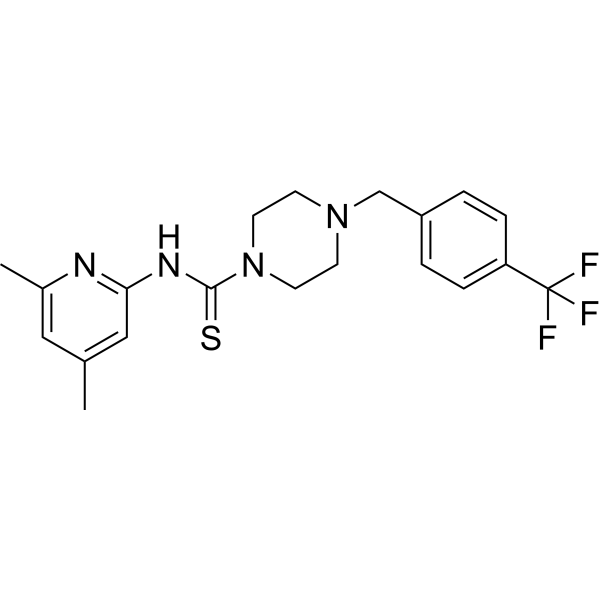
    BMS-566394 is a selective, orally active TACE (ADAM17) inhibitor. BMS-566394 inhibits LPS-induced TNF-α production in whole blood. BMS-566394 selectively inhibits TACE activity .
    BMS-566394
  • HY-168906

    Bradykinin Receptor PI3K Akt TNF Receptor ERK Neurological Disease Inflammation/Immunology
    BI-113823 is an orally active, blood-brain barrier-permeable bradykinin B1 receptor antagonist, with a Ki value of 5.3 nM for human receptors and 13.3 nM for rat receptors. BI-113823 reduces inflammation-induced mechanical hyperalgesia, as well as the mechanical sensitivity of peripheral afferent nerves and spinal nociceptive-specific neurons. BI-113823 alleviates liver fibrosis and portal hypertension, and improves survival in chronic liver disease models. BI-113823 inhibits the activities of monocytes, neutrophils and hepatic stellate cells, as well as the PI3K/Akt signaling pathway. BI-113823 can be used in research related to inflammatory pain, liver fibrosis and portal hypertension .
    BI-113823
  • HY-156961

    GLPG3667

    JAK Inflammation/Immunology
    Cadefrecitinib (GLPG3667) is a reversible, ATP-competitive and orally active TYK2 inhibitor with an IC50 of 2.3 nM. Cadefrecitinib inhibits IFNα/pSTAT1, and the IC50 values ​​in human peripheral blood mononuclear cell (PBMC) and whole blood assays are 70 nM and 623 nM, respectively. Cadefrecitinib has the potential for the study of inflammatory and autoimmune diseases .
    Cadefrecitinib
  • HY-107781

    Phosphodiesterase (PDE) Inflammation/Immunology
    PAT-505 is a potent, selective, noncompetitive and orally available autotaxin inhibitor, with an IC50 of 2 nM in Hep3B cells, 9.7 nM in human blood and 62 nM in mouse plasma.
    PAT-505
  • HY-113854
    AZD2906
    1 Publications Verification

    Glucocorticoid Receptor Cardiovascular Disease Endocrinology
    AZD2906 is a selective glucocorticoid receptor (GR) agonist, increases micronucleated immature erythrocytes in the bone marrow of rats. AZD2906 shows IC50s of 2.2, 0.3, 41.6 and 7.5 nM at GR in human, rat PBMC and human, rat whole blood, respectively .
    AZD2906
  • HY-B1072

    Environmental Pollutants Parasite Insecticide Infection
    Phenothrin is a Type I pyrethroid insecticide. Phenothrin induces dose-dependent DNA damage in human peripheral blood lymphocytes and hepatocytes, and exhibits definite genotoxic potential. Phenothrin acts as an insecticide for pest control in agriculture, households and public health, as well as for the elimination of human head lice infestations .
    Phenothrin
  • HY-13344A
    PF-8380 hydrochloride
    5 Publications Verification

    Phosphodiesterase (PDE) Inflammation/Immunology Cancer
    PF-8380 hydrochloride is a potent autotaxin inhibitor with an IC50 of 2.8 nM in isolated enzyme assay and 101 nM in human whole blood.
    PF-8380 hydrochloride
  • HY-100244

    Chloride Channel Neurological Disease
    NS1652 is a reversible anion conductance inhibitor, blocks chloride channel, with an IC50 of 1.6 μM in human and mouse red blood cells.
    NS1652
  • HY-P5792

    ANP (3-28) (human)

    Endothelin Receptor Cardiovascular Disease Metabolic Disease
    Atrial natriuretic peptide (3-28) (human) (ANP (3-28) (human)) is a peptide hormone that is synthesized and secreted by the atrial myocardium. Atrial natriuretic peptide (3-28) (human) is involved in the regulation of blood pressure, fluid balance, and electrolyte homeostasis .
    Atrial natriuretic peptide (3-28) (human)
  • HY-10437

    MK-0633

    Lipoxygenase Inflammation/Immunology
    Setileuton (MK-0633) is an inhibitor for 5-lipoxygenase, that inhibits the oxidation of arachidonic acid by recombinant human 5-LO, and the production of LTB4 in calcium ionophore-stimulated human whole blood, with IC50 of 3.9 and 52 nM, respectively .
    Setileuton
  • HY-15874A
    Fiboflapon sodium
    2 Publications Verification

    GSK2190915 sodium salt; AM-803 sodium

    FLAP Leukotriene Receptor Inflammation/Immunology
    Fiboflapon sodium (GSK2190915; AM-803) is a potent and orally bioavailable 5-lipoxygenase-activating protein (FLAP) inhibitor with a potency of 2.9 nM in FLAP binding, an IC50 of 76 nM for inhibition of LTB4 in human blood .
    Fiboflapon sodium
  • HY-P2995A

    Biochemical Assay Reagents Others
    Hemoglobin porcine is an oxygen-transporting protein present in the blood of domestic pigs, and also an oxygen carrier with higher oxygen affinity than human hemoglobin. Hemoglobin porcine exhibits cooperative oxygen-binding properties, with weaker heme-heme interactions than those of human hemoglobin .
    Hemoglobin porcine
  • HY-153673

    IRAK PROTACs Cancer
    PROTAC IRAK4 degrader-8 (Compound 2) is a PROTAC IRAK4 degrader (IC50: 15.5 nM). PROTAC IRAK4 degrader-8 degrades IRAK4 in THP-1 cells (DC50: 1.8 nM)。PROTAC IRAK4 degrader-8 also inhibits L-6 production in human whole blood and LPS-induced human PBMC cells, with IC50s of 246 nM and 2.2 nM respectively .
    PROTAC IRAK4 degrader-8
  • HY-153440

    JAK Cancer
    JAK-IN-25 (compound 19) is a potent JAK inhibitor with IC50s of 6 nM, 21 nM, 8 nM, 1051 nM for TYK2, JAK1, JAK2, JAK3, respectively. JAK-IN-25 inhibits human whole blood IL-12 (HEB IL-12) with an IC50 of 28 nM. JAK-IN-25 has the potential for cancer research .
    Methyl 6-(1-(4-methoxybenzyl)-1H-pyrazol-4-yl)-4-oxo-4,5-dihydropyrazolo[1,5-a]pyrazine-2-carboxylate
  • HY-176192

    Toll-like Receptor (TLR) NF-κB p38 MAPK ERK IKK TNF Receptor Interleukin Related Inflammation/Immunology
    SMU-14a is a selective Toll-like receptor 3 (TLR3) inhibitor wirh an IC50 of 0.18 μM. SMU-14a reduces phosphorylation of p65, ERK, and TBK1 via NF-κB, MAPK, and IRF3 signaling pathways. SMU-14a inhibits IL-6 secretion in mouse peritoneal macrophages, downregulates TNF-α in human peripheral blood monocytes and decreases serum alanine aminotransferase (ALT) and aspartate aminotransferase (AST) levels. SMU-14a can be used for the research of acute hepatitis .
    SMU-14a
  • HY-111140

    PGE synthase Lipoxygenase PPAR Inflammation/Immunology
    YS121 is a dual inhibitor of microsomal prostaglandin E2 synthase-1 (mPGES-1; IC50 = 3.4 μM) and 5-lipoxygenase (5-LOX; IC50 = 6.5 μM). YS121 exhibits direct, reversible, and specific binding to mPGES-1 (KD = 10-14 μM) . YS121 dose-dependently reduces PGE2 production with an EC50 of 12 μM in IL-1β-stimulated A549 cells . YS121 (compound 9) activates PPAR-α and -γ (EC50 = 1 and 3.6 μM, respectively) . YS121 exhibits anti-inflammatory efficiency in human whole blood as well as in vivo. YS121 can be used for pleurisy research .
    YS121
  • HY-107275

    Cholinesterase (ChE) Neurological Disease
    Ebeiedinone, a steroidal alkaloid from Fritillaria species, inhibits the bioactivity of human whole blood cholinesterase (ChE) at the concentration of 0.1 mM, with the inhibitory effects of 69.0% .
    Ebeiedinone
  • HY-113098R

    Reference Standards Endogenous Metabolite Metabolic Disease
    2-Oxovaleric acid (Standard) is the analytical standard of 2-Oxovaleric acid. This product is intended for research and analytical applications. 2-Oxovaleric acid is a keto acid that is found in human blood.
    2-Oxovaleric acid (Standard)
  • HY-134375

    Cyclic Adenosine-Inosine Monophosphate

    NF-κB IFNAR Inflammation/Immunology
    cAIMP (Cyclic Adenosine-Inosine Monophosphate) is an effective synthetic cyclic dinucleotide. cAIMP activates IRF and NF-κB in the THP1 human monocyte reporter cell line (THP1-Dual). cAIMP induces the secretion of IFNs and pro-inflammatory cytokines in vitro in human blood, with an EC50 of 6.4 μmol/L .
    cAIMP
  • HY-115708

    Cer(t18:0/22:0); Ceramide (t18:0/22:0); C22 Phytosphingosine (t18:0/22:0)

    Endogenous Metabolite Metabolic Disease
    C22 Phytoceramide is a sphingolipid that has been found in Moro blood orange (C. sinensis) peels. It has also been found in primary human astrocytes.
    C22 Phytoceramide (t18:0/22:0)
  • HY-168373

    Endogenous Metabolite Others
    1-Stearoyl-2-eicosapentaenoyl-sn-glycero-3-PC is a phospholipid that can be found in human red blood cells (RBCs) .
    1-Stearoyl-2-Eicosapentaenoyl-sn-glycero-3-PC
  • HY-W142459

    Biochemical Assay Reagents Others
    Naphthol AS-D, in the form of its chloroacetate, can be used to demonstrate the esterase activity of human myeloid cells and contribute to research related to white blood cells .
    Naphthol AS-D
  • HY-127023

    EPA-5-HT

    Endogenous Metabolite FAAH Interleukin Related Tyrosine Hydroxylase Metabolic Disease
    Eicosapentaenoyl serotonin (EPA-5-HT) is an endogenous fatty acid-serotonin conjugate lipid mediator. Eicosapentaenoyl serotonin acts as an inhibitor of fatty acid amide hydrolase (FAAH). Eicosapentaenoyl serotonin suppresses IL-17 release in Concanavalin A (HY-P2149)-stimulated human peripheral blood mononuclear cells. Eicosapentaenoyl serotonin is regulated by polyunsaturated fatty acids and modulates intestinal immunity and Th17 signaling. Eicosapentaenoyl serotonin can be used for the study of inflammatory bowel disease-related mechanisms .
    Eicosapentaenoyl serotonin
  • HY-18725

    P2X Receptor Interleukin Related Cardiovascular Disease Inflammation/Immunology
    P2X7-IN-2 (compound 58) is a P2X7 receptor inhibitor. P2X7-IN-2 inhibits IL-Iβ release with an IC50 value of 0.01 nM. P2X7-IN-2 can be used for the research of autoimmunity, inflammation and cardiovascular disease .
    P2X7-IN-2
  • HY-151894

    Epigenetic Reader Domain Cancer
    I-BET432 is a BET inhibitor. I-BET432 inhibits BRD4 N-terminal bromodomain (BD1) and the C-terminal bromodomain (BD2) with pIC50 values of 7.5 and 7.2, respectively. I-BET432 can be used as an oral candidate quality molecule for the research of multiple oncology and inflammatory diseases .
    I-BET432
  • HY-169908

    STAT Cancer
    STAT3-IN-37 (Compound 101) is the inhibitor for STAT3 with an IC50 of 15 nM (measuring by DNA-HTRF assay) or 2 nM (measuring by human whole blood SOCS3 qPCR assay) .
    STAT3-IN-37
  • HY-174495

    mRNA Others
    Human EPO mRNA encodes the human erythropoietin (EPO) protein, a hormone that controls erythropoiesis, or red blood cell production. EPO also plays a role in wound healing and the brain’s response to neural injury. Kariko et al. showed that transfection of EPO mRNA in vivo resulted in significant increases of both reticulocyte counts and hematocrits.
    Human EPO mRNA
  • HY-N15307

    Interleukin Related TNF Receptor Inflammation/Immunology
    Trigraecum is a flavonoid compound found in Dracaena steudneri and Dalbergia cochinchinensis, exhibiting anti-inflammatory activity. It can inhibit the LPS (HY-D1056)-induced production of IL-1β, IL-2, GM-CSF, and TNF-α in human peripheral blood mononuclear cells. Trigraecum holds promise for research on inflammatory diseases .
    Trigraecum
  • HY-P5722

    Bacterial Infection
    Peptide 5f is an antimicrobial peptide derived from wasp venom. Peptide 5f has antimicrobial activity against bacteria and fungi. Peptide 5f has little hemolytic activity on human red blood cells .
    Peptide 5f

Inquiry Online

Your information is safe with us. * Required Fields.

Salutation


Country or Region *

Applicant Name *


Organization Name *

Department *


Email Address *


Product Name *

Cat. No.


Requested quantity *

Phone Number *


Remarks

Inquiry Online

Inquiry Information

Product Name:
Cat. No.:
Quantity:
MCE Japan Authorized Agent:

