

Search Result
Results for "
human eosinophils
" in MedChemExpress (MCE) Product Catalog:
1
Biochemical Assay Reagents
| Cat. No. |
Product Name |
Target |
Research Areas |
Chemical Structure |
-
- HY-P990774
-
|
ASP-7266; TRAB-1; UPB-101
|
Interleukin Related
|
Inflammation/Immunology
|
|
Verekitug (ASP-7266; TRAB-1; UPB-101) is a human monoclonal antibody targeting the thymic stromal lymphopoietin receptor (TSLPR), with a mean half-life of approximately 20 days. At doses of Verekitug ≥100 mg, complete and sustained TSLPR-specific occupancy is achieved, and the antibody does not bind to IL-7Rα. By inhibiting TSLP-driven inflammatory responses, Verekitug blocks TSLP-induced cell proliferation and TARC expression, while reducing fractional exhaled NO levels, blood eosinophil counts, and levels of IL-5 and IgE. Verekitug significantly improves scores for nasal polyps, nasal congestion and olfactory dysfunction, with favorable safety and good tolerability; potential adverse reactions include headache, upper respiratory tract infection, sinusitis and nasopharyngitis. Verekitug is used in relevant studies on asthma, chronic rhinosinusitis with nasal polyps and chronic obstructive pulmonary disease .
|
-
-
- HY-19969
-
|
|
Interleukin Related
|
Inflammation/Immunology
|
|
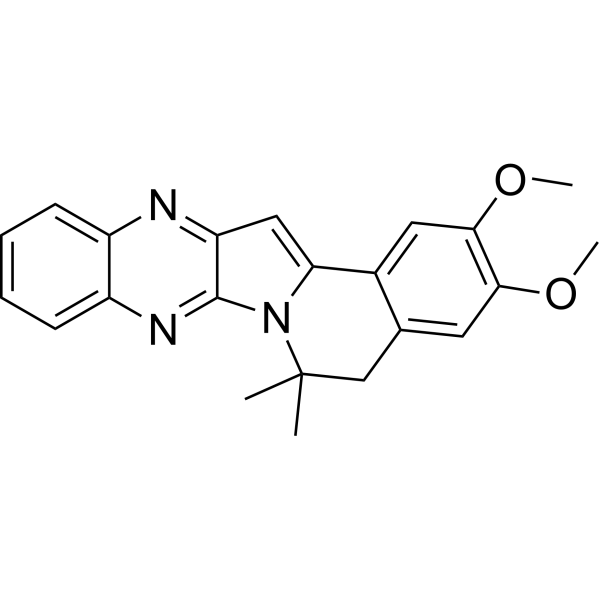
YM-90709 is a novel IL-5 inhibitor which selectively blocks the binding of IL-5 to the IL-5 receptor (IL-5R).YM-90709 potently inhibits the binding of [ 125I]-IL-5 to IL-5R on human peripheral eosinophils and eosinophilic HL-60 clone 15 cells with IC50 values of 1.0 and 0.57 μM .
|
-
-
- HY-W011696
-
|
cis-1-Amino-9-octadecene, 80-90%
|
Environmental Pollutants
Biochemical Assay Reagents
|
Cancer
|
|
Oleylamine, 80-90% (cis-1-Amino-9-octadecene, 80-90%) is a multifunctional reagent used for metal ion coordination and nanoparticle surface modification, and acts as a solvent, surfactant and reducing agent in the synthesis of metal oxide nanoparticles. Oleylamine, 80-90% regulates nanoparticle morphology, magnetization intensity and water proton relaxation rate via thiol-ene "click" reaction, and enhances the colloidal stability of nanoparticles in organic reagents. Oleylamine, 80-90% is mainly used in research and applications in fields such as nanomaterial synthesis, biomedical imaging (MRI contrast agents, fluorescent probes), cancer cell targeting and drug delivery .
|
-
-
- HY-P99371
-
|
AK002; Antolimab
|
Apoptosis
|
Inflammation/Immunology
|
|
Lirentelimab (AK002) is a humanized IgG1 monoclonal antibody that targets sialic acid-binding Ig-like lectin 8 (SIGLEC8). Lirentelimab induces cell apoptosis of IL-5-activated eosinophils and inhibits IgE-mediated mast cell activation. Lirentelimab can be used for the research of eosinophilic gastritis and duodenitis .
|
-
-
- HY-15342
-
|
OC000459
|
Prostaglandin Receptor
|
Inflammation/Immunology
Endocrinology
|
|
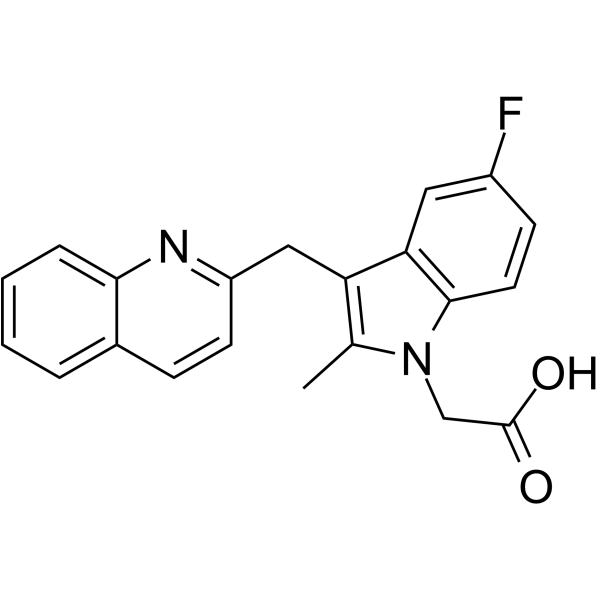
Timapiprant (OC000459) is a potent, selective, and orally active D prostanoid receptor 2 (DP2, also known as CRTH2) antagonist. Timapiprant (OC000459) potently displaces [ 3H] PGD2 from human recombinant DP2 (Ki=13 nM), rat recombinant DP2 (Ki=3 nM), and human native DP2 (Ki=4 nM). Timapiprant (OC000459) inhibits mast cell activation of Th2 lymphocytes and eosinophils .
|
-
-
- HY-123205
-
-
-
- HY-P990213
-
|
|
Interleukin Related
|
Inflammation/Immunology
|
|
Anti-Mouse/Human IL-5 Antibody (TRFK5) is a rat-derived anti-mouse IL-5 IgG1 κ type antibody inhibitor. Anti-Mouse/Human IL-5 Antibody (TRFK5) can significantly decrease eosinophils. Anti-Mouse/Human IL-5 Antibody (TRFK5) shows potent anti- inflammation effect on pulmonary inflammation and asthma .
|
-
-
- HY-15342A
-
|
OC000459 sodium
|
Prostaglandin Receptor
|
Inflammation/Immunology
Endocrinology
|
|
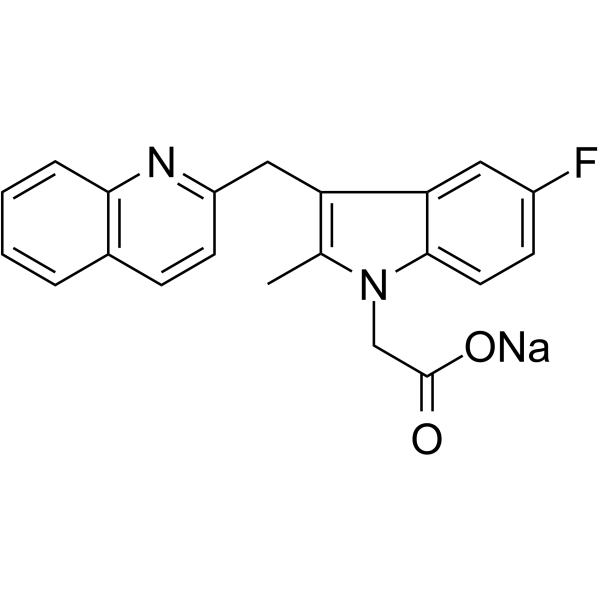
Timapiprant sodium (OC000459 sodium) is a potent, selective, and orally active D prostanoid receptor 2 (DP2, also known as CRTH2) antagonist. Timapiprant sodium (OC000459 sodium) potently displaces [ 3H] PGD2 from human recombinant DP2 (Ki=13 nM), rat recombinant DP2 (Ki=3 nM), and human native DP2 (Ki=4 nM). Timapiprant sodium (OC000459 sodium) inhibits mast cell activation of Th2 lymphocytes and eosinophils .
|
-
-
- HY-101188
-
|
|
Histamine Receptor
|
Infection
|
|
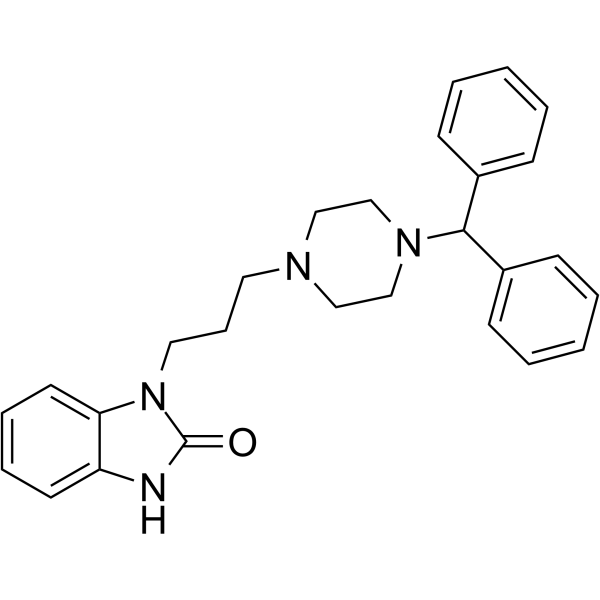
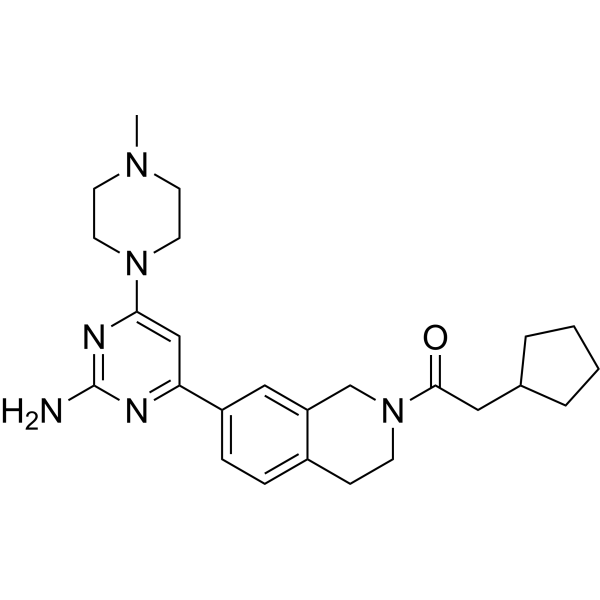
INCB38579 is an orally active, highly brain penetrable, and selective histamine H4 receptor (HH4R) antagonist (hH4R IC50=4.8 nM, mH4R IC50=42 nM, rH4R IC50=32 nM). INCB38579 shows anti-inflammatory pain and anti-pruritic activities .
|
-
-
- HY-17457
-
|
Levosalbutamol hemitartrate
|
Adrenergic Receptor
PI3K
|
Inflammation/Immunology
|
|
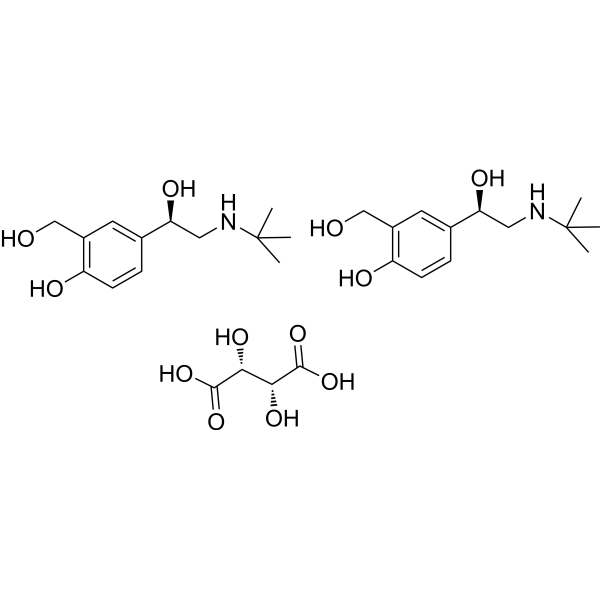
Levalbuterol (Levosalbutamol) hemitartrate is a β2-adrenergic receptor agonist and PI3K inhibitor. Levalbuterol hemitartrate inhibits PI3K activity, reduces NF-κB and Rb protein expression, activates the cAMP/PKA pathway, and stimulates cAMP release. Levalbuterol hemitartrate relaxes airway smooth muscle, reduces intracellular calcium levels, and inhibits spasmogen-induced contractions. Levalbuterol hemitartrate can be used for the research of moderate-to-severe asthma .
|
-
-
- HY-P99846
-
|
QAX576
|
Interleukin Related
|
Inflammation/Immunology
|
|
Dectrekumab (QAX576) is a human monoclonal antibody that targets IL-13. Dectrekumab significantly improves intraepithelial esophageal eosinophil counts and dysregulated esophageal disease-related transcripts with Eosinophilic esophagitis (EoE) in a sustained manner and can be used for inflammation and immunology related research .
|
-
-
- HY-122558
-
|
|
Prostaglandin Receptor
|
Neurological Disease
|
|
AM432 (sodium) is a potent and selective antagonist of the DP2 receptor (CRTH2). AM432 (sodium) exhibits excellent potency in a human whole blood eosinophil shape change assay with prolonged incubation. AM432 (sodium) also demonstrates excellent pharmacokinetics in dog and mouse models of inflammatory disease .
|
-
-
- HY-177304
-
|
|
TNF Receptor
|
Inflammation/Immunology
|
|
Anti-inflammatory agent 104 (Compound 26) is an anti-inflammatory compound. The IC50 of Anti-inflammatory agent 104 for the inhibition of TNF-α synthesis and release in the human macrophage cell line U937 is 0.024 nM. Anti-inflammatory agent 104 can reduce eosinophils in rat lungs by 63% .
|
-
-
- HY-137308
-
|
15R-PGD2
|
Prostaglandin Receptor
|
Inflammation/Immunology
|
|
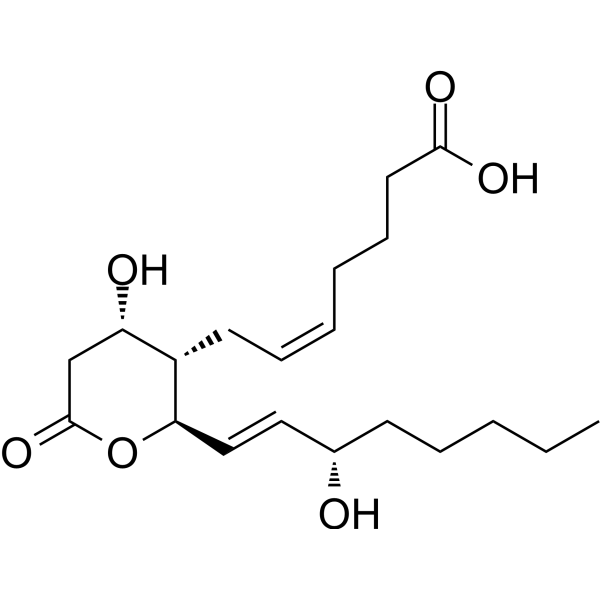
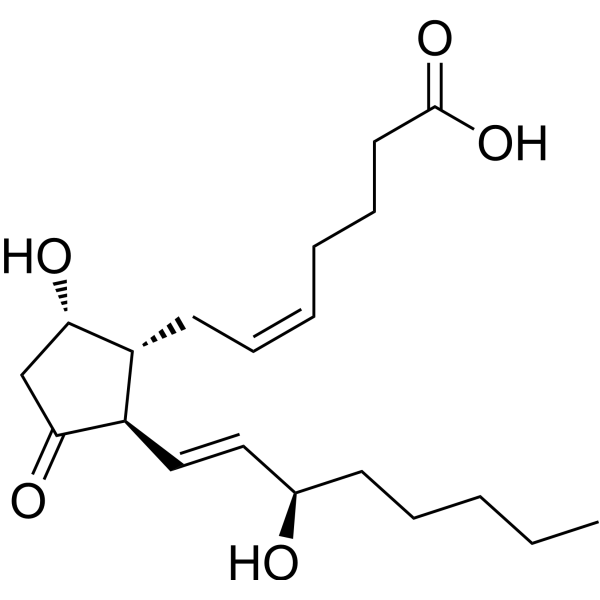
15(R)-Prostaglandin D2 is a potential prostatic hormone DP(2) receptor (Prostaglandin Receptor) agonist with anti-inflammatory activity. 15(R)-Prostaglandin D2 increases actin polymerization in human eosinophils and increases cAMP levels in platelets .
|
-
-
- HY-P991599
-
|
|
Interleukin Related
|
Inflammation/Immunology
|
|
SHR-1703 is a long-acting humanized anti-IL-5 IgG1 monoclonal antibody. SHR-1703 can selectively recognize and bind to IL-5, blocking the binding of IL-5 to the α chain of the receptor on the surface of eosinophils, thereby inhibiting the proliferation, activation, and migration of eosinophils, and ultimately reducing eosinophil-mediated inflammation and damage. SHR-1703 can be used in the research of eosinophil-related diseases, such as eosinophilic asthma. Recommend Isotype Controls: Human IgG1 kappa, Isotype Control (HY-P99001) .
|
-
-
- HY-174763
-
|
|
mRNA
|
Inflammation/Immunology
|
|
Human CCL2 mRNA encodes the human C-C motif chemokine ligand 2 (CCL2) protein. CCL2 displays chemotactic activity for monocytes and basophils but not for neutrophils or eosinophils. It has been implicated in the pathogenesis of diseases characterized by monocytic infiltrates, like psoriasis, rheumatoid arthritis and atherosclerosis.
|
-
-
- HY-174639
-
|
|
mRNA
|
Inflammation/Immunology
|
|
Human IL13 mRNA encodes the human interleukin 13 (IL13) protein, an immunoregulatory cytokine produced primarily by activated Th2 cells. IL13 is involved in several stages of B-cell maturation and differentiation and is found to be critical to the pathogenesis of allergen-induced asthma but operates through mechanisms independent of IgE and eosinophils.
|
-
-
- HY-174770
-
|
|
mRNA
|
Inflammation/Immunology
|
|
Human CCL13 mRNA encodes the human C-C motif chemokine ligand 13 (CCL13) protein, a cytokine that displays chemotactic activity for monocytes, lymphocytes, basophils and eosinophils, but not neutrophils. CCL13 also plays a role in accumulation of leukocytes during inflammation and may be involved in the recruitment of monocytes into the arterial wall during artherosclerosis.
|
-
-
- HY-174754
-
|
|
mRNA
|
Inflammation/Immunology
|
|
Human CCL28 mRNA encodes the human C-C motif chemokine ligand 28 (CCL28) protein, a cytokine that displays chemotactic activity for resting CD4 or CD8 T cells and eosinophils. CCL28 may play a role in the physiology of extracutaneous epithelial tissues, including diverse mucosal organs.
|
-
-
- HY-174607
-
|
|
mRNA
|
Inflammation/Immunology
|
|
Human IL33 mRNA encodes the human interleukin 33 (IL33) protein, a cytokine that binds to the IL1RL1/ST2 receptor. IL33 is involved in the maturation of Th2 cells and the activation of mast cells, basophils, eosinophils and natural killer cells.
|
-
-
- HY-174756
-
|
|
mRNA
|
Inflammation/Immunology
|
|
Human CCL26 mRNA encodes the human C-C motif chemokine ligand 26 (CCL26) protein, a cytokine that displays chemotactic activity for normal peripheral blood eosinophils and basophils. CCL26 also has antimicrobial activity, displaying an antibacterial effect on S. pneumoniae, S. aureus, Non-typeable H. influenzae, and P. aeruginosa.
|
-
-
- HY-174760
-
|
|
mRNA
|
Inflammation/Immunology
|
|
Human CCL22 mRNA encodes the human C-C motif chemokine ligand 22 (CCL22) protein, a cytokine that displays chemotactic activity for monocytes, dendritic cells, natural killer cells and for chronically activated T lymphocytes. CCL22 also displays a mild activity for primary activated T lymphocytes and has no chemoattractant activity for neutrophils, eosinophils and resting T lymphocytes.
|
-
-
- HY-12284
-
|
|
Prostaglandin Receptor
|
Inflammation/Immunology
|
|
NVP-QAV680 is a potent and selective CRTh2 receptor antagonist with low nanomolar (nM) functional potency to inhibit CRTh2-driven activation of human eosinophils and Th2 lymphocytes. NVP-QAV680 exhibits good oral bioavailability and demonstrates efficacy in CRTh2-dependent mechanisms and allergic disease models in rats .
|
-
-
- HY-N7801
-
|
|
Drug Isomer
|
Metabolic Disease
|
|
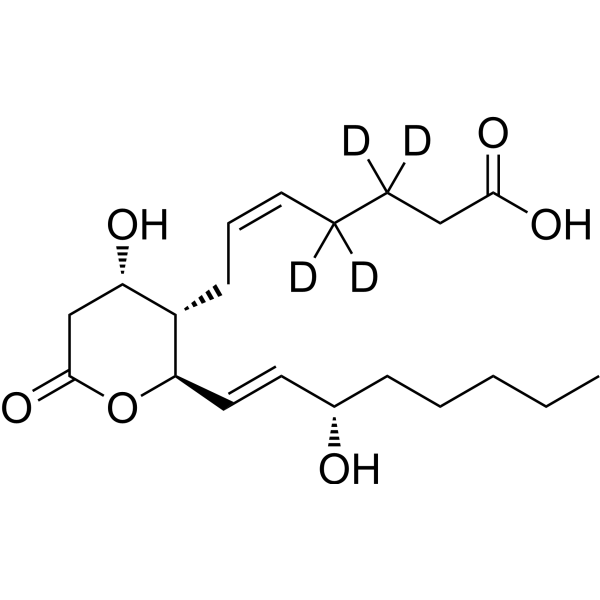
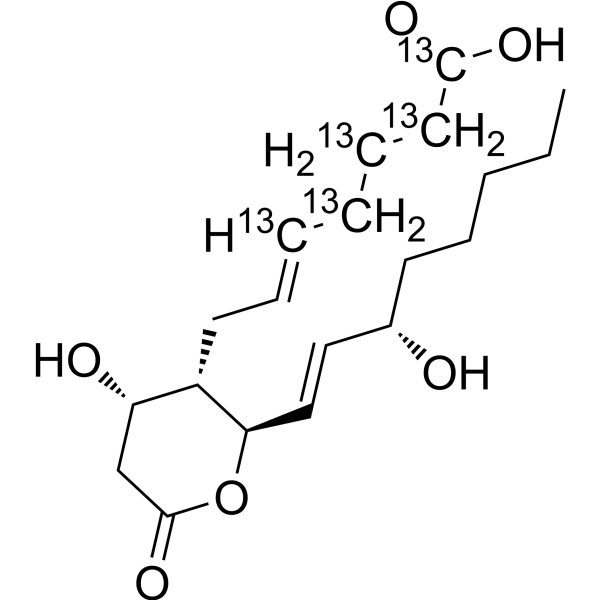
(±)5-HEPE is produced by non-enzymatic oxidation of EPA. It contains equal amounts of 5(S)-HEPE and 5(R)-HEPE. The biological activity of (±)5-HEPE is likely mediated by one of the individual isomers, most commonly the 5(S) isomer in mammalian systems. EPA can be metabolized to 5-HEPE in human and bovine neutrophils, and human eosinophils, which is further metabolized to 5-oxoEPE and LTB5. The 5-series metabolites of EPA, namely 5-HEPE, 5-oxoEPE, and LTB5, have significantly decreased biological effects compared to the arachidonic acid-derived metabolites.
|
-
-
- HY-137863
-
-
-
- HY-174602
-
|
|
mRNA
|
Inflammation/Immunology
|
|
Human IL5 mRNA encodes the human interleukin 5 (IL5) protein, a cytokine that acts as a growth and differentiation factor for both B cells and eosinophils. IL5 plays a major role in the regulation of eosinophil formation, maturation, recruitment and survival. The increased production of this cytokine may be related to pathogenesis of eosinophil-dependent inflammatory diseases.
|
-
-
- HY-E70992
-
|
|
Endogenous Metabolite
|
Metabolic Disease
|
|
Eosinophil Peroxidase, Human (EC 1.11.1.7) is an enzyme found in eosinophils (innate immune cells of humans and mammals). Eosinophil Peroxidase, Human (EC 1.11.1.7) is a heme peroxidase whose activities include oxidizing halide ions to reactive oxygen species with bactericidal effects, disrupting bacterial cell walls with cations, and performing post-translational modifications on protein amino acid residues.
|
-
-
- HY-174749
-
|
|
mRNA
|
Inflammation/Immunology
|
|
Human CCL8 mRNA encodes the human C-C motif chemokine ligand 8 (CCL8) protein, a member of the CC subfamily. CCL8 displays chemotactic activity for monocytes, lymphocytes, basophils and eosinophils.
|
-
-
- HY-174745
-
|
|
mRNA
|
Inflammation/Immunology
|
|
Human CCR3 mRNA encodes the human C-C motif chemokine receptor 3 (CCR3) protein, a member of G protein-coupled receptors family. CCR3 may contribute to the accumulation and activation of eosinophils and other inflammatory cells in the allergic airway. It is also known to be an entry co-receptor for HIV-1.
|
-
-
- HY-131827
-
|
|
DNA/RNA Synthesis
|
Inflammation/Immunology
|
|
5-Chlorouridine, a ribonucleoside, is an inhibitor of RNase A (Ki = 44.5 μM) and eosinophil derived neurotoxin (EDN) (Ki = 1080.1 μM; IC50 = 1462.8 μM). 5-Chlorouridine can be used for the researches of inflammatory disorders and hypereosinophilic syndromes .
|
-
-
- HY-174751
-
|
|
mRNA
|
Inflammation/Immunology
|
|
Human CCL5 mRNA encodes the human C-C motif chemokine ligand 5 (CCL5) protein, a member of the CC subfamily, functions as a chemoattractant for blood monocytes, memory T helper cells and eosinophils. CCL5 is one of the major HIV-suppressive factors produced by CD8+ cells. It functions as one of the natural ligands for the chemokine receptor chemokine (C-C motif) receptor 5 (CCR5), and it suppresses in vitro replication of the R5 strains of HIV-1, which use CCR5 as a coreceptor.
|
-
-
- HY-P992447
-
|
|
Interleukin Related
|
Inflammation/Immunology
|
|
QX008N is a humanized IgG1 monoclonal antibody and also a TSLP inhibitor with a KD value of 0.0175 nM. QX008N blocks TSLP-induced signaling pathways by inhibiting the interaction of TSLP-TSLPR-IL-7Rα. QX008N reduces eosinophil and IgE levels, improves pulmonary function, blocks TSLP-induced inflammation, and enhances the inhibitory effect on inflammatory mediators when administered in combination with anti-IL-4R antibodies. QX008N is applicable to relevant research on asthma .
|
-
-
- HY-P992440
-
|
|
Interleukin Related
|
Inflammation/Immunology
|
|
PF-06817024 is a high affinity, humanized antibody that binds IL-33. PF-06817024 binds to IL-33, prevents IL-33 from binding to receptor ST2, and inhibits downstream type 2 inflammatory responses. PF-06817024 can be used for the research of allergic diseases .
|
-
-
- HY-182736
-
|
|
CCR
Histamine Receptor
Calcium Channel
|
Inflammation/Immunology
|
|
YM-344484 is an orally active dual antagonist of chemokine CCR3 receptor and histamine histamine H1 receptor. YM-344484 inhibits ligand-induced Ca 2+ influx, chemotaxis of CCR3-expressing cells, histamine-induced Ca 2+ influx, increased vascular permeability and eosinophil accumulation. YM-344484 suppresses vascular permeability and inhibits eosinophil infiltration in a mouse asthma model. YM-344484 can be used in research related to asthma, allergic rhinitis and atopic dermatitis .
|
-
-
- HY-182637
-
|
|
Prostaglandin Receptor
|
Inflammation/Immunology
|
|
ACT-774312 is a potent and selective CRTH2 antagonist with an IC50 of 4 nM. ACT-774312 blocks the activity and internalization of the CRTH2 receptor, and inhibits PGD2-induced morphological changes in eosinophils. ACT-774312 can be used in the research of nasal polyps and type 2 inflammatory diseases.
|
-
| Cat. No. |
Product Name |
Type |
-
- HY-W011696
-
|
cis-1-Amino-9-octadecene, 80-90%
|
Biochemical Assay Reagents
|
|
Oleylamine, 80-90% (cis-1-Amino-9-octadecene, 80-90%) is a multifunctional reagent used for metal ion coordination and nanoparticle surface modification, and acts as a solvent, surfactant and reducing agent in the synthesis of metal oxide nanoparticles. Oleylamine, 80-90% regulates nanoparticle morphology, magnetization intensity and water proton relaxation rate via thiol-ene "click" reaction, and enhances the colloidal stability of nanoparticles in organic reagents. Oleylamine, 80-90% is mainly used in research and applications in fields such as nanomaterial synthesis, biomedical imaging (MRI contrast agents, fluorescent probes), cancer cell targeting and drug delivery .
|
| Cat. No. |
Product Name |
Target |
Research Area |
-
- HY-P4663
-
|
NSC 350591
|
Peptides
|
Cancer
|
|
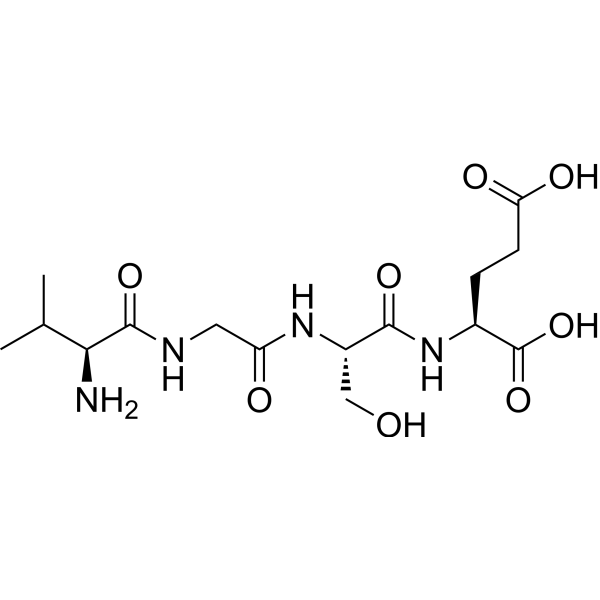
Val-Gly-Ser-Glu (NSC 350591) is an ECF-A tetrapeptide. Val-Gly-Ser-Glu dose-dependently increases the number of human eosinophils, but not neutrophils, rosetting with complement-coated sheep erythrocytes (EAC3b) .
|
| Cat. No. |
Product Name |
Target |
Research Area |
Image |
-
- HY-P990774
-
|
ASP-7266; TRAB-1; UPB-101
|
Interleukin Related
|
Inflammation/Immunology
|
|
Verekitug (ASP-7266; TRAB-1; UPB-101) is a human monoclonal antibody targeting the thymic stromal lymphopoietin receptor (TSLPR), with a mean half-life of approximately 20 days. At doses of Verekitug ≥100 mg, complete and sustained TSLPR-specific occupancy is achieved, and the antibody does not bind to IL-7Rα. By inhibiting TSLP-driven inflammatory responses, Verekitug blocks TSLP-induced cell proliferation and TARC expression, while reducing fractional exhaled NO levels, blood eosinophil counts, and levels of IL-5 and IgE. Verekitug significantly improves scores for nasal polyps, nasal congestion and olfactory dysfunction, with favorable safety and good tolerability; potential adverse reactions include headache, upper respiratory tract infection, sinusitis and nasopharyngitis. Verekitug is used in relevant studies on asthma, chronic rhinosinusitis with nasal polyps and chronic obstructive pulmonary disease .
|
-
(5)
-
- HY-P99371
-
|
AK002; Antolimab
|
Apoptosis
|
Inflammation/Immunology
|
|
Lirentelimab (AK002) is a humanized IgG1 monoclonal antibody that targets sialic acid-binding Ig-like lectin 8 (SIGLEC8). Lirentelimab induces cell apoptosis of IL-5-activated eosinophils and inhibits IgE-mediated mast cell activation. Lirentelimab can be used for the research of eosinophilic gastritis and duodenitis .
|
-
(5)
-
- HY-P990213
-
|
|
Interleukin Related
|
Inflammation/Immunology
|
|
Anti-Mouse/Human IL-5 Antibody (TRFK5) is a rat-derived anti-mouse IL-5 IgG1 κ type antibody inhibitor. Anti-Mouse/Human IL-5 Antibody (TRFK5) can significantly decrease eosinophils. Anti-Mouse/Human IL-5 Antibody (TRFK5) shows potent anti- inflammation effect on pulmonary inflammation and asthma .
|
-
(5)
-
- HY-P99846
-
|
QAX576
|
Interleukin Related
|
Inflammation/Immunology
|
|
Dectrekumab (QAX576) is a human monoclonal antibody that targets IL-13. Dectrekumab significantly improves intraepithelial esophageal eosinophil counts and dysregulated esophageal disease-related transcripts with Eosinophilic esophagitis (EoE) in a sustained manner and can be used for inflammation and immunology related research .
|
-
(5)
-
- HY-P991599
-
|
|
Interleukin Related
|
Inflammation/Immunology
|
|
SHR-1703 is a long-acting humanized anti-IL-5 IgG1 monoclonal antibody. SHR-1703 can selectively recognize and bind to IL-5, blocking the binding of IL-5 to the α chain of the receptor on the surface of eosinophils, thereby inhibiting the proliferation, activation, and migration of eosinophils, and ultimately reducing eosinophil-mediated inflammation and damage. SHR-1703 can be used in the research of eosinophil-related diseases, such as eosinophilic asthma. Recommend Isotype Controls: Human IgG1 kappa, Isotype Control (HY-P99001) .
|
-
(5)
-
- HY-P992447
-
|
|
Interleukin Related
|
Inflammation/Immunology
|
|
QX008N is a humanized IgG1 monoclonal antibody and also a TSLP inhibitor with a KD value of 0.0175 nM. QX008N blocks TSLP-induced signaling pathways by inhibiting the interaction of TSLP-TSLPR-IL-7Rα. QX008N reduces eosinophil and IgE levels, improves pulmonary function, blocks TSLP-induced inflammation, and enhances the inhibitory effect on inflammatory mediators when administered in combination with anti-IL-4R antibodies. QX008N is applicable to relevant research on asthma .
|
-
(5)
-
- HY-P992440
-
|
|
Interleukin Related
|
Inflammation/Immunology
|
|
PF-06817024 is a high affinity, humanized antibody that binds IL-33. PF-06817024 binds to IL-33, prevents IL-33 from binding to receptor ST2, and inhibits downstream type 2 inflammatory responses. PF-06817024 can be used for the research of allergic diseases .
|
-
(5)
| Cat. No. |
Product Name |
|
Classification |
-
- HY-174763
-
|
|
|
mRNA
Chemokine & Receptors
|
|
Human CCL2 mRNA encodes the human C-C motif chemokine ligand 2 (CCL2) protein. CCL2 displays chemotactic activity for monocytes and basophils but not for neutrophils or eosinophils. It has been implicated in the pathogenesis of diseases characterized by monocytic infiltrates, like psoriasis, rheumatoid arthritis and atherosclerosis.
|
-
- HY-174639
-
|
|
|
mRNA
Interleukin & Receptors
|
|
Human IL13 mRNA encodes the human interleukin 13 (IL13) protein, an immunoregulatory cytokine produced primarily by activated Th2 cells. IL13 is involved in several stages of B-cell maturation and differentiation and is found to be critical to the pathogenesis of allergen-induced asthma but operates through mechanisms independent of IgE and eosinophils.
|
-
- HY-174770
-
|
|
|
mRNA
Chemokine & Receptors
|
|
Human CCL13 mRNA encodes the human C-C motif chemokine ligand 13 (CCL13) protein, a cytokine that displays chemotactic activity for monocytes, lymphocytes, basophils and eosinophils, but not neutrophils. CCL13 also plays a role in accumulation of leukocytes during inflammation and may be involved in the recruitment of monocytes into the arterial wall during artherosclerosis.
|
-
- HY-174754
-
|
|
|
mRNA
Chemokine & Receptors
|
|
Human CCL28 mRNA encodes the human C-C motif chemokine ligand 28 (CCL28) protein, a cytokine that displays chemotactic activity for resting CD4 or CD8 T cells and eosinophils. CCL28 may play a role in the physiology of extracutaneous epithelial tissues, including diverse mucosal organs.
|
-
- HY-174607
-
|
|
|
mRNA
Interleukin & Receptors
|
|
Human IL33 mRNA encodes the human interleukin 33 (IL33) protein, a cytokine that binds to the IL1RL1/ST2 receptor. IL33 is involved in the maturation of Th2 cells and the activation of mast cells, basophils, eosinophils and natural killer cells.
|
-
- HY-174756
-
|
|
|
mRNA
Chemokine & Receptors
|
|
Human CCL26 mRNA encodes the human C-C motif chemokine ligand 26 (CCL26) protein, a cytokine that displays chemotactic activity for normal peripheral blood eosinophils and basophils. CCL26 also has antimicrobial activity, displaying an antibacterial effect on S. pneumoniae, S. aureus, Non-typeable H. influenzae, and P. aeruginosa.
|
-
- HY-174760
-
|
|
|
mRNA
Chemokine & Receptors
|
|
Human CCL22 mRNA encodes the human C-C motif chemokine ligand 22 (CCL22) protein, a cytokine that displays chemotactic activity for monocytes, dendritic cells, natural killer cells and for chronically activated T lymphocytes. CCL22 also displays a mild activity for primary activated T lymphocytes and has no chemoattractant activity for neutrophils, eosinophils and resting T lymphocytes.
|
-
- HY-174602
-
|
|
|
mRNA
Interleukin & Receptors
|
|
Human IL5 mRNA encodes the human interleukin 5 (IL5) protein, a cytokine that acts as a growth and differentiation factor for both B cells and eosinophils. IL5 plays a major role in the regulation of eosinophil formation, maturation, recruitment and survival. The increased production of this cytokine may be related to pathogenesis of eosinophil-dependent inflammatory diseases.
|
-
- HY-174749
-
|
|
|
mRNA
Chemokine & Receptors
|
|
Human CCL8 mRNA encodes the human C-C motif chemokine ligand 8 (CCL8) protein, a member of the CC subfamily. CCL8 displays chemotactic activity for monocytes, lymphocytes, basophils and eosinophils.
|
-
- HY-174745
-
|
|
|
mRNA
Chemokine & Receptors
|
|
Human CCR3 mRNA encodes the human C-C motif chemokine receptor 3 (CCR3) protein, a member of G protein-coupled receptors family. CCR3 may contribute to the accumulation and activation of eosinophils and other inflammatory cells in the allergic airway. It is also known to be an entry co-receptor for HIV-1.
|
-
- HY-174751
-
|
|
|
mRNA
Chemokine & Receptors
|
|
Human CCL5 mRNA encodes the human C-C motif chemokine ligand 5 (CCL5) protein, a member of the CC subfamily, functions as a chemoattractant for blood monocytes, memory T helper cells and eosinophils. CCL5 is one of the major HIV-suppressive factors produced by CD8+ cells. It functions as one of the natural ligands for the chemokine receptor chemokine (C-C motif) receptor 5 (CCR5), and it suppresses in vitro replication of the R5 strains of HIV-1, which use CCR5 as a coreceptor.
|
Your information is safe with us. * Required Fields.
Inquiry Information
- Product Name:
- Cat. No.:
- Quantity:
- MCE Japan Authorized Agent:

