1. Search Result
Search Result
Results for "

intracellular cholesterol

" in MedChemExpress (MCE) Product Catalog:

37

Inhibitors & Agonists

1

Fluorescent Dyes

7

Natural
Products

4

Recombinant Proteins

5

Isotope-Labeled Compounds

1

Oligonucleotides

Targets Recommended:
Cat. No. Product Name Target Research Areas Chemical Structure
  • HY-107433
    U18666A
    Maximum Cited Publications
    23 Publications Verification

    Flavivirus Dengue Virus HCV Infection Neurological Disease
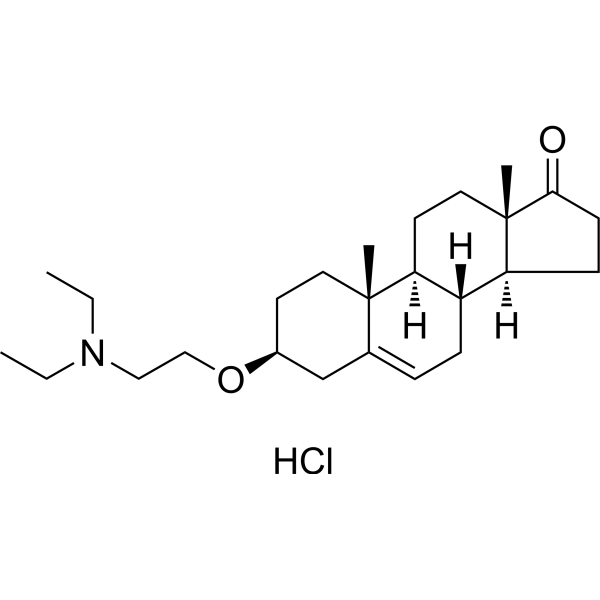
    U18666A, an intra-cellular cholesterol transport inhibitor, inhibits replication of Ebola virus, dengue virus, and human hepatitis C virus .
    U18666A
  • HY-13690
    Mitotane
    5 Publications Verification

    2,4′-DDD; o,p'-DDD

    Apoptosis Cancer
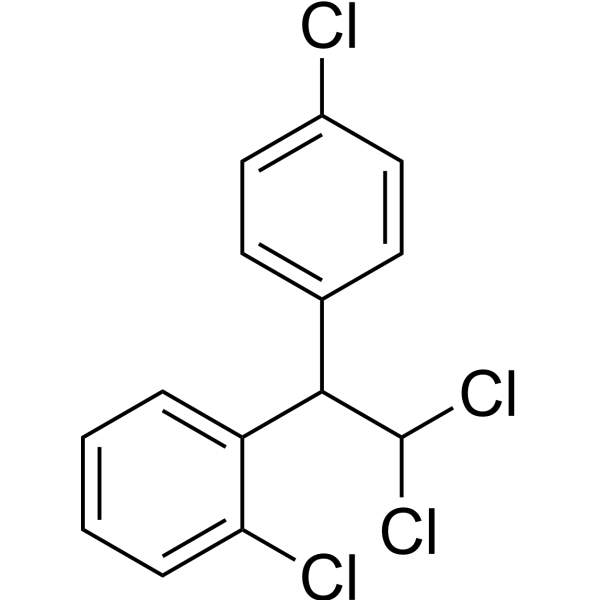
    Mitotane (2,4′-DDD), an isomer of DDD and derivative of dichlorodiphenyltrichloroethane (DDT), is an antineoplastic agent, can be used to research adrenocortical carcinoma. Mitotane exert its adrenocorticolytic effect at least in part through lipotoxicity induced by intracellular free cholesterol (FC) accumulation. Mitotane can have direct pituitary effects on corticotroph cells. Mitotane can induce CYP3A4 gene expression via steroid and xenobiotic receptor (SXR) activation, and has agent-agent interactions .
    Mitotane
  • HY-164561
    TASIN-30
    1 Publications Verification

    Emopamil Binding Protein Ferroptosis Apoptosis Cancer
    TASIN-30 is a selective EBP inhibitor with an EC50 of 0.097 μM. TASIN-30 blocks the production of 7-dehydrocholesterol (7-DHC) and downstream cholesterol biosynthesis processes. TASIN-30 depletes downstream sterols, disrupts the integrity of lipid rafts in tumor cells, accelerates intracellular cholesterol consumption, and inhibits tumor cell proliferation. TASIN-30 induces ferroptosis and apoptosis by reducing 7-DHC levels and increasing phospholipid peroxidation. TASIN-30 achieves tumor suppression in nude mice with osteosarcoma. TASIN-30 can be used in cancer-related research such as colorectal cancer and osteosarcoma .
    TASIN-30
  • HY-133968
    24-Methylenecholesterol
    2 Publications Verification

    Ostreasterol

    Acyltransferase Reactive Oxygen Species (ROS) Inflammation/Immunology
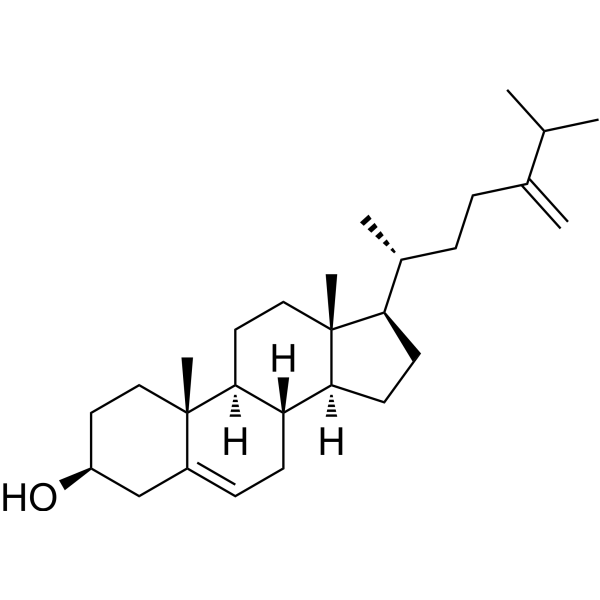
    24-Methylenecholesterol (Ostreasterol) is a regulator targeting acyl-CoA cholesterol acyltransferase (ACAT) with anti-aging and neuroprotective effects. 24-Methylenecholesterol mimics the effects of nerve growth factor (NGF), can extend yeast lifespan through an anti-oxidative stress mechanism, and exhibits neuroprotective activity in PC12 cells. 24-Methylenecholesterol can reduce intracellular reactive oxygen species (ROS) and malondialdehyde (MDA) levels, activate anti-oxidative stress pathways (such as UTH1, SOD-related genes), and promote synaptic growth .
    24-Methylenecholesterol
  • HY-W020012

    22-NBD cholesterol

    Fluorescent Dye Metabolic Disease
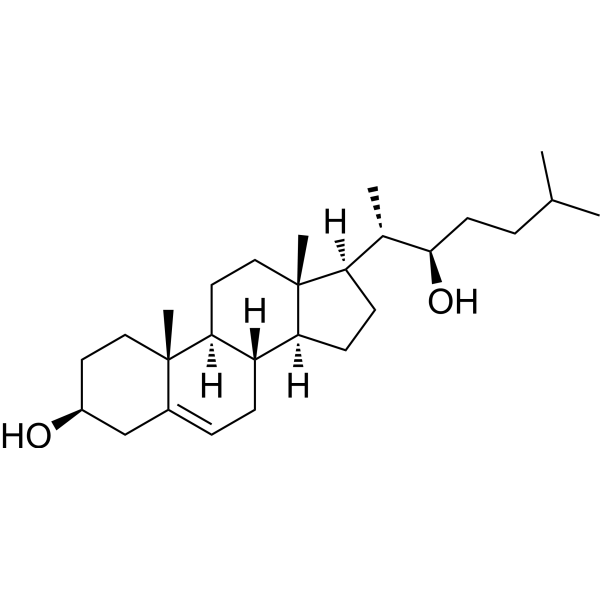
    Fluoresterol (22-NBD Cholesterol) is a cholesterol-specific fluorescent probe with cholesterol-mimicking binding properties. Fluoresterol is ineffective orally and does not cross the blood-brain barrier. Fluoresterol specifically binds to cholesterol transport-related proteins (such as ABCA1 and ABCG1) and is primarily used in cholesterol metabolism research, particularly for the visualization and quantitative analysis of cholesterol absorption, efflux, intracellular transport efficiency, and reverse cholesterol transport (RCT) processes. The commonly used concentration of Fluoresterol in in vitro experiments is 0.1-10 μM, and the commonly used dose in in vivo experiments is 5-20 mg/kg (gavage or intraperitoneal injection), with excitation/emission wavelengths of 472/540 nm. Fluoresterol can be applied to the study of cholesterol metabolism mechanisms related to hyperlipidemia, atherosclerosis, and non-alcoholic fatty liver disease (NAFLD) .
    Fluoresterol
  • HY-W015600

    Orthocetamol

    Ferroptosis Glutathione Peroxidase Reactive Oxygen Species (ROS) LDLR Cardiovascular Disease Inflammation/Immunology
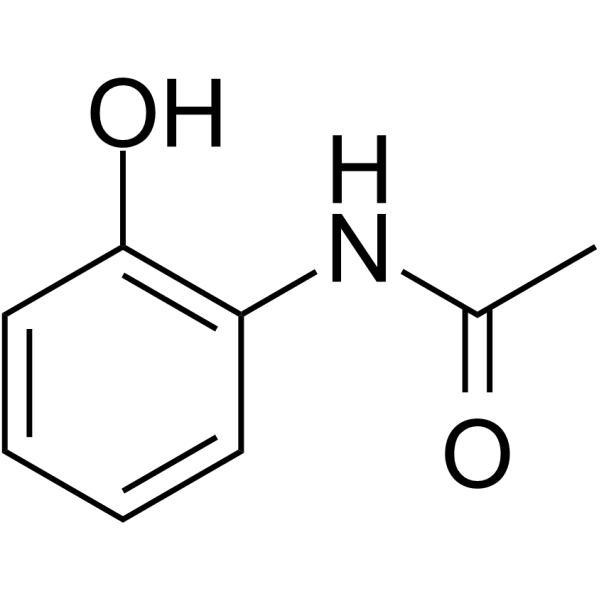
    2-Acetamidophenol (Orthocetamol) is a regulator that targets ferroptosis and glutathione metabolic pathways, is the ortho-regioisomer of Paracetamol (HY-66005). 2-Acetamidophenol has anti-atherosclerotic activity, and inhibiting total cholesterol (TC) and triglyceride (TG) in a zebrafish hyperlipidemia model with IC50s for 30 μM and 40 μM, respectively. 2-Acetamidophenol upregulates the expression of glutathione synthesis-related genes (such as GCLC, GCLM, GSS) and iron ion transport genes (such as FPN1, FTH), reduces the accumulation of intracellular reactive oxygen species (ROS) and ferrous ions (Fe 2+), and enhances the activity of glutathione peroxidase GPX4, thereby inhibiting macrophage phagocytosis of oxidized low-density lipoprotein (ox-LDL) and foam cell formation .
    2-Acetamidophenol
  • HY-160972

    LXR Neurological Disease Cancer
    MM0299 is a selective lanosterol synthase (LSS) inhibitor with an IC50 value of 2.22 μM. MM0299 depletes intracellular cholesterol and acts as a growth inhibitor for glioma stem-like cells. MM0299 exhibits anti-glioblastoma activity. MM0299 is applicable to research related to glioblastoma .
    MM0299
  • HY-148978

    Exosomes Endogenous Metabolite Liposome Metabolic Disease
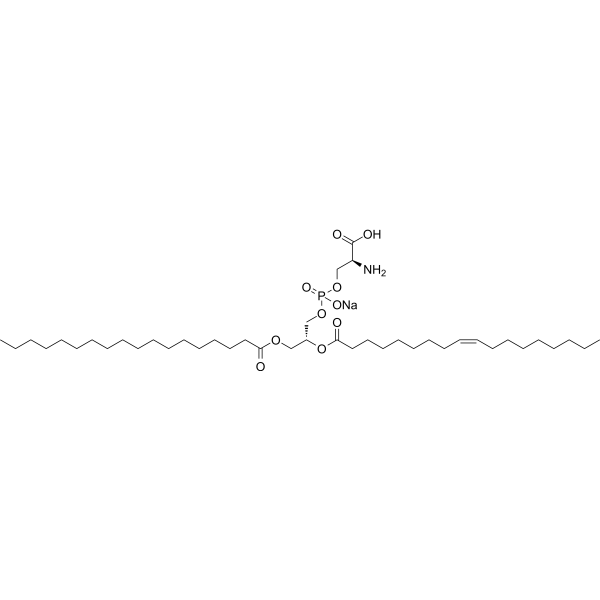
    18:0,18:1 PS sodium is the dominant phosphatidylserine subtype in cells, exosomes and HIV particles. It is abundant in the brain and is essential for maintaining membrane structure, lipid raft organization and intracellular trafficking. 18:0,18:1 PS sodium mediates interleaflet membrane coupling through cholesterol-dependent interactions with very long-chain sphingolipids, and can induce the clustering of glycosylphosphatidylinositol-anchored proteins. In addition, clusters formed by the binding of 18:0,18:1 PS sodium to cholesterol not only facilitate the proper distribution of cholesterol in lipid bilayers, but also effectively protect cholesterol from oxidative damage .
    18:0,18:1 PS sodium
  • HY-N10788

    Acyltransferase Inflammation/Immunology
    Pomonic acid is an acyl-coenzyme A: cholesterol acyltransferase (ACAT) inhibitor. Pomonic acid reduces the esterification of free cholesterol to cholesteryl esters and the accumulation of intracellular cholesteryl esters. Pomonic acid can be used in the research of atherosclerosis .
    Pomonic acid
  • HY-W747597

    Disialoganglioside GD1b; Ganglioside C1; Ganglioside G2

    Endogenous Metabolite Cancer
    Ganglioside GD1b Disodium Salt (Bovine Brain) (Disialoganglioside GD1b; Ganglioside C1) is an acidic glycosphingolipid containing two sialic acid residues linked to an internal galactose unit. Ganglioside GD1b Disodium Salt tightly packs with cholesterol to form lipid microdomains that modulate intracellular and intercellular signaling events. Concentrations of Ganglioside GD1b Disodium Salt (Bovine Brain) in the human brain increase with age and are positively correlated with pilocytic astrocytoma tumor grade. Ganglioside GD1b Disodium Salt has been detected in various other gliomas, including primitive neuroectodermal tumors, glioblastomas, and anaplastic astrocytomas.
    Ganglioside GD1b Disodium Salt (Bovine Brain)
  • HY-131682

    3-Hexanoyl-NBD-cholesterol

    Fluorescent Dye Others
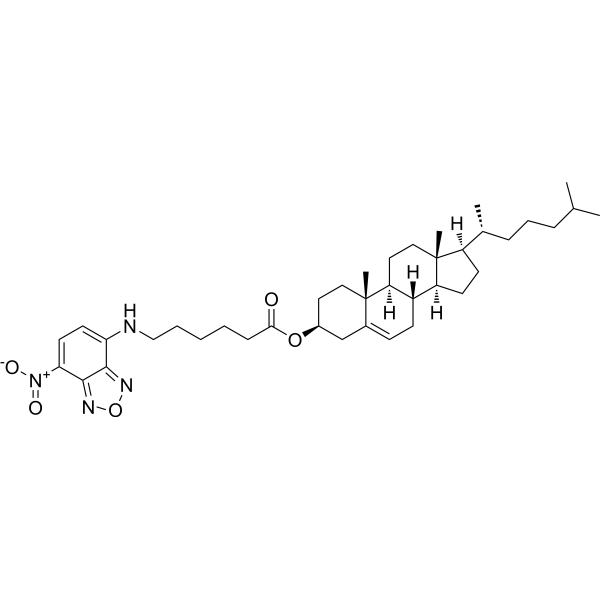
    3-C6-NBD-cholesterol is a fluorescent analog of Chol that can be used to measure the kinetics of membrane and intracellular trafficking .
    3-C6-NBD-cholesterol
  • HY-118667
    Dehydroergosterol
    1 Publications Verification

    Liposome Others
    Dehydroergosterolis a naturally occurring fluorescent sterol analog (Ex/Em=325/375 nm), which mimics the properties of cholesterol in cell membranes. DehydroergosterolEasily conjugated by cholesterol-binding proteins for real-time imaging in live cells. DehydroergosterolThe sterol environment and intracellular sterol transport in vivo can be probed/elucidated in real time .
    Dehydroergosterol
  • HY-W015600R

    Orthocetamol (Standard)

    Reference Standards Ferroptosis Glutathione Peroxidase Reactive Oxygen Species (ROS) LDLR Cardiovascular Disease Inflammation/Immunology
    2-Acetamidophenol (Standard) is the analytical standard of 2-Acetamidophenol. This product is intended for research and analytical applications. 2-Acetamidophenol (Orthocetamol) is a regulator that targets ferroptosis and glutathione metabolic pathways, is the ortho-regioisomer of Paracetamol (HY-66005). 2-Acetamidophenol has anti-atherosclerotic activity, and inhibiting total cholesterol (TC) and triglyceride (TG) in a zebrafish hyperlipidemia model with IC50s for 30 μM and 40 μM, respectively. 2-Acetamidophenol upregulates the expression of glutathione synthesis-related genes (such as GCLC, GCLM, GSS) and iron ion transport genes (such as FPN1, FTH), reduces the accumulation of intracellular reactive oxygen species (ROS) and ferrous ions (Fe 2+), and enhances the activity of glutathione peroxidase GPX4, thereby inhibiting macrophage phagocytosis of oxidized low-density lipoprotein (ox-LDL) and foam cell formation .
    2-Acetamidophenol (Standard)
  • HY-139407

    3-Dodecanoyl-NBD-cholesterol

    Fluorescent Dye Others
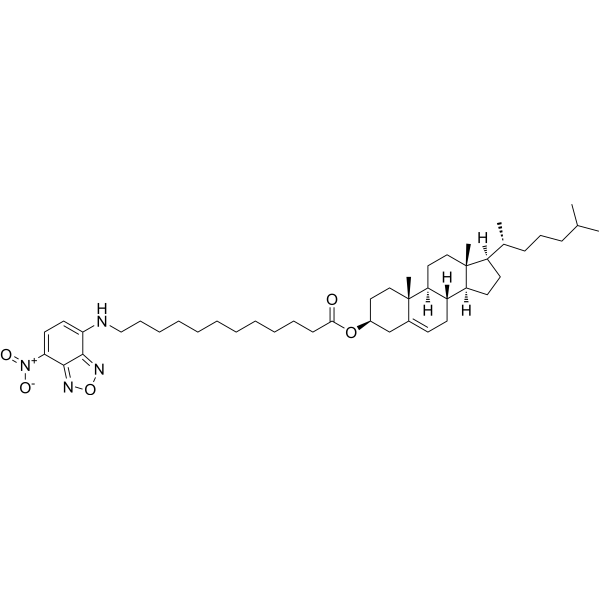
    3-C12-NBD-cholesterol is a fluorescent cholesterol analog that can be used for measuring membrane and intracellular trafficking dynamics .
    3-C12-NBD-cholesterol
  • HY-W015600S

    Orthocetamol-d3

    Isotope-Labeled Compounds Ferroptosis Glutathione Peroxidase Reactive Oxygen Species (ROS) LDLR Cardiovascular Disease Inflammation/Immunology
    2-Acetamidophenol-d3 (Orthocetamol-d3) is the deuterium labeled 2-Acetamidophenol (HY-W015600). 2-Acetamidophenol (Orthocetamol) is a regulator that targets ferroptosis and glutathione metabolic pathways, is the ortho-regioisomer of Paracetamol (HY-66005). 2-Acetamidophenol has anti-atherosclerotic activity, and inhibiting total cholesterol (TC) and triglyceride (TG) in a zebrafish hyperlipidemia model with IC50s for 30 μM and 40 μM, respectively. 2-Acetamidophenol upregulates the expression of glutathione synthesis-related genes (such as GCLC, GCLM, GSS) and iron ion transport genes (such as FPN1, FTH), reduces the accumulation of intracellular reactive oxygen species (ROS) and ferrous ions (Fe2+), and enhances the activity of glutathione peroxidase GPX4, thereby inhibiting macrophage phagocytosis of oxidized low-density lipoprotein (ox-LDL) and foam cell formation .
    2-Acetamidophenol-d3
  • HY-D2262

    Fluorescent Dye Metabolic Disease
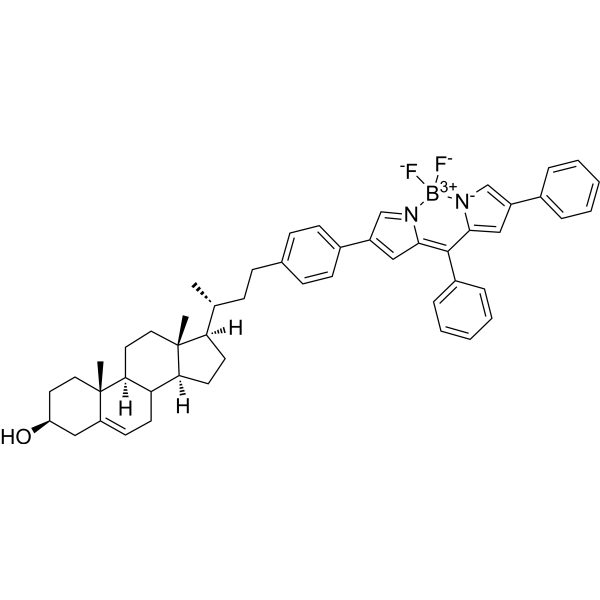
    BODIPY-cholesterol conjugate-2 (compound 6) is a BODIPY-cholesterol conjugate. BODIPY-cholesterol conjugate-2 is a useful probe for simultaneous visualization of intracellular cholesterol pools and for monitoring cholesterol efflux from cells to extracellular acceptors. (λex=589 nm, λem=638 nm) .
    BODIPY-cholesterol conjugate-2
  • HY-13690R

    2,4′-DDD (Standard); o,p'-DDD (Standard)

    Reference Standards Apoptosis Cancer
    Mitotane (Standard) is the analytical standard of Mitotane. This product is intended for research and analytical applications. Mitotane (2,4′-DDD), an isomer of DDD and derivative of dichlorodiphenyltrichloroethane (DDT), is an antineoplastic agent, can be used to research adrenocortical carcinoma. Mitotane exert its adrenocorticolytic effect at least in part through lipotoxicity induced by intracellular free cholesterol (FC) accumulation. Mitotane can have direct pituitary effects on corticotroph cells. Mitotane can induce CYP3A4 gene expression via steroid and xenobiotic receptor (SXR) activation, and has agent-agent interactions .
    Mitotane (Standard)
  • HY-148978A

    Exosomes Liposome Endogenous Metabolite Metabolic Disease
    18:0,18:1 PS is the dominant phosphatidylserine subtype in cells, exosomes and HIV particles. It is abundant in the brain and is essential for maintaining membrane structure, lipid raft organization and intracellular trafficking. 18:0,18:1 PS mediates interleaflet membrane coupling through cholesterol-dependent interactions with very long-chain sphingolipids, and can induce the clustering of glycosylphosphatidylinositol-anchored proteins. In addition, clusters formed by the binding of 18:0,18:1 PS to cholesterol not only facilitate the proper distribution of cholesterol in lipid bilayers, but also effectively protect cholesterol from oxidative damage .
    18:0,18:1 PS
  • HY-N1214A

    (E/Z)-Super Squalene; (E/Z)-AddaVax

    Apoptosis Cancer
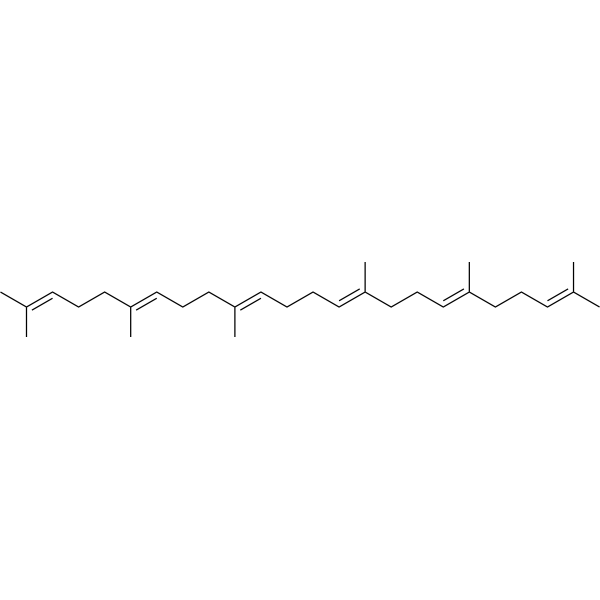
    (E/Z)-Squalene ((E/Z)-Super Squalene; (E/Z)-AddaVax) is a triterpenic compound. (E/Z)-Squalene accumulates and reduces liver cholesterol and triglycerides in the liver. (E/Z)-Squalen regulates the production of intracellular active oxidants (ROS) and induces apoptosis and necrosis in a concentration-and time-dependent manner .
    (E/Z)-Squalene
  • HY-13690S1

    2,4′-DDD-13C6; o,p'-DDD-13C6

    Apoptosis Cancer
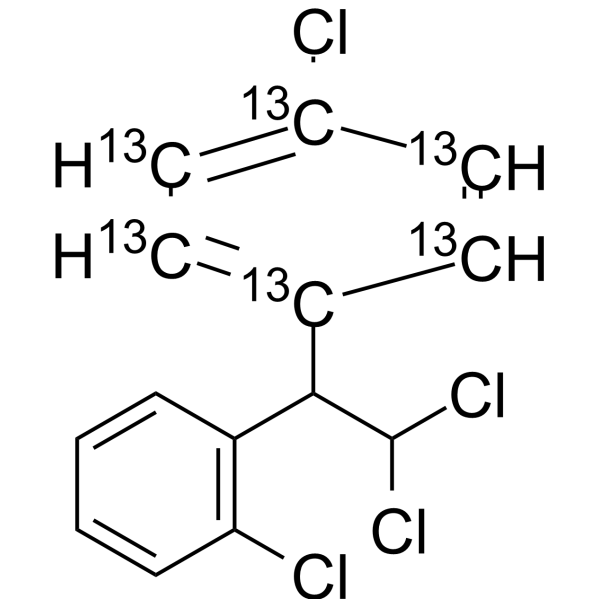
    Mitotane- 13C6 is the 13C labeled Mitotane . Mitotane (2,4′-DDD), an isomer of DDD and derivative of dichlorodiphenyltrichloroethane (DDT), is an antineoplastic agent, can be used to research adrenocortical carcinoma. Mitotane exert its adrenocorticolytic effect at least in part through lipotoxicity induced by intracellular free cholesterol (FC) accumulation. Mitotane can have direct pituitary effects on corticotroph cells. Mitotane can induce CYP3A4 gene expression via steroid and xenobiotic receptor (SXR) activation, and has agent-agent interactions .
    Mitotane-13C6
  • HY-13690S3

    2,4′-DDD-13C12; o,p'-DDD-13C12

    Isotope-Labeled Compounds Apoptosis Cancer
    Mitotane- 13C12 (2,4′-DDD- 13C12) is 13C labeled Mitotane. Mitotane (2,4′-DDD), an isomer of DDD and derivative of dichlorodiphenyltrichloroethane (DDT), is an antineoplastic agent, can be used to research adrenocortical carcinoma. Mitotane exert its adrenocorticolytic effect at least in part through lipotoxicity induced by intracellular free cholesterol (FC) accumulation. Mitotane can have direct pituitary effects on corticotroph cells. Mitotane can induce CYP3A4 gene expression via steroid and xenobiotic receptor (SXR) activation, and has agent-agent interactions .
    Mitotane-13C12
  • HY-D2261

    Fluorescent Dye Metabolic Disease
    BODIPY-cholesterol conjugate-1 (compound 5) is a BODIPY-cholesterol conjugate. BODIPY-cholesterol conjugate-1 is a useful probe for simultaneous visualization of intracellular cholesterol pools and for monitoring cholesterol efflux from cells to extracellular acceptors . (λex 541 nm, λem 615 nm).
    BODIPY-cholesterol conjugate-1
  • HY-120984

    Endogenous Metabolite Metabolic Disease
    AcylCoA:cholesterol acyltransferase (ACAT) is an intracellular cholesteryl ester synthase tied closely to the absorption of dietary cholesterol.1 Oleic acid-2,6-diisopropylanilide is an inhibitor of acylCoA:cholesterol acyltransferase with an IC50 of 7 nM.2 When co-administered to rabbits or rats fed a high fat, high cholesterol diet, oleic acid-2,6-diisopropylanilide decreased low density lipoproteins and elevated high density lipoprotein levels when administered at 0.05%.
    Oleic Acid-2,6-diisopropylanilide
  • HY-N4189

    PI3K Akt p38 MAPK STAT Apoptosis Cancer
    Isocucurbitacin B is a natural terpenoid compound found in Pedicellus Melo. Isocucurbitacin B can inhibit the PI3K/AKT, MAPK, and STAT3 signaling pathways and downregulate CAV1 expression. Isocucurbitacin B can inhbit cancer cell proliferation, migration and invision. Isocucurbitacin B can induce apoptosis and cause G2/M phase arrest. Isocucurbitacin B can decrease intracellular cholesterol and PH levels and increase intracellular calcium levels. Isocucurbitacin B can be used for the research of cancer, such as glioma [1][2].

    Isocucurbitacin B
  • HY-148978R

    Reference Standards Exosomes Endogenous Metabolite Liposome Metabolic Disease
    Resorantel (Standard) is the analytical standard of Resorantel. This product is intended for research and analytical applications. 18:0,18:1 PS sodium is the dominant phosphatidylserine subtype in cells, exosomes and HIV particles. It is abundant in the brain and is essential for maintaining membrane structure, lipid raft organization and intracellular trafficking. 18:0,18:1 PS sodium mediates interleaflet membrane coupling through cholesterol-dependent interactions with very long-chain sphingolipids, and can induce the clustering of glycosylphosphatidylinositol-anchored proteins. In addition, clusters formed by the binding of 18:0,18:1 PS sodium to cholesterol not only facilitate the proper distribution of cholesterol in lipid bilayers, but also effectively protect cholesterol from oxidative damage .
    18:0,18:1 PS sodium (Standard)
  • HY-W436495

    6,15-Diketo-13,14-dihydro-PGF1α

    Drug Metabolite Metabolic Disease
    6,15-Diketo-13,14-dihydro prostaglandin F1α (6,15-Diketo-13,14-dihydro-PGF1α) is a metabolite of prostacyclin (PGI2). 6,15-Diketo-13,14-dihydro prostaglandin F1α enhances intracellular cAMP and cholesterol metabolism in bovine arterial smooth muscle cells .
    6,15-Diketo-13,14-dihydro prostaglandin F1α
  • HY-100299A

    Farnesyl Transferase Cardiovascular Disease Metabolic Disease
    RPR107393 is an orally active potent selective squalene synthase (SQS) inhibitor. RPR107393 inhibits rat liver microsomal squalene synthase with an IC50 value of 0.8 nM. RPR107393 reduces triglyceride biosynthesis by suppressing fatty acid biosynthesis via an increase in intracellular farnesol and its derivatives. RPR107393 reduces plasma cholesterol in rats and marmosets. RPR107393 can be used for metabolic disease research, such as hypercholesterolemia, hypertriglyceridemia and atherosclerosis .
    RPR107393
  • HY-100299

    Farnesyl Transferase Cardiovascular Disease Metabolic Disease
    RPR107393 free base is an orally active potent selective squalene synthase (SQS) inhibitor. RPR107393 free base inhibits rat liver microsomal squalene synthase with an IC50 value of 0.8 nM. RPR107393 free base reduces triglyceride biosynthesis by suppressing fatty acid biosynthesis via an increase in intracellular farnesol and its derivatives. RPR107393 free base reduces plasma cholesterol in rats and marmosets. RPR107393 free base can be used for metabolic disease research, such as hypercholesterolemia, hypertriglyceridemia and atherosclerosis [1][2].
    RPR107393 free base
  • HY-13690S2

    2,4′-DDD-d8; o,p'-DDD-d8

    Apoptosis Cancer
    Mitotane-d8 is the deuterium labeled Mitotane . Mitotane (2,4′-DDD), an isomer of DDD and derivative of dichlorodiphenyltrichloroethane (DDT), is an antineoplastic agent, can be used to research adrenocortical carcinoma. Mitotane exert its adrenocorticolytic effect at least in part through lipotoxicity induced by intracellular free cholesterol (FC) accumulation. Mitotane can have direct pituitary effects on corticotroph cells. Mitotane can induce CYP3A4 gene expression via steroid and xenobiotic receptor (SXR) activation, and has agent-agent interactions .
    Mitotane-d8
  • HY-170970

    Bacterial Infection
    Mtb-IN-10 (Compound P15) is a Rv1625c/Cya activator that regulates cAMP metabolism to influence the growth of Mycobacterium tuberculosis (Mtb). Mtb-IN-10 exhibits an EC50 of 1.96 µM in an Mtb-infected macrophage model and demonstrates 58.0% oral bioavailability in mice at a 20 mg/kg dose. It may regulate intracellular signaling and disrupt cholesterol metabolism in Mtb, thereby inhibiting bacterial proliferation. Mtb-IN-10 holds potential for tuberculosis (TB) research, particularly for combating multidrug-resistant (MDR-TB) and extensively drug-resistant (XDR-TB) Mtb strains .
    Mtb-IN-10
  • HY-133968S1

    Ostreasterol-13C

    Isotope-Labeled Compounds Acyltransferase Reactive Oxygen Species (ROS) Inflammation/Immunology
    24-Methylenecholesterol- 13C (Ostreasterol- 13C) is the 13C labeled 24-Methylenecholesterol (HY-133968) . 24-Methylenecholesterol (Ostreasterol) is a regulator targeting acyl-CoA cholesterol acyltransferase (ACAT) with anti-aging and neuroprotective effects. 24-Methylenecholesterol mimics the effects of nerve growth factor (NGF), can extend yeast lifespan through an anti-oxidative stress mechanism, and exhibits neuroprotective activity in PC12 cells. 24-Methylenecholesterol can reduce intracellular reactive oxygen species (ROS) and malondialdehyde (MDA) levels, activate anti-oxidative stress pathways (such as UTH1, SOD-related genes), and promote synaptic growth .
    24-Methylenecholesterol-13C
  • HY-133968R

    Ostreasterol (Standard)

    Reference Standards Acyltransferase Reactive Oxygen Species (ROS) Inflammation/Immunology
    24-Methylenecholesterol (Ostreasterol) (Standard) is the analytical standard of 24-Methylenecholesterol (HY-133968). This product is intended for research and analytical applications. 24-Methylenecholesterol (Ostreasterol) is a regulator targeting acyl-CoA cholesterol acyltransferase (ACAT) with anti-aging and neuroprotective effects. 24-Methylenecholesterol mimics the effects of nerve growth factor (NGF), can extend yeast lifespan through an anti-oxidative stress mechanism, and exhibits neuroprotective activity in PC12 cells. 24-Methylenecholesterol can reduce intracellular reactive oxygen species (ROS) and malondialdehyde (MDA) levels, activate anti-oxidative stress pathways (such as UTH1, SOD-related genes), and promote synaptic growth .
    24-Methylenecholesterol (Standard)
  • HY-179526

    Apoptosis PARP Cancer
    Sino-C is a Sinomenine (HY-15122) derivative with anticancer activity. Sino-C broadly disrupts cholesterol homeostasis by upregulating key genes such as SREBF2 and HMGCS1, leading to intracellular cholesterol accumulation and lipid droplet formation. Sino-C-induced metabolic dysregulation further triggers lipid peroxidation and endoplasmic reticulum (ER) stress, initiating a unique form of hybrid cell death including apoptotic (cleaved PARP) and necrotic-like features. Sino-C thus serves as a useful compound for research in colorectal cancer, lung cancer and breast cancer .
    Sino-C
  • HY-107433R

    Dengue Virus Flavivirus Reference Standards HCV Infection Neurological Disease
    U18666A (Standard) is the analytical standard of U18666A (HY-107433). This product is intended for research and analytical applications. U18666A, an intra-cellular cholesterol transport inhibitor, inhibits replication of Ebola virus, dengue virus, and human hepatitis C virus .
    U18666A (Standard)
  • HY-182616

    β-glucuronidase Glycosidase Phosphatase Inflammation/Immunology
    CH-123 is an orally active lipid-lowering agent. CH-123 inhibits the elevated activities of β-glucuronidase, β-galactosidase, N-acetyl-β-glucosaminidase and acid phosphatase in aortic smooth muscle cells and hepatocytes. CH-123 reduces serum total lipid and cholesterol levels, as well as intracellular cholesterol content in aortic smooth muscle cells. CH-123 significantly inhibits lysosomal enzyme activity. CH-123 can be used in the research of atherosclerosis .
    CH-123
  • HY-186045

    Histone Methyltransferase Apoptosis DNA/RNA Synthesis ATP-binding cassette (ABC) transporters Cancer
    SKLB06489 is a selective and orally active inhibitor of type I PRMT enzymes, with IC50 values of 64.55 nM (PRMT1), 4.21 nM (PRMT6), and 51.27 nM (PRMT8). SKLB06489 inhibits cell proliferation, colony formation, DNA replication, and DNA damage repair in cancer cells. SKLB06489 induces G0/G1-phase cell cycle arrest and apoptosis in cancer cells. SKLB06489 enhances intracellular cholesterol efflux via ABCA1 and ABCG1 upregulation, disrupts cholesterol metabolic homeostasis, and suppresses tumor growth in subcutaneous xenograft models. SKLB06489 can be used for the research of triple-negative breast cancer (TNBC) .
    SKLB06489
  • HY-182464

    Potassium Channel Infection Others
    DABMA is a TMEM175 channel activator with a human EC50 of 17.9 μM. DABMA directly increases TMEM175 channel current via interaction with intracellular, transmembrane, or endosomal lumen-associated domains, and does not alter TMEM175 mRNA or protein levels. DABMA delays endolysosomal substrate degradation, modulates endolysosomal trafficking, increases acidic organelle accumulation, induces cholesterol accumulation and altered late endosome morphology. DABMA can be used for the research of coronavirus disease, Clostridium difficile infection, Pseudomonas aeruginosa infection, rabies, and influenza virus infection .
    DABMA

Inquiry Online

Your information is safe with us. * Required Fields.

Salutation


Country or Region *

Applicant Name *


Organization Name *

Department *


Email Address *


Product Name *

Cat. No.


Requested quantity *

Phone Number *


Remarks

Inquiry Online

Inquiry Information

Product Name:
Cat. No.:
Quantity:
MCE Japan Authorized Agent:

