

1. Search Result
Search Result
Results for "

lipid modulator

" in MedChemExpress (MCE) Product Catalog:

104

Inhibitors & Agonists

2

Screening Libraries

4

Biochemical Assay Reagents

7

Peptides

39

Natural
Products

16

Isotope-Labeled Compounds

2

Oligonucleotides

Cat. No. Product Name Target Research Areas Chemical Structure
  • HY-113378
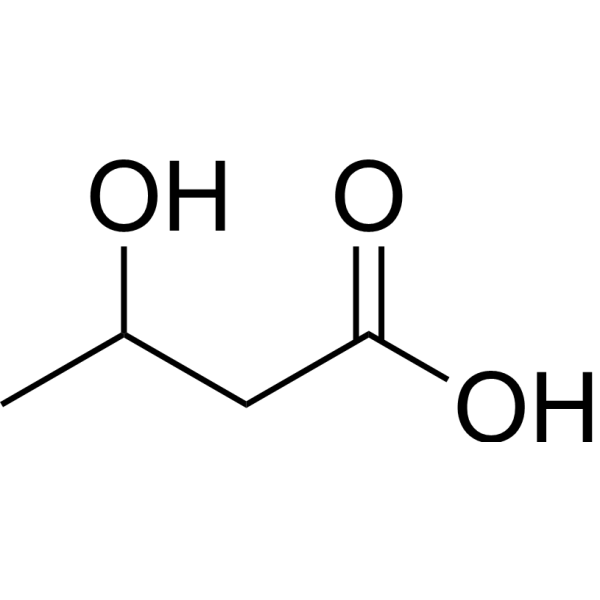
    3-Hydroxybutyric acid
    Maximum Cited Publications
    21 Publications Verification

    β-Hydroxybutyric acid

    Endogenous Metabolite Metabolic Disease
    3-Hydroxybutyric acid (β-Hydroxybutyric acid) is a metabolite that is elevated in type I diabetes. 3-Hydroxybutyric acid can modulate the properties of membrane lipids .
    3-Hydroxybutyric acid
  • HY-113466
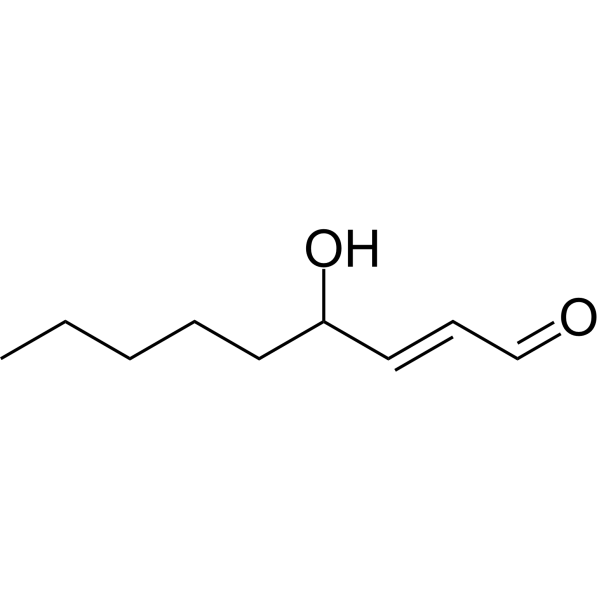
    4-Hydroxynonenal
    15+ Cited Publications

    4-HNE

    Aldehyde Dehydrogenase (ALDH) Endogenous Metabolite Cardiovascular Disease Neurological Disease Cancer
    4-Hydroxynonenal (4-HNE) is an α,β unsaturated hydroxyalkenal and an oxidative/nitrosative stress biomarker. 4-Hydroxynonenal is a substrate and an inhibitor of acetaldehyde dehydrogenase 2 (ALDH2). 4-Hydroxynonenal can modulate a number of signaling processes mainly through forming covalent adducts with nucleophilic functional groups in proteins, nucleic acids, and membrane lipids. 4-Hydroxynonenal plays an important role in cancer through mitochondria .
    4-Hydroxynonenal
  • HY-W010452
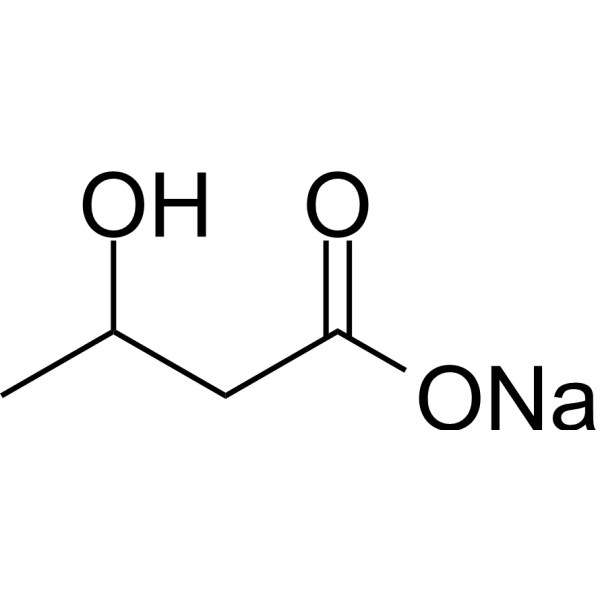
    3-Hydroxybutyric acid sodium
    Maximum Cited Publications
    21 Publications Verification

    β-Hydroxybutyric acid sodium

    Endogenous Metabolite Metabolic Disease
    3-Hydroxybutyric acid sodium (β-Hydroxybutyric acid sodium) is a metabolite that is elevated in type I diabetes. 3-Hydroxybutyric acid sodium can modulate the properties of membrane lipids .
    3-Hydroxybutyric acid sodium
  • HY-113402
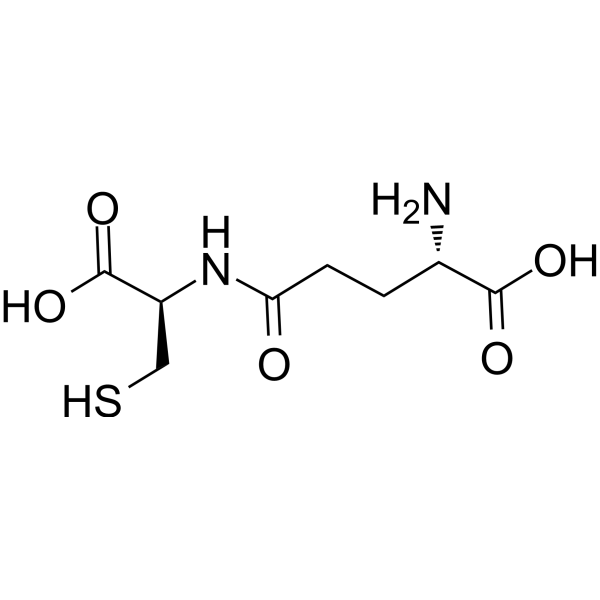
    Gamma-glutamylcysteine
    4 Publications Verification

    γ-Glu-Cys

    Endogenous Metabolite Interleukin Related TNF Receptor AMPK Sirtuin STAT PI3K NF-κB JAK p38 MAPK JNK Akt Apoptosis Ferroptosis Cardiovascular Disease Neurological Disease Inflammation/Immunology
    Gamma-glutamylcysteine (γ-Glu-Cys) is an orally active, blood-brain barrier permeable dipeptide . Gamma-glutamylcysteine activates AMPK, SIRT1, IL-4/STAT6, AC/cAMP/PI3K, IGF-1R/IRS1/PI3K, and Nrf2 signaling pathways; it inhibits NF-κB, JAK1/STAT1/3, MAPKs, cadmium-induced p38 MAPK, JNK, and PI3K/Akt signaling pathways. Gamma-glutamylcysteine regulates macrophage polarization, modulates the trafficking of CD36 and GLUT4, induces glutathione synthesis, improves metabolic dysfunction, reduces lipid deposition, ameliorates glucose homeostasis, inhibits apoptosis (Apoptosis), stabilizes mitochondria, suppresses lipid peroxidation, iron accumulation and ferroptosis (Ferroptosis), reduces ds-HMGB1 levels, reverses mechanical hyperalgesia, and alleviates hepatic lipid droplet formation. Gamma-glutamylcysteine is applicable to research related to inflammatory bowel disease, type 2 diabetes, cadmium-induced neurotoxicity, Alzheimer's disease, cerebral ischemia/reperfusion injury, neuropathy, and alcoholic liver disease .
    Gamma-glutamylcysteine
  • HY-13738A
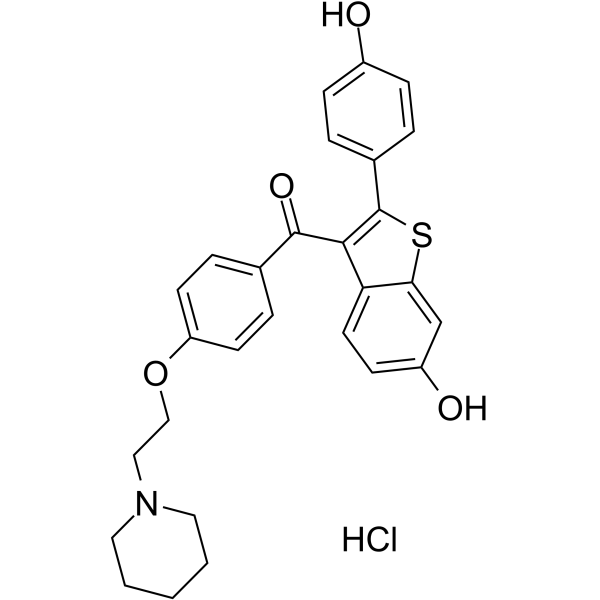
    Raloxifene hydrochloride
    15+ Cited Publications

    Keoxifene hydrochloride; LY156758; LY139481 hydrochloride

    Estrogen Receptor/ERR Autophagy Endocrinology Cancer
    Raloxifene hydrochloride (Keoxifene hydrochloride) is a second generation selective and orally active estrogen receptor modulator. Raloxifene hydrochloride produces estrogen-agonistic effects on bone and lipid metabolism and estrogen-antagonistic effects on uterine endometrium and breast tissue .
    Raloxifene hydrochloride
  • HY-13738
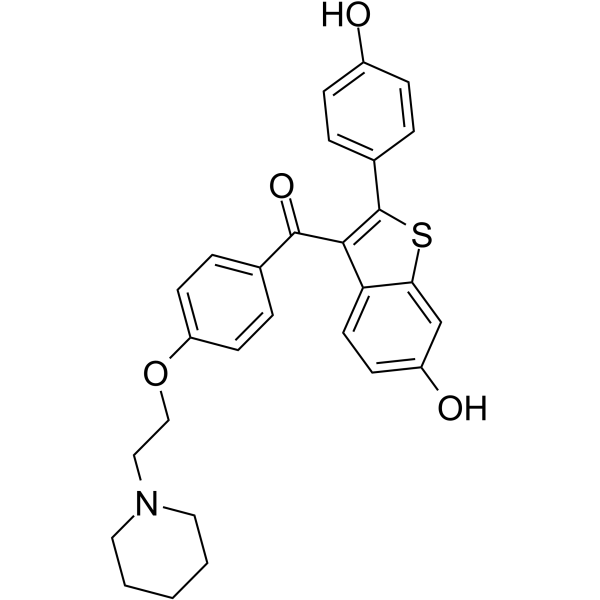
    Raloxifene
    15+ Cited Publications

    Keoxifene; LY156758 free base; LY139481

    Estrogen Receptor/ERR Cancer
    Raloxifene (Keoxifene) is a benzothiophene-derived selective estrogen receptor modulator (SERM). Raloxifene has estrogen-agonistic effects on bone and lipids and estrogen-antagonistic effects on the breast and uterus. Raloxifene is used for breast cancer and osteoporosis research .
    Raloxifene
  • HY-W145667
    Mannan
    1 Publications Verification

    Endogenous Metabolite Glycosidase Bacterial Interleukin Related Reactive Oxygen Species (ROS) Infection Metabolic Disease Inflammation/Immunology
    Mannan is an orally active polysaccharide compound that binds to the mannose receptor (MR). Mannan promotes bacterial uptake and endosomal degradation by binding to MR, thereby enhancing the production of IL-12 in immune cells. Mannan enhances ROS production. Mannan modulates immunity, inhibits Aflatoxin B1 (HY-N6615)-induced toxicity, and reduces lipid .
    Mannan
  • HY-12688A

    Mitochondrial Metabolism Reactive Oxygen Species (ROS) Amyloid-β Neurological Disease Inflammation/Immunology
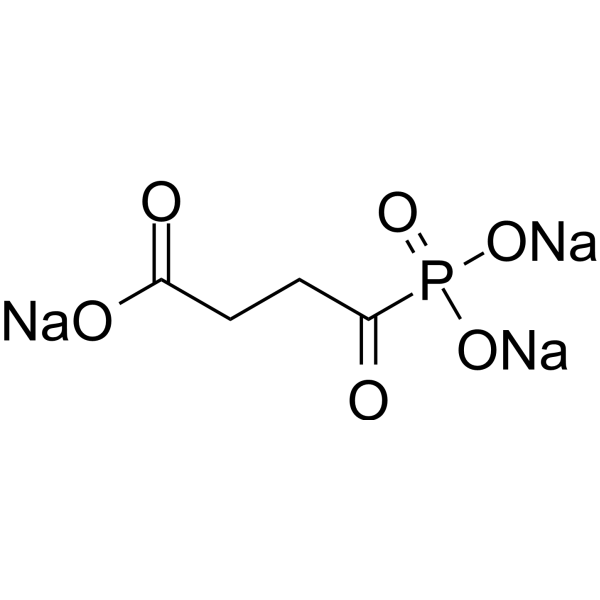
    Succinyl phosphonate trisodium salt is a α-Ketoglutarate Dehydrogenase Complex (KGDHC) modulator with neuroprotective activity. Succinyl phosphonate trisodium salt protects this complex, reduces cellular succinyl-CoA concentration, downregulates protein succinylation levels, and inhibits the activity of the α-ketoglutarate dehydrogenase complex. Succinyl phosphonate trisodium salt corrects hypoxic or ethanol-induced behavioral impairments, modulates exploratory behavior and emotional stress responses, and improves hypoxia tolerance. Succinyl phosphonate trisodium salt reduces glutamate excitotoxicity, restores the activity of the α-ketoglutarate dehydrogenase complex, reverses the changes in glutamate dehydrogenase and glutamine synthetase activities induced by β-amyloid (Amyloid-β), modulates cognitive function, and prevents β-amyloid-induced neuronal damage. Succinyl phosphonate trisodium salt improves microglial senescence, alleviates neuroinflammation, reactive oxygen species (ROS) production, lipid peroxidation, and the expression of proinflammatory cytokines. Succinyl phosphonate trisodium salt can be used in the research of Alzheimer's disease, aging-related neuroinflammation, and Parkinson's disease .
    Succinyl phosphonate trisodium salt
  • HY-W015924

    Endogenous Metabolite Metabolic Disease
    2-Hydroxyisobutyric acid (2-HIBA) is a selective modulator of the Insulin/IGF-1 pathway and the p38 MAPK pathway, which reduces reactive oxygen species (ROS) and fat accumulation in Caenorhabditis elegans. 2-Hydroxyisobutyric acid promotes β-oxidation and inhibits fatty acid synthesis by upregulating SKN-1/NRF2 and downregulating SREBP-1c transcription factors. 2-Hydroxyisobutyric acid has anti-aging and lipid-lowering effects, and can be used to study metabolic diseases such as obesity and diabetes. 2-Hydroxyisobutyric acid is also a renewable precursor of methacrylate through 2-HIB-CoA mutase-mediated biosynthesis[1][2].
    2-Hydroxyisobutyric acid
  • HY-P2048
    MOTS-c (human)
    1 Publications Verification

    Apoptosis GLUT AMPK Neurological Disease Metabolic Disease Inflammation/Immunology Endocrinology
    MOTS-c (human) is a blood-brain barrier-penetrating, mitochondrial-derived peptide that modulates the AMPK/PGC-1α pathway to enhance insulin sensitivity. MOTS-c (human) inhibits the folate cycle and de novo purine synthesis, increases AICAR levels to activate AMPK, and then regulates the Nrf2/Keap1 antioxidant pathway and inhibits the NF-κB inflammatory pathway, while promoting mitochondrial biogenesis and energy metabolism. MOTS-c (human) has the effects of improving glucose and lipid metabolism, anti-oxidative stress, anti-inflammatory and neuroprotection, and can be used in the study of type 2 diabetes, traumatic brain injury, inflammatory diseases and aging-related metabolic disorders .
    MOTS-c (human)
  • HY-143712
    Allolithocholic acid
    1 Publications Verification

    Drug Metabolite G protein-coupled Bile Acid Receptor 1 ROR Metabolic Disease Inflammation/Immunology Cancer
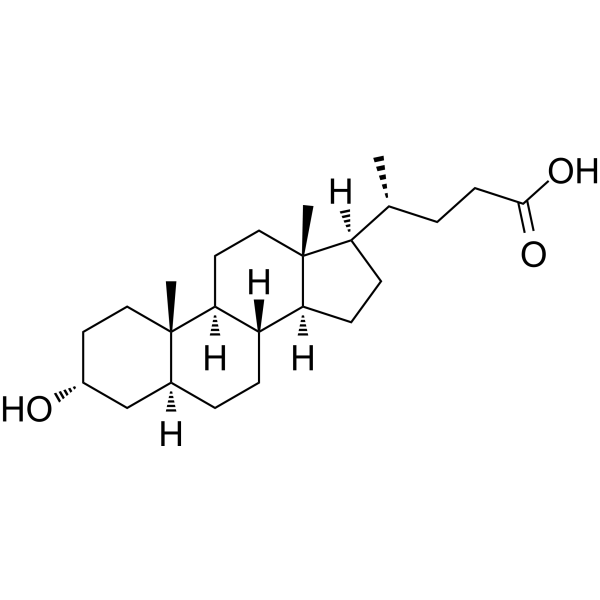
    Allolithocholic acid is an orally active metabolite of Lithocholic acid (HY-B0172). Allolithocholic acid is a dual GPBAR1 agonist (EC50 = 2.7 μM) and RORγt inverse agonist (IC50 = 3.4 μM). Allolithocholic acid modulates immune and metabolic pathways, regulates immune cell polarization, prevents M1 macrophage and Th17 CD4 cell polarization. Allolithocholic acid improves insulin sensitivity, reduces liver lipid accumulation, reverses liver immunological, inflammatory and metabolic signaling dysregulation, restores bile acid homeostasis, adipose tissue histopathology/function, and intestinal microbiota composition, modulates intestinal immunity. Allolithocholic acid can be used for the researches of cancer, inflammayion, immunology and metabolic disease .
    Allolithocholic acid
  • HY-108610A
    Edelfosine
    1 Publications Verification

    ET-18-OCH3

    Apoptosis Parasite Bcl-2 Family Cytochrome P450 Infection Inflammation/Immunology Cancer
    Edelfosine (ET-18-OCH3) is an orally active lipid raft modulator and apoptosis inducer that alters membrane fluidity and preferentially inserts into tumor cell membranes. Edelfosine recruits death receptor ligands (FasL/CD95L, TRAIL) and Bid to lipid rafts to form death-inducing signaling complexes, thereby initiating mitochondria-dependent apoptosis and inducing cytochrome c release. Edelfosine also exerts anti-inflammatory effects, promotes L-Selectin shedding, and causes no gastrointestinal or organ toxicity. In addition, Edelfosine inhibits nucleic acid and protein synthesis in Leishmania donovani and exhibits antiproliferative activity. Edelfosine can be used in research on multiple myeloma, inflammatory bowel diseases (such as ulcerative colitis and Crohn's disease), and visceral leishmaniasis .
    Edelfosine
  • HY-113402A
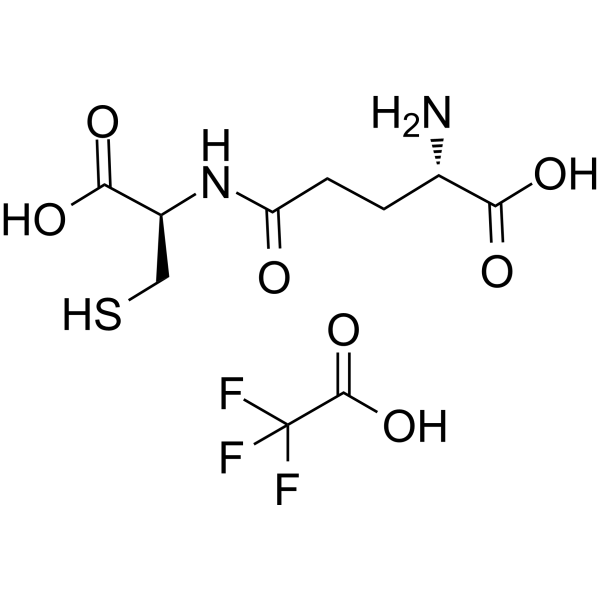
    Gamma-glutamylcysteine TFA
    4 Publications Verification

    γ-Glu-Cys TFA

    Interleukin Related TNF Receptor Endogenous Metabolite AMPK Sirtuin STAT PI3K NF-κB JAK p38 MAPK JNK Akt Apoptosis Ferroptosis Cardiovascular Disease Neurological Disease Inflammation/Immunology
    Gamma-glutamylcysteine TFA (γ-Glu-Cys TFA) is an orally active, blood-brain barrier permeable dipeptide . Gamma-glutamylcysteine TFA activates AMPK, SIRT1, IL-4/STAT6, AC/cAMP/PI3K, IGF-1R/IRS1/PI3K, and Nrf2 signaling pathways; it inhibits NF-κB, JAK1/STAT1/3, MAPKs, cadmium-induced p38 MAPK, JNK, and PI3K/Akt signaling pathways. Gamma-glutamylcysteine TFA regulates macrophage polarization, modulates the trafficking of CD36 and GLUT4, induces glutathione synthesis, improves metabolic dysfunction, reduces lipid deposition, ameliorates glucose homeostasis, inhibits apoptosis (Apoptosis), stabilizes mitochondria, suppresses lipid peroxidation, iron accumulation and ferroptosis (Ferroptosis), reduces ds-HMGB1 levels, reverses mechanical hyperalgesia, and alleviates hepatic lipid droplet formation. Gamma-glutamylcysteine TFA is applicable to research related to inflammatory bowel disease, type 2 diabetes, cadmium-induced neurotoxicity, Alzheimer's disease, cerebral ischemia/reperfusion injury, neuropathy, and alcoholic liver disease .
    Gamma-glutamylcysteine TFA
  • HY-W074890
    Palmitoylglycine
    1 Publications Verification

    N-palmitoyl glycine

    Calcium Channel NO Synthase Neurological Disease Inflammation/Immunology
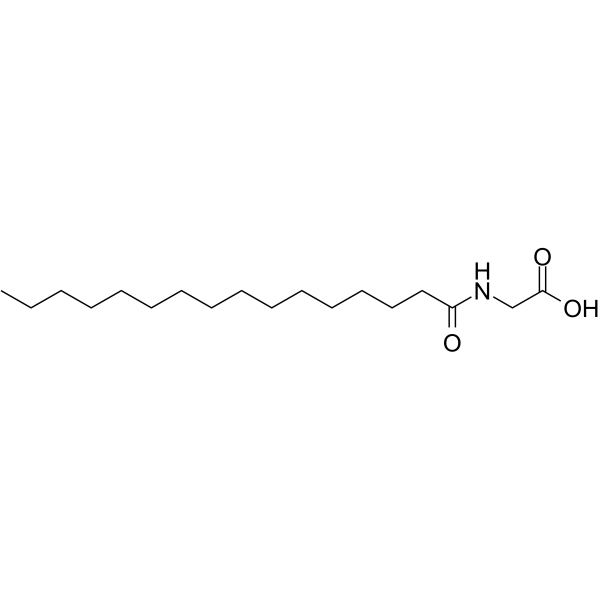
    Palmitoylglycine (N-palmitoyl glycine), an endogenous lipid that acts as a modulator of calcium influx and nitric oxide () production in sensory neurons. Palmitoylglycine is linked to an increased risk of Background Brugada syndrome (BrS) and interacts with BrS-associated proteins, demonstrating moderate binding affinities for DCC, CR1, CTSB, NAAA, DEFB1, EPHA1, IGF1/IGFBP3/ALS, and LTA .
    Palmitoylglycine
  • HY-N0712
    Typhaneoside
    3 Publications Verification

    Autophagy mTOR Akt FXR Cardiovascular Disease Neurological Disease Metabolic Disease Cancer
    Typhaneoside is an orally bioavailable signal modulator and cellular regulator. Typhaneoside regulates the PI3K/Akt/mTOR autophagy transduction pathway. Typhaneoside promotes the activation of AMP-activated protein kinase and Caspase-3, induces apoptosis, ferroptosis, autophagy, ROS accumulation, and cell cycle arrest at the G2/M phase, and reduces cancer cell viability. Typhaneoside activates the farnesoid X receptor signaling pathway, improves glucose and lipid metabolism, alleviates inflammatory responses, oxidative stress and hepatic lipid accumulation, and exerts hepatoprotective effects. Typhaneoside is applicable to research related to post-myocardial infarction heart failure, acute myeloid leukemia, non-alcoholic fatty liver disease, and neurological disorders .
    Typhaneoside
  • HY-N0468
    Rebaudioside D
    1 Publications Verification

    FXR Acetyl-CoA Carboxylase Metabolic Disease
    Rebaudioside D is an orally active sweetener that targets and activates FXR, modulates Acetyl-CoA Carboxylase, and inhibits 3-hydroxy-3-methylglutaryl-CoA reductase. Rebaudioside D regulates bile acid homeostasis and lipid metabolism, reduces the synthesis rates of fatty acids and cholesterol, and exerts multiple effects including anti-adipogenesis, hepatoprotection, anti-steatosis, gut microbiota modulation, enhancement of secondary bile acid metabolism, anti-endotoxin activity, regulation of bile acid transport, and inhibition of bile acid efflux. Rebaudioside D also reduces body weight gain, visceral fat accumulation, hepatic triglyceride and cholesterol accumulation, hepatic lipid peroxidation, and decreases the circulating level of lipopolysaccharide-binding protein. Rebaudioside D additionally enhances the secondary bile acid metabolic pathway of intestinal bacteria, upregulates the gene expression of ileal organic solute transporter α, and downregulates the gene expression of hepatic bile salt export pump. Rebaudioside D does not affect glucose homeostasis, alter total caloric intake or fecal energy excretion, induce weight gain, exacerbate obesity, promote hepatic steatosis, impair brown adipose tissue function, nor change skeletal muscle metabolism-related proteins. Rebaudioside D can be used in diet-induced obesity and obesity-related research .
    Rebaudioside D
  • HY-B0774
    Seratrodast
    4 Publications Verification

    AA 2414

    Ferroptosis JNK MDM-2/p53 Prostaglandin Receptor Reactive Oxygen Species (ROS) Neurological Disease Inflammation/Immunology Endocrinology Cancer
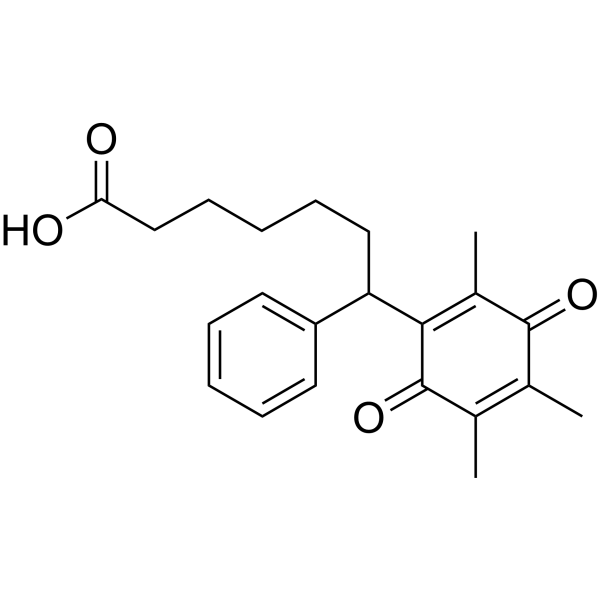
    Seratrodast (AA 2414), an orally active antiasthmatic agent, is a thromboxane A2 receptor (TP) antagonist and ferroptosis inhibitor. Seratrodast reduces lipid ROS production, modulates the systemic xc-/GSH/GPX4 axis, and inhibits JNK phosphorylation and p53 expression. Seratrodast exhibits anti-asthmatic and anti-epileptic activity .
    Seratrodast
  • HY-106539

    FXR G protein-coupled Bile Acid Receptor 1 GLP Receptor Metabolic Disease Cancer
    Colesevelam hydrochloride is an orally active bile acid sequestrant, lipid-lowering agent, and glycemic control agent. Colesevelam hydrochloride binds bile acids in the gastrointestinal tract to form nonabsorbable complexes, interrupts enterohepatic recirculation and increases fecal bile acid elimination. Colesevelam hydrochloride modulates FXR, TGR5, and Cyp7a1 activity and triggers cAMP signaling and GLP-1 release. Colesevelam hydrochloride alters hepatic lipid and glucose metabolism, suppresses hepatic glycogenolysis, reduces hepatic triglyceride and cholesterol levels, and increases LDL-C (low-density lipoprotein cholesterol) clearance. Colesevelam hydrochloride can be used for the research of type 2 diabetes mellitus, hypercholesterolemia, and alcohol-related liver disease .
    Colesevelam hydrochloride
  • HY-N3686

    AMPK PGC-1α Metabolic Disease
    D-Arabitol is an orally active D-enantiomer of arabitol. D-Arabitol modulates the composition of gut microbiota, increases short-chain fatty acids, and promotes AMPK-PGC-1α-related browning of white adipose tissue. D-Arabitol improves weight gain, fat accumulation, insulin resistance, lipid deposition and inflammatory responses. D-Arabitol serves as the sole carbon/energy source for Bacillus methanolicus MGA3, a strain that can co-utilize it with mannitol. D-Arabitol is applicable to obesity-related research .
    D-Arabitol
  • HY-W010452S1

    β-Hydroxybutyric acid-13C4 sodium

    Isotope-Labeled Compounds Endogenous Metabolite Metabolic Disease
    3-Hydroxybutyric acid- 13C4 sodium is the 13C labeled 3-Hydroxybutyric acid sodium (HY-W010452). 3-Hydroxybutyric acid sodium is a metabolite that is elevated in type I diabetes, and can modulate the properties of membrane lipids .
    3-Hydroxybutyric acid-13C4 sodium
  • HY-113378S

    β-Hydroxybutyric acid-d4 sodium

    Endogenous Metabolite Metabolic Disease
    3-Hydroxybutyric acid-d4 (sodium) is the deuterium labeled 3-Hydroxybutyric acid. 3-Hydroxybutyric acid (β-Hydroxybutyric acid) is a metabolite that is elevated in type I diabetes. 3-Hydroxybutyric acid can modulate the properties of membrane lipids .
    3-Hydroxybutyric acid-d4 sodium
  • HY-108022A
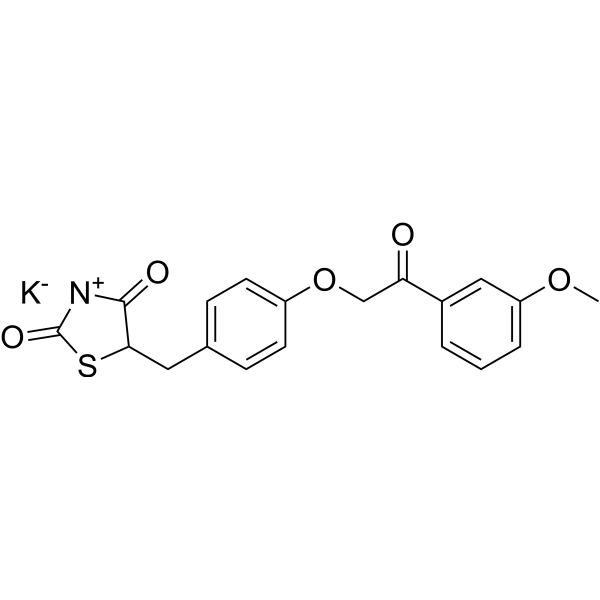
    Azemiglitazone potassium
    1 Publications Verification

    MSDC-0602K

    Insulin Receptor PPAR Metabolic Disease
    Azemiglitazone potassium (MSDC-0602K), a PPARγ-sparing thiazolidinedione (Ps-TZD), binds to PPARγ with the IC50 of 18.25 μM . Azemiglitazone potassium modulates the mitochondrial pyruvate carrier (MPC). Azemiglitazone potassium can be used for the research of fatty liver including dysfunctional lipid metabolism, inflammation, and insulin resistance . Azemiglitazone potassium, an insulin sensitizer, improves insulinemia and fatty liver disease in mice, alone and in combination with Liraglutide .
    Azemiglitazone potassium
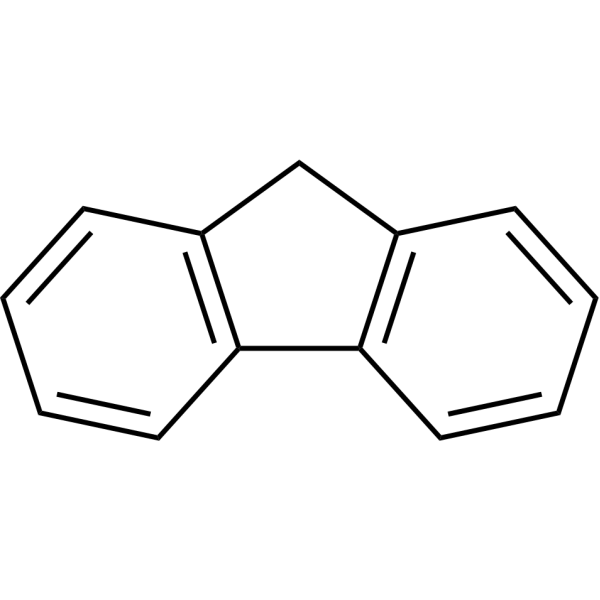
  • HY-W026772
    Fluorene
    1 Publications Verification

    Environmental Pollutants Fluorescent Dye TNF Receptor Interleukin Related SOD Reactive Oxygen Species (ROS) Inflammation/Immunology
    Fluorene is an orally active polycyclic aromatic hydrocarbon (PAH) and a precursor to other fluorene-based compounds. Fluorene and its derivatives serve as dye precursors for fluorene synthesis. In A549 cells, Fluorene induces oxidative stress and inflammatory responses by increasing ROS and SOD generation, exacerbating lipid peroxidation, modulating antioxidant enzyme activity, and upregulating the expression of pro-inflammatory factors TNF-α and IL-6. In vivo, Fluorene exhibits anxiolytic activity. Fluorene holds potential for research in inflammation and neurological disorders .
    Fluorene
  • HY-157416

    ATGL E1/E2/E3 Enzyme Metabolic Disease
    COP1-ATGL modulator 1 (86) is an orally active modulator for COP1-ATGL axis. COP1-ATGL modulator 1 (86) could increase ATGL protein expression, reduce ATGL ubiquitination and COP1 autoubiquitination, and diminish lipid accumulation in hepatocytes in the nanomolar range .
    COP1-ATGL modulator 1
  • HY-156004

    Bacterial Others
    Ziapin 2 is a membrane potential modulator and an intracellular membrane photoactuator. Ziapin 2 binds to the bacterial plasma membrane, and upon embedding into the lipid bilayer, undergoes trans-cis isomerization under 470 nm light irradiation, which triggers membrane potential hyperpolarization and induces the opening of ion channels on bacterial cell membranes. Through interactions with lipids, Ziapin 2 increases the overall flexibility of the lipid bilayer. Ziapin 2 can form photosensitive transmembrane dimers to trigger cellular signal transduction. Ziapin 2 is applicable to the research and regulation of bacterial electrical signal transduction and the regulation of membrane physical properties .
    Ziapin 2
  • HY-117006
    E1231
    1 Publications Verification

    1-{4-[2-(5-Methylfuran-2-yl)quinoline-4-carbonyl]piperazin-1-yl}ethan-1-one

    Sirtuin Cardiovascular Disease
    E1231 is an orally active activator of Sirtuin 1 (SIRT1) (EC50=0.83 μM), to modulate cholesterol and lipid metabolism. E1231 interactes with SIRT1 (KD=9.61 μM) and deacetylated liver X receptor-alpha (LXRα), and increases ATP-binding cassette transporter A1 (ABCA1) expression. E1231 also reduces atherosclerotic plaque development in ApoE -/- mice model. E1231 can be used for research in cholesterol and lipid disorder-related diseases .
    E1231
  • HY-N0899

    JAK STAT Wnt β-catenin Inflammation/Immunology Cancer
    Wilforine is an orally active JAK-STAT pathway inhibitor with immunomodulatory effects and the ability to inhibit osteoclast fusion. Wilforine disrupts lipid raft integrity, reprograms cholesterol and glycosphingolipid metabolic pathways, regulates NF-κB and the complement system, and modulates the expression of various interleukins. Wilforine also inhibits the Wnt11/β-catenin signaling pathway and suppresses the proliferation of fibroblast-like synoviocytes. Wilforine can serve as a quality and pharmacokinetic marker for Tripterygium glycoside tablets, and can be applied to research on related diseases such as rheumatoid arthritis, inflammatory osteolysis, and SAPHO syndrome .
    Wilforine
  • HY-P2048A
    MOTS-c(human) acetate
    1 Publications Verification

    AMPK GLUT Neurological Disease Metabolic Disease Inflammation/Immunology Endocrinology
    MOTS-c (human) acetate is a blood-brain barrier-penetrating, mitochondrial-derived peptide that modulates the AMPK/PGC-1α pathway to enhance insulin sensitivity. MOTS-c (human) acetate inhibits the folate cycle and de novo purine synthesis, increases AICAR levels to activate AMPK, and then regulates the Nrf2/Keap1 antioxidant pathway and inhibits the NF-κB inflammatory pathway, while promoting mitochondrial biogenesis and energy metabolism. MOTS-c (human) acetate has the effects of improving glucose and lipid metabolism, anti-oxidative stress, anti-inflammatory and neuroprotection, and can be used in the study of type 2 diabetes, traumatic brain injury, inflammatory diseases and aging-related metabolic disorders .
    MOTS-c(human) acetate
  • HY-14744
    Levamlodipine
    2 Publications Verification

    (S)-Amlodipine; Levoamlodipine

    Calcium Channel MMP Cardiovascular Disease Neurological Disease
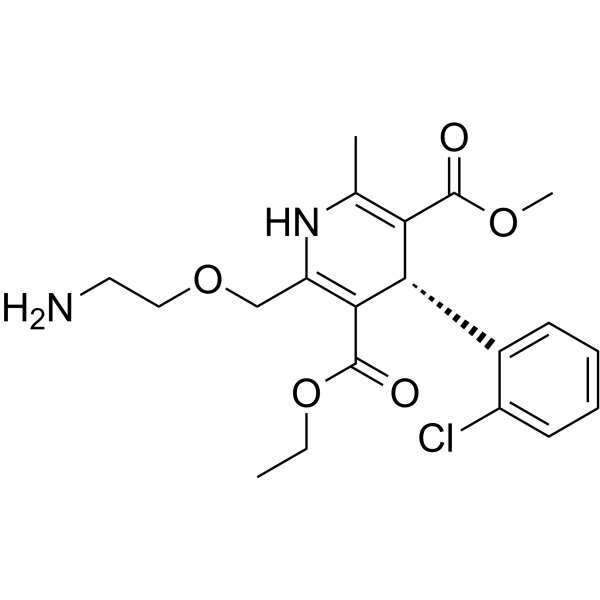
    Levamlodipine ((S)-Amlodipine; Levoamlodipin) is an orally active L-type calcium channel blocker and MMP-9 modulator with high permeability and retention properties. Levamlodipine significantly enhances plaque stability and improves lipid profiles by reducing blood pressure, decreasing systolic blood pressure variability, and inhibiting MMP-9 expression in atherosclerotic plaques. Levamlodipine not only alleviates cardiac and aortic hypertrophy and prevents renal atrophy, but also produces synergistic effects in blood pressure reduction and organ protection when combined with bisoprolol (HY-129029). Levamlodipine exerts no significant inhibitory effect on abdominal aortic intimal hyperplasia. When excessively accumulated in the epidermis, Levamlodipine may induce changes in keratin structure, impair the skin barrier and trigger inflammation; long-term use further exacerbates skin irritation caused by local administration. Levamlodipine can be used in research related to hypertension and atherosclerosis .
    Levamlodipine
  • HY-W010452R

    β-Hydroxybutyric acid sodium (Standard)

    Reference Standards Endogenous Metabolite Metabolic Disease
    3-Hydroxybutyric acid sodium (β-Hydroxybutyric acid sodium) is a metabolite that is elevated in type I diabetes. 3-Hydroxybutyric acid sodium can modulate the properties of membrane lipids .
    3-Hydroxybutyric acid sodium (Standard)
  • HY-N15643

    α-MA (C80)

    Bacterial Infection
    α-Mycolic acid (C80) is a structural lipid component of mycobacterial cell wall. α-Mycolic acid (C80) can be isolated from Mycobacterium tuberculosis Canetti. α-Mycolic acid (C80) significantly modulates membrane permeability and stability, promising for mycobacterium tuberculosis infection research .
    α-Mycolic acid (C80)
  • HY-113466S

    4-HNE-d3

    Isotope-Labeled Compounds Aldehyde Dehydrogenase (ALDH) Endogenous Metabolite Cardiovascular Disease Neurological Disease Cancer
    4-Hydroxynonenal-d3 is the deuterium labeled 4-Hydroxynonenal. 4-Hydroxynonenal (4-HNE) is an α,β unsaturated hydroxyalkenal and an oxidative/nitrosative stress biomarker. 4-Hydroxynonenal is a substrate and an inhibitor of acetaldehyde dehydrogenase 2 (ALDH2). 4-Hydroxynonenal can modulate a number of signaling processes mainly through forming covalent adducts with nucleophilic functional groups in proteins, nucleic acids, and membrane lipids. 4-Hydroxynonenal plays an important role in cancer through mitochondria .
    4-Hydroxynonenal-d3
  • HY-W747597

    Disialoganglioside GD1b; Ganglioside C1; Ganglioside G2

    Endogenous Metabolite Cancer
    Ganglioside GD1b Disodium Salt (Bovine Brain) (Disialoganglioside GD1b; Ganglioside C1) is an acidic glycosphingolipid containing two sialic acid residues linked to an internal galactose unit. Ganglioside GD1b Disodium Salt tightly packs with cholesterol to form lipid microdomains that modulate intracellular and intercellular signaling events. Concentrations of Ganglioside GD1b Disodium Salt (Bovine Brain) in the human brain increase with age and are positively correlated with pilocytic astrocytoma tumor grade. Ganglioside GD1b Disodium Salt has been detected in various other gliomas, including primitive neuroectodermal tumors, glioblastomas, and anaplastic astrocytomas.
    Ganglioside GD1b Disodium Salt (Bovine Brain)
  • HY-113378R

    β-Hydroxybutyric acid (Standard)

    Reference Standards Endogenous Metabolite Metabolic Disease
    3-Hydroxybutyric acid (Standard) is the analytical standard of 3-Hydroxybutyric acid. This product is intended for research and analytical applications. 3-Hydroxybutyric acid (β-Hydroxybutyric acid) is a metabolite that is elevated in type I diabetes. 3-Hydroxybutyric acid can modulate the properties of membrane lipids[1].
    3-Hydroxybutyric acid (Standard)
  • HY-P3455

    PGC-1α Metabolic Disease Cancer
    Ac-SVVVRT-NH2 is a PGC-1α modulator that modulates the activity of the human PGC-1α promoter (114%). Ac-SVVVRT-NH2 increases PGC-1α mRNA (125%) and accumulation of intracellular lipids (128%) in subcutaneous human adipocytes. Ac-SVVVRT-NH2 can be used in the research of diseases which is modulated by PGC-1α .
    Ac-SVVVRT-NH2
  • HY-13738AR

    Keoxifene hydrochloride(Standard); LY156758(Standard); LY139481 hydrochloride (Standard)

    Reference Standards Estrogen Receptor/ERR Autophagy Endocrinology Cancer
    Raloxifene (hydrochloride) (Standard) is the analytical standard of Raloxifene (hydrochloride). This product is intended for research and analytical applications. Raloxifene hydrochloride (Keoxifene hydrochloride) is a second generation selective and orally active estrogen receptor modulator. Raloxifene hydrochloride produces estrogen-agonistic effects on bone and lipid metabolism and estrogen-antagonistic effects on uterine endometrium and breast tissue .
    Raloxifene hydrochloride (Standard)
  • HY-12688

    Mitochondrial Metabolism Reactive Oxygen Species (ROS) Amyloid-β Neurological Disease Inflammation/Immunology
    Succinyl phosphonate is a α-Ketoglutarate Dehydrogenase Complex (KGDHC) modulator with neuroprotective activity. Succinyl phosphonate protects this complex, reduces cellular succinyl-CoA concentration, downregulates protein succinylation levels, and inhibits the activity of the α-ketoglutarate dehydrogenase complex. Succinyl phosphonate corrects hypoxic or ethanol-induced behavioral impairments, modulates exploratory behavior and emotional stress responses, and improves hypoxia tolerance. Succinyl phosphonate reduces glutamate excitotoxicity, restores the activity of the α-ketoglutarate dehydrogenase complex, reverses the changes in glutamate dehydrogenase and glutamine synthetase activities induced by β-amyloid (Amyloid-β), modulates cognitive function, and prevents β-amyloid-induced neuronal damage. Succinyl phosphonate improves microglial senescence, alleviates neuroinflammation, reactive oxygen species (ROS) production, lipid peroxidation, and the expression of proinflammatory cytokines. Succinyl phosphonate can be used in the research of Alzheimer's disease, aging-related neuroinflammation, and Parkinson's disease .
    Succinyl phosphonate
  • HY-N3741

    Didrovaltratum

    Calcium Channel Reactive Oxygen Species (ROS) Autophagy Inflammation/Immunology Cancer
    Didrovaltrate (Didrovaltratum) is an L-type calcium channel blocker, ROS scavenger, autophagy enhancer, and lipid accumulation inhibitor. Didrovaltrate blocks L-type calcium currents in a concentration-dependent manner, shifts the current-voltage curve upward, modulates steady-state inactivation kinetics, and inhibits the nuclear translocation of glucocorticoid receptors. Didrovaltrate reduces ROS levels, downregulates the expression of muscle atrophy-related genes, enhances autophagy via lipophagy, and decreases Oleic acid-induced lipid accumulation. Didrovaltrate exhibits cytotoxic activity against cancer cells. Didrovaltrate can be used in research related to skeletal muscle atrophy, non-alcoholic fatty liver disease, breast cancer, lung cancer, gastric cancer, and prostate cancer .
    Didrovaltrate
  • HY-155887

    DSPE-PEG-NH2, MW 3400 ammonium

    Liposome Cancer
    DSPE-PEG-Amine (DSPE-PEG-NH2), MW 3400 ammonium is an amino-functionalized PEGylated phospholipid. It serves not only as a key component for preparing σ receptor-targeted liposomes (such as anisamide-modified lipids) but also as a starting material for synthesizing click chemistry- and tumor-targeted lipids including DSPE-PEG-DBCO (HY-155788) and DSPE-PEG2000-TCO (HY-170704). DSPE-PEG-Amine, MW 3400 ammonium effectively modulates the ζ potential of nanoparticles, enables complexation with nucleic acids or proteins to protect DNA from nuclease degradation, and supports ligand conjugation on the nanoparticle surface. It is used in studies related to DU-145 tumors, breast cancer, and other relevant research .
    DSPE-PEG-Amine, MW 3400 ammonium
  • HY-N16021

    Toll-like Receptor (TLR) Cdc42-binding kinase Galectin Inflammation/Immunology
    4A-MPLA ammonium is an orally active TLR4 agonist. 4A-MPLA ammonium induces TLR4 endocytosis dependent on Cdc42 and galectin-3, triggering TRIF-mediated signaling and sustained IFN-β production. 4A-MPLA ammonium promotes lipid droplet formation, upregulates interferon-stimulated genes and type I IFN signaling genes, downregulates lysosome/phagosome function genes, and modulates tolerogenic dendritic cell function. 4A-MPLA ammonium can be used for the research of colitis .
    4A-MPLA ammonium
  • HY-N3686R

    Reference Standards AMPK PGC-1α Metabolic Disease
    D-Arabitol (Standard) is the analytical standard of D-Arabitol. This product is intended for research and analytical applications. D-Arabitol is an orally active D-enantiomer of arabitol. D-Arabitol modulates the composition of gut microbiota, increases short-chain fatty acids, and promotes AMPK-PGC-1α-related browning of white adipose tissue. D-Arabitol improves weight gain, fat accumulation, insulin resistance, lipid deposition and inflammatory responses. D-Arabitol serves as the sole carbon/energy source for Bacillus methanolicus MGA3, a strain that can co-utilize it with mannitol. D-Arabitol is applicable to obesity-related research.
    D-Arabitol (Standard)
  • HY-N4309

    Amylases Glycosidase Neurological Disease Metabolic Disease Cancer
    Lotusine is an orally active signaling pathway modulator and enzyme inhibitor, with an IC50 of 30.60 μg/mL against α-amylase and an IC50 of 36.15 μg/mL against α-glucosidase. Lotusine inhibits the EGFR-Akt-ERK signaling pathway by reducing the levels of phosphorylated EGFR, Akt and ERK. Lotusine induces apoptosis, triggers G0/G1 cell cycle arrest and inhibits cancer cell proliferation. Lotusine reduces lipid peroxidation and increases the activities of SOD, CAT and GPx. Lotusine is applicable to researches related to non-small cell lung cancer, type 2 diabetes and autism spectrum disorder .
    Lotusine
  • HY-D1056C3

    LPS, from Salmonella enterica (Serotype typhimurium)

    Toll-like Receptor (TLR) Inflammation/Immunology
    Lipopolysaccharides, from S. enterica (Salmonella enterica) serotype typhimurium are lipopolysaccharide endotoxins and TLR4 activators derived from serotype typhimurium of Salmonella enterica, and are classified as S-type LPS. Lipopolysaccharides, from S. enterica exhibit a typical three-part structure: O-antigen, core oligosaccharide, and lipid A. Lipopolysaccharides, from S. enterica serotype typhimurium can modulate the fate of bacteria in dendritic cells (DC), determining the uptake, degradation, and activation of immune functions by DC cells against the bacteria .
    It is recommended to prepare a solution with concentration ≥2 mg/mL. Vortex thoroughly for more than 10 minutes. Due to the adsorption characteristics of LPS, silanized container or low adsorption centrifuge tubes should be used for aliquoting and storage, and mix thoroughly before use.
    Lipopolysaccharides, from S. enterica serotype typhimurium
  • HY-141569

    Toll-like Receptor (TLR) Inflammation/Immunology
    Ganglioside GD1a modulates toxic and inflammatory effects of E. coli lipopolysaccharide by preventing TLR4 translocation into lipid rafts. Ganglioside GD1a significantly reduces the effect of LPS on the decrease of cell survival and on stimulation of reactive oxygen species production .
    Ganglioside GD1a
  • HY-13556

    LY353381; SERM III

    Estrogen Receptor/ERR Metabolic Disease Cancer
    Arzoxifene (LY353381) is an orally active selective estrogen receptor modulator with a fixed ring structure similar to raloxifene. Arzoxifene has minimal side effects with powerful antiestrogenic effects on breast cancer and endometrium, with equally strong favorable estrogenic effects on bone and lipid profile .
    Arzoxifene
  • HY-N15645

    Bacterial Infection
    α-Mycolic acid, keto cis is a structural lipid component of mycobacterial cell wall. α-Mycolic acid, keto cis can be isolated from Mycobacterium tuberculosis Canetti. α-Mycolic acid, keto cis significantly modulates membrane permeability and stability, promising for mycobacterium tuberculosis infection research .
    α-Mycolic acid, keto cis
  • HY-P11358

    Angiotensin-converting Enzyme (ACE) Acetyl-CoA Carboxylase Mitochondrial Metabolism Inflammation/Immunology
    IRW is an orally active tripeptide produced from egg white with angiotensin converting enzyme (ACE) inhibitory properties. IRW can prevent high-fat diet (HFD)-induced Non-alcoholic fatty liver disease (NAFLD) by modulating hepatic lipid metabolism and increasing mitochondrial content. IRW decreases hepatic triglyceride content and lipid droplet size. IRW increases the hepatic mitochondrial complexes and citrate synthase activity, phosphorylation of 5’-AMP-activated protein kinase and microsomal triglyceride transfer protein abundance. IRW increases phosphorylated acetyl CoA carboxylase and mitochondrial complexes, IRW can be used for the research of inflammation .
    IRW
  • HY-B0774R

    AA 2414 (Standard)

    Ferroptosis JNK MDM-2/p53 Prostaglandin Receptor Reference Standards Reactive Oxygen Species (ROS) Neurological Disease Inflammation/Immunology Endocrinology Cancer
    Seratrodast (Standard) is the analytical standard of Seratrodast. This product is intended for research and analytical applications. Seratrodast (AA 2414), an orally active antiasthmatic agent, is a thromboxane A2 receptor (TP) antagonist and ferroptosis inhibitor. Seratrodast reduces lipid ROS production, modulates the systemic xc-/GSH/GPX4 axis, and inhibits JNK phosphorylation and p53 expression. Seratrodast exhibits anti-asthmatic and anti-epileptic activity .
    Seratrodast (Standard)
  • HY-113402R

    γ-Glu-Cys (Standard)

    Reference Standards Endogenous Metabolite Interleukin Related TNF Receptor AMPK Sirtuin STAT PI3K NF-κB JAK p38 MAPK JNK Akt Apoptosis Ferroptosis Inflammation/Immunology
    Gamma-glutamylcysteine (Standard) is the analytical standard of Gamma-glutamylcysteine. This product is intended for research and analytical applications. Gamma-glutamylcysteine (γ-Glu-Cys) is an orally active, blood-brain barrier permeable dipeptide . Gamma-glutamylcysteine activates AMPK, SIRT1, IL-4/STAT6, AC/cAMP/PI3K, IGF-1R/IRS1/PI3K, and Nrf2 signaling pathways; it inhibits NF-κB, JAK1/STAT1/3, MAPKs, cadmium-induced p38 MAPK, JNK, and PI3K/Akt signaling pathways. Gamma-glutamylcysteine regulates macrophage polarization, modulates the trafficking of CD36 and GLUT4, induces glutathione synthesis, improves metabolic dysfunction, reduces lipid deposition, ameliorates glucose homeostasis, inhibits apoptosis (Apoptosis), stabilizes mitochondria, suppresses lipid peroxidation, iron accumulation and ferroptosis (Ferroptosis), reduces ds-HMGB1 levels, reverses mechanical hyperalgesia, and alleviates hepatic lipid droplet formation. Gamma-glutamylcysteine is applicable to research related to inflammatory bowel disease, type 2 diabetes, cadmium-induced neurotoxicity, Alzheimer's disease, cerebral ischemia/reperfusion injury, neuropathy, and alcoholic liver disease.
    Gamma-glutamylcysteine (Standard)
  • HY-W015924R

    Reference Standards Endogenous Metabolite Metabolic Disease
    2-Hydroxyisobutyric acid (Standard) is the analytical standard of 2-Hydroxyisobutyric acid. This product is intended for research and analytical applications. 2-Hydroxyisobutyric acid (2-HIBA) is a selective modulator of the Insulin/IGF-1 pathway and the p38 MAPK pathway, which reduces reactive oxygen species (ROS) and fat accumulation in Caenorhabditis elegans. 2-Hydroxyisobutyric acid promotes β-oxidation and inhibits fatty acid synthesis by upregulating SKN-1/NRF2 and downregulating SREBP-1c transcription factors. 2-Hydroxyisobutyric acid has anti-aging and lipid-lowering effects, and can be used to study metabolic diseases such as obesity and diabetes. 2-Hydroxyisobutyric acid is also a renewable precursor of methacrylate through 2-HIB-CoA mutase-mediated biosynthesis[1][2].
    2-Hydroxyisobutyric acid (Standard)

Inquiry Online

Your information is safe with us. * Required Fields.

Salutation


Country or Region *

Applicant Name *


Organization Name *

Department *


Email Address *


Product Name *

Cat. No.


Requested quantity *

Phone Number *


Remarks

Inquiry Online

Inquiry Information

Product Name:
Cat. No.:
Quantity:
MCE Japan Authorized Agent:

