
Search Result
Results for "
mesothelioma
" in MedChemExpress (MCE) Product Catalog:
1
Biochemical Assay Reagents
| Cat. No. |
Product Name |
Target |
Research Areas |
Chemical Structure |
-
- HY-153811
-
IAG933
3 Publications Verification
YAP-TEAD-IN-3
|
YAP
Apoptosis
|
Cancer
|
|
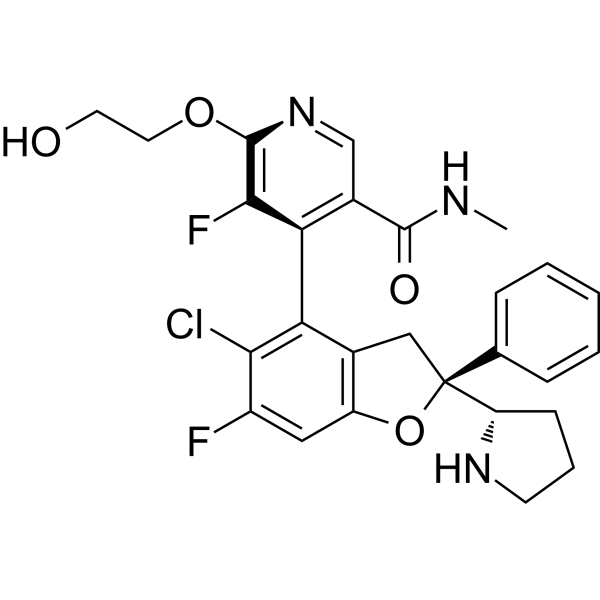
IAG933 (YAP-TEAD-IN-3) is an orally available YAP/TAZ-TEAD inhibitor that has anti-tumor effects and promotes apoptosis. IAG933 YAP-TEAD-IN-3 inhibits Avi-human TEAD 4217-434, with an IC50 value of 9 nM .
|
-
-
- HY-138565
-
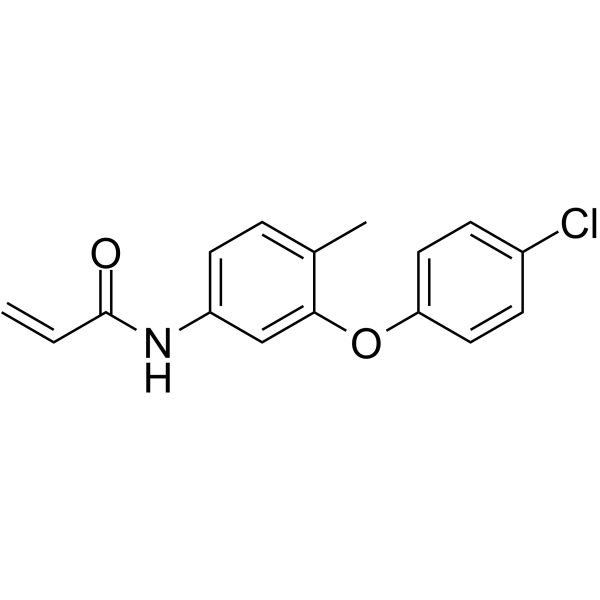
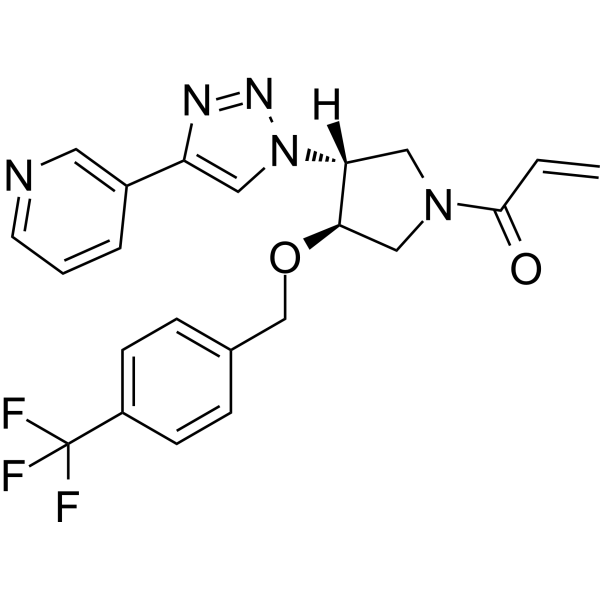
K-975
Maximum Cited Publications
31 Publications Verification
|
YAP
|
Cancer
|
|
K-975 is a potent, selective and orally active TEAD inhibitor, with a strong inhibitory effect against protein-protein interactions between YAP1/TAZ and TEAD. K-975 covalently binds to Cys359 located in the palmitate-binding pocket of TEAD via an acrylamide structure. K-975 exhibits antitumor activity on malignant pleural mesothelioma .
|
-
-
- HY-400902
-
|
|
YAP
VEGFR
Hippo (MST)
|
Cancer
|
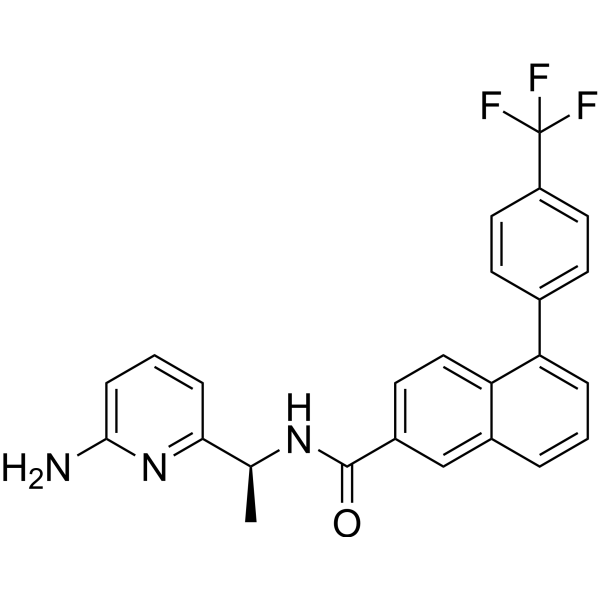
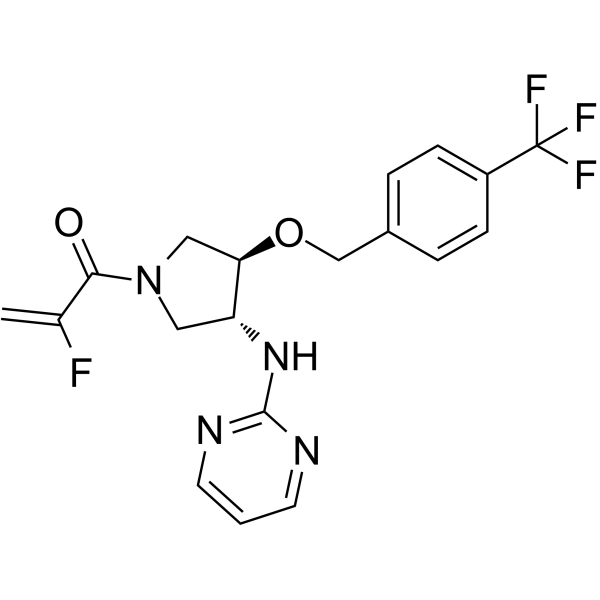
VT3989 is an orally active pan-TEAD autopalmitoylation inhibitor that modulates the Hippo signaling pathway. VT3989 directly binds to TEAD transcription factors to block their palmitoylation modification, thereby disrupting the formation of YAP/TAZ-TEAD complexes and inhibiting downstream oncogenic transcriptional activity. VT3989 effectively inhibits the growth of NF2-deficient schwannoma and meningioma cells and reverses the Schwann cell phenotype. In addition, VT3989 exerts a synergistic effect when combined with Osimtinib (HY-15772) in EGFR-mutant non-small cell lung cancer models, significantly delaying tumor recurrence and prolonging survival. VT3989 can be used for the research of epithelioid hemangioendothelioma, malignant pleural mesothelioma, type 2 neurofibromatosis and related advanced solid tumors .
|
-
-
- HY-101255
-
|
|
Guanylate Cyclase
Apoptosis
|
Cancer
|
|
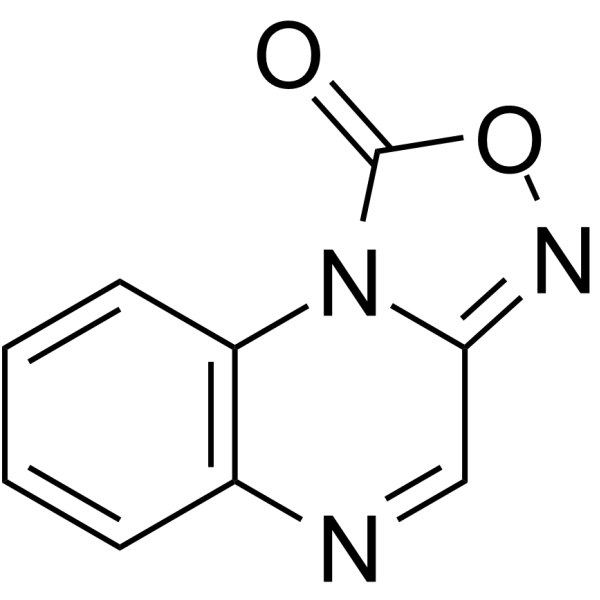
ODQ is a potent and selective soluble guanylyl cyclase (sGC, nitric oxide-activated enzyme) inhibitor. ODQ enhances the pro-apoptotic effects of Cisplatin in human mesothelioma cells .
|
-
-
- HY-134957
-
|
|
YAP
|
Cancer
|
|
VT-107, as an analogous to VT104, is an orally active and potent pan-TEAD auto-palmitoylation inhibitor. VT-107 can be used for the research of cancer .
|
-
-
- HY-147136
-
|
|
YAP
|
Cancer
|
|
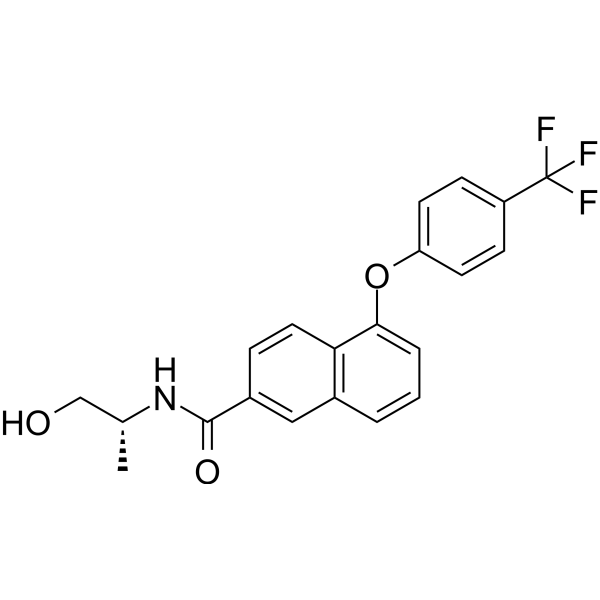
MYF-03-176 is an orally active inhibitor of TEAD, and suppresses TEAD transcriptional activity with an IC50 of 11 nM. The IC50 values of MYF-03-176 for TEAD1, TEAD3, and TEAD4 are 47, 32, and 71 nM, respectively. MYF-03-176 inhibits hippo signaling defective malignant pleural mesothelioma (MPM) cells. MYF-03-176 shows strong antitumor efficacy in MPM mouse xenograft model .
|
-
-
- HY-P99299
-
|
HGS-ETR 2; ETR2-ST01
|
Apoptosis
|
Cancer
|
|
Lexatumumab (HGS-ETR 2) is a human agonistic TRAIL receptor 2 (TRAIL-R2, DR5, APO-2) IgG4κ type monoclonal antibody. Lexatumumab induces apoptosis in malignant mesothelioma. Lexatumumab can be used for malignant pleural mesothelioma (MPM) research .
|
-
-
- HY-172113
-
|
|
PROTACs
YAP
c-Myc
Apoptosis
|
Cancer
|
|
H122 is a PROTAC degrader for TEAD that degrades TEAD1 with a DC50 of 3 nM. H122 exhibits good affinity to TEAD2, TEAD3, and TEAD4 with Ki values of 2.0, 3.6 and 1.6 nM, respectively. H122 relies on binding to TEAD1 and CRBN, functional E3 ligase activity, and a functional proteasome for degradation.H122 induces degradation of TEAD3 and forms a ternary complex with TEAD4 and CRBN/DDB1 to mediate degradation.H122 downregulates expression of Myc target genes. H122 exhibits antitumor efficacy in MSTO-211H mouse xenograft models.H122 can be used for the research of malignant mesothelioma .
|
-
-
- HY-168016
-
|
|
PROTACs
YAP
|
Cancer
|
|
PROTAC YAP degrader-1 is a VHL-recruiting PROTAC degrader (DC50=8.2 μM) and antiproliferative agent that targets YAP. PROTAC YAP degrader-1 recruits the E3 ligase VHL and binds to VHL to form a ternary complex containing YAP. PROTAC YAP degrader-1 inhibits the nuclear localization of YAP in cancer cells, reduces YAP/TEAD-mediated transcription, and induces TAZ protein degradation. PROTAC YAP degrader-1 reduces the oncogenic activity of YAP and exerts antiproliferative effects in the Huh7 xenograft mouse model. PROTAC YAP degrader-1 can be used for the research of hepatocellular carcinoma and mesothelioma .
|
-
-
- HY-147135
-
|
TEAD-IN-3
|
YAP
Apoptosis
|
Cancer
|
|
MYF-03-69 (TEAD-IN-3) is a covalent and irreversible TEAD inhibitor with IC50s of 385, 143, 558 and 173 nM for TEAD1, TEAD2, TEAD3 and TEAD4. MYF-03-69 disrupts YAP-TEAD association, suppresses TEAD transcriptional activity (IC50 = 56 nM) and up-regulates apoptosis gene BMF. MYF-03-69 selectively inhibits mesothelioma cancer cells with defective Hippo signaling. MYF-03-69 can be used for the study of malignant pleural mesothelioma (MPM) .
|
-
-
- HY-175357
-
|
|
YAP
|
Cancer
|
|
YAP/TEAD-IN-2 (Compound T-1) is a YAP/TEAD inhibitor. YAP/TEAD-IN-2 inhibits the luciferase activity driven by YAP/TEAD in 293T cells. YAP/TEAD-IN-2 exhibits strong anti-proliferative activity against human pleural mesothelioma NCI-H226 cells. YAP/TEAD-IN-2 can be used for the study of diseases associated with Hippo pathway dysregulation, particularly cancers .
|
-
-
- HY-155163
-
|
|
Anaplastic lymphoma kinase (ALK)
ROS Kinase
FAK
Apoptosis
|
Cancer
|
|
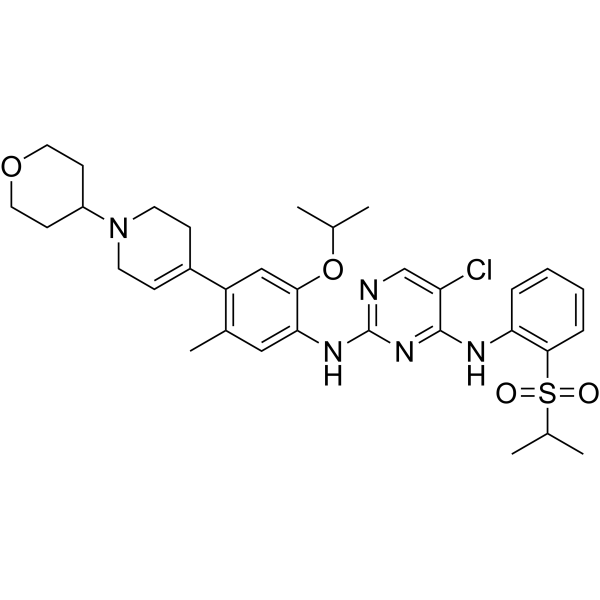
APG-2449 is an orally active inhibitor for BCL-2 and multikinase (ALK/FAK/ROS1) with potent antitumor activities. APG-2449 reduces cell viability and enhances apoptosis in acute myeloid leukemia cells in vitro. APG-2449 decreases activation of FAK and its downstream effectors. APG-2449 can be studied in research for mesothelioma tumor, non-small cell lung cancer, ovarian cancer, hematologic and solid malignancies .
|
-
-
- HY-W009776
-
|
Suberohydroxamic acid; SBHA
|
HDAC
Apoptosis
|
Cancer
|
|
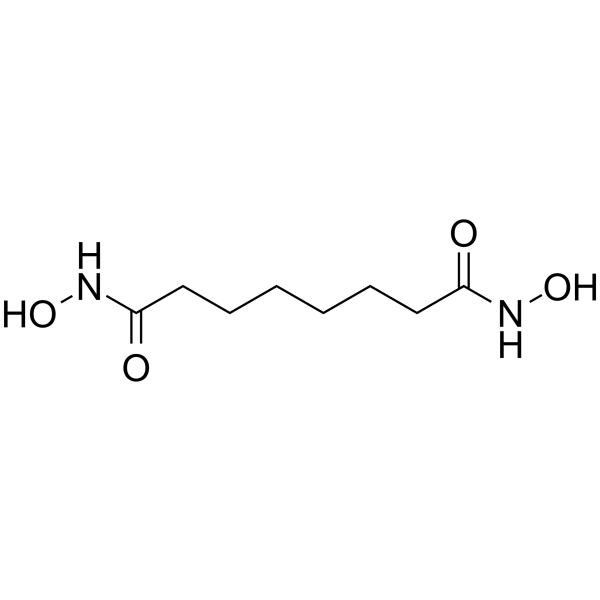
Suberoyl bis-hydroxamic acid (Suberohydroxamic acid; SBHA) is a competitive and cell-permeable HDAC1 and HDAC3 inhibitor with ID50 values of 0.25 μM and 0.30 μM, respectively .Suberoyl bis-hydroxamic acid renders MM cells susceptible to apoptosis and facilitates the mitochondrial apoptotic pathways .Suberoyl bis-hydroxamic acid can be used for the study of medullary thyroid carcinoma (MTC) .
|
-
-
- HY-163644
-
|
|
YAP
|
Cancer
|
|
VT-105 is a TEAD inhibitor and VT104 (HY-134956) analog. VT-105 binds to the central hydrophobic pocket of the TEAD3 protein. VT-105 can be used in the research of NF2-deficient malignant mesothelioma .
|
-
-
- HY-143411
-
|
|
HDAC
Apoptosis
DNA/RNA Synthesis
|
Cancer
|
|
GEM144 is a potent and orally active DNA polymerase α (POLA1) and HDAC 11 dual inhibitor. GEM144 induces acetylation of p53, activation of p21, G1/S cell cycle arrest, and apoptosis. GEM144 has significant antitumor activity in human orthotopic malignant pleural mesothelioma xenografts .
|
-
-
- HY-P991551
-
|
|
Dipeptidyl Peptidase
p38 MAPK
ERK
|
Infection
Cancer
|
|
YS110 is a humanized anti-CD26 (DPP4) IgG1 monoclonal antibody. YS110 induces CD26 nuclear translocation through the caveolin pathway. YS110 inhibits the proliferation of tumor cell by delaying G2/M cell cycle transition. YS110 inhibits the infection of Middle East respiratory syndrome coronavirus (MERS CoV) by blocking the binding of MERS CoV S1 to CD26. YS110 can be used for researches on cancer or infection such as Malignant Mesothelioma and MERS .
|
-
-
- HY-157673
-
|
16:1 PE
|
Phosphatase
Apoptosis
|
Cancer
|
|
1,2-Dipalmitoleoyl-sn-glycero-3-phosphoethanolamine (16:1 PE) is a phosphatidylethanolamine that can enhance PP2A and PTP1B activities in malignant pleural mesothelioma cells. 1,2-Dipalmitoleoyl-sn-glycero-3-phosphoethanolamine induces apoptosis of NCI-H28 malignant pleural mesothelioma cells .
|
-
-
- HY-179395
-
|
|
YAP
|
Cancer
|
|
TEAD-IN-23 (Compound 22) is an efficient pan-TEAD inhibitor with an IC50 of 10 nM. TEAD-IN-23 exhibits potent anti-proliferative activity in both NCI-H226 and MSTO-211H. TEAD-IN-23 causes complete tumor regression in the MSTO-211H xenograft tumor model. TEAD-IN-23 can be used for the study of mesothelioma and hepatocellular carcinoma .
|
-
-
- HY-171450
-
|
|
Trk Receptor
|
Cancer
|
|
VMD-928 is an orally active, allosteric, irreversible and selective tropomyosin receptor kinase A (TrkA) inhibitor. VMD-928 blocks the downstream signaling pathways triggered by the binding of nerve growth factor (NGF) to TrkA, thereby inhibiting cell proliferation, invasion, and promoting cancer cell death. VMD-928 is promising for research of various cancers, including prostate cancer, thymic carcinoma, mesothelioma, squamous cell carcinoma of the head and neck, squamous cell carcinoma of the lung, ovarian cancer, hepatocellular carcinoma .
|
-
-
- HY-119916
-
|
|
DNA/RNA Synthesis
|
Cancer
|
|
Tauromustine is an orally active nitrosourea anticancer agent. Tauromustine has an alkylation effect and can damage the DNA function. Tauromustine has a high therapeutic index, especially in the study of Walker 256 rat sarcoma. It is also active against melanoma, breast cancer, pleural mesothelioma and ovarian cancer. Tauromustine is mainly metabolized in the liver, but some of its metabolites also have cytotoxicity .
|
-
-
- HY-122844B
-
|
BI-853520 tosylate; IN-10018 tosylate
|
FAK
|
Cancer
|
|
Ifebemtinib (tosylate) (BI-853520 (tosylate); IN-10018 (tosylate)) is a highly selective PTK2 kinase inhibitor. Ifebemtinib (tosylate) demonstrates anti-tumor activity. Ifebemtinib (tosylate) inhibits FAK autophosphorylation in prostate carcinoma cells. Ifebemtinib (tosylate) can inhibit spheroid formation and orthotopic tumor growth in vivo. Ifebemtinib (tosylate) can be studied in anticancer research such as solid tumors, breast cancer, and malignant pleural mesothelioma .
|
-
-
- HY-101255R
-
|
|
Reference Standards
Guanylate Cyclase
Apoptosis
|
Cancer
|
|
ODQ (Standard) is the analytical standard of ODQ. This product is intended for research and analytical applications. ODQ is a potent and selective soluble guanylyl cyclase (sGC, nitric oxide-activated enzyme) inhibitor. ODQ enhances the pro-apoptotic effects of Cisplatin in human mesothelioma cells .
|
-
-
- HY-P991315
-
|
RG7600 antibody
|
|
Cancer
|
|
Anti-MSLN/Mesothelin (h7D9.v3) is a human monoclonal antibody (mAb) targeting MSLN. Anti-MSLN/Mesothelin (h7D9.v3) can be used in ovarian cancer, mesothelioma, and pancreatic cancer research .
|
-
-
- HY-15406
-
-
-
- HY-P992430
-
|
|
Transmembrane Glycoprotein
Radionuclide-Drug Conjugates (RDCs)
|
Inflammation/Immunology
Cancer
|
|
OI-3 is a monoclonal antibody targeting CD146 (MCAM). OI-3 specifically binds to CD146 on the surface of human mesothelioma cells and undergoes endocytosis; both chimeric (chOI-3) and murine (mOI-3) variants possess this activity. When conjugated with 212Pb to form 212Pb-TCMC-OI-3, OI-3 acts as a cytotoxic agent that delivers α-emitting radionuclides to induce targeted cytotoxicity. OI-3 can be used in research related to malignant peritoneal mesothelioma .
|
-
-
- HY-185230
-
|
|
PROTACs
YAP
|
Cancer
|
|
HC278 is a selective TEAD1/TEAD3 PROTAC degrader. HC278 induces proteasome-dependent degradation by forming a stable ternary complex with CRBN/DDB1. HC278 is applicable to the research of mesothelioma .
|
-
-
- HY-181537
-
|
|
PROTACs
SNIPERs
YAP
IAP
|
Cancer
|
|
PROTAC TEAD1/IAP degrader-2 is an IAP-harnessing TEAD1 PROTAC degrader, with a DC50 of 170 nM against TEAD1 in NCI-H2052 cells. PROTAC TEAD1/IAP degrader-2 exhibits moderate antiproliferative activity in Hippo pathway-dependent mesothelioma cells. PROTAC TEAD1/IAP degrader-2 inhibits the expression of CTGF, but with a weaker effect than the TEAD inhibitor VT-107 (HY-134957). PROTAC TEAD1/IAP degrader-2 can be used in mesothelioma-related research .
|
-
-
- HY-N17948
-
|
|
Others
|
Cancer
|
|
Isolobetyol is a polyacetylene found in whole plants of Lobelia chinensis. Isolobetyol shows cytotoxic effects against cancer cells. Isolobetyol can be used for the research of cancer, such as human lung cancer and biphasic mesothelioma .
|
-
-
- HY-183245
-
|
|
YAP
|
Cancer
|
|
51675515 is a YAP inhibitor that inhibits YAP-dependent transcriptional activity. 51675515 reduces YAP1-GFP intensity in cells engineered to express YAP1-GFP. 51675515 can be used for the research of YAP-dependent solid tumors (including hepatocellular carcinoma, malignant mesothelioma, colorectal cancer) .
|
-
-
- HY-183728
-
|
|
YAP
|
Cancer
|
|
LC-TEAD01 is a potent covalent transcription enhancer-associated domain (TEAD) inhibitor with an IC50 of 116 nM and a Ki of 0.132 μM. LC-TEAD01 disrupts the TEAD-YAP interaction and inhibits TEAD-dependent transcriptional activity. LC-TEAD01 suppresses the proliferation of NF2-deficient cancer cells. LC-TEAD01 inhibits tumor growth in NF2-deficient xenograft models. LC-TEAD01 can be used in studies related to NF2-deficient malignant pleural mesothelioma .
|
-
-
- HY-181533
-
|
|
Ligands for E3 Ligase
IAP
|
Cancer
|
|
IAP ligand 9 is an ASX-series, non-peptidic SMAC mimetic and IAP binder with high cell permeability. IAP ligand 9 selectively targets cIAP1-BIR3, XIAP-BIR3, exhibits extremely weak binding affinity for XIAP-BIR2, with a KD of 100 nM for cIAP1-BIR3 and 10 nM for XIAP-BIR2. IAP ligand 9 can be used to synthesize IAP-recruiting protein degraders (IPD), and can calibrate the cell permeability and cellular-level target binding assays of the IPD molecule SNIPER (TEAD)-1 (HY-181607). IAP ligand 9 and its series of degraders can be used in the research of solid tumors such as malignant pleural mesothelioma associated with abnormal activation of the Hippo pathway .
|
-
-
- HY-181530
-
|
|
IAP
|
Cancer
|
|
IAP ligand 6 (A250) is an IAP ligand with a Ka value of 0.1 μM for the human XIAP BIR3 domain. IAP ligand 6 binds to the XIAP BIR3 domain and serves as an alkynylpyridine scaffold for the preparation of TEAD degraders that recruit IAP. IAP ligand 6 is applicable to research related to mesothelioma .
|
-
-
- HY-181534
-
|
|
PROTACs
YAP
IAP
SNIPERs
|
Cancer
|
|
PROTAC TEAD1/IAP degrader-1 (Compound A232) is a selective TEAD1 and cIAP1 PROTAC degrader, with DC50 values of 14 nM and 270 nM, respectively. PROTAC TEAD1/IAP degrader-1 promotes the ubiquitination and degradation of TEAD1 and cIAP1. PROTAC TEAD1/IAP degrader-1 downregulates the expression of the TEAD-dependent gene CTGF. PROTAC TEAD1/IAP degrader-1 exhibits anticancer activity against mesothelioma .
|
-
-
- HY-16964
-
|
|
Lactate Dehydrogenase
|
Cancer
|
|
LDHA-IN-1 (Compound 1j) is a selective, competitive LDH-A inhibitor, with Ki values of 8.9 μM (NADH assay) and 4.7 μM (Pyruvate assay) against hLDH-A. LDHA-IN-1 inhibits cancer cell proliferation under hypoxic conditions. LDHA-IN-1 can be used in the research of ovarian cancer, colorectal cancer, mesothelioma and pancreatic cancer .
|
-
-
- HY-186117
-
|
|
YAP
PROTACs
|
Cancer
|
|
KG-FP-003 is a highly potent, selective, and durable TEAD PROTAC degrader (TEAD1 DC50 = 6 ± 4 nM, TEAD2 DC50 = 68 ± 15 nM, TEAD3 DC50 = 12 ± 5 nM, TEAD4 DC50 = 7 ± 5 nM). KG-FP-003 promotes ubiquitination and degradation of TEAD. KG-FP-003 exhibits anticancer activity against mesothelioma and ovarian cancer .
|
-
-
- HY-P992060
-
|
|
CD20
NF-κB
|
Inflammation/Immunology
Cancer
|
|
Anti-Mouse CD20 Antibody (18B12) is a B cell depleting agent that targets mouse CD20. Anti-Mouse CD20 Antibody (18B12) not only inhibits the growth of mesothelioma, lung cancer and thymoma, but also significantly enhances the efficacy of adenoviral tumor antigen vaccines and induces tumor regression by increasing the number of tumor-specific CD8 + T cells. Anti-Mouse CD20 Antibody (18B12) reduces B cell infiltration into the central nervous system of mice with experimental autoimmune encephalomyelitis, and delays motor dysfunction and neuronal death after spinal cord injury by alleviating inflammatory responses and tissue damage. Anti-Mouse CD20 Antibody (18B12) is widely applicable to research in fields related to mesothelioma, lung cancer, thymoma, experimental autoimmune encephalomyelitis and spinal cord injury .
|
-
-
- HY-181594
-
|
|
PROTACs
SNIPERs
YAP
|
Cancer
|
|
PROTAC TEAD/IAP degrader-1 is a TEAD/IAP PROTAC degrader. PROTAC TEAD/IAP degrader-1 is also a specific and Nongenetic inhibitor of apoptosis protein (IAP)-dependent protein eraser (SNIPERs). PROTAC TEAD/IAP degrader-1 recruits cIAP1 to form ternary complexes, induces ubiquitination, proteasomal TEAD1, TEAD4 degradation. PROTAC TEAD/IAP degrader-1 inhibits TEAD transcriptional activity, reduces CTGF expression, and reduces cell proliferation. PROTAC TEAD/IAP degrader-1 can be used for the research of mesothelioma .
|
-
-
- HY-129976
-
|
|
Endogenous Metabolite
|
Cancer
|
|
Pemetrexed tromethamine dihydrochloric dihydrate is a chemotherapy drug used to treat pleural mesothelioma and non-small cell lung cancer, exhibiting potent anti-cancer activity.
|
-
-
- HY-186118
-
|
|
Ligands for Target Protein for PROTAC
YAP
|
Neurological Disease
Cancer
|
|
TEAD ligand 6 is a TEAD ligand. TEAD ligand 6 serves as a ligand for target protein for PROTAC (Ligands for Target Protein for PROTAC) and is used to develop and design PROTAC-based TEAD degraders, such as KG-FP-003 (HY-186117). TEAD ligand 6 applies to glioblastoma research .
|
-
-
- HY-186021
-
|
|
PROTACs
YAP
|
Cancer
|
|
PROTAC TEAD degrader-2 (Compound 31) is an efficient TEAD1 PROTAC degrader with a DC50 of 0.6 nM. PROTAC TEAD degrader-2 inhibits the YAP/TAZ-TEAD interaction, with a IC50 of 1.8 nM. PROTAC TEAD degrader-2 exhibits significant selective inhibitory activity against YAP-dependent cancer cells and effectively suppresses the transcriptional activity mediated by YAP. PROTAC TEAD degrader-2 can be used for research on mesothelioma and glioma .
|
-
-
- HY-P992434
-
|
|
PD-1/PD-L1
SHP1
Interleukin Related
|
Cancer
|
|
OSE-279 is a high-affinity humanized monoclonal bivalent antibody targeting PD-1, the recommended isotype control is HY-P99003. OSE-279 blocks PD-1 ligand binding, inhibits PDL1-induced SHP1 phosphorylation, restores T cell activation, and promotes reactivation of primary T cell effector functions. OSE-279 binds hFcRn receptor, predicts long half-life, induces CD4 and CD8 T cell proliferation, and promotes interleukin 2 and interferon gamma secretion. OSE-279 can be used for the research of advanced malignancies, colon cancer, hepatocarcinoma, mesothelioma .
|
-
-
- HY-181590
-
|
|
PROTACs
SNIPERs
YAP
IAP
|
Cancer
|
|
PROTAC TEAD1/IAP degrader-3 is a TEAD1/IAP PROTAC degrader. PROTAC TEAD1/IAP degrader-3 recruits the cIAP1 and XIAP E3 ligases to form a ternary complex, drives proteasomal degradation of TEAD1, and triggers autoubiquitination and proteasomal degradation of cIAP1. PROTAC TEAD1/IAP degrader-3 inhibits cell proliferation. PROTAC TEAD1/IAP degrader-3 regulates Hippo pathway activity by downregulating CTGF gene expression in a TEAD-dependent manner. PROTAC TEAD1/IAP degrader-3 is applicable to the research of mesothelioma .
|
-
-
- HY-181532
-
|
|
Ligands for E3 Ligase
IAP
|
Cancer
|
|
IAP ligand 8 is an ASX-series, non-peptidic SMAC mimetic and IAP binder with high cell permeability. IAP ligand 8 selectively targets cIAP1-BIR3, XIAP-BIR2 (with a KD of 15.8 nM for both). IAP ligand 8 serves as an IAP ligand moiety to synthesize IAP-recruiting protein degrader (IPD) (HY-181590). This IPD simultaneously forms two ternary complexes, cIAP1-A538-TEAD1 and XIAP-A538-TEAD1, and efficiently degrades TEAD1 via a dual E3 recruitment mechanism, while inducing the autodegradation of cIAP1. IAP ligand 8 and its series of degraders are applicable to targeted research on Hippo pathway-dysregulated cancers such as NF2-mutant mesothelioma .
|
-
-
- HY-179037
-
|
|
Necroptosis
Reactive Oxygen Species (ROS)
Mitochondrial Metabolism
|
Neurological Disease
|
|
NecroX-2 is a potent inhibitor of caspase-independent necrosis. NecroX-2 exhibits antioxidant activity by scavenging DPPH radicals and peroxynitrite. NecroX-2 inhibits t-BHP-induced mitochondrial ROS/RNS generation, and protects t-BHP and Doxorubicin (HY-15142A)-induced cell death in vitro. NecroX-2 can be used for research on neurological diseases .
|
-
-
- HY-183631
-
|
|
β-catenin
Wnt
mTOR
c-Myc
Apoptosis
|
Cancer
|
|
PM54 is an antitumor agent with activity across multiple cancer types. PM54 acts as a transcription and WNT/β-catenin signaling pathway inhibitor. PM54 suppresses oncogenic transcriptional programs, and key malignant pathways, while inducing DNA double-strand breaks, S-phase cell cycle arrest and apoptosis. PM54 enhances innate immune recognition, remodels the tumor microenvironment. PM54 exhibits antitumor activity as monotherapy or in combination in xenograft models. PM54 is applicable to research on various cancers and advanced solid tumors .
|
-
| Cat. No. |
Product Name |
Type |
-
- HY-157673
-
|
16:1 PE
|
Biochemical Assay Reagents
|
|
1,2-Dipalmitoleoyl-sn-glycero-3-phosphoethanolamine (16:1 PE) is a phosphatidylethanolamine that can enhance PP2A and PTP1B activities in malignant pleural mesothelioma cells. 1,2-Dipalmitoleoyl-sn-glycero-3-phosphoethanolamine induces apoptosis of NCI-H28 malignant pleural mesothelioma cells .
|
| Cat. No. |
Product Name |
Target |
Research Area |
Image |
-
- HY-P99299
-
|
HGS-ETR 2; ETR2-ST01
|
Apoptosis
|
Cancer
|
|
Lexatumumab (HGS-ETR 2) is a human agonistic TRAIL receptor 2 (TRAIL-R2, DR5, APO-2) IgG4κ type monoclonal antibody. Lexatumumab induces apoptosis in malignant mesothelioma. Lexatumumab can be used for malignant pleural mesothelioma (MPM) research .
|
-
(5)
-
- HY-P991551
-
|
|
Dipeptidyl Peptidase
p38 MAPK
ERK
|
Infection
Cancer
|
|
YS110 is a humanized anti-CD26 (DPP4) IgG1 monoclonal antibody. YS110 induces CD26 nuclear translocation through the caveolin pathway. YS110 inhibits the proliferation of tumor cell by delaying G2/M cell cycle transition. YS110 inhibits the infection of Middle East respiratory syndrome coronavirus (MERS CoV) by blocking the binding of MERS CoV S1 to CD26. YS110 can be used for researches on cancer or infection such as Malignant Mesothelioma and MERS .
|
-
(5)
-
- HY-P991315
-
|
RG7600 antibody
|
|
Cancer
|
|
Anti-MSLN/Mesothelin (h7D9.v3) is a human monoclonal antibody (mAb) targeting MSLN. Anti-MSLN/Mesothelin (h7D9.v3) can be used in ovarian cancer, mesothelioma, and pancreatic cancer research .
|
-
(5)
-
- HY-P992430
-
|
|
Transmembrane Glycoprotein
Radionuclide-Drug Conjugates (RDCs)
|
Inflammation/Immunology
Cancer
|
|
OI-3 is a monoclonal antibody targeting CD146 (MCAM). OI-3 specifically binds to CD146 on the surface of human mesothelioma cells and undergoes endocytosis; both chimeric (chOI-3) and murine (mOI-3) variants possess this activity. When conjugated with 212Pb to form 212Pb-TCMC-OI-3, OI-3 acts as a cytotoxic agent that delivers α-emitting radionuclides to induce targeted cytotoxicity. OI-3 can be used in research related to malignant peritoneal mesothelioma .
|
-
(5)
-
- HY-P992060
-
|
|
CD20
NF-κB
|
Inflammation/Immunology
Cancer
|
|
Anti-Mouse CD20 Antibody (18B12) is a B cell depleting agent that targets mouse CD20. Anti-Mouse CD20 Antibody (18B12) not only inhibits the growth of mesothelioma, lung cancer and thymoma, but also significantly enhances the efficacy of adenoviral tumor antigen vaccines and induces tumor regression by increasing the number of tumor-specific CD8 + T cells. Anti-Mouse CD20 Antibody (18B12) reduces B cell infiltration into the central nervous system of mice with experimental autoimmune encephalomyelitis, and delays motor dysfunction and neuronal death after spinal cord injury by alleviating inflammatory responses and tissue damage. Anti-Mouse CD20 Antibody (18B12) is widely applicable to research in fields related to mesothelioma, lung cancer, thymoma, experimental autoimmune encephalomyelitis and spinal cord injury .
|
-
(5)
-
- HY-P992434
-
|
|
PD-1/PD-L1
SHP1
Interleukin Related
|
Cancer
|
|
OSE-279 is a high-affinity humanized monoclonal bivalent antibody targeting PD-1, the recommended isotype control is HY-P99003. OSE-279 blocks PD-1 ligand binding, inhibits PDL1-induced SHP1 phosphorylation, restores T cell activation, and promotes reactivation of primary T cell effector functions. OSE-279 binds hFcRn receptor, predicts long half-life, induces CD4 and CD8 T cell proliferation, and promotes interleukin 2 and interferon gamma secretion. OSE-279 can be used for the research of advanced malignancies, colon cancer, hepatocarcinoma, mesothelioma .
|
-
(5)
| Cat. No. |
Product Name |
Category |
Target |
Chemical Structure |
| Cat. No. |
Product Name |
|
Classification |
-
- HY-181530
-
|
|
|
PROTAC Synthesis
|
|
IAP ligand 6 (A250) is an IAP ligand with a Ka value of 0.1 μM for the human XIAP BIR3 domain. IAP ligand 6 binds to the XIAP BIR3 domain and serves as an alkynylpyridine scaffold for the preparation of TEAD degraders that recruit IAP. IAP ligand 6 is applicable to research related to mesothelioma .
|
-
- HY-181534
-
|
|
|
PROTAC Synthesis
|
|
PROTAC TEAD1/IAP degrader-1 (Compound A232) is a selective TEAD1 and cIAP1 PROTAC degrader, with DC50 values of 14 nM and 270 nM, respectively. PROTAC TEAD1/IAP degrader-1 promotes the ubiquitination and degradation of TEAD1 and cIAP1. PROTAC TEAD1/IAP degrader-1 downregulates the expression of the TEAD-dependent gene CTGF. PROTAC TEAD1/IAP degrader-1 exhibits anticancer activity against mesothelioma .
|
| Cat. No. |
Product Name |
|
Classification |
-
- HY-157673
-
|
16:1 PE
|
|
Phospholipids
|
|
1,2-Dipalmitoleoyl-sn-glycero-3-phosphoethanolamine (16:1 PE) is a phosphatidylethanolamine that can enhance PP2A and PTP1B activities in malignant pleural mesothelioma cells. 1,2-Dipalmitoleoyl-sn-glycero-3-phosphoethanolamine induces apoptosis of NCI-H28 malignant pleural mesothelioma cells .
|
Your information is safe with us. * Required Fields.
Inquiry Information
- Product Name:
- Cat. No.:
- Quantity:
- MCE Japan Authorized Agent:

