1. Search Result
Search Result
Pathways Recommended: Metabolic Enzyme/Protease
Results for "

metabolic clearance

" in MedChemExpress (MCE) Product Catalog:

25

阻害剤およびアゴニスト

5

スクリーニングライブラリ

1

阻害性抗体

5

天然物

4

同位体標識化合物

製品番号 製品名 Target 研究分野 構造式
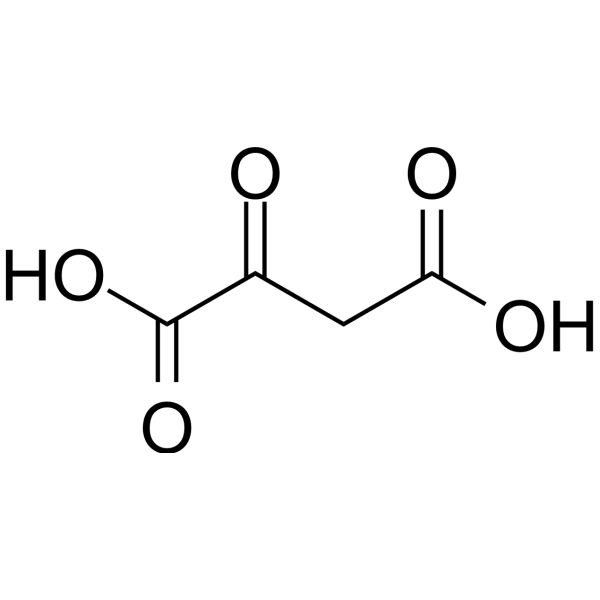
  • HY-W010382
    Oxaloacetic acid
    2 Publications Verification

    2-Oxosuccinic acid

    Endogenous Metabolite Reactive Oxygen Species (ROS) Metabolic Disease
    Oxaloacetic acid (2-Oxosuccinic acid) is a metabolic intermediate involved in several ways, such as citric acid cycle, gluconeogenesis, the urea cycle, the glyoxylate cycle, amino acid synthesis, and fatty acid synthesis, whereby Oxaloacetic acid facilitates the clearance of reactive oxygen species (ROS) and improves mitochondrial function .
    Oxaloacetic acid
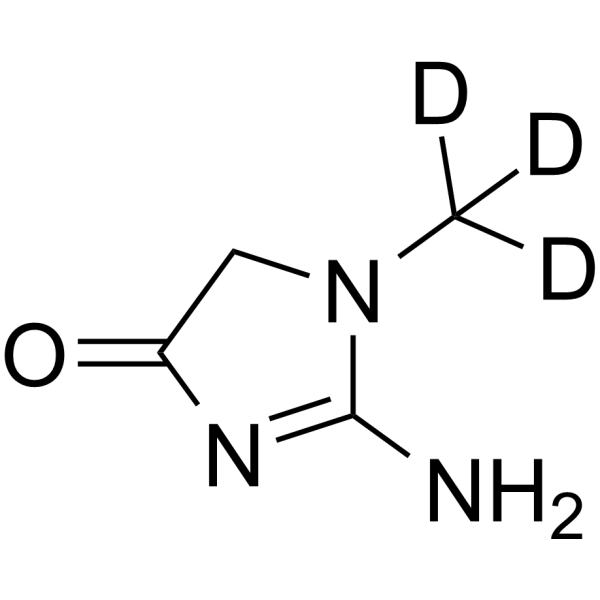
  • HY-B0504S
    Creatinine-d3
    5 Publications Verification

    NSC13123-d3

    Isotope-Labeled Compounds Endogenous Metabolite iGluR GABA Receptor Metabolic Disease Cancer
    Creatinine-d3 is a deuterium labeled Creatinine. Creatinine (NSC13123) is an orally active, blood-brain barrier-permeable modulator of GABAA and NMDA receptors, with activities of antioxidation and metabolic regulation. Creatinine is generated via non-enzymatic conversion of creatine and phosphocreatine in muscle. Creatinine serum levels correlate with muscle mass, glomerular filtration rate, and extrarenal clearance, serving as an evaluation biomarker for renal function, muscle mass, and clinical outcomes, and used for perioperative renal risk assessment. In addition, Creatinine can induce specific Cryptococcus species to produce creatinine deiminase and act as their nitrogen source, while it can be secreted via renal tubules. Creatinine is widely used in research related to various diseases such as neurodegenerative diseases, psychiatric disorders, acute kidney injury, chronic kidney disease, and renal failure .
    Creatinine-d3
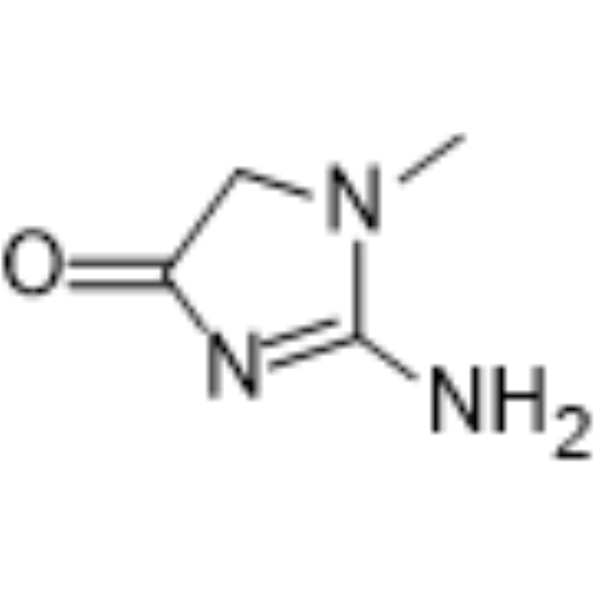
  • HY-B0504
    Creatinine
    Maximum Cited Publications
    6 Publications Verification

    NSC13123

    Endogenous Metabolite GABA Receptor iGluR Infection Neurological Disease Metabolic Disease Cancer
    Creatinine (NSC13123) is an orally active, blood-brain barrier-permeable modulator of GABAA and NMDA receptors, with activities of antioxidation and metabolic regulation. Creatinine is generated via non-enzymatic conversion of creatine and phosphocreatine in muscle. Creatinine serum levels correlate with muscle mass, glomerular filtration rate, and extrarenal clearance, serving as an evaluation biomarker for renal function, muscle mass, and clinical outcomes, and used for perioperative renal risk assessment. In addition, Creatinine can induce specific Cryptococcus species to produce creatinine deiminase and act as their nitrogen source, while it can be secreted via renal tubules. Creatinine is widely used in research related to various diseases such as neurodegenerative diseases, psychiatric disorders, acute kidney injury, chronic kidney disease, and renal failure .
    Creatinine
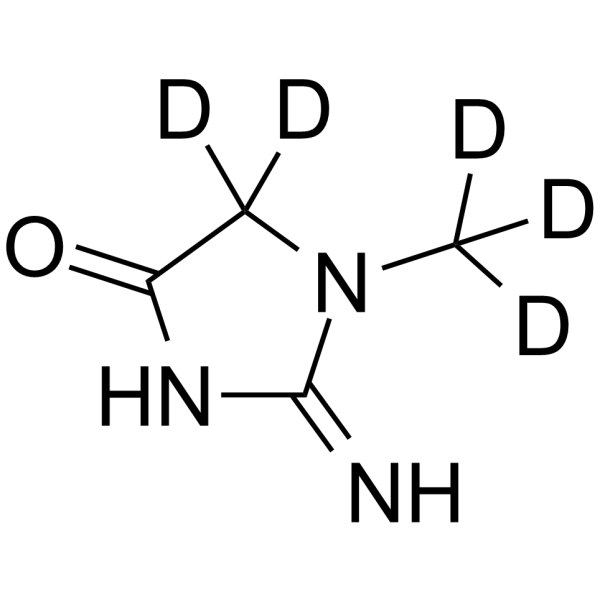
  • HY-B0504S2

    NSC13123-d5

    Isotope-Labeled Compounds Endogenous Metabolite iGluR GABA Receptor Metabolic Disease
    Creatinine-d5 is the deuterium labeled Creatinine. Creatinine (NSC13123) is an orally active, blood-brain barrier-permeable modulator of GABAA and NMDA receptors, with activities of antioxidation and metabolic regulation. Creatinine is generated via non-enzymatic conversion of creatine and phosphocreatine in muscle. Creatinine serum levels correlate with muscle mass, glomerular filtration rate, and extrarenal clearance, serving as an evaluation biomarker for renal function, muscle mass, and clinical outcomes, and used for perioperative renal risk assessment. In addition, Creatinine can induce specific Cryptococcus species to produce creatinine deiminase and act as their nitrogen source, while it can be secreted via renal tubules. Creatinine is widely used in research related to various diseases such as neurodegenerative diseases, psychiatric disorders, acute kidney injury, chronic kidney disease, and renal failure .
    Creatinine-d5
  • HY-B0504R

    NSC13123 (Standard)

    Reference Standards Endogenous Metabolite iGluR GABA Receptor Metabolic Disease Cancer
    Creatinine (Standard) is the analytical standard of Creatinine. This product is intended for research and analytical applications. Creatinine (NSC13123) is an orally active, blood-brain barrier-permeable modulator of GABAA and NMDA receptors, with activities of antioxidation and metabolic regulation. Creatinine is generated via non-enzymatic conversion of creatine and phosphocreatine in muscle. Creatinine serum levels correlate with muscle mass, glomerular filtration rate, and extrarenal clearance, serving as an evaluation biomarker for renal function, muscle mass, and clinical outcomes, and used for perioperative renal risk assessment. In addition, Creatinine can induce specific Cryptococcus species to produce creatinine deiminase and act as their nitrogen source, while it can be secreted via renal tubules. Creatinine is widely used in research related to various diseases such as neurodegenerative diseases, psychiatric disorders, acute kidney injury, chronic kidney disease, and renal failure .
    Creatinine (Standard)
  • HY-B0504S1

    NSC13123-13C

    Isotope-Labeled Compounds Endogenous Metabolite iGluR GABA Receptor Metabolic Disease
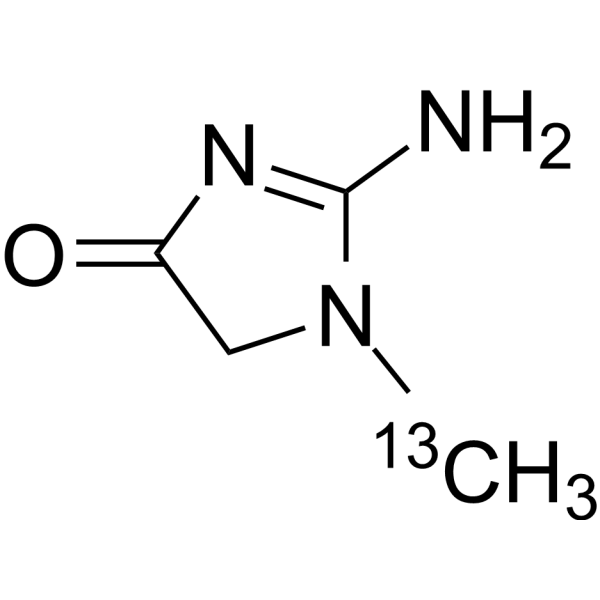
    Creatinine- 13C is the 13C-labeled Creatinine. Creatinine (NSC13123) is an orally active, blood-brain barrier-permeable modulator of GABAA and NMDA receptors, with activities of antioxidation and metabolic regulation. Creatinine is generated via non-enzymatic conversion of creatine and phosphocreatine in muscle. Creatinine serum levels correlate with muscle mass, glomerular filtration rate, and extrarenal clearance, serving as an evaluation biomarker for renal function, muscle mass, and clinical outcomes, and used for perioperative renal risk assessment. In addition, Creatinine can induce specific Cryptococcus species to produce creatinine deiminase and act as their nitrogen source, while it can be secreted via renal tubules. Creatinine is widely used in research related to various diseases such as neurodegenerative diseases, psychiatric disorders, acute kidney injury, chronic kidney disease, and renal failure .
    Creatinine-13C
  • HY-154823

    Glycosidase Metabolic Disease
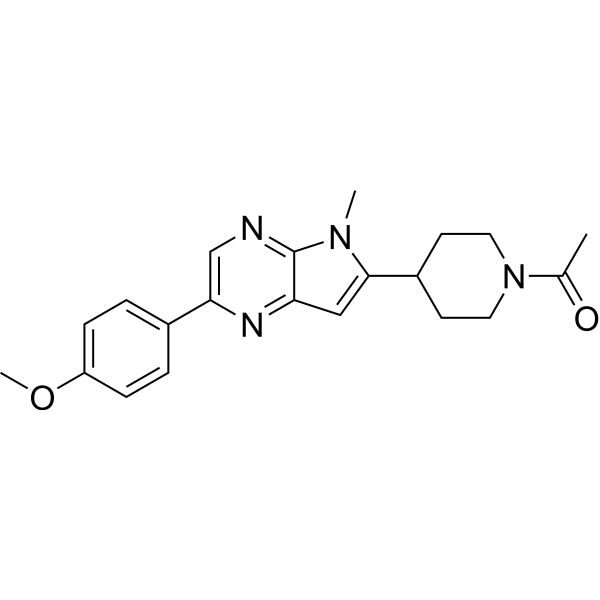
    Gcase activator 2 (compound 14), a pyrrolo[2,3-b]pyrazine, is alos a β-Glucocerebrosidase (GCase) activator (EC50=3.8 μM). Gcase activator 2 induces GCase dimerizatio (both K-type and V-type). And Gcase activator 2 has low metabolic clearance in human and mouse .
    Gcase activator 2
  • HY-117912

    Endogenous Metabolite Cardiovascular Disease
    TRC210258 is a TGR5 agonist with activity to improve diabetes-associated hyperglycemia and dyslipidemia. TRC210258 promotes energy expenditure by enhancing the release of glucagon-like peptide-1. TRC210258 is able to improve glucose metabolic control in high-fat diet-induced obese mice. TRC210258 also showed improvement in lipid parameters in high-fat-fed hamsters, including reductions in plasma triglyceride and low-density lipoprotein cholesterol levels. TRC210258 improved emerging lipid-related cardiovascular risk parameters including remnant cholesterol and triglyceride clearance .
    TRC210258
  • HY-W010382R
    Oxaloacetic acid (Standard)
    2 Publications Verification

    2-Oxosuccinic acid (Standard)

    Reference Standards Endogenous Metabolite Reactive Oxygen Species (ROS) Metabolic Disease
    Oxaloacetic acid (Standard) is the analytical standard of Oxaloacetic acid. This product is intended for research and analytical applications. Oxaloacetic acid (2-Oxosuccinic acid) is a metabolic intermediate involved in several ways, such as citric acid cycle, gluconeogenesis, the urea cycle, the glyoxylate cycle, amino acid synthesis, and fatty acid synthesis, whereby Oxaloacetic acid facilitates the clearance of reactive oxygen species (ROS) and improves mitochondrial function .
    Oxaloacetic acid (Standard)
  • HY-148075

    PI4K Infection
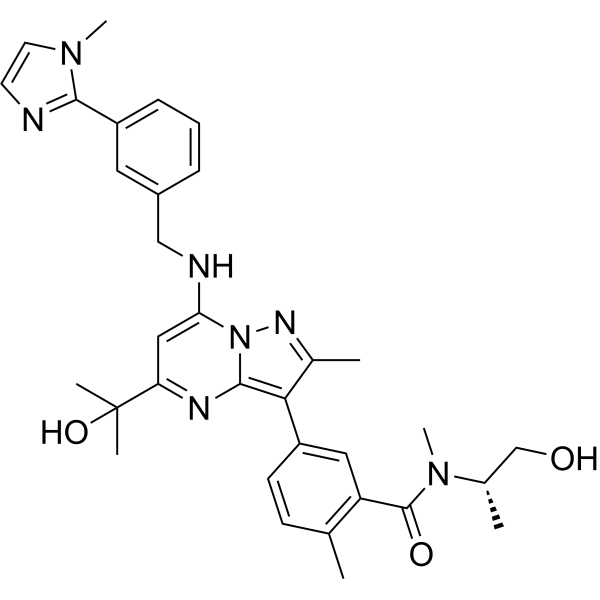
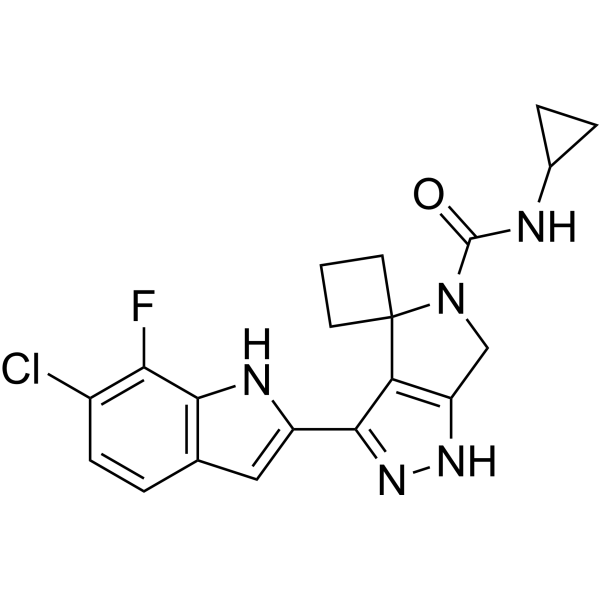
    PI4KIIIbeta-IN-11 is an inhibitor of PI4KIIIβ, with a mean pIC50 value of at least 9.1. PI4KIIIβ plays a key role in diseases research of RNA viruses and Plasmodium falciparum .
    PI4KIIIbeta-IN-11
  • HY-B0504S5

    NSC13123-15N

    Isotope-Labeled Compounds Endogenous Metabolite iGluR GABA Receptor Metabolic Disease Cancer
    Creatinine- 15N (NSC13123- 15N) is the 15N-labeled Creatinine (HY-B0504). Creatinine (NSC13123) is an orally active, blood-brain barrier-permeable modulator of GABAA and NMDA receptors, with activities of antioxidation and metabolic regulation. Creatinine is generated via non-enzymatic conversion of creatine and phosphocreatine in muscle. Creatinine serum levels correlate with muscle mass, glomerular filtration rate, and extrarenal clearance, serving as an evaluation biomarker for renal function, muscle mass, and clinical outcomes, and used for perioperative renal risk assessment. In addition, Creatinine can induce specific Cryptococcus species to produce creatinine deiminase and act as their nitrogen source, while it can be secreted via renal tubules. Creatinine is widely used in research related to various diseases such as neurodegenerative diseases, psychiatric disorders, acute kidney injury, chronic kidney disease, and renal failure .
    Creatinine-15N
  • HY-W015697

    Cytochrome P450 Neurological Disease Metabolic Disease Inflammation/Immunology Cancer
    3-Methylquinoline is a selective cytochrome P450 (CYP1A2) inhibitor with an IC50 of 13 μM. 3-Methylquinoline can reduce the metabolic clearance of CYP1A2 substrate drugs. 3-Methylquinoline can inhibit the activation of carcinogenic precursors .
    3-Methylquinoline
  • HY-124557

    NF-κB Metabolic Disease Inflammation/Immunology
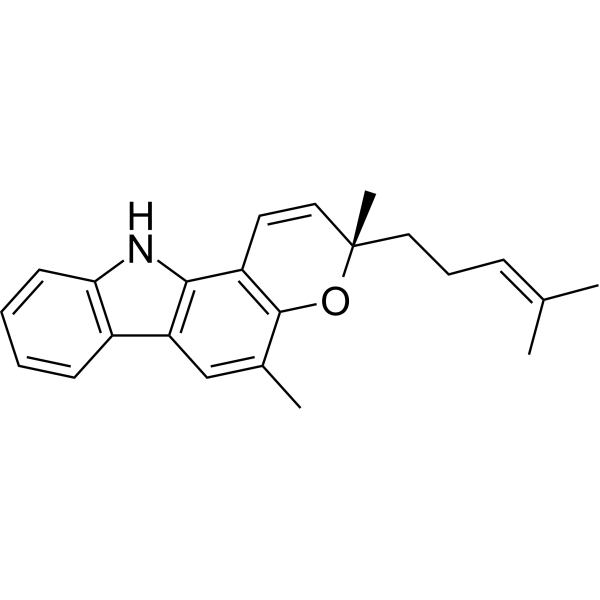
    Mahanimbine is an orally active alkaloid from Murraya koenigii. Mahanimbine inhibits progression of high-fat diet (HFD)-induced metabolic complications in mice .
    Mahanimbine
  • HY-151096

    CXCR Inflammation/Immunology
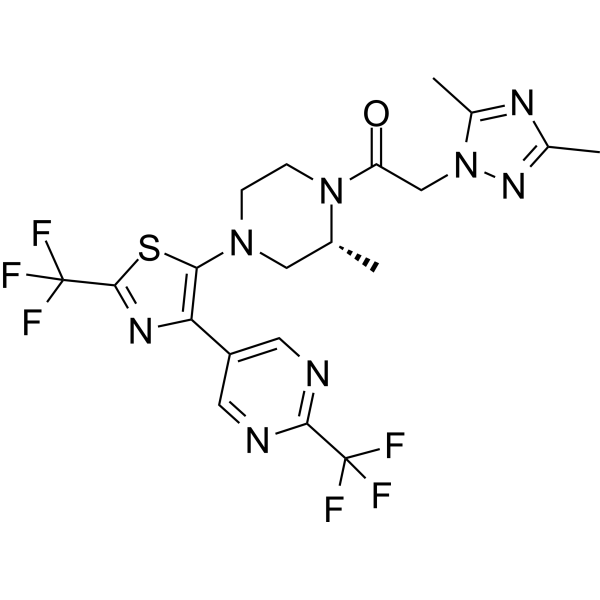
    ACT-660602 is an orally active antagonist of chemokine receptor (CXCR3) with an IC50 value of 204 nM. ACT-660602 inhibits T-cell migration and shows efficacy in acute lung ingury model. ACT-660602 can be used for autoimmune diseases research .
    ACT-660602
  • HY-178994

    Flavivirus Dengue Virus Infection
    DENV-IN-14 (Compound 3c) is a thiazole hydrazone derivative with anti-dengue virus (DENV) activity with an EC50 of 0.01 μM and the selectivity index (SI) of 200. DENV-IN-14 exhibits rapid plasma clearance and its metabolic stability is limited. DENV-IN-14 can be used for research on dengue fever .
    DENV-IN-14
  • HY-146111

    IRAK Cancer
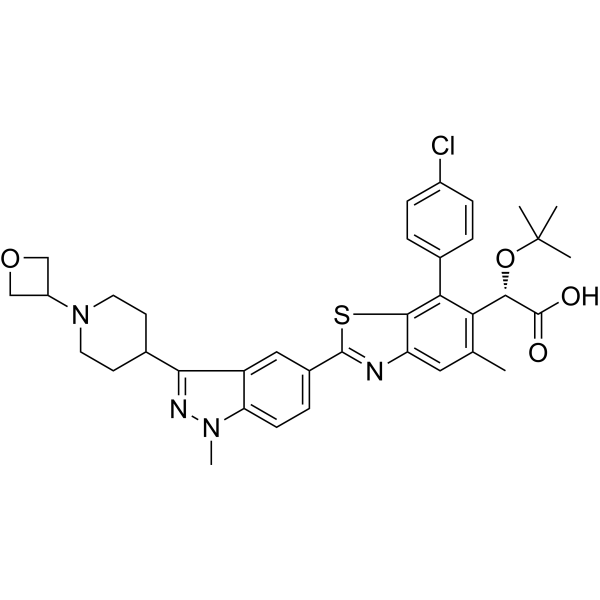
    IRAK4-IN-13 (compound 21) is a potent and selective IRAK4 inhibitor with an IC50 of 0.6 nM. IRAK4-IN-13 shows high metabolic clearance with human liver microsomes (HLM) intrinsic clearance is 96 µL/min/mg .
    IRAK4-IN-13
  • HY-163477

    PI4P5K Cancer
    PIP5K1C-IN-2 (compound 33) is a potent and selective 4-phosphate 5-kinases 1 C (PIP5K1C) inhibitor with an IC50 value of 0.0059 µM .
    PIP5K1C-IN-2
  • HY-134098R

    Adipic acid diisopropyl ester (Standard)

    TRP Channel Reference Standards Others
    Oxaloacetic acid (Standard) is the analytical standard of Oxaloacetic acid. This product is intended for research and analytical applications. Oxaloacetic acid (2-Oxosuccinic acid) is a metabolic intermediate involved in several ways, such as citric acid cycle, gluconeogenesis, the urea cycle, the glyoxylate cycle, amino acid synthesis, and fatty acid synthesis, whereby Oxaloacetic acid facilitates the clearance of reactive oxygen species (ROS) and improves mitochondrial function .
    Diisopropyl adipate (Standard)
  • HY-122229

    HIV Infection
    GS-9822 is a potent antivira agent with nanomolar activity against wild-type HIV-1 viruses. GS-9822 potently inhibits the LEDGF/p75-integrase interaction with an IC50 of 0.07 μM. GS-9822 has high in vitro metabolic stability and favorable oral pharmacokinetic profiles with low systemic clearance in rats, dogs, and monkeys .
    GS-9822
  • HY-P990846

    Transmembrane Glycoprotein Metabolic Disease
    Anti-Fy3 Antibody (MIMA-29) is a kind of mouse IgG2a κ chimeric antibody inhibitor, targeting to human Fy3. Anti-Fy3 Antibody (MIMA-29) binds to erythrocytes and induces RBC (red blood cells) clearance. Anti-Fy3 Antibody (MIMA-29) can be used for the research of metabolic disease .
    Anti-Fy3 Antibody (MIMA-29)
  • HY-169064

    HIV Reverse Transcriptase Infection
    HIV-1 inhibitor-75 is a human immunodeficiency virus 1 (HIV-1) inhibitor, with an EC50 value ranging from 0.0039 to 0.338 μM. The binding target of HIV-1 inhibitor-75 is reverse transcriptase, with an IC50 value of 0.055 μM. HIV-1 inhibitor-75 shows good in vitro metabolic stability, exhibiting moderate clearance rates and a longer half-life in human plasma and liver microsomes .
    HIV-1 inhibitor-75
  • HY-159091

    HIV Integrase Infection
    HIV-1 integrase inhibitor 12 (Compound 17) is an inhibitor for HIV-1 integrase with an IC50 of 1.4 nM. HIV-1 integrase inhibitor 12 inhibits the HIV-1 WT and HIV-1 T125A, with IC50 of 7.4 and 120 nM, respectively. HIV-1 integrase inhibitor 12 exhibits metabolic stability and Caco-2 permeability, and good pharmacokinetic characteristics with good bioavailability (64%) and low clearance (0.16 L/hr/kg) in rats .
    HIV-1 integrase inhibitor 12
  • HY-172732

    Histone Methyltransferase Cancer
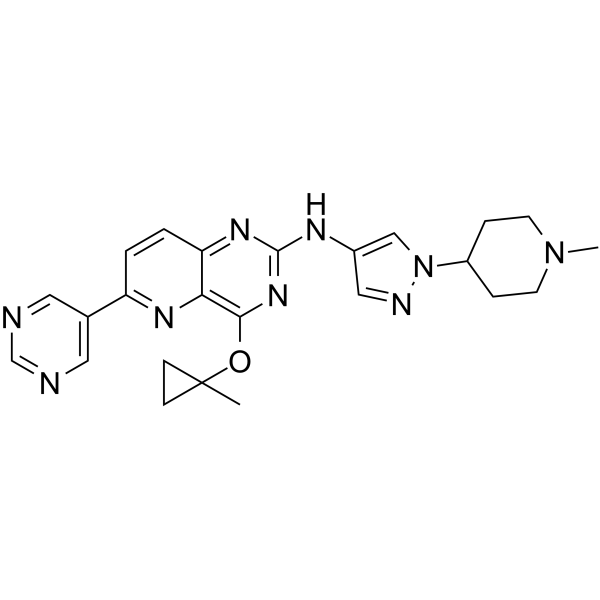
    PRMT5-IN-50 is an orally active and selective inhibitor of PRMT5. PRMT5-IN-50 has good metabolic stability and low clearance rate in human liver microsomes. PRMT5-IN-50 inhibits SDMA/HCT116-MTAPdel and SDMA/HCT116-MTAPwt with IC50s value of 1.0, 536 nM for arginine symmetric methylation, 19, 1620 nM for anti-proliferation, respectively. PRMT5-IN-50 inhibits tumor growth in mice .
    PRMT5-IN-50
  • HY-179539

    Eukaryotic Initiation Factor (eIF) Neurological Disease Inflammation/Immunology
    ISR activator 3 (Compound cc81) is the active metabolite of A8. ISR activator 3 activates the integrated stress response (ISR) by binding to RIG-I (KD ≈ 0.55 μM), without inducing lipid droplet clearance. ISR activator 3 enhances the interferon response under viral mimicry signals. ISR activator 3 can be used for research on neurodegenerative diseases and immune stress .
    ISR activator 3
  • HY-117806

    Akt Drug Isomer NADPH Oxidase Cancer
    TSR-011-isomer is an isomer of Belizatinib (HY-17603), a ALK inhibitor with an IC50 of 6 nM. TSR-011-isomer acts as a substrate for metabolic hydrolysis and NADPH-dependent metabolism. TSR-011-isomer undergoes enzymatic hydrolysis in mouse plasma and NADPH-dependent metabolism in mouse liver microsomes, thereby supporting clearance processes. TSR-011-isomer can be used in studies related to ALK-driven cancers .
    TSR-011-isomer

オンラインお問い合わせ

入力情報は安全に管理されます. 必須入力項目.

タイトル


国或いは地域 *

お名前 *


組纖名 *

デパートメント *


メールアドレス *


製品名 *

製品番号


カスタマ需要量 *

電話番号 *


必ず会社名を記載ください。個人への返信は行いません。

備考

バルクお問い合わせ

Inquiry Information

製品名:
製品番号:
数量:
MCE 日本正規代理店:

