100 Results for "

mitochondrial respiration

" in MedChemExpress (MCE) Product Catalog:
Products (100)

100 Results for "mitochondrial respiration" in MCE Product Catalog:

37
37 Publications Verification
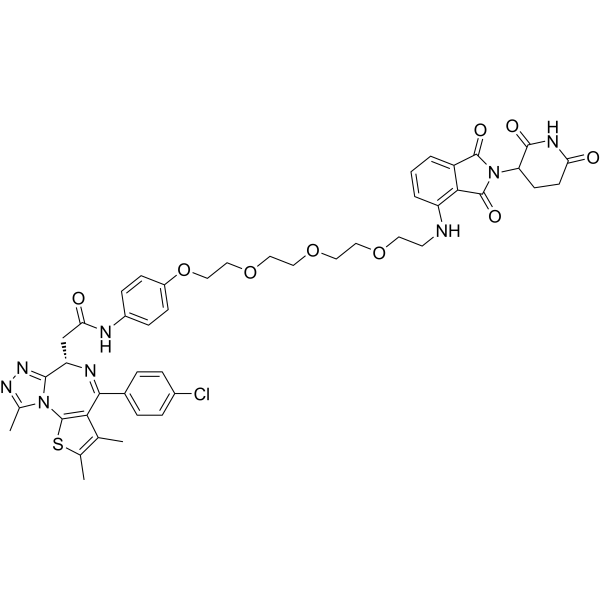
Cat. No.: HY-16954
CAS No.: 1818885-28-7
ARV-825 is a BET protein PROTAC degrader that recruits cereblon, and it targets BRD2, BRD3, and BRD4 for degradation via the ubiquitin-proteasome pathway. ARV-825 downregulates c-MYC, PLK1, MYCN, CDK4/6, JAK2, pSTAT3/5, PIM1, and Bcl-xL, upregulates p21 and p27, and modulates H3K27Ac-mediated transcription, the G2/M checkpoint, the Wnt/β-catenin pathway, and amino acid transport pathways. ARV-825 induces G1 phase cell cycle arrest, caspase 3/PARP-mediated apoptosis, DNA damage, and reactive oxygen species (ROS) production, reduces mitochondrial respiration, and simultaneously inhibits cell proliferation, clonogenic growth, and cell migration. ARV-825 is used in research on gastric cancer, leukemia, neuroblastoma, and cholangiocarcinoma .
loading...
    loading...
13
13 Cited Publications
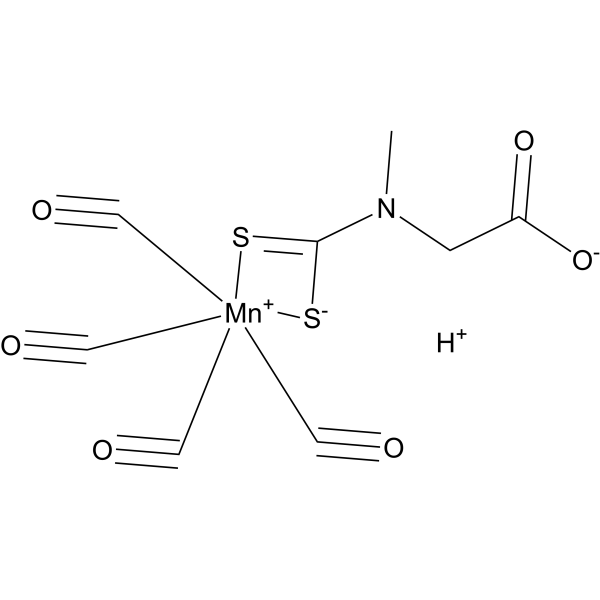
Cat. No.: HY-109804
CAS No.: 1001015-18-4
Purity:  98.27%
Research Areas:  

Inflammation/Immunology

CORM-401 is an oxidant-sensitive CO-releasing molecule. CORM-401 induces NO increase in the regulation of endothelial calcium signalling. CORM-401 reduces TNF-α/CHX and H2O2-induced ROS production. CORM-401 uncouples mitochondrial respiration and inhibits glycolysis .
loading...
    loading...
5
5 Cited Publications
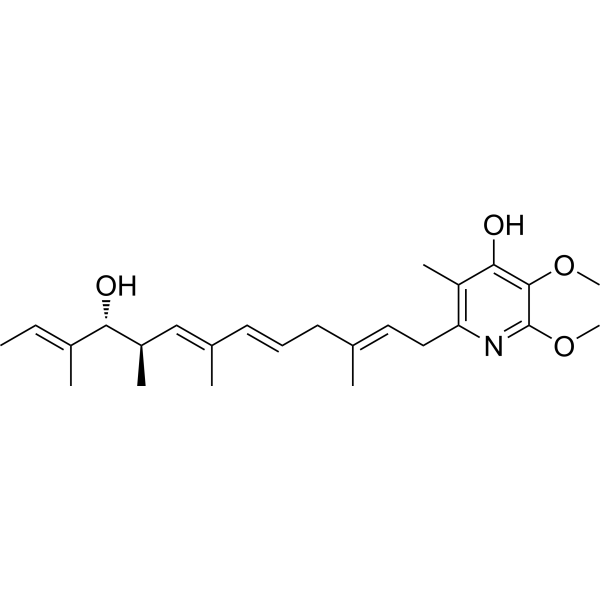
Cat. No.: HY-114936
CAS No.: 2738-64-9
Purity:  ≥99.0%
Synonyms: AR-054
Piericidin A (AR-054) is a natural mitochondrial NADH-ubiquinone oxidoreductase (complex I) inhibitor. Piericidin A is a potent neurotoxin and inhibits mitochondrial respiration by disrupting the electron transport system through its action on NADH-ubiquinone reductase. Piericidin A is also a potential quorum-sensing inhibitor that suppresses the expression of the virulence genes of Erwinia carotovora subsp. atroseptica (Eca). Piericidin A is an ADC cytotoxin and has anti-bacterial, anticancer, insecticidal activity .
loading...
    loading...
3
3 Cited Publications
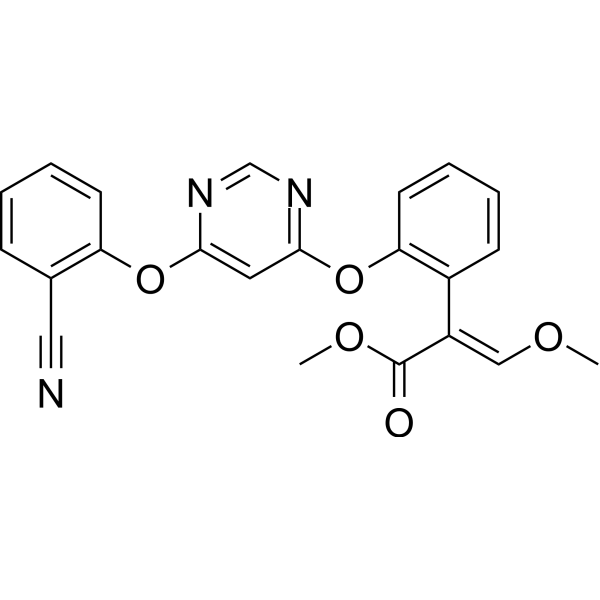
Cat. No.: HY-B0849
CAS No.: 131860-33-8
Azoxystrobin is an orally active, broad-spectrum β-methoxyacrylate fungicide. Azoxystrobin inhibits mitochondrial respiration by binding to the Qo site of the cytochrome bc1 complex and inhibiting electron transfer. Azoxystrobin induces the production of reactive oxygen species (ROS) and induces cell apoptosis .
loading...
    loading...
3
3 Cited Publications
Cat. No.: HY-124410
CAS No.: 845959-55-9
Purity:  98.00%
Mitoquinol is an orally active mitochondria-targeted antioxidant. Mitoquinol can regulate mitochondrial respiration and oxidation. Mitoquinol inhibits ROS production, and improves phagocytosis and glycolysis in ethanol-exposed macrophages via the HIF-1α-PFKP axis. Additionally, Mitoquinol can partially alleviate heat stress-induced decreases in growth performance, inflammatory responses, and metabolic disorders in pigs .
loading...
    loading...
2
2 Cited Publications
Cat. No.: HY-111475
CAS No.: 219315-22-7
Purity:  99.95%
Research Areas:  

Cardiovascular Disease

Mitochondrial fusion promoter M1 is a mitochondrial dynamic modulator. Mitochondrial fusion promoter M1 preserves the mitochondrial function and promotes cellular respiration. Mitochondrial fusion promoter M1 alleviates cardiac and brain damage in rats with cardiac ischemia/reperfusion injury .
loading...
    loading...
1
1 Cited Publications
Cat. No.: HY-155673
CAS No.: 303760-60-3
Purity:  99.82%
Target:  

Estrogen Receptor/ERR

Research Areas:  

Metabolic Disease

SLU-PP-332 is a pan-Estrogen Receptor/ERR agonist with EC50 values of 98, 230 and 430 nM for ERRα, ERRβ and ERRγ, respectively. SLUPP-332 enhances mitochondrial function and cellular respiration in skeletal muscle cell lines. SLU-PP-332 has the potential to study metabolic diseases as well as improve muscle function .
loading...
    loading...
1
1 Cited Publications
Cat. No.: HY-119976
CAS No.: 188425-85-6
Purity:  99.29%
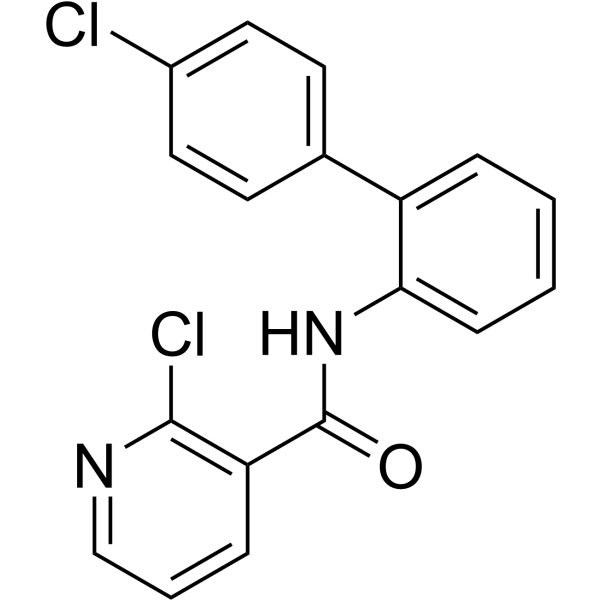
Boscalid is a succinate dehydrogenase (SDHI) inhibitor with antifungal activity. Boscalid binds to the ubiquinone-binding site of fungal mitochondrial complex II, blocks ATP production and aerobic respiration, exhibits good control efficacy against a variety of plant fungal diseases including gray mold, sclerotinia rot and powdery mildew, and is widely used for disease control in agriculture. Boscalid induces apoptosis, altered lipid metabolism, mitochondrial dysfunction, respiratory impairment, oxidative stress, ROS accumulation and neurodevelopmental disorders in zebrafish. Boscalid reduces foraging ability, shortens median death time and causes chronic toxicity in exposed honeybees. Boscalid also possesses genotoxicity, cytotoxicity, elevated mitochondrial superoxide levels and early-stage apoptosis .
loading...
    loading...
1
1 Cited Publications
Cat. No.: HY-113494
CAS No.: 83-45-4
Purity:  ≥99.0%
Synonyms: Stigmastanol; 24α-Ethyl cholestanol
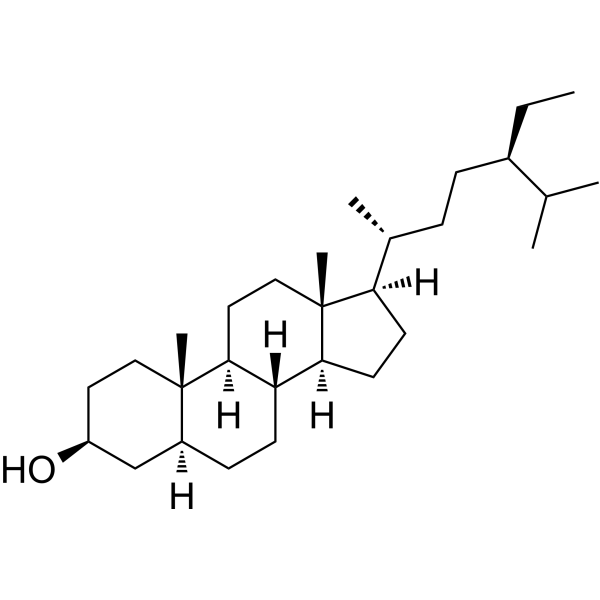
Stigmastanol is a 6-amino derivative. Stigmastanol can be isolated from Hypericum riparium. Stigmastanol increases the secretion of IL-2 and IL-10. Stigmastanol reduces the maximum mitochondrial respiration of cells. Stigmastanol has beneficial effects on the weakened immune function of asthma .
loading...
    loading...
1
1 Cited Publications
Cat. No.: HY-138559
CAS No.: 853953-65-8
Purity:  98.99%
Research Areas:  

Neurological Disease

GW604714X is a potent inhibitor of mitochondrial respiration supported by pyruvate but not other substrates. GW604714X is a highly specific mitochondrial pyruvate carrier (MPC) inhibitor with a Ki <0.1 nM. GW604714X also inhibits L-lactate transport by the plasma membrane monocarboxylate transporter (MCT1), but at concentrations more than 4 orders of magnitude greater than the MPC .
loading...
    loading...
1
1 Cited Publications
Cat. No.: HY-D0852A
CAS No.: 13718-26-8
Synonyms: Sodium vanadate(V), 99%
Sodium metavanadate, 99% (Sodium vanadate (V), 99%) is an orally active phosphate structural analog and protein tyrosine phosphatase (PTPases) inhibitor. Sodium metavanadate, 99% mimics phosphate to interfere with phosphoprotein reactions, inhibits GAPDH, Na +/K +-ATPase and microbial membrane ATPase, and acts as a terminal electron acceptor for anaerobic respiration. Sodium metavanadate, 99% induces ROS production, G2/M phase arrest, mitochondrial membrane potential loss and apoptosis in breast cancer cells, and reduces tumor volume in tumor-bearing mice. Sodium metavanadate, 99% also exhibits oral insulin-sensitizing and metabolic regulatory activities, and reduces plasmodium parasitemia levels. Sodium metavanadate, 99% can be used in studies related to cadmium exposure-induced metabolic syndrome, plasmodium infection, breast cancer and type 1 diabetes .
loading...
    loading...
Cat. No.: HY-W032022
CAS No.: 111-27-3
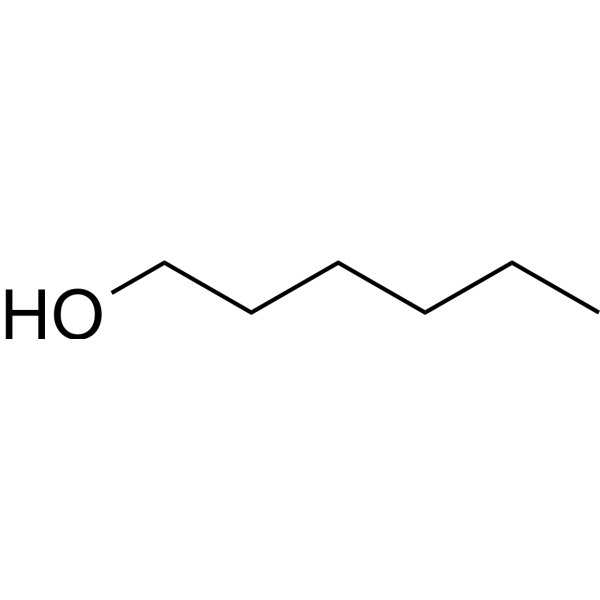
1-Hexanol, a primary alcohol, is a surfactant that can be employed in industrial processes to enhance interfacial properties . 1-Hexanol uncouples mitochondrial respiration by a non-protonophoric mechanism .
loading...
    loading...
Cat. No.: HY-B2004
CAS No.: 130000-40-7
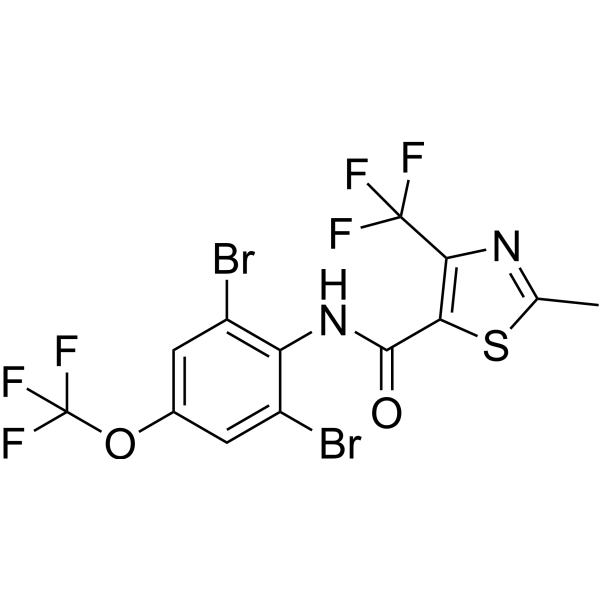
Thifluzamide is a fungicide that inhibits fungal respiration by blocking the ubiquinone-binding site in mitochondrial complex II. Thifluzamide exhibits significant activity against Basidiomycota pathogens (such as Rhizoctonia cerealis, Ustilago and Puccinia genera) and is commonly used in studies on wheat sharp eyespot. Thifluzamide displays a dual mechanism in regulating lipid metabolism: it reduces fatty acid synthase activity to inhibit endogenous fatty acid synthesis, and increases carnitine palmitoyltransferase-I activity to accelerate fatty acid β-oxidation, thereby reducing total cholesterol and triglyceride levels in the liver. Thifluzamide also induces hepatotoxicity in zebrafish models and carries a risk of developmental toxicity. Thifluzamide inhibition of Rhizoctonia cerealis may result in low to moderate levels of drug resistance, leading to the generation of stable drug-resistant mutants .
loading...
    loading...
Cat. No.: HY-174216
CAS No.: 3068830-89-4
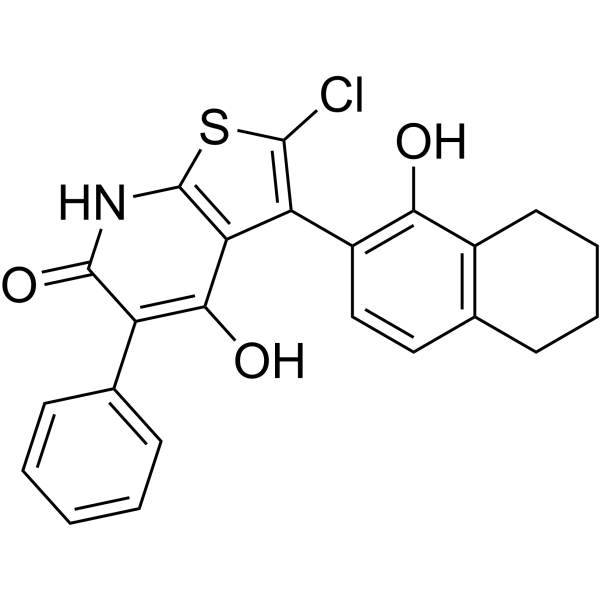
PZL-A is a activator of mitochondrial DNA (mtDNA) synthesis. PZL-A restores wild-type-like activity to mutant forms of polymerase γ (POLγ) with AC50 s of 160 and 20 nM for A467T and G848S. PZL-A activates mtDNA synthesis in cells, enhancing biogenesis of the oxidative phosphorylation machinery and cellular respiration. PZL-A is promising for relieving POLG disease and other severe conditions linked to depletion of mtDNA .
loading...
    loading...
Cat. No.: HY-126222A
CAS No.: 1634624-74-0
Research Areas:  

Cancer

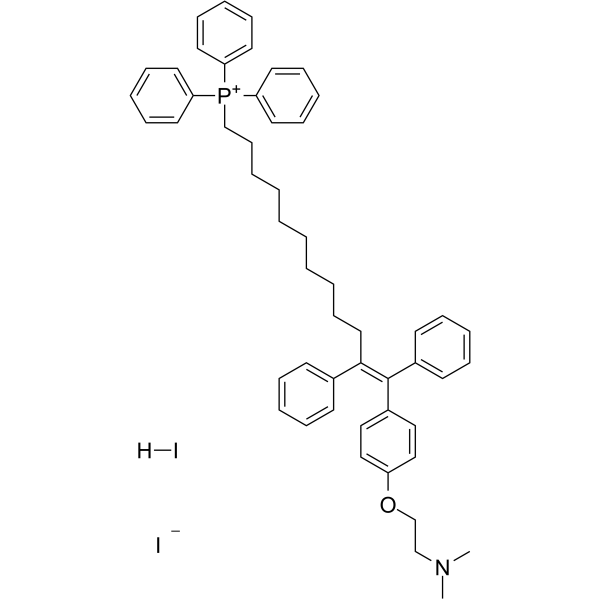
MitoTam iodide, hydriodide is a Tamoxifen derivative , an electron transport chain (ETC) inhibitor, spreduces mitochondrial membrane potential in senescent cells and affects mitochondrial morphology . MitoTam iodide, hydriodide is an effective anticancer agent, suppresses respiratory complexes (CI-respiration) and disrupts respiratory supercomplexes (SCs) formation in breast cancer cells . MitoTam iodide, hydriodide causes apoptosis .
loading...
    loading...
Cat. No.: HY-119725
CAS No.: 116-29-0
Purity:  99.71%
Research Areas:  

Infection

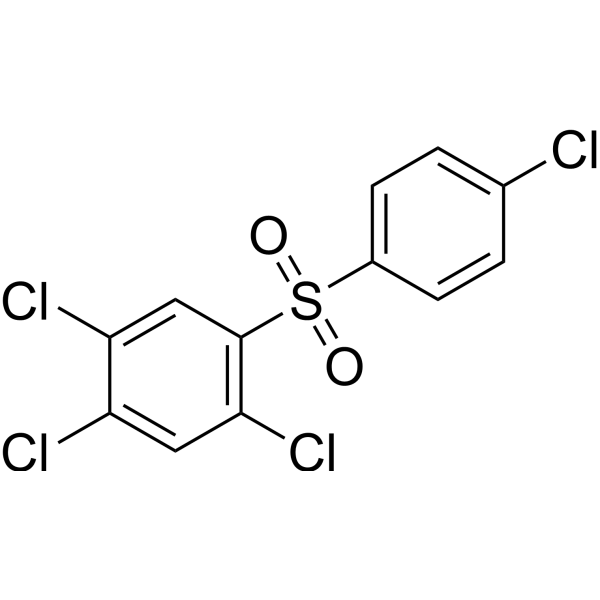
Tetradifon is a broad-spectrum organochlorine insecticide and an inhibitor of the mitochondrial oligomycin sensitivity conferring protein (OSCP), which can be used to control a variety of mites. Tetradifon inhibits energy-related activities such as ADP-stimulated respiration, DNP and Mg 2+-stimulated ATPase, with an IC50 of 4.5-27 nmoL/mg mitochondrial protein. Tetradifon exerts oligomycin-like activity by inhibiting the oxidative phosphorylation process, inducing oxidative stress and interfering with bone metabolism. Tetradifon is currently mainly used in the research of mitochondrial function regulation, bone remodeling mechanism and nephrotoxicity of environmental pollutants .
loading...
    loading...
Cat. No.: HY-138207
CAS No.: 136560-78-6
Purity:  ≥99.0%
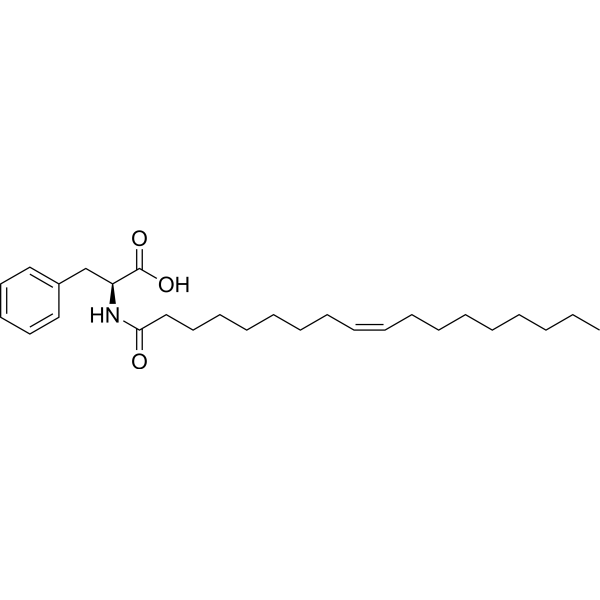
N-Oleoyl-L-phenylalanine is a long-chain N-acyl-L-phenylalanine and also a mitochondrial uncoupler. N-Oleoyl-L-phenylalanine uncouples UCP1-independent respiration in mitochondria, thereby helping to regulate glucose homeostasis. As an endogenous metabolite, the level of N-Oleoyl-L-phenylalanine increases in patients with ulcerative colitis after a high-fat diet. N-Oleoyl-L-phenylalanine can be used in studies related to ulcerative colitis .
loading...
    loading...
Cat. No.: HY-160004
CAS No.: 1523493-53-9
PXL770 is an orally active, direct allosteric AMP-activated protein kinase (AMPK) activator. PXL770 decreases C26:0 levels, improves mitochondrial respiration, reduces expression of proinflammatory genes and induces expression of compensatory transporters (ABCD2/3) in ALD fibroblasts/lymphocytes. PXL770 normalizes plasma VLCFA levels, significantly reduces elevated VLCFA levels in brain and spinal cord in Abcd1 KO mice. PXL770 improves glycemia, dyslipidemia, and insulin resistance in ob/ob and high-fat diet (HFD)-fed mice. PXL770 can be used for the study of X-linked adrenoleukodystrophy (ALD), autosomal dominant polycystic kidney disease and nonalcoholic steatohepatitis (NASH) .
loading...
    loading...
Cat. No.: HY-N1677
CAS No.: 530-55-2
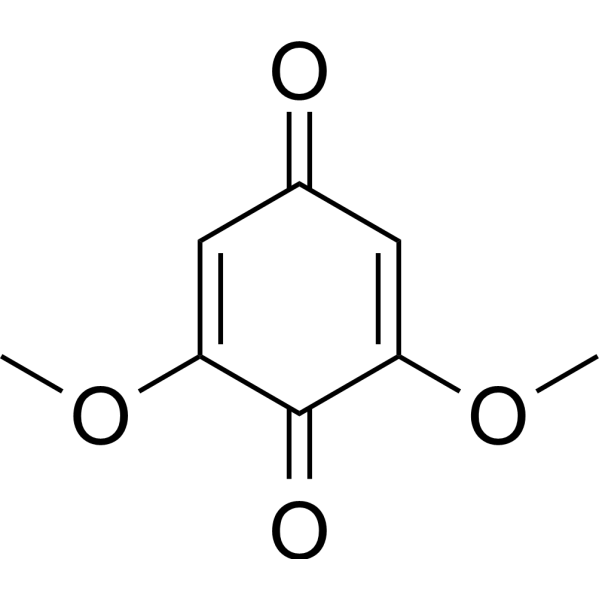
2,6-Dimethoxy-1,4-benzoquinone is a 1,4-benzoquinone derivative. 2,6-Dimethoxy-1,4-benzoquinone promotes phosphorylation of AKT, S6K, mTOR, 4E-BP1, and AMPK, and attenuates mTORC1 activity as part of the AKT/mTOR pathway. 2,6-Dimethoxy-1,4-benzoquinone stimulates myoblast differentiation, increases myotube size, elevates MHC protein expression, enhances mitochondrial biogenesis, respiration, and DNA content, and increases skeletal muscle weights, fiber size, grip strength, and treadmill performance. 2,6-Dimethoxy-1,4-benzoquinone exerts anti-cancer, anti-inflammatory, anti-adipogenic, antibacterial, and antimutagenic effects, inhibits adipogenic transcription factors, nitric oxide production, skin tumor development, Magnaporthe oryzae growth, spore germination, appressorium formation, and growth of select bacterial species, induces H2O2 generation and rice defense gene expression, and reduces rice blast lesion formation. 2,6-Dimethoxy-1,4-benzoquinone can be used for the research of obesity, skin tumorigenesis, rice blast disease, and food-borne illness .
loading...
    loading...
Cat. No.: HY-136355
CAS No.: 117428-22-5
Purity:  99.76%
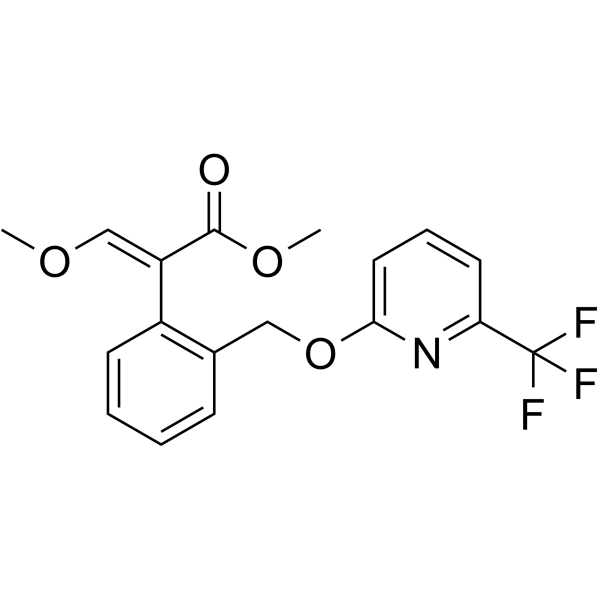
Picoxystrobin is a strobilurin fungicide. Picoxystrobin controls plant diseases by inhibiting mitochondrial respiration. Picoxystrobin is highly toxic to zebrafish embryos, causing developmental abnormalities, oxidative stress, and immunotoxicity .
loading...
    loading...

