1. Search Result
Search Result
Results for "

myocardial ATP

" in MedChemExpress (MCE) Product Catalog:

23

Inhibitors & Agonists

1

Screening Libraries

2

Isotope-Labeled Compounds

Cat. No. Product Name Target Research Areas Chemical Structure
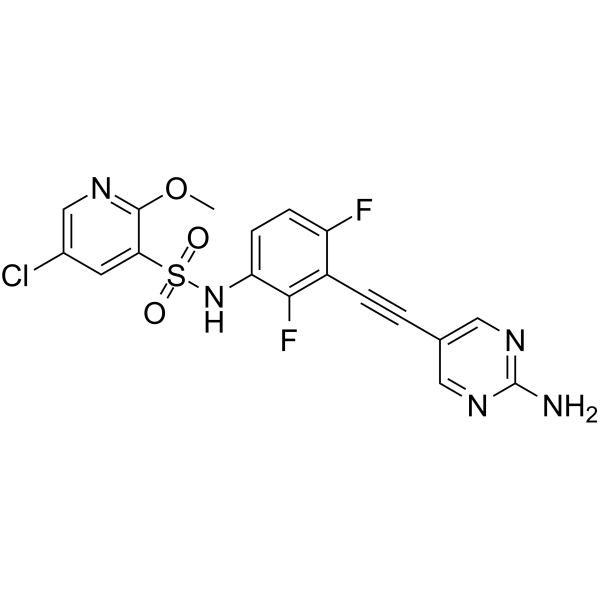
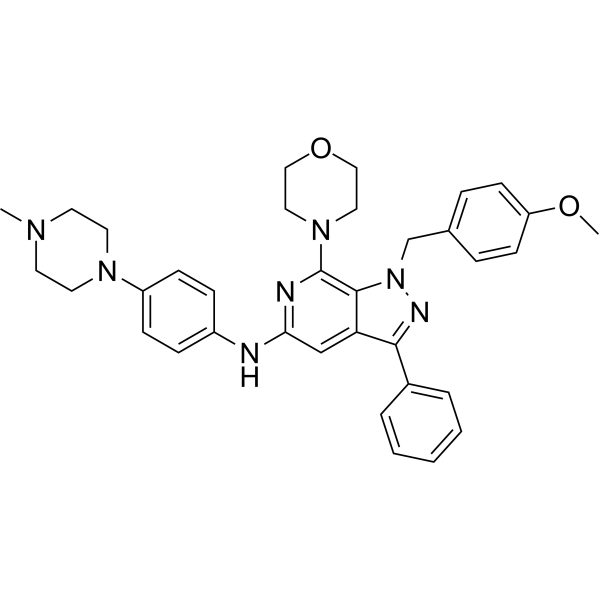
  • HY-112654
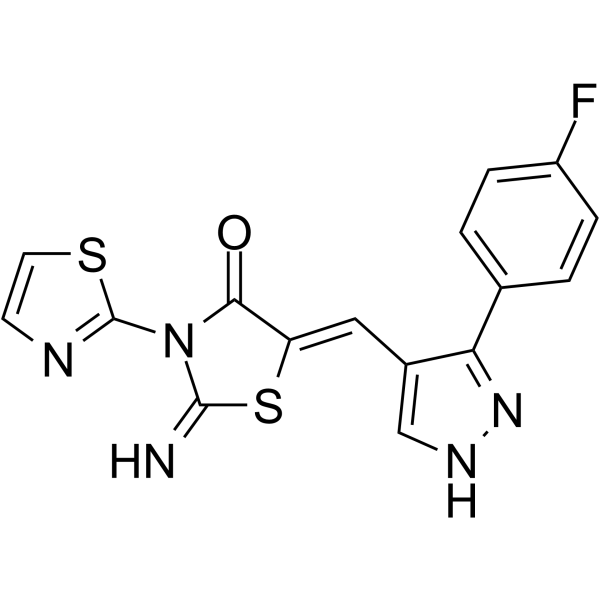
    GCN2iB
    Maximum Cited Publications
    60 Publications Verification

    Eukaryotic Initiation Factor (eIF) Glutathione Peroxidase Cardiovascular Disease Metabolic Disease Cancer
    GCN2iB is an ATP-competitive, selective GCN2 inhibitor with an IC50 of 2.4 nM. GCN2iB inhibits the activation of the GCN2 pathway and upregulates GPX4. GCN2iB enhances the anticancer effect of ASNase against acute lymphoblastic leukemia. GCN2iB increases left ventricular ejection fraction, while reducing fasting blood glucose and myocardial fibrosis. GCN2iB can be used in research related to acute lymphoblastic leukemia, acute myeloid leukemia and diabetic cardiomyopathy .
    GCN2iB
  • HY-17355A
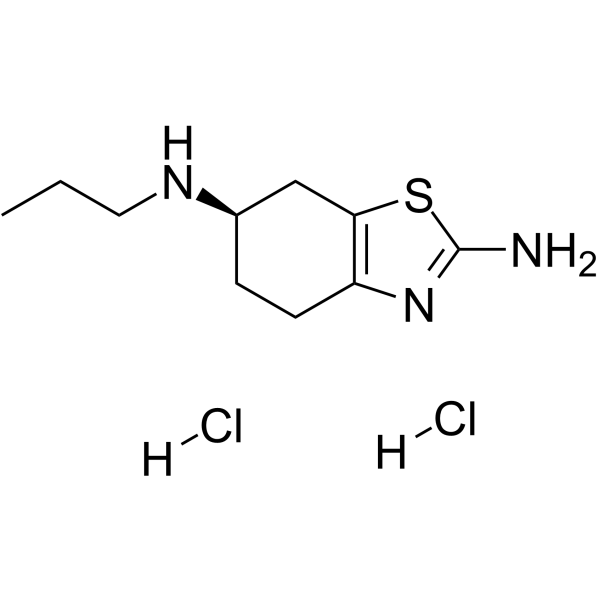
    Dexpramipexole dihydrochloride
    2 Publications Verification

    (R)-Pramipexole dihydrochloride; R-(+)-Pramipexole dihydrochloride; KNS-760704 dihydrochloride

    ATP Synthase Sodium Channel Glutathione Peroxidase NOD-like Receptor (NLR) Mitophagy Ferroptosis PINK1/Parkin Autophagy Apoptosis Reactive Oxygen Species (ROS) Cardiovascular Disease Neurological Disease Inflammation/Immunology
    Dexpramipexole ((R)-Pramipexole) dihydrochloride is an orally active, blood-brain barrier permeable mitochondrial protective agent. Dexpramipexole dihydrochloride upregulates the expression of Parkin, PINK1, GPX4 and FSP1; binds to mitochondrial F1/Fo-ATP synthase; blocks the Nav1.8 sodium channel; and inhibits the activation of the NLRP3 inflammasome. Dexpramipexole dihydrochloride induces mitophagy, inhibits ferroptosis, pyroptosis, apoptosis, neuroinflammation and eosinophilopoiesis; maintains mitochondrial function and redox homeostasis; reduces reactive oxygen species production; and decreases myocardial infarct size. Dexpramipexole dihydrochloride is applicable to studies on eosinophilic asthma, myocardial ischemia/reperfusion injury, sepsis-associated encephalopathy, analgesia, and more .
    Dexpramipexole dihydrochloride
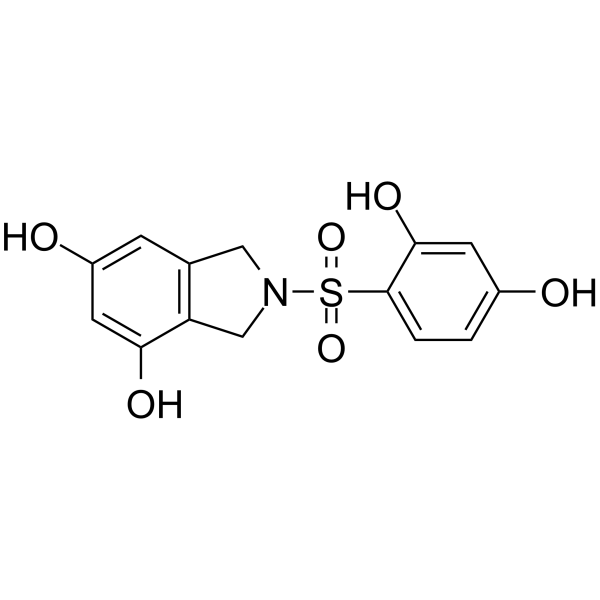
  • HY-121744
    PS10
    5+ Cited Publications

    PDHK Inflammation/Immunology
    PS10 is a novel, potent and ATP-competitive pan-PDK inhibitor, inhibits all PDK isoforms with IC50 of 0.8 μM, 0.76 μM, 2.1 μM and 21.3 μM for PDK2, PDK4, PDK1, and PDK3, respectively. PS10 shows high affinity for PDK2 (Kd= 239 nM) than for Hsp90 (Kd= 47 μM) . PS10 improves glucose tolerance, stimulates myocardial carbohydrate oxidation in diet-induced obesity. PS10 has the potential for the investigation of diabetic cardiomyopathy .PDK: pyruvate dehydrogenase kinase
    PS10
  • HY-114869
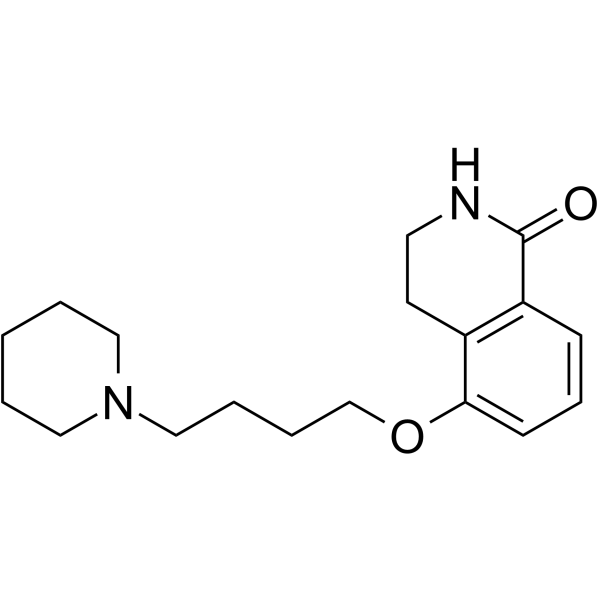
    DPQ
    3 Publications Verification

    PARP Neurological Disease Cancer
    DPQ is a selective PARP-1 inhibitor that blocks PARP-1-mediated DNA damage repair and NAD +/ATP consumption, thereby inhibiting excessive inflammatory responses. DPQ inhibits NF-κB pathway activation, reduces the expression of pro-inflammatory factors (such as TNF-α, IL-6) and oxidative stress. DPQ can be used in inflammation-related studies of acute lung injury, myocardial infarction, and neurodegenerative diseases .
    DPQ
  • HY-149662

    Calcium Channel ATP Synthase Myosin Cardiovascular Disease
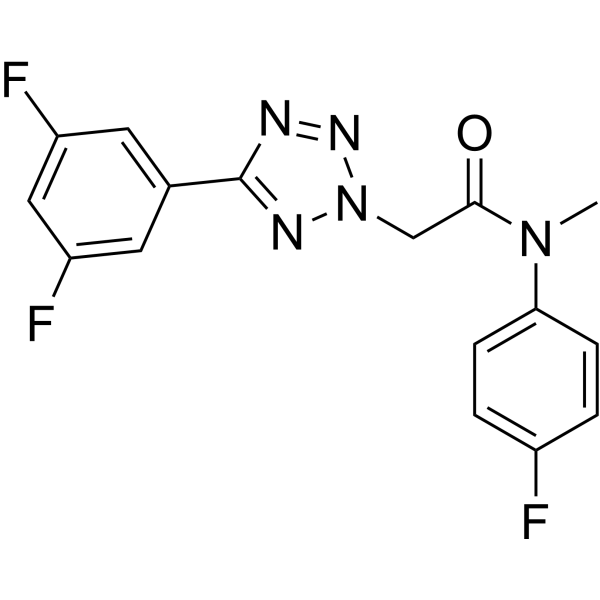
    TMDJ-035 is a high-affinity, selective RyR2 inhibitor with an EC50 of 0.0130 μM. TMDJ-035 reduces RyR2 protein expression without affecting action potential-induced Ca 2+ transients. TMDJ-035 decreases ATP content and intracellular Ca 2+ levels. TMDJ-035 inhibits arrhythmias in a CPVT mouse model carrying mutant RyR2s. TMDJ-035 has no effect on electrocardiogram parameters or cardiac systolic function. TMDJ-035 exacerbates heart failure in mouse myocardial infarction models and hypoxic cardiomyocytes by altering cardiac function, causing tissue damage, promoting inflammatory infiltration, collagen deposition, and changes in Myosin heavy chain/actin expression. TMDJ-035 can be used in studies related to heart failure, catecholaminergic polymorphic ventricular tachycardia, and arrhythmias .
    TMDJ-035
  • HY-17355B
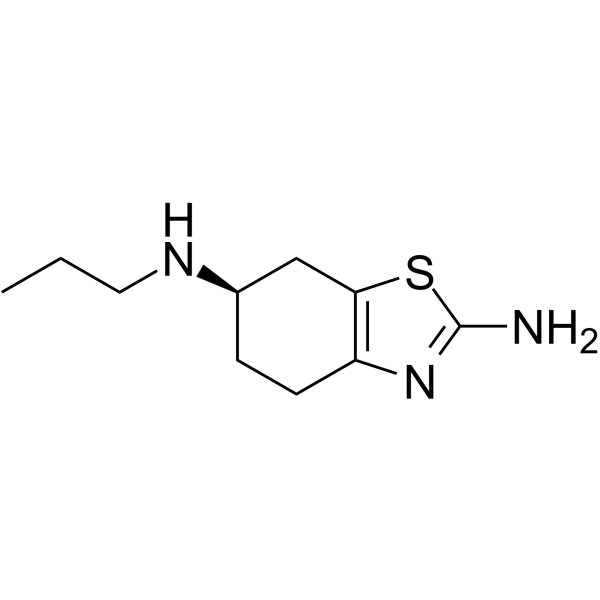
    Dexpramipexole
    2 Publications Verification

    (R)-Pramipexole; R-(+)-Pramipexole; KNS-760704

    PINK1/Parkin Glutathione Peroxidase Sodium Channel ATP Synthase NOD-like Receptor (NLR) Mitophagy Ferroptosis Autophagy Apoptosis Reactive Oxygen Species (ROS) Cardiovascular Disease Neurological Disease Inflammation/Immunology
    Dexpramipexole ((R)-Pramipexole) is an orally active, blood-brain barrier permeable mitochondrial protective agent. Dexpramipexole upregulates the expression of Parkin, PINK1, GPX4 and FSP1; binds to mitochondrial F1/Fo-ATP synthase; blocks the Nav1.8 sodium channel; and inhibits the activation of the NLRP3 inflammasome. Dexpramipexole induces mitophagy, inhibits ferroptosis, pyroptosis, apoptosis, neuroinflammation and eosinophilopoiesis; maintains mitochondrial function and redox homeostasis; reduces reactive oxygen species production; and decreases myocardial infarct size. Dexpramipexole is applicable to studies on eosinophilic asthma, myocardial ischemia/reperfusion injury, sepsis-associated encephalopathy, analgesia, and more .
    Dexpramipexole
  • HY-135746
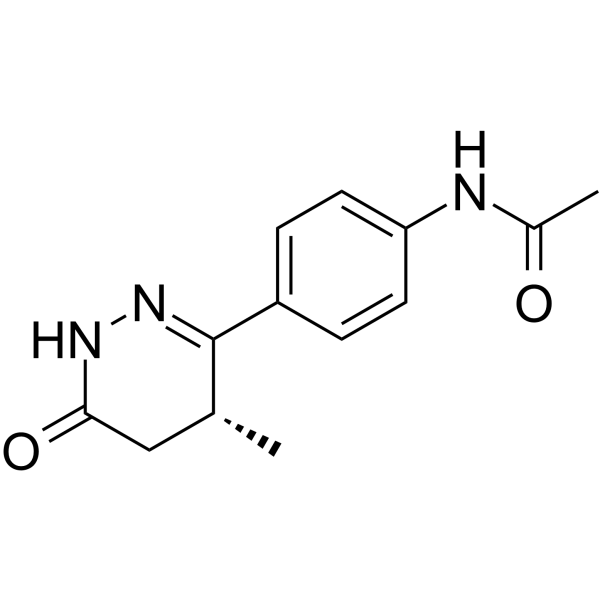
    OR-1896
    2 Publications Verification

    Potassium Channel Phosphodiesterase (PDE) Drug Metabolite Apoptosis Cardiovascular Disease
    OR-1896 is an active long-lived metabolite of Levosimendan. OR-1896 is a highly selective phosphodiesterase (PDE) III isoform inhibitor and a powerful vasodilator. OR-1896 can open ATP-sensitive K + channels and has Ca 2+-sensitizing effect. OR-1896 mitigates cardiomyocyte apoptosis, cardiac remodeling and myocardial inflammation .
    OR-1896
  • HY-108659

    P2Y Receptor Inflammation/Immunology
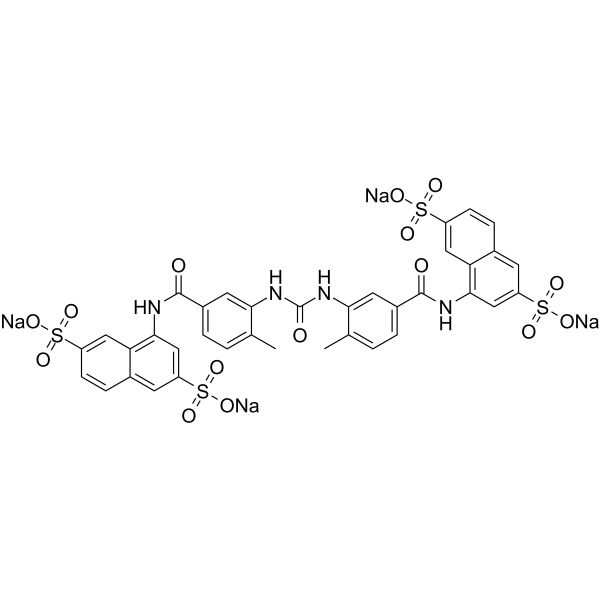
    NF340 is a P2Y11 receptor inhibitor with a pIC50 of 7.3-7.7 against human P2Y11 receptor, and it exhibits high selectivity over other P2Y family receptors. NF340 binds to the ATP-binding amino acid residues of the P2Y11 receptor to inhibit its activity, block nociceptive activity, and reduce spinal dorsal horn P2Y11 receptor upregulation induced by spinal cord injury. NF340 attenuates the NFκB signaling pathway activated by IL-1β by decreasing IκBα phosphorylation, nuclear p65 accumulation and NFκB promoter activity. NF340 inhibits IL-1β-induced pro-inflammatory cytokine expression, reduces intracellular ROS and 4-HNE levels, and suppresses IL-1β-induced matrix metalloproteinase expression in primary fibroblast-like synoviocytes. NF340 inhibits ATP-induced elevation of intracellular calcium 2+ concentration and cell migration in human hepatocellular carcinoma cells. NF340 is applicable to the research of neuropathic pain, myocardial ischemia/reperfusion injury, inflammatory pain, rheumatoid arthritis and hepatocellular carcinoma .
    NF340
  • HY-12184

    Prostaglandin Receptor Endogenous Metabolite Cardiovascular Disease
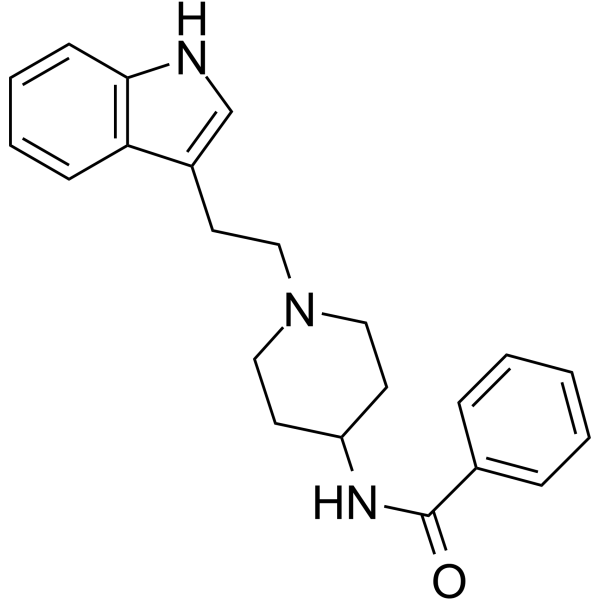
    ONO-AE 248 is a selective EP3 receptor agonist with cardioprotective activity. ONO-AE 248 reduces myocardial infarction size by selectively binding to the EP3α receptor in mice. The cardioprotective effect of ONO-AE 248 is independent of hemodynamic effects. The mechanism of ONO-AE 248 may involve activation of protein kinase C and opening of K(ATP) channels .
    ONO-AE 248
  • HY-17355BS

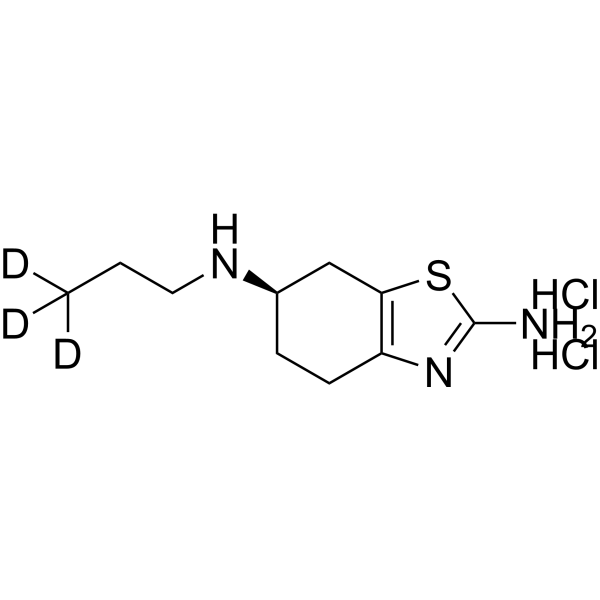
    (R)-Pramipexole-d3 dihydrochloride; R-(+)-Pramipexole-d3 dihydrochloride; KNS-760704-d3 dihydrochloride

    Isotope-Labeled Compounds ATP Synthase Sodium Channel Glutathione Peroxidase NOD-like Receptor (NLR) Mitophagy Ferroptosis PINK1/Parkin Autophagy Apoptosis Reactive Oxygen Species (ROS) Cardiovascular Disease Neurological Disease Inflammation/Immunology
    Dexpramipexole-d3 ((R)-Pramipexole-d3) dihydrochloride is the deuterium labeled Dexpramipexole. Dexpramipexole ((R)-Pramipexole) dihydrochloride is an orally active, blood-brain barrier permeable mitochondrial protective agent. Dexpramipexole dihydrochloride upregulates the expression of Parkin, PINK1, GPX4 and FSP1; binds to mitochondrial F1/Fo-ATP synthase; blocks the Nav1.8 sodium channel; and inhibits the activation of the NLRP3 inflammasome. Dexpramipexole dihydrochloride induces mitophagy, inhibits ferroptosis, pyroptosis, apoptosis, neuroinflammation and eosinophilopoiesis; maintains mitochondrial function and redox homeostasis; reduces reactive oxygen species production; and decreases myocardial infarct size. Dexpramipexole dihydrochloride is applicable to studies on eosinophilic asthma, myocardial ischemia/reperfusion injury, sepsis-associated encephalopathy, analgesia, and more.
    Dexpramipexole-d3 dihydrochloride
  • HY-172959

    Mitochondrial Metabolism Cardiovascular Disease
    mPTP-IN-1 (Compound 14e) is a mitochondrial permeability transition pore (mPTP) inhibitor. mPTP-IN-1 blocks calcium-induced mPTP opening by targeting the C subunit of ATP synthase. mPTP-IN-1 can be used to study myocardial ischemia/reperfusion injury (IRI) .
    mPTP-IN-1
  • HY-149736

    PKA ATP Synthase Cardiovascular Disease
    ATP Synthesis-IN-3 (compound 31) is an ATP hydrolysis inhibitor with protective effects during myocardial ischemia. ATP Synthesis-IN-3 can increase the ATP content of ischemic cardiomyocytes, increase the phosphorylation of PKA and phospholamban, and inhibit ischemia-induced apoptosis .
    ATP Synthesis-IN-3
  • HY-120540

    Potassium Channel Cardiovascular Disease
    BMS-182264 is a highly selective ATP-sensitive potassium channel agonist. BMS-182264 promotes potassium efflux and membrane hyperpolarization to induce smooth muscle relaxation and vasodilation. BMS-182264 is promising for research of cardiovascular diseases such as hypertension and myocardial ischemia .
    BMS-182264
  • HY-120554

    Potassium Channel Cardiovascular Disease
    RWJ 29009 is a highly selective ATP-sensitive potassium channel agonist. RWJ 29009 activates potassium channel in vascular smooth muscle cells, promoting potassium efflux and membrane hyperpolarization to induce coronary and peripheral vasodilation. RWJ 29009 is promising for research of cardiovascular diseases such as acute myocardial ischemia and hypertension .
    RWJ 29009
  • HY-165363

    Drug Derivative Lactate Dehydrogenase ATP Synthase Cardiovascular Disease
    AK-135 hydrochloride is a Menadione (HY-B0332) derivative. AK-135 hydrochloride restores the electron flow in defective respiratory chain systems. AK-135 hydrochloride decreases LDH release, increases the amount of ATP. AK-135 hydrochloride has a protective effect against myocardial injury .
    AK-135 hydrochloride
  • HY-W010902

    Dicalcium 1,6-di-O-phosphonato-L-tagatose

    Endogenous Metabolite ATP Synthase Metabolic Disease
    Calcium fructose diphosphate (Dicalcium 1,6-di-O-phosphonato-L-tagatose) is a crucial intermediate in the glycolysis process and is closely related to ATP synthesis. Calcium fructose diphosphate can be used to regulate calcium and phosphorus balance, protect myocardial tissue from ischemia/reperfusion injury, counteract the effects of alcohol, and serve as a safer source of phosphate in parenteral nutrition .
    Calcium fructose diphosphate
  • HY-17355AR

    (R)-Pramipexole dihydrochloride (Standard); R-(+)-Pramipexole dihydrochloride (Standard); KNS-760704 dihydrochloride (Standard)

    Reference Standards ATP Synthase Sodium Channel Glutathione Peroxidase NOD-like Receptor (NLR) Mitophagy Ferroptosis PINK1/Parkin Autophagy Apoptosis Cardiovascular Disease Neurological Disease Inflammation/Immunology
    Dexpramipexole ((R)-Pramipexole) dihydrochloride (Standard) is the analytical standard of Dexpramipexole (dihydrochloride). This product is intended for research and analytical applications. Dexpramipexole dihydrochloride is an orally active, blood-brain barrier permeable mitochondrial protective agent. Dexpramipexole dihydrochloride upregulates the expression of Parkin, PINK1, GPX4 and FSP1; binds to mitochondrial F1/Fo-ATP synthase; blocks the Nav1.8 sodium channel; and inhibits the activation of the NLRP3 inflammasome. Dexpramipexole dihydrochloride induces mitophagy, inhibits ferroptosis, pyroptosis, apoptosis, neuroinflammation and eosinophilopoiesis; maintains mitochondrial function and redox homeostasis; reduces reactive oxygen species production; and decreases myocardial infarct size. Dexpramipexole dihydrochloride is applicable to studies on eosinophilic asthma, myocardial ischemia/reperfusion injury, sepsis-associated encephalopathy, analgesia, and more.
    Dexpramipexole dihydrochloride (Standard)
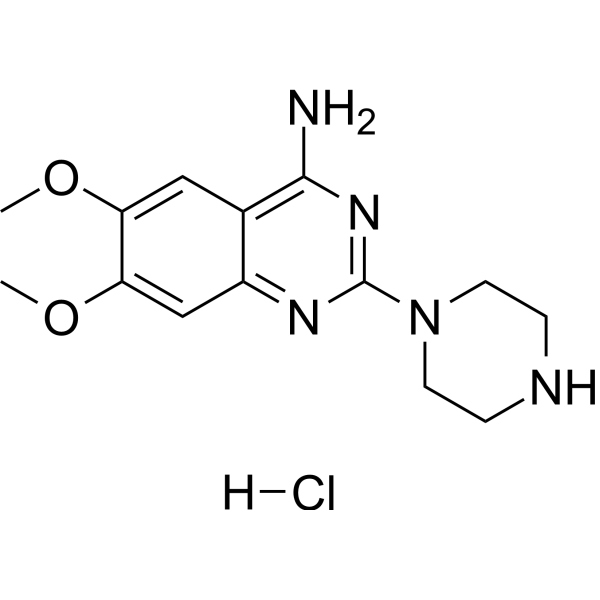
  • HY-W424851

    6,7-Dimethoxy-2-(1-piperazinyl)-4-quinazolinamine hydrochloride

    PARP Infection Inflammation/Immunology
    DPQ hydrochloride is a blood-brain barrier permeable and selective PARP-1 inhibitor that blocks PARP-1-mediated DNA damage repair and NAD +/ATP consumption, thereby inhibiting excessive inflammatory responses. DPQ hydrochloride inhibits NF-κB pathway activation, reduces the expression of pro-inflammatory factors (such as TNF-α, IL-6) and oxidative stress. DPQ hydrochloride can be used in inflammation-related studies of acute lung injury, myocardial infarction, and neurodegenerative diseases .
    DPQ hydrochloride
  • HY-112654A

    Eukaryotic Initiation Factor (eIF) Glutathione Peroxidase Cardiovascular Disease Metabolic Disease Cancer
    GCN2iB acetate is an ATP-competitive, selective GCN2 inhibitor with an IC50 of 2.4 nM. GCN2iB acetate inhibits the activation of the GCN2 pathway and upregulates GPX4. GCN2iB acetate enhances the anticancer effect of ASNase against acute lymphoblastic leukemia. GCN2iB acetate increases left ventricular ejection fraction, while reducing fasting blood glucose and myocardial fibrosis. GCN2iB acetate can be used in research related to acute lymphoblastic leukemia, acute myeloid leukemia and diabetic cardiomyopathy .
    GCN2iB acetate
  • HY-165486

    Potassium Channel Calcium Channel Cardiovascular Disease
    AWD 122-60 is a potassium channel blocker and calcium sensitizer, with IC50 values of 11 μM and 29 μM, respectively, against mouse skeletal muscle ATP-sensitive potassium (KATP) channels. AWD 122-60 exerts potent positive inotropic activity. AWD 122-60 exhibits antiarrhythmic activity in vivo and prolongs myocardial refractory period in vitro. AWD 122-60 can be used for research related to arrhythmias .
    AWD 122-60
  • HY-135746S

    Isotope-Labeled Compounds Phosphodiesterase (PDE) Apoptosis Potassium Channel Drug Metabolite Cardiovascular Disease
    OR-1896-d3 is the deuterium labeled OR-1896 (HY-135746). OR-1896 is an active long-lived metabolite of Levosimendan. OR-1896 is a highly selective phosphodiesterase (PDE) III isoform inhibitor and a powerful vasodilator. OR-1896 can open ATP-sensitive K+ channels and has Ca2+-sensitizing effect. OR-1896 mitigates cardiomyocyte apoptosis, cardiac remodeling and myocardial inflammation .
    OR-1896-d3
  • HY-183206

    Potassium Channel Calcium Channel Cardiovascular Disease Inflammation/Immunology
    UR 8225 is an orally active ATP-sensitive K + channel activator with vasodilator, smooth muscle relaxant, antihypertensive, and bronchodilator activities. UR 8225 induces membrane hyperpolarization by increasing outward K + conductance and reduces Ca 2+ influx through voltage-gated L-type Ca 2+ channels. UR 8225 reduces total peripheral vascular resistance, shortens cardiac action potential duration, inhibits agonist-induced Ca 2+ influx, and stimulates renin release. UR 8225 induces reflex tachycardia but lacks β-adrenergic receptor blocking activity. UR 8225 is widely applicable to research in fields related to hypertension, myocardial ischemia, ventricular fibrillation, and other conditions .
    UR 8225
  • HY-148150A

    Creatine Kinase Cardiovascular Disease Inflammation/Immunology Cancer
    Cyclocreatine phosphate dilithium is a synthetic intracellular energy buffer. Cyclocreatine phosphate dilithium mediates antiproliferative activity in cells with high creatine kinase levels and inhibits solid tumor growth. Cyclocreatine phosphate dilithium maintains adenosine triphosphate (ATP) levels and protects tissues from hypoxia, cellular damage and inflammation during ischemic events. Cyclocreatine phosphate dilithium accumulates in skeletal muscle, reduces muscle phosphocreatine and total creatine levels, and acts both as a bioenergetic/anti-inflammatory agent and an experimental tool for the assessment of ischemic injury. Cyclocreatine phosphate dilithium can be used in studies related to solid tumors, heart failure and ischemia .
    Cyclocreatine phosphate dilithium

Inquiry Online

Your information is safe with us. * Required Fields.

Salutation


Country or Region *

Applicant Name *


Organization Name *

Department *


Email Address *


Product Name *

Cat. No.


Requested quantity *

Phone Number *


Remarks

Inquiry Online

Inquiry Information

Product Name:
Cat. No.:
Quantity:
MCE Japan Authorized Agent:

