

52 Results for "

ocular disease

" in MedChemExpress (MCE) Product Catalog:
Products (52)

52 Results for "ocular disease" in MCE Product Catalog:

5
5 Cited Publications
Cat. No.: HY-B0606
CAS No.: 211427-08-6
Synonyms: INS365
Target:  

P2Y Receptor

Research Areas:  

Inflammation/Immunology

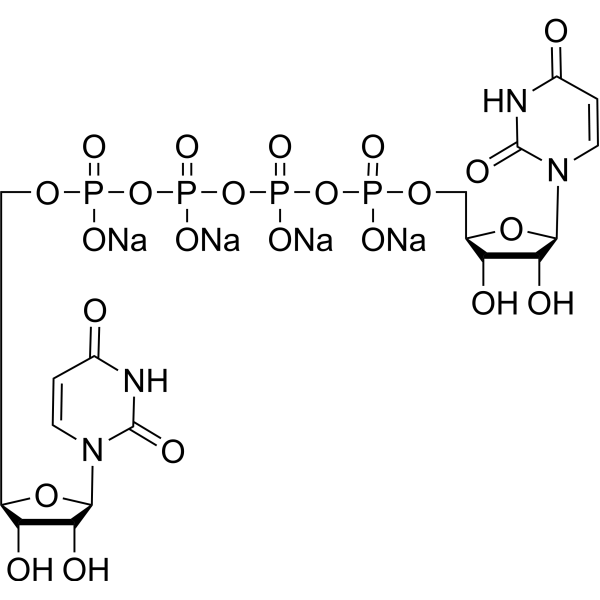
Diquafosol tetrasodium is a P2Y2 receptor agonist that stimulates fluid and mucin secretion on the ocular surface, as a topical treatment of dry eye disease.
loading...
    loading...
2
2 Cited Publications
Cat. No.: HY-B0328
CAS No.: 124-94-7
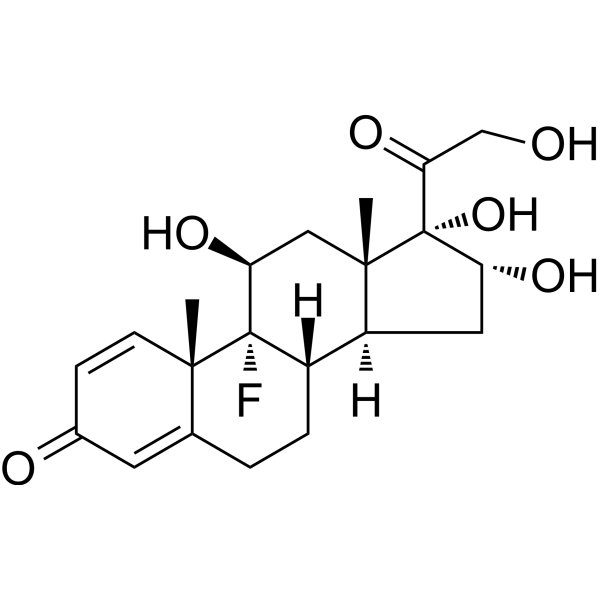
Triamcinolone is a long-acting corticosteroid with anti-inflammatory, anti-oedematous, anti-proliferative, anti-angiogenetic, immunomodulatory and neuroprotective effects through binding to glucocorticoid receptors. Triamcinolone can relieve several dermatitis, immune diseases and ocular diseases .
loading...
    loading...
1
1 Cited Publications
Cat. No.: HY-D0214
CAS No.: 632-69-9
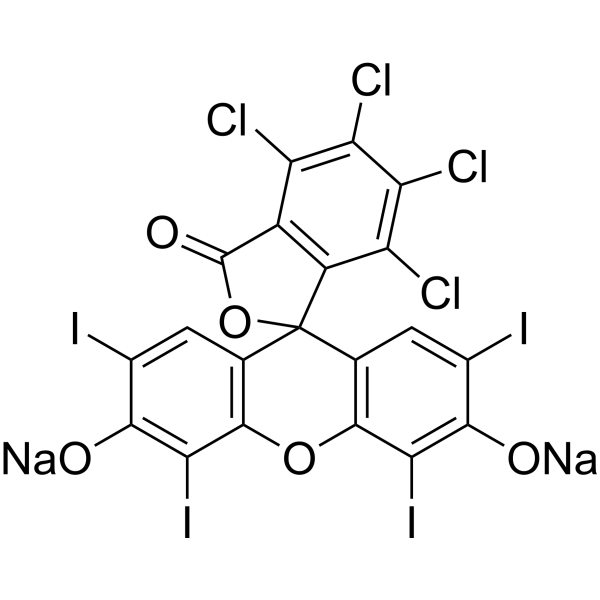
Acid Red 94 sodium, a synthetic fluorescein derivative, is a deep red dye primarily composed of 4,5,6,7-tetrachloro-2,4,5,7-tetraiodo fluorescein. It is widely used as an ophthalmic diagnostic agent to detect dry or damaged cells on the ocular surface. Acid Red 94 sodium exhibits antitumor activity and can inhibit Friend Leukemia Virus (FLV) infection through photodynamic action. Additionally, Acid Red 94 sodium can inhibit aggregation through light irradiation. Acid Red 94 sodium holds potential for use in cancer, viral infections, and neurodegenerative disease research .
loading...
    loading...
1
1 Cited Publications
Cat. No.: HY-NP0147
Synonyms: WGA (Fluorescein)
Wheat Germ Agglutinin (WGA) Fluorescein is a classic fluorescent label that specifically binds to sugar residues such as N-acetylglucosamine, N-acetylneuraminic acid and sialic acid. Wheat Germ Agglutinin Fluorescein performs regionally differential fluorescent staining of the ocular surface epithelial glycocalyx to assess its integrity, and causes no damage to the eye at safe concentrations. Wheat Germ Agglutinin Fluorescein is also used for staining structures including red blood cells, cultured cells, bacteria and pine wood nematodes, and facilitates the isolation of wheat-associated plant-growth-promoting rhizobacterial strains. Wheat Germ Agglutinin Fluorescein can be applied to the detection of ocular glycocalyx integrity and the research of related diseases such as pine wilt disease .
loading...
    loading...
1
1 Cited Publications
Cat. No.: HY-D0214E
CAS No.: 632-69-9
Acid Red 94 sodium (80%), a synthetic fluorescein derivative, is a deep red dye primarily composed of 4,5,6,7-tetrachloro-2,4,5,7-tetraiodo fluorescein. Acid Red 94 sodium (80%) is widely used as an ophthalmic diagnostic agent to detect dry or damaged cells on the ocular surface. Acid Red 94 sodium (80%) exhibits antitumor activity and can inhibit Friend Leukemia Virus (FLV) infection through photodynamic action. Additionally, Acid Red 94 sodium (80%) can inhibit Aβ aggregation through light irradiation. Acid Red 94 sodium (80%) holds potential for use in cancer, viral infections, and neurodegenerative disease research .
loading...
    loading...
Cat. No.: HY-172435
CAS No.: 1431754-15-2
Synonyms: AGN-232411; AG-80308; AGN-411
Research Areas:  

Neurological Disease

Rezuforimod (AGN-232411; AG-80308) is an ophthalmic solution targeting the formyl peptide receptor (FPR) pathway. Rezuforimod exerts anti-inflammatory effects by targeting the formyl peptide receptor pathway. Administered topically, Rezuforimod significantly reduces the corneal conjunctival staining score and improves ocular discomfort symptoms, with no serious adverse events reported and favorable overall safety profile. Rezuforimod shows remarkable potential to serve as a novel therapeutic option for dry eye disease .
loading...
    loading...
Cat. No.: HY-132596A
CAS No.: 1848239-71-3
Purity:  96.85%
Synonyms: SYL1001 sodium
Tivanisiran sodium (SYL1001 sodium) is a small interfering RNA (siRNA) targeting TRPV1 . Tivanisiran sodium induces the degradation of TRPV1 mRNA, thereby inhibiting protein synthesis. Tivanisiran sodium alleviates ocular discomfort and pain, and improves ocular hyperemia and tear quality. Tivanisiran sodium is applicable to research related to dry eye disease .
loading...
    loading...
Cat. No.: HY-P99546
CAS No.: 894356-79-7
Synonyms: 2xCon4C; AMG 386

Target:  

Tie

Research Areas:  

Cardiovascular Disease Cancer

Trebananib (2xCon4C) is an Fc fusion peptibody. Trebananib exerts its effects by blocking the binding of angiopoietin 1 (Ang1) and angiopoietin 2 (Ang2) to the TIE2 receptor. Trebananib has anti-angiogenic and anti-tumor activities .
loading...
    loading...
Cat. No.: HY-106449
CAS No.: 203191-10-0
Purity:  ≥98.0%
Synonyms: DA-6034 free acid
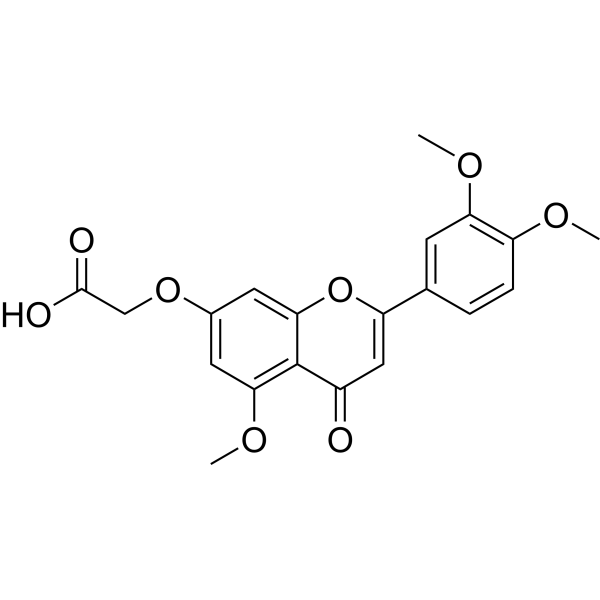
Recoflavone (DA-6034 (free acid)), a synthetic derivative of the flavonoid Eupatilin (HY-N0783), is orally active. Recoflavone can inhibit the NF-κB pathway and induce [Ca( 2+)]i increase in epithelial cells. Recoflavone exhibits activities such as anti-inflammation, anti-tumor effects, protection of gastric and intestinal mucosa, and promotion of secretion in the ocular surface and salivary glands. Recoflavone can be used for the research of diseases such as dry eye, gastric injury, and intestinal injury .
loading...
    loading...
Cat. No.: HY-109561
CAS No.: 222716-86-1
Purity:  98.09%
Synonyms: EYE001; NX1838
Target:  

VEGFR

Pegaptanib sodium is an RNA aptamer with polyethylene glycol modifications, which is directed against vascular endothelial growth factor (VEGF)-165. Pegaptanib could be used for the study of neovascular age-related macular degeneration (AMD) .
loading...
    loading...
Cat. No.: HY-P10904
CAS No.: 51486-77-2
Synonyms: ST-100
Target:  

Collagen

Research Areas:  

Others

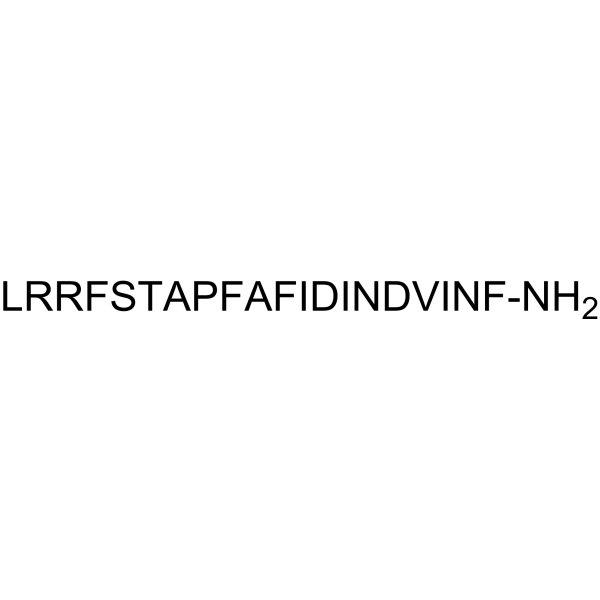
Vezocolmitide (ST-100) is a collagen mimetic peptide. Vezocolmitide can rapidly repair damaged collagen triple helix structures, thereby quickly reversing damage to the ocular surface and extracellular matrix, and restoring corneal nerve function while repairing the epithelium. Vezocolmitide can be used for research of dry eye disease (DED) .
loading...
    loading...
Cat. No.: HY-P3369
CAS No.: 2417491-82-6
Synonyms: AXT-107
Gersizangitide (AXT107) is an anti-angiogenic peptide consisting of 20 amino acids, derived from collagen IV. Gersizangitide is an inhibitor of VEGF-A and VEGF-C and an activator of Tie2. Gersizangitide can block VEGF receptor signaling, inhibit vascular leakage, neovascularization and inflammation. Gersizangitide can be used in the research of diseases related to ocular neovascularization and angiogenesis .
loading...
    loading...
Cat. No.: HY-153569
CAS No.: 2376635-95-7
Target:  

ROCK

Research Areas:  

Others

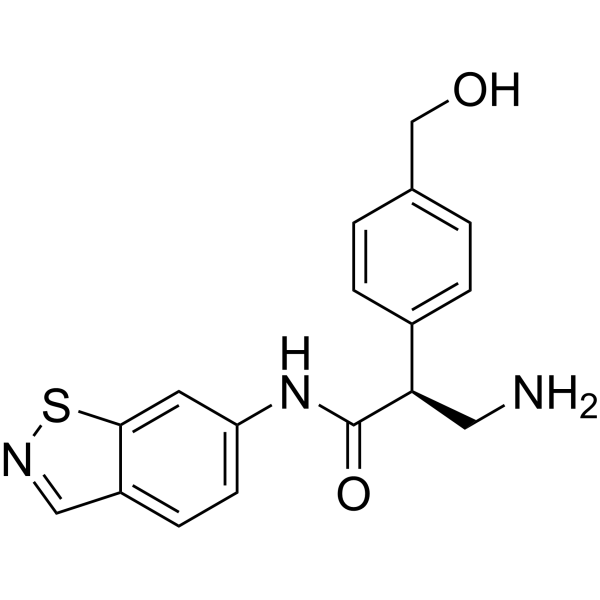
ROCK-IN-7 (compound 9) is a ROCK kinase inhibitor. ROCK-IN-7 can be used for research in ocular diseases (such as glaucoma and retinal diseases) .
loading...
    loading...
Cat. No.: HY-P990689
CAS No.: 2517939-46-5
Synonyms: RO-7250284

Target:  

VEGFR

Research Areas:  

Neurological Disease

Zifibancimig (RO-7250284) is a monoclonal antibody against VEGF-A and Ang-2, with affinities of 4 pM and 2 pM, respectively. Zifibancimig has high stability, maintains target-binding capability under physiological stress and storage conditions, and is designed for sustained long-term ocular delivery via the Port Delivery implant device. Zifibancimig can be used in the research of retinal diseases .
loading...
    loading...
Cat. No.: HY-P10019
CAS No.: 2243292-26-2
Synonyms: NLY01
Target:  

GCGR

Pegsebrenatide (NLY01) is a blood-brain barrier-penetrant GLP-1R agonist. Pegsebrenatide alleviates retinal inflammation and neuronal death secondary to ocular hypertension . Pegsebrenatide significantly delays onset and reduces disease severity in experimental autoimmune encephalomyelitis . Pegsebrenatide inhibits the formation of A1 reactive astrocytes in nerve cells and reduces the loss of retinal ganglion cells and dopaminergic neurons. Pegsebrenatide exerts neuroprotective effects in a mouse model of Parkinson's disease by directly preventing microglia-mediated conversion of astrocytes to the A1 neurotoxic phenotype. Pegsebrenatide can be used for research on glaucoma, Parkinson's disease, and multiple sclerosis .
loading...
    loading...
Cat. No.: HY-176886
CAS No.: 2248728-49-4
Research Areas:  

Others

LATS-IN-2 is an efficiently acting LATS (large tumor suppressor kinase) inhibitor. LATS-IN-2 shows potent inhibitory activity against LATS1 with an IC50 value of 1.3 nM. LATS-IN-2 suppresses the phosphorylation of YAP by inhibiting LATS kinase activity. LATS-IN-2 increases the thickness of the epidermis in mice. LATS-IN-2 can be used for the study of ocular diseases such as limbal stem cell deficiency and corneal endothelial dysfunction .
loading...
    loading...
Cat. No.: HY-P1615
CAS No.: 1006388-38-0
Synonyms: UPARANT
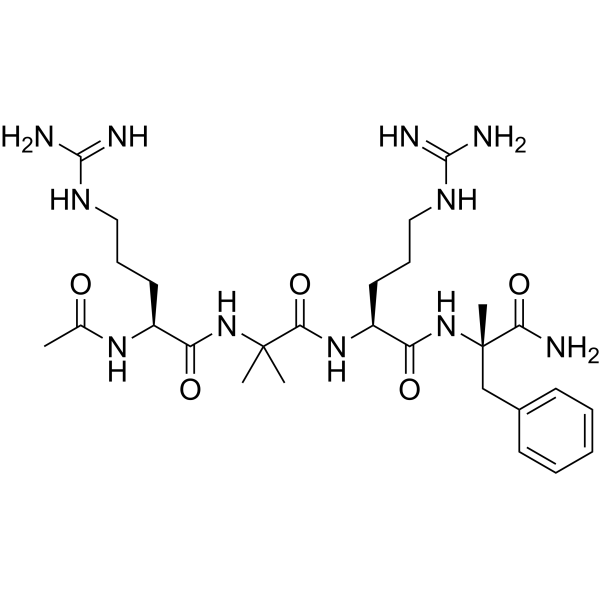
Cenupatide (UPARANT) is a uPAR and FPR antagonist with anti-angiogenic, anti-inflammatory, and vascular barrier regulatory activities, as well as high stability and resistance to enzymatic degradation in blood/plasma. Cenupatide blocks the uPAR-FPR interaction, reduces VEGF-induced phosphorylation levels of AKT, VEGFR-2, STAT3, JNK, p38 MAPK, ERK1/2, and NF-κB p65, and inhibits αvβ3 integrin activation. Cenupatide suppresses endothelial cell migration, invasion, tube formation, and angiogenic signaling pathways, restores tight junctions and blood-retinal barrier integrity, reduces pro-inflammatory marker levels, and inhibits apoptosis. Cenupatide reduces retinal neovascularization, renal fibrosis, and vascular leakage, and restores visual function in preclinical models. Cenupatide is applicable to research related to retinopathy, diabetic complications, ocular diseases, cancer, and inflammatory diseases .
loading...
    loading...
Cat. No.: HY-P5840
CAS No.: 1206475-79-7
Research Areas:  

Cancer

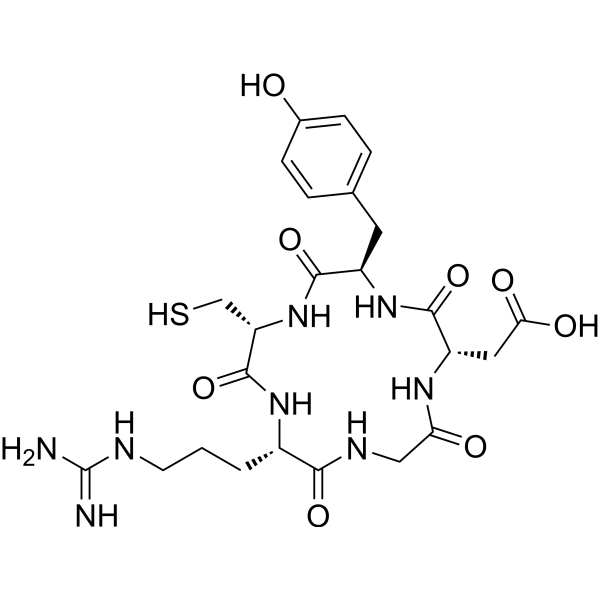
Cyclo(RGDyC) is a cyclic pentapeptide with anti-angiogenic abilities. Cyclo(RGDyC) can be combined with liposome delivery systems for research on ocular neovascular diseases and cancer .
loading...
    loading...
Cat. No.: HY-132596
CAS No.: 1848224-71-4
Purity:  92.62%
Synonyms: SYL1001
Tivanisiran (SYL1001) is a small interfering RNA (siRNA) targeting TRPV1 . Tivanisiran induces the degradation of TRPV1 mRNA, thereby inhibiting protein synthesis. Tivanisiran alleviates ocular discomfort and pain, and improves ocular hyperemia and tear quality. Tivanisiran is applicable to research related to dry eye disease .
loading...
    loading...
Cat. No.: HY-P10831
CAS No.: 853995-60-5
Target:  

VEGFR

Research Areas:  

Cardiovascular Disease Cancer

GNQWFI, an anti-Flt1 peptide, is a VEGFR1-specific antagonist. GNQWFI blocks the interaction of VEGFR1 with various VEGFR1 ligands, such as VEGFA, VEGFB, and placental growth factor (PIGF) and inhibits VEGF-induced endothelial cell migration and tube formation. GNQWFI is promising for research of cancer, asthma, and other ocular diseases .
loading...
    loading...

