
Search Result
Results for "
organization
" in MedChemExpress (MCE) Product Catalog:
| Cat. No. |
Product Name |
Target |
Research Areas |
Chemical Structure |
-
- HY-103466
-
|
|
Fluorescent Dye
|
Others
|
|
FM4-64 is a very lipophilic, water-soluble styrene dyes, can specifically bind to cell membranes and inner membrane organelles to produce fluorescence. FM4-64 is widely used in endocytic and exospic membrane structure markers.
|
-
-
- HY-D1378
-
|
|
Fluorescent Dye
|
Others
|
|
C-Laurdan is a modified Laurdan (HY-D0080) probe that imaging lipid rafts with environmentally sensitive fluorescence. C-Laurdan can be used in research of lipid arrangement and fluidity in biological membranes or artificial lipid membranes .
|
-
-
- HY-15584
-
|
HTI-286; SPA-110
|
Microtubule/Tubulin
ADC Payload
Apoptosis
|
Cancer
|
|
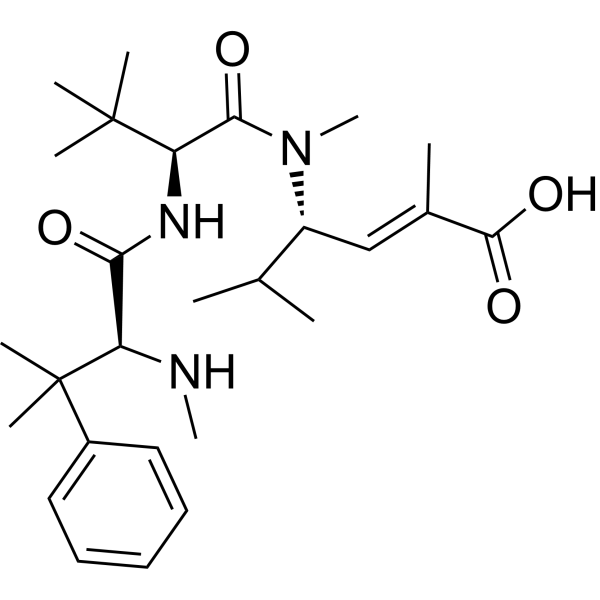
Taltobulin (HTI-286), a synthetic analogue of the tripeptide hemiasterlin, is a potent antimicrotubule agent that circumvents P-glycoprotein-mediated resistance in vitro and in vivo. Taltobulin inhibits the polymerization of purified tubulin, disrupts microtubule organization in cells, and induces mitotic arrest, as well as apoptosis .
|
-
-
- HY-13963
-
ZCL278
3 Publications Verification
|
Ras
Dengue Virus
VSV
Arenavirus
|
Infection
Neurological Disease
Metabolic Disease
Cancer
|
|
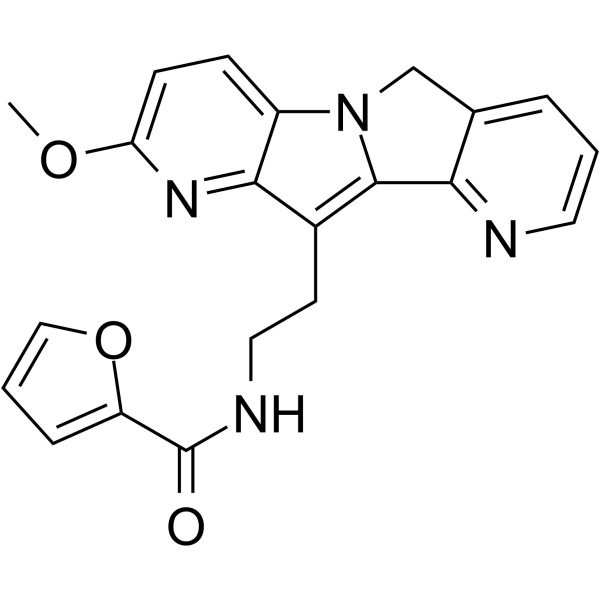
ZCL278 is a selective Cdc42 inhibitor with Kds of 6.4 μM in fluorescence titration and 11.4 μM in surface plasmon resonance (SPR) measurement. ZCL278 is able to disrupt the Cdc42-ITSN interaction as well as GTP/GDP binding. ZCL278 has inhibitory effects on various enveloped viruses, but is ineffective against non-enveloped viruses. ZCL278 can be used for the studies of arsenic neurotoxicity and HER2-positive gastric cancer (GC) .
|
-
-
- HY-W011725
-
|
m6dA
|
Nucleoside Antimetabolite/Analog
Mitochondrial Metabolism
DNA/RNA Synthesis
|
Neurological Disease
Cancer
|
|
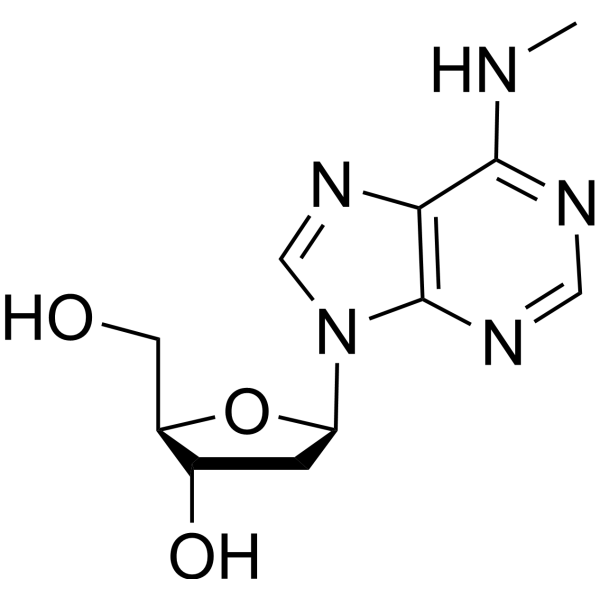
N-6-Methyl-2-deoxyadenosine (m6dA) is an adenine nucleoside analogue. N-6-Methyl-2-deoxyadenosine targets nuclear processes and DNA replication machineries including WER, SATB1, TFAM, Jumu, SSBP1, DNA polymerase η and phage polymerase Gp90 exo −. N-6-Methyl-2-deoxyadenosine acts as a multifunctional epigenetic regulator that modulates transcription, DNA damage response, cell cycle, transposon silencing, stress adaptation, epigenetic crosstalk, and nucleosome organization in both prokaryotes and eukaryotes. N-6-Methyl-2-deoxyadenosine regulates mitochondrial epigenetic inheritance and is required for fear extinction memory in mice. N-6-Methyl-2-deoxyadenosine exhibits dysregulated levels in cancers. N-6-Methyl-2-deoxyadenosine can be used for the research of glioblastoma, triple negative breast cancer, and conditioned fear (fear extinction impairment) .
|
-
-
- HY-N6588
-
|
3,4,5-triCQA
|
Akt
NF-κB
|
Inflammation/Immunology
Cancer
|
|
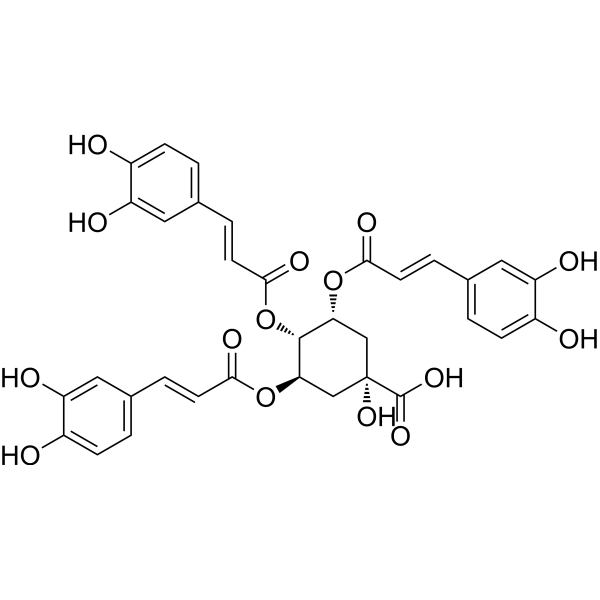
3,4,5-Tricaffeoylquinic acid (3,4,5-triCQA) inhibits tumor necrosis factor-α-stimulated production of inflammatory mediators in keratinocytes via suppression of Akt- and NF-κB-pathways. 3,4,5-Tricaffeoylquinic acid induces cell cycle arrest at G0/G1, actin cytoskeleton organization, chromatin remodeling, neuronal differentiation, and bone morphogenetic protein signaling in human neural stem cells. 3,4,5-Tricaffeoylquinic acid has the potential for the research of aging-associated diseases .
|
-
-
- HY-129467
-
|
2-Hydroxyoleic acid; 2-OHOA; LAM561
|
Apoptosis
|
Cancer
|
|
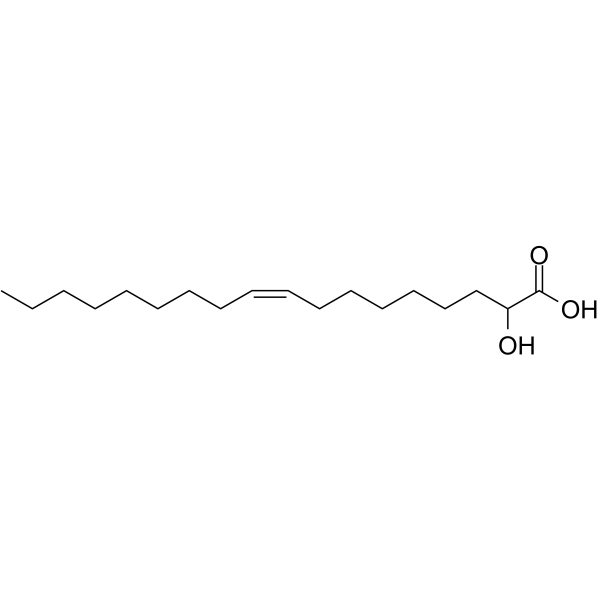
(Rac)-Idroxioleic acid (2-Hydroxyoleic acid) is a synthetic oleic acid (OA) derivative that binds to the plasma membrane and alters lipid organization. (Rac)-Idroxioleic acid has anti-tumor effect .
|
-
-
- HY-122614
-
S29434
2 Publications Verification
NMDPEF
|
Autophagy
|
Neurological Disease
|
|
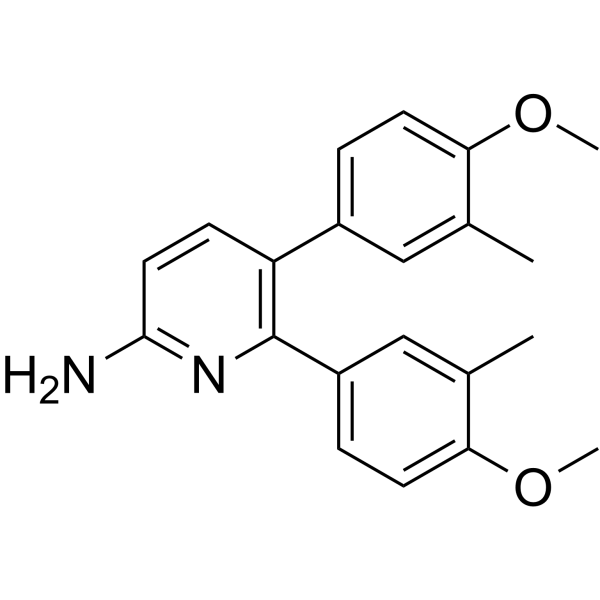
S29434 (NMDPEF) is a potent, competitive, selective and cell-permeable inhibitor of quinone reductase 2 (QR2), with IC50s ranging from 5 to 16 nM for human QR2 at different organizational levels, and has good selectivity for QR2 over QR1. S29434 induces autophagy and inhibits QR2-mediated ROS production .
|
-
-
- HY-DY1031
-
|
|
Fluorescent Dye
|
Others
|
FM4-64 (solution) is a very lipophilic, water-soluble styrene dyes, can specifically bind to cell membranes and inner membrane organelles to produce fluorescence. FM4-64 is widely used in endocytic and exospic membrane structure markers. Solvent and concentration: DMSO: 5 mM
|
-
-
- HY-148978
-
|
|
Exosomes
Endogenous Metabolite
Liposome
|
Metabolic Disease
|
|
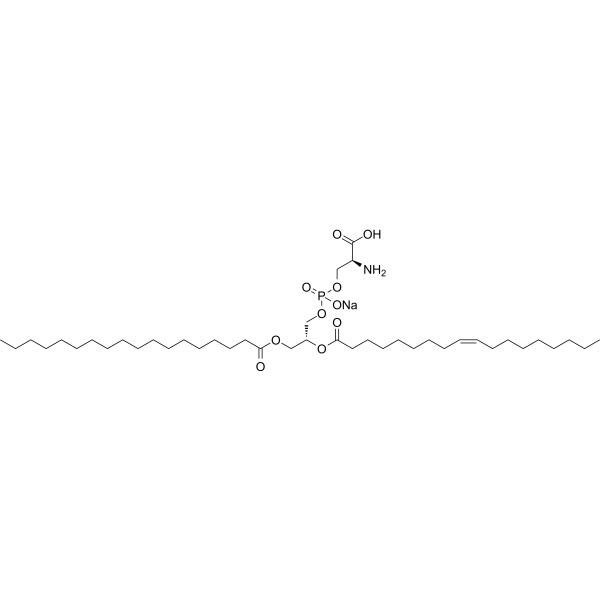
18:0,18:1 PS sodium is the dominant phosphatidylserine subtype in cells, exosomes and HIV particles. It is abundant in the brain and is essential for maintaining membrane structure, lipid raft organization and intracellular trafficking. 18:0,18:1 PS sodium mediates interleaflet membrane coupling through cholesterol-dependent interactions with very long-chain sphingolipids, and can induce the clustering of glycosylphosphatidylinositol-anchored proteins. In addition, clusters formed by the binding of 18:0,18:1 PS sodium to cholesterol not only facilitate the proper distribution of cholesterol in lipid bilayers, but also effectively protect cholesterol from oxidative damage .
|
-
-
- HY-P2632
-
|
RADA16
|
Biochemical Assay Reagents
|
Neurological Disease
|
|
RAD16-I (RADA16) is a non-directed self-assembling peptide hydrogel. Under physiological conditions, RAD16-I spontaneously forms a three-dimensional nanofiber network that mimics the extracellular matrix, and possesses excellent properties such as high water content, biocompatibility and degradability. RAD16-I serves as an ideal scaffold for three-dimensional cell culture. RAD16-I not only maintains cell viability and induces self-organization, but also supports cell adhesion, proliferation, differentiation and insulin secretion, effectively stabilizes islet clusters and promotes directed differentiation of the cardiac lineage. RAD16-I can construct a cell-friendly nano-microenvironment for research related to diseases such as myocardial infarction and diabetes .
|
-
-
- HY-W747572
-
|
(R)-(+)-Perillyl alcohol
|
Ras
|
Cancer
|
|
(+)-Perillyl alcohol is the enantiomer of S-(-)-Perillyl alcohol (HY-116514). (+)-Perillyl alcohol can inhibit the growth of polypeptides and block the cell cycle in the G0/G1 phase. (+)-Perillyl alcohol induces cell signaling that is associated with changes in cytoskeletal actin organization and reduced protein expression of growth regulatory proteins such as Ras and CDC2 kinase .
|
-
-
- HY-15584A
-
|
HTI-286 trifluoroacetate; SPA-110 trifluoroacetate
|
Microtubule/Tubulin
ADC Payload
Apoptosis
|
Cancer
|
|
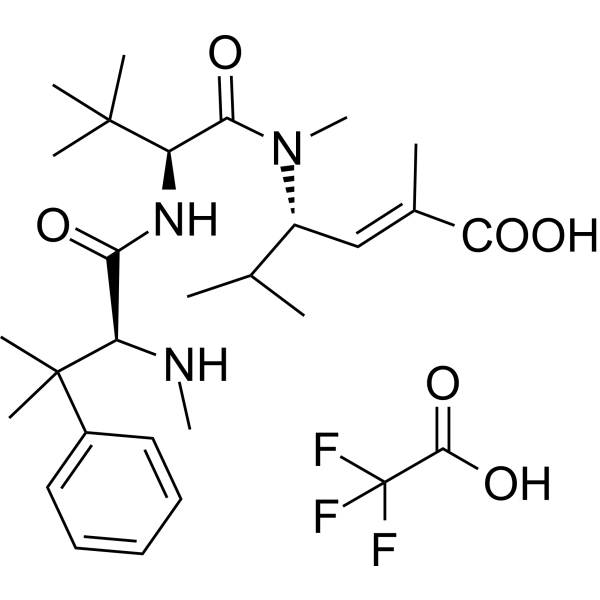
Taltobulin trifluoroacetate (HTI-286 trifluoroacetate), a synthetic analogue of the tripeptide hemiasterlin, is a potent antimicrotubule agent that circumvents P-glycoprotein-mediated resistance in vitro and in vivo. Taltobulin trifluoroacetate inhibits the polymerization of purified tubulin, disrupts microtubule organization in cells, and induces mitotic arrest, as well as apoptosis .
|
-
-
- HY-115507
-
|
|
AMPK
mTOR
ERK
Oxidative Phosphorylation
Reactive Oxygen Species (ROS)
Ras
|
Cancer
|
|
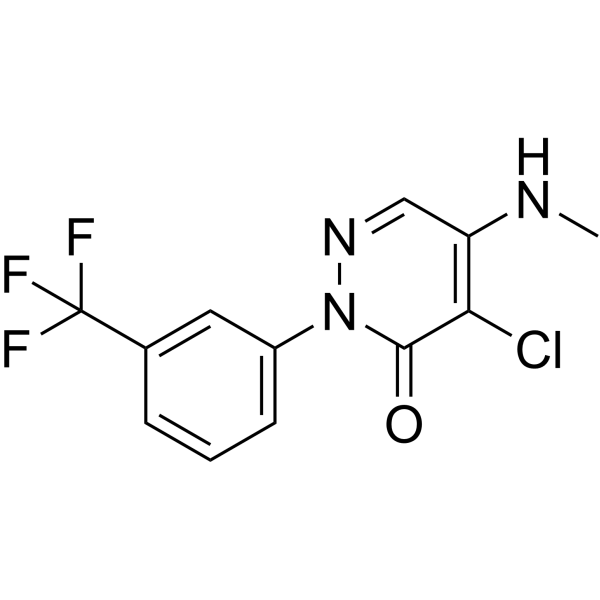
NMac1 is an orally active Nm23/NDPK activator. NMac1 directly binds to Nm23-H1 and activates the NDPK activity of recombinant Nm23-H1 with an EC50 of 10.7 uM. NMac1 induces AMPK activation and inhibits mTOR and ERK, leading to mitochondrial OXPHOS dysregulation and suppressing mitochondrial ROS production, which in turn induces mitochondrial dysfunction in MDA-MB-231 cells. NMac1 inhibits Complex I activity and suppresses changes in morphology and actin cytoskeleton organization following Rac1 activation in MDA-MB-231 cells. NMac1 inhibits tumor invasion, migration and metastasis. NMac1 is useful for studying metastatic tumors, such as breast cancer. NMac1 can be isolated from the ginger cassumunar Roxb .
|
-
-
- HY-175843
-
|
|
ROCK
STAT
|
Cancer
|
|
ROCK2-IN-10 is a potent and selective ROCK2 inhibitor (IC50 = 0.020 μM) with 41-fold selectivity over isoform ROCK1. ROCK2-IN-10 inhibits metastasis by disrupting the cytoskeleton, independent of proliferative suppression. ROCK2-IN-10 shows superior inhibitory potency against cancer cell metastasis, which closely related to the suppression of STAT3 phosphorylation. ROCK2-IN-10 can be used for breast cancer metastasis research .
|
-
-
- HY-148978A
-
|
|
Exosomes
Liposome
Endogenous Metabolite
|
Metabolic Disease
|
|
18:0,18:1 PS is the dominant phosphatidylserine subtype in cells, exosomes and HIV particles. It is abundant in the brain and is essential for maintaining membrane structure, lipid raft organization and intracellular trafficking. 18:0,18:1 PS mediates interleaflet membrane coupling through cholesterol-dependent interactions with very long-chain sphingolipids, and can induce the clustering of glycosylphosphatidylinositol-anchored proteins. In addition, clusters formed by the binding of 18:0,18:1 PS to cholesterol not only facilitate the proper distribution of cholesterol in lipid bilayers, but also effectively protect cholesterol from oxidative damage .
|
-
-
- HY-113722
-
|
|
Microtubule/Tubulin
|
Cancer
|
|
DAT1 is a potent antimitotic agent with anticancer effects. In HeLa cells, DAT1 blocks the spindle function by disturbing spindle microtubule and chromosome organization .
|
-
-
- HY-129467A
-
|
2-Hydroxyoleic acid sodium; 2-OHOA sodium; LAM561 sodium
|
Apoptosis
|
Cancer
|
|
(Rac)-Idroxioleic acid (2-Hydroxyoleic acid) sodium is a synthetic oleic acid (OA) derivative that binds to the plasma membrane and alters lipid organization. (Rac)-Idroxioleic acid sodium has anti-tumor effect .
|
-
-
- HY-126556
-
|
|
Microtubule/Tubulin
|
Cancer
|
|
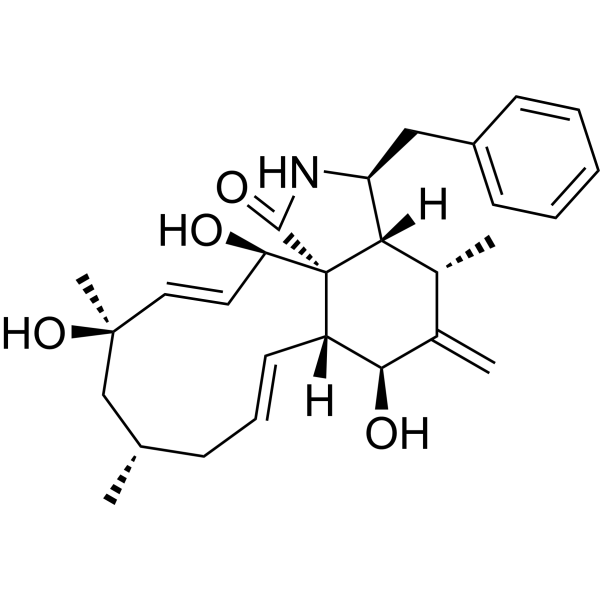
Cytochalasin J is a cytochalasin detivative. Cytochalasin J affects mitotic spindel microtubule organization and kinetochore structure, and exhibits cytotoxicity in human leukemia K562 cell with IC50 of 1.5 μM .
|
-
-
- HY-162496
-
|
|
Bacterial
|
Infection
Inflammation/Immunology
|
|
L-NBDNJ, a glycomimetic, is an antivirulence agent. L-NBDNJ interferes with the expression of proteins regulating cytoskeleton assembly and organization of the host cell. L-NBDNJ has anti-inflammatory and anti-infective effects in models of cystic fibrosis (CF) lung disease infection .
|
-
-
- HY-15584B
-
|
HTI-286 hydrochloride; SPA-110 hydrochloride
|
Microtubule/Tubulin
ADC Payload
Apoptosis
|
Cancer
|
|
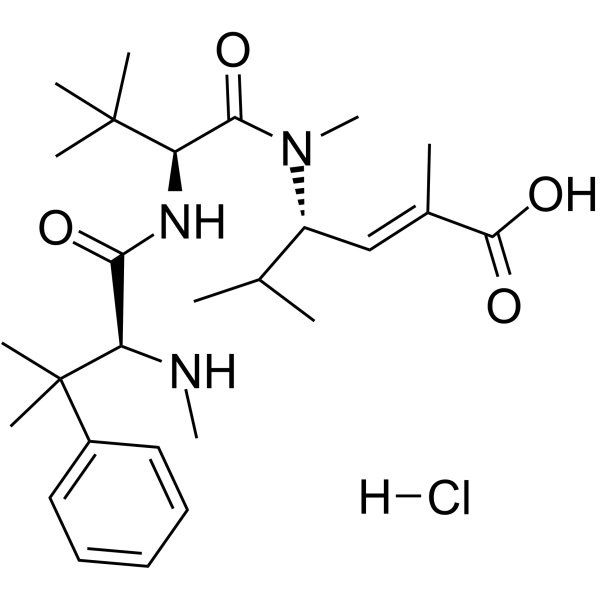
Taltobulin hydrochloride (HTI-286 hydrochloride), a synthetic analogue of the tripeptide hemiasterlin, is a potent antimicrotubule agent that circumvents P-glycoprotein-mediated resistance in vitro and in vivo. Taltobulin hydrochloride inhibits the polymerization of purified tubulin, disrupts microtubule organization in cells, and induces mitotic arrest, as well as apoptosis .
|
-
-
- HY-129467R
-
|
2-Hydroxyoleic acid (Standard); 2-OHOA (Standard); LAM561 (Standard)
|
Reference Standards
Apoptosis
|
Cancer
|
|
(Rac)-Idroxioleic acid (Standard) is the analytical standard of (Rac)-Idroxioleic acid. This product is intended for research and analytical applications. (Rac)-Idroxioleic acid (2-Hydroxyoleic acid) is a synthetic oleic acid (OA) derivative that binds to the plasma membrane and alters lipid organization. (Rac)-Idroxioleic acid has anti-tumor effect[1].
|
-
-
- HY-146261
-
|
|
Microtubule/Tubulin
Indoleamine 2,3-Dioxygenase (IDO)
Apoptosis
|
Cancer
|
|
HI5 is a potent tublin and IDO inhibitor, with an IC50 value of 70 nM in HeLa cells. HI5 inhibit IDO expression and decrease kynurenine production, leading to stimulating T cells activation and proliferation. HI5 can inhibit tubulin polymerization and cell migration, cause G2/M phase arrest, and induce apoptosis via the mitochondrial dependent apoptosis pathway and cause reactive oxidative stress generation in HeLa cells. HI5 can be used for researching anticancer .
|
-
-
- HY-147947
-
|
|
Microtubule/Tubulin
|
Cancer
|
|
Tubulin polymerization-IN-30 (compound 6e) is a potent Tubulin polymerization inhibitor. Tubulin polymerization-IN-30 is a colchicine binding site inhibitor. Tubulin polymerization-IN-30 can disrupt intracellular microtubule organization, arrest cell cycle at the G2/M phase. Tubulin polymerization-IN-30 exhibits the high potency against the cancer cell lines including SGC-7901, A549 and HeLa, with IC50 values of 2.16, 2.21, and 0.403 μM .
|
-
-
- HY-148978R
-
|
|
Reference Standards
Exosomes
Endogenous Metabolite
Liposome
|
Metabolic Disease
|
|
Resorantel (Standard) is the analytical standard of Resorantel. This product is intended for research and analytical applications. 18:0,18:1 PS sodium is the dominant phosphatidylserine subtype in cells, exosomes and HIV particles. It is abundant in the brain and is essential for maintaining membrane structure, lipid raft organization and intracellular trafficking. 18:0,18:1 PS sodium mediates interleaflet membrane coupling through cholesterol-dependent interactions with very long-chain sphingolipids, and can induce the clustering of glycosylphosphatidylinositol-anchored proteins. In addition, clusters formed by the binding of 18:0,18:1 PS sodium to cholesterol not only facilitate the proper distribution of cholesterol in lipid bilayers, but also effectively protect cholesterol from oxidative damage .
|
-
-
- HY-181019
-
|
|
Microtubule/Tubulin
Apoptosis
Bcl-2 Family
Caspase
|
Neurological Disease
Cancer
|
|
iMPZ-8 is a β-tubulin polymerization inhibitor that inhibits β-tubulin protein expression, disrupts microtubule structure, impairs microtubule organization. iMPZ-8 inhibits proliferation and reduces cellular migration and colonization in cancer cells. iMPZ-8 induces G2/M phase arrestand induces apoptosis via the BAX-Caspase-3 intrinsic apoptotic signaling pathway. iMPZ-8 can be used for the research of cancer, suah as breast cancer, neuroblastoma and colon cancer .
|
-
-
- HY-E70985
-
|
|
Biochemical Assay Reagents
|
Metabolic Disease
|
|
Auto-Activated Protein Kinase, Bovine phosphorylates and inactivates protein phosphatase 2A. Auto-Activated Protein Kinase, Bovine is also involved in cytoskeleton organization and other signal transduction processes.
|
-
-
- HY-101145
-
|
|
Choline Kinase
p38 MAPK
PI3K
Akt
Arp2/3 Complex
PERK
|
Cancer
|
|
CK37 is a competitive choline kinase-α inhibitor. CK37 inhibits purified recombinant human choline kinase-α activity. CK37 suppresses MAPK and PI3K/AKT signaling, disrupts actin cytoskeletal organization. CK37 diminishs activating phosphorylations of ERK. CK37 exhibits anticancer activity against cervical cancer, melanoma, Lewis lung carcinoma, lung adenocarcinoma, breast cancer, and leukemia .
|
-
-
- HY-180281
-
|
|
Zinc Finger Protein
Apoptosis
PI3K
Akt
|
Cancer
|
|
PLAGL2-IN-1 is a inhibitor of pleiomorphic adenoma-like protein 2 (PLAGL2) with a Kd of 2.23 µM. PLAGL2-IN-1 suppresses PLAGL2 transcriptional activity, induces G0/G1 cell cycle arrest, and apoptosis, thereby inhibiting hepatocellular carcinoma (HCC) cell proliferation. PLAGL2-IN-1 disrupts extracellular matrix organization and suppresses the PI3K-AKT pathway by reducing AKT phosphorylation. PLAGL2-IN-1 inhibits tumor growth in an HCCLM3 xenograft mouse model. PLAGL2-IN-1 can be used for the research of HCC .
|
-
-
- HY-P2632C
-
|
|
Biochemical Assay Reagents
|
Neurological Disease
|
|
RAD16-I, free acid TFA is a derivative of RADA16 (HY-P2632), with no Ac and NH2 modifications at both ends, and it has the same function as RADA16. RAD16-I, free acid TFA is a non-directed self-assembling peptide hydrogel. Under physiological conditions, RAD16-I, free acid TFA spontaneously forms a three-dimensional nanofiber network that mimics the extracellular matrix, and possesses excellent properties such as high water content, biocompatibility and degradability. RAD16-I, free acid TFA serves as an ideal scaffold for three-dimensional cell culture. RAD16-I, free acid TFA not only maintains cell viability and induces self-organization, but also supports cell adhesion, proliferation, differentiation and insulin secretion, effectively stabilizes islet clusters and promotes directed differentiation of the cardiac lineage. RAD16-I, free acid TFA can construct a cell-friendly nano-microenvironment for research related to diseases such as myocardial infarction and diabetes .
|
-
-
-
HY-L192
-
|
|
71 compounds
|
|
Dietary supplement, also known as nutritional supplement or food supplement, include dietary components such as vitamins, minerals, and amino acids. The unique value of dietary supplement is particularly significant in the post-pandemic era. Compared to traditional medication, dietary supplement is often more readily accepted by the public due to their higher safety profile and the natural origin. By orally supplementing essential nutrients and bioactive substances, dietary supplement can help to enhance the body's health level and reduce the risk of diseases. For certain chronic conditions, proper dietary supplement can also serve as a powerful adjunct to conventional medical treatment, enhancing the effectiveness of medication.
MCE has included 71 dietary supplements, whose ingredients are all derived from the official lists published by authoritative organizations such as the FDA, EFSA, NMPA, etc. These compounds can be utilized in the development of health food products and for the mechanistic research of certain chronic diseases.
|
-
-
HY-L142
-
|
|
151 compounds
|
|
Tuberculosis (TB), usually caused by bacteria (Mycobacterium tuberculosis), is an infectious disease that mainly affects the lungs. According to the statistics of the World Health Organization (WHO), 10 million people suffer from tuberculosis every year, and 1.5 million people die of tuberculosis every year, which makes tuberculosis the number one killer of infectious diseases.
Tuberculosis can be cured through the standard 6-month course of treatment of four kinds of antibiotics. Common drugs include rifampicin and isoniazid. In some cases, TB bacteria do not respond to standard drugs, that is, patients with drug-resistant tuberculosis. The treatment of drug-resistant tuberculosis takes longer and is more complex. In the face of the resurgence of tuberculosis in the world and the rapid emergence of multi drug resistant tuberculosis, it is very important to develop new anti-tuberculosis drugs or new clinical treatment schemes for existing anti mycobacterium drugs.
MCE supplies a unique collection of 151 compounds with clear anti-tuberculosis activity. MCE Anti-tuberculosis Compound Library is a useful tool for anti-tuberculosis related research and anti-tuberculosis drug development p>
|
| Cat. No. |
Product Name |
Type |
-
- HY-103466
-
|
|
Fluorescent Dye
|
|
FM4-64 is a very lipophilic, water-soluble styrene dyes, can specifically bind to cell membranes and inner membrane organelles to produce fluorescence. FM4-64 is widely used in endocytic and exospic membrane structure markers.
|
-
- HY-D1378
-
|
|
Fluorescent Dye
|
|
C-Laurdan is a modified Laurdan (HY-D0080) probe that imaging lipid rafts with environmentally sensitive fluorescence. C-Laurdan can be used in research of lipid arrangement and fluidity in biological membranes or artificial lipid membranes .
|
-
- HY-DY1031
-
|
|
Fluorescent Dye
|
FM4-64 (solution) is a very lipophilic, water-soluble styrene dyes, can specifically bind to cell membranes and inner membrane organelles to produce fluorescence. FM4-64 is widely used in endocytic and exospic membrane structure markers. Solvent and concentration: DMSO: 5 mM
|
| Cat. No. |
Product Name |
Target |
Research Area |
-
- HY-P2632
-
|
RADA16
|
Biochemical Assay Reagents
|
Neurological Disease
|
|
RAD16-I (RADA16) is a non-directed self-assembling peptide hydrogel. Under physiological conditions, RAD16-I spontaneously forms a three-dimensional nanofiber network that mimics the extracellular matrix, and possesses excellent properties such as high water content, biocompatibility and degradability. RAD16-I serves as an ideal scaffold for three-dimensional cell culture. RAD16-I not only maintains cell viability and induces self-organization, but also supports cell adhesion, proliferation, differentiation and insulin secretion, effectively stabilizes islet clusters and promotes directed differentiation of the cardiac lineage. RAD16-I can construct a cell-friendly nano-microenvironment for research related to diseases such as myocardial infarction and diabetes .
|
-
- HY-P2632C
-
|
|
Biochemical Assay Reagents
|
Neurological Disease
|
|
RAD16-I, free acid TFA is a derivative of RADA16 (HY-P2632), with no Ac and NH2 modifications at both ends, and it has the same function as RADA16. RAD16-I, free acid TFA is a non-directed self-assembling peptide hydrogel. Under physiological conditions, RAD16-I, free acid TFA spontaneously forms a three-dimensional nanofiber network that mimics the extracellular matrix, and possesses excellent properties such as high water content, biocompatibility and degradability. RAD16-I, free acid TFA serves as an ideal scaffold for three-dimensional cell culture. RAD16-I, free acid TFA not only maintains cell viability and induces self-organization, but also supports cell adhesion, proliferation, differentiation and insulin secretion, effectively stabilizes islet clusters and promotes directed differentiation of the cardiac lineage. RAD16-I, free acid TFA can construct a cell-friendly nano-microenvironment for research related to diseases such as myocardial infarction and diabetes .
|
-
- HY-K6141
-
|
|
|
MCE Human Brain Organoid (Expansion) Kit contains Human Brain Organoid Expansion Basal Medium and Human Brain Organoid Expansion Culture Supplements. This kit enables the efficient in vitro generation of human forebrain organoids (hFBs). Within this culture system, human brain tissue can spontaneously form organoid structures that faithfully recapitulate key features of in vivo cellular heterogeneity and complex tissue organization.
|
-
- HY-K6143
-
|
|
|
MCE Mouse Fetal Brain Organoid (Expansion) Kit contains Mouse Fetal Brain Organoid Expansion Basal Medium and Mouse Fetal Brain Organoid Expansion Culture Supplement
. This kit enables the efficient in vitro generation of mouse fetal brain organoids (mFBs). Within this culture system, mouse fetal brain tissue can spontaneously form organoid structures that faithfully recapitulate key features of in vivo cellular heterogeneity and complex tissue organization.
|
| Cat. No. |
Product Name |
Category |
Target |
Chemical Structure |
-
- HY-N6588
-
|
3,4,5-triCQA
|
Classification of Application Fields
Simple Phenylpropanols
Phenols
Polyphenols
Phenylpropanoids
Plants
Convolvulaceae
Inflammation/Immunology
Disease Research Fields
Ipomoea batatas (Linn.) Lamarck
Source Classification
|
Akt
NF-κB
|
|
3,4,5-Tricaffeoylquinic acid (3,4,5-triCQA) inhibits tumor necrosis factor-α-stimulated production of inflammatory mediators in keratinocytes via suppression of Akt- and NF-κB-pathways. 3,4,5-Tricaffeoylquinic acid induces cell cycle arrest at G0/G1, actin cytoskeleton organization, chromatin remodeling, neuronal differentiation, and bone morphogenetic protein signaling in human neural stem cells. 3,4,5-Tricaffeoylquinic acid has the potential for the research of aging-associated diseases .
|
-
-
- HY-148978
-
-
-
- HY-126556
-
-
-
- HY-148978R
-
|
|
Structural Classification
Natural Products
Endogenous metabolite
Source Classification
|
Reference Standards
Exosomes
Endogenous Metabolite
Liposome
|
|
Resorantel (Standard) is the analytical standard of Resorantel. This product is intended for research and analytical applications. 18:0,18:1 PS sodium is the dominant phosphatidylserine subtype in cells, exosomes and HIV particles. It is abundant in the brain and is essential for maintaining membrane structure, lipid raft organization and intracellular trafficking. 18:0,18:1 PS sodium mediates interleaflet membrane coupling through cholesterol-dependent interactions with very long-chain sphingolipids, and can induce the clustering of glycosylphosphatidylinositol-anchored proteins. In addition, clusters formed by the binding of 18:0,18:1 PS sodium to cholesterol not only facilitate the proper distribution of cholesterol in lipid bilayers, but also effectively protect cholesterol from oxidative damage .
|
-
| Cat. No. |
Compare |
Product Name |
Application |
Reactivity |
Image |
Compare Products
|
| Products |
|
| Cat. No. |
|
| Host |
|
| Reactivity |
|
| Application |
|
Dilution Ratio |
|
| Molecular Weight |
|
| Conjugation |
|
| Clonality |
|
| Immunogen |
|
| Appearance |
|
| Isotype |
|
| Gene ID |
|
| SwissProt ID |
|
| Purity |
|
| Formulation |
|
| Free Sample |
Yes
No
|
| Size |
* This product has been "discontinued".
Optimized version of product available:
|
| Cat. No. |
Product Name |
|
Classification |
-
- HY-D1378
-
|
|
|
Fluorescent Lipids
|
|
C-Laurdan is a modified Laurdan (HY-D0080) probe that imaging lipid rafts with environmentally sensitive fluorescence. C-Laurdan can be used in research of lipid arrangement and fluidity in biological membranes or artificial lipid membranes .
|
-
- HY-W011725
-
|
m6dA
|
|
Nucleoside Analogs
Adenosine
|
|
N-6-Methyl-2-deoxyadenosine (m6dA) is an adenine nucleoside analogue. N-6-Methyl-2-deoxyadenosine targets nuclear processes and DNA replication machineries including WER, SATB1, TFAM, Jumu, SSBP1, DNA polymerase η and phage polymerase Gp90 exo −. N-6-Methyl-2-deoxyadenosine acts as a multifunctional epigenetic regulator that modulates transcription, DNA damage response, cell cycle, transposon silencing, stress adaptation, epigenetic crosstalk, and nucleosome organization in both prokaryotes and eukaryotes. N-6-Methyl-2-deoxyadenosine regulates mitochondrial epigenetic inheritance and is required for fear extinction memory in mice. N-6-Methyl-2-deoxyadenosine exhibits dysregulated levels in cancers. N-6-Methyl-2-deoxyadenosine can be used for the research of glioblastoma, triple negative breast cancer, and conditioned fear (fear extinction impairment) .
|
Your information is safe with us. * Required Fields.
Inquiry Information
- Product Name:
- Cat. No.:
- Quantity:
- MCE Japan Authorized Agent:

