1. Search Result
Search Result
Results for "

osteoclast differentiation

" in MedChemExpress (MCE) Product Catalog:

65

Inhibitors & Agonists

1

Fluorescent Dyes

2

Biochemical Assay Reagents

3

Peptides

22

Natural
Products

5

Recombinant Proteins

4

Isotope-Labeled Compounds

1

Antibodies

1

GMP Molecules

Cat. No. Product Name Target Research Areas Chemical Structure
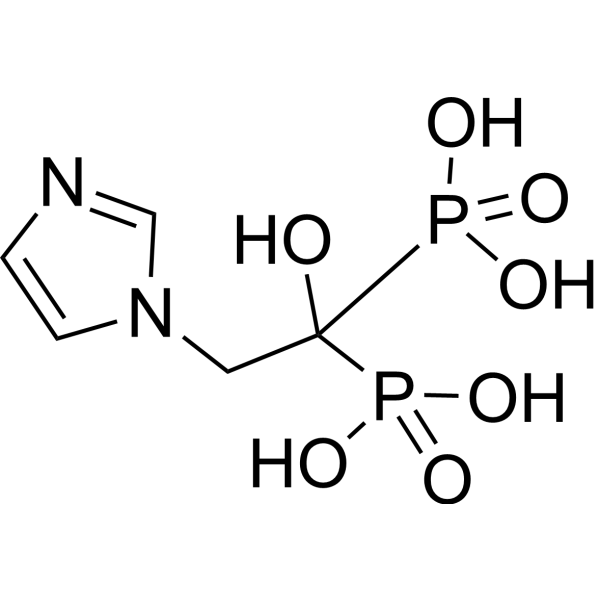
  • HY-13777
    Zoledronic Acid
    Maximum Cited Publications
    24 Publications Verification

    Zoledronate; CGP 42446; CGP42446A; ZOL 446

    Apoptosis Autophagy Bacterial Metabolic Disease Cancer
    Zoledronic Acid (Zoledronate) is a third-generation bisphosphonate (BP), with potent anti-resorptive activity. Zoledronic Acid inhibits the differentiation and apoptosis of osteoclasts. Zoledronic Acid also has anti-cancer effects .
    Zoledronic Acid
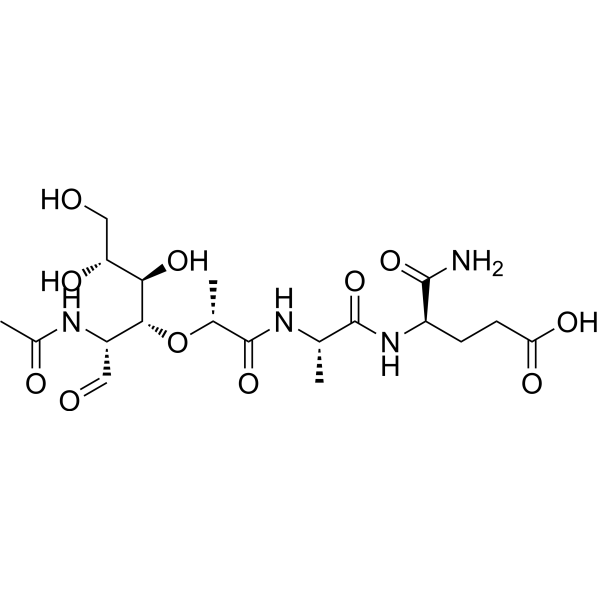
  • HY-127090
    Muramyl dipeptide
    5+ Cited Publications

    MDP

    p38 MAPK NOD-like Receptor (NLR) Inflammation/Immunology Cancer
    Muramyl dipeptide (MDP) is a synthetic immunoreactive peptide, consisting of N-acetyl muramic acid attached to a short amino acid chain of L-Ala-D-isoGln. Muramyl dipeptide is an inducer of bone formation through induction of Runx2. Muramyl dipeptide directly enhances osteoblast differentiation by up-regulating Runx2 gene expression through MAPK pathways. Muramyl dipeptide is a NLRP1 agonist .
    Muramyl dipeptide
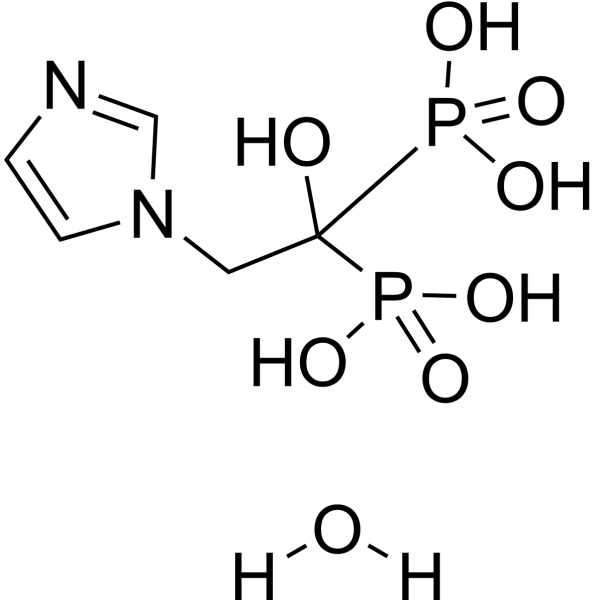
  • HY-13777A
    Zoledronic acid monohydrate
    Maximum Cited Publications
    24 Publications Verification

    Zoledronate monohydrate; CGP 42446 monohydrate; CGP42446A monohydrate; ZOL 446 monohydrate

    Apoptosis Autophagy Bacterial Metabolic Disease Cancer
    Zoledronic acid monohydrate (Zoledronate monohydrate) is a third-generation bisphosphonate (BP), with potent anti-resorptive activity. Zoledronic acid monohydrate inhibits the differentiation and apoptosis of osteoclasts. Zoledronic acid monohydrate also has anti-cancer effects .
    Zoledronic acid monohydrate
  • HY-N0721
    Neoandrographolide
    1 Publications Verification

    Neoandrographiside

    ERK p38 MAPK JNK NF-κB PI3K PPAR GSK-3 CaMK NO Synthase Reactive Oxygen Species (ROS) Apoptosis Cardiovascular Disease Metabolic Disease Inflammation/Immunology
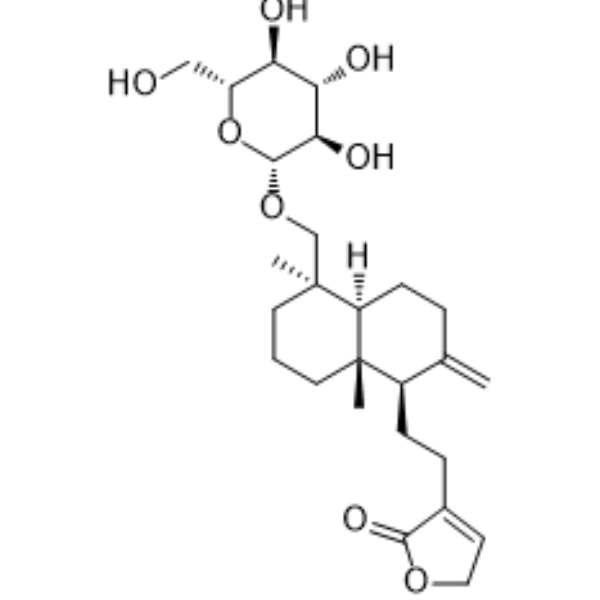
    Neoandrographolide is a diterpenoid compound isolated from Andrographis paniculata. Neoandrographolide inhibits osteoclasts differentiation and bone resorption through inhibition of MAPK/NF-κB/PI3K/AKT/GSK3β/PPAR/CAMK signaling pathway. Neoandrographolide inhibits apoptosis in rat embryonic ventricular cardiomyocytes. Neoandrographolide inhibits iNOS and the generation of ROS, activates eNOS, exhibiting anti-inflammatory and hypolipidemic activity .
    Neoandrographolide
  • HY-N7204
    4-Hydroxyderricin
    1 Publications Verification

    Monoamine Oxidase Dopamine β-hydroxylase Apoptosis Neurological Disease Inflammation/Immunology
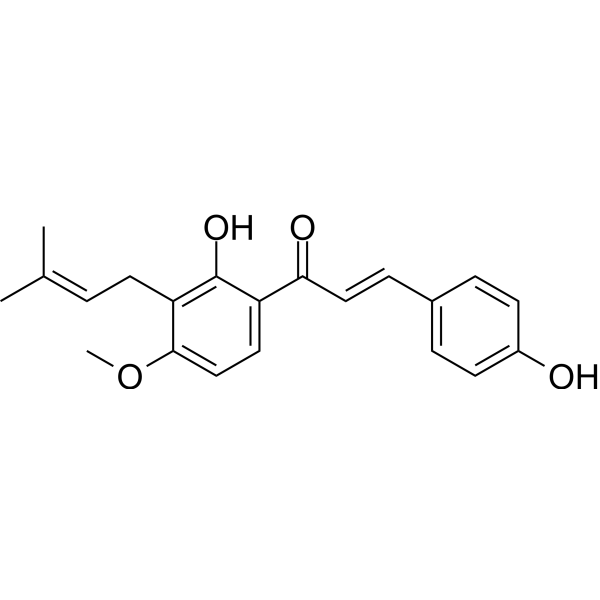
    4-Hydroxyderricin, the major active ingredients of Angelica keiskei Koidzumi, is an orally active, potent selective MAO-B (Monoamine oxidase inhibitors) inhibitor with an IC50 of 3.43 μM. 4-Hydroxyderricin also mildly inhibits dopamine β (DBH)-hydroxylase activity. 4-Hydroxyderricin has antidepressant activity, anti-allergic, anti-diabetic, anti-oxidant, and antitumor effects. 4-Hydroxyderricin promotes apoptosis and cell cycle arrest through regulating PI3K/AKT/mTOR pathway in hepatocellular cells. 4-Hydroxyderricin inhibits osteoclast formation and accelerates osteoblast differentiation . 4-Hydroxyderricin is promising for research of inflammatory diseases .
    4-Hydroxyderricin
  • HY-W012980
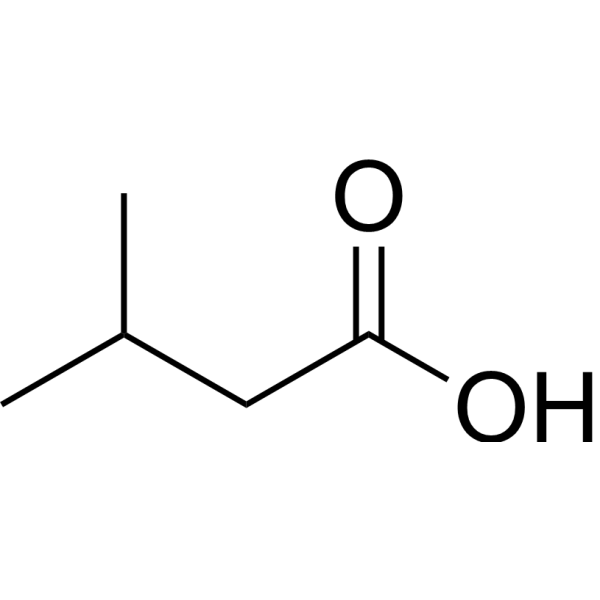
    Isovaleric acid
    1 Publications Verification

    Environmental Pollutants Endogenous Metabolite PKA AMPK Metabolic Disease
    Isovaleric acid is an oral active short-chain fatty acid that inhibits osteoclast differentiation by stimulating AMPK phosphorylation and promotes colonic smooth muscle relaxation by activating the cAMP/PKA pathway. Isovaleric acid can be used in research on skeletal diseases (such as osteoporosis) and intestinal disorders .
    Isovaleric acid
  • HY-10408
    Ki20227
    4 Publications Verification

    c-Fms VEGFR c-Kit PDGFR Inflammation/Immunology
    Ki20227 is an orally active and highly selective c-Fms tyrosine kinase (CSF1R) inhibitor with IC50s of 2 nM, 12 nM, 451 and 217 nM for CSF1R, VEGFR2 (vascular endothelial growth factor receptor-2), c-Kit (stem cell factor receptor) and PDGFRβ (platelet-derived growth factor receptor β). Ki20227 suppresses osteoclast differentiation and osteolytic bone destruction .
    Ki20227
  • HY-B0119
    Risedronic acid sodium
    2 Publications Verification

    Risedronate sodium

    Parasite Apoptosis Infection Metabolic Disease Cancer
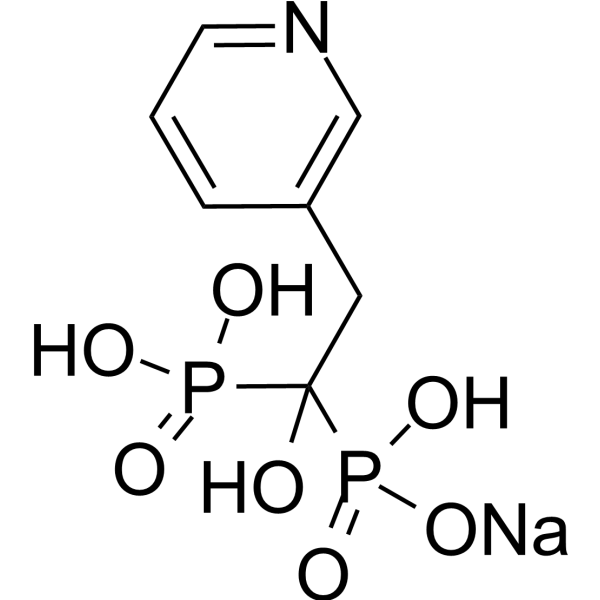
    Risedronic acid (Risedronate) sodium, a bisphosphonate, is a potent anti-resorption agent that inhibits osteoclast-mediated bone resorption and changes the bone metabolism. Risedronic acid sodium suppresses osteoblast differentiation and induced caspase- and isoprenoid depletion-dependent apoptosis. Risedronic acid sodium inhibits blood stages of Plasmodium falciparum (IC50 of 20.3 μM). Risedronic acid sodium inhibits the transfer of the farnesyl pyrophosphate group to parasite proteins .
    Risedronic acid sodium
  • HY-W008634
    Bropirimine
    2 Publications Verification

    U-54461; U-54461S; PNU-54461

    Toll-like Receptor (TLR) Cancer
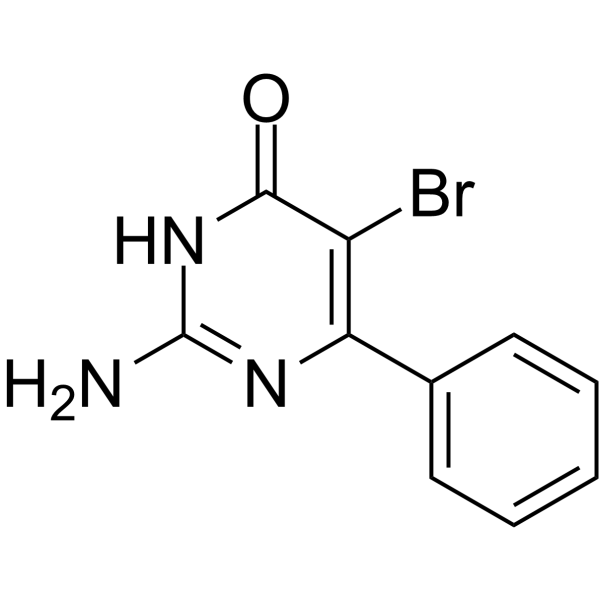
    Bropirimine (U-54461; U-54461S; PNU-54461) is an orally active TLR7 agonist. Bropirimine inhibits RANKL-induced osteoclast differentiation of mouse bone marrow-derived macrophages (BMMs). Bropirimine exhibits dose-dependent direct inhibitory effects on colony formation of cultured KK-47 and 724 cells. Bropirimine can be used for the study of cancers and bone metabolic disorders such as osteoporosis .
    Bropirimine
  • HY-P4373A
    Hepcidin-1 (mouse) TFA
    1 Publications Verification

    Cathepsin MMP Inflammation/Immunology
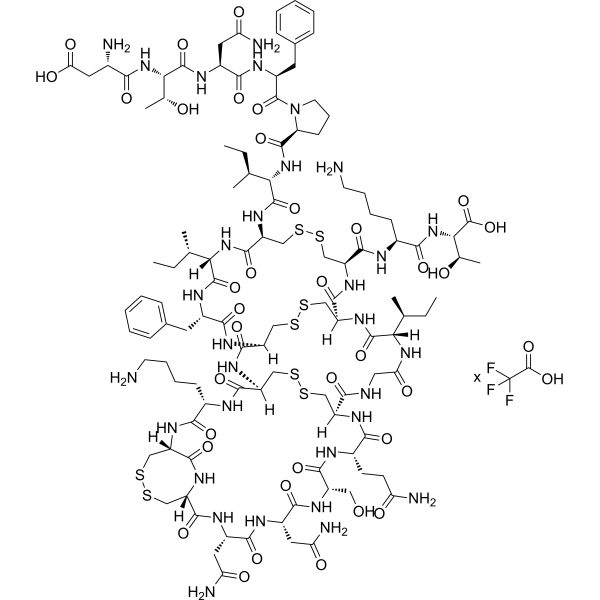
    Hepcidin-1 (mouse) TFA is an endogenous peptide hormone involved in the regulation of iron homeostasis. Hepcidin-1 (mouse) TFA upregulates mRNA levels of TRAP, cathepsin K, and MMP-9 and increases TRAP-5b protein secretion. Hepcidin-1 (mouse) TFA downregulates the level of FPN1 protein and increases intracellular iron. Hepcidin-1 (mouse) TFA facilitates osteoclast differentiation .
    Hepcidin-1 (mouse) TFA
  • HY-W016409
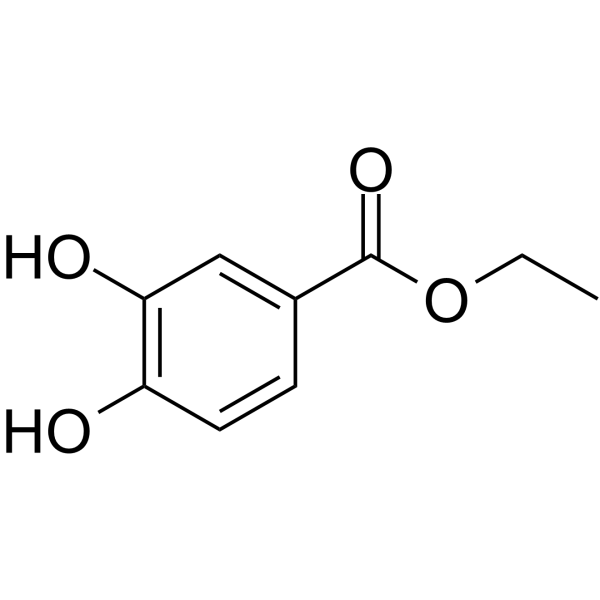
    Ethyl 3,4-dihydroxybenzoate
    1 Publications Verification

    Protocatechuic acid ethyl ester

    HIF/HIF Prolyl-Hydroxylase Reactive Oxygen Species (ROS) NO Synthase Autophagy Apoptosis Metabolic Disease Cancer
    Ethyl 3,4-dihydroxybenzoate (Protocatechuic acid ethyl ester) is an orally effective, blood-brain barrier-permeable, competitive prolyl hydroxylase (PHD) inhibitor that inhibits the hydroxylation modification of hypoxia-inducible factor (HIF) by PHD. Ethyl 3,4-dihydroxybenzoate stabilizes HIF-1α by inhibiting PHD, activates downstream pathways to induce autophagy and apoptosis of tumor cells, and regulates inflammatory responses, inhibits the NF-κB pathway, improves vascular permeability, and promotes osteoblast differentiation. Ethyl 3,4-dihydroxybenzoate has anti-tumor, anti-hypoxic injury, and bone metabolism regulation effects. It can also be used in the research of cardiovascular protection (such as reducing myocardial ischemic damage), bone tissue engineering (promoting osteogenesis/inhibiting osteoclast differentiation), and prevention and treatment of high-altitude cerebral edema .
    Ethyl 3,4-dihydroxybenzoate
  • HY-12398
    TEI-9647
    2 Publications Verification

    VD/VDR Metabolic Disease Inflammation/Immunology
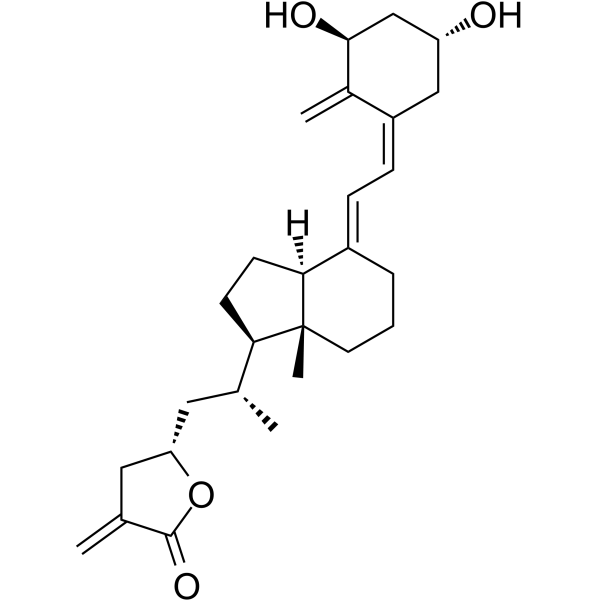
    TEI-9647, a Vitamin D3 Lactone analogue, is a potent and specific vitamin D receptor (VDR) antagonist. TEI-9647 inhibits VDR/VDRE-mediated genomic actions of 1α,25(OH)2D3. TEI-9647 inhibits bone resorption and HL-60 cell differentiation induced by of 1α,25(OH)2D3. TEI-9647 has the potential for suppressing the excessive bone resorption and osteoclast formation in Paget's disease .
    TEI-9647
  • HY-N1939
    Icariside I
    3 Publications Verification

    Icarisid I

    Apoptosis Reactive Oxygen Species (ROS) NOD-like Receptor (NLR) STAT CDK Bcl-2 Family Aryl Hydrocarbon Receptor JAK Caspase IFNAR PD-1/PD-L1 Neurological Disease Metabolic Disease Inflammation/Immunology Cancer
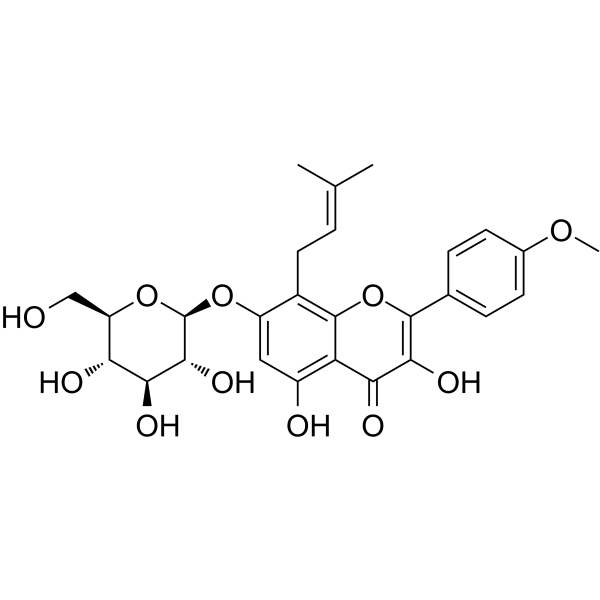
    Icariside I (GH01) is an orally active metabolite of icalin. Icariside I improves estrogen deficiency-induced osteoporosis by simultaneously regulating osteoblast and osteoclast differentiation. Icariside I promotes ATP (HY-B2176) or Nigericin (HY-127019)-induced mtROS production and NLRP3 inflammasome activation and causes idiosyncratic hepatotoxicity. Icariside I does not alter the activation of NLRC4 and AIM2 inflammasomes. Icariside I inhibits breast cancer proliferation, apoptosis, invasion, and metastasis by targeting the IL-6/STAT3 pathway. Icariside I is a kynurenine-AhR pathway inhibitor that alleviates cancer by blocking tumor immune escape .
    Icariside I
  • HY-N6624
    Skullcapflavone II
    2 Publications Verification

    Bacterial Inflammation/Immunology
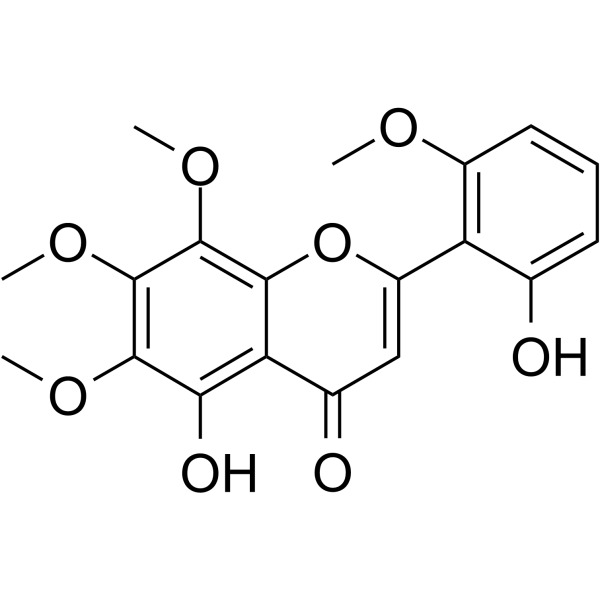
    Skullcapflavone II, a flavonoid derived from Scutellaria baicalensis, has anti-inflammatory, anti-microbial activities. Skullcapflavone II regulates osteoclast differentiation, survival, and function. Skullcapflavone II exerts potent antimicrobial activity against M. aurum and M. bovis BCG .
    Skullcapflavone II
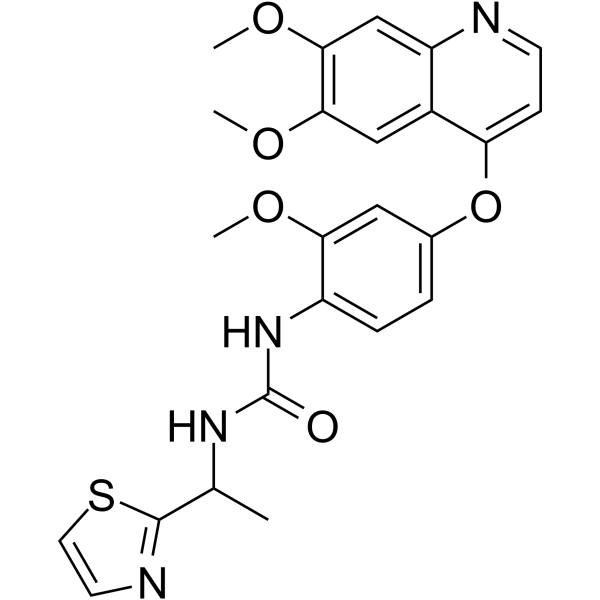
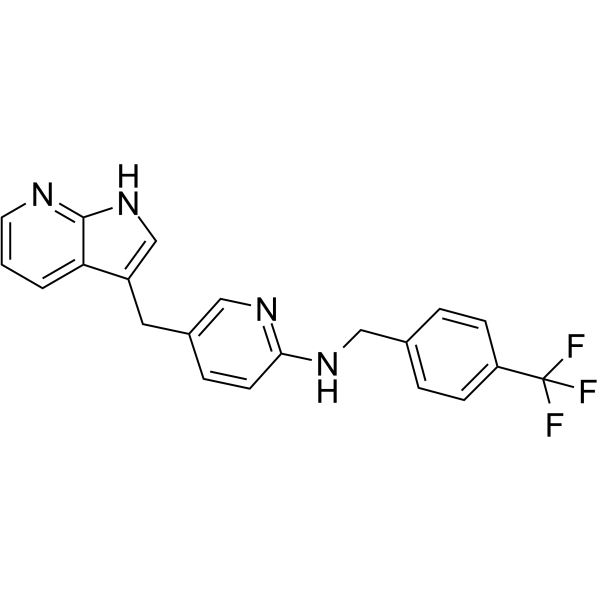
  • HY-13838

    c-Fms c-Kit Cancer
    PLX647 is an orally active, highly specific dual FMS and KIT kinase inhibitor, with IC50s of 28 and 16 nM, respectively. PLX647 shows selectivity for FMS and KIT over a panel of 400 kinases at a concentration of 1 μM except FLT3 and KDR (IC50s=91 and 130 nM, respectively) .
    PLX647
  • HY-W641445

    TRP Channel Inflammation/Immunology
    ELP-004 is a TRPC channel inhibitor and inhibtis TRPC channel-mediated Ca 2+ entry. ELP-004 is an osteoclast inhibitor and inhibits osteoclast differentiation. ELP-004 inhibits basal Ca 2+ and related NFATc1 translocation in inflammatory osteoclastogenesis. ELP-004 reduces bone erosion in a mouse model of rheumatoid arthritis .
    ELP-004
  • HY-W423191

    4-O-α-D-Glucopyranosyl-D-gluconic acid

    Nuclear Factor of activated T Cells (NFAT) Bacterial Infection Metabolic Disease
    Maltobionic acid (4-O-α-D-Glucopyranosyl-D-gluconic acid) is an orally active oligosaccharide and iron chelator with antibacterial activity. Maltobionic acid inhibits the expression of NFATc1, suppresses osteoclast differentiation, inhibits bone resorption, and increases serum calcitonin levels. Maltobionic acid protects mammalian cells from hydrogen peroxide (H2O2)-induced oxidative damage; resists fermentation by the gut microbiota; and exhibits anti-digestive and anti-fermentative properties. Maltobionic acid can be used in research related to osteoporosis, bacterial infections, and constipation .
    Maltobionic acid
  • HY-N3312

    p38 MAPK JNK NF-κB Metabolic Disease Inflammation/Immunology Cancer
    Matairesinol is an orally active bioactive compound with anti-inflammatory, antioxidant and anticancer activities. Matairesinol inhibits the phosphorylation of MAPK, JNK and NF-κB, downregulates RANKL-induced NFATc1 expression and activity, and suppresses the activation of the PI3K/AKT/FOXO1 pathway. Matairesinol can be used in research related to sepsis-mediated brain injury, osteoporosis, heart failure, atopic dermatitis and cancer .
    Matairesinol
  • HY-159838

    EI‐1071

    c-Fms Amyloid-β Neurological Disease Cancer
    Enrupatinib (EI‐1071) is a potent, orally active, CNS-penetrant and selective CSF1R inhibitor. Enrupatinib inhibits macrophage proliferation and osteoclast differentiation in vitro. Enrupatinib preserves microglia distal to plaques. Enrupatinib mitigates Alzheimer's disease (AD)-related pathologies by reducing neuroinflammation, preserving neuronal integrity, lowering disease-associated microglia gene expression, and enhancing cognitive function in 5xFAD and J20 mouse models. Enrupatinib reduces tumor-associated macrophage infiltration and enhances antitumor activity of anti-PD-1 antibody in murine colorectal cancer and breast cancer models. Enrupatinib can be used for the research of AD, colorectal cancer, and breast cancer .
    Enrupatinib
  • HY-N0853A
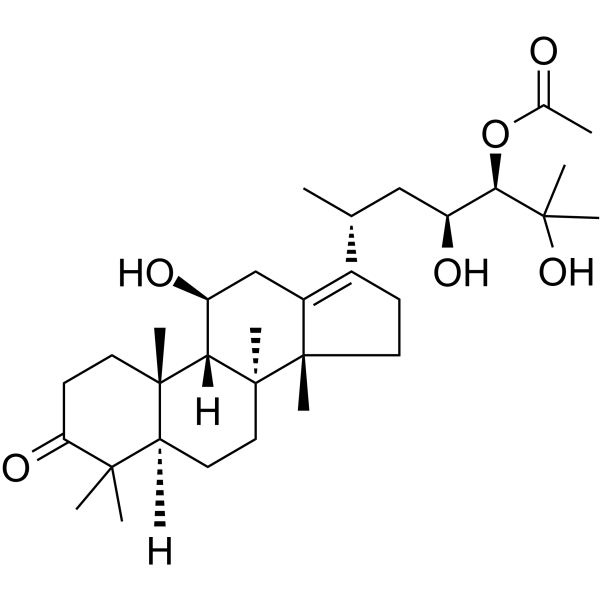
    Alisol A 24-acetate
    1 Publications Verification

    Alisol A 24-monoacetate; Alisol A monoacetate

    AMPK Carnitine Palmitoyltransferase (CPT) Acyltransferase Fatty Acid Synthase (FASN) Acetyl-CoA Carboxylase Bcl-2 Family PPAR Nuclear Factor of activated T Cells (NFAT) PI3K Akt PKA ERK Apoptosis Autophagy Cardiovascular Disease Infection Neurological Disease Metabolic Disease Endocrinology
    Alisol A 24-acetate (Alisol A monoacetate) is an orally active derivative of protostane-type tetracyclic triterpenoid. Alisol A 24-acetate upregulates the expression of adiponectin, AMPKα, CPT1, and ACOX1; downregulates the expression of SREBP-1c, ACC, FAS, Bcl-2, Bcl-xl, PPAR-γ, perilipin A, and NFATc1; inhibits the activity of PI3K/Akt/mTOR and HMGR; and activates the PKA and ERK signaling pathways. Alisol A 24-acetate regulates cell apoptosis (apoptosis), autophagy (Autophagy, hepatic lipid accumulation, inflammatory response, neuroprotection, MRSA membrane integrity, and osteoclast differentiation. Alisol A 24-acetate can be used in research related to non-alcoholic fatty liver disease, nephrotoxicity, obesity, global cerebral ischemia-reperfusion injury, bacterial infection, and osteoporosis .
    Alisol A 24-acetate
  • HY-124478

    Ethyl 2,5-dihydroxybenzoate

    Phosphatase Metabolic Disease
    Ethyl gentisate (Ethyl 2,5-dihydroxybenzoate) is a dual modulator for cell differentiation, that enhances the osteogenic differentiation of human mesenchymal stem cells (hMSCs) and alkaline phosphatase activity, inhibits RANKL-activated osteoclastogenesis in RAW264.7 cells, and balances the bone remodeling process .
    Ethyl gentisate
  • HY-W012980R

    Reference Standards Endogenous Metabolite AMPK PKA Metabolic Disease
    Isovaleric acid (Standard) is the analytical standard of Isovaleric acid. This product is intended for research and analytical applications. Isovaleric acid is an oral active short-chain fatty acid that inhibits osteoclast differentiation by stimulating AMPK phosphorylation and promotes colonic smooth muscle relaxation by activating the cAMP/PKA pathway. Isovaleric acid can be used in research on skeletal diseases (such as osteoporosis) and intestinal disorders .
    Isovaleric acid (Standard)
  • HY-124958

    NF-κB Dipeptidyl Peptidase Metabolic Disease Inflammation/Immunology
    NDMC101 is a potent osteoclastogenesis inhibitor and inhibits osteoclast differentiation via down-regulation of NFATc1-modulated gene expression. NDMC101 is similar to the DPP4 substrate and is a significant inhibitor of early T-cell activation via DPP4 inhibition. NDMC101can be used for study of bone disorders, such as rheumatoid arthritis, and synovial inflammation et al .
    NDMC101
  • HY-P4373

    Cathepsin MMP Metabolic Disease
    Hepcidin-1 (mouse) is an endogenous peptide hormone involved in the regulation of iron homeostasis. Hepcidin-1 (mouse) upregulates mRNA levels of TRAP, cathepsin K, and MMP-9 and increases TRAP-5b protein secretion. Hepcidin-1 (mouse) downregulates the level of FPN1 protein and increases intracellular iron. Hepcidin-1 (mouse) facilitates osteoclast differentiation .
    Hepcidin-1 (mouse)
  • HY-N9359

    Apoptosis Cardiovascular Disease
    Toddaculin is a natural coumarin that can induce differentiation and apoptosis in leukemic cells. Toddaculin suppresses excess osteoclast activity and enhances osteoblast differentiation and mineralization. Toddaculin also exhibits anti-inflammatory activity .
    Toddaculin
  • HY-116640

    AP-1 Nuclear Factor of activated T Cells (NFAT) AMPK Autophagy Metabolic Disease Inflammation/Immunology Endocrinology
    Amorphigenin is a trothotenone compound. Amorphigenin inhibits osteoclast differentiation by suppressing the expression of c-Fos and NFATc1 in activated T cells. Amorphigenin degrades melanosome proteins by activating the AMPK-dependent autophagy pathway, but not in dependence of the mTOR pathway. Amorphigenin significantly protects bone mass and reduces bone erosion in a mouse model of inflammatory bone loss. Amorphigenin can be used to study inflammatory bone diseases, postmenopausal osteoporosis, and skin pigmentation disorders .
    Amorphigenin
  • HY-168336

    PPAR Metabolic Disease
    E0924G is an orally active activator for PPARδ with EC50 of 2.82 μM. E0924G promotes the upregulation of osteoprotegerin (OPG) with an EC50 of 0.29 μM. E0924G reduces RANKL-induced osteoclast differentiation and inhibites F-actin ring formation in RAW264.7 macrophages. E0924G regulates the bone density and bone loss in ovariectomized (OVX) and age-related osteoporosis models .
    E0924G
  • HY-16275

    GS 9450; LB-84451

    Caspase Interleukin Related Inflammation/Immunology
    Nivocasan (GS 9450; LB-84451) is a pan-caspase inhibitor that irreversibly arrests caspase-1 activity and inhibits that of caspase-8. Nivocasan inhibits IL-1β cleavage and blocks osteoclast differentiation. Nivocasan inhibits the protein expression of NFATc1 and CSTK .
    Nivocasan
  • HY-107614G

    1-Oleoyl-sn-glycero-3-phosphate sodium; 1-Oleoyl-LPA sodium

    LPL Receptor ROCK TGF-beta/Smad TGF-β Receptor Neurological Disease Cancer
    1-Oleoyl lysophosphatidic acid sodium (GMP) is the GMP-grade form of 1-Oleoyl lysophosphatidic acid sodium (HY-107614). GMP-grade small molecules serve as auxiliary reagents in cell therapy. 1-Oleoyl lysophosphatidic acid sodium is a bioactive lipid signaling molecule. 1-Oleoyl lysophosphatidic acid sodium inhibits lysoPLD-catalyzed hydrolysis of lysophosphatidylcholine and FS-3. 1-Oleoyl lysophosphatidic acid sodium activates LPA1 and LPA2, thereby triggering calcium mobilization, NFATc1 translocation, Rho/ROCK activation, Smad2/3 phosphorylation and c-Fos expression. 1-Oleoyl lysophosphatidic acid sodium induces anxiety-like, depression-like and hypoactivity phenotypes, regulates osteoclast cytoskeleton and viability, reduces osteoclast bone resorptive activity, and drives mesenchymal stem cell differentiation into myofibroblast-like cells. 1-Oleoyl lysophosphatidic acid sodium stimulates the secretion of transforming growth factor-β1 and stromal cell-derived factor-1. 1-Oleoyl lysophosphatidic acid sodium is applicable to research related to anxiety, depression and ovarian cancer .
    1-Oleoyl lysophosphatidic acid sodium
  • HY-169703
    SPA0355
    1 Publications Verification

    RANKL/RANK p38 MAPK Akt NF-κB Inflammation/Immunology
    SPA0355 is a thiourea derivative that has antioxidant and anti-inflammatory properties. SPA0355 inhibits the RANKL (receptor activator of nuclear factor κB ligand) induced osteoclast formation in primary bone marrow-derived macrophages. SPA0355 also suppresses the activation of the MAPKs, Akt, and NF-κB pathways. Additionally, SPA0355 promotes osteoblast differentiation, increases alkaline phosphatase activity, and enhances mineral nodule formation. SPA0355 can protect ovariectomized mice from bone loss by stimulating osteoblast differentiation and inhibiting osteoclast resorption, making it useful for studying postmenopausal osteoporosis .
    SPA0355
  • HY-13777B

    Zoledronate disodium tetrahydrate; CGP 42446 disodium tetrahydrate; CGP42446A disodium tetrahydrate; ZOL 446 disodium tetrahydrate

    Apoptosis Autophagy Bacterial Metabolic Disease Cancer
    Zoledronic Acid (Zoledronate) disodium tetrahydrate is a third-generation bisphosphonate (BP), with potent anti-resorptive activity. Zoledronic Acid disodium tetrahydrate inhibits the differentiation and apoptosis of osteoclasts. Zoledronic Acid disodium tetrahydrate also has anti-cancer effects .
    Zoledronic acid disodium tetrahydrate
  • HY-13777S1

    Zoledronate-d3; CGP 42446-d3; CGP42446A-d3; ZOL 446-d3

    Isotope-Labeled Compounds Apoptosis Bacterial Autophagy Metabolic Disease Cancer
    Zoledronic acid-d3 (Zoledronate-d3) is the deuterium labeled Zoledronic acid (HY-13777). Zoledronic Acid (Zoledronate) is a third-generation bisphosphonate (BP), with potent anti-resorptive activity. Zoledronic Acid inhibits the differentiation and apoptosis of osteoclasts. Zoledronic Acid also has anti-cancer effects .
    Zoledronic acid-d3
  • HY-124824

    Glyoxalase (GLO) Others
    Methyl gerfelin inhibits osteoclast differentiation by binding 3 major cellular proteins: glyoxalase 1 (GLO1), sterol binding protein 2 (SCP2), and small glutamine-rich tetratricopeptide repeat containing protein A (SGTA). Methyl gerfelin is a potent GLO1 inhibitor related to the flavonoid class .
    Methyl gerfelin
  • HY-118482

    Saurolactam

    Others Neurological Disease
    Sauristolactam, a natural aristolactam isolated from aerial portions of Saururus chinensis, has significant neuroprotective activity against glutamate-induced toxicity in primary cultured rat cortical cells . Sauristolactam also inhibits the receptor activator of nuclear factor-κB ligand (RANKL)-induced osteoclastogenesis and has the potential to inhibit osteoclast differentiation .
    Sauristolactam
  • HY-134314

    Autophagy Endogenous Metabolite Nucleoside Antimetabolite/Analog Cardiovascular Disease Metabolic Disease Inflammation/Immunology
    8-Nitro-cGMP is an electrophilic second messenger of redox signaling that can form a protein-S-cGMP adduct in s-guanylation process. 8-Nitro-cGMP is an autophagy inducer. 8-Nitro-cGMP promotes RANKL-induced osteoclast differentiation from macrophages. 8-Nitro-cGMP has vasodilator effect, and ameliorates the vascular endothelial dysfunction in diabetic mice .
    8-Nitro-cGMP
  • HY-175669

    Chloride Channel Metabolic Disease Endocrinology
    ANO1-IN-5 is an orally active ANO1 inhibitor with an IC50 of 4.57 μM. J ANO1-IN-5 demonstrates 118-, 642-, and 10000-fold selectivity over α1A-1B-, andα1D-AR, respectively. ANO1-IN-5 exhibits significant inhibitory effects on osteoclast differentiation and function. ANO1-IN-5 can used for the study of osteoporosis .
    ANO1-IN-5
  • HY-N0721R

    Neoandrographiside (Standard)

    Reference Standards ERK p38 MAPK JNK NF-κB PI3K PPAR GSK-3 NO Synthase Reactive Oxygen Species (ROS) Apoptosis Cardiovascular Disease Metabolic Disease Inflammation/Immunology
    Neoandrographolide (Standard) is the analytical standard of Neoandrographolide. This product is intended for research and analytical applications. Neoandrographolide is a diterpenoid compound isolated from Andrographis paniculata. Neoandrographolide inhibits osteoclasts differentiation and bone resorption through inhibition of MAPK/NF-κB/PI3K/AKT/GSK3β/PPAR/CAMK signaling pathway. Neoandrographolide inhibits apoptosis in rat embryonic ventricular cardiomyocytes. Neoandrographolide inhibits iNOS and the generation of ROS, activates eNOS, exhibiting anti-inflammatory and hypolipidemic activity .
    Neoandrographolide (Standard)
  • HY-168090

    p38 MAPK NF-κB RANKL/RANK Endocrinology
    Anti-osteoporosis agent-11 (compound 3k) is an anti-osteoporosis compound targeting osteoclasts. Anti-osteoporosis agent-11 has the most significant inhibitory effect on osteoclast differentiation, with an IC50 value of 0.36 μM. In addition, Anti-osteoporosis agent-11 inhibits osteoclast formation, bone resorption, and the expression of osteoclast-specific genes by blocking rankl-induced mitogen-activated protein kinase (MAPK) and NF-κB signaling pathways .
    Anti-osteoporosis agent-11
  • HY-115720

    Drug Derivative Inflammation/Immunology
    Betulinic acid derivative-1 exhibits distinguished activities on inhibiting osteoclast (OC) differentiation with an IC50 value of 1.86 μM.
    Betulinic acid derivative-1
  • HY-N11494

    NF-κB Others
    Dauricumine is a chlorinated alkaloid that inhibits NF-κB ligand-induced differentiation of mouse bone marrow-derived macrophages into multinucleated osteoclasts .
    Dauricumine
  • HY-N1098R

    Reference Standards HIF/HIF Prolyl-Hydroxylase Inflammation/Immunology
    Colchiceine (Standard) is the analytical standard of Colchiceine. This product is intended for research and analytical applications. Colchiceine is one of several metabolites of the anti-gout medication Colchicine (HY-16569). Colchicine is a tubulin inhibitor and a microtubule disrupting agent, and may protect rats from developing liver injury and fibrosis .
    Velutin (Standard)
  • HY-N12836

    Others Metabolic Disease
    Peniditerpenoid A is a di-seco-indole diterpenoid. Peniditerpenoid A decreases the expression of p-IkBαby RANKL induced. Peniditerpenoid A inhibits RANKL induced osteoclast differentiation. Peniditerpenoid A has the potential for the research of osteoporosis .
    Peniditerpenoid A
  • HY-155550

    c-Fms Inflammation/Immunology
    CSF1R-IN-17 (compound 9) is a potent and selective CSF1R antagonist, with an IC50 of 0.2 nM. CSF1R-IN-17 can inhibit osteoclast differentiation .
    CSF1R-IN-17
  • HY-13777R

    Zoledronate (Standard); CGP 42446 (Standard); CGP42446A (Standard); ZOL 446 (Standard)

    Reference Standards Apoptosis Autophagy Bacterial Metabolic Disease Cancer
    Zoledronic Acid (Standard) is the analytical standard of Zoledronic Acid. This product is intended for research and analytical applications. Zoledronic Acid (Zoledronate) is a third-generation bisphosphonate (BP), with potent anti-resorptive activity. Zoledronic Acid inhibits the differentiation and apoptosis of osteoclasts. Zoledronic Acid also has anti-cancer effects .
    Zoledronic Acid (Standard)
  • HY-13777AR

    Zoledronate monohydrate (Standard); CGP 42446 monohydrate (Standard); CGP42446A monohydrate (Standard); ZOL 446 monohydrate (Standard)

    Reference Standards Apoptosis Autophagy Bacterial Metabolic Disease Cancer
    Zoledronic acid (monohydrate) (Standard) is the analytical standard of Zoledronic acid (monohydrate). This product is intended for research and analytical applications. Zoledronic acid monohydrate (Zoledronate monohydrate) is a third-generation bisphosphonate (BP), with potent anti-resorptive activity. Zoledronic acid monohydrate inhibits the differentiation and apoptosis of osteoclasts. Zoledronic acid monohydrate also has anti-cancer effects .
    Zoledronic acid monohydrate (Standard)
  • HY-149472

    NF-κB PI3K Inflammation/Immunology
    Anti-osteoporosis agent-4 (Compound 11h) inhibits differentiation of primary osteoclasts. Anti-osteoporosis agent-4 attenuates RANKL-induced osteoclastogenesis. Anti-osteoporosis agent-4 inhibits osteoclast formation with an IC50 value of 358.29 nM. Anti-osteoporosis agent-4 inhibits PI3K/AKT and IκBα/NF-κB signaling pathway activation .
    Anti-osteoporosis agent-4
  • HY-N12507

    STING NF-κB Others
    Eupenicisirenin C (compound 1) is a sirenin derivative. Eupenicisirenin C has strong NF-κB inhibitory activities. Eupenicisirenin C suppresses effects on cGAS-STING pathway. Eupenicisirenin C inhibits RANKL-induced osteoclast differentiation in bone marrow macrophage cells .
    Eupenicisirenin C
  • HY-13777S

    Zoledronate-d5; CGP 42446-d5; CGP42446A-d5; ZOL 446-d5

    Bacterial Apoptosis Autophagy Isotope-Labeled Compounds Metabolic Disease Cancer
    Zoledronic acid-d5 is deuterated labeled Zoledronic Acid (HY-13777). Zoledronic Acid (Zoledronate) is a third-generation bisphosphonate (BP), with potent anti-resorptive activity. Zoledronic Acid inhibits the differentiation and apoptosis of osteoclasts. Zoledronic Acid also has anti-cancer effects .
    Zoledronic acid-d5
  • HY-N13219

    Others Metabolic Disease
    Angelica Extract is an angelica extract, and its components include: Ligustilide. Angelica Extract can effectively inhibit the differentiation of osteoclasts, regulate osteoclastogenesis and/or bone loss. Angelica Extract has the potential to be used in the study of various bone diseases caused by excessive bone resorption. .
    Angelica Extract
  • HY-123503

    JNK NF-κB Neurological Disease Inflammation/Immunology
    Salicortin, a phenolic glycoside, has been isolated from many plants such as Populus and Salix species. Salicortin inhibits osteoclast differentiation and bone resorption by down-regulating JNK and NF-κB/NFATc1 signaling pathways. Salicortin has anti-amnesic, anti-adipogenic, and immune-modulatory activity .
    Salicortin

Inquiry Online

Your information is safe with us. * Required Fields.

Salutation


Country or Region *

Applicant Name *


Organization Name *

Department *


Email Address *


Product Name *

Cat. No.


Requested quantity *

Phone Number *


Remarks

Inquiry Online

Inquiry Information

Product Name:
Cat. No.:
Quantity:
MCE Japan Authorized Agent:

