
Search Result
Results for "
plant-derived
" in MedChemExpress (MCE) Product Catalog:
1
Biochemical Assay Reagents
5
Isotope-Labeled Compounds
| Cat. No. |
Product Name |
Target |
Research Areas |
Chemical Structure |
-
- HY-15097
-
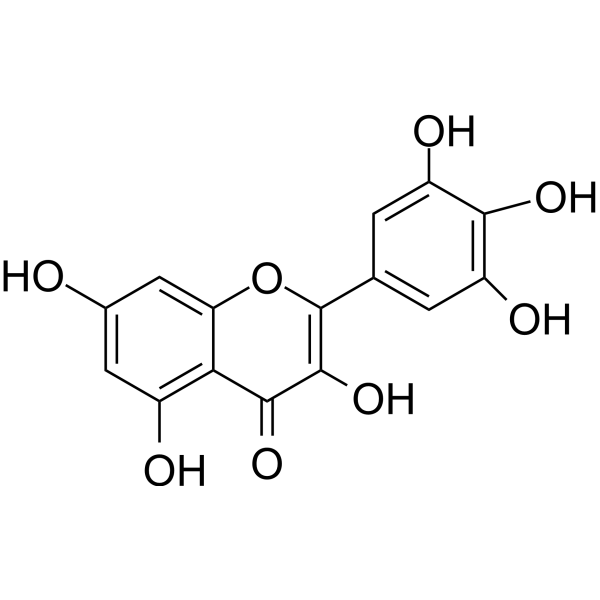
Myricetin
Maximum Cited Publications
29 Publications Verification
Cannabiscetin
|
PI3K
Apoptosis
Autophagy
Endogenous Metabolite
|
Cancer
|
|
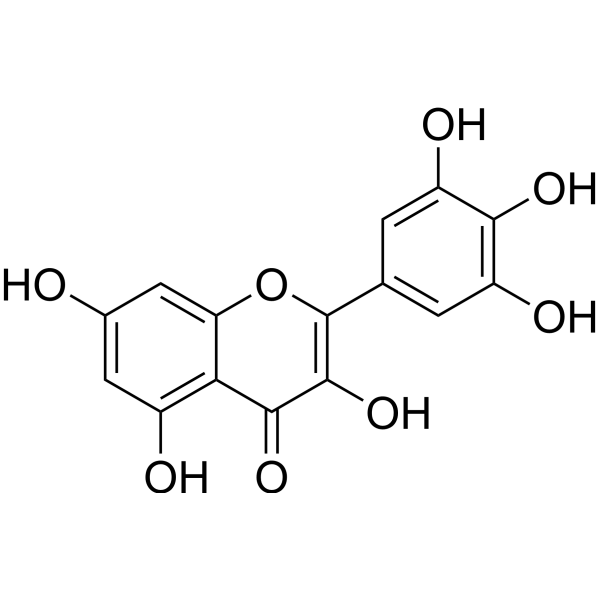
Myricetin is a common plant-derived flavonoid with a wide range of activities including strong anti-oxidant, anticancer, antidiabetic and anti-inflammatory activities.
|
-
-
- HY-N0124
-
|
Collettiside III; CCRIS 4123
|
Autophagy
Apoptosis
|
Cardiovascular Disease
Cancer
|
|
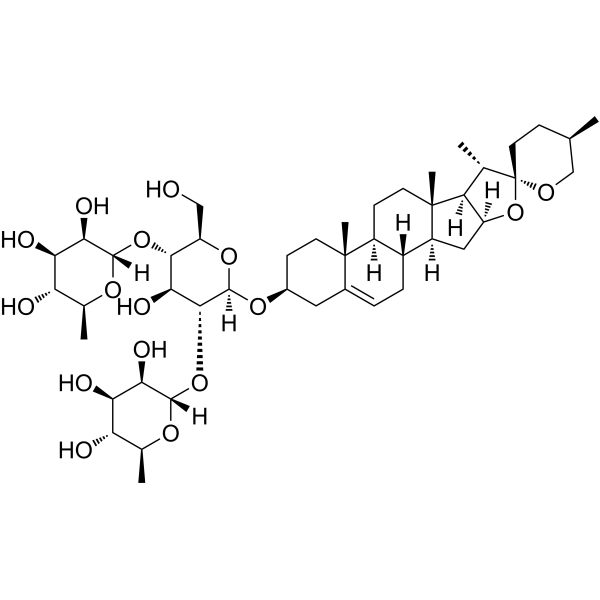
Dioscin (CCRIS 4123; Collettiside III) is a natural plant-derived steroidal saponin that has good anti-cancer activity against a variety of cancer cells. Dioscin causes DNA damage and induces apoptosis in HeLa and SiHa cells. Dioscin regulates ROS-mediated DNA damage and mitochondrial signaling pathways, exerting anticancer activity .
|
-
-
- HY-N0823
-
-
-
- HY-N0621
-
-
-
- HY-N2079
-
-
-
- HY-N2489
-
|
Brassinosteroid BB 16; DI 31
|
Biochemical Assay Reagents
|
Others
|
|
5α-Hydroxy-laxogenin (Brassinosteroid BB 16; DI 31) is a derivative of laxogenin, a spirostane-type steroid. 5α-Hydroxy-laxogenin serves as a plant-derived anabolic agent and is used as a dietary supplement .
|
-
-
- HY-W923189
-
|
|
Interleukin Related
COX
TNF Receptor
NOD-like Receptor (NLR)
NO Synthase
PERK
p38 MAPK
Reactive Oxygen Species (ROS)
Caspase
Autophagy
Herbicide
|
Inflammation/Immunology
Cancer
|
|
Neral is a plant-derived anti-inflammatory, antioxidant and anticancer agent. Neral inhibits the phosphorylation of ERK1/2, p38 MAPK and IκB in macrophages induced by LPS (HY-D1056), suppresses the secretion of TNF-α and IL-6, as well as the expression of pro-IL-1β, iNOS and COX-2 in cells, and reduces the production of ROS in cells. Neral inhibits the activation of the NLRP3 inflammasome, and decreases the activation of caspase-1 and the secretion of IL-1β in mouse macrophages. Neral induces autophagy, and exhibits antiproliferative activity both in in vitro breast cancer cell models and mouse xenograft models. Neral regulates brassinosteroid, jasmonic acid and ethylene signaling pathways, and induces the expression of AP2/ERF-ERF and bHLH family genes in rice roots. Neral acts as a herbicide safener, alleviates the damage induced by Fenoxaprop-P-ethyl (HY-B2013), and promotes the elongation of rice roots. Neral can be used in research related to breast cancer, inflammatory and immune system diseases, and herbicide safeners .
|
-
-
- HY-N1780
-
|
|
Tyrosinase
Bacterial
|
Infection
|
|
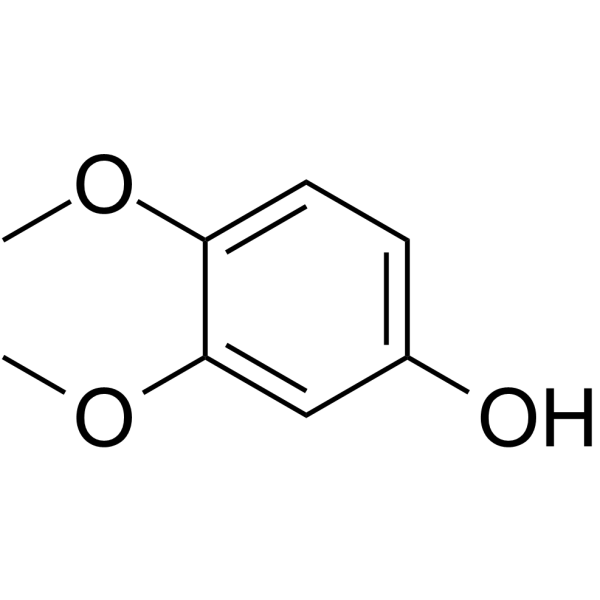
3,4-Dimethoxyphenol is a plant-derived phenylpropanoid compound and can use as a whitening agent in cosmetics. 3,4-Dimethoxyphenol exhibits broad-spectrum antimicrobial activity. 3,4-Dimethoxyphenol has tyrosinase-inhibiting activity. 3,4-Dimethoxyphenol has potent antioxidant effect isolated from the bacterial fermentation broth. 3,4-Dimethoxyphenol can be used for the study of infection .
|
-
-
- HY-N7058
-
|
|
Environmental Pollutants
Insecticide
|
Others
|
|
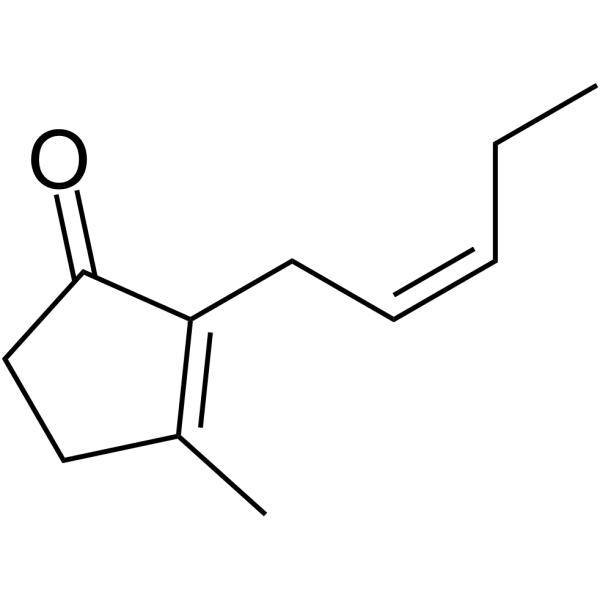
Cis-Jasmone is a plant-derived natural product. Cis-Jasmone is constitutively released by many flowers and sometimes by leaves as an attractant for pollinators or as a chemical cue for host location by insect flower herbivores. Cis-Jasmone treatment of crop plants not only induces direct defense against herbivores, but also induces indirect defense by releasing VOCs that attract natural enemies .
|
-
-
- HY-W010435
-
-
-
- HY-A0104B
-
|
Hypromellose (Type I,Viscosity:100mPa.s); (Hydroxypropyl)methyl cellulose (Type I,Viscosity:100mPa.s); Celacol HPM 5000 (Type I,Viscosity:100mPa.s)
|
Environmental Pollutants
Biochemical Assay Reagents
|
Others
|
|
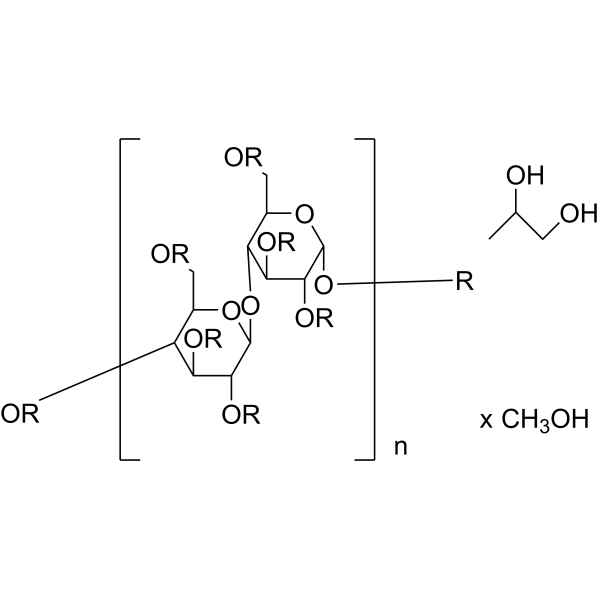
HPMC (Type I, Viscosity: 100 mPa·s) is a nonionic polymer obtained via synthetic modification of cellulose. As a hydrophilic matrix material, HPMC prolongs drug release through non-Fickian diffusion, including the diffusion of drugs within the hydrated matrix and the polymer relaxation process .
|
-
-
- HY-126067
-
|
|
Glycosidase
Apoptosis
|
Inflammation/Immunology
|
|
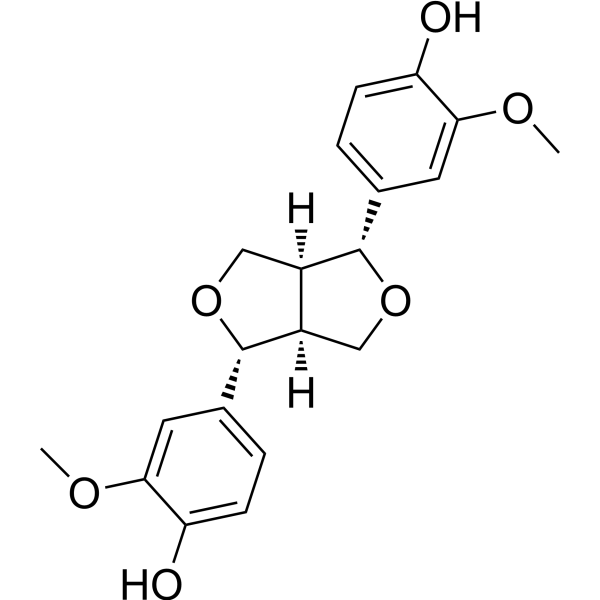
(-)-Pinoresinol is a plant-derived tetrahydrofuran lignan that inhibits α-glucosidase and acts as a hypoglycemic agent. (-)-Pinoresinol has some anti-inflammatory effects and acts as a chemopreventive agent, inducing increased apoptosis and cell cycle G2/M arrest .
|
-
-
- HY-135737
-
|
Dioctyl carbonate
|
Others
|
Others
|
|
Dicaprylyl carbonate, a solid, plant-derived fat, is a dry emollient. Dicaprylyl carbonate has excellent dermatological compatibility and a comprehensive performance profile, such as solubilizing and dispersing ability for sun-care filters .
|
-
-
- HY-15097R
-
|
Cannabiscetin (Standard)
|
Reference Standards
Apoptosis
Autophagy
Endogenous Metabolite
|
Cancer
|
|
Myricetin (Standard) is the analytical standard of Myricetin. This product is intended for research and analytical applications. Myricetin is a common plant-derived flavonoid with a wide range of activities including strong anti-oxidant, anticancer, antidiabetic and anti-inflammatory activities.
|
-
-
- HY-W717504
-
|
|
Drug Derivative
|
|
|
Glucosylceramide, plant is a plant-derived glycolipid with anti-inflammatory and immunomodulatory activities. Glucosylceramide, plant plays an important role in promoting cell proliferation and repair. Glucosylceramide, plant is widely used in skin care products to enhance skin barrier function. Glucosylceramide, plant has also been studied for improving nervous system health, showing potential neuroprotective effects.
|
-
-
- HY-N0124R
-
|
Collettiside III (Standard); CCRIS 4123 (Standard)
|
Reference Standards
Autophagy
Apoptosis
|
Cardiovascular Disease
Cancer
|
|
Dioscin (Standard) is the analytical standard of Dioscin. This product is intended for research and analytical applications. Dioscin (CCRIS 4123; Collettiside III) is a natural plant-derived steroidal saponin that has good anti-cancer activity against a variety of cancer cells. Dioscin causes DNA damage and induces apoptosis in HeLa and SiHa cells. Dioscin regulates ROS-mediated DNA damage and mitochondrial signaling pathways, exerting anticancer activity .
|
-
-
- HY-163462
-
|
|
Fungal
|
Infection
|
|
Poacic Acid is a plant-derived stilbenoid with an antifungal activity. Poacic Acid localizes to the yeast cell wall and disrupts the production and assembly of β-1,3-glucan in the fungal cell walls. Poacic Acid exhibits fungicidal activity to Saccharomyces cerevisiae and plasma membrane-compromised Candida albicans mutants .
|
-
-
- HY-15097S
-
-
-
- HY-N10414
-
|
Primulasaponin 1; Primula acid I
|
Bacterial
|
Others
|
|
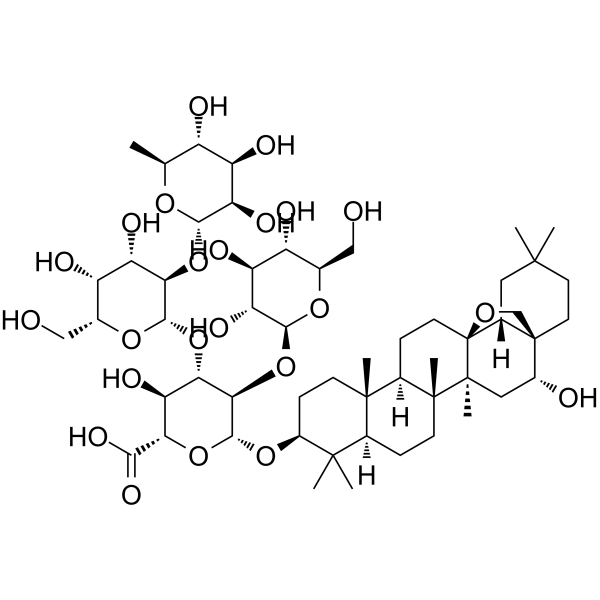
Primulic acid I (Primulasaponin 1) is a plant-derived triterpenoid saponin with one sugar chain (monodesmoid) .
|
-
-
- HY-N7058R
-
|
|
Reference Standards
Insecticide
|
Others
|
|
cis-Jasmone (Standard) is the analytical standard of cis-Jasmone. This product is intended for research and analytical applications. Cis-Jasmone is a plant-derived natural product. Cis-Jasmone is a plant-derived natural product. Cis-Jasmone is constitutively released by many flowers and sometimes by leaves as an attractant for pollinators or as a chemical cue for host location by insect flower herbivores. Cis-Jasmone treatment of crop plants not only induces direct defense against herbivores, but also induces indirect defense by releasing VOCs that attract natural enemies .
|
-
-
- HY-W010435R
-
-
-
- HY-W017611
-
|
|
Environmental Pollutants
Reactive Oxygen Species (ROS)
Fungal
DNA/RNA Synthesis
|
Infection
|
|
4-Propylphenol is a plant-derived phenolic compound. 4-Propylphenol causes an increase in ROS within the Fusarium graminearum cells, leading to damage to the DNA and cell membranes of the mycelia, effectively inhibiting the growth of the mycelia. 4-Propylphenol also has a growth inhibitory effect on walnut pathogenic fungi (C. gloeosporioides, C. siamense, A. alternata), with its EC50 ranging from 29.11 to 31.89 mg/L, and it also inhibits spore germination, with EC50 being 55.04-71.85 mg/L. 4-Propylphenol can be used in the research of fungal diseases in walnuts and wheat Fusarium head blight .
|
-
-
- HY-N7644
-
|
|
Others
|
Others
|
|
Comanthoside A is a plant derived natural flavonoid glycoside isolated from the leaves of Comanthosphace japonica. Comanthoside A also serves as a key intermediate for the synthesis of Comanthoside B and Linaroside .
|
-
-
- HY-N9376
-
|
|
NO Synthase
|
Inflammation/Immunology
|
|
Kansuinine E is a plant-derived nitric oxide inhibitor (IC50=6.3 μM). Kansuinine E belongs to jatrophane-type diterpenoids and is isolated from the roots of E. kansui .
|
-
-
- HY-N0151
-
-
-
- HY-N0621R
-
|
|
Reference Standards
Others
|
Cancer
|
|
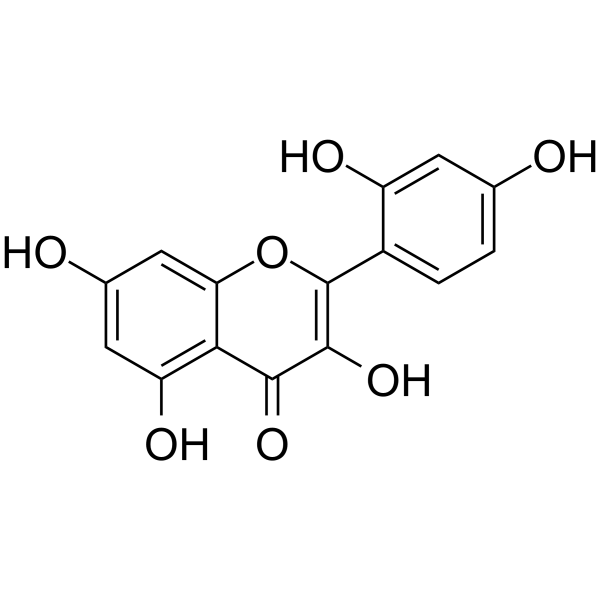
Morin (Standard) is the analytical standard of Morin. This product is intended for research and analytical applications. Morin, a plant-derived flavonoid, possesses low antioxidant activity. Morin is a fluorescing chelating agent used in aluminum speciation .
|
-
-
- HY-N7284
-
-
-
- HY-N1780R
-
|
|
Reference Standards
Tyrosinase
Bacterial
|
Infection
|
|
3,4-Dimethoxyphenol (Standard) is the analytical standard of Lithocholic acid. This product is intended for research and analytical applications. 3,4-Dimethoxyphenol is a plant-derived phenylpropanoid compound and can use as a whitening agent in cosmetics. 3,4-Dimethoxyphenol exhibits broad-spectrum antimicrobial activity. 3,4-Dimethoxyphenol has tyrosinase-inhibiting activity. 3,4-Dimethoxyphenol has potent antioxidant effect isolated from the bacterial fermentation broth. 3,4-Dimethoxyphenol can be used for the study of infection .
|
-
-
- HY-N2079R
-
-
-
- HY-N10414R
-
|
Primulasaponin 1 (Standard); Primula acid I (Standard)
|
Insecticide
Reference Standards
|
Others
|
|
Primulic acid I (Standard) is the analytical standard of Primulic acid I. This product is intended for research and analytical applications. Primulic acid I (Primulasaponin 1) is a plant-derived triterpenoid saponin with one sugar chain (monodesmoid) .
|
-
-
- HY-N0823R
-
-
-
- HY-16445BR
-
|
|
Reference Standards
Nucleoside Antimetabolite/Analog
Drug Metabolite
Apoptosis
DNA/RNA Synthesis
|
Cancer
|
|
Dioscin (Standard) is the analytical standard of Dioscin. This product is intended for research and analytical applications. Dioscin (CCRIS 4123; Collettiside III) is a natural plant-derived steroidal saponin that has good anti-cancer activity against a variety of cancer cells. Dioscin causes DNA damage and induces apoptosis in HeLa and SiHa cells. Dioscin regulates ROS-mediated DNA damage and mitochondrial signaling pathways, exerting anticancer activity .
|
-
-
- HY-N7058S
-
|
|
Isotope-Labeled Compounds
Insecticide
|
Others
|
|
Cis-Jasmone-d2 is deuterated labeled Cis-Jasmone (HY-N7058). Cis-Jasmone is a plant-derived natural product. Cis-Jasmone is constitutively released by many flowers and sometimes by leaves as an attractant for pollinators or as a chemical cue for host location by insect flower herbivores. Cis-Jasmone treatment of crop plants not only induces direct defense against herbivores, but also induces indirect defense by releasing VOCs that attract natural enemies .
|
-
-
- HY-W017140S
-
|
SBMP-d3
|
Isotope-Labeled Compounds
|
Others
|
|
2-Sec-butyl-3-methoxypyrazine-d3 is deuterated labeled cis-?Jasmone (HY-N7058). Cis-Jasmone is a plant-derived natural product. Cis-Jasmone is constitutively released by many flowers and sometimes by leaves as an attractant for pollinators or as a chemical cue for host location by insect flower herbivores. Cis-Jasmone treatment of crop plants not only induces direct defense against herbivores, but also induces indirect defense by releasing VOCs that attract natural enemies .
|
-
-
- HY-W782193
-
-
-
- HY-W017611S
-
|
|
Isotope-Labeled Compounds
Fungal
Reactive Oxygen Species (ROS)
DNA/RNA Synthesis
|
Infection
|
|
4-Propylphenol-d12 is the deuterium labeled 4-Propylphenol. 4-Propylphenol is a plant-derived phenolic compound. 4-Propylphenol causes an increase in ROS within the Fusarium graminearum cells, leading to damage to the DNA and cell membranes of the mycelia, effectively inhibiting the growth of the mycelia. 4-Propylphenol also has a growth inhibitory effect on walnut pathogenic fungi (C. gloeosporioides, C. siamense, A. alternata), with its EC50 ranging from 29.11 to 31.89 mg/L, and it also inhibits spore germination, with EC50 being 55.04-71.85 mg/L. 4-Propylphenol can be used in the research of fungal diseases in walnuts and wheat Fusarium head blight.
|
-
-
- HY-N0322D
-
-
-
- HY-N9664
-
|
|
SARS-CoV
Virus Protease
|
Infection
|
|
Crepidiaside B is a plant-derived active component that can be found in Cichorium intybus. Crepidiaside B acts as a SARS-CoV-2 spike glycoprotein inhibitor and is used in research related to coronavirus disease 2019 (COVID-19) .
|
-
-
- HY-N17908
-
|
|
CCR
|
Inflammation/Immunology
|
|
Viscumneoside V is a plant-derived anti-inflammatory agent present in Viscum album var. coloratum. Viscumneoside V inhibits the expression of MCP-1 and promotes the production of RANTES in LPS-stimulated immune cells. Viscumneoside V can be used for research related to skin rashes .
|
-
-
- HY-N17632
-
|
|
Estrogen Receptor/ERR
Akt
MELK
COX
Apoptosis
|
Inflammation/Immunology
Cancer
|
|
Moracin G is a plant-derived kinase modulator and receptor ligand that forms stable bindings with multiple key proteins (AKT1, COX2 and Estrogen receptor 1) and competitively inhibits the activity of specific kinases. By binding to MELK to disrupt cell cycle regulation, Moracin G impairs the survival and proliferation of cancer cells, induces cancer cell apoptosis, and thereby exerts anti-tumor potential. Moracin G can be used in research related to periodontitis and breast cancer .
|
-
-
- HY-N18288
-
|
|
Insecticide
|
Infection
|
|
6''-O-(3'''-Hydroxy-3'''-methylglutaryl) vitexin is an orally active flavonoid glycoside and insecticide that can be isolated from the twigs of Eleusine coracana. 6''-O-(3'''-Hydroxy-3'''-methylglutaryl) vitexin exhibits distinct antifeedant activity against Nilaparvata lugens (brown planthopper) nymphs and effectively inhibits their feeding behavior. 6''-O-(3'''-Hydroxy-3'''-methylglutaryl) vitexin can serve as a plant-derived natural defense substance for regulating pest behavior and investigating potential control mechanisms of agricultural pests .
|
-
| Cat. No. |
Product Name |
Type |
-
- HY-A0104B
-
|
Hypromellose (Type I,Viscosity:100mPa.s); (Hydroxypropyl)methyl cellulose (Type I,Viscosity:100mPa.s); Celacol HPM 5000 (Type I,Viscosity:100mPa.s)
|
Biochemical Assay Reagents
|
|
HPMC (Type I, Viscosity: 100 mPa·s) is a nonionic polymer obtained via synthetic modification of cellulose. As a hydrophilic matrix material, HPMC prolongs drug release through non-Fickian diffusion, including the diffusion of drugs within the hydrated matrix and the polymer relaxation process .
|
| Cat. No. |
Product Name |
Category |
Target |
Chemical Structure |
-
- HY-15097
-
-
-
- HY-N0124
-
-
-
- HY-N0823
-
-
-
- HY-N0621
-
-
-
- HY-N2079
-
-
-
- HY-N1780
-
-
-
- HY-N7058
-
-
-
- HY-W010435
-
-
-
- HY-126067
-
-
-
- HY-135737
-
-
-
- HY-15097R
-
-
-
- HY-N0124R
-
|
Collettiside III (Standard); CCRIS 4123 (Standard)
|
Structural Classification
other families
Plants
Steroids
Source Classification
|
Reference Standards
Autophagy
Apoptosis
|
|
Dioscin (Standard) is the analytical standard of Dioscin. This product is intended for research and analytical applications. Dioscin (CCRIS 4123; Collettiside III) is a natural plant-derived steroidal saponin that has good anti-cancer activity against a variety of cancer cells. Dioscin causes DNA damage and induces apoptosis in HeLa and SiHa cells. Dioscin regulates ROS-mediated DNA damage and mitochondrial signaling pathways, exerting anticancer activity .
|
-
-
- HY-N7058R
-
|
|
Structural Classification
Oleaceae
Ketones, Aldehydes, Acids
Jasminum sambac (L.) Aiton
Plants
Source Classification
|
Reference Standards
Insecticide
|
|
cis-Jasmone (Standard) is the analytical standard of cis-Jasmone. This product is intended for research and analytical applications. Cis-Jasmone is a plant-derived natural product. Cis-Jasmone is a plant-derived natural product. Cis-Jasmone is constitutively released by many flowers and sometimes by leaves as an attractant for pollinators or as a chemical cue for host location by insect flower herbivores. Cis-Jasmone treatment of crop plants not only induces direct defense against herbivores, but also induces indirect defense by releasing VOCs that attract natural enemies .
|
-
-
- HY-W010435R
-
-
-
- HY-N7644
-
-
-
- HY-N9376
-
-
-
- HY-N0151
-
-
-
- HY-N0621R
-
-
-
- HY-N7284
-
-
-
- HY-N1780R
-
|
|
Structural Classification
Monophenols
Microorganisms
Phenols
Source Classification
|
Reference Standards
Tyrosinase
Bacterial
|
|
3,4-Dimethoxyphenol (Standard) is the analytical standard of Lithocholic acid. This product is intended for research and analytical applications. 3,4-Dimethoxyphenol is a plant-derived phenylpropanoid compound and can use as a whitening agent in cosmetics. 3,4-Dimethoxyphenol exhibits broad-spectrum antimicrobial activity. 3,4-Dimethoxyphenol has tyrosinase-inhibiting activity. 3,4-Dimethoxyphenol has potent antioxidant effect isolated from the bacterial fermentation broth. 3,4-Dimethoxyphenol can be used for the study of infection .
|
-
-
- HY-N2079R
-
-
-
- HY-N0823R
-
-
-
- HY-N0322D
-
-
-
- HY-N9664
-
-
-
- HY-N17908
-
-
-
- HY-N17632
-
-
-
- HY-N18288
-
|
|
Structural Classification
Monophenols
Flavonoids
Flavones
Phenols
Poaceae
Plants
Source Classification
|
Insecticide
|
|
6''-O-(3'''-Hydroxy-3'''-methylglutaryl) vitexin is an orally active flavonoid glycoside and insecticide that can be isolated from the twigs of Eleusine coracana. 6''-O-(3'''-Hydroxy-3'''-methylglutaryl) vitexin exhibits distinct antifeedant activity against Nilaparvata lugens (brown planthopper) nymphs and effectively inhibits their feeding behavior. 6''-O-(3'''-Hydroxy-3'''-methylglutaryl) vitexin can serve as a plant-derived natural defense substance for regulating pest behavior and investigating potential control mechanisms of agricultural pests .
|
-
| Cat. No. |
Product Name |
Chemical Structure |
-
- HY-15097S
-
|
|
|
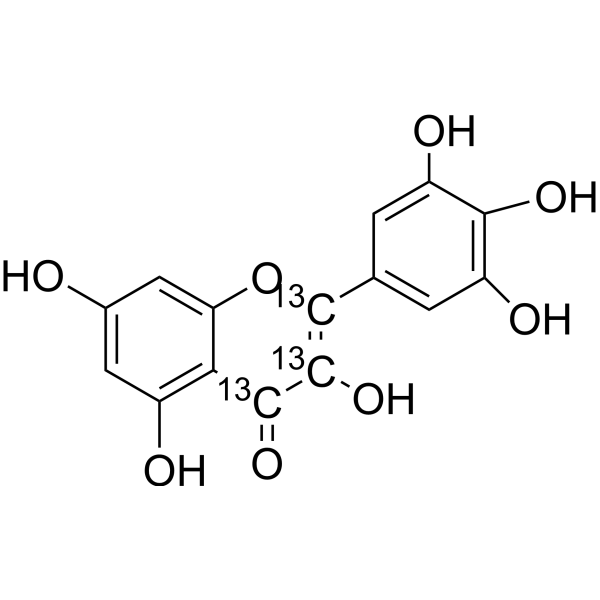
Myricetin- 13C3 is the 13C-labeled Myricetin. Myricetin is a common plant-derived flavonoid with a wide range of activities including strong anti-oxidant, anticancer, antidiabetic and anti-inflammatory activities.
|
-
-
- HY-N7058S
-
|
|
|
Cis-Jasmone-d2 is deuterated labeled Cis-Jasmone (HY-N7058). Cis-Jasmone is a plant-derived natural product. Cis-Jasmone is constitutively released by many flowers and sometimes by leaves as an attractant for pollinators or as a chemical cue for host location by insect flower herbivores. Cis-Jasmone treatment of crop plants not only induces direct defense against herbivores, but also induces indirect defense by releasing VOCs that attract natural enemies .
|
-
-
- HY-W017140S
-
|
|
|
2-Sec-butyl-3-methoxypyrazine-d3 is deuterated labeled cis-?Jasmone (HY-N7058). Cis-Jasmone is a plant-derived natural product. Cis-Jasmone is constitutively released by many flowers and sometimes by leaves as an attractant for pollinators or as a chemical cue for host location by insect flower herbivores. Cis-Jasmone treatment of crop plants not only induces direct defense against herbivores, but also induces indirect defense by releasing VOCs that attract natural enemies .
|
-
-
- HY-W782193
-
|
|
|
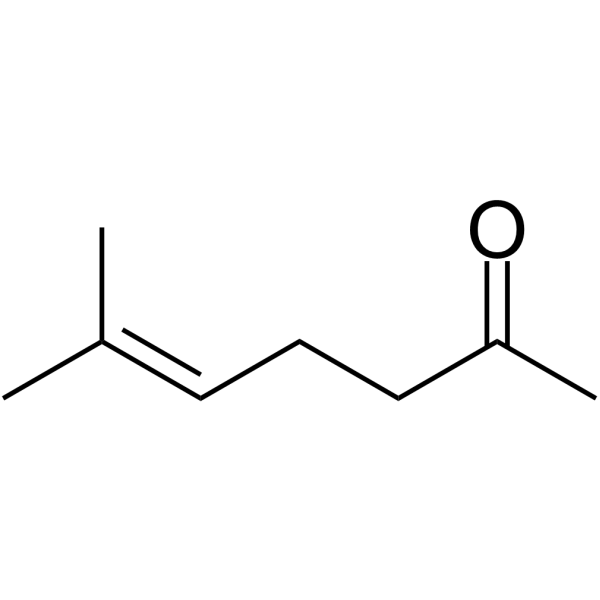
Sulcatone-d5 (6-Methyl-5-hepten-2-one-d5) is the deuterium labeled Sulcatone (HY-W010435). Sulcatone (6-Methyl-5-hepten-2-one) is a plant-derived volatile organic compound with activities such as insecticidal, antifungal, and blood pressure-lowering effects. Sulcatone also serves as an insect pheromone and an endogenous metabolite, which can be found in feces. Changes in Sulcatone levels can be used for the auxiliary diagnosis of ulcerative colitis .
|
-
-
- HY-W017611S
-
|
|
|
4-Propylphenol-d12 is the deuterium labeled 4-Propylphenol. 4-Propylphenol is a plant-derived phenolic compound. 4-Propylphenol causes an increase in ROS within the Fusarium graminearum cells, leading to damage to the DNA and cell membranes of the mycelia, effectively inhibiting the growth of the mycelia. 4-Propylphenol also has a growth inhibitory effect on walnut pathogenic fungi (C. gloeosporioides, C. siamense, A. alternata), with its EC50 ranging from 29.11 to 31.89 mg/L, and it also inhibits spore germination, with EC50 being 55.04-71.85 mg/L. 4-Propylphenol can be used in the research of fungal diseases in walnuts and wheat Fusarium head blight.
|
-
Your information is safe with us. * Required Fields.
Inquiry Information
- Product Name:
- Cat. No.:
- Quantity:
- MCE Japan Authorized Agent:

