

From 11:00 pm to 12:00 pm EST ( 8:00 pm to 9:00 pm PST ) on January 6th, the website will be under maintenance. We are sorry for the inconvenience. Please arrange your schedule properly.
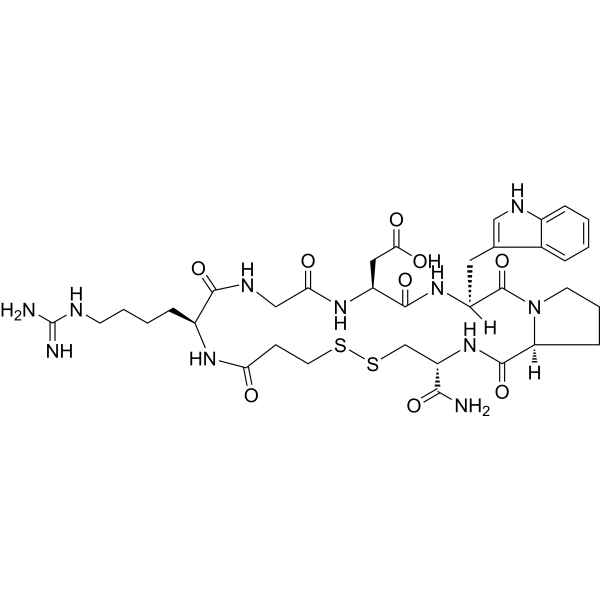
Eptifibatide is a cyclic heptapeptide, acts as a competitive antagonist for the activated plateletglycoprotein IIb/IIIa receptor, with anti-platelet activity .
Caplacizumab (His Tag) is a humanized anti-von Willebrand factor (vWF) nanobody. Caplacizumab (His Tag) inhibits the binding of vWF with plateletglycoprotein (GP) Ibα. Caplacizumab (His Tag) inhibits the vWF-mediated platelet adhesion and prevents further microthrombi formation. Caplacizumab (His Tag) can be used for the research of thrombotic thrombocytopenic purpura (TTP) .
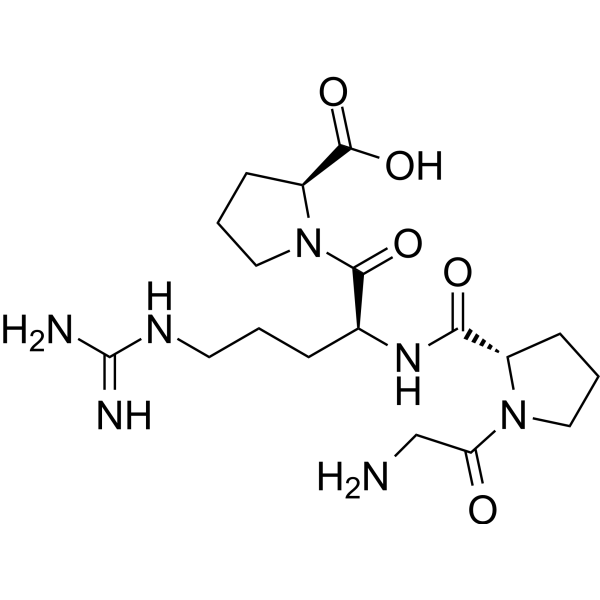
GPRP (Gly-Pro-Arg-Pro; Pefa 6003) is a fibrin polymerization inhibitor that inhibits the interaction between fibrinogen and the platelet membrane glycoprotein Ⅱb/IIIa complex (glycoprotein IIb/IIIa receptor) . GPRP increases the level of free thrombin in activated platelet-rich plasma by reducing the adsorption of thrombin onto fibrin. GPRP inhibits platelet aggregation and prolongs the thrombin-initiated clotting time in plasma. GPRP is applicable for research related to thrombosis and thrombotic diseases .
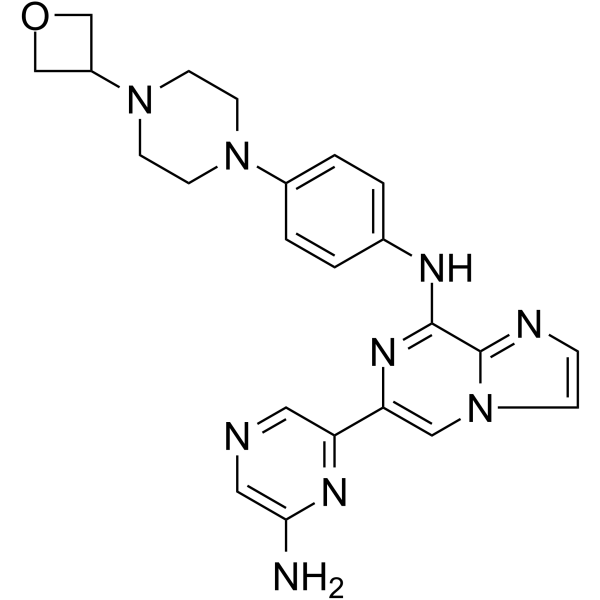
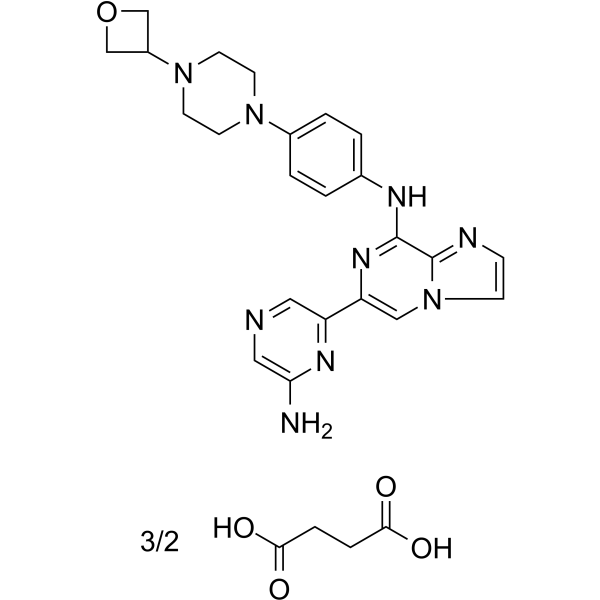
Lanraplenib (GS-9876) is a highly selective and orally active SYK inhibitor (IC50=9.5 nM) in development for the treatment of inflammatory diseases. Lanraplenib (GS-9876) inhibits SYK activity in platelets via the glycoprotein VI (GPVI) receptor without prolonging bleeding time (BT) in monkeys or humans .
Abciximab (C7E3), a chimeric mouse/human monoclonal antibody fragment, is a glycoprotein (GP) IIb/IIIa inhibitor. Abciximab inhibits platelet aggregation and leucocyte adhesion by binding to the glycoprotein IIb/IIIa, vitronectin and Mac-1 receptors .
Rondaptivon pegol (BT200) sodium is an aptamer targeting von Willebrand factor (VWF), with an EC50 of 33 nM in humans. Rondaptivon pegol sodium effectively alleviates acute myocardial ischemia-reperfusion injury in mice by inhibiting VWF activity, reducing microvascular obstruction, inflammatory responses and cardiomyocyte apoptosis (apoptosis). Rondaptivon pegol sodium inhibits the binding of VWF to plateletglycoprotein GPIb, thereby preventing arterial thrombosis in cynomolgus monkeys. Rondaptivon pegol sodium can be used in research related to arterial thrombosis, stroke, myocardial infarction and myocardial ischemia-reperfusion injury .
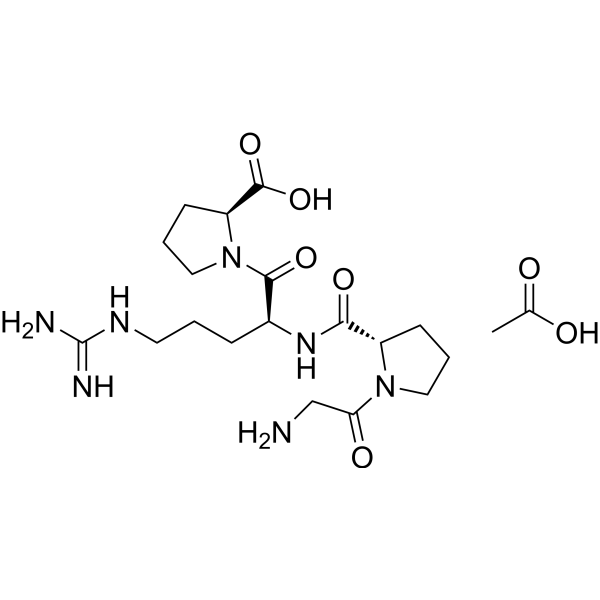
GPRP acetate (Gly-Pro-Arg-Pro acetate) is a fibrin polymerization inhibitor that inhibits the interaction of fibrinogen with the platelet membrane glycoprotein IIb/IIIa complex (GPIIb/IIIa) .
Lanraplenib succinate (GS-9876 succinate) is a highly selective and orally active SYK inhibitor (IC50=9.5 nM) in development for the treatment of inflammatory diseases. Lanraplenib succinate (GS-9876 succinate) inhibits SYK activity in platelets via the glycoprotein VI (GPVI) receptor without prolonging bleeding time (BT) in monkeys or humans .
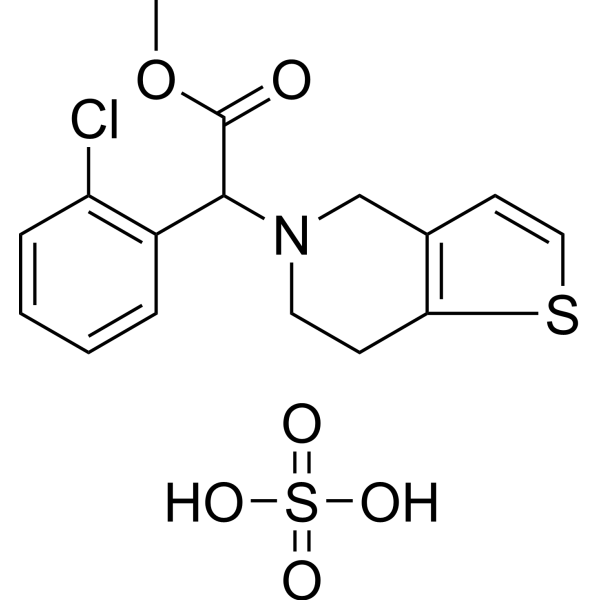
(±)-Clopidogrel bisulfate is a plateletP2Y12 receptor inhibitor and an adenosine diphosphate (ADP) receptor antagonist. (±)-Clopidogrel bisulfate inhibits the binding of ADP to its receptors on the membranes of platelet cells, and blocks ADP-mediated activation of the glycoprotein GPIIb/IIIa complex. (±)-Clopidogrel bisulfate reduces vascular inflammation and angiotensin II induced-abdominal aortic aneurysm progression. (±)-Clopidogrel bisulfate has anti-inflammatory effects .
Eptifibatide acetate is a cyclic heptapeptide, acts as a competitive antagonist for the activated plateletglycoprotein IIb/IIIa receptor, with anti-platelet activity .
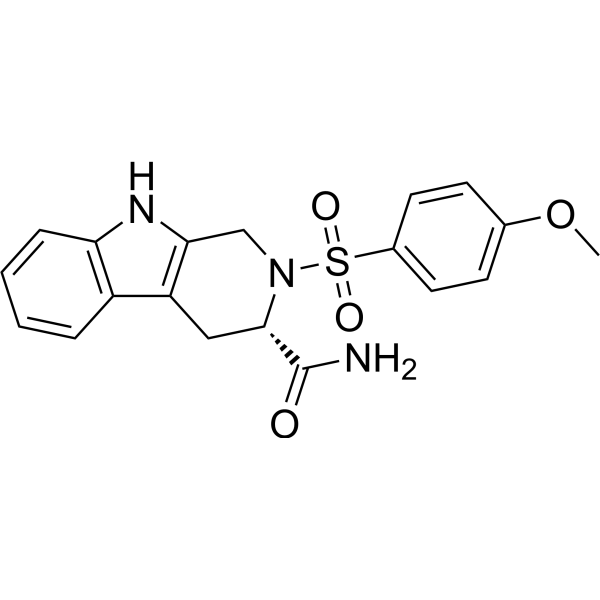
(S)-S007-1558 (compound 5) is a glycoprotein VI (GPVI)platelet receptor antagonist. (S)-S007-1558 inhibits collagen-induced platelet aggregation with an IC50 of 25.3 μM .
Rondaptivon pegol (BT200) is an aptamer targeting von Willebrand factor (VWF), with an EC50 of 33 nM in humans. Rondaptivon pegol effectively alleviates acute myocardial ischemia-reperfusion injury in mice by inhibiting VWF activity, reducing microvascular obstruction, inflammatory responses and cardiomyocyte apoptosis (apoptosis). Rondaptivon pegol inhibits the binding of VWF to plateletglycoprotein GPIb, thereby preventing arterial thrombosis in cynomolgus monkeys. Rondaptivon pegol can be used in research related to arterial thrombosis, stroke, myocardial infarction and myocardial ischemia-reperfusion injury .
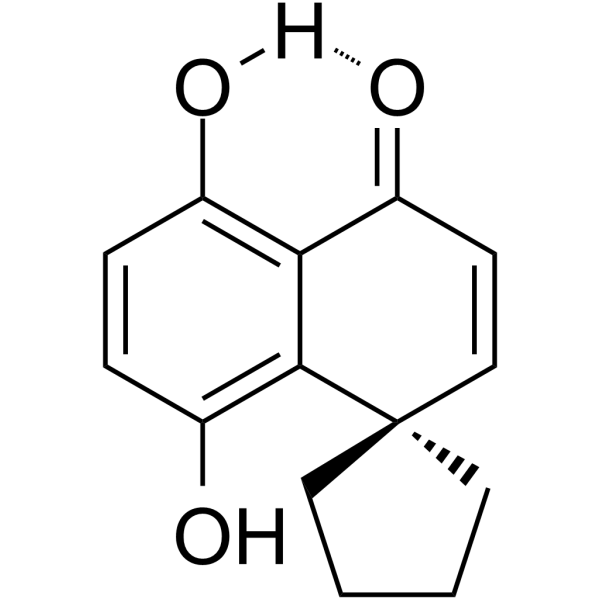
Collagen-IN-1 (compound 3), an ortho-carbonyl hydroquinone derivative, is a selective inhibitor on collagen. Collagen-IN-1 inhibits agonist-induced platelet aggregation in a non-competitive manner with an IC50 value of 1.77 μM. Collagen-IN-1 reduces the expression of P-selectin, activation of glycoprotein IIb/IIIa, and release of adenosine triphosphate and CD63 from platelet. Collagen-IN-1 has the potential for platelet-related thrombosis diseases research .
Batifiban TFA, a cyclic peptide, is an antagonist of plateletglycoproteinGPⅡb/Ⅲa and inhibits platelet aggregation. Batifiban blocks the binding of circulating vitronectin to integrin ανβ3 .
MIPS-9922 is a potent and selective PI3Kβ inhibitor with an IC50 of 63 nM. MIPS-9922 inhibits PI3Kβ with >30-fold higher potency than PI3Kδ. MIPS-9922 blocks PI3K mediated activation of plateletglycoprotein αIIbβ3 activation and platelet adhesion in vitro. MIPS-9922 shows anti-platelet and anti-thrombotic activities .
SP-8008 is a selective shear stress-induced platelet aggregation (SIPA) inhibitor with an IC50 of 1.44 μM. SP-8008 effectively interferes von Willebrand factor (vWF) and plateletglycoprotein (GP) Ib interaction. SP-8008 exerts its antithrombotic effect by selectively inhibiting shear stress-induced platelet aggregation .
Eptifibatide monoacetate is a cyclic heptapeptide, acts as a competitive antagonist for the activated plateletglycoprotein IIb/IIIa receptor, with anti-platelet activity .
Xemilofiban is an orally active glycoprotein IIb/IIIa blocking agent. Xemilofiban inhibits platelet aggregation. Xemilofiban reduces the incidence of thrombosis .
Variabilin (Homopisatin) is a potent RGD-containing antagonist of glycoprotein IIb-IIIa and platelet aggregation inhibitor from the hard tick Dermacentor variabilis. Variabilin potently inhibits platelet aggregation induced by the platelet agonists ADP, collagen, and thrombin receptor peptide SFLLRNP. Variabilin also blocks platelet adhesion to immobilized Fg. In addition, Variabilin inhibits binding of purified human GPIIb-IIIa to immobilized Fg .
ZD 2486 is a glycoprotein IIb/IIIa (GP IIb/IIIa) antagonist. ZD 2486 inhibits platelet aggregation by blocking the binding of fibrinogen to the GP IIb/IIIa receptor on platelets. ZD 2486 can be used for the study of conditions related to unwanted platelet aggregation, such as acute coronary syndrome, unstable angina pectoris, acute myocardial infarction, and complications from cardiovascular interventional procedures [1]
Roxifiban (acetate) is the acetate form of Roxifiban (HY-10307). Roxifiban (acetate) is a plateletglycoprotein (GP) IIb/IIIa receptor inhibitor that can be used in research related to angina .
Lamifiban is a nonpeptide glycoprotein IIb/IIIa receptor and platelet aggregation antagonist. Lamifiban in combination with thrombolytic therapy effectively restores coronary arterial patency. Lamifiban is promising for research of acute coronary syndromes .
Lamifiban TFA is a nonpeptide glycoprotein IIb/IIIa receptor and platelet aggregation antagonist. Lamifiban TFA in combination with thrombolytic therapy effectively restores coronary arterial patency. Lamifiban TFA is promising for research of acute coronary syndromes .
Fradafiban (BIBU-52) hydrochloride is a nonpeptide plateletglycoprotein IIb/IIIa antagonist, which binds to the human platelet GP IIb/IIIa complex with a Kd value of 148 nM.
Eptifibatide (acetate) (Standard) is the analytical standard of Eptifibatide (acetate). This product is intended for research and analytical applications. Eptifibatide acetate is a cyclic heptapeptide, acts as a competitive antagonist for the activated plateletglycoprotein IIb/IIIa receptor, with anti-platelet activity .
Batifiban, a cyclic peptide, is a plateletglycoproteinGPⅡb/Ⅲa antagonist, and inhibits platelet aggregation. Batifiban blocks circulating vitronectin binding to integrin ανβ3, Batifiban can be used for research of acute coronary syndromes .
UR-3216 is a selective, and orally active platelet surface glycoprotein (GPIIb/IIIa) receptor antagonist. UR-3216 has the potential for cardiovascular diseases research .
Sibrafiban (RO 48-3657) is the orally active, nonpeptide, double-proagent of Ro 44-3888 and a selective glycoprotein IIb/IIIa receptor antagonist. Sibrafiban inhibits platelet aggregation .
SKF 106760 is a potent platelet fibrin receptor (glycoprotein IIb/IIIa) antagonist with significant antiplatelet and antithrombotic activities. SKF 106760 inhibits platelet aggregation in dogs in vitro and prevents thrombus formation in stenotic carotid arteries. SKF 106760 has also shown elimination effects against aspirin-resistant thrombi that develop in the setting of high-grade stenosis .
L-739758 is an antagonist for αIIbβ3 integrin(plateletglycoprotein IIb/IIIa). L-739758 acts as a peptidomimetic, binds to αIIbβ3 integrin by mimicking the interaction of the RGD (arginine-glycine-aspartic acid) motif, and is involved in the blood coagulation process. L-739758 inhibits platelet aggregation, and is used for thrombosis research .
GPVI antagonist 2 (Compound 1) is a potential antagonist of Glycoprotein VI (GPVI). IC50 values of GPVI antagonist 2 are, respectively, 0.35 μM for collagen, 0.80 μM for CRP, 195.2 μM for convulxin and 81.38 μM for thrombin. Glycoprotein VI (GPVI) is a platelet major collagen receptor and a target for potent and safe antithrombotic research. GPVI antagonist 2 is a promising antiplatelet agent .
GPVI antagonist 3 (Compound 2) is a potential antagonist of Glycoprotein VI (GPVI). IC50 values of GPVI antagonist 3 are, respectively, 1.01 μM for collagen, 1.92 μM for CRP, 7.24 μM for convulxin and 51.74 μM for thrombin. Glycoprotein VI (GPVI) is a platelet major collagen receptor and a target for potent and safe antithrombotic research. GPVI antagonist 3 is a promising antiplatelet agent .
SR121566A is a novel non-peptide Glycoprotein IIb/IIIa (GP IIb-IIIa) antagonist, which can inhibit ADP-, arachidonic acid- and collagen-induced human platelet aggregation with IC50s of 46±7.5, 56±6 and 42±3 nM, respectively.
DMP 728 methanesulfonate is a plateletglycoprotein (GP) IIb/IIIa receptor antagonist. DMP 728 methanesulfonate shows dose-dependent antiplatelet and antithrombotic effects. DMP 728 methanesulfonate can be used in the study of effective antithrombotic agents in thromboembolic diseases of coronary and peripheral arteries .
Sibrafiban (Standard) is the analytical standard of Sibrafiban. This product is intended for research and analytical applications. Sibrafiban (RO 48-3657) is the orally active, nonpeptide, double-proagent of Ro 44-3888 and a selective glycoprotein IIb/IIIa receptor antagonist. Sibrafiban inhibits platelet aggregation .
TP-9201 is a plateletglycoprotein (GP) IIb/IIIa receptor antagonist. TP-9201 inhibits the interaction between GPIIb/IIIa and fibrinogen, thereby suppressing platelet aggregation. TP-9201 exhibits similar inhibitory activity on adenosine diphosphate (ADP) (HY-W010918)-induced platelet aggregation in humans, baboons, and dogs (IC50 = 1-3 μM), while showing lower activity in rabbits (IC50 = 45 μM) and rats (IC50 = 20 μM). TP-9201can be used in studies related to the prevention of rethrombosis after arterial thrombolysis .
TRAP-6-IN-1 (Compound 8) is a dual collagen and TRAP-6 inhibitor with IC50 values of 17.12 µM and 11.88 µM against collagen and TRAP-6, respectively. TRAP-6-IN-1 inhibits agonist-induced platelet aggregation in a non-competitive manner .
(Rac)-Clopidogrel hydrogen-d9 sulfate is the deuterium labeled (±)-Clopidogrel (bisulfate) (HY-107867). (±)-Clopidogrel bisulfate is a platelet P2Y12 receptor inhibitor and an adenosine diphosphate (ADP) receptor antagonist. (±)-Clopidogrel bisulfate inhibits the binding of ADP to its receptors on the membranes of platelet cells, and blocks ADP-mediated activation of the glycoprotein GPIIb/IIIa complex. (±)-Clopidogrel bisulfate reduces vascular inflammation and angiotensin II induced-abdominal aortic aneurysm progression. (±)-Clopidogrel bisulfate has anti-inflammatory effects .
Clopidogrel- 13C,d3 sulfate is the deuterium and 13C-labeled (±)-Clopidogrel (bisulfate) (HY-107867). (±)-Clopidogrel bisulfate is a platelet P2Y12 receptor inhibitor and an adenosine diphosphate (ADP) receptor antagonist. (±)-Clopidogrel bisulfate inhibits the binding of ADP to its receptors on the membranes of platelet cells, and blocks ADP-mediated activation of the glycoprotein GPIIb/IIIa complex. (±)-Clopidogrel bisulfate reduces vascular inflammation and angiotensin II induced-abdominal aortic aneurysm progression. (±)-Clopidogrel bisulfate has anti-inflammatory effects .
Lanraplenib monosuccinate (GS-9876 monosuccinate) is a highly selective and orally active SYK inhibitor (IC50=9.5 nM) in development for the treatment of inflammatory diseases. Lanraplenib monosuccinate (GS-9876 monosuccinate) inhibits SYK activity in platelets via the glycoprotein VI (GPVI) receptor without prolonging bleeding time (BT) in monkeys or humans .
TRAP-14 amide, a proteinase activated receptor (PAR)-activating peptide, is a PAR agonist with an EC50 of 24 μM. TRAP-14 amide significantly induces platelet aggregation through ADP- and MMP-2-dependent pathways with Aspirin (HY-14654)-insensitivity. TRAP-14 amide also effectively increases glycoprotein(GP) Ib and GPIIb/IIIa surface expression and ADP release .
UR-12947 is a plateletglycoprotein (GP) IIb-IIIa antagonist. UR-12947 exhibits potent inhibitory activity against platelet aggregation in human platelet-rich plasma, with an IC50 value of 3.5 nM. UR-12947 can be used in the research of arterial thrombotic diseases .
RPR-109891 is an orally active glycoprotein IIb/IIIa peptide antagonist. RPR-109891 can decrease platelet count and reduce platelet survival time. RPR-109891 can be used for the research of cardiovascular disease, such as myocardial infarction .
Ro 43-5054 is a plateletglycoprotein IIb-IIIa receptor antagonist. Ro 43-5054 can be used in the research of early reocclusion after thrombolytic therapy .
L-767685, the ethyl ester prodrug of L-767679 (HY-116925), is a non-peptide glycoprotein IIb/IIIa receptor (GPIIb-IIIa receptor) antagonist. L-767679 has a potent anti-platelet aggregation effect. L-767685 can be used for research on antithrombosis .
(±)-Clopidogrel-d4 ((±)-Clopidogrelum-d4) is the deuterium labeled (±)-Clopidogrel (HY-107867). (±)-Clopidogrel is a platelet P2Y12 receptor inhibitor and an adenosine diphosphate (ADP) receptor antagonist. (±)-Clopidogrel inhibits the binding of ADP to its receptors on the membranes of platelet cells, and blocks ADP-mediated activation of the glycoprotein GPIIb/IIIa complex. (±)-Clopidogrel reduces vascular inflammation and angiotensin II induced-abdominal aortic aneurysm progression. (±)-Clopidogrel has anti-inflammatory effects .
Eptifibatide is a cyclic heptapeptide, acts as a competitive antagonist for the activated plateletglycoprotein IIb/IIIa receptor, with anti-platelet activity .
GPRP (Gly-Pro-Arg-Pro; Pefa 6003) is a fibrin polymerization inhibitor that inhibits the interaction between fibrinogen and the platelet membrane glycoprotein Ⅱb/IIIa complex (glycoprotein IIb/IIIa receptor) . GPRP increases the level of free thrombin in activated platelet-rich plasma by reducing the adsorption of thrombin onto fibrin. GPRP inhibits platelet aggregation and prolongs the thrombin-initiated clotting time in plasma. GPRP is applicable for research related to thrombosis and thrombotic diseases .
GPRP acetate (Gly-Pro-Arg-Pro acetate) is a fibrin polymerization inhibitor that inhibits the interaction of fibrinogen with the platelet membrane glycoprotein IIb/IIIa complex (GPIIb/IIIa) .
Eptifibatide acetate is a cyclic heptapeptide, acts as a competitive antagonist for the activated plateletglycoprotein IIb/IIIa receptor, with anti-platelet activity .
Batifiban TFA, a cyclic peptide, is an antagonist of plateletglycoproteinGPⅡb/Ⅲa and inhibits platelet aggregation. Batifiban blocks the binding of circulating vitronectin to integrin ανβ3 .
Eptifibatide monoacetate is a cyclic heptapeptide, acts as a competitive antagonist for the activated plateletglycoprotein IIb/IIIa receptor, with anti-platelet activity .
Eptifibatide (acetate) (Standard) is the analytical standard of Eptifibatide (acetate). This product is intended for research and analytical applications. Eptifibatide acetate is a cyclic heptapeptide, acts as a competitive antagonist for the activated plateletglycoprotein IIb/IIIa receptor, with anti-platelet activity .
Batifiban, a cyclic peptide, is a plateletglycoproteinGPⅡb/Ⅲa antagonist, and inhibits platelet aggregation. Batifiban blocks circulating vitronectin binding to integrin ανβ3, Batifiban can be used for research of acute coronary syndromes .
SKF 106760 is a potent platelet fibrin receptor (glycoprotein IIb/IIIa) antagonist with significant antiplatelet and antithrombotic activities. SKF 106760 inhibits platelet aggregation in dogs in vitro and prevents thrombus formation in stenotic carotid arteries. SKF 106760 has also shown elimination effects against aspirin-resistant thrombi that develop in the setting of high-grade stenosis .
TRAP-14 amide, a proteinase activated receptor (PAR)-activating peptide, is a PAR agonist with an EC50 of 24 μM. TRAP-14 amide significantly induces platelet aggregation through ADP- and MMP-2-dependent pathways with Aspirin (HY-14654)-insensitivity. TRAP-14 amide also effectively increases glycoprotein(GP) Ib and GPIIb/IIIa surface expression and ADP release .
RPR-109891 is an orally active glycoprotein IIb/IIIa peptide antagonist. RPR-109891 can decrease platelet count and reduce platelet survival time. RPR-109891 can be used for the research of cardiovascular disease, such as myocardial infarction .
Caplacizumab (His Tag) is a humanized anti-von Willebrand factor (vWF) nanobody. Caplacizumab (His Tag) inhibits the binding of vWF with plateletglycoprotein (GP) Ibα. Caplacizumab (His Tag) inhibits the vWF-mediated platelet adhesion and prevents further microthrombi formation. Caplacizumab (His Tag) can be used for the research of thrombotic thrombocytopenic purpura (TTP) .
Abciximab (C7E3), a chimeric mouse/human monoclonal antibody fragment, is a glycoprotein (GP) IIb/IIIa inhibitor. Abciximab inhibits platelet aggregation and leucocyte adhesion by binding to the glycoprotein IIb/IIIa, vitronectin and Mac-1 receptors .
Variabilin (Homopisatin) is a potent RGD-containing antagonist of glycoprotein IIb-IIIa and platelet aggregation inhibitor from the hard tick Dermacentor variabilis. Variabilin potently inhibits platelet aggregation induced by the platelet agonists ADP, collagen, and thrombin receptor peptide SFLLRNP. Variabilin also blocks platelet adhesion to immobilized Fg. In addition, Variabilin inhibits binding of purified human GPIIb-IIIa to immobilized Fg .
GPVI Protein is a platelet membrane protein with a molecular weight of ~62 kDa that is a physiological collagen receptor. GPVI is present as a complex with the homodimeric Fc receptor y-chain. GPVI must form such a dimeric complex to exhibit high affinity binding to collagen. The GPVI-induced activation mechanism is initiated by tyrosine phosphorylation of the immunoreceptor tyrosine-based activation motif (ITAM) of the FcR gamma-chain, and then this signal is transduced to many related proteins, mainly by tyrosine phosphorylation. Interaction of platelets with collagen via the receptor GPVI results in platelet activation and adhesion. GPVI Protein, Mouse (HEK293, His) is the recombinant mouse-derived GPVI protein, expressed by HEK293 , with C-6*His labeled tag.
CD36 is a multifunctional glycoprotein that serves as a receptor for a variety of ligands, including thrombospondin, collagen, and oxidized low-density lipoprotein. Its multivalent ligand induces CD36 clusters, initiating signal transduction. CD36 Protein, Rat (HEK293, His) is the recombinant rat-derived CD36 protein, expressed by HEK293 , with C-His labeled tag.
CD36 is a multifunctional glycoprotein that serves as a receptor for a variety of ligands, including thrombospondin, collagen, and oxidized low-density lipoprotein. Its multivalent ligand induces CD36 clusters, initiating signal transduction. CD36 Protein, Rat (HEK293, Fc) is the recombinant rat-derived CD36 protein, expressed by HEK293 , with C-hFc labeled tag.
CD36 is a multifunctional glycoprotein that binds to proteins such as thrombospondin, fibronectin, collagen, beta-amyloid and oxidized low-density lipoprotein, as well as lipid molecules such as anionic phospholipids and long-chain phospholipids. CD36 regulates angiogenesis, inflammatory responses, fatty acid metabolism, taste, dietary fat processing, and acts as a TLR4:TLR6 heterodimer coreceptor to mediate inflammatory responses, regulate immune responses and bacterial absorption. CD36 Protein, Mouse (HEK293, His) is the recombinant mouse-derived CD36 protein, expressed by HEK293 , with C-His labeled tag.
CD36 is a multifunctional glycoprotein that binds to proteins such as thrombospondin, fibronectin, collagen, beta-amyloid and oxidized low-density lipoprotein, as well as lipid molecules such as anionic phospholipids and long-chain phospholipids. CD36 regulates angiogenesis, inflammatory responses, fatty acid metabolism, taste, dietary fat processing, and acts as a TLR4:TLR6 heterodimer coreceptor to mediate inflammatory responses, regulate immune responses and bacterial absorption. CD36 Protein, Mouse (HEK293, Fc) is the recombinant mouse-derived CD36 protein, expressed by HEK293 , with C-hFc labeled tag.
CD36 is a multifunctional glycoprotein that binds to proteins such as thrombospondin, fibronectin, collagen, beta-amyloid and oxidized low-density lipoprotein, as well as lipid molecules such as anionic phospholipids and long-chain phospholipids. CD36 regulates angiogenesis, inflammatory responses, fatty acid metabolism, taste, dietary fat processing, and acts as a TLR4:TLR6 heterodimer coreceptor to mediate inflammatory responses, regulate immune responses and bacterial absorption. CD36 Protein, Mouse (HEK293, His-Fc) is the recombinant mouse-derived CD36 protein, expressed by HEK293 , with C-hFc, C-His labeled tag.
CD36 protein is a member of the CD36 family and plays a key role in a variety of cellular processes, particularly involved in lipid metabolism, inflammation, and immune responses. It acts as a multifunctional receptor that binds to a variety of ligands, including lipids, cholesterol, fatty acids, and apoptotic cells. CD36 Protein, Rhesus Macaque (HEK293, Fc) is the recombinant Rhesus Macaque-derived CD36 protein, expressed by HEK293 , with C-hFc labeled tag.
CD36 is a multifunctional glycoprotein that binds to proteins such as thrombospondin, fibronectin, collagen, beta-amyloid and oxidized low-density lipoprotein, as well as lipid molecules such as anionic phospholipids and long-chain phospholipids. CD36 regulates angiogenesis, inflammatory responses, fatty acid metabolism, taste, dietary fat processing, and acts as a TLR4:TLR6 heterodimer coreceptor to mediate inflammatory responses, regulate immune responses and bacterial absorption. CD36 Protein, Mouse (Biotinylated, HEK293, Avi-His) is the recombinant mouse-derived CD36 protein, expressed by HEK293 , with C-Avi, C-6*His labeled tag.
CD36 is a multifunctional glycoprotein that serves as a receptor for a variety of ligands, including thrombospondin and oxidized low-density lipoprotein. Ligand induces CD36 clusters, initiating signal transduction and internalization. CD36 Protein, Human (Biotinylated, HEK293, His-Avi) is the recombinant human-derived CD36 protein, expressed by HEK293 , with C-Avi, C-His labeled tag.
CD42c/GP1BB protein, present on platelets, interacts with von Willebrand factor to form platelet plugs. It forms a heterodimer with GP1B beta subunits and associates with GP-IX, facilitating platelet adhesion and initiating thrombus formation. CD42c also interacts with TRAF4, potentially regulating cellular signaling pathways. CD42c/GP1BB Protein, Human (HEK293, His) is the recombinant human-derived CD42c/GP1BB protein, expressed by HEK293 , with C-His labeled tag.
The CD42c protein is a platelet surface membrane protein that actively assembles plugs by binding to von Willebrand factor (vWF) in the subendothelium. The GP-Ib heterodimer is formed from the disulfide-linked GP-Ib β subunit and one GP-Ib α subunit, which constitute this protein complex. CD42c/GP1BB Protein, Rat (HEK293, Fc) is the recombinant rat-derived CD42c protein, expressed by HEK293 , with C-hFc labeled tag.
CD36 is a multifunctional glycoprotein that serves as a receptor for a variety of ligands, including thrombospondin and oxidized low-density lipoprotein. Ligand induces CD36 clusters, initiating signal transduction and internalization. CD36 Protein, Human (HEK293, Fc ) is the recombinant human-derived CD36 protein, expressed by HEK293 , with C-hFc labeled tag.
CD151 Protein-VLP, Human (HEK293) is recommended for animal immunization, ELISA. It is not recommended for receptor-ligand interaction detection and SPR/BLI assay since there are other irrelevant membrane proteins of the host on the VLP envelope, and the receptor-ligand interaction will have strong background interference. High requirements for chips and experimental protocols are needed for SPR/BLI assays. If VLP control is required, it is recommended HY-P705433.
DNAM-1 protein is a key player in cell-cell adhesion and lymphocyte signaling, mediating cytotoxicity and lymphokine secretion of CTL and NK cells. As a receptor for NECTIN2, DNAM-1 stimulates T cell proliferation and cytokine production (IL2, IL5, IL10, IL13, and IFNG) upon ligand binding. DNAM-1 Protein, Human (HEK293, hFc, Myc) is the recombinant human-derived DNAM-1 protein, expressed by HEK293 , with C-Myc, C-hFc labeled tag.
(Rac)-Clopidogrel hydrogen-d9 sulfate is the deuterium labeled (±)-Clopidogrel (bisulfate) (HY-107867). (±)-Clopidogrel bisulfate is a platelet P2Y12 receptor inhibitor and an adenosine diphosphate (ADP) receptor antagonist. (±)-Clopidogrel bisulfate inhibits the binding of ADP to its receptors on the membranes of platelet cells, and blocks ADP-mediated activation of the glycoprotein GPIIb/IIIa complex. (±)-Clopidogrel bisulfate reduces vascular inflammation and angiotensin II induced-abdominal aortic aneurysm progression. (±)-Clopidogrel bisulfate has anti-inflammatory effects .
Clopidogrel- 13C,d3 sulfate is the deuterium and 13C-labeled (±)-Clopidogrel (bisulfate) (HY-107867). (±)-Clopidogrel bisulfate is a platelet P2Y12 receptor inhibitor and an adenosine diphosphate (ADP) receptor antagonist. (±)-Clopidogrel bisulfate inhibits the binding of ADP to its receptors on the membranes of platelet cells, and blocks ADP-mediated activation of the glycoprotein GPIIb/IIIa complex. (±)-Clopidogrel bisulfate reduces vascular inflammation and angiotensin II induced-abdominal aortic aneurysm progression. (±)-Clopidogrel bisulfate has anti-inflammatory effects .
(±)-Clopidogrel-d4 ((±)-Clopidogrelum-d4) is the deuterium labeled (±)-Clopidogrel (HY-107867). (±)-Clopidogrel is a platelet P2Y12 receptor inhibitor and an adenosine diphosphate (ADP) receptor antagonist. (±)-Clopidogrel inhibits the binding of ADP to its receptors on the membranes of platelet cells, and blocks ADP-mediated activation of the glycoprotein GPIIb/IIIa complex. (±)-Clopidogrel reduces vascular inflammation and angiotensin II induced-abdominal aortic aneurysm progression. (±)-Clopidogrel has anti-inflammatory effects .
Rondaptivon pegol (BT200) sodium is an aptamer targeting von Willebrand factor (VWF), with an EC50 of 33 nM in humans. Rondaptivon pegol sodium effectively alleviates acute myocardial ischemia-reperfusion injury in mice by inhibiting VWF activity, reducing microvascular obstruction, inflammatory responses and cardiomyocyte apoptosis (apoptosis). Rondaptivon pegol sodium inhibits the binding of VWF to plateletglycoprotein GPIb, thereby preventing arterial thrombosis in cynomolgus monkeys. Rondaptivon pegol sodium can be used in research related to arterial thrombosis, stroke, myocardial infarction and myocardial ischemia-reperfusion injury .
Rondaptivon pegol (BT200) is an aptamer targeting von Willebrand factor (VWF), with an EC50 of 33 nM in humans. Rondaptivon pegol effectively alleviates acute myocardial ischemia-reperfusion injury in mice by inhibiting VWF activity, reducing microvascular obstruction, inflammatory responses and cardiomyocyte apoptosis (apoptosis). Rondaptivon pegol inhibits the binding of VWF to plateletglycoprotein GPIb, thereby preventing arterial thrombosis in cynomolgus monkeys. Rondaptivon pegol can be used in research related to arterial thrombosis, stroke, myocardial infarction and myocardial ischemia-reperfusion injury .
BT101 (sodium), a complementary aptamer, has been developed to specifically inhibit BT100 function. BT100, a aptamer, inhibits binding of von Willebrand factor (VWF) to plateletglycoprotein GPIb, preventing arterial thrombosis .
Western blot analysis of extracts from THP-1(lane 2(20μg), Jurkat (lane 3(20μg) and NIH3T3(lane 4(20μg) using FOXO1A (HY-P80132) Rabbit mAb. Proteins were transferred
to a PVDF membrane and blocked with 5% non-fat milk in TBST for 2 hour at room temperature. The primary antibody (1/1000) and Loading control antibody (Beta Actin, HY-P80438, 1/10000) was
used in 5% non-fat milk in TBST at 4°C overnight. Goat Anti-Mouse/Rabbit IgG-HRP Secondary Antibody (1/10000) was used for 1 hour at room temperature.
Western blot analysis of extracts from THP-1(lane 2(20μg), Jurkat (lane 3(20μg) and NIH3T3(lane 4(20μg) using FOXO1A (HY-P80132) Rabbit mAb. Proteins were transferred
to a PVDF membrane and blocked with 5% non-fat milk in TBST for 2 hour at room temperature. The primary antibody (1/1000) and Loading control antibody (Beta Actin, HY-P80438, 1/10000) was
used in 5% non-fat milk in TBST at 4°C overnight. Goat Anti-Mouse/Rabbit IgG-HRP Secondary Antibody (1/10000) was used for 1 hour at room temperature.
Western blot analysis of extracts from THP-1(lane 2(20μg), Jurkat (lane 3(20μg) and NIH3T3(lane 4(20μg) using FOXO1A (HY-P80132) Rabbit mAb. Proteins were transferred
to a PVDF membrane and blocked with 5% non-fat milk in TBST for 2 hour at room temperature. The primary antibody (1/1000) and Loading control antibody (Beta Actin, HY-P80438, 1/10000) was
used in 5% non-fat milk in TBST at 4°C overnight. Goat Anti-Mouse/Rabbit IgG-HRP Secondary Antibody (1/10000) was used for 1 hour at room temperature.
Western blot analysis of extracts from THP-1(lane 2(20μg), Jurkat (lane 3(20μg) and NIH3T3(lane 4(20μg) using FOXO1A (HY-P80132) Rabbit mAb. Proteins were transferred
to a PVDF membrane and blocked with 5% non-fat milk in TBST for 2 hour at room temperature. The primary antibody (1/1000) and Loading control antibody (Beta Actin, HY-P80438, 1/10000) was
MedchemExpress Validation 03
Western blot analysis of extracts from THP-1(lane 2(20μg), Jurkat (lane 3(20μg) and NIH3T3(lane 4(20μg) using FOXO1A (HY-P80132) Rabbit mAb. Proteins were transferred
MedchemExpress Validation 04
Western blot analysis of extracts from THP-1(lane 2(20μg), Jurkat (lane 3(20μg) and NIH3T3(lane 4(20μg) using FOXO1A (HY-P80132) Rabbit mAb. Proteins were transferred
to a PVDF membrane and blocked with 5% non-fat milk in TBST for 2 hour at room temperature. The primary antibody (1/1000) and Loading control antibody (Beta Actin, HY-P80438, 1/10000) was
used in 5% non-fat milk in TBST at 4°C overnight. Goat Anti-Mouse/Rabbit IgG-HRP Secondary Antibody (1/10000) was used for 1 hour at room temperature.
MedchemExpress Validation
Western blot analysis of extracts from THP-1(lane 2(20μg), Jurkat (lane 3(20μg) and NIH3T3(lane 4(20μg) using FOXO1A (HY-P80132) Rabbit mAb. Proteins were transferred
to a PVDF membrane and blocked with 5% non-fat milk in TBST for 2 hour at room temperature. The primary antibody (1/1000) and Loading control antibody (Beta Actin, HY-P80438, 1/10000) was
used in 5% non-fat milk in TBST at 4°C overnight. Goat Anti-Mouse/Rabbit IgG-HRP Secondary Antibody (1/10000) was used for 1 hour at room temperature.
Western blot analysis of extracts from THP-1(lane 2(20μg), Jurkat (lane 3(20μg) and NIH3T3(lane 4(20μg) using FOXO1A (HY-P80132) Rabbit mAb. Proteins were transferred
to a PVDF membrane and blocked with 5% non-fat milk in TBST for 2 hour at room temperature. The primary antibody (1/1000) and Loading control antibody (Beta Actin, HY-P80438, 1/10000) was
used in 5% non-fat milk in TBST at 4°C overnight. Goat Anti-Mouse/Rabbit IgG-HRP Secondary Antibody (1/10000) was used for 1 hour at room temperature.
MedchemExpress Validation
Western blot analysis of extracts from THP-1(lane 2(20μg), Jurkat (lane 3(20μg) and NIH3T3(lane 4(20μg) using FOXO1A (HY-P80132) Rabbit mAb. Proteins were transferred
to a PVDF membrane and blocked with 5% non-fat milk in TBST for 2 hour at room temperature. The primary antibody (1/1000) and Loading control antibody (Beta Actin, HY-P80438, 1/10000) was
used in 5% non-fat milk in TBST at 4°C overnight. Goat Anti-Mouse/Rabbit IgG-HRP Secondary Antibody (1/10000) was used for 1 hour at room temperature.
MedchemExpress Validation
Western blot analysis of extracts from THP-1(lane 2(20μg), Jurkat (lane 3(20μg) and NIH3T3(lane 4(20μg) using FOXO1A (HY-P80132) Rabbit mAb. Proteins were transferred
to a PVDF membrane and blocked with 5% non-fat milk in TBST for 2 hour at room temperature. The primary antibody (1/1000) and Loading control antibody (Beta Actin, HY-P80438, 1/10000) was
used in 5% non-fat milk in TBST at 4°C overnight. Goat Anti-Mouse/Rabbit IgG-HRP Secondary Antibody (1/10000) was used for 1 hour at room temperature.
MedchemExpress Validation
Western blot analysis of extracts from THP-1(lane 2(20μg), Jurkat (lane 3(20μg) and NIH3T3(lane 4(20μg) using FOXO1A (HY-P80132) Rabbit mAb. Proteins were transferred
to a PVDF membrane and blocked with 5% non-fat milk in TBST for 2 hour at room temperature. The primary antibody (1/1000) and Loading control antibody (Beta Actin, HY-P80438, 1/10000) was
used in 5% non-fat milk in TBST at 4°C overnight. Goat Anti-Mouse/Rabbit IgG-HRP Secondary Antibody (1/10000) was used for 1 hour at room temperature.
MedchemExpress Validation
Western blot analysis of extracts from THP-1(lane 2(20μg), Jurkat (lane 3(20μg) and NIH3T3(lane 4(20μg) using FOXO1A (HY-P80132) Rabbit mAb. Proteins were transferred
to a PVDF membrane and blocked with 5% non-fat milk in TBST for 2 hour at room temperature. The primary antibody (1/1000) and Loading control antibody (Beta Actin, HY-P80438, 1/10000) was
used in 5% non-fat milk in TBST at 4°C overnight. Goat Anti-Mouse/Rabbit IgG-HRP Secondary Antibody (1/10000) was used for 1 hour at room temperature.
MedchemExpress Validation
Western blot analysis of extracts from THP-1(lane 2(20μg), Jurkat (lane 3(20μg) and NIH3T3(lane 4(20μg) using FOXO1A (HY-P80132) Rabbit mAb. Proteins were transferred
to a PVDF membrane and blocked with 5% non-fat milk in TBST for 2 hour at room temperature. The primary antibody (1/1000) and Loading control antibody (Beta Actin, HY-P80438, 1/10000) was
used in 5% non-fat milk in TBST at 4°C overnight. Goat Anti-Mouse/Rabbit IgG-HRP Secondary Antibody (1/10000) was used for 1 hour at room temperature.
MedchemExpress Validation
Western blot analysis of extracts from THP-1(lane 2(20μg), Jurkat (lane 3(20μg) and NIH3T3(lane 4(20μg) using FOXO1A (HY-P80132) Rabbit mAb. Proteins were transferred
to a PVDF membrane and blocked with 5% non-fat milk in TBST for 2 hour at room temperature. The primary antibody (1/1000) and Loading control antibody (Beta Actin, HY-P80438, 1/10000) was
used in 5% non-fat milk in TBST at 4°C overnight. Goat Anti-Mouse/Rabbit IgG-HRP Secondary Antibody (1/10000) was used for 1 hour at room temperature.
MedChemExpress values your privacy and your trust is important to us. We use cookies to enhance your website experience. Some cookies are necessary to run the website.
Privacy and Cookie Policy

