
1. Search Result
Search Result
Results for "

porcine brain

" in MedChemExpress (MCE) Product Catalog:

20

Inhibitors & Agonists

6

Peptides

4

Natural
Products

Cat. No. Product Name Target Research Areas Chemical Structure
  • HY-126411

    Lipase ATP Synthase Others
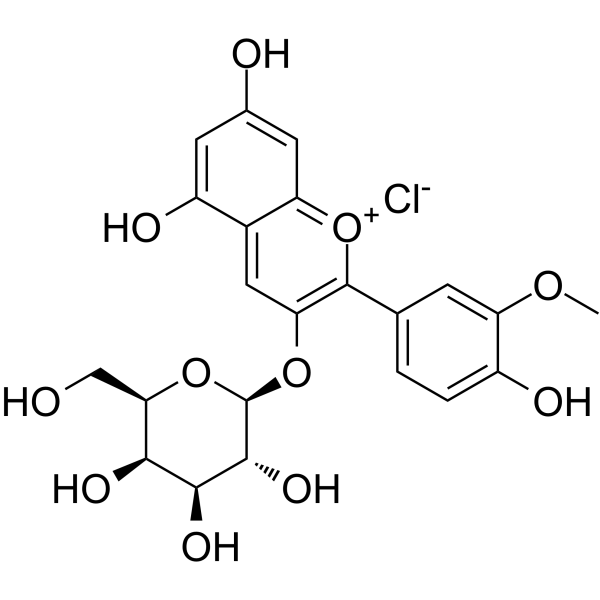
    Peonidin-3-O-galactoside chloride is an anthocyanin with antioxidant properties and blood-brain barrier permeability. Peonidin-3-O-galactoside chloride inhibits pancreatic lipase, with an IC50 value of 23.2 μg/mL against porcine pancreatic lipase. Peonidin-3-O-galactoside chloride mediates neuroprotection, regulates glucose metabolism, protects cells from high glucose-induced damage, promotes glucose uptake and increases ATP production. Peonidin-3-O-galactoside (chloride) can be used in the research of obesity and neurodegenerative diseases .
    Peonidin-3-O-galactoside chloride
  • HY-P2543
    Neuropeptide Y (3-36) (human, rat)
    1 Publications Verification

    Neuropeptide Y Receptor Cardiovascular Disease Neurological Disease
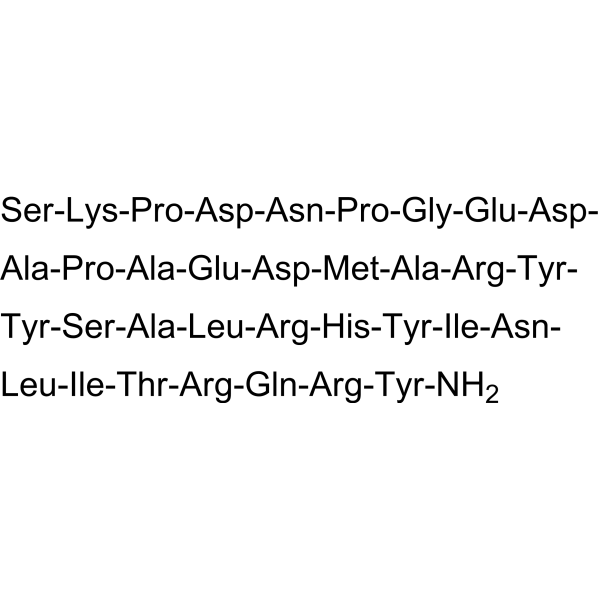
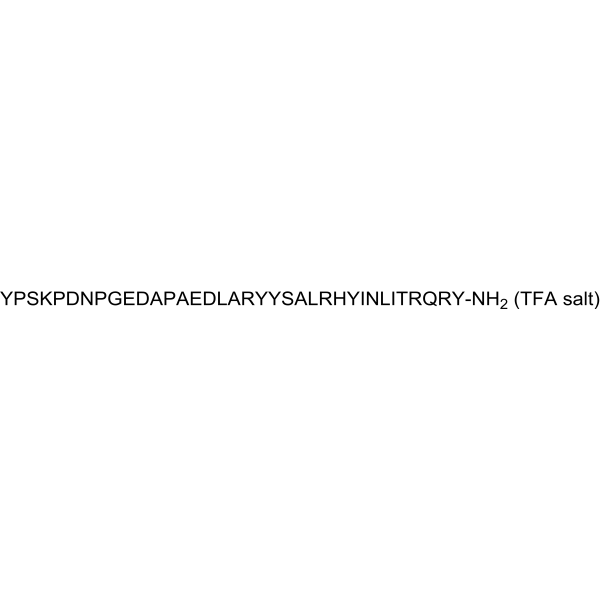
    Neuropeptide Y (3-36) (human, rat) is a neuropeptide Y fragment derived from humans or rats. Neuropeptide Y is an extremely abundant neurotransmitter in central and peripheral neurons, and it participates in the regulation of psychomotor activity, circadian rhythm, feeding behavior and cardiovascular function. Neuropeptide Y (3-36) (human, rat) can serve as a substrate to be sequentially degraded from its N-terminus by AfuS28, and it requires binding to AfuS28 and SedB to be decomposed into amino acids, dipeptides and tripeptides [1] [2].
    Neuropeptide Y (3-36) (human, rat)
  • HY-B2015

    Environmental Pollutants Insecticide Parasite Cholinesterase (ChE) Infection
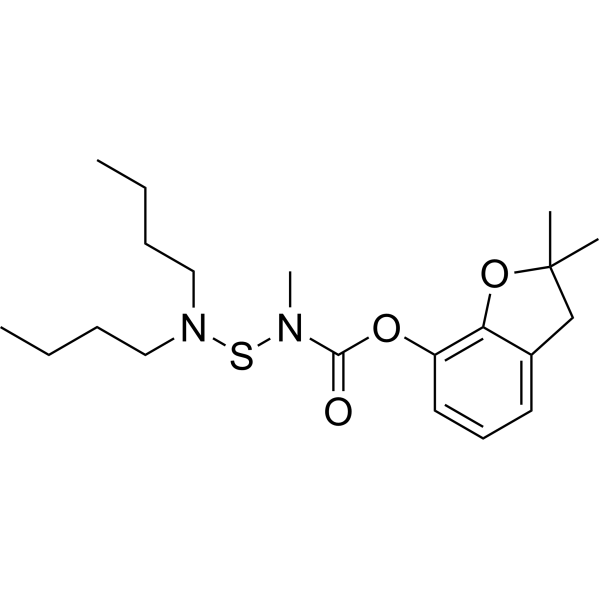
    Carbosulfan is an orally active AChE inhibitor that hydrolyzes to Carbofuran in organisms to exert insecticidal effects. Carbosulfan exhibits broad-spectrum insecticidal activity, and it also induces severe oxidative stress by enhancing lipid peroxidation and impairing the antioxidant defense system. Carbosulfan causes reproductive toxicity in male rats and developmental disorders in their offspring. Carbosulfan shows persistence in paddy field environments and potential hazards to non-target organisms, and it is commonly used in studies related to reproductive toxicity and environmental risk assessment .
    Carbosulfan
  • HY-E70007

    COMT

    Endogenous Metabolite Neurological Disease
    Catechol O-methyltransferase, porcine liver (COMT), the magnesium-dependent transfer of methyl groups from S-adenosyl methionine to a hydroxyl group on dopamine, converting it to 3-methoxytyramine. Catechol O-methyltransferase has two forms in tissues, a soluble form (S-COMT) and a membrane-bound form (MB-COMT). Catechol O-methyltransferase is to regulate epinephrine, norepinephrine, and dopamine levels in the brain .
    Catechol O-methyltransferase, porcine liver
  • HY-120997

    Berbamine p-nitrobenzoate

    Calmodulin Myosin Phosphodiesterase (PDE) Cardiovascular Disease Cancer
    E6 Berbamine (Berbamine p-nitrobenzoate) is a potent calmodulin (CaM) antagonist. E6 Berbamine inhibits the activities of calmodulin-dependent myosin light chain kinase (MLCK) and phosphodiesterase (PDE). E6 Berbamine exhibits anti-leukemic activity. E6 Berbamine can be used in research related to cardiovascular abnormalities and chronic myeloid leukemia .
    E6 Berbamine
  • HY-N9454

    Pregnane X Receptor (PXR) COX NF-κB Amylases β-glucuronidase DNA/RNA Synthesis Amyloid-β NOD-like Receptor (NLR) Pyroptosis Cancer
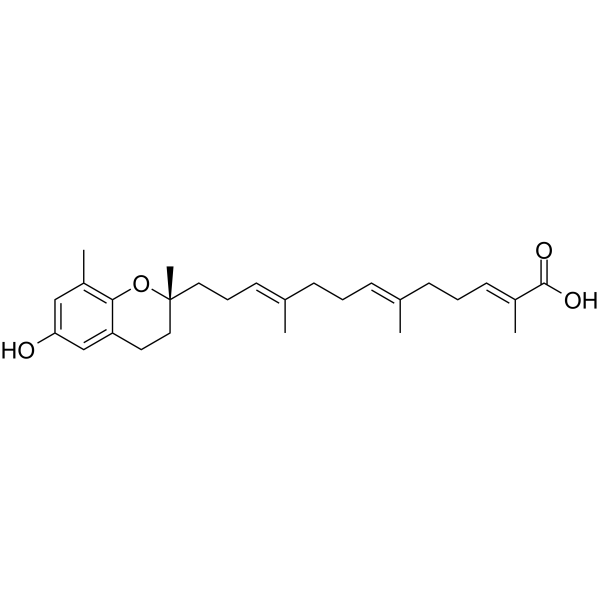
    Garcinoic acid is an orally active anti-inflammatory agent that crosses the blood-brain barrier. Garcinoic acid also enhances efferocytosis and enzyme/receptor regulation, and selectively inhibits human COX-2, porcine α-amylase, Saccharomyces cerevisiae α-glucosidase and human DNA polymerase β (IC50=11 μM), as well as activates human PXR. Garcinoic acid enhances macrophage efferocytosis via receptors such as MerTK and LRP-1, and promotes the production of pro-resolving lipid mediators. Garcinoic acid inhibits NF-κB activation and pro-inflammatory cytokine secretion, interferes with aggregation, downregulates NLRP3 inflammasome activity, and binds to targets including CD44 and EGFR to inhibit leukemia cell proliferation. The pharmacological activities of Garcinoic acid, such as antioxidant, anti-inflammatory and lipid metabolism-regulating effects, are widely used in studies related to various diseases including atherosclerosis, Alzheimer's disease, type 2 diabetes, inflammatory bowel disease and viral pneumonia .
    Garcinoic acid
  • HY-P2799C

    CPK-1, CKBB isoenyzme, CK-BB

    Endogenous Metabolite Others
    Creatine Kinase BB (CK-BB) Isoenzyme, Porcine Brain (CPK-1, CKBB isoenyzme, CK-BB) is a biological material or organic compound that can be used in life science research .
    Creatine Kinase BB (CK-BB) Isoenzyme, Porcine Brain
  • HY-N6685

    3-AcDON; 3-ADON

    Endogenous Metabolite Interleukin Related Infection Inflammation/Immunology
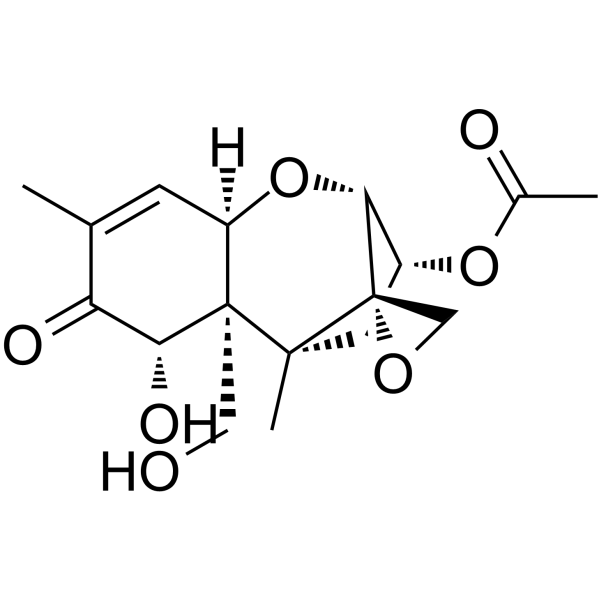
    3-Acetyldeoxynivalenol (3-AcDON; 3ADON), a trichothecene mycotoxin deoxynivalenol (DON) acetylated derivative, is a brain-penetrant Fusarium mycotoxin. 3-Acetyldeoxynivalenol induces mRNA expression and production of inflammatory chemokine IL-8 in intestinal cells .
    3-Acetyldeoxynivalenol
  • HY-P0212

    GCGR Metabolic Disease
    Neuropeptide Y, porcine, a peptide in porcine brain, is capable of inhibiting secretin-stimulated pancreatic secretion .
    Neuropeptide Y, porcine
  • HY-134274A

    8-Bromoguanosine-5'-triphosphate tetrasodium

    Bacterial Metabolic Disease
    8-Br-GTP (tetrasodium) (8-Bromoguanosine-5'-triphosphate (tetrasodium)) is a derivative of the energy substrate – GTP, for protein synthesis and gluconeogenesis. 8-Br-GTP (tetrasodium) inhibits the E. coli GTPase FtsZ with a Ki of 31.8 μM. 8-Br-GTP (tetrasodium) promotes the assembly of porcine brain microtubules .
    8-Br-GTP tetrasodium
  • HY-P0212A

    GCGR Metabolic Disease
    Neuropeptide Y, porcine TFA, a peptide in porcine brain, is capable of inhibiting secretin-stimulated pancreatic secretion .
    Neuropeptide Y, porcine TFA
  • HY-P10268

    Neurokinin Receptor Cardiovascular Disease Neurological Disease
    Neuropeptide K, human, porcine, rat exhibits bioactivity in gallbladder contraction, protein extravasation, hypotension and brcnchial smooth muscle spasm. Neuropeptide K, human, porcine, rat is concentrated in brain and acts as tachykinin neuromessenger .
    Neuropeptide K (human, porcine, rat)
  • HY-P1134

    5-HT Receptor Neurological Disease
    Galanin (1-15) (porcine, rat) is the N-terminal 15 amino acids peptide fragment of the neuropeptide galanin. Galanin (1-15) (porcine, rat) interacts with the 5-HT1A receptor in the dorsal hippocampus of the rat brain, reduces the affinity of 5-HT1A receptors, and regulates the serotonin neuronal networks .
    Galanin (1-15) (porcine, rat)
  • HY-179843

    Others Metabolic Disease
    Ganglioside GQ1b (porcine brain) (tetraammonium) is a glycosphingolipid.
    Ganglioside GQ1b (porcine brain) tetraammonium
  • HY-179842

    Others Metabolic Disease
    Ganglioside GD1b (porcine brain) (diammonium) is a glycosphingolipid.
    Ganglioside GD1b (porcine brain) diammonium
  • HY-P10267

    Bombesin Receptor Neurological Disease Inflammation/Immunology
    Neuromedin B-30 is the neuropeptide, which is orignally isolated from porcine brain and spinal cord. , and may exhibit activity in stimulating smooth-muscle. Neuromedin B causes local vasodilation, increases vascular permeability and local hyperalgesia, thereby participating in neurogenic inflammation. Neuromedin B regulates appetite, body temperature, and behavioral responses to stress. Neuromedin B is also involved in regulating smooth muscle contraction and secretory function in the gastrointestinal tract .
    Neuromedin (B-30)
  • HY-19310

    Adenosine Receptor Cardiovascular Disease Metabolic Disease
    AMP-579 is an adenosine receptor agonist that primarily targets adenosine A1 and A2A receptors (with Ki values of 1.7 and 4.5 nM for the A1 receptor in rat brain and adipocytes, and a Ki value of 56 nM for the A2A receptor in rat brain). AMP-579 inhibits lipolysis, restores insulin-dependent glucose transport, and reduces heart rate through the activation of A1 receptors, while it induces vasodilation, particularly in coronary arteries, through the activation of A2A receptors (with an IC50 of 0.3 μM in porcine coronary arterial rings). AMP 579 shows potential for application in cardioprotection and the treatment of acute myocardial infarction .
    AMP-579
  • HY-101304

    S-isopropyl ITU; IPTU

    NO Synthase Cardiovascular Disease Neurological Disease
    S-Isopropylisothiourea hydrobromide (S-isopropyl ITU; IPTU) is a blood-brain barrier (BBB) penetrant NOS inhibitor with IC50 values of 0.66, 0.75 and 0.29 μM against mouse spinal cord, cerebellar, bovine aortic and porcine endothelial cell NOS. S-Isopropylisothiourea exhibits a significant blood pressure-raising effect without damaging the perfusion of vital organs and can also inhibit the late-phase pain response induced by formalin. S-Isopropylisothiourea hydrobromide is used in the researchs for hemorrhagic shock and pain response based on NOS .
    S-Isopropylisothiourea hydrobromide
  • HY-E70969

    Creatine Kinase Metabolic Disease
    Creatine Kinase, Porcine (EC 2.7.3.2) is an enzyme present in muscle, brain, and other tissues of vertebrates that catalyzes the reversible conversion of ADP and phosphocreatine into ATP and creatine.
    Creatine Kinase, Porcine
  • HY-118934

    Others Neurological Disease Metabolic Disease
    Novocebrin is a central nervous system activator that effectively increases brain and femoral blood flow in dogs. In addition, Novocebrin inhibits triglyceride biosynthesis in porcine adipose tissue .
    Novocebrin

Inquiry Online

Your information is safe with us. * Required Fields.

Salutation


Country or Region *

Applicant Name *


Organization Name *

Department *


Email Address *


Product Name *

Cat. No.


Requested quantity *

Phone Number *


Remarks

Inquiry Online

Inquiry Information

Product Name:
Cat. No.:
Quantity:
MCE Japan Authorized Agent:

