Search Result
Results for "
protein trafficking
" in MedChemExpress (MCE) Product Catalog:
1
Isotope-Labeled Compounds
| Cat. No. |
Product Name |
Target |
Research Areas |
Chemical Structure |
-
- HY-16592
-
|
BFA; Cyanein; Decumbin
|
Autophagy
Mitophagy
HSV
Antibiotic
Bacterial
|
Infection
Cancer
|
|
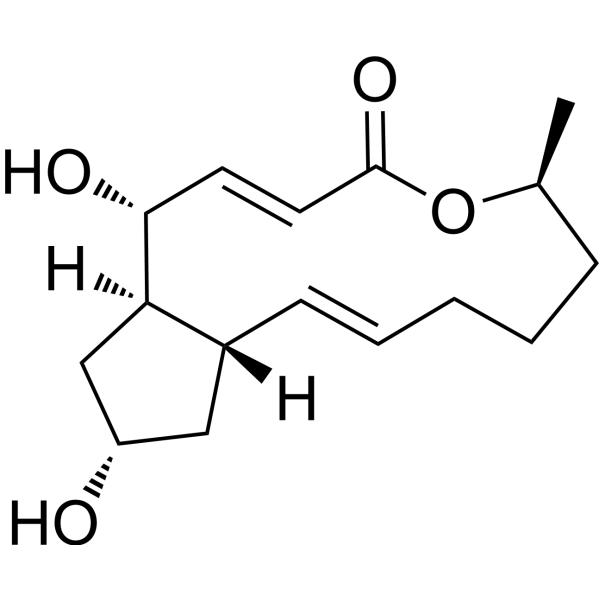
Brefeldin A (BFA) is a lactone antibiotic and a specific inhibitor of protein trafficking. Brefeldin A blocks the transport of secreted and membrane proteins from endoplasmic reticulum to Golgi apparatus . Brefeldin A is also an autophagy and mitophagy inhibitor . Brefeldin A inhibits HSV-1 and has anti-cancer activity .
|
-
-
- HY-108434
-
|
|
ATF6
|
Neurological Disease
Metabolic Disease
|
|
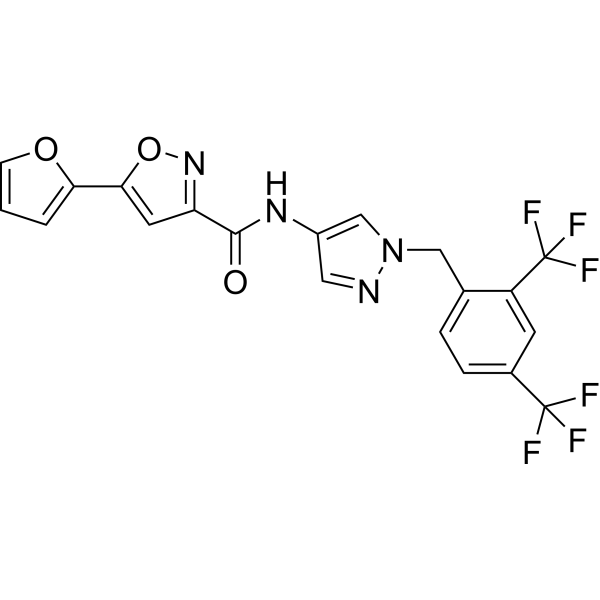
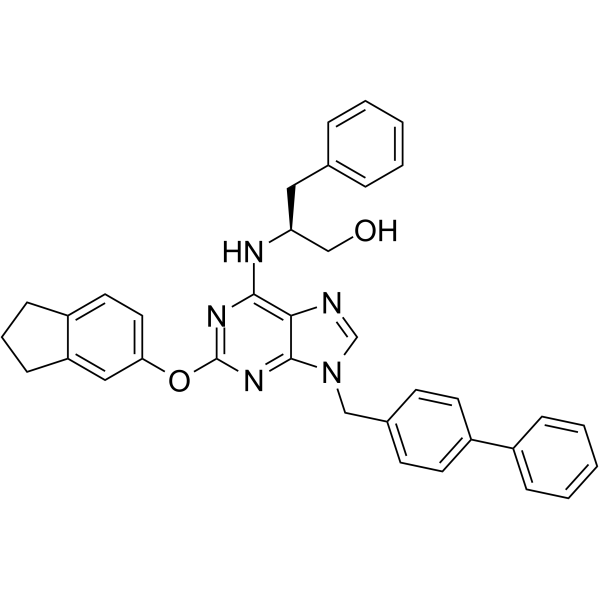
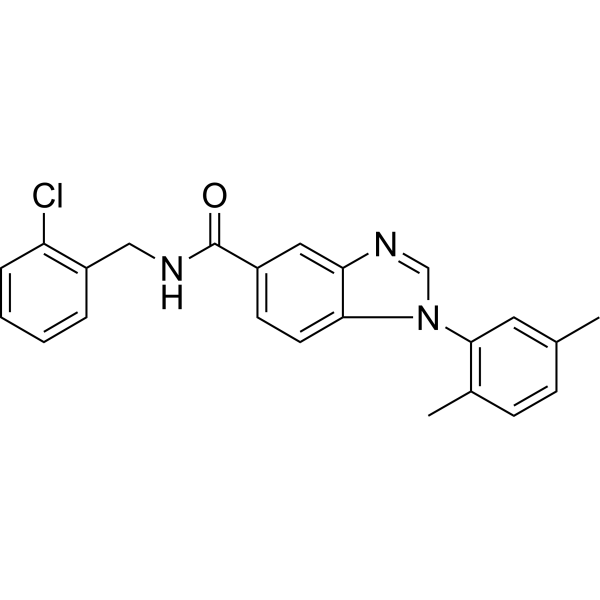
Ceapin-A7 is a selective blocker of ATF6α signaling in response to ER stress, with an IC50 of 0.59 μM. Ceapin-A7 can be used to explore both the mechanism of activation of ATF6α and its role in pathological settings .
|
-
-
- HY-145603
-
|
VX-121
|
CFTR
Chloride Channel
|
Neurological Disease
|
|
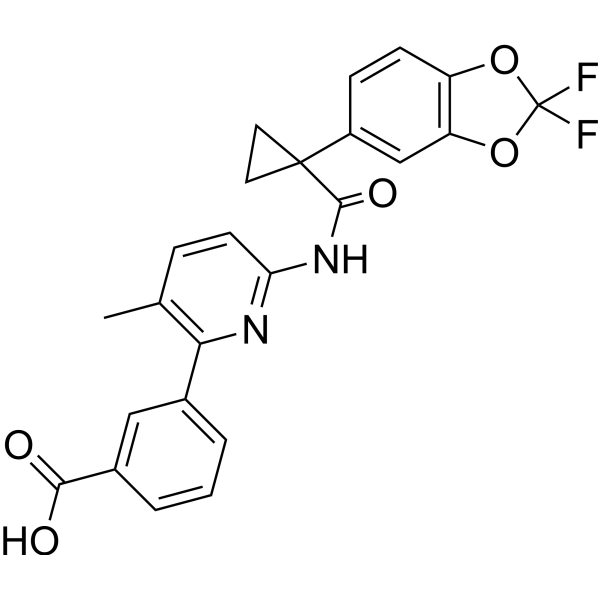
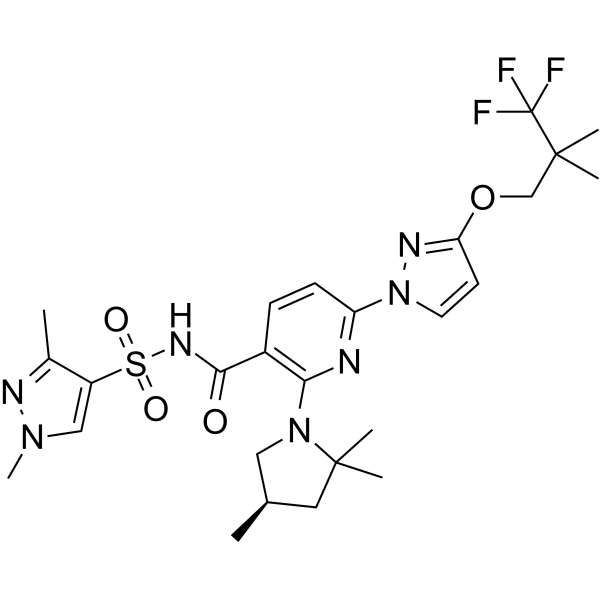
Vanzacaftor (VX-121) is an orally active noval corrector of Cystic fibrosis transmembrane conductance regulator (CFTR). Vanzacaftor improves processing and trafficking of CFTR protein as well as increases chloride transport in triple combined with Tezacaftor (HY-15448) and Deutivacaftor. Vanzacaftor-Tezacaftor-Deutivacaftor is safe and well tolerated, improving lung function, respiratory symptoms, and CFTR function with cystic fibrosis, which is promising for research in the field of cystic fibrosis diseases .
|
-
-
- HY-13262
-
-
-
- HY-130533
-
|
|
Fluorescent Dye
|
Others
|
|
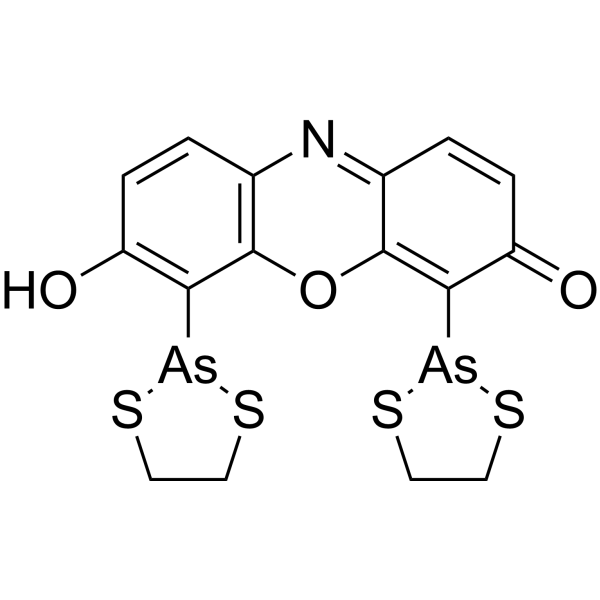
ReAsH-EDT2 is a red fluorescent dye that marks proteins. ReAsH-EDT2 is a membrane-permeable biarsenical compound that binds covalently to tetracysteine sequences which allows the protein to be imaged. ReAsH-EDT2 can be used for protein localization and trafficking. (λex=530 nm, λem=592 nm) .
|
-
-
- HY-122571
-
Retro-2
2 Publications Verification
|
Filovirus
Parasite
Autophagy
|
Infection
Cancer
|
|
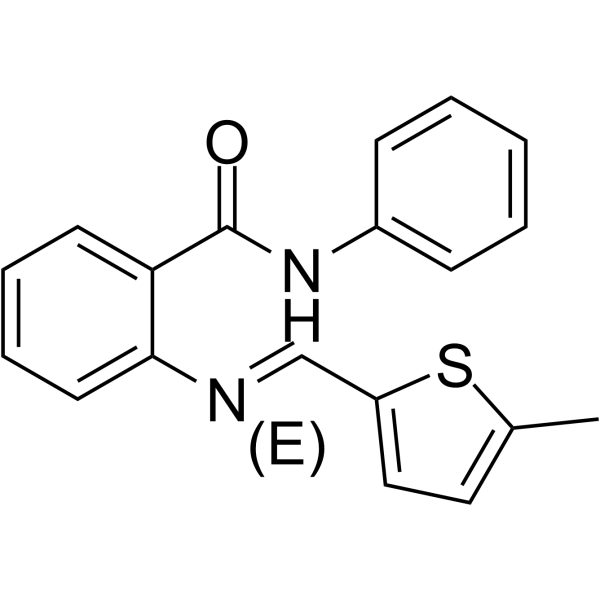
Retro-2 is a selective inhibitor of retrograde protein trafficking at the endosome-trans-Golgi network interface. Retro-2 is an ebolavirus (EBOV) infection inhibitor with an EC50 of 12.2 μM in HeLa cells. Retro-2 induces cell autophagy .
|
-
-
- HY-12762
-
QS11
2 Publications Verification
|
β-catenin
Wnt
Arf Family GTPase
|
Cancer
|
|
QS11 is an inhibitor of ARFGAP1 (ADP-ribosylation factor GTPase-activating protein 1), with an EC50 of 1.5 μM. QS11 activates Wnt/β-catenin signaling through an effect on protein trafficking. QS11 inhibits migration of ARFGAP overexpressing breast cancer cells .
|
-
-
- HY-13769A
-
|
NSC55712; TPU-260 Dihydrochloride
|
Drug Derivative
Amyloid-β
Beta-secretase
|
Cardiovascular Disease
Neurological Disease
Inflammation/Immunology
|
|
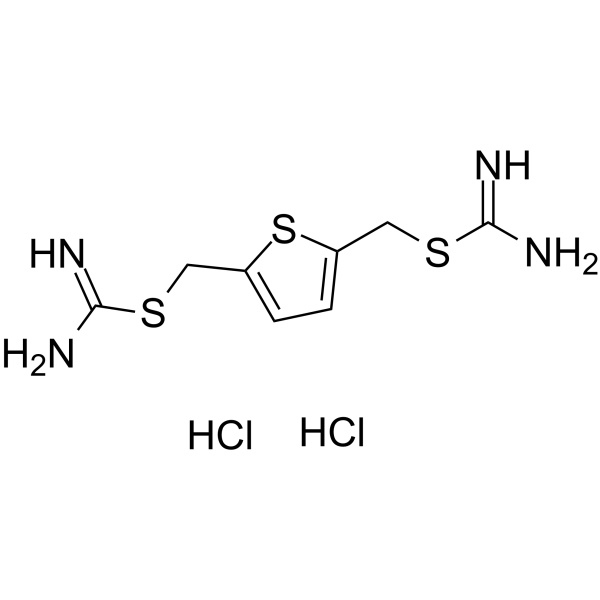
TPT-260 Dihydrochloride (NSC55712), a thiophene thiourea derivative, is a retromer complex stabilizer against thermal denaturation (Kd = ~5 µM). TPT-260 Dihydrochloride increases the levels of retromer proteins, shifts amyloid-precursor protein (APP) away from the endosome, and decreases the pathogenic processing of APP. TPT-260 Dihydrochloride inhibits TLR4 upregulation, IKKβ phosphorylation, NF-κB p65 nuclear translocation, and NLRP3 inflammasome formation. TPT-260 Dihydrochloride improves retromer-mediated cargo trafficking, reduces brain infarct area, and decreases amyloid plaque deposition. TPT-260 Dihydrochloride exhibits minimal cytotoxicity to primary microglia at tested concentrations. TPT-260 Dihydrochloride can be used for the research of inflammatory bowel disease, ischemic stroke and Alzheimer's disease .
|
-
-
- HY-111772A
-
|
(R)-VX-445
|
Drug Isomer
CFTR
|
Inflammation/Immunology
|
|
(R)-Elexacaftor ((R)-VX-445) is the enantiomer of Elexacaftor (HY-111772). Elexacaftor is an orally active CFTR modulator that targets nucleotide-binding domain 1. Elexacaftor stabilizes misfolded F508del-CFTR protein, enhances its trafficking to the plasma membrane, and significantly improves metabolic stability, thermal stability and ion conductivity. Elexacaftor not only restores chloride transport function in nasal epithelial cells and rescues multiple CFTR mutation subtypes, but also exerts multiplicative synergistic effects with Ivacaftor (HY-13017), and is often used in a triple combination therapy with Tezacaftor (HY-15448). Elexacaftor is widely used in basic and clinical translational research on cystic fibrosis .
|
-
-
- HY-125168
-
EGA
2 Publications Verification
|
EGFR
|
Infection
Inflammation/Immunology
|
|
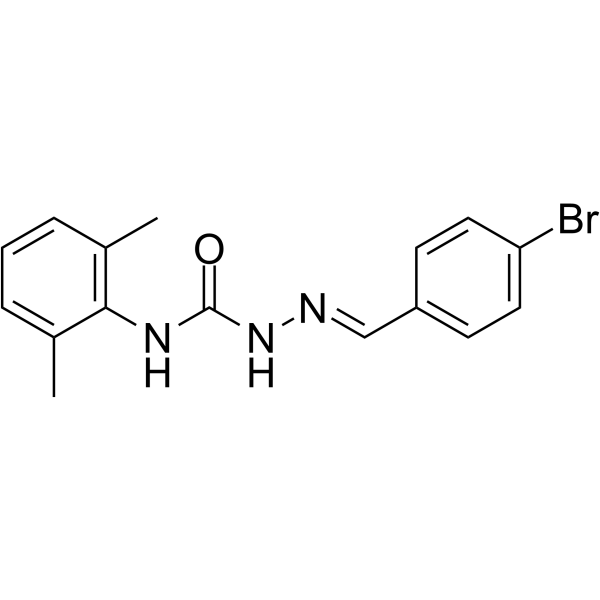
EGA is an inhibitor that selectively targets the endosomal trafficking pathways. EGA targets the proteins involved in the endosomal trafficking pathways through which multiple toxins and viruses enter cells. EGA exerts its activity by inhibiting the trafficking from early endosomes to late endosomes, blocking the entry of multiple acid-dependent bacterial toxins and viruses into mammalian cells and delaying the lysosomal targeting and degradation of EGFR .
|
-
-
- HY-109187A
-
|
PTI-801 sodium
|
CFTR
|
Inflammation/Immunology
|
|
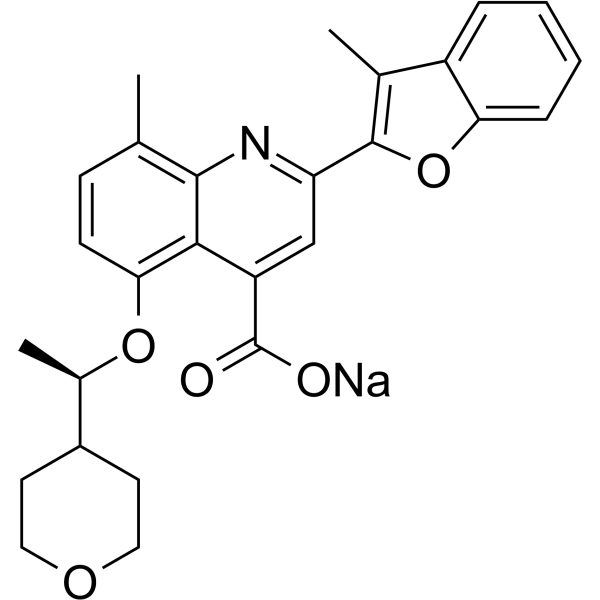
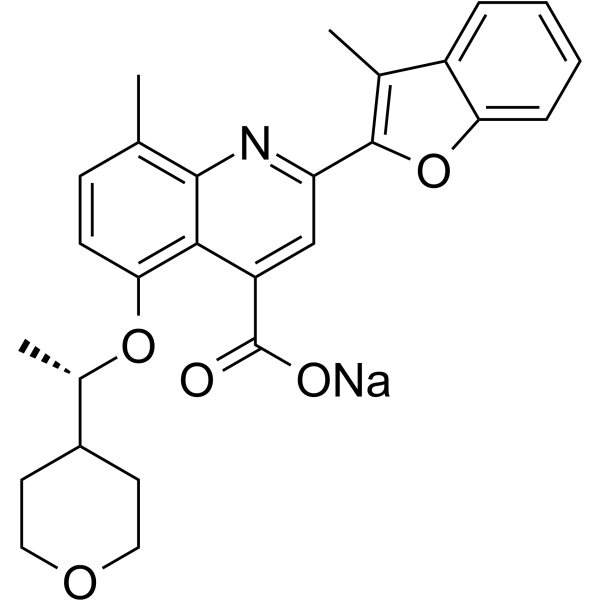
Posenacaftor (PTI-801) sodium is a cystic fibrosis transmembrane regulator (CFTR) protein modulator that corrects the folding and trafficking of CFTR protein. Posenacaftor sodium is used for the research of cystic fibrosis (CF) .
|
-
-
- HY-148978
-
|
|
Exosomes
Endogenous Metabolite
Liposome
|
Metabolic Disease
|
|
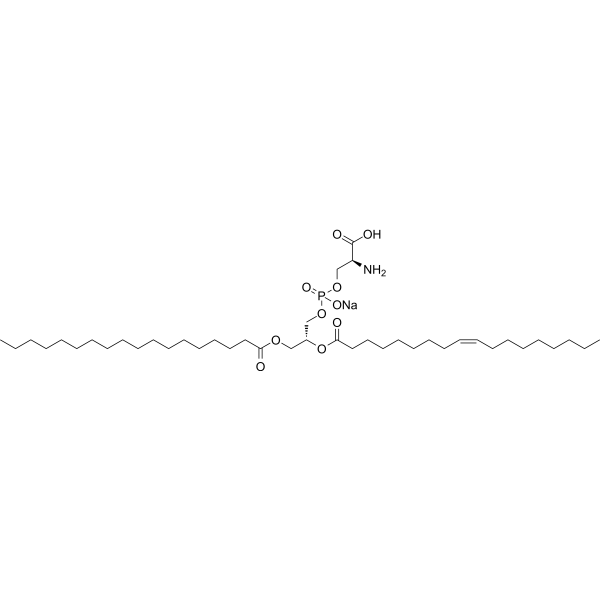
18:0,18:1 PS sodium is the dominant phosphatidylserine subtype in cells, exosomes and HIV particles. It is abundant in the brain and is essential for maintaining membrane structure, lipid raft organization and intracellular trafficking. 18:0,18:1 PS sodium mediates interleaflet membrane coupling through cholesterol-dependent interactions with very long-chain sphingolipids, and can induce the clustering of glycosylphosphatidylinositol-anchored proteins. In addition, clusters formed by the binding of 18:0,18:1 PS sodium to cholesterol not only facilitate the proper distribution of cholesterol in lipid bilayers, but also effectively protect cholesterol from oxidative damage .
|
-
-
- HY-110174
-
|
|
α-synuclein
|
Neurological Disease
|
|
NAB2 is a neuroprotectant that targets the small GTPase Rab1a. NAB2 selectively binds to the GDP-bound form of Rab1a and protects multiple cell types from α-synuclein toxicity by increasing Rab1a expression. Rab1a regulates ER-to-Golgi trafficking and mediates endosomal trafficking events of the E3 ubiquitin ligase Rsp5/Nedd4. NAB2 stimulates ubiquitination of related proteins in a Nedd4-dependent manner and rescues α-synuclein-associated trafficking defects associated with early-onset Parkinson's disease .
|
-
-
- HY-16592R
-
|
BFA (Standard); Cyanein (Standard); Decumbin (Standard)
|
Reference Standards
Autophagy
Mitophagy
HSV
Antibiotic
Bacterial
|
Infection
Cancer
|
|
Brefeldin A (Standard) (BFA (Standard)) is the analytical standard of Rutin. This product is intended for research and analytical applications. Brefeldin A (BFA) is a lactone antibiotic and a specific inhibitor of protein trafficking. Brefeldin A blocks the transport of secreted and membrane proteins from endoplasmic reticulum to Golgi apparatus. Brefeldin A is also an autophagy and mitophagy inhibitor. Brefeldin A inhibits HSV-1 and has anti-cancer activity.
|
-
-
- HY-145603S
-
|
VX-121-d4
|
Isotope-Labeled Compounds
CFTR
Chloride Channel
|
Neurological Disease
|
|
Vanzacaftor-d4 (VX-121-d4) is the deuterium labeled Vanzacaftor (HY-145603). Vanzacaftor is an orally active noval corrector of Cystic fibrosis transmembrane conductance regulator (CFTR). Vanzacaftor improves processing and trafficking of CFTR protein as well as increases chloride transport in triple combined with Tezacaftor (HY-15448) and Deutivacaftor. Vanzacaftor-Tezacaftor-Deutivacaftor is safe and well tolerated, improving lung function, respiratory symptoms, and CFTR function with cystic fibrosis, which is promising for research in the field of cystic fibrosis diseases .
|
-
-
- HY-109187B
-
|
(R)-PTI-801 sodium
|
CFTR
|
Inflammation/Immunology
|
|
(R)-Posenacaftor (R)-PTI-801) sodium is the R enantiomer of Posenacaftor. Posenacaftor is a cystic fibrosis transmembrane regulator (CFTR) protein modulator that corrects the folding and trafficking of CFTR protein. Posenacaftor is used for the research of cystic fibrosis (CF) .
|
-
-
- HY-171788
-
|
|
N-myristoyltransferase
|
Cancer
|
|
NMT-IN-8 (Compound Ex.129) is an orally active and highly selective inhibitor of N-myristoyl transferase (NMT) with an IC50 value of <10 nM. NMT-IN-8 binds to the peptide binding pocket of NMT, blocking its catalyzed protein N-myristoylation to interfere with key pathways such as protein trafficking, signal transduction, and viral replication. NMT-IN-8 is promising for research of oncology (e.g., MYC-addicted cancers, B-cell lymphoma) and infectious diseases (e.g., malaria, HIV, rhinovirus infection) .
|
-
-
- HY-109187
-
|
PTI-801
|
CFTR
|
Inflammation/Immunology
|
|
Posenacaftor (PTI-801) is a cystic fibrosis transmembrane regulator (CFTR) protein modulator that corrects the folding and trafficking of CFTR protein. Posenacaftor is used for the research of cystic fibrosis (CF) .
|
-
-
- HY-101112
-
|
|
HuR
|
Inflammation/Immunology
|
|
Okicenone is a Hu protein R (HuR) inhibitor. Okicenone inhibits HuR oligomerization, interferes with HuR RNA binding, HuR trafficking, cytokine expression and T-cell activation .
|
-
-
- HY-122228
-
|
|
Cellulose Synthase
|
Others
|
|
Cestrin is a cellulose Synthase 1 (CESA1) inhibitor. Cestrin inhibits cell elongation and reduces cellulose content and interferes with the trafficking of cellulose synthase complexes and their associated proteins KORRIGAN1 and POM2/CSI1 .
|
-
-
- HY-175407
-
|
|
Drug Derivative
|
Others
|
|
18:0-20:4 PI(3,4,5)P3 (sodium) is an analogue of phosphatidylinositol. Protein-binding to PtdIns-(3,4,5)-P3 is important for cytoskeletal rearrangements and membrane trafficking. PtdIns-(3,4,5)-P3 is resistant to cleavage by PI-specific PLC .
|
-
-
- HY-148978A
-
|
|
Exosomes
Liposome
Endogenous Metabolite
|
Metabolic Disease
|
|
18:0,18:1 PS is the dominant phosphatidylserine subtype in cells, exosomes and HIV particles. It is abundant in the brain and is essential for maintaining membrane structure, lipid raft organization and intracellular trafficking. 18:0,18:1 PS mediates interleaflet membrane coupling through cholesterol-dependent interactions with very long-chain sphingolipids, and can induce the clustering of glycosylphosphatidylinositol-anchored proteins. In addition, clusters formed by the binding of 18:0,18:1 PS to cholesterol not only facilitate the proper distribution of cholesterol in lipid bilayers, but also effectively protect cholesterol from oxidative damage .
|
-
-
- HY-13769
-
|
TPU260
|
Drug Derivative
Beta-secretase
Amyloid-β
|
Cardiovascular Disease
Neurological Disease
Inflammation/Immunology
|
|
TPT-260 (TPU260), a thiophene thiourea derivative, is a retromer complex stabilizer against thermal denaturation (Kd = ~5 µM). TPT-260 increases the levels of retromer proteins, shifts amyloid-precursor protein (APP) away from the endosome, and decreases the pathogenic processing of APP. TPT-260 inhibits TLR4 upregulation, IKKβ phosphorylation, NF-κB p65 nuclear translocation, and NLRP3 inflammasome formation. TPT-260 improves retromer-mediated cargo trafficking, reduces brain infarct area, and decreases amyloid plaque deposition. TPT-260 exhibits minimal cytotoxicity to primary microglia at tested concentrations. TPT-260 can be used for the research of inflammatory bowel disease, ischemic stroke and Alzheimer's disease .
|
-
-
- HY-13262R
-
|
VX-809 (Standard); VRT 826809 (Standard)
|
CFTR
Autophagy
Reference Standards
|
Inflammation/Immunology
|
|
Lumacaftor (Standard) is the analytical standard of Lumacaftor. This product is intended for research and analytical applications. Lumacaftor (VX-809; VRT 826809) is a CFTR modulator that corrects the folding and trafficking of CFTR protein.
|
-
-
- HY-163329
-
|
|
Biochemical Assay Reagents
|
Neurological Disease
|
|
BCH-HSP-C01 is a lead compound that restores AP-4-dependent protein trafficking in neuronal models of adapter protein complex 4 (AP-4)-associated hereditary spastic paraplegia. BCH-HSP-C01 can be used for the research of autophagy-associated diseases .
|
-
-
- HY-D2943
-
|
SNAP-SS-SulfoCy3
|
Fluorescent Dye
|
Others
|
|
BG-SS-SulfoCy3 is a SulfoCy3-labeled SNAP tag fluorescent probe, which is linked by a disulfide bond to achieve selective labeling and controllable cleavage. BG-SS-SulfoCy3 can be used to study the endocytosis and trafficking of membrane proteins such as GPCRs .
|
-
-
- HY-174766
-
|
|
mRNA
|
Inflammation/Immunology
|
|
Human CCL17 mRNA encodes the human C-C motif chemokine ligand 17 (CCL17) protein, a cytokine that displays chemotactic activity for T lymphocytes, but not monocytes or granulocytes. CCL17 plays important roles in T cell development in thymus as well as in trafficking and activation of mature T cells.
|
-
-
- HY-162672
-
|
|
Bacterial
|
Infection
|
|
Antibacterial agent 231 (derivative 8) is an antimicrobial agent against multidrug-resistant Helicobacter pylori (H. pylori) with a minimum inhibitory concentration of 0.25–0.5 μg/mL. Antibacterial agent 231 directly targets the protein transposase subunit SecA and the outer membrane protein assembly factor BamD to inhibit the trafficking and assembly of bacterial outer membrane proteins (OMPs). Antibacterial agent 231 can be used to study the effects of antibiotic treatment on intestinal microbial balance .
|
-
-
- HY-174764
-
|
|
mRNA
|
Inflammation/Immunology
|
|
Human CCL19 mRNA encodes the human C-C motif chemokine ligand 19 (CCL19) protein, a cytokine that may play a role in normal lymphocyte recirculation and homing. CCL19 also plays an important role in trafficking of T cells in thymus, and in T cell and B cell migration to secondary lymphoid organs.
|
-
-
- HY-174744
-
|
|
mRNA
|
Inflammation/Immunology
|
|
Human CCR4 mRNA encodes the human C-C motif chemokine receptor 4 (CCR4) protein, a member of G protein-coupled receptors family. CCR4 is a receptor for the CC chemokine - MIP-1, RANTES, TARC and MCP-1. Chemokines are a group of small polypeptide, structurally related molecules that regulate cell trafficking of various types of leukocytes. The chemokines also play fundamental roles in the development, homeostasis, and function of the immune system, and they have effects on cells of the central nervous system as well as on endothelial cells involved in angiogenesis or angiostasis.
|
-
-
- HY-P1057
-
|
|
iGluR
|
Neurological Disease
|
|
Pep4c is an inactive control peptide for Pep2m (HY-P1058). Pep4c lacks functional activity to disrupt Protein Interacting with C Kinase 1 (PICK1)-AMPA receptor (GluA2) or N-ethylmaleimide-sensitive factor (NSF)-GluA2 interactions. Pep4c is used as a negative control in experiments to validate the specificity of Pep2m's effects on AMPA receptor trafficking and synaptic plasticity [1] [2] [3] [4] [5] [6].
|
-
-
- HY-148978R
-
|
|
Reference Standards
Exosomes
Endogenous Metabolite
Liposome
|
Metabolic Disease
|
|
Resorantel (Standard) is the analytical standard of Resorantel. This product is intended for research and analytical applications. 18:0,18:1 PS sodium is the dominant phosphatidylserine subtype in cells, exosomes and HIV particles. It is abundant in the brain and is essential for maintaining membrane structure, lipid raft organization and intracellular trafficking. 18:0,18:1 PS sodium mediates interleaflet membrane coupling through cholesterol-dependent interactions with very long-chain sphingolipids, and can induce the clustering of glycosylphosphatidylinositol-anchored proteins. In addition, clusters formed by the binding of 18:0,18:1 PS sodium to cholesterol not only facilitate the proper distribution of cholesterol in lipid bilayers, but also effectively protect cholesterol from oxidative damage .
|
-
-
- HY-119732
-
|
|
HSP
|
Neurological Disease
Cancer
|
|
KUNG94 is a selective Grp94/HSP90B inhibitor (IC50=8 nM). By inhibiting the chaperone function of Grp94, KUNG94 reduces the maturation and cell surface trafficking of its specific client proteins. KUNG94 can be used for studies on Grp94-related biological mechanisms, as well as diseases including cancer and primary open-angle glaucoma .
|
-
-
- HY-108434R
-
|
|
Reference Standards
ATF6
|
Neurological Disease
Metabolic Disease
|
|
Ceapin-A7 (Standard) is the analytical standard of Ceapin-A7 (HY-108434). This product is intended for research and analytical applications. Ceapin-A7 is a selective blocker of ATF6α signaling in response to ER stress, with an IC50 of 0.59 μM. Ceapin-A7 can be used to explore both the mechanism of activation of ATF6α and its role in pathological settings .
|
-
-
- HY-182464
-
|
|
Potassium Channel
|
Infection
Others
|
|
DABMA is a TMEM175 channel activator with a human EC50 of 17.9 μM. DABMA directly increases TMEM175 channel current via interaction with intracellular, transmembrane, or endosomal lumen-associated domains, and does not alter TMEM175 mRNA or protein levels. DABMA delays endolysosomal substrate degradation, modulates endolysosomal trafficking, increases acidic organelle accumulation, induces cholesterol accumulation and altered late endosome morphology. DABMA can be used for the research of coronavirus disease, Clostridium difficile infection, Pseudomonas aeruginosa infection, rabies, and influenza virus infection .
|
-
-
- HY-179569
-
|
|
TMV
|
Infection
|
|
Antiviral agent 73 (compound D13) is a potent intercellular movement inhibitor with antiviral activity. Antiviral agent 73 shows inactivation activity against potato virus Y (PVY) with an EC50 of 79.5 μg/mL. Antiviral agent 73 effectively inhibits virus infection by forming stable hydrogen bonds with Pro154 of PVY coat protein. Antiviral agent 73 can interfere with the process of Pro154-mediated viral intercellular trafficking in plasmodesmata. Antiviral agent 73 can be used for plant virus prevention and control .
|
-
-
- HY-179558
-
|
|
PD-1/PD-L1
|
Cancer
|
|
MS1-96 is an orally active PD-L1 (programmed death-ligand 1) degrader. MS1-96 effectively reduced PD-L1 protein levels across multiple colorectal cancer (CRC) cell lines. MS1-96 directly binds to PD-L1 (KD = 2.58 μM) and enhances the interaction between HIP1R and PD-L1, thereby altering the intracellular trafficking of PD-L1 within clathrin-coated vesicles. MS1-96 induces abnormal N-glycosylation of PD-L1, destabilizing the protein and hastening its lysosome-mediated degradation. MS1-96 can be used for the study of colorectal cancer .
|
-
| Cat. No. |
Product Name |
Type |
-
- HY-130533
-
|
|
Fluorescent Dyes
|
|
ReAsH-EDT2 is a red fluorescent dye that marks proteins. ReAsH-EDT2 is a membrane-permeable biarsenical compound that binds covalently to tetracysteine sequences which allows the protein to be imaged. ReAsH-EDT2 can be used for protein localization and trafficking. (λex=530 nm, λem=592 nm) .
|
-
- HY-D2943
-
|
SNAP-SS-SulfoCy3
|
Fluorescent Dyes
|
|
BG-SS-SulfoCy3 is a SulfoCy3-labeled SNAP tag fluorescent probe, which is linked by a disulfide bond to achieve selective labeling and controllable cleavage. BG-SS-SulfoCy3 can be used to study the endocytosis and trafficking of membrane proteins such as GPCRs .
|
| Cat. No. |
Product Name |
Target |
Research Area |
-
- HY-P5513
-
|
|
Peptides
|
Others
|
|
Aquaporin-2 (254-267), pSER261, human is a biological active peptide. (This peptide is a fragment of the human aquaporin-2 (AQP2) phosphorylated at Ser261. Protein phosphorylation plays a key role in vasopressin signaling in renal-collecting duct. Phosphorylation at several AQP2 residues including Ser256 and Ser261, is altered in response to vasopressin. It is possible that both sites are involved in vasopressin-dependent AQP2 trafficking.)
|
-
- HY-P1057
-
|
|
iGluR
|
Neurological Disease
|
|
Pep4c is an inactive control peptide for Pep2m (HY-P1058). Pep4c lacks functional activity to disrupt Protein Interacting with C Kinase 1 (PICK1)-AMPA receptor (GluA2) or N-ethylmaleimide-sensitive factor (NSF)-GluA2 interactions. Pep4c is used as a negative control in experiments to validate the specificity of Pep2m's effects on AMPA receptor trafficking and synaptic plasticity [1] [2] [3] [4] [5] [6].
|
| Cat. No. |
Product Name |
Category |
Target |
Chemical Structure |
| Cat. No. |
Product Name |
Chemical Structure |
-
- HY-145603S
-
|
|
|
Vanzacaftor-d4 (VX-121-d4) is the deuterium labeled Vanzacaftor (HY-145603). Vanzacaftor is an orally active noval corrector of Cystic fibrosis transmembrane conductance regulator (CFTR). Vanzacaftor improves processing and trafficking of CFTR protein as well as increases chloride transport in triple combined with Tezacaftor (HY-15448) and Deutivacaftor. Vanzacaftor-Tezacaftor-Deutivacaftor is safe and well tolerated, improving lung function, respiratory symptoms, and CFTR function with cystic fibrosis, which is promising for research in the field of cystic fibrosis diseases .
|
-
| Cat. No. |
Compare |
Product Name |
Application |
Reactivity |
Image |
Compare Products
|
| Products |
|
| Cat. No. |
|
| Host |
|
| Reactivity |
|
| Application |
|
Dilution Ratio |
|
| Molecular Weight |
|
| Conjugation |
|
| Clonality |
|
| Immunogen |
|
| Appearance |
|
| Isotype |
|
| Gene ID |
|
| SwissProt ID |
|
| Purity |
|
| Formulation |
|
| Free Sample |
Yes
No
|
| Size |
* This product has been "discontinued".
Optimized version of product available:
|
| Cat. No. |
Product Name |
|
Classification |
-
- HY-174766
-
|
|
|
mRNA
Chemokine & Receptors
|
|
Human CCL17 mRNA encodes the human C-C motif chemokine ligand 17 (CCL17) protein, a cytokine that displays chemotactic activity for T lymphocytes, but not monocytes or granulocytes. CCL17 plays important roles in T cell development in thymus as well as in trafficking and activation of mature T cells.
|
-
- HY-174764
-
|
|
|
mRNA
Chemokine & Receptors
|
|
Human CCL19 mRNA encodes the human C-C motif chemokine ligand 19 (CCL19) protein, a cytokine that may play a role in normal lymphocyte recirculation and homing. CCL19 also plays an important role in trafficking of T cells in thymus, and in T cell and B cell migration to secondary lymphoid organs.
|
-
- HY-174744
-
|
|
|
mRNA
Chemokine & Receptors
|
|
Human CCR4 mRNA encodes the human C-C motif chemokine receptor 4 (CCR4) protein, a member of G protein-coupled receptors family. CCR4 is a receptor for the CC chemokine - MIP-1, RANTES, TARC and MCP-1. Chemokines are a group of small polypeptide, structurally related molecules that regulate cell trafficking of various types of leukocytes. The chemokines also play fundamental roles in the development, homeostasis, and function of the immune system, and they have effects on cells of the central nervous system as well as on endothelial cells involved in angiogenesis or angiostasis.
|
Your information is safe with us. * Required Fields.
Inquiry Information
- Product Name:
- Cat. No.:
- Quantity:
- MCE Japan Authorized Agent:

