




From 11:00 pm to 12:00 pm EST ( 8:00 pm to 9:00 pm PST ) on January 6th, the website will be under maintenance. We are sorry for the inconvenience. Please arrange your schedule properly.
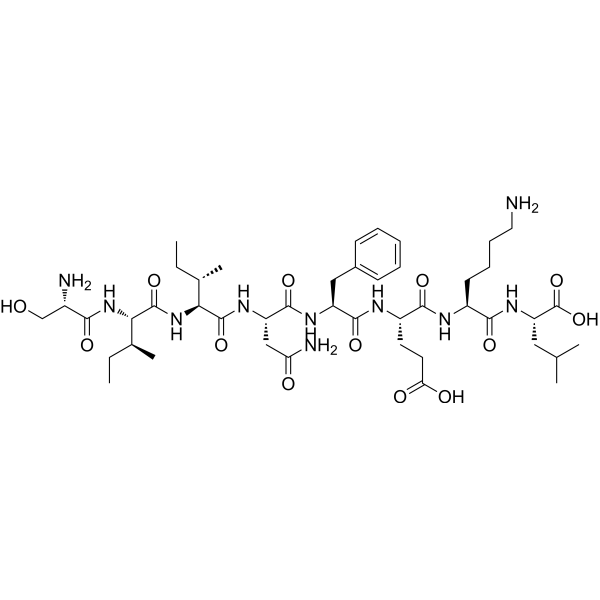
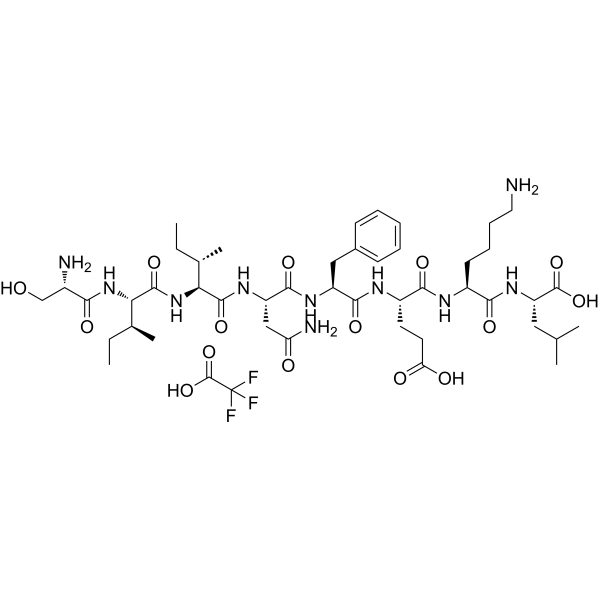
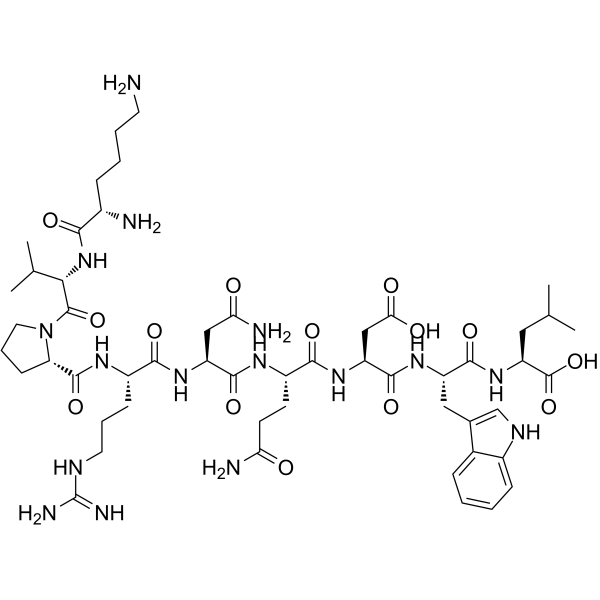
OVA Peptide(257-264) is a class I (Kb)-restricted peptide epitope of OVA, an octameric peptide can be from ovalbumin presented by the class I MHC molecule, H-2Kb.
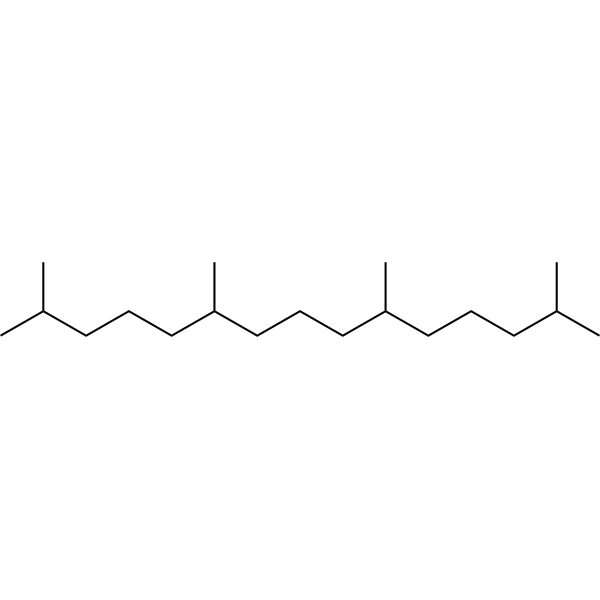
Pristane (Norphytane) is a naturally occurring hydrocarbon oil found in small quantities in many plants, in various marine organisms, and as the most active component of mineral oil . Pristane is a non-antigenic adjuvant, and induces MHC class II-restricted, arthritogenic T cells in the rat .
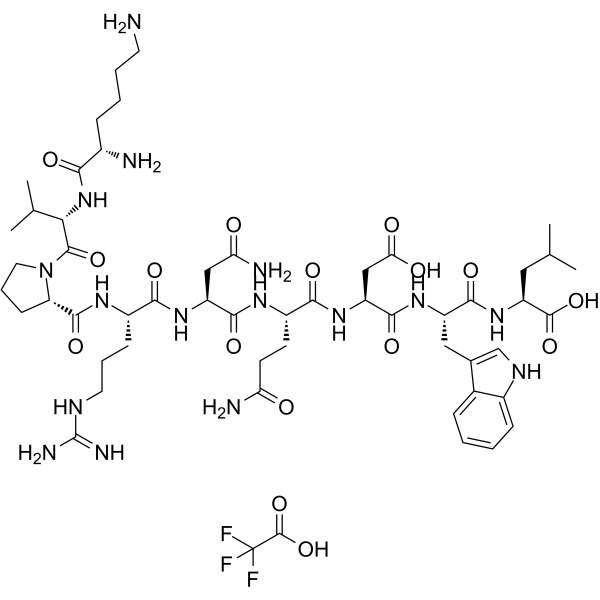
OVA Peptide(257-264) TFA is a class I (Kb)-restricted peptide epitope of OVA, an octameric peptide can be from ovalbumin presented by the class I MHC molecule, H-2Kb.
Gut restricted-7 (GR-7) is a potent, covalent and orally active pan-bile salt hydrolase (BSH) inhibitor. Gut restricted-7 has a tissue-selective and is restricted to the gut. Gut restricted-7 decreases gut bacterial BSHs and decreases deconjugated bile acid levels in feces of mice .
Amatuximab (MORab-009) is a chimeric, humanized IgG1/k MAb that targets the cell surface mesothelin (MSLN). Mesothelin is a glycosylphosphatidyl inositol (GPI)-anchored membrane glycoprotein, which is present in a restricted set of normal adult tissues such as the mesothelium .
Difelikefalin (CR-845) is a peripherally restricted and selective agonist of kappa opioid receptor (KOR). Difelikefalin produces anti-inflammatory effects and has the potential in modulating pruritus in conditions such as chronic kidney disease .
LCMV gp33-41, the carboxyl-extended 9-aa-long peptide, is an lymphocytic choriomeningitis virus sequence restricted by MHC class I H-2Db molecules and presented to cytotoxic T lymphocytes .
Ontunisertib (AGMB-129) is an orally active and selective gastrointestinal-restrictedALK5 (TGFβR1) inhibitor. Ontunisertib blocks signalling of the pro-fibrotic TGFβ pathway.Ontunisertib can be used for the research of fibrostenotic Crohn’s disease .
InsB (9-23) (Insulin B chain (9-23)) is an HLA-DQ8-restricted insulin B-chain peptide composed of amino acid residues 9-23. InsB (9-23) serves as a major MHC II class-restricted antigen. InsB (9-23) supports the recognition and activation of T cells, stimulates the secretion of IFN-γ and cytokines, and induces cross-reactive immune responses. InsB (9-23)-specific CD4 T cells can initiate diabetes . InsB (9-23) can be used in research related to type 1 diabetes and autoimmune diabetes .
URB937 is an orally active and peripherally restrictedFAAH inhibitor (IC50=26.8 nM) and increases anandamide levels. URB937 fails to affect FAAH activity in the brain (not penetrate the blood-brain barrier) .
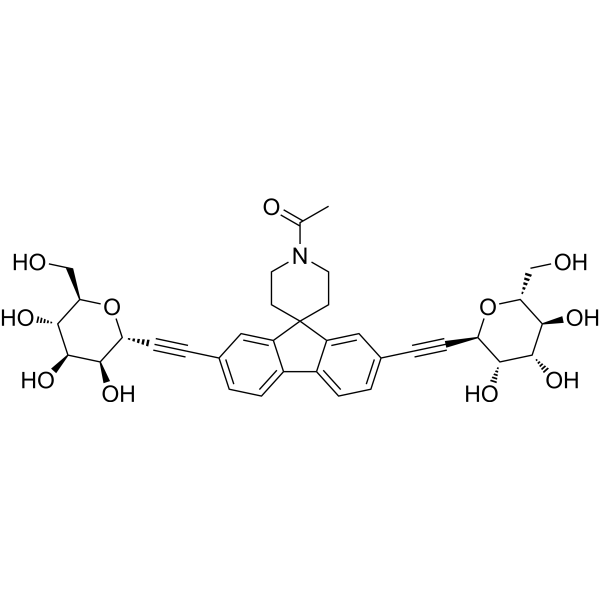
Sibofimloc (Antibiotic-202) is a first-in-class, gut-restricted, orally active FimH adhesion inhibitor extracted from patent WO2014100158A1, Compound Example 202. Sibofimloc has anti-bacterial infective activity. Sibofimloc is developed for inflammatory bowel disease (IBD) .
OVA peptide mainly exists in egg white, it is a class I (Kb)-restricted peptide epitope of ovalbumin presented by the class I MHC (major histocompatibility complex) molecule, H-2Kb (class I genes of the mouse MHC). OVA peptide has been widely studied in allergy research .
KSPWFTTL is an immunodominant Kb-restricted epitope from the p15E transmembrane protein. KSPWFTTL can restore susceptibility of a tumor line to anti-AKR/Gross MuLV cytotoxic T lymphocytes .
THRX-144644 is a Lung-restrictedALK5 inhibitor with an IC50 value of 0.14 nM. THRX-144644 avoids systemic toxicities associated with TGFβ pathway inhibition .
NX-13 is a first-in-class, orally active and gut-restricted agent that selectively targets and activates the NLRX1 pathway to induce immunometabolic changes. NX-13 results in lower inflammation and responses in inflammatory bowel disease. NX-13 can be used for the research of crohn's disease and ulcerative colitis .
Clostripain (Clostridiopeptidase B) is a thiol protease isolated from Clostridium histolyticum. Clostripain exhibits proteolytic activity as well as amidase-esterase activity. The specificity of Clostripain is primarily restricted to arginine residues, but it also shows minor hydrolytic activity toward most lysine-containing substrates. Clostripain catalyzes the ammonolysis of Carbobenzoxyarginyl methyl ester to generate various dipeptides .
AH1 is an immunodominant MHC class I-restricted nonamer peptide recognized by CD8 + cytotoxic T lymphocytes. AH1 derives from the envelope protein (gp70) of an endogenous ecotropic murine leukemia virus and is presented by the MHC class I L d molecule. AH1 can be used for the research of colorectal carcinoma .
Izencitinib (TD-1473) is an orally active, non-selective and gut-restrictedJAK inhibitor. Izencitinib (TD-1473) can be used in the study for ulcerative colitis .
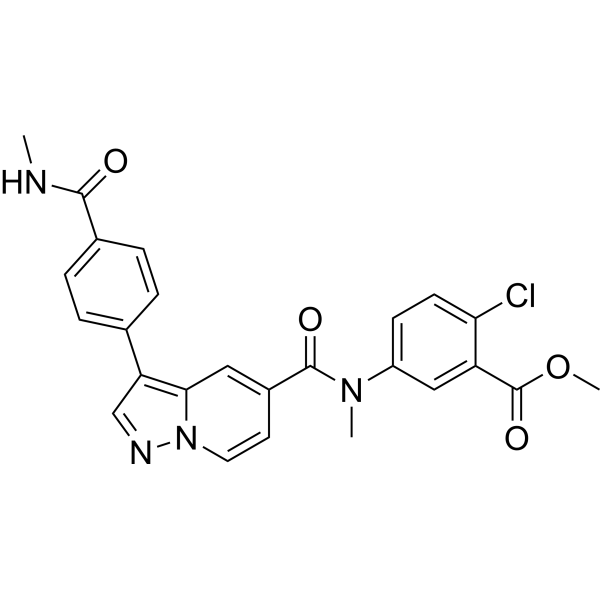
LP-922761 is a potent, selective and orally active adapter protein-2 associated kinase 1 (AAK1) inhibitor with IC50s of 4.8 nM and 7.6 nM in enzyme and cell assays, respectively. LP-922761 also inhibits BMP-2-inducible protein kinase (BIKE) with an IC50 of 24 nM. LP-922761 exhibits no significant activity at cyclin G-associated kinase (GAK), opioid, adrenergic α2 or GABAa receptors .
Nucleoprotein (396-404) is the 396 to 404 fragment of lymphocytic choriomeningitis virus (LCMV). Nucleoprotein (396-404) is the H-2D(b)-restricted immunodominant epitope and can be used as a molecular model of viral antigen .
Grb2 SH2 domain inhibitor 1 TFA is a conformationally restricted cyclic cell penetrating peptide (CPP) containing d-pro-l-pro motif ring (AF Φ Rpprrfq) (where Φ It is L-naphthylalanine, R is D-arginine, P is D-proline), which is mainly used as a cyclic peptide inhibitor.
LMP2A (426-434) is a HLA-A2-restricted cytotoxic T lymphocyte (CTL) epitope of Epstein-Barr virus (EBV) latent membrane protein 2A (LMP2A). LMP2A (426-434) can trigger an immune response in individuals expressing different HLA-A*02 subtypes (A*02:01, A*02:03, A*02:06 and A*02:07). LMP2A (426-434) can induce a strong IFN-γ secretion response, stimulating the production of a high proportion of CD8 + IFN-γ + T cells. LMP2A (426-434) induces specific CTLs to effectively kill target cells expressing LMP2A. LMP2A (426-434) can be used to study EBV-related malignant tumors (such as Hodgkin's disease and nasopharyngeal carcinoma) .
Naloxone methiodide is a peripherally restricted, nonselective, and competitive opioid receptor antagonist. Naloxone methiodide does not penetrate the blood-brain barrier .
Tyrosinase (206-214), human (AFLPWHRLF), a 9-amino acid peptide, is a tyrosinase epitope. Tyrosinase (206-214), human can be recognized by HLA-A24 restricted, tumor-infiltrating lymphocytes (TIL) .
LCMV gp33-41 (TFA), the carboxyl-extended 9-aa-long peptide, is an lymphocytic choriomeningitis virus sequence restricted by MHC class I H-2Db molecules and presented to cytotoxic T lymphocytes .
HPV16 E7 (86-93) TFA is a human leukocyte antigen (HLA)-A2.1 restricted HPV16 E7-derived peptide. HPV16 E7 (86-93) TFA is immunogenic in cervical carcinomas .
URB447 is a peripherally restrictedCB1 cannabinoid antagonist (IC50: 313 nM and 41 nM for rat CB1 and human CB2 receptor respectively ). URB447 lowers food intake and body-weight gain in mice without entering the brain or antagonizing central CB1-dependent responses. URB447 can be used for research of obesity .
OVA-Q4 Peptide is a biological active peptide. (Q4 Peptide (SIIQFEKL) is a variant of the agonist ovalbumin (OVA) peptide (257-264), SIINFEKL. OVA Peptide is a class I (Kb)-restricted peptide epitope of ovalbumin presented by the class I MHC (major histocompatibility complex) molecule, H-2Kb (class I genes of the mouse MHC).)
Tyrosinase 369-377, human is a HLA-A2.1-restricted epitope derived from tyrosinase, has been used to develop tumor-targeted vaccines with mixed efficacy .
C22 Galactosylceramide is a sphingolipid present in the central nervous system, exhibiting elevated levels in the spinal cord of mice on a methionine-restricted diet, while not affecting the brain or liver; furthermore, it has been identified in the postmortem hippocampus of Alzheimer's disease patients.
Tyrosinase (192-200), human mouse is a HLA-B*4403-restricted tyrosinase epitope with affinity for HLA-B4403 and HLA-B4402. Tyrosinase (192-200), human mouse binds to HLA-B*4403 to form a complex, which is recognized by the autologous cytotoxic T lymphocyte clone 22/31 derived from melanoma. Tyrosinase (192-200), human mouse binds to HLA-B4402 to form a complex, which is recognized by the CTL clone 329B/5 derived from healthy HLA-B4402 donors. Tyrosinase (192-200), human mouse is applicable to melanoma-related research .
SIYNFEKL TFA is a variant of major MHC class I-restricted epitope SIINFEKL. SIYNFEKL TFA is an antigenic peptide, that can stimulate specific T cells in experimental settings to study the competitive interaction between T cell. SIYNFEKL TFA exhibits low affinity for the OT-I T cell receptor (TCR), and can be used for detection of CD8+ T cells .
SIIVFEKL TFA is a variant of the major MHC class I-restricted epitope SIINFEKL. SIIVFEKL TFA is an antigenic peptide, that can stimulate specific T cells in experimental settings to study the competitive interaction between T cells. SIIVFEKL TFA exhibits low affinity for the OT-I T cell receptor (TCR), and can be used for detection of CD8+ T cells .
KSPWFTTL TFA is an immunodominant Kb-restricted epitope from the p15E transmembrane protein. KSPWFTTL TFA can restore susceptibility of a tumor line to anti-AKR/Gross MuLV cytotoxic T lymphocytes .
Difelikefalin-d5 (CR-845-d5) hydrochloride is the deuterium labeled Difelikefalin (HY-17609). Difelikefalin (CR-845) is a peripherally restricted and selective agonist of kappa opioid receptor (KOR). Difelikefalin produces anti-inflammatory effects and has the potential in modulating pruritus in conditions such as chronic kidney disease .
Eps8 peptide 327 is an HLA-A*2402-restricted peptide antigen derived from Eps8 protein. Eps8 peptide 327 has potent antitumor activity with significant cytotoxicity. Eps8 peptide 327 effectively inhibits cancer cells proliferation, induces apoptosis and disrupts EGFR signal pathway by inhibiting downstream signals (such as IL-2, TNF-α and IFN-γ) expression and the Eps8/EGFR interaction. Eps8 peptide 327 significantly inhibits tumor growth in HT-29 xenograft mcie models .
HER2/neu (654-662) GP2 is a nine amino acid peptide derived from the human epidermal growth factor receptor 2 (HER2/nue, 654–662), induces HLA-A2-restricted cytotoxic T lymphocytes (CTL) reactive to various epithelial cancers .
ZLY28 is the first-in-class intestinal restricted and orally active FXR and FABP1 dual modulator. ZLY28 also is a novel anti-NASH agent. ZLY28 can be used for the research of nonalcoholic steatohepatitis (NASH) .
Isoglobotriaose (Gala-3Galb-4Glc) is a glycosphingolipid found in mammalian tissues. Isoglobotriaose is an analogue of Globotriaose, the ganglioside derivatives of them locate in difference position of small intestine, isoglobotriaosylceramide is restricted to the nonepithelial residue, while globotriaosylceramide is in both compartments .
Pristane-d40 is the deuterium labeled Pristane . Pristane (Norphytane) is a naturally occurring hydrocarbon oil found in small quantities in many plants, in various marine organisms, and as the most active component of mineral oil . Pristane is a non-antigenic adjuvant, and induces MHC class II-restricted, arthritogenic T cells in the rat .
HPV16-E711-20 epitope is a well-known HLA-A *0201-restricted human cytotoxic T lymphocyte (CTL) epitope of the HPV16 E7 protein that shows high-affinity binding to HLA-A2 in vitro. HPV16 CTL epitopes may be good candidates for the development of an effective peptide-based antitumor vaccine .
HCV Peptide (35-44), a HCV core protein at positions 35 to 44, is a HLA-A2-restricted CTL epitope. HCV Peptide (35-44) inhibits NK cell activity via two distinct mechanisms, directly via KIR2DL2/3, and synergistically via the CD94:NKG2A receptor .
Alvimopan metabolite hydrochloride is a peripherally restrictedOpioid Receptor antagonist that inhibits the amplitude of electrically evoked contractions and spontaneous mechanical activity in guinea pig ileum .
Norbormide, a rodenticide, is a calcium entry blocker with a selective vasoconstrictor activity. Norbormide shows species- and tissue-specific, endothelium independent, and is restricted to the peripheral arteries of rat .
OVA Peptide(257-264) acetate salt is a class I (Kb)-restricted peptide epitope of OVA, an octameric peptide can be from ovalbumin presented by the class I MHC molecule, H-2Kb .
HIV gag peptide (197-205) is a H-2K d-restricted epitope derived from the p24 portion of the HIV-1 gag protein, consists of amino acids 197-205 (AMQMLKETI) .
Pristane (Norphytane) is a naturally occurring hydrocarbon oil found in small quantities in many plants, in various marine organisms, and as the most active component of mineral oil . Pristane is a non-antigenic adjuvant, and induces MHC class II-restricted, arthritogenic T cells in the rat .
Influenza NP (311-325) TFA is an Influenza A nucleoprotein peptide. Influenza NP (311-325) TFA is a class II restricted epitope. Influenza NP (311-325) Influenza NP (311-325) TFA fused to OVA protein can be used for immunological response studies .
LCMV-derived p13 epitope is a biological active peptide. (An H-2Db restricted epitope, this peptide is amino acids 61 to 80 fragment of the lymphocytic choriomeningitis virus (LCMV) pre-glycoprotein polyprotein GP complex. LCMV has been routinely used for the study of adaptive immune responses to viral infection.)
HPGDS inhibitor 3 is an orally active and highly potent peripherally restricted hematopoietic prostaglandin D synthase (H-PGDS) inhibitor with IC50 value of 9.4 nM and EC50 of 42 nM, respectively. HPGDS inhibitor 3 exhibits good selectivity, good pharmacokinetic parameters in mouse, rat, and dog, and no CNS toxicity. HPGDS inhibitor 3 has anti-inflammatory activity .
Difelikefalin-d5 (CR-845-d5) is deuterium labeled Difelikefalin. Difelikefalin (CR-845; FE-202845) is a peripherally restricted and selective agonist of kappa opioid receptor (KOR). Difelikefalin produces anti-inflammatory effects and has the potential in modulating pruritus in conditions such as chronic kidney disease .
Influenza NP (311-325) is a biologically active peptide derived from the influenza virus nucleoprotein (NP). The NP protein is an MHC class II restricted epitope that elicits host immune responses during viral infection. Influenza NP (311-325) elicits the most potent interferon gamma (IFN-γ) production without stimulating CD8 T cells in mice.
H2-D b restricted epitopes VSV Nucleoprotein (52-59) is a 9-mer peptide derived from the nucleoprotein of Vesicular Stomatitis Virus (VSV). H2-D b restricted epitopes VSV Nucleoprotein (52-59) binds to MHC class I molecules and presents itself to CD8+ T cells, thereby activating cytotoxic T lymphocytes (CTLs), which can recognize and kill cells expressing the corresponding antigen. H2-D b restricted epitopes VSV Nucleoprotein (52-59) can be used in the development of CTL vaccines against Ebola virus .
Difelikefalin (CR-845; FE-202845) acetate is a peripherally restricted and selective agonist of kappa opioid receptor (KOR). Difelikefalin acetate produces anti-inflammatory effects and has the potential in modulating pruritus in conditions such as chronic kidney disease .
YLLEMLWRL is an HLA-A2-restricted T cell epitope sequence corresponding to codon 125-133. Among them, YLLEMLWRL sequence is the main mutation site of HLA-A2-restricted CTL epitope sequence .
CEF8, Influenza Virus NP (383-391), an influenza A virus nucleoprotein containing residues 383 to 391, is the most important HLA-B *2705-restricted epitope in the nucleoprotein of influenza A viruses and is associated with escape from cytotoxic T lymphocytes-mediated immunity .
LP-922761 hydrate is a potent, selective and orally active adapter protein-2 associated kinase 1 (AAK1) inhibitor with IC50s of 4.8 nM and 7.6 nM in enzyme and cell assays, respectively. LP-922761 hydrate also inhibits BMP-2-inducible protein kinase (BIKE) with an IC50 of 24 nM. LP-922761 hydrate shows less activity at cyclin G-associated kinase (GAK), opioid, adrenergic α2 or GABAa receptors .
Glycoprotein (276-286) is a Db-restricted peptide derived from lymphocytic choriomeningitis virus (LCMV) glycoprotein (GP), corresponds to amino acids 276-286[1].
Pol (476-484), HIV-1 RT Epitope is a biological active peptide. (This is a reverse transcriptase (RT) epitope (Pol residues 476-484). Within HIV-1 RT the peptide appears to be the dominant HLA A*0201-restricted epitope. Was used to investigate possible mechanisms behind HIV-1 escape from CTL. IV9 is the actual epitope processed and presented in HIV-1-infected cell lines.)
ODN INH-1 sodium is palindromic and a class R (‘restricted’) inhibitory ODN. ODN INH-1 sodium is a potent inhibitor of TLR9-induced B cells and macrophages
LS10 can specifically bind to NG2 protein and is a functional ligand for targeted drug delivery to glioma. NG2 proteins are widely overexpressed in the glioma cells and restricted in normal tissue .
CEF7, Influenza Virus NP (380-388) is a HLA-B *08 restricted influenza virus nucleoprotein epitope. Influenza virus NP functions as a key adapter molecule between virus and host cell processes .
L-Ibotenic acid is a psychoactive compound found in Amanita muscaria and related mushroom species. L-Ibotenic acid is a conformationally restricted analog of the neurotransmitter glutamate, which may be activated by different conformations of L-glutamate and is a non-selective glutamate receptor agonist .
L-CCG-I is an extended isomer of conformationally restricted glutamate analog. L-CCG-I also is a potent agonist for mGluR2 with an EC50 value of 0.3 nM. L-CCG-I can be used for the research of mGluR family .
Nucleoprotein (396-404) TFA is the 396 to 404 fragment of lymphocytic choriomeningitis virus (LCMV). Nucleoprotein (396-404) TFA is the H-2D(b)-restricted immunodominant epitope and can be used as a molecular model of viral antigen .
Cav 3.2 inhibitor 4 (compound 21) is a potent, peripherally restricted, selective T-type calcium channel (Cav3.2) inhibitor, with an IC50 of 0.6 μM. Cav 3.2 inhibitor 4 can be used for the research of atrial fibrillation .
Fusion glycoprotein 92-106 is a polypeptide from fusion protein of respiratory syncytial virus (RSV). Fusion glycoprotein 92-106 acts as MHC class I-restricted CTL epitope, that all 15 amino acids are required for efficient recognition by cytotoxic T lymphocyte (CTL) .
(R)-Zevaquenabant ((R)-MRI-1867) is the enantiomer of Zevaquenabant (HY-141411A). Zevaquenabant ((S)-MRI-1867) is a peripherally restricted, orally bioavailable dual cannabinoid CB1 receptor and inducible NOS antagonist. Zevaquenabant ameliorates obesity-induced chronic kidney disease (CKD) .
UCSF678 is a 42 nM arrestin-biased partial agonist at the 5-HT5AR with a more restricted off-target profile and decreased assay liabilities. UCSF678 is a selective probe with which to study the function of the 5-HT5AR .
HSV-gB2 (498-505) is an immunodominant epitope from herpes simplex virus (HSV) glycoprotein B residues 498-505, acts as H-2Kb-restricted and HSV-1/2-cross-reactive cytotoxic T-lymphocyte (CTL) recognition epitope .
SIB 1663 is a conformationally restricted analog of nicotine. SIB-1663 selectively activatedα2β4 and α4β4 human recombinant neuronal nAChRs. SIB 1663 can increase DA and NE release. SIB 1663 can be used for the research of neurological disease .
C22 Galactosylceramide-d4 is deuterium labeled C22 Galactosylceramide. C22 Galactosylceramide is a sphingolipid present in the central nervous system, exhibiting elevated levels in the spinal cord of mice on a methionine-restricted diet, while not affecting the brain or liver; furthermore, it has been identified in the postmortem hippocampus of Alzheimer's disease patients .
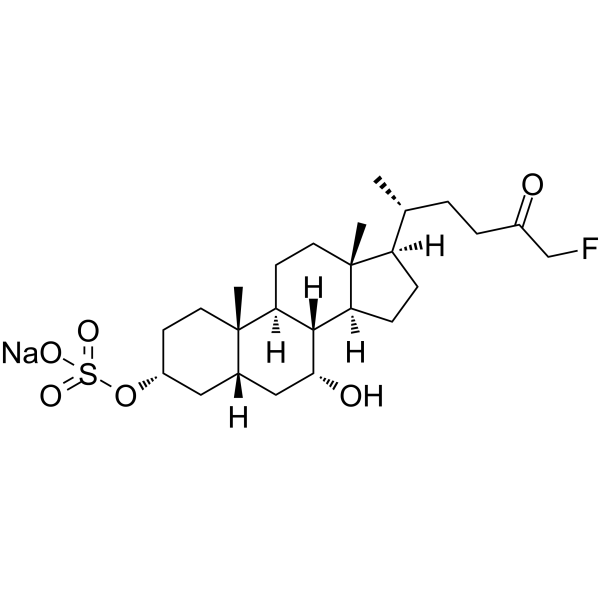
TGR5 agonist 7 (Compound 22-Na) is a gut-restricted, orally active agonist for G protein-coupled bile acid receptor TGR5 (GPBAR1 or GPR131) with an EC50 < 1 μM. TGR5 agonist 7 exhibits blood glucose lowering effect in mouse model, and can be used in diabete research .
Cytochrome c-pigeon (88-104) (PCC 88-104) has full stimulatory activity for pigeon cytochrome c-primed T cells from B10.A mice. The I-E k-restricted T cell response to Cytochrome c pigeon (pcyt c) is specific for the COOH-terminal sequence 88-104 .
Sibofimloc (Standard) is the analytical standard of Sibofimloc. This product is intended for research and analytical applications. Sibofimloc (Antibiotic-202) is a first-in-class, gut-restricted, orally active FimH adhesion inhibitor extracted from patent WO2014100158A1, Compound Example 202. Sibofimloc has anti-bacterial infective activity. Sibofimloc is developed for inflammatory bowel disease (IBD)[1][2].
AIM2-derived decapeptide is an AIM2-derived decapeptide and HLA-A1-restricted T-cell epitope. AIM2-derived decapeptide can be used in the research of melanoma .
EBNA3B 399-408 is an immunodominant HLA-A11-restricted cytotoxic T-lymphocyte epitope in EBNA3B. EBNA3B 399-408 can be used in the research of EBV infection, empyema-associated lymphoma, and nasal natural killer cell lymphoma .
MART-1 (27-35) (human) (TFA) is the amino acid fragment spanning positions 27 to 35 of the MART-1 protein, and it represents an immunogenic epitope recognizable by HLA-A2-restricted melanoma-specific tumor-infiltrating lymphocytes (TILs). MART-1 (27-35) (human) (TFA) can be used in studies related to melanoma.
CA1001 is a small-molecule ZNF74 inhibitor and a peripherally restricted κ/δ dual opioid receptor agonist. CA1001 exhibits potent antitumor activity both in vitro and in vivo. CA1001, in combination with immune checkpoint inhibitors, significantly enhances tumor regression. CA1001 activates peripherally restricted κ/δ dual opioid receptors and exerts analgesic effects under conditions of inflammatory pain, neuropathic pain, and mechanical hyperalgesia. CA1001 can be used in research related to melanoma, mechanical hyperalgesia, neuropathic pain, and inflammatory arthritis pain.
L-γ-Carboxyglutamic acid (H-Gla-OH) is a mGluR2 antagonist with an IC50 of 102 μM. L-γ-Carboxyglutamic acid binds to the mGluR2 receptor site via the overlapping extended amino acid conformation of its amino and carboxyl groups with glutamic acid, and its additional acidic group locates in a restricted region, thereby blocking the full activation of the receptor. L-γ-Carboxyglutamic acid can be used for the research of neurological disorders .
MBP (111-129) is a polypeptide that constitutes an immunodominant epitope cluster restricted by HLA-DRB1*0401. MBP (111-129) is an antagonist for the clone HD4-1C2 TCR and an agonist for clone MS2-3C8 TCR. MBP (111-129) can be used for on multiple sclerosis and T cell biology .
Azure A chloride is a phenothiazine dye. Azure A chloride is an alternative DNA dye used for the separation of DNA and protein fragments in agarose gel electrophoresis and PAGE. Azure A chloride can be chemisorbed on the surface of mild steel according to the Langmuir adsorption isotherm to form a protective film. Azure A chloride binds to double-stranded DNA in a non-cooperative manner via weak intercalation, triggering molecular conformational disturbance, restricted rotational motion, and changes in optical activity .
PF-06273340 is a peripherally restricted pan-Trk inhibitor with IC50 values of 6, 4, 3 nM for TrkA, TrkB, and TrkC receptors. PF-06273340 binds in a DFG-out conformation, targeting less conserved kinase ligand binding domain regions outside the ATP binding pocket. PF-06273340 exhibits anti-hyperalgesic and analgesic effects. PF-06273340 can be used for the research of pain .
NPSR1 antagonist-1 is a potent and peripherally restrictedneuropeptide S receptor 1 (NPSR1) antagonist. NPSR1 antagonist-1 can inhibit IL-6, PTGS2, IL-20, and CXCL8 expression. NPSR1 antagonist-1 can reduce TNF-α cytokine levels. NPSR1 antagonist-1 can be used for the research of inflammation, such as peritonitis .
AMG-1694 is a potent glucokinase–glucokinase regulatory protein (GK-GKRP) disruptors and promotes the dissociation of the GK-GKRP complex with an IC50 of 7 nM, indirectly increasing GK enzymatic activity. AMG-1694 potently reverses the inhibitory effect of GKRP on GK activity and promotes GK translocation. AMG-1694 normalizes blood glucose levels in several rodent models of diabetes and lowes blood glucose restricted to diabetic and not normoglycaemic animals .
VVD-118313 (compound 5a) is a potent, selective JAK1 inhibitor. VVD-118313 targets an isoform-restricted allosteric cysteine to block JAK1-dependent trans-phosphorylation and cytokine signaling. VVD-118313 can be used for research of cancer . VVD-118313 is a click chemistry reagent, it contains an Alkyne group and can undergo copper-catalyzed azide-alkyne cycloaddition (CuAAc) with molecules containing Azide groups.
Antimalarial agent 51 (Compound 2) is an orally active antimalarial compound. Antimalarial agent 51 blocks nutrient uptake by Plasmodium by inhibiting the plasmodium surface anion channel (PSAC). Antimalarial agent 51 significantly inhibits the growth of Plasmodium under nutrient-restricted conditions. Combination of antimalarial agent 51 with the residual transport inhibitor PRT-2 can enhance the antimalarial effect. Antimalarial agent 51 can be used in the study of malaria targeting the PSAC channel .
COX-2-IN-6 (compound 10) is an orally active, gut-restricted and selective cyclooxygenase-2 (COX-2) inhibitor for colorectal Chemoprevention of cancer. COX-2-IN-6 selectively targets COX-2 with an IC50 of 0.84 μM and a Ki of 69 nM. COX-2-IN-6 also inhibits COX-2-driven PGE2 synthesis with an IC50 of 0.60 μM .
LLO (91-99) (Listeriolysin O (91-99)) is an exotoxin and class I MHC-restricted T-cell epitope of listeriolysin (LLO). LLO (91-99) is processed by antigen-presenting cells, binds to MHC class I molecules and is presented to the cell surface. LLO (91-99) induces CTL responses and effectively eliminates Listeria from infected cells. LLO (91-99) can be used in the research of Listeria infections (e.g., listeriosis) .
Olodanrigan (EMA401) is a highly selective, orally active, peripherally restrictedangiotensin II type 2 receptor (AT2R) antagonist. It is under development as a neuropathic pain therapeutic agent. Olodanrigan (EMA401) analgesic action appears to involve inhibition of augmented AngII/AT2R induced p38 and p42/p44 MAPK activation, and hence inhibition of DRG neuron hyperexcitability and sprouting of DRG neurons .
JAK1-IN-20 (Compound 38) is a gut-restricted, orally active, selective JAK1 inhibitor with an IC50 of <0.5 nM. JAK1-IN-20 inhibits the enzymatic activity of JAK1, reduces the production of proinflammatory cytokines (TNF-α, IL-6), and suppresses the phosphorylation of STAT3. JAK1-IN-20 ameliorates ulcerative colitis. JAK1-IN-20 can be used for the research of inflammatory bowel disease .
Olodanrigan (EMA401) sodium is a highly selective, orally active, peripherally restrictedangiotensin II type 2 receptor (AT2R) antagonist. Olodanrigan sodium is under development as a neuropathic pain therapeutic agent. Olodanrigan sodium analgesic action appears to involve inhibition of augmented AngII/AT2R induced p38 and p42/p44 MAPK activation, and hence inhibition of DRG neuron hyperexcitability and sprouting of DRG neurons .
Gp100 (25-33), human (Hgp100 (25-33)) is the amino acids 25-33 fragment of the human melanoma antigen. Gp100 (25-33), human is a 9-amino acid (AA) epitope restricted by MHC class I H-2D b and recognized by the T cells. Gp100 (25-33), human has immunogenicity and induces specific T cells. Gp100 (25-33), human can be used for the cancer research, such as melanoma .
EDI048 is an orally active, gut-restricted parasiticidal agent. EDI048 specifically binds to the ATP-binding site of Cryptosporidium phosphatidylinositol 4-kinase (CpPI (4) K), blocks parasite membrane biogenesis, arrests the pathogen at the schizont stage, and thus irreversibly clears the infection. EDI048 is rapidly converted to an inactive carboxylic acid metabolite via hepatic first-pass metabolism, with extremely low systemic exposure, good safety profile, and no cardiotoxicity, genotoxicity or off-target effects. EDI048 is used in studies of intestinal cryptosporidiosis in children .
Gp100 (25-33), human TFA (Hgp100 (25-33) (TFA)) is the amino acids 25-33 fragment of the human melanoma antigen. Gp100 (25-33), human TFA is a 9-amino acid (AA) epitope restricted by MHC class I H-2D b and recognized by the T cells. Gp100 (25-33), human TFA has immunogenicity and induces specific T cells. Gp100 (25-33), human TFA can be used for the cancer research, such as melanoma .
LX2931 is an inhibitor of Sphingosine 1-Phosphate Lyase (S1PL). LX2931 works by increasing levels of S1P inside and outside the cell. The decrease in S1PL activity leads to a significant increase in S1P content in tissues, especially in lymphoid tissues which may lead to a restricted exodus of lymphocytes from secondary immune tissues, resulting in lymphocytopenic and immunosuppressive effects in the peripheral circulation. LX2931 can be used in research for the study of autoimmune diseases, especially rheumatoid arthritis .
SR-8993 is a highly selective nociceptin receptor agonist that can penetrate the blood-brain barrier and has the activity of reducing alcohol intake and relieving withdrawal anxiety. SR-8993 has shown mild anxiolytic effects in animal models and can effectively reverse anxiety caused by acute alcohol withdrawal. SR-8993 further reduces restricted drinking, operant responses for alcohol, and increased drinking induced by long-term intermittent exposure to alcohol. SR-8993 also reduces stress- and cue-related alcohol-seeking relapse .
MC38 SLP Adpgk (Adpgk peptide) is an H-2 K b-restricted colorectal cancer neoantigen peptide. MC38 SLP Adpgk is formulated into PCNP nanocomplexes together with CpG ODN. PCNP vaccines significantly enhance the co-delivery efficiency of neoantigens and adjuvants to lymphoid organs, and activate cytotoxic T cells. PCNP vaccines not only protect mice from MC-38 colorectal tumor invasion, but also exhibit anti-tumor efficacy in established colorectal tumor models and significantly prolong the survival of tumor-bearing mice .
(Z)-NMac1 is an Nm23-H1 activator found in Zingiber cassumunar Roxb. (Z)-NMac1 has dual anti-metastatic and anti-proliferative biological activities. (Z)-NMac1 selectively inhibits cancer cell proliferation under glucose starvation conditions by inhibiting mitochondrial complex I activity, leading to ATP depletion and mitochondrial dysfunction. (Z)-NMac1 can be used to study tumors with high oxidative phosphorylation, especially in the glucose-restricted tumor microenvironment .
GCB-27b is an immunostimulant that binds to CD1d. GCB-27b forms a stable and long-lasting complex with CD1d, which is presented to the TCR of NKT cells to drive immune responses. GCB-27b induces a Th1-skewed immune response in *Mus musculus*, resulting in high expression of IFN−γ with restricted IL-4 levels. GCB-27b is applicable to research related to lung metastasis of melanoma .
F44-S101 is an orally active, potent, and selective gut-restrictedFXR antagonist with an IC50 of 0.48 μM and lipid-lowering activity. F44-S101 selectively antagonizes intestinal FXR, feedback-activates hepatic FXR, promotes cholesterol metabolism and reduces lipid accumulation. F44-S101 decreases total cholesterol, triglyceride and low-density lipoprotein cholesterol levels. F44-S101 can be used in studies related to hyperlipidemia .
PRMT5-IN-53 is a gut-restricted and orally active PRMT5 inhibitor with pIC50s of ≥ 9.7 against hPRMT5 and mPRMT5. PRMT5-IN-53 binds to the PRMT5:MEP50 complex with a KD of 11.3 pM. PRMT5-IN-53 effectively inhibits PRMT5 locally in the intestines of mice, significantly reducing the number and area of polyps, while avoiding systemic hematological toxicity (such as anemia, neutropenia). PRMT5-IN-53 can be used for the study of colorectal cancer especially for familial adenomatous polyposis (FAP) .
CP-283097 is an orally active and conformationally restricted and NR2B subtype-selective NMDA antagonist. CP-283097 efficiently competitively inhibits the binding of [³H]CP-101,606 to the rat meninges, with an IC50 value of 18 nM. CP-283097 exhibits nearly complete inhibition of the current mediated by the NR2B receptor (IC50 = 206 nM), while the inhibitory effect on the NR2A or NR2C receptors is very weak. CP-283097 demonstrates excellent central nervous system permeability and in vivo efficacy in animal models. CP-283097 can be used for neurological diseases related to excessive activation of NMDA receptors .
A1480LS is a peripherally restricted, orally active covalent and irreversible inhibitor of DAGLα and DAGLβ, with IC50 values of 6 nM and 4 nM against human targets, respectively, and IC50 values ≤15 nM across mouse, rat, dog, monkey and human systems. A1480LS reduces the levels of 2-arachidonoylglycerol, arachidonic acid, and cyclooxygenase- and lipoxygenase-derived eicosanoids. A1480LS inhibits injury-induced production of 2-arachidonoylglycerol and arachidonic acid in the peripheral sciatic nerve, and suppresses the responses of high-threshold and wide-dynamic-range-like dorsal horn neurons to mechanical stimulation. A1480LS alleviates pain behaviors in rat models of inflammatory pain, neuropathic pain and chemotherapy-induced peripheral neuropathy .
TLC-2716 is an orally available, gut- and liver-restricted inhibitor against LXRα and LXRβ, with EC50 values of 7 nM and 15 nM, respectively. TLC-2716 represses LXRα/β transcriptional activity, downregulates genes involved in lipogenesis, lipid absorption and lipoprotein metabolism, and preserves peripheral reverse cholesterol transport. TLC-2716 reduces lipid accumulation, suppresses inflammation and fibrotic gene expression, enhances triglyceride-rich lipoprotein clearance, and improves glucose homeostasis and insulin sensitivity. TLC-2716 lowers serum and hepatic triglycerides, plasma cholesterol and other atherogenic lipid profiles in experimental models and humanized liver mice. TLC-2716 can be used for the research of dyslipidemia and related cardiometabolic disorders .
(R)-KT109 is a peripherally restricted serine hydrolase inhibitor that cannot cross the blood-brain barrier. (R)-KT109 irreversibly inhibits ABHD6, DAGLα and DAGLβ via carbamoylation of the active-site serine. (R)-KT109 exerts selective inhibitory effects on serine hydrolases in mouse brains, with pIC50 values of 8.6, 9.1 and 8.2 against human ABHD6, DAGLα and DAGLβ, respectively. (R)-KT109 effectively reduces the levels of 2-arachidonoylglycerol, arachidonic acid, eicosanoids and TNF-α. (R)-KT109 is widely used in studies of metabolic syndrome-related diseases and neuroinflammation .
PRAME peptide (425-433) acetate is a proteasome-degraded peptide derived from the cancer-testis antigen PRAME (Preferentially Expressed Antigen in Melanoma). PRAME peptide (425-433) acetate is restricted by HLA-A*02:01 and can serve as a target for bispecific T cell engager therapy in the context of major histocompatibility complex I presentation. PRAME peptide (425-433) acetate shows application potential in various malignant tumors and is widely suitable for research related to solid tumors, melanoma, ovarian cancer, endometrial cancer, and lung cancer (including lung adenocarcinoma and lung squamous cell carcinoma). PRAME peptide (425-433) acetate can be used to explore disease of triple-negative breast cancer, diffuse large B-cell lymphoma, and head and neck squamous cell carcinoma .
PDE4B/D-IN-5 (Compound P32) is a peripherally restricted, oral active inhibitor of PDE4B and PDE4D with extremely low blood-brain barrier penetration, with IC50 values of 3.4 nM and 2.2 nM, respectively. PDE4B-IN-8 inhibits the production of TNF-α. PDE4B/D-IN-5 significantly reduces the Bax/Bcl2 ratio, and alleviates oxidative stress by decreasing MPO activity and NO levels. PDE4B/D-IN-5 exhibits anti-inflammatory, antioxidant, and anti-apoptotic activities. PDE4B/D-IN-5 can be used for the research of acute lung injury .
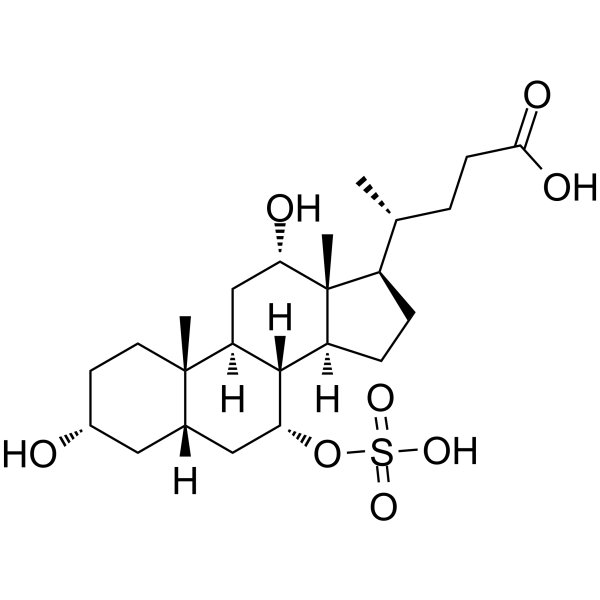
Cholic acid 7-sulfate (7-Sulfocholic acid) is a selective agonist targeting TGR5 (EC50=0.17 μM) and a ligand for MHC class I-related protein (MR1). As a gut-restricted TGR5 agonist, cholic acid 7-sulfate binds to TGR5 on enteroendocrine L cells, induces GLP-1 secretion, and improves glucose tolerance in a TGR5-dependent manner. Cholic acid 7-sulfate also acts as an endogenous ligand for MR1, promoting the survival of mucosal-associated invariant T cells MAIT and the expression of homeostatic gene signatures, affecting MAIT cell development and function. Cholic acid 7-sulfate is mainly used in the research of diabetes and MAIT cell-related immune regulation .
Influenza HA (518-526) is an H-2d-restricted CTL epitope derived from influenza virus hemagglutinin. Influenza HA (518-526) is highly conserved across various H5N1, some H9N2, and H1N1 strains. Influenza HA (518-526) binds to the mouse MHC class I allele K d to form a complex, which is then recognized by specific CD8 + T cells. Influenza HA (518-526) is an immunodominant epitope in influenza-infected BALB/c mice, and it stimulates CD8 + T cells to secrete IFN-γ to induce a robust immune response. Currently, Influenza HA (518-526) is widely used in research related to respiratory syncytial virus (RSV), influenza virus, and H5N1 influenza .
Ammonium carbonate (Ammonium carbonate), 99% is a solid amino compound that functions as a buffer, pH regulator, pore-forming agent, and electrocatalytic oxidation substrate. Ammonium carbonate, 99% is a GRAS-grade direct food additive with no restricted daily intake specified by FAO/WHO, and it shows no acute skin toxicity, clinical signs of toxicity, or effects on body weight in rats. Ammonium carbonate, 99% undergoes electrocatalytic oxidation in alkaline solutions with a Pt/C catalyst (carbonate adsorption interferes with activity). Ammonium carbonate, 99% can serve as a fuel for low-temperature polymer fuel cells and anion exchange membrane fuel cells (with performance superior to pure ammonia), and can also form pores in the carrier-free Pt cathode catalyst layer after low-temperature decomposition, thereby enhancing catalyst activity under low-humidity conditions and the performance of proton exchange membrane fuel cells .
Cholic acid 7-sulfate-d4 (7-Sulfocholic acid-d4) is the deuterium labeled Cholic acid 7-sulfate (HY-126855). Cholic acid 7-sulfate is a selective agonist targeting TGR5 (EC50=0.17 μM) and a ligand for MHC class I-related protein (MR1). As a gut-restricted TGR5 agonist, cholic acid 7-sulfate binds to TGR5 on enteroendocrine L cells, induces GLP-1 secretion, and improves glucose tolerance in a TGR5-dependent manner. Cholic acid 7-sulfate also acts as an endogenous ligand for MR1, promoting the survival of mucosal-associated invariant T cells MAIT and the expression of homeostatic gene signatures, affecting MAIT cell development and function. Cholic acid 7-sulfate is mainly used in the research of diabetes and MAIT cell-related immune regulation .
ASINEX has elaborated a library of diverse macrocycles using an effective tool box of synthetic methods. The resulting scaffolds are novel, tremendously diverse, medchem-relevant, macrocyclic frameworks.
Macrocyles tend to be larger than traditional screening molecules which make them perfect discovery tools for targets with shallow or extended binding sites. At the same time, their unique character based on restricted flexibility and ability to form intra-molecular hydrogen bonds allows for design approaches effectively optimizing properties such asaqueous solubility and membrane permeability. Many of these macrocycles have been tested for aqueous and DMSO solubility with cut-offs applied at 10 mM in DMSO and 50 µM in PBS (pH 7.4) followed by PAMPA permeability assay.
Azure A chloride is a phenothiazine dye. Azure A chloride is an alternative DNA dye used for the separation of DNA and protein fragments in agarose gel electrophoresis and PAGE. Azure A chloride can be chemisorbed on the surface of mild steel according to the Langmuir adsorption isotherm to form a protective film. Azure A chloride binds to double-stranded DNA in a non-cooperative manner via weak intercalation, triggering molecular conformational disturbance, restricted rotational motion, and changes in optical activity .
Ammonium carbonate (Ammonium carbonate), 99% is a solid amino compound that functions as a buffer, pH regulator, pore-forming agent, and electrocatalytic oxidation substrate. Ammonium carbonate, 99% is a GRAS-grade direct food additive with no restricted daily intake specified by FAO/WHO, and it shows no acute skin toxicity, clinical signs of toxicity, or effects on body weight in rats. Ammonium carbonate, 99% undergoes electrocatalytic oxidation in alkaline solutions with a Pt/C catalyst (carbonate adsorption interferes with activity). Ammonium carbonate, 99% can serve as a fuel for low-temperature polymer fuel cells and anion exchange membrane fuel cells (with performance superior to pure ammonia), and can also form pores in the carrier-free Pt cathode catalyst layer after low-temperature decomposition, thereby enhancing catalyst activity under low-humidity conditions and the performance of proton exchange membrane fuel cells .
OVA Peptide(257-264) is a class I (Kb)-restricted peptide epitope of OVA, an octameric peptide can be from ovalbumin presented by the class I MHC molecule, H-2Kb.
OVA Peptide(257-264) TFA is a class I (Kb)-restricted peptide epitope of OVA, an octameric peptide can be from ovalbumin presented by the class I MHC molecule, H-2Kb.
Difelikefalin (CR-845) is a peripherally restricted and selective agonist of kappa opioid receptor (KOR). Difelikefalin produces anti-inflammatory effects and has the potential in modulating pruritus in conditions such as chronic kidney disease .
LCMV gp33-41, the carboxyl-extended 9-aa-long peptide, is an lymphocytic choriomeningitis virus sequence restricted by MHC class I H-2Db molecules and presented to cytotoxic T lymphocytes .
InsB (9-23) (Insulin B chain (9-23)) is an HLA-DQ8-restricted insulin B-chain peptide composed of amino acid residues 9-23. InsB (9-23) serves as a major MHC II class-restricted antigen. InsB (9-23) supports the recognition and activation of T cells, stimulates the secretion of IFN-γ and cytokines, and induces cross-reactive immune responses. InsB (9-23)-specific CD4 T cells can initiate diabetes . InsB (9-23) can be used in research related to type 1 diabetes and autoimmune diabetes .
OVA peptide mainly exists in egg white, it is a class I (Kb)-restricted peptide epitope of ovalbumin presented by the class I MHC (major histocompatibility complex) molecule, H-2Kb (class I genes of the mouse MHC). OVA peptide has been widely studied in allergy research .
KSPWFTTL is an immunodominant Kb-restricted epitope from the p15E transmembrane protein. KSPWFTTL can restore susceptibility of a tumor line to anti-AKR/Gross MuLV cytotoxic T lymphocytes .
AH1 is an immunodominant MHC class I-restricted nonamer peptide recognized by CD8 + cytotoxic T lymphocytes. AH1 derives from the envelope protein (gp70) of an endogenous ecotropic murine leukemia virus and is presented by the MHC class I L d molecule. AH1 can be used for the research of colorectal carcinoma .
Carcinoembryonic antigen peptide 1 (CEA peptide) is a carcinoembryonic antigen (CEA)-derived peptide. Carcinoembryonic antigen peptide 1 is a potential HLA-A*0201-restricted CTL epitope that can be used for the study of CTL-mediated epithelial-derived cancers .
Gp100 (25-33), human (Hgp100 (25-33)) is the amino acids 25-33 fragment of the human melanoma antigen. Gp100 (25-33), human is a 9-amino acid (AA) epitope restricted by MHC class I H-2D b and recognized by the T cells. Gp100 (25-33), human has immunogenicity and induces specific T cells. Gp100 (25-33), human can be used for the cancer research, such as melanoma .
Nucleoprotein (396-404) is the 396 to 404 fragment of lymphocytic choriomeningitis virus (LCMV). Nucleoprotein (396-404) is the H-2D(b)-restricted immunodominant epitope and can be used as a molecular model of viral antigen .
Grb2 SH2 domain inhibitor 1 TFA is a conformationally restricted cyclic cell penetrating peptide (CPP) containing d-pro-l-pro motif ring (AF Φ Rpprrfq) (where Φ It is L-naphthylalanine, R is D-arginine, P is D-proline), which is mainly used as a cyclic peptide inhibitor.
LMP2A (426-434) is a HLA-A2-restricted cytotoxic T lymphocyte (CTL) epitope of Epstein-Barr virus (EBV) latent membrane protein 2A (LMP2A). LMP2A (426-434) can trigger an immune response in individuals expressing different HLA-A*02 subtypes (A*02:01, A*02:03, A*02:06 and A*02:07). LMP2A (426-434) can induce a strong IFN-γ secretion response, stimulating the production of a high proportion of CD8 + IFN-γ + T cells. LMP2A (426-434) induces specific CTLs to effectively kill target cells expressing LMP2A. LMP2A (426-434) can be used to study EBV-related malignant tumors (such as Hodgkin's disease and nasopharyngeal carcinoma) .
LLO (91-99) (Listeriolysin O (91-99)) is an exotoxin and class I MHC-restricted T-cell epitope of listeriolysin (LLO). LLO (91-99) is processed by antigen-presenting cells, binds to MHC class I molecules and is presented to the cell surface. LLO (91-99) induces CTL responses and effectively eliminates Listeria from infected cells. LLO (91-99) can be used in the research of Listeria infections (e.g., listeriosis) .
LLO (190-201) (Listeriolysin O 190 peptide) is a biological active peptide. (This peptide is a major histocompatibility complex class II (MHC-II)-restricted peptide, LLO190 (NEKYAQAYPNVS), from the listeriolysin O protein of Listeria monocytogenes, which generates an LLO190-specific Th response. This peptide subsequently challenge recombinant L. monocytogenes expressing the MHC-I-restricted epitope of ovalbumin (Ova257, SIINFEKL).)
Tyrosinase (206-214), human (AFLPWHRLF), a 9-amino acid peptide, is a tyrosinase epitope. Tyrosinase (206-214), human can be recognized by HLA-A24 restricted, tumor-infiltrating lymphocytes (TIL) .
LCMV gp33-41 (TFA), the carboxyl-extended 9-aa-long peptide, is an lymphocytic choriomeningitis virus sequence restricted by MHC class I H-2Db molecules and presented to cytotoxic T lymphocytes .
HPV16 E7 (86-93) TFA is a human leukocyte antigen (HLA)-A2.1 restricted HPV16 E7-derived peptide. HPV16 E7 (86-93) TFA is immunogenic in cervical carcinomas .
OVA-Q4 Peptide is a biological active peptide. (Q4 Peptide (SIIQFEKL) is a variant of the agonist ovalbumin (OVA) peptide (257-264), SIINFEKL. OVA Peptide is a class I (Kb)-restricted peptide epitope of ovalbumin presented by the class I MHC (major histocompatibility complex) molecule, H-2Kb (class I genes of the mouse MHC).)
Gp100 (25-33), human TFA (Hgp100 (25-33) (TFA)) is the amino acids 25-33 fragment of the human melanoma antigen. Gp100 (25-33), human TFA is a 9-amino acid (AA) epitope restricted by MHC class I H-2D b and recognized by the T cells. Gp100 (25-33), human TFA has immunogenicity and induces specific T cells. Gp100 (25-33), human TFA can be used for the cancer research, such as melanoma .
MC38 SLP Adpgk (Adpgk peptide) is an H-2 K b-restricted colorectal cancer neoantigen peptide. MC38 SLP Adpgk is formulated into PCNP nanocomplexes together with CpG ODN. PCNP vaccines significantly enhance the co-delivery efficiency of neoantigens and adjuvants to lymphoid organs, and activate cytotoxic T cells. PCNP vaccines not only protect mice from MC-38 colorectal tumor invasion, but also exhibit anti-tumor efficacy in established colorectal tumor models and significantly prolong the survival of tumor-bearing mice .
Influenza HA (518-526) is an H-2d-restricted CTL epitope derived from influenza virus hemagglutinin. Influenza HA (518-526) is highly conserved across various H5N1, some H9N2, and H1N1 strains. Influenza HA (518-526) binds to the mouse MHC class I allele K d to form a complex, which is then recognized by specific CD8 + T cells. Influenza HA (518-526) is an immunodominant epitope in influenza-infected BALB/c mice, and it stimulates CD8 + T cells to secrete IFN-γ to induce a robust immune response. Currently, Influenza HA (518-526) is widely used in research related to respiratory syncytial virus (RSV), influenza virus, and H5N1 influenza .
Tyrosinase 369-377, human is a HLA-A2.1-restricted epitope derived from tyrosinase, has been used to develop tumor-targeted vaccines with mixed efficacy .
Tyrosinase (192-200), human mouse is a HLA-B*4403-restricted tyrosinase epitope with affinity for HLA-B4403 and HLA-B4402. Tyrosinase (192-200), human mouse binds to HLA-B*4403 to form a complex, which is recognized by the autologous cytotoxic T lymphocyte clone 22/31 derived from melanoma. Tyrosinase (192-200), human mouse binds to HLA-B4402 to form a complex, which is recognized by the CTL clone 329B/5 derived from healthy HLA-B4402 donors. Tyrosinase (192-200), human mouse is applicable to melanoma-related research .
SIYNFEKL TFA is a variant of major MHC class I-restricted epitope SIINFEKL. SIYNFEKL TFA is an antigenic peptide, that can stimulate specific T cells in experimental settings to study the competitive interaction between T cell. SIYNFEKL TFA exhibits low affinity for the OT-I T cell receptor (TCR), and can be used for detection of CD8+ T cells .
SIIVFEKL TFA is a variant of the major MHC class I-restricted epitope SIINFEKL. SIIVFEKL TFA is an antigenic peptide, that can stimulate specific T cells in experimental settings to study the competitive interaction between T cells. SIIVFEKL TFA exhibits low affinity for the OT-I T cell receptor (TCR), and can be used for detection of CD8+ T cells .
S-palm P0(180–199) (TFA) is a peptide that enhances MHC II-restricted responses. S-palm P0(180–199) (TFA) can be used to establish models of chronic inflammatory demyelinating polyneuropathy (CIDP) and chronic experimental autoimmune neuritis (c-EAN). S-palm P0(180–199) (TFA) is used for studying autoimmune-mediated neuroinflammatory diseases .
KSPWFTTL TFA is an immunodominant Kb-restricted epitope from the p15E transmembrane protein. KSPWFTTL TFA can restore susceptibility of a tumor line to anti-AKR/Gross MuLV cytotoxic T lymphocytes .
Eps8 peptide 327 is an HLA-A*2402-restricted peptide antigen derived from Eps8 protein. Eps8 peptide 327 has potent antitumor activity with significant cytotoxicity. Eps8 peptide 327 effectively inhibits cancer cells proliferation, induces apoptosis and disrupts EGFR signal pathway by inhibiting downstream signals (such as IL-2, TNF-α and IFN-γ) expression and the Eps8/EGFR interaction. Eps8 peptide 327 significantly inhibits tumor growth in HT-29 xenograft mcie models .
HER2/neu (654-662) GP2 is a nine amino acid peptide derived from the human epidermal growth factor receptor 2 (HER2/nue, 654–662), induces HLA-A2-restricted cytotoxic T lymphocytes (CTL) reactive to various epithelial cancers .
HPV16-E711-20 epitope is a well-known HLA-A *0201-restricted human cytotoxic T lymphocyte (CTL) epitope of the HPV16 E7 protein that shows high-affinity binding to HLA-A2 in vitro. HPV16 CTL epitopes may be good candidates for the development of an effective peptide-based antitumor vaccine .
HCV Peptide (35-44), a HCV core protein at positions 35 to 44, is a HLA-A2-restricted CTL epitope. HCV Peptide (35-44) inhibits NK cell activity via two distinct mechanisms, directly via KIR2DL2/3, and synergistically via the CD94:NKG2A receptor .
OVA Peptide(257-264) acetate salt is a class I (Kb)-restricted peptide epitope of OVA, an octameric peptide can be from ovalbumin presented by the class I MHC molecule, H-2Kb .
HIV gag peptide (197-205) is a H-2K d-restricted epitope derived from the p24 portion of the HIV-1 gag protein, consists of amino acids 197-205 (AMQMLKETI) .
Influenza NP (311-325) TFA is an Influenza A nucleoprotein peptide. Influenza NP (311-325) TFA is a class II restricted epitope. Influenza NP (311-325) Influenza NP (311-325) TFA fused to OVA protein can be used for immunological response studies .
LCMV-derived p13 epitope is a biological active peptide. (An H-2Db restricted epitope, this peptide is amino acids 61 to 80 fragment of the lymphocytic choriomeningitis virus (LCMV) pre-glycoprotein polyprotein GP complex. LCMV has been routinely used for the study of adaptive immune responses to viral infection.)
Influenza NP (311-325) is a biologically active peptide derived from the influenza virus nucleoprotein (NP). The NP protein is an MHC class II restricted epitope that elicits host immune responses during viral infection. Influenza NP (311-325) elicits the most potent interferon gamma (IFN-γ) production without stimulating CD8 T cells in mice.
H2-D b restricted epitopes VSV Nucleoprotein (52-59) is a 9-mer peptide derived from the nucleoprotein of Vesicular Stomatitis Virus (VSV). H2-D b restricted epitopes VSV Nucleoprotein (52-59) binds to MHC class I molecules and presents itself to CD8+ T cells, thereby activating cytotoxic T lymphocytes (CTLs), which can recognize and kill cells expressing the corresponding antigen. H2-D b restricted epitopes VSV Nucleoprotein (52-59) can be used in the development of CTL vaccines against Ebola virus .
YLLEMLWRL is an HLA-A2-restricted T cell epitope sequence corresponding to codon 125-133. Among them, YLLEMLWRL sequence is the main mutation site of HLA-A2-restricted CTL epitope sequence .
CEF8, Influenza Virus NP (383-391), an influenza A virus nucleoprotein containing residues 383 to 391, is the most important HLA-B *2705-restricted epitope in the nucleoprotein of influenza A viruses and is associated with escape from cytotoxic T lymphocytes-mediated immunity .
NY-BR-1 p904 (A2) is an HLA-A2-restricted NY-BR-1 epitope. T-cell clone specific for NY-BR-1 p904 can recognize breast tumor cells expressing NY-BR-1 .
Glycoprotein (276-286) is a Db-restricted peptide derived from lymphocytic choriomeningitis virus (LCMV) glycoprotein (GP), corresponds to amino acids 276-286[1].
Pol (476-484), HIV-1 RT Epitope is a biological active peptide. (This is a reverse transcriptase (RT) epitope (Pol residues 476-484). Within HIV-1 RT the peptide appears to be the dominant HLA A*0201-restricted epitope. Was used to investigate possible mechanisms behind HIV-1 escape from CTL. IV9 is the actual epitope processed and presented in HIV-1-infected cell lines.)
LS10 can specifically bind to NG2 protein and is a functional ligand for targeted drug delivery to glioma. NG2 proteins are widely overexpressed in the glioma cells and restricted in normal tissue .
CEF7, Influenza Virus NP (380-388) is a HLA-B *08 restricted influenza virus nucleoprotein epitope. Influenza virus NP functions as a key adapter molecule between virus and host cell processes .
Nucleoprotein (396-404) TFA is the 396 to 404 fragment of lymphocytic choriomeningitis virus (LCMV). Nucleoprotein (396-404) TFA is the H-2D(b)-restricted immunodominant epitope and can be used as a molecular model of viral antigen .
Fusion glycoprotein 92-106 is a polypeptide from fusion protein of respiratory syncytial virus (RSV). Fusion glycoprotein 92-106 acts as MHC class I-restricted CTL epitope, that all 15 amino acids are required for efficient recognition by cytotoxic T lymphocyte (CTL) .
HSV-gB2 (498-505) is an immunodominant epitope from herpes simplex virus (HSV) glycoprotein B residues 498-505, acts as H-2Kb-restricted and HSV-1/2-cross-reactive cytotoxic T-lymphocyte (CTL) recognition epitope .
Cytochrome c-pigeon (88-104) (PCC 88-104) has full stimulatory activity for pigeon cytochrome c-primed T cells from B10.A mice. The I-E k-restricted T cell response to Cytochrome c pigeon (pcyt c) is specific for the COOH-terminal sequence 88-104 .
MBP (111-129) is a polypeptide that constitutes an immunodominant epitope cluster restricted by HLA-DRB1*0401. MBP (111-129) is an antagonist for the clone HD4-1C2 TCR and an agonist for clone MS2-3C8 TCR. MBP (111-129) can be used for on multiple sclerosis and T cell biology .
NY-ESO-1 (87-111) is a pan-MHC class II-restricted peptide sequence. NY-ESO-1 (87-111) binds to multiple HLA-DR and HLA-DP4 molecules, and stimulates Th1-type and Th-2/Th0-type CD4 + T cells when presented in the context of HLA-DR and HLA-DP4 molecules .
gp100 (17-25) is an immunogenic peptide. gp100 (17-25) can generate tumor-specific HLA-A3-restricted T lymphocytes. gp100 (17-25) can be used for melanoma research .
AIM2-derived decapeptide is an AIM2-derived decapeptide and HLA-A1-restricted T-cell epitope. AIM2-derived decapeptide can be used in the research of melanoma .
VLHDDLLEA is a peptide that can be isolated from the MHC complex HLA-A*0201 molecule. VLHDDLLEA can be recognized by HLA-A*0201-restricted cytotoxic T cells (CTLs). VLHDDLLEA can be used for research on graft versus host disease (GvHD) .
EBNA3B 399-408 is an immunodominant HLA-A11-restricted cytotoxic T-lymphocyte epitope in EBNA3B. EBNA3B 399-408 can be used in the research of EBV infection, empyema-associated lymphoma, and nasal natural killer cell lymphoma .
MART-1 (27-35) (human) (TFA) is the amino acid fragment spanning positions 27 to 35 of the MART-1 protein, and it represents an immunogenic epitope recognizable by HLA-A2-restricted melanoma-specific tumor-infiltrating lymphocytes (TILs). MART-1 (27-35) (human) (TFA) can be used in studies related to melanoma.
PRAME peptide (425-433) acetate is a proteasome-degraded peptide derived from the cancer-testis antigen PRAME (Preferentially Expressed Antigen in Melanoma). PRAME peptide (425-433) acetate is restricted by HLA-A*02:01 and can serve as a target for bispecific T cell engager therapy in the context of major histocompatibility complex I presentation. PRAME peptide (425-433) acetate shows application potential in various malignant tumors and is widely suitable for research related to solid tumors, melanoma, ovarian cancer, endometrial cancer, and lung cancer (including lung adenocarcinoma and lung squamous cell carcinoma). PRAME peptide (425-433) acetate can be used to explore disease of triple-negative breast cancer, diffuse large B-cell lymphoma, and head and neck squamous cell carcinoma .
Amatuximab (MORab-009) is a chimeric, humanized IgG1/k MAb that targets the cell surface mesothelin (MSLN). Mesothelin is a glycosylphosphatidyl inositol (GPI)-anchored membrane glycoprotein, which is present in a restricted set of normal adult tissues such as the mesothelium .
Abagovomab (Anti-Human CA-125 Recombinant Antibody) is a mouse monoclonal anti-idiotypic antibody that targets the tumor-associated antigen CA-125. Produced by mouse hybridoma cells, Abagovomab mimics the human TAA, CA-125. Abagovomab also induces humoral and cellular immune responses against ovarian cancer (OC) .
CA1001 is a small-molecule ZNF74 inhibitor and a peripherally restricted κ/δ dual opioid receptor agonist. CA1001 exhibits potent antitumor activity both in vitro and in vivo. CA1001, in combination with immune checkpoint inhibitors, significantly enhances tumor regression. CA1001 activates peripherally restricted κ/δ dual opioid receptors and exerts analgesic effects under conditions of inflammatory pain, neuropathic pain, and mechanical hyperalgesia. CA1001 can be used in research related to melanoma, mechanical hyperalgesia, neuropathic pain, and inflammatory arthritis pain.
Pristane (Norphytane) is a naturally occurring hydrocarbon oil found in small quantities in many plants, in various marine organisms, and as the most active component of mineral oil . Pristane is a non-antigenic adjuvant, and induces MHC class II-restricted, arthritogenic T cells in the rat .
Carcinoembryonic antigen peptide 1 (CEA peptide) is a carcinoembryonic antigen (CEA)-derived peptide. Carcinoembryonic antigen peptide 1 is a potential HLA-A*0201-restricted CTL epitope that can be used for the study of CTL-mediated epithelial-derived cancers .
Isoglobotriaose (Gala-3Galb-4Glc) is a glycosphingolipid found in mammalian tissues. Isoglobotriaose is an analogue of Globotriaose, the ganglioside derivatives of them locate in difference position of small intestine, isoglobotriaosylceramide is restricted to the nonepithelial residue, while globotriaosylceramide is in both compartments .
Pristane (Norphytane) is a naturally occurring hydrocarbon oil found in small quantities in many plants, in various marine organisms, and as the most active component of mineral oil . Pristane is a non-antigenic adjuvant, and induces MHC class II-restricted, arthritogenic T cells in the rat .
CRTAM/CD355 Protein is an immunoglobulin-superfamily transmembrane protein, and is a member of nectin-like protein superfamily. CRTAM is also expressed on activated human NK cells, CD8+ T cells and a subset of CD4+ T cells. CRTAM takes part in cellular adhesion, polarity, and proliferation. CRTAM also regulates lymphocyte function, and promotes TCD8+ cell adhesion and retention within the lymph node. Furthermore, CRTAM can interact with Necl-2, and promotes cytotoxicity of NK cells and IFN-γ secretion of CD8+ T cells in vitro, and NK cell-mediated rejection of tumors expressing Necl-2 in vivosup>[3]. CRTAM/CD355 Protein, Cynomolgus (HEK293, His) is the recombinant cynomolgus-derived CRTAM/CD355 protein, expressed by HEK293 , with C-6*His labeled tag.
The CRTAM/CD355 protein is a key mediator of heterophilic intercellular adhesion and complexly regulates the activation, differentiation, and tissue retention of T cell subsets. Its interaction with CADM1 promotes NK cell cytotoxicity and CD8+ T cell secretion of IFNG, thus contributing to NK cell-mediated tumor rejection. CRTAM/CD355 Protein, Human (HEK293, His) is the recombinant human-derived CRTAM/CD355 protein, expressed by HEK293 , with C-6*His labeled tag.
Difelikefalin-d5 (CR-845-d5) hydrochloride is the deuterium labeled Difelikefalin (HY-17609). Difelikefalin (CR-845) is a peripherally restricted and selective agonist of kappa opioid receptor (KOR). Difelikefalin produces anti-inflammatory effects and has the potential in modulating pruritus in conditions such as chronic kidney disease .
Pristane-d40 is the deuterium labeled Pristane . Pristane (Norphytane) is a naturally occurring hydrocarbon oil found in small quantities in many plants, in various marine organisms, and as the most active component of mineral oil . Pristane is a non-antigenic adjuvant, and induces MHC class II-restricted, arthritogenic T cells in the rat .
Difelikefalin-d5 (CR-845-d5) is deuterium labeled Difelikefalin. Difelikefalin (CR-845; FE-202845) is a peripherally restricted and selective agonist of kappa opioid receptor (KOR). Difelikefalin produces anti-inflammatory effects and has the potential in modulating pruritus in conditions such as chronic kidney disease .
C22 Galactosylceramide-d4 is deuterium labeled C22 Galactosylceramide. C22 Galactosylceramide is a sphingolipid present in the central nervous system, exhibiting elevated levels in the spinal cord of mice on a methionine-restricted diet, while not affecting the brain or liver; furthermore, it has been identified in the postmortem hippocampus of Alzheimer's disease patients .
Cholic acid 7-sulfate-d4 (7-Sulfocholic acid-d4) is the deuterium labeled Cholic acid 7-sulfate (HY-126855). Cholic acid 7-sulfate is a selective agonist targeting TGR5 (EC50=0.17 μM) and a ligand for MHC class I-related protein (MR1). As a gut-restricted TGR5 agonist, cholic acid 7-sulfate binds to TGR5 on enteroendocrine L cells, induces GLP-1 secretion, and improves glucose tolerance in a TGR5-dependent manner. Cholic acid 7-sulfate also acts as an endogenous ligand for MR1, promoting the survival of mucosal-associated invariant T cells MAIT and the expression of homeostatic gene signatures, affecting MAIT cell development and function. Cholic acid 7-sulfate is mainly used in the research of diabetes and MAIT cell-related immune regulation .
ODN INH-1 sodium is palindromic and a class R (‘restricted’) inhibitory ODN. ODN INH-1 sodium is a potent inhibitor of TLR9-induced B cells and macrophages
Inquiry Online
Your information is safe with us. * Required Fields.
Western blot analysis of extracts from THP-1(lane 2(20μg), Jurkat (lane 3(20μg) and NIH3T3(lane 4(20μg) using FOXO1A (HY-P80132) Rabbit mAb. Proteins were transferred
to a PVDF membrane and blocked with 5% non-fat milk in TBST for 2 hour at room temperature. The primary antibody (1/1000) and Loading control antibody (Beta Actin, HY-P80438, 1/10000) was
used in 5% non-fat milk in TBST at 4°C overnight. Goat Anti-Mouse/Rabbit IgG-HRP Secondary Antibody (1/10000) was used for 1 hour at room temperature.
Western blot analysis of extracts from THP-1(lane 2(20μg), Jurkat (lane 3(20μg) and NIH3T3(lane 4(20μg) using FOXO1A (HY-P80132) Rabbit mAb. Proteins were transferred
to a PVDF membrane and blocked with 5% non-fat milk in TBST for 2 hour at room temperature. The primary antibody (1/1000) and Loading control antibody (Beta Actin, HY-P80438, 1/10000) was
used in 5% non-fat milk in TBST at 4°C overnight. Goat Anti-Mouse/Rabbit IgG-HRP Secondary Antibody (1/10000) was used for 1 hour at room temperature.
Western blot analysis of extracts from THP-1(lane 2(20μg), Jurkat (lane 3(20μg) and NIH3T3(lane 4(20μg) using FOXO1A (HY-P80132) Rabbit mAb. Proteins were transferred
to a PVDF membrane and blocked with 5% non-fat milk in TBST for 2 hour at room temperature. The primary antibody (1/1000) and Loading control antibody (Beta Actin, HY-P80438, 1/10000) was
used in 5% non-fat milk in TBST at 4°C overnight. Goat Anti-Mouse/Rabbit IgG-HRP Secondary Antibody (1/10000) was used for 1 hour at room temperature.
Western blot analysis of extracts from THP-1(lane 2(20μg), Jurkat (lane 3(20μg) and NIH3T3(lane 4(20μg) using FOXO1A (HY-P80132) Rabbit mAb. Proteins were transferred
to a PVDF membrane and blocked with 5% non-fat milk in TBST for 2 hour at room temperature. The primary antibody (1/1000) and Loading control antibody (Beta Actin, HY-P80438, 1/10000) was
MedchemExpress Validation 03
Western blot analysis of extracts from THP-1(lane 2(20μg), Jurkat (lane 3(20μg) and NIH3T3(lane 4(20μg) using FOXO1A (HY-P80132) Rabbit mAb. Proteins were transferred
MedchemExpress Validation 04
Western blot analysis of extracts from THP-1(lane 2(20μg), Jurkat (lane 3(20μg) and NIH3T3(lane 4(20μg) using FOXO1A (HY-P80132) Rabbit mAb. Proteins were transferred
to a PVDF membrane and blocked with 5% non-fat milk in TBST for 2 hour at room temperature. The primary antibody (1/1000) and Loading control antibody (Beta Actin, HY-P80438, 1/10000) was
used in 5% non-fat milk in TBST at 4°C overnight. Goat Anti-Mouse/Rabbit IgG-HRP Secondary Antibody (1/10000) was used for 1 hour at room temperature.
MedchemExpress Validation
Western blot analysis of extracts from THP-1(lane 2(20μg), Jurkat (lane 3(20μg) and NIH3T3(lane 4(20μg) using FOXO1A (HY-P80132) Rabbit mAb. Proteins were transferred
to a PVDF membrane and blocked with 5% non-fat milk in TBST for 2 hour at room temperature. The primary antibody (1/1000) and Loading control antibody (Beta Actin, HY-P80438, 1/10000) was
used in 5% non-fat milk in TBST at 4°C overnight. Goat Anti-Mouse/Rabbit IgG-HRP Secondary Antibody (1/10000) was used for 1 hour at room temperature.
Western blot analysis of extracts from THP-1(lane 2(20μg), Jurkat (lane 3(20μg) and NIH3T3(lane 4(20μg) using FOXO1A (HY-P80132) Rabbit mAb. Proteins were transferred
to a PVDF membrane and blocked with 5% non-fat milk in TBST for 2 hour at room temperature. The primary antibody (1/1000) and Loading control antibody (Beta Actin, HY-P80438, 1/10000) was
used in 5% non-fat milk in TBST at 4°C overnight. Goat Anti-Mouse/Rabbit IgG-HRP Secondary Antibody (1/10000) was used for 1 hour at room temperature.
MedchemExpress Validation
Western blot analysis of extracts from THP-1(lane 2(20μg), Jurkat (lane 3(20μg) and NIH3T3(lane 4(20μg) using FOXO1A (HY-P80132) Rabbit mAb. Proteins were transferred
to a PVDF membrane and blocked with 5% non-fat milk in TBST for 2 hour at room temperature. The primary antibody (1/1000) and Loading control antibody (Beta Actin, HY-P80438, 1/10000) was
used in 5% non-fat milk in TBST at 4°C overnight. Goat Anti-Mouse/Rabbit IgG-HRP Secondary Antibody (1/10000) was used for 1 hour at room temperature.
MedchemExpress Validation
Western blot analysis of extracts from THP-1(lane 2(20μg), Jurkat (lane 3(20μg) and NIH3T3(lane 4(20μg) using FOXO1A (HY-P80132) Rabbit mAb. Proteins were transferred
to a PVDF membrane and blocked with 5% non-fat milk in TBST for 2 hour at room temperature. The primary antibody (1/1000) and Loading control antibody (Beta Actin, HY-P80438, 1/10000) was
used in 5% non-fat milk in TBST at 4°C overnight. Goat Anti-Mouse/Rabbit IgG-HRP Secondary Antibody (1/10000) was used for 1 hour at room temperature.
MedchemExpress Validation
Western blot analysis of extracts from THP-1(lane 2(20μg), Jurkat (lane 3(20μg) and NIH3T3(lane 4(20μg) using FOXO1A (HY-P80132) Rabbit mAb. Proteins were transferred
to a PVDF membrane and blocked with 5% non-fat milk in TBST for 2 hour at room temperature. The primary antibody (1/1000) and Loading control antibody (Beta Actin, HY-P80438, 1/10000) was
used in 5% non-fat milk in TBST at 4°C overnight. Goat Anti-Mouse/Rabbit IgG-HRP Secondary Antibody (1/10000) was used for 1 hour at room temperature.
MedchemExpress Validation
Western blot analysis of extracts from THP-1(lane 2(20μg), Jurkat (lane 3(20μg) and NIH3T3(lane 4(20μg) using FOXO1A (HY-P80132) Rabbit mAb. Proteins were transferred
to a PVDF membrane and blocked with 5% non-fat milk in TBST for 2 hour at room temperature. The primary antibody (1/1000) and Loading control antibody (Beta Actin, HY-P80438, 1/10000) was
used in 5% non-fat milk in TBST at 4°C overnight. Goat Anti-Mouse/Rabbit IgG-HRP Secondary Antibody (1/10000) was used for 1 hour at room temperature.
MedchemExpress Validation
Western blot analysis of extracts from THP-1(lane 2(20μg), Jurkat (lane 3(20μg) and NIH3T3(lane 4(20μg) using FOXO1A (HY-P80132) Rabbit mAb. Proteins were transferred
to a PVDF membrane and blocked with 5% non-fat milk in TBST for 2 hour at room temperature. The primary antibody (1/1000) and Loading control antibody (Beta Actin, HY-P80438, 1/10000) was
used in 5% non-fat milk in TBST at 4°C overnight. Goat Anti-Mouse/Rabbit IgG-HRP Secondary Antibody (1/10000) was used for 1 hour at room temperature.
MedchemExpress Validation
Western blot analysis of extracts from THP-1(lane 2(20μg), Jurkat (lane 3(20μg) and NIH3T3(lane 4(20μg) using FOXO1A (HY-P80132) Rabbit mAb. Proteins were transferred
to a PVDF membrane and blocked with 5% non-fat milk in TBST for 2 hour at room temperature. The primary antibody (1/1000) and Loading control antibody (Beta Actin, HY-P80438, 1/10000) was
used in 5% non-fat milk in TBST at 4°C overnight. Goat Anti-Mouse/Rabbit IgG-HRP Secondary Antibody (1/10000) was used for 1 hour at room temperature.
MedChemExpress values your privacy and your trust is important to us. We use cookies to enhance your website experience. Some cookies are necessary to run the website.
Privacy and Cookie Policy

