
Search Result
Results for "
rice plants
" in MedChemExpress (MCE) Product Catalog:
4
Biochemical Assay Reagents
1
Isotope-Labeled Compounds
| Cat. No. |
Product Name |
Target |
Research Areas |
Chemical Structure |
-
- HY-N1964
-
|
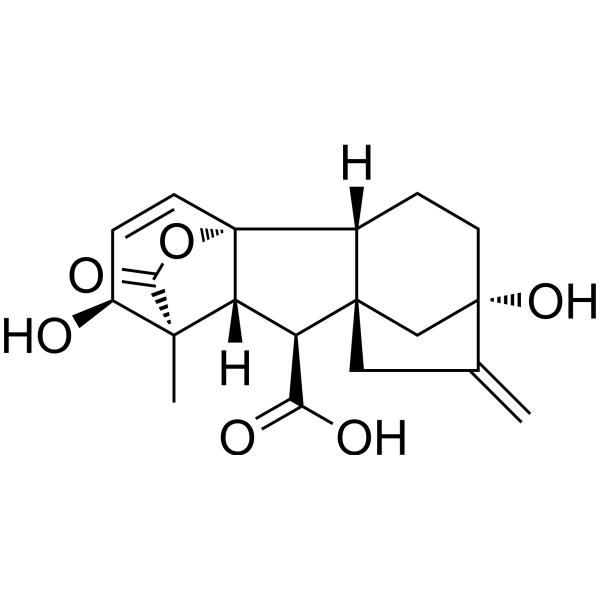
Gibberellin A3
|
Environmental Pollutants
Drug Derivative
|
Metabolic Disease
|
|
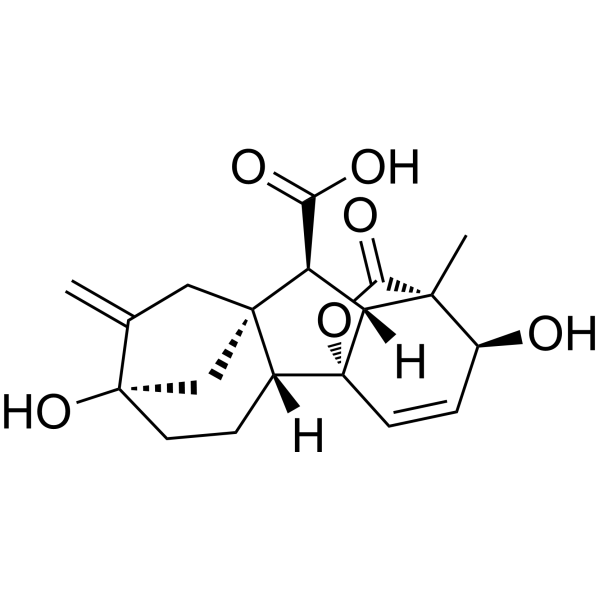
Gibberellic acid (GA3) is a natural plant growth regulator with oral bioactivity. Gibberellic acid governs multiple plant developmental events, including seed germination, cell elongation, floral organ formation, and rice spikelet fertility. Gibberellic acid optimizes root morphology and secondary metabolite production in Echinacea purpurea hairy roots, and serves as a bioactive seed priming agent to improve chilling stress tolerance in chickpea. Gibberellic acid mediates modulation of enzyme activity and secondary metabolism in plants and exerts tissue-specific regulatory effects on antioxidant systems and lipid peroxidation in rats. Gibberellic acid can be used in studies of plant growth, metabolism, and abiotic stress responses .
|
-
-
- HY-122464
-
|
|
Herbicide
|
Others
|
|
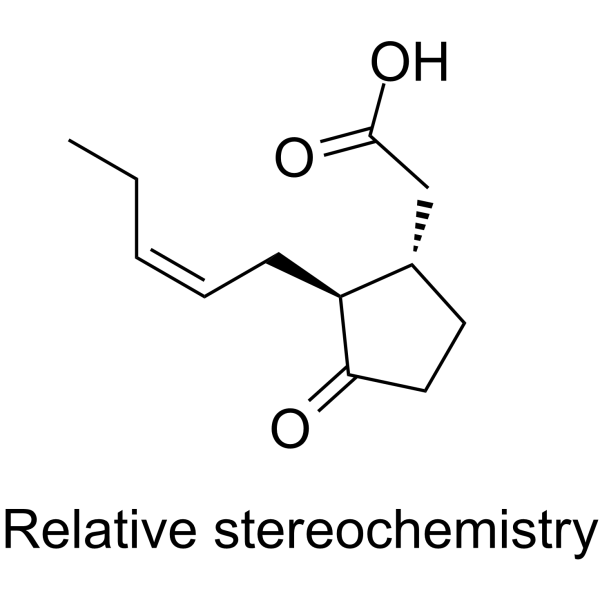
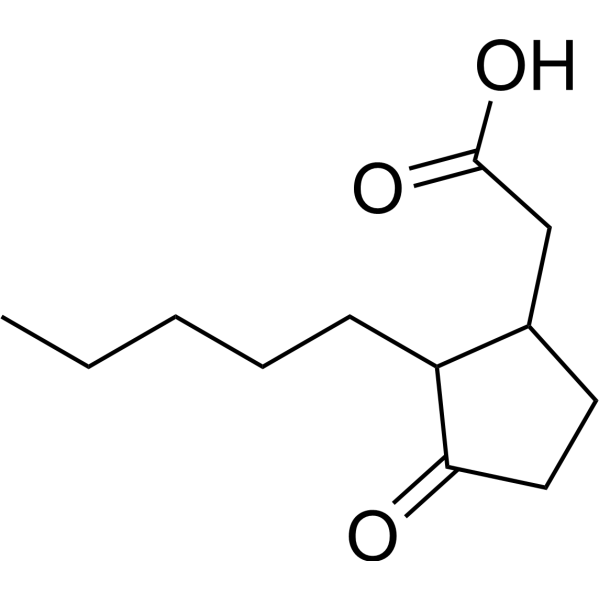
(±)-Jasmonic acid is an endogenous growth regulator closely related to plant resistance to abiotic stresses, used to activate defense responses to wounding, herbivory, and pathogen attacks. (±)-Jasmonic acid does not play an independent regulatory role, but works in a complex signaling network with other plant hormone signaling pathways. In addition, (±)-Jasmonic acid can also reduce chlorophyll levels in green and etiolated barley leaf segments and inhibit the elongation of rice seedlings .
|
-
-
- HY-Y0261A
-
|
|
Environmental Pollutants
Biochemical Assay Reagents
|
Others
|
|
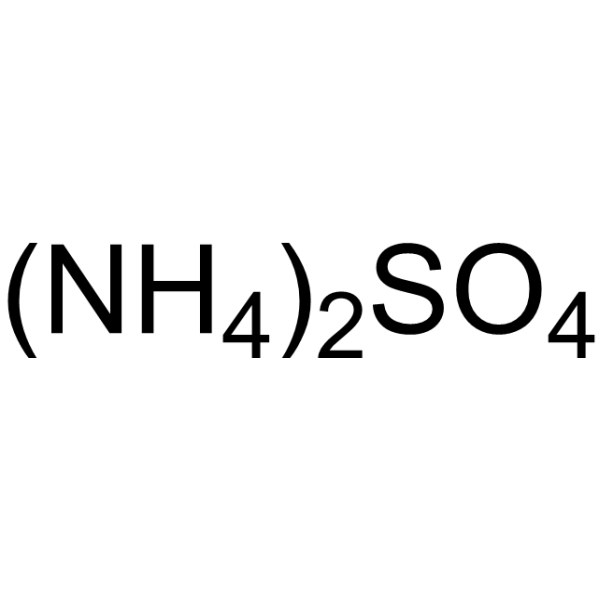
Ammonium sulphate,≥99.0%,AR is an inorganic sulfate salt used for molecular biology . Ammonium sulphate,≥99.0%,AR can be used to precipitate proteins, separate antibodies, and enhance antigen-antibody reactions. Ammonium sulphate,≥99.0%,AR can serve as a nitrogen source in plant fertilizers and has developmentally toxicity to freshwater snails, but increases the number of Anopheles africanus and Culex mosquito larvae in rice paddies. Ammonium sulphate,≥99.0%,AR also inhibits the conversion of glucose to ascorbic acid in plants .
|
-
-
- HY-W923189
-
|
|
Interleukin Related
COX
TNF Receptor
NOD-like Receptor (NLR)
NO Synthase
PERK
p38 MAPK
Reactive Oxygen Species (ROS)
Caspase
Autophagy
Herbicide
|
Inflammation/Immunology
Cancer
|
|
Neral is a plant-derived anti-inflammatory, antioxidant and anticancer agent. Neral inhibits the phosphorylation of ERK1/2, p38 MAPK and IκB in macrophages induced by LPS (HY-D1056), suppresses the secretion of TNF-α and IL-6, as well as the expression of pro-IL-1β, iNOS and COX-2 in cells, and reduces the production of ROS in cells. Neral inhibits the activation of the NLRP3 inflammasome, and decreases the activation of caspase-1 and the secretion of IL-1β in mouse macrophages. Neral induces autophagy, and exhibits antiproliferative activity both in in vitro breast cancer cell models and mouse xenograft models. Neral regulates brassinosteroid, jasmonic acid and ethylene signaling pathways, and induces the expression of AP2/ERF-ERF and bHLH family genes in rice roots. Neral acts as a herbicide safener, alleviates the damage induced by Fenoxaprop-P-ethyl (HY-B2013), and promotes the elongation of rice roots. Neral can be used in research related to breast cancer, inflammatory and immune system diseases, and herbicide safeners .
|
-
-
- HY-122464S2
-
|
|
Isotope-Labeled Compounds
|
Others
|
|
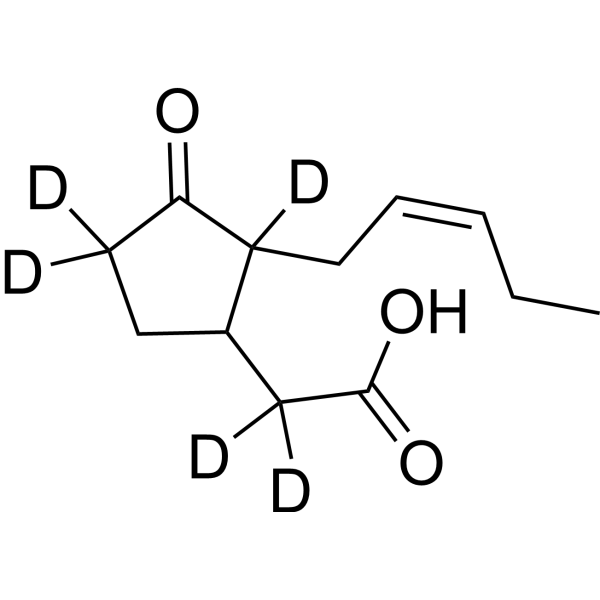
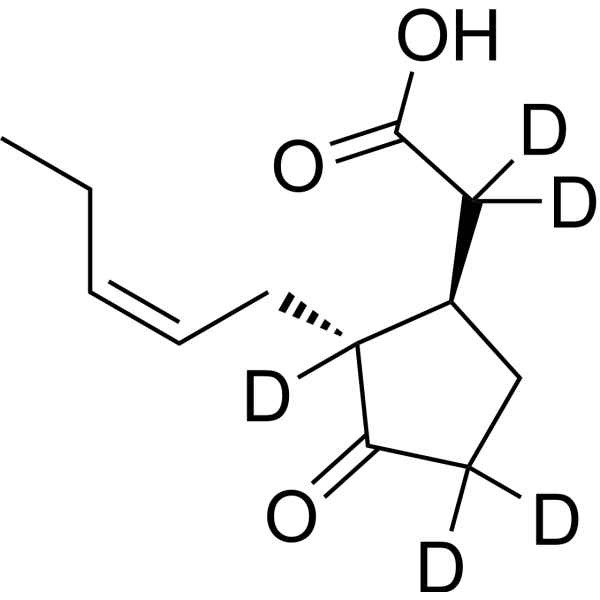
(±)-Jasmonic acid-d5 is the deuterium labeled (±)-Jasmonic acid. (±)-Jasmonic acid is a plant growth regulator and a derivative of α-linolenic acid. (±)-Jasmonic acid decreases chlorophyll levels in green and etiolated barley leaf segments and inhibits elongation of rice seedlings.
|
-
-
- HY-W075256
-
|
|
Environmental Pollutants
Bacterial
|
Others
|
|
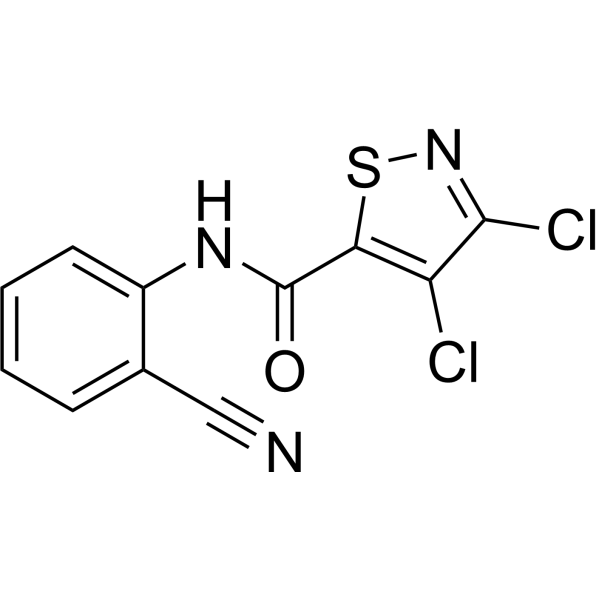
Isotianil is a plant defense inducer that has no direct antimicrobial effect but instead activates typical plant defense responses. Isotianil can be used as a plant protection agent for controlling rice blast .
|
-
-
- HY-W040194
-
|
|
Environmental Pollutants
Herbicide
|
Metabolic Disease
|
|
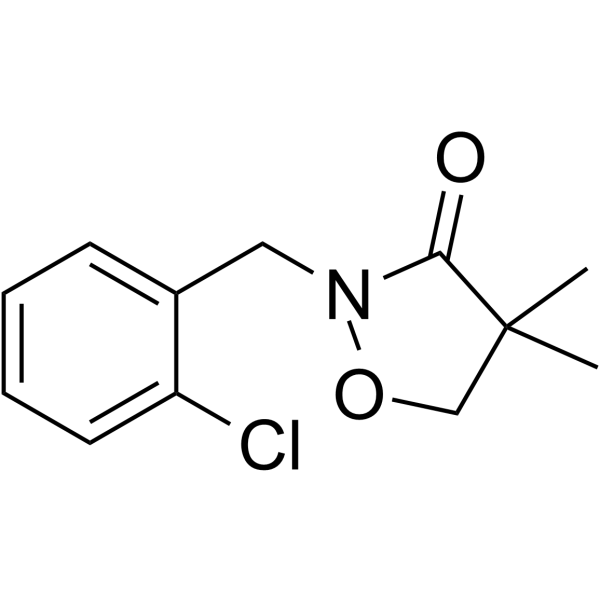
Clomazone is a broad spectrum herbicide, mainly used to control annual broadleaf weeds and grass weeds in various crops such as rice, soybeans, and peanuts. Clomazone inhibits carotenoid biosynthesis, and treated plants show typical "albinism" symptoms due to the destruction of chloroplast membrane structure leading to chlorophyll degradation. Clomazone exhibits multiple toxic effects on non-target organisms, including aquatic lethality, developmental malformations, liver damage, mitochondrial dysfunction, and hematotoxicity .
|
-
-
- HY-N6243
-
|
|
Fungal
|
Cardiovascular Disease
Others
|
|
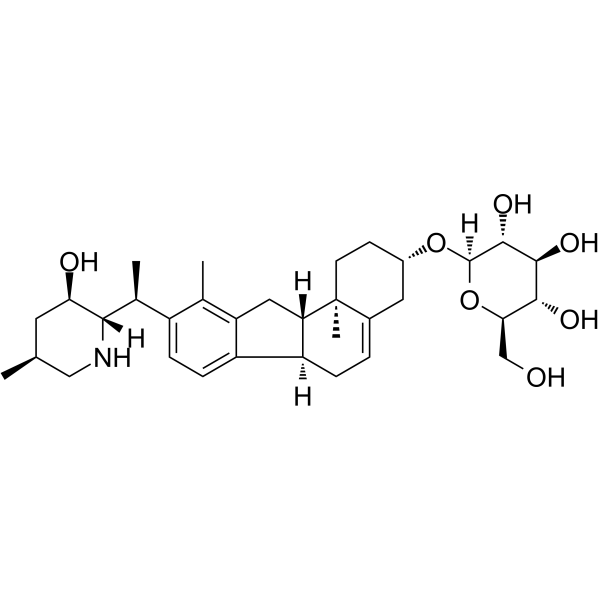
Veratrosine is a Trihydroxynapthalene reductase (THR) inhibitor and fungal plant pathogen inhibitor with activity against Curvularia lunata THR. Veratrosine interacts with THR, an enzyme in the DHN melanin biosynthesis pathway of Curvularia lunata. Veratrosine can be used for the research of leaf blight of rice, brown spot of rice, and blast disease of foxtail millet .
|
-
-
- HY-N14257
-
|
|
Bacterial
Antibiotic
Acetyl-CoA Carboxylase
|
Infection
|
|
Andrimid is a peptide Antibiotic and acetyl-CoA carboxylase inhibitor. Andrimid is produced by symbiotic bacteria of the genus *Enterobacter* residing in the brown planthopper Nilaparvata lugens. Andrimid exhibits strong specific activity against Xanthomonas campestris pv. oryzae. Andrimid shows no or only weak activity against Gram-positive and Gram-negative bacteria, including most plant pathogenic bacteria. Andrimid can be used in studies related to bacterial infections and rice bacterial blight .
|
-
-
- HY-122464S1
-
|
|
Isotope-Labeled Compounds
|
Others
|
|
Jasmonic acid-d5 is deuterium labeled (±)-Jasmonic acid. (±)-Jasmonic acid is a plant growth regulator and a derivative of α-linolenic acid. (±)-Jasmonic acid decreases chlorophyll levels in green and etiolated barley leaf segments and inhibits elongation of rice seedlings.
|
-
-
- HY-N9693
-
|
|
Drug Derivative
|
Metabolic Disease
|
|
Gibberellin A8 is a derivative of Gibberellic acid (HY-N1964), a hormone that is found in plants which promotes the growth and elongation of cells. Gibberellin A8 shows a weak growth-promoting activity on rice seedlings and oat mesocot .
|
-
-
- HY-N1964A
-
|
|
Drug Derivative
|
Metabolic Disease
|
|
Gibberellic acid, suitable for plant cell culture (GA3, suitable for plant cell culture) is a natural plant growth regulator with oral bioactivity. Gibberellic acid, suitable for plant cell culture governs multiple plant developmental events, including seed germination, cell elongation, floral organ formation, and rice spikelet fertility. Gibberellic acid, suitable for plant cell culture optimizes root morphology and secondary metabolite production in Echinacea purpurea hairy roots, and serves as a bioactive seed priming agent to improve chilling stress tolerance in chickpea. Gibberellic acid, suitable for plant cell culture mediates modulation of enzyme activity and secondary metabolism in plants and exerts tissue-specific regulatory effects on antioxidant systems and lipid peroxidation in rats. Gibberellic acid, suitable for plant cell culture can be used in studies of plant growth, metabolism, and abiotic stress responses .
|
-
-
- HY-178162
-
|
|
Fungal
Cytochrome P450
|
Infection
|
|
CYP51-IN-27 is a sterol 14α-demethylase CYP51 inhibitor with an IC50 of 0.3434 μg/mL. CYP51-IN-27 exhibits antifungal activity and inhibits the production of fungal ergosterol. CYP51-IN-27 can be used for the research of infection, such as rice sheath blight .
|
-
-
- HY-176729
-
|
|
Phytohormone
|
Others
|
|
KeIKK5 is a strigolactone (SL) biosynthesis inhibitor. KeIKK5 significantly reduces the level of 4-deoxystrigolactone (4-DO) in rice by inhibiting the activity of CYP711A enzyme. KeIKK5 can effectively inhibit the germination of root parasitic weeds. KeIKK5 can be used in the research of plant hormone regulation and new agricultural herbicides .
|
-
-
- HY-N1964R
-
|
Gibberellin A3 (Standard)
|
Reference Standards
Drug Derivative
|
Metabolic Disease
|
|
Gibberellic acid (Standard) is the analytical standard of Gibberellic acid (GA3) (HY-N1964). This product is intended for research and analytical applications. Gibberellic acidis a natural plant growth regulator with oral bioactivity. Gibberellic acid governs multiple plant developmental events, including seed germination, cell elongation, floral organ formation, and rice spikelet fertility. Gibberellic acid optimizes root morphology and secondary metabolite production in Echinacea purpurea hairy roots, and serves as a bioactive seed priming agent to improve chilling stress tolerance in chickpea. Gibberellic acid mediates modulation of enzyme activity and secondary metabolism in plants and exerts tissue-specific regulatory effects on antioxidant systems and lipid peroxidation in rats. Gibberellic acid can be used in studies of plant growth, metabolism, and abiotic stress responses .
|
-
-
- HY-149492
-
|
|
Phosphatase
Fungal
|
Infection
|
|
Phosphatase-IN-1 (compound II-8), a propranolol (HY-B0573B) derivative, is a phosphatidate phosphatase (Pah) inhibitor. Phosphatase-IN-1 can binds to MoPah1, with an affinity constant of 19.8 μM. Phosphatase-IN-1 inhibits growth of plant pathogens and shows anti-fungal ability. Phosphatase-IN-1 is not toxic to rice seedlings and wheat heads .
|
-
-
- HY-162522
-
|
|
Parasite
|
Others
|
|
SL-IN-1 (Compound C6) is an inhibitor for plant hormone steroid lactones receptor (SL receptor). SL-IN-1 promotes rice tillering, inhibits the germination of the root parasite P. aegyptiaca seeds (IC50 is 82.8 µM), delays dark-induced senescence of rice leaves, and protects the leaf membrane from lipid peroxidation .
|
-
-
- HY-P11343
-
|
|
Fungal
|
Infection
|
|
Verlamelin B (Compound 147) is effective against plant pathogenic fungal and is a derivative of Verlamelin (HY-N14856).Verlamelin B exhibits potent plant protective activity in vivo, particularly against rice blast and barley powdery mildew. Verlamelin B causes morphological changes in fungal cells, such as swelling or expansion. Verlamelin B exhibits weaker antifungal activity in vitro against plant pathogens such as rice blast, Dipolaris zeae, and Botrytis cinerea. Verlamelin B is useful for research on antifungal activities against plant pathogens .
|
-
-
- HY-122464B
-
|
2-iso Jasmonic acid; 7-iso Jasmonic acid
|
Herbicide
|
Others
|
|
7-epi Jasmonic acid is the isomer of (±)-Jasmonic acid (HY-122464). (±)-Jasmonic acid is a plant growth regulator and a derivative of α-linolenic acid. (±)-Jasmonic acid decreases chlorophyll levels in green and etiolated barley leaf segments and inhibits elongation of rice seedlings.
|
-
-
- HY-N15411
-
|
|
Acyltransferase
Phytohormone
|
Metabolic Disease
|
|
Helminthosporol is a natural plant growth-regulator that can promote the growth of rice and lettuce seedlings. Helminthosporol can also inhibit the activity of acyl-CoA: cholesterol acyltransferase (ACAT) in rat liver microsomes and the synthesis of cholesterol esters in macrophages .
|
-
-
- HY-173283
-
|
|
Fungal
|
Infection
|
|
Antifungal agent 129 (Compound 4g) is an inhibitor targeting Rhizoctonia solani, with an EC50 value of 4.27 mg/L. It has a good control effect against rice sheath blight in in vitro and in vivo experiments. Preliminary exploration through scanning electron microscopy, molecular docking, enzyme activity determination, and cytotoxicity experiments has revealed that Antifungal agent 129 may exert its inhibitory activity by affecting the cell structure or physiological processes of Rhizoctonia solani. Antifungal agent 129 can be used in the research of plant diseases in the agricultural field, such as rice sheath blight, which are caused by Rhizoctonia solani .
|
-
-
- HY-W040194R
-
|
|
Herbicide
Reference Standards
|
Metabolic Disease
|
|
Clomazone (Standard) is the analytical standard of Clomazone (HY-W040194). This product is intended for research and analytical applications. Clomazone is a broad spectrum herbicide, mainly used to control annual broadleaf weeds and grass weeds in various crops such as rice, soybeans, and peanuts. Clomazone inhibits carotenoid biosynthesis, and treated plants show typical "albinism" symptoms due to the destruction of chloroplast membrane structure leading to chlorophyll degradation. Clomazone exhibits multiple toxic effects on non-target organisms, including aquatic lethality, developmental malformations, liver damage, mitochondrial dysfunction, and hematotoxicity.
|
-
-
- HY-W721333
-
|
|
Herbicide
Acetolactate Synthase (ALS)
|
Others
|
|
Pyrimisulfan is a potent acetolactate synthase (ALS) inhibitor and a broad‑spectrum herbicide. Pyrimisulfan selectively inhibits plant acetolactate synthase. Pyrimisulfan controls a wide spectrum of paddy weeds including annual grasses, sedges, broadleaf weeds, and sulfonylurea‑resistant biotypes pre‑ and postemergence, with long residual activity and excellent rice safety. Pyrimisulfan can be used for research on paddy herbicides .
|
-
-
- HY-162898
-
|
|
Bacterial
|
Infection
|
|
Anti-virulence factor-IN-1 (Compound 4S) is a bacterial virulence factor inhibitor by interfering with the bacterial infection process. Anti-virulence factor-IN-1 exhibits an antibacterial activity against Xoo in vitro with an EC50 value of 0.28 µg/mL. Anti-virulence factor-IN-1 can be used to effectively manage rice bacterial leaf blight in vivo. Anti-virulence factor-IN-1 is promising for research of plant bacterial disease .
|
-
-
- HY-W094560
-
|
|
Environmental Pollutants
Bacterial
|
Infection
|
|
Potassium silicate acts as a silicon-containing foliar fertilizer and an inhibitor of rice blast. Foliar application of Potassium silicate to the susceptible rice cultivar 'Metica 1' reduces the incidence of rice blast caused by Pyricularia oryzae. Potassium silicate does not enhance silicon uptake or accumulation in rice plants. Potassium silicate can be used in studies related to rice blast .
|
-
-
- HY-N14728
-
|
|
Herbicide
|
Others
|
|
Homoalanosine is a substance with herbicidal activity. Homoalanosine has the activity of removing a variety of weeds, but does not damage rice plants .
|
-
-
- HY-128455
-
|
|
Phytohormone
|
Others
|
|
Plant growth regulator 1 (Compound 2) is a Brassinolide (HY-N0273) antagonist. Plant growth regulator 1 can significantly inhibit the rice leaf tilting response induced by Brassinolide. Plant growth regulator 1 can be used for the research of plant growth regulator .
|
-
-
- HY-179184
-
|
|
Biochemical Assay Reagents
|
Others
|
|
N6 Medium (Agar-Free) is the international standard culture medium for cereal cell culture, especially suitable for anther culture of monocotyledonous plants (such as rice, wheat, barley, corn, etc.).
|
-
-
- HY-179184A
-
|
|
Biochemical Assay Reagents
|
Others
|
|
N6 Medium (Agar-Free, Sucrose-Free) is the international standard culture medium for cereal cell culture, especially suitable for anther culture of monocotyledonous plants (such as rice, wheat, barley, corn, etc.).
|
-
-
- HY-171664
-
|
ent-CPP
|
Endogenous Metabolite
|
Others
|
|
ent-Copalyl diphosphate (ent-CPP) is a terpenoid precursor and metabolite involved in plant biosynthetic pathways. ent-Copalyl diphosphate participates in metabolism of natural products including phytoalexins in rice and maize, and steviol glycoside in Stevia rebaudiana .
|
-
-
- HY-167959
-
|
|
Herbicide
|
Infection
|
|
MCPA-isooctyl is a selective conductive phenoxycarboxylate herbicide and an alternative to 2,4-D Butyl ester (HY-B0867). MCPA-isooctyl effectively controls broadleaf weeds in various crop fields via post-emergence foliar or soil treatment. MCPA-isooctyl is absorbed by the roots, stems and leaves of plants; it is easily metabolized and detoxified in gramineous crops, but difficult to metabolize in dicotyledonous weeds, causing stem and leaf distortion, root deformation, and eventually weed death. When formulated into chitosan nanoparticles, MCPA-isooctyl still significantly inhibits the growth of weeds in wheat fields, and reduces their chlorophyll content and biomass at low doses .
|
-
-
- HY-N1964B
-
|
GA3 Sterile Solution (1 mg/ml)
|
Drug Derivative
|
Metabolic Disease
|
|
Gibberellic acid Sterile Solution (1 mg/mL) (GA3 Sterile Solution (1 mg/mL)) is a natural plant growth regulator with oral bioactivity. Gibberellic acid Sterile Solution (1 mg/mL) governs multiple plant developmental events, including seed germination, cell elongation, floral organ formation, and rice spikelet fertility. Gibberellic acid Sterile Solution (1 mg/mL) optimizes root morphology and secondary metabolite production in Echinacea purpurea hairy roots, and serves as a bioactive seed priming agent to improve chilling stress tolerance in chickpea. Gibberellic acid Sterile Solution (1 mg/mL) mediates modulation of enzyme activity and secondary metabolism in plants and exerts tissue-specific regulatory effects on antioxidant systems and lipid peroxidation in rats. Gibberellic acid Sterile Solution (1 mg/mL) can be used in studies of plant growth, metabolism, and abiotic stress responses .
|
-
-
- HY-N16462
-
|
|
Bacterial
|
Infection
|
|
2-(2-Heptenyl)-3-methyl-4(1H)-quinolone is a quinoline alkaloid found in Burkholderia sp. VY81. 2-(2-Heptenyl)-3-methyl-4(1H)-quinolone is promising for research of bacterial diseases in rice (e.g., soft rot) and other plant pathogens (e.g., Pythium ultimum, Fusarium oxysporum) .
|
-
-
- HY-125778
-
|
|
Others
|
Metabolic Disease
|
|
Cochlioquinone is a sesquiterpene metabolite originally isolated from C. miyabeanus. It is a phytotoxin that inhibits root growth of finger millet (E. coracana) and rice plants (O. sativa) by 59.9 and 51.7%, respectively, when used at a concentration of 100 ppm.2 Cochlioquinone B inhibits NADH oxidase and NADH-2,3-dimethoxy-5-pentyl-1,4-benzoquinone reductase from bovine heart mitochondria.
|
-
-
- HY-N18435
-
|
|
Bacterial
Reactive Oxygen Species (ROS)
|
Infection
|
|
Komaroidine is a bactericidal agent. Komaroidine induces reactive oxygen species (ROS) bursts in bacterial cells, disrupts antioxidant enzyme function and redox homeostasis, increases membrane permeability, and triggers bacterial apoptosis. Komaroidine suppresses bacterial burden within infected plant tissues.Komaroidine exhibits broad-spectrum antibacterial activity against phytopathogenic bacteria including Xanthomonas oryzae pv. oryzae, Xanthomonas axonopodis pv. citri, and Pseudomonas syringae pv. actinidiae. Komaroidine can be used for the research of rice bacterial leaf blight .
|
-
-
- HY-118989
-
|
|
Insecticide
Endogenous Metabolite
|
Infection
|
|
Ajugalactone is a phytoecdysteroid found in plants of the Ajuga genus. Ajugalactone shows both ecdysone (HY-N0179) agonist activity and anti‑ponasterone A (HY-N1534) antagonist activity. Ajugalactone significantly disrupts insect molting and developmental processes. Ajugalactone acts as an insect growth regulator that interferes with insect molting. Ajugalactone induces complete mortality in first‑instar larvae of the greenhouse whitefly. Ajugalactone can be used for research on insect‑plant interactions and insect growth regulation .
|
-
| Cat. No. |
Product Name |
Type |
-
- HY-N1964A
-
|
|
Biochemical Assay Reagents
|
|
Gibberellic acid, suitable for plant cell culture (GA3, suitable for plant cell culture) is a natural plant growth regulator with oral bioactivity. Gibberellic acid, suitable for plant cell culture governs multiple plant developmental events, including seed germination, cell elongation, floral organ formation, and rice spikelet fertility. Gibberellic acid, suitable for plant cell culture optimizes root morphology and secondary metabolite production in Echinacea purpurea hairy roots, and serves as a bioactive seed priming agent to improve chilling stress tolerance in chickpea. Gibberellic acid, suitable for plant cell culture mediates modulation of enzyme activity and secondary metabolism in plants and exerts tissue-specific regulatory effects on antioxidant systems and lipid peroxidation in rats. Gibberellic acid, suitable for plant cell culture can be used in studies of plant growth, metabolism, and abiotic stress responses .
|
-
- HY-179184
-
|
|
Biochemical Assay Reagents
|
|
N6 Medium (Agar-Free) is the international standard culture medium for cereal cell culture, especially suitable for anther culture of monocotyledonous plants (such as rice, wheat, barley, corn, etc.).
|
-
- HY-179184A
-
|
|
Biochemical Assay Reagents
|
|
N6 Medium (Agar-Free, Sucrose-Free) is the international standard culture medium for cereal cell culture, especially suitable for anther culture of monocotyledonous plants (such as rice, wheat, barley, corn, etc.).
|
-
- HY-N1964B
-
|
GA3 Sterile Solution (1 mg/ml)
|
Biochemical Assay Reagents
|
|
Gibberellic acid Sterile Solution (1 mg/mL) (GA3 Sterile Solution (1 mg/mL)) is a natural plant growth regulator with oral bioactivity. Gibberellic acid Sterile Solution (1 mg/mL) governs multiple plant developmental events, including seed germination, cell elongation, floral organ formation, and rice spikelet fertility. Gibberellic acid Sterile Solution (1 mg/mL) optimizes root morphology and secondary metabolite production in Echinacea purpurea hairy roots, and serves as a bioactive seed priming agent to improve chilling stress tolerance in chickpea. Gibberellic acid Sterile Solution (1 mg/mL) mediates modulation of enzyme activity and secondary metabolism in plants and exerts tissue-specific regulatory effects on antioxidant systems and lipid peroxidation in rats. Gibberellic acid Sterile Solution (1 mg/mL) can be used in studies of plant growth, metabolism, and abiotic stress responses .
|
| Cat. No. |
Product Name |
Target |
Research Area |
-
- HY-P11343
-
|
|
Fungal
|
Infection
|
|
Verlamelin B (Compound 147) is effective against plant pathogenic fungal and is a derivative of Verlamelin (HY-N14856).Verlamelin B exhibits potent plant protective activity in vivo, particularly against rice blast and barley powdery mildew. Verlamelin B causes morphological changes in fungal cells, such as swelling or expansion. Verlamelin B exhibits weaker antifungal activity in vitro against plant pathogens such as rice blast, Dipolaris zeae, and Botrytis cinerea. Verlamelin B is useful for research on antifungal activities against plant pathogens .
|
-
- HY-K0539
-
|
|
|
MCE Plant Tissue Direct PCR Kit (with Dye) is specifically designed for direct amplification from various plant leaf samples. The kit enables rapid release of genomic DNA from plant tissues (such as rice, maize, tobacco, rapeseed, etc.) in a single step. The resulting lysate can be directly used for downstream PCR amplification without the need for conventional DNA extraction and purification, thereby significantly simplifying the experimental workflow.
|
| Cat. No. |
Product Name |
Category |
Target |
Chemical Structure |
-
- HY-N1964
-
-
-
- HY-N6243
-
-
-
- HY-N14257
-
|
|
Structural Classification
Natural Products
Microorganisms
Source Classification
|
Bacterial
Antibiotic
Acetyl-CoA Carboxylase
|
|
Andrimid is a peptide Antibiotic and acetyl-CoA carboxylase inhibitor. Andrimid is produced by symbiotic bacteria of the genus *Enterobacter* residing in the brown planthopper Nilaparvata lugens. Andrimid exhibits strong specific activity against Xanthomonas campestris pv. oryzae. Andrimid shows no or only weak activity against Gram-positive and Gram-negative bacteria, including most plant pathogenic bacteria. Andrimid can be used in studies related to bacterial infections and rice bacterial blight .
|
-
-
- HY-N9693
-
-
-
- HY-N1964R
-
-
-
- HY-P11343
-
|
|
Structural Classification
Natural Products
Microorganisms
Source Classification
|
Fungal
|
|
Verlamelin B (Compound 147) is effective against plant pathogenic fungal and is a derivative of Verlamelin (HY-N14856).Verlamelin B exhibits potent plant protective activity in vivo, particularly against rice blast and barley powdery mildew. Verlamelin B causes morphological changes in fungal cells, such as swelling or expansion. Verlamelin B exhibits weaker antifungal activity in vitro against plant pathogens such as rice blast, Dipolaris zeae, and Botrytis cinerea. Verlamelin B is useful for research on antifungal activities against plant pathogens .
|
-
-
- HY-N15411
-
-
-
- HY-N14728
-
-
-
- HY-171664
-
-
-
- HY-N16462
-
|
|
Natural Products
Microorganisms
Source Classification
|
Bacterial
|
|
2-(2-Heptenyl)-3-methyl-4(1H)-quinolone is a quinoline alkaloid found in Burkholderia sp. VY81. 2-(2-Heptenyl)-3-methyl-4(1H)-quinolone is promising for research of bacterial diseases in rice (e.g., soft rot) and other plant pathogens (e.g., Pythium ultimum, Fusarium oxysporum) .
|
-
-
- HY-125778
-
|
|
Human Gut Microbiota Metabolites
Microorganisms
Endogenous metabolite
Source Classification
|
Others
|
|
Cochlioquinone is a sesquiterpene metabolite originally isolated from C. miyabeanus. It is a phytotoxin that inhibits root growth of finger millet (E. coracana) and rice plants (O. sativa) by 59.9 and 51.7%, respectively, when used at a concentration of 100 ppm.2 Cochlioquinone B inhibits NADH oxidase and NADH-2,3-dimethoxy-5-pentyl-1,4-benzoquinone reductase from bovine heart mitochondria.
|
-
-
- HY-N18435
-
|
|
Structural Classification
Alkaloids
Nitraria schoberi L.
Nitrariaceae
Plants
Indole Alkaloids
Source Classification
|
Bacterial
Reactive Oxygen Species (ROS)
|
|
Komaroidine is a bactericidal agent. Komaroidine induces reactive oxygen species (ROS) bursts in bacterial cells, disrupts antioxidant enzyme function and redox homeostasis, increases membrane permeability, and triggers bacterial apoptosis. Komaroidine suppresses bacterial burden within infected plant tissues.Komaroidine exhibits broad-spectrum antibacterial activity against phytopathogenic bacteria including Xanthomonas oryzae pv. oryzae, Xanthomonas axonopodis pv. citri, and Pseudomonas syringae pv. actinidiae. Komaroidine can be used for the research of rice bacterial leaf blight .
|
-
-
- HY-118989
-
-
| Cat. No. |
Product Name |
Chemical Structure |
-
- HY-122464S2
-
|
|
|
(±)-Jasmonic acid-d5 is the deuterium labeled (±)-Jasmonic acid. (±)-Jasmonic acid is a plant growth regulator and a derivative of α-linolenic acid. (±)-Jasmonic acid decreases chlorophyll levels in green and etiolated barley leaf segments and inhibits elongation of rice seedlings.
|
-
Your information is safe with us. * Required Fields.
Inquiry Information
- Product Name:
- Cat. No.:
- Quantity:
- MCE Japan Authorized Agent:

