Search Result
Results for "
ruthenium
" in MedChemExpress (MCE) Product Catalog:
4
Biochemical Assay Reagents
3
Isotope-Labeled Compounds
| Cat. No. |
Product Name |
Target |
Research Areas |
Chemical Structure |
-
- HY-103311
-
Ruthenium red
Maximum Cited Publications
15 Publications Verification
Ammoniated ruthenium oxychloride
|
Calcium Channel
|
Cardiovascular Disease
|
|
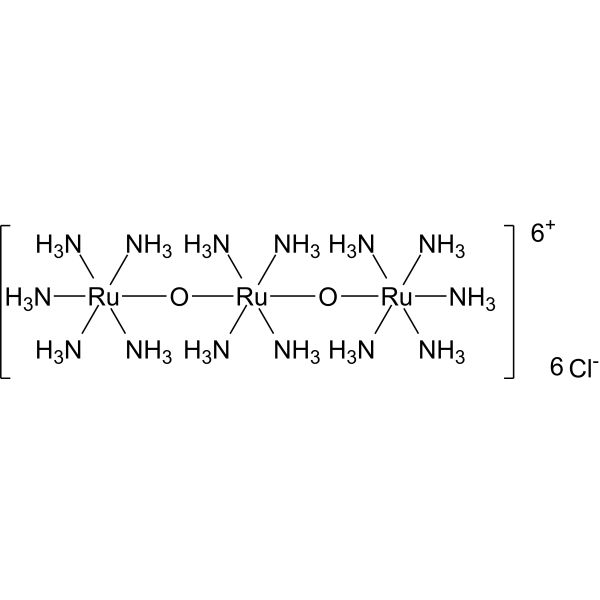
Ruthenium red (Ammoniated ruthenium oxychloride) is a polycationic dye widely used for electron microscopy (EM) of cells, tissues and vegetative bacteria. Ruthenium red strongly reacts with phospholipids and fatty acids and binds to acidic mucopolysaccharides. Ruthenium red is a L-type calcium current (ICa) blocker .
|
-
-
- HY-W074143
-
|
|
Fluorescent Dye
|
Others
|
|
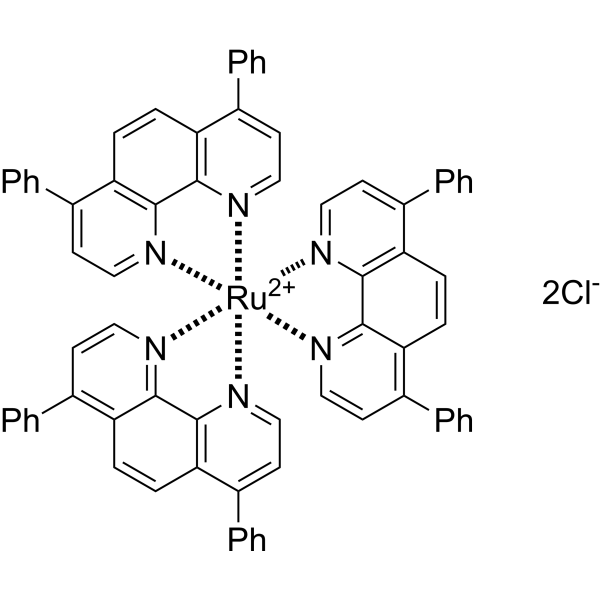
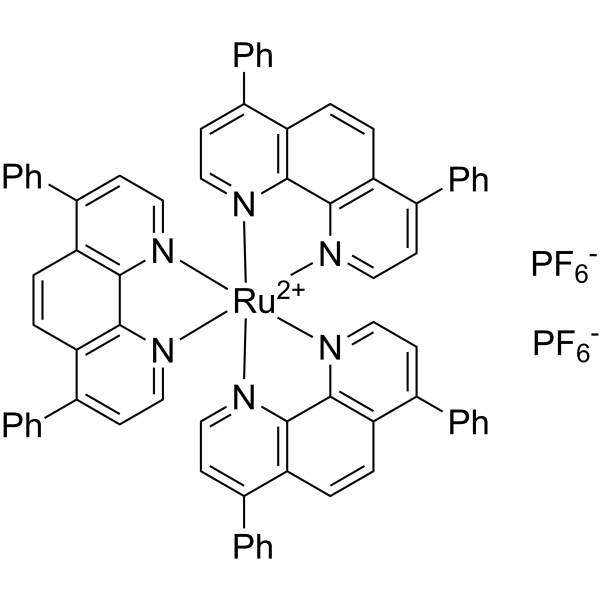
Tris(4,7-diphenyl-1,10-phenanthroline)ruthenium(II) dichloride ([Ru(dpp)3] 2+) is an electrochemiluminescent (ECL) probe and oxygen-sensitive sensor. Tris(4,7-diphenyl-1,10-phenanthroline)ruthenium(II) dichloride can be used to modify electrode surfaces for the detection of sulfates (S2O8 2-) and oxalates, based on electrochemical reactions that generate excited-state species, releasing photons through irreversible redox reactions. Tris(4,7-diphenyl-1,10-phenanthroline)ruthenium(II) dichloride utilizes the oxygen quenching of fluorescence mechanism, where fluorescence intensity reflects the metabolic rate of living microorganisms or oxygen levels within cells/tumors, allowing for real-time detection. Tris(4,7-diphenyl-1,10-phenanthroline)ruthenium(II) dichloride's main applications include microbial detection, antibacterial activity studies, and tumor microenvironment research .
|
-
-
- HY-16350
-
|
NKP-1339; IT-139; KP-1339
|
DNA/RNA Synthesis
Apoptosis
|
Cancer
|
|
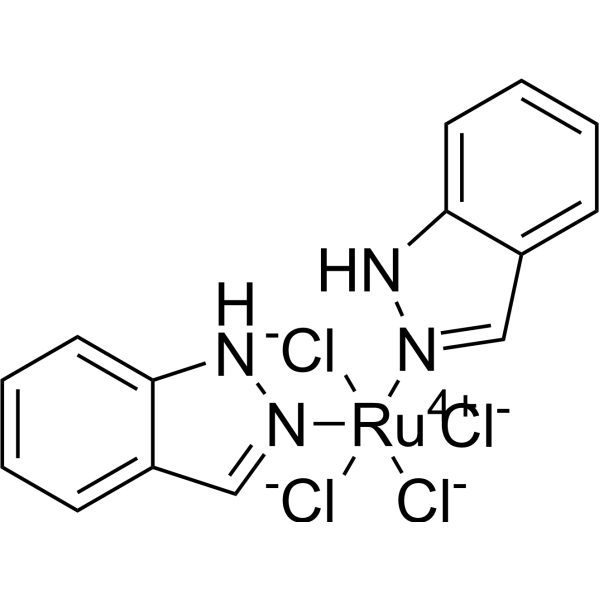
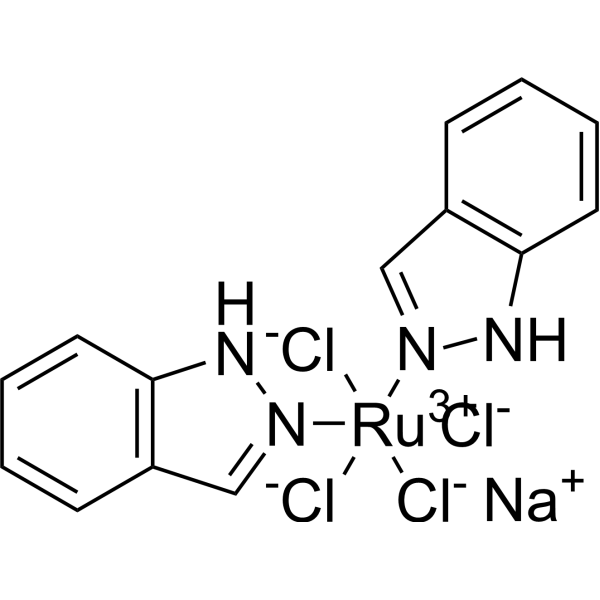
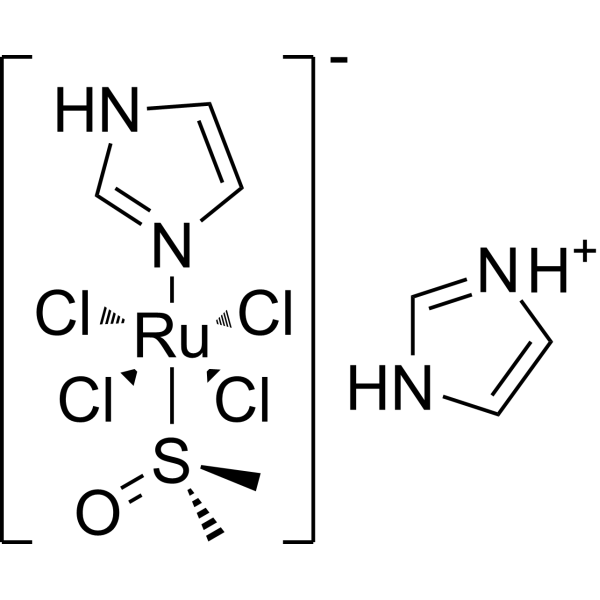
BOLD-100 (NKP-1339; IT-139) is the first-in-class ruthenium-based anticancer agent in development against solid cancer with limited side effects. BOLD-100 induces G2/M cell cycle arrest, blockage of DNA synthesis, and induction of apoptosis via the mitochondrial pathway. BOLD-100 has a high tumor targeting potential, strongly binds to serum proteins such as albumin and transferrin and activates in the reductive tumor milieu .
|
-
-
- HY-59137
-
|
|
Drug Intermediate
|
Cancer
|
|
1-Methylimidazole acts as a membrane performance regulator that promotes the formation of reverse osmosis membranes with a dense ultra-thin polyamide layer. Such membranes exhibit higher flux and salt rejection rate, while also conferring excellent pH stability to the membrane. 1-Methylimidazole can serve as a ligand for ruthenium (II) complexes to construct metal-based anticancer agents .
|
-
-
- HY-W127716
-
|
|
Fluorescent Dye
|
Cancer
|
|
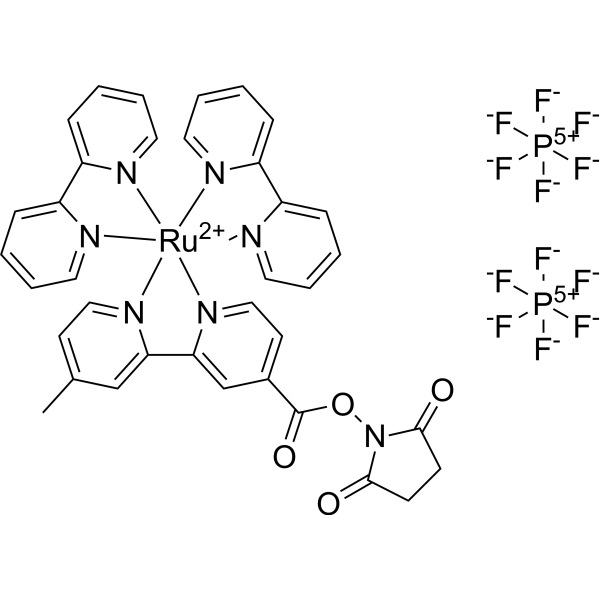
Ru(bpy)2(mcbpy-O-Su-ester)(PF6)2 is a potent ruthenium-based dye. Ru(bpy)2(mcbpy-O-Su-ester)(PF6)2 can bu used as an effective quencher of quantum dots (QDs) fluorescence and the capture probe of virus antigen EV71. Ru(bpy)2(mcbpy-O-Su-ester)(PF6)2 can be used sensitive electrogenerated chemiluminescence (ECL) labels for detection of matrix metalloproteinases (MMPs) .
|
-
-
- HY-Y1109
-
|
Tetrachlorobis(mu-4-cymene)diruthenium(II)
|
Biochemical Assay Reagents
|
Cancer
|
|
Dichloro(p-cymene)ruthenium(II) dimer (Tetrachlorobis(mu-4-cymene)diruthenium(II)) is a ruthenium-based organometallic catalyst precursor, which is widely applied in the field of organic synthesis .
|
-
-
- HY-19376
-
|
|
FAK
|
Cancer
|
|
NAMI-A is a ruthenium-based drug characterised by the selective activity against tumour metastases, inhibits the adhesion and migration.
|
-
-
- HY-W127790
-
|
|
Biochemical Assay Reagents
|
Others
|
|
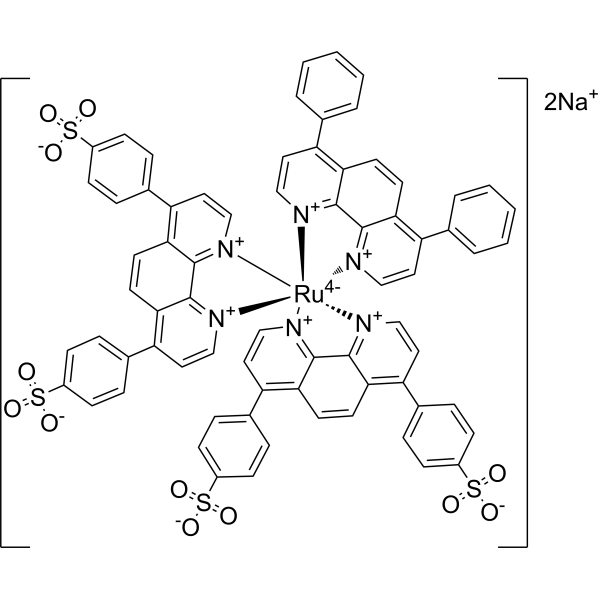
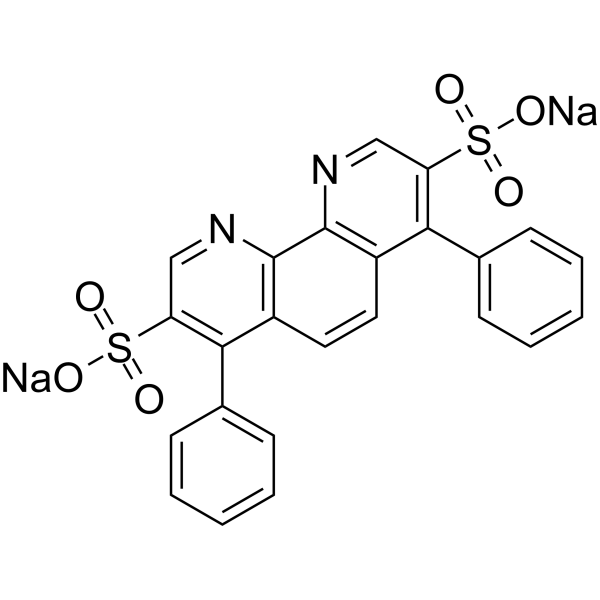
Bathophenanthrolinedisulfonic acid disodium salt (BPS) is a colorimetric reagent for iron detection, with a wavelength of 535 nm for iron complex. It can be used for iron determination in aqueous solution systems without the need for extraction solvents. BPS can serve as a precursor to prepare Europium(III) tris(dibenzoylmethanate) bis(bathophenanthrolinedisulfonate) complex and ruthenium(II) tris(bathophenanthrolinedisulfonate), or participate in the catalytic oxidation of 2-hexanol by forming water-soluble complexes with palladium .
|
-
-
- HY-W033466
-
|
Benzeneruthenium(II) chloride dimer
|
Biochemical Assay Reagents
|
Others
|
|
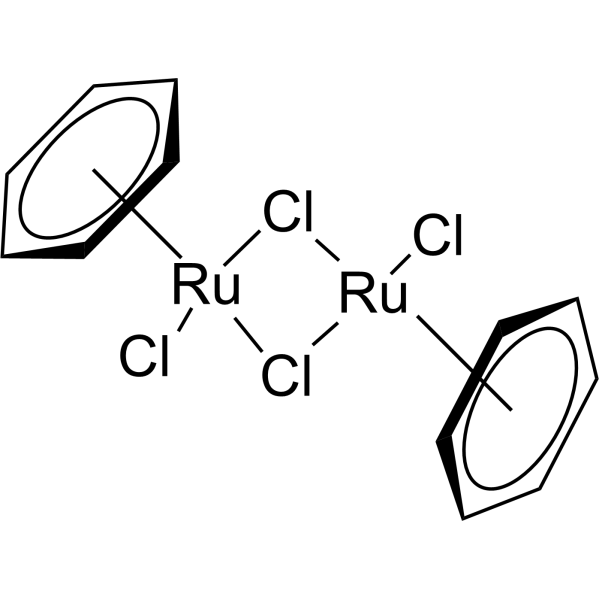
Benzeneruthenium(II) Chloride Dimer (Benzeneruthenium(II) chloride dimer) is a dinuclear complex. Benzeneruthenium(II) Chloride Dimer undergoes a hydrolysis reaction to generate a mixture of mononuclear ruthenium complexes in equilibrium .
|
-
-
- HY-W020958
-
|
Tris(acetylacetonato)ruthenium (III)
|
Caspase
Apoptosis
|
Cancer
|
|
Ru (acac) 3 (Tris (acetylacetonato) ruthenium (III)) is a caspase-3 activator and Apoptosis inducer. Ru (acac) 3 exerts growth inhibitory effects on various cell lines in vitro by inhibiting DNA/RNA synthesis and inducing mild reversible S-phase cell cycle arrest. Ru (acac) 3 is commonly used in research related to ovarian cancer, osteosarcoma, cervical cancer, melanoma, and other fields .
|
-
-
- HY-79986
-
|
|
Drug Intermediate
|
Others
|
|
Diiodo(p-cymene)ruthenium(II) dimer is a drug intermediate for synthesis of various active compounds.
|
-
-
- HY-W127832
-
|
|
Fluorescent Dye
|
Others
|
|
Ru(dpp)3(PF6)2 is a complex containing metallic ruthenium (Ru) and is a chemiluminescent oxygen probe. [Ru(dpp)3] 2+ is a luminescent substance that can undergo metal-to-ligand charge transfer (MLCT), and fluorescence will appear during the transfer of Ru to the ligand. At the same time, the fluorescence of Ru(dpp)3(PF6)2 is effectively quenched by molecular oxygen, so it is widely used in biosensors, environmental monitoring, and materials science. The property of Ru(dpp)3(PF6)2, which oxidizes Ru 2+ to Ru 3+, has also been used to design and construct solid-state light-emitting electrochemical cells .
|
-
-
- HY-D1708
-
-
-
- HY-W140535
-
|
|
Fluorescent Dye
MOFs
|
Others
|
|
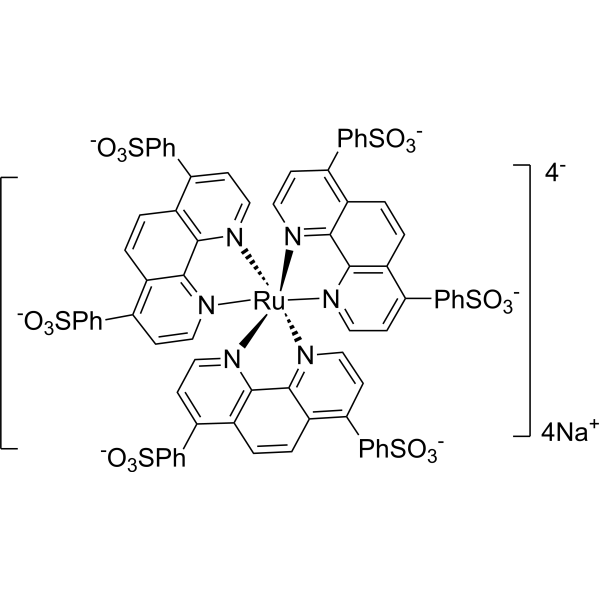
Tetrasodium, 4-(1,10-phenanthrolin-4-yl)benzenesulfonate,ruthenium((II)) is a luminescent ruthenium complex. Tetrasodium, 4-(1,10-phenanthrolin-4-yl)benzenesulfonate,ruthenium((II)) is used in biological and chemical fields as a fluorescent indicator dye and an electrochemiluminescent probe .
|
-
-
- HY-147039
-
|
NKP-1339 free base; IT-139 free base; KP-1339 free base
|
HSP
Autophagy
|
Cancer
|
|
BOLD-100 (NKP-1339; IT-139) free base is a ruthenium-based anticancer agent. BOLD-100 free base also is an inhibitor of stress-induced GRP78 upregulation, disrupting endoplasmic reticulum (ER) homeostasis and inducing ER stress and unfolded protein response (UPR). BOLD-100 free base interferes with the complex interplay between ER-stress response, lysosome dynamics, and autophagy execution .
|
-
-
- HY-Y1312
-
|
PhI; 2PZ
|
Biochemical Assay Reagents
|
Others
|
|
2-Phenylimidazole (PhI) is a corrosion inhibitor for brass and can be used to prepare complexes with ruthenium (III) .
|
-
-
- HY-P4599
-
|
|
Biochemical Assay Reagents
|
Others
|
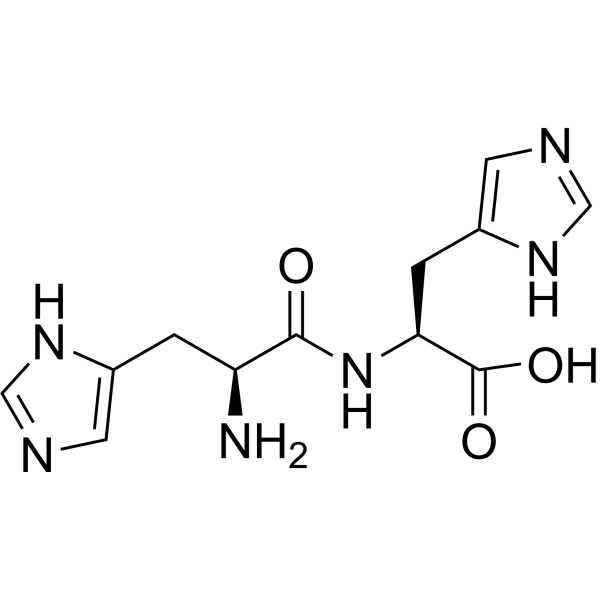
H-His-His-OH is an oligopeptide. H-His-His-OH can chelate with Ruthenium (II). H-His-His-OH inhibits the hydrolysis of metal ions at pH 7.4 .
|
-
-
- HY-W110791
-
|
|
Biochemical Assay Reagents
|
Others
|
|
Sodium diphenylamine-4-sulfonate is a chemical indicator commonly used in redox titrations. Its reduced state is colorless and its oxidized state is reddish-purple. Sodium diphenylamine-4-sulfonate is also a quencher and reducing agent. Sodium diphenylamine-4-sulfonate inhibits the electrochemiluminescence of the ruthenium tris(bipyridine) system through energy transfer. Sodium diphenylamine-4-sulfonate participates in the synthesis of nanocrystals .
|
-
-
- HY-59137S
-
|
|
Isotope-Labeled Compounds
Drug Intermediate
|
Cancer
|
|
1-Methylimidazole-d6 is the deuterium labeled 1-Methylimidazole. 1-Methylimidazole acts as a membrane performance regulator that promotes the formation of reverse osmosis membranes with a dense ultra-thin polyamide layer. Such membranes exhibit higher flux and salt rejection rate, while also conferring excellent pH stability to the membrane. 1-Methylimidazole can serve as a ligand for ruthenium (II) complexes to construct metal-based anticancer agents.
|
-
-
- HY-156786
-
|
|
Reactive Oxygen Species (ROS)
Influenza Virus
SARS-CoV
HSV
|
Infection
|
|
TLD-1433 is the fourth-generation ruthenium (II) based photodynamic compound (PDC). TLD-1433 is activated by green light (525 ± 25 nm) and efficiently generates ROS to achieve pathogen inactivation. After photoinactivation, TLD-1433 significantly induces lipid peroxidation of the cell membrane, which can directly damage the integrity of the viral envelope. TLD-1433 has ID50 for enveloped viruses (such as H1N1 influenza virus, coronavirus OC43, HSV-1, Zika virus) is as low as nanomolar level; for non-enveloped viruses (such as adenovirus Ad5, mammalian rotavirus MRV), a concentration of micro-molar level is required for inactivation. TLD-1433 has antigen retention property and can be used for the preparation of inactivated vaccines .
|
-
-
- HY-34544
-
|
|
Others
|
Others
|
|
2-Hexylthiophene is an extremely weak basic heteroaromatic compound. 2-Hexylthiophene can be used to modify and improve the molar absorption coefficient of ruthenium sensitizer
|
-
-
- HY-W035145
-
|
|
Drug Intermediate
|
Others
|
|
Tris(2,2′-bipyridine)ruthenium(II)hexafluorophosphate can be used to prepare Ru(II)-containing photodynamic therapy (PDT) photosensitizers .
|
-
-
- HY-103527
-
|
|
GABA Receptor
|
Neurological Disease
|
|
RuBi-GABA is a new ruthenium-based caged GABA compound. RuBi-GABA photocleaves and releases GABA after being excited with visible wavelengths. RuBi-GABA produces gaba receptor-mediated currents .
|
-
-
- HY-126060
-
|
|
Nucleoside Antimetabolite/Analog
|
Cancer
|
|
9-Ethylguanine is a modified nucleobase derived from guanine that coordinates to azolato-bridged dinuclear platinum(II) complexes via its N7 nitrogen atom. 9-Ethylguanine forms adducts with a ruthenium(II) complex via the N7 position of its guanine moiety .
|
-
-
- HY-W034154
-
|
Tetrakis(triphenylphosphine)ruthenium dihydride
|
Drug Intermediate
Endogenous Metabolite
|
|
|
Dihydridotetrakis(triphenylphosphine)ruthenium(II) (Tetrakis(triphenylphosphine)ruthenium dihydride) is a catalyst with good catalytic activity. Dihydridotetrakis(triphenylphosphine)ruthenium(II) can be used in organic synthesis reactions, especially in hydrogenation and dehydrogenation reactions. Dihydridotetrakis(triphenylphosphine)ruthenium(II) has received extensive attention in the study of metal catalysts, and its high efficiency makes it an ideal research object.
|
-
-
- HY-W591060
-
|
|
Biochemical Assay Reagents
Endogenous Metabolite
|
|
|
Bis(bipyridine)-(5-aminophenanthroline) is an organic catalyst with photocatalytic activity. The use of Bis(bipyridine)-(5-aminophenanthroline) in hematology involves its use as a stain for tissue diagnosis. Bis(bipyridine)-(5-aminophenanthroline) can be used as a transition metal catalyst in catalytic reactions. Bis(bipyridine)-(5-aminophenanthroline) has also been used in the study of ruthenium catalysts.
|
-
-
- HY-150966
-
|
|
Mitochondrial Metabolism
|
Cancer
|
|
Antiproliferative agent-10 (compound 8) is an anti-tumour ruthenium(II)-tris-pyrazolylmethane complex that inhibits the growth of cancer cells by inhibiting mitochondrial calcium uptake .
|
-
-
- HY-150969
-
|
|
Mitochondrial Metabolism
|
Cancer
|
|
Antiproliferative agent-10 (compound 1) is an anti-tumour ruthenium(II)-tris-pyrazolylmethane complex that inhibits the growth of cancer cells by inhibiting mitochondrial calcium uptake .
|
-
-
- HY-162569
-
|
|
Apoptosis
Necroptosis
|
Cancer
|
|
Ru-TRZ2 is a potent ruthenium-based chemotherapeutic agent. Ru-TRZ2 induces apoptosis and necroptosis. Ru-TRZ2 shows antitumor activity .
|
-
-
- HY-157051
-
|
|
Photosensitizer
|
Cancer
|
|
[Ru(DIP)2TAP]Cl2, Ruthenium(II) polypyridyl compound, is a photosensitizer. [Ru(DIP)2TAP]Cl2 can be used for the research of photodynamic therapy (PDT) .
|
-
-
- HY-150968
-
|
|
Apoptosis
|
Cancer
|
|
Antiproliferative agent-11 (compound 7) is an antiproliferative and selective Ruthenium(II)-Tris-pyrazolylmethane complex. Antiproliferative agent-11 shows antiproliferative activity towards MCF-7, HeLa, 518A2, HCT116 and RD with IC50s of 6, 10, 6.8, 6.7 and 6 μM, respectively. Antiproliferative agent-11 can be used for the research of cancer .
|
-
-
- HY-59137S1
-
|
|
Isotope-Labeled Compounds
Drug Intermediate
|
Cancer
|
|
1-Methylimidazole-d3 is the deuterium labeled 1-Methylimidazole. 1-Methylimidazole acts as a membrane performance regulator that promotes the formation of reverse osmosis membranes with a dense ultra-thin polyamide layer. Such membranes exhibit higher flux and salt rejection rate, while also conferring excellent pH stability to the membrane. 1-Methylimidazole can serve as a ligand for ruthenium (II) complexes to construct metal-based anticancer agents.
|
-
-
- HY-59137S2
-
|
|
Isotope-Labeled Compounds
Drug Intermediate
|
Cancer
|
|
1-Methylimidazole-d3-1 is the deuterium labeled 1-Methylimidazole. 1-Methylimidazole acts as a membrane performance regulator that promotes the formation of reverse osmosis membranes with a dense ultra-thin polyamide layer. Such membranes exhibit higher flux and salt rejection rate, while also conferring excellent pH stability to the membrane. 1-Methylimidazole can serve as a ligand for ruthenium (II) complexes to construct metal-based anticancer agents.
|
-
-
- HY-P10667
-
|
|
Integrin
|
Cancer
|
|
Ac-MRGDH-NH2 is a pentapeptide containing the RGD sequence. Ac-MRGDH-NH2 can be used to synthesize the diastereoisomeric prodrugs Λ- and Δ-[Ru(Ph2phen)2(κS,κN-(Ac-MRGDH-NH2))]Cl2. In these prodrugs, Ac-MRGDH-NH2 serves as a photolabile protecting group for the cytotoxic bis-aqua ruthenium warhead [Ru(Ph2phen)2(OH2)2]2+, and Ac-MRGDH-NH2 possesses integrin targeting ability and photosubstitution properties. Therefore, Ac-MRGDH-NH2 can be utilized in research on tumor-targeted photodynamic activation chemotherapy (PACT) .
|
-
-
- HY-W998790
-
-
-
- HY-W033559
-
|
|
Biochemical Assay Reagents
|
Others
|
|
Carbonylhydrido(tetrahydroborato)[bis(2-diphenylphosphinoethyl) aMino]ruthenium(II) is a ruthenium catalyst for homogeneous hydrogenations of esters under base free conditions. .
|
-
-
- HY-W075614
-
|
|
MOFs
|
Others
|
|
Tris(4,4''-dicarboxylicacid-2,2''-bipyridyl)rutheniuM(II) dichloride is a metal-organic framework (MOF).
|
-
-
- HY-W856287
-
|
|
MOFs
|
Others
|
|
Bis(2,2'-bipyridyl)(4,4'-dicarboxyl-2,2'-bipyridyl)ruthenium(II) (bishexafluorophosphate) is a metal-organic framework (MOF).
|
-
-
- HY-W543741
-
|
|
MOFs
|
Others
|
|
Ruthenium(2+),bis(2,2'-bipyridine-κN1,κN1')(4-ethenyl-4'-methyl-2,2'-bipyridine-κN1,κN1')-,(OC-6-33)-,hexafluorophosphate(1-)(1:2) is a metal-organic framework (MOF).
|
-
-
- HY-176859
-
|
|
Apoptosis
|
Cancer
|
|
[Ru(dpp)(bpy)(mtmp)](PF6)2 (Compound 5) is a trisheteroleptic ruthenium complex. [Ru(dpp)(bpy)(mtmp)](PF6)2 has a light-activated anticancer activity. [Ru(dpp)(bpy)(mtmp)](PF6)2 can selectively cleave off upon green light irradiation, thereby releasing a phototoxic ruthenium-based photoproduct that binds to nuclear DNA, induces DNA damage and apoptosis in cancer cells. [Ru(dpp)(bpy)(mtmp)](PF6)2 can be used for phototherapy of cancers like conjunctival melanoma research .
|
-
-
- HY-P4599B
-
|
|
Biochemical Assay Reagents
|
Others
|
|
H-His-His-OH acetate is an oligopeptide. H-His-His-OH acetate can chelate with Ruthenium (II). H-His-His-OH inhibits the hydrolysis of metal ions at pH 7.4 .
|
-
-
- HY-34544R
-
|
|
Reference Standards
Others
|
Others
|
|
Daucosterol (Standard) is the analytical standard of Daucosterol. This product is intended for research and analytical applications. Daucosterol is an orally active natural sterol compound, which has anti-inflammatory, anticancer and immunomodulatory activities. Daucosterol inhibits cancer cell proliferation by inducing autophagy through ROS-dependent manner. Daucosterol also inhibits colon cancer growth by inducing apoptosis, inhibiting cell migration and invasion and targeting caspase signalling pathway .
|
-
| Cat. No. |
Product Name |
Type |
-
- HY-103311
-
Ruthenium red
Maximum Cited Publications
15 Publications Verification
Ammoniated ruthenium oxychloride
|
Fluorescent Dyes
|
|
Ruthenium red (Ammoniated ruthenium oxychloride) is a polycationic dye widely used for electron microscopy (EM) of cells, tissues and vegetative bacteria. Ruthenium red strongly reacts with phospholipids and fatty acids and binds to acidic mucopolysaccharides. Ruthenium red is a L-type calcium current (ICa) blocker .
|
-
- HY-W074143
-
|
|
Fluorescent Dyes
|
|
Tris(4,7-diphenyl-1,10-phenanthroline)ruthenium(II) dichloride ([Ru(dpp)3] 2+) is an electrochemiluminescent (ECL) probe and oxygen-sensitive sensor. Tris(4,7-diphenyl-1,10-phenanthroline)ruthenium(II) dichloride can be used to modify electrode surfaces for the detection of sulfates (S2O8 2-) and oxalates, based on electrochemical reactions that generate excited-state species, releasing photons through irreversible redox reactions. Tris(4,7-diphenyl-1,10-phenanthroline)ruthenium(II) dichloride utilizes the oxygen quenching of fluorescence mechanism, where fluorescence intensity reflects the metabolic rate of living microorganisms or oxygen levels within cells/tumors, allowing for real-time detection. Tris(4,7-diphenyl-1,10-phenanthroline)ruthenium(II) dichloride's main applications include microbial detection, antibacterial activity studies, and tumor microenvironment research .
|
-
- HY-W127716
-
|
|
Fluorescent Dyes
|
|
Ru(bpy)2(mcbpy-O-Su-ester)(PF6)2 is a potent ruthenium-based dye. Ru(bpy)2(mcbpy-O-Su-ester)(PF6)2 can bu used as an effective quencher of quantum dots (QDs) fluorescence and the capture probe of virus antigen EV71. Ru(bpy)2(mcbpy-O-Su-ester)(PF6)2 can be used sensitive electrogenerated chemiluminescence (ECL) labels for detection of matrix metalloproteinases (MMPs) .
|
-
- HY-D1708
-
| Cat. No. |
Product Name |
Type |
-
- HY-W127790
-
|
|
Biochemical Assay Reagents
|
|
Bathophenanthrolinedisulfonic acid disodium salt (BPS) is a colorimetric reagent for iron detection, with a wavelength of 535 nm for iron complex. It can be used for iron determination in aqueous solution systems without the need for extraction solvents. BPS can serve as a precursor to prepare Europium(III) tris(dibenzoylmethanate) bis(bathophenanthrolinedisulfonate) complex and ruthenium(II) tris(bathophenanthrolinedisulfonate), or participate in the catalytic oxidation of 2-hexanol by forming water-soluble complexes with palladium .
|
-
- HY-W033466
-
|
Benzeneruthenium(II) chloride dimer
|
Biochemical Assay Reagents
|
|
Benzeneruthenium(II) Chloride Dimer (Benzeneruthenium(II) chloride dimer) is a dinuclear complex. Benzeneruthenium(II) Chloride Dimer undergoes a hydrolysis reaction to generate a mixture of mononuclear ruthenium complexes in equilibrium .
|
-
- HY-W020958
-
|
Tris(acetylacetonato)ruthenium (III)
|
Biochemical Assay Reagents
|
|
Ru (acac) 3 (Tris (acetylacetonato) ruthenium (III)) is a caspase-3 activator and Apoptosis inducer. Ru (acac) 3 exerts growth inhibitory effects on various cell lines in vitro by inhibiting DNA/RNA synthesis and inducing mild reversible S-phase cell cycle arrest. Ru (acac) 3 is commonly used in research related to ovarian cancer, osteosarcoma, cervical cancer, melanoma, and other fields .
|
-
- HY-W127832
-
|
|
Biochemical Assay Reagents
|
|
Ru(dpp)3(PF6)2 is a complex containing metallic ruthenium (Ru) and is a chemiluminescent oxygen probe. [Ru(dpp)3] 2+ is a luminescent substance that can undergo metal-to-ligand charge transfer (MLCT), and fluorescence will appear during the transfer of Ru to the ligand. At the same time, the fluorescence of Ru(dpp)3(PF6)2 is effectively quenched by molecular oxygen, so it is widely used in biosensors, environmental monitoring, and materials science. The property of Ru(dpp)3(PF6)2, which oxidizes Ru 2+ to Ru 3+, has also been used to design and construct solid-state light-emitting electrochemical cells .
|
| Cat. No. |
Product Name |
Target |
Research Area |
-
- HY-P4599
-
|
|
Biochemical Assay Reagents
|
Others
|
H-His-His-OH is an oligopeptide. H-His-His-OH can chelate with Ruthenium (II). H-His-His-OH inhibits the hydrolysis of metal ions at pH 7.4 .
|
-
- HY-P10667
-
|
|
Integrin
|
Cancer
|
|
Ac-MRGDH-NH2 is a pentapeptide containing the RGD sequence. Ac-MRGDH-NH2 can be used to synthesize the diastereoisomeric prodrugs Λ- and Δ-[Ru(Ph2phen)2(κS,κN-(Ac-MRGDH-NH2))]Cl2. In these prodrugs, Ac-MRGDH-NH2 serves as a photolabile protecting group for the cytotoxic bis-aqua ruthenium warhead [Ru(Ph2phen)2(OH2)2]2+, and Ac-MRGDH-NH2 possesses integrin targeting ability and photosubstitution properties. Therefore, Ac-MRGDH-NH2 can be utilized in research on tumor-targeted photodynamic activation chemotherapy (PACT) .
|
-
- HY-P4599B
-
|
|
Biochemical Assay Reagents
|
Others
|
|
H-His-His-OH acetate is an oligopeptide. H-His-His-OH acetate can chelate with Ruthenium (II). H-His-His-OH inhibits the hydrolysis of metal ions at pH 7.4 .
|
-
- HY-P11744
-
|
|
Peptides
|
Others
|
|
Nuclear localizing sequence is a peptide sequence that functions as an inducer and exhibits membrane permeability in mammalian cells. Nuclear localizing sequence enhances cellular uptake and directs conjugated ruthenium (II) complexes to the nucleus for nuclear DNA imaging .
|
| Cat. No. |
Product Name |
Category |
Target |
Chemical Structure |
-
- HY-34544
-
-
-
- HY-34544R
-
|
|
Structural Classification
Natural Products
Endogenous metabolite
Source Classification
|
Reference Standards
Others
|
|
Daucosterol (Standard) is the analytical standard of Daucosterol. This product is intended for research and analytical applications. Daucosterol is an orally active natural sterol compound, which has anti-inflammatory, anticancer and immunomodulatory activities. Daucosterol inhibits cancer cell proliferation by inducing autophagy through ROS-dependent manner. Daucosterol also inhibits colon cancer growth by inducing apoptosis, inhibiting cell migration and invasion and targeting caspase signalling pathway .
|
-
| Cat. No. |
Product Name |
Chemical Structure |
-
- HY-59137S
-
|
|
|
1-Methylimidazole-d6 is the deuterium labeled 1-Methylimidazole. 1-Methylimidazole acts as a membrane performance regulator that promotes the formation of reverse osmosis membranes with a dense ultra-thin polyamide layer. Such membranes exhibit higher flux and salt rejection rate, while also conferring excellent pH stability to the membrane. 1-Methylimidazole can serve as a ligand for ruthenium (II) complexes to construct metal-based anticancer agents.
|
-
-
- HY-59137S1
-
|
|
|
1-Methylimidazole-d3 is the deuterium labeled 1-Methylimidazole. 1-Methylimidazole acts as a membrane performance regulator that promotes the formation of reverse osmosis membranes with a dense ultra-thin polyamide layer. Such membranes exhibit higher flux and salt rejection rate, while also conferring excellent pH stability to the membrane. 1-Methylimidazole can serve as a ligand for ruthenium (II) complexes to construct metal-based anticancer agents.
|
-
-
- HY-59137S2
-
|
|
|
1-Methylimidazole-d3-1 is the deuterium labeled 1-Methylimidazole. 1-Methylimidazole acts as a membrane performance regulator that promotes the formation of reverse osmosis membranes with a dense ultra-thin polyamide layer. Such membranes exhibit higher flux and salt rejection rate, while also conferring excellent pH stability to the membrane. 1-Methylimidazole can serve as a ligand for ruthenium (II) complexes to construct metal-based anticancer agents.
|
-
| Cat. No. |
Product Name |
|
Classification |
Your information is safe with us. * Required Fields.
Inquiry Information
- Product Name:
- Cat. No.:
- Quantity:
- MCE Japan Authorized Agent: