22 Results for "

skin wrinkles

" in MedChemExpress (MCE) Product Catalog:
Products (22)

22 Results for "skin wrinkles" in MCE Product Catalog:

1
1 Cited Publications
Cat. No.: HY-108036
CAS No.: 439685-79-7
Purity:  ≥98.0%
Synonyms: Hydroxypropyl tetrahydropyrantriol (30% in water)
Research Areas:  

Metabolic Disease

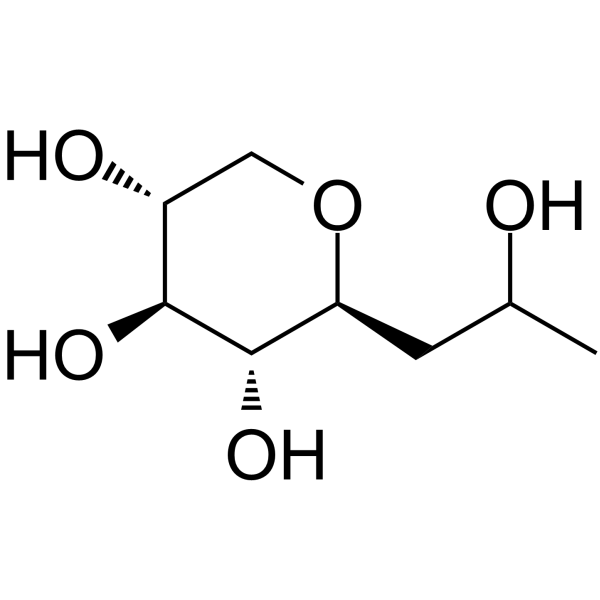
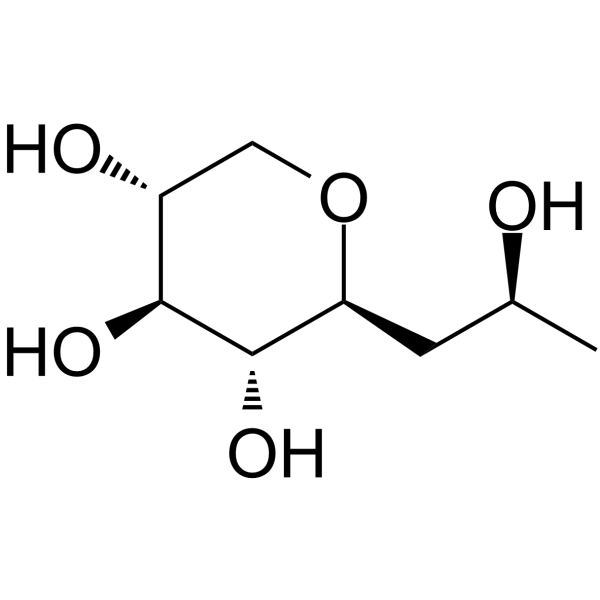
Pro-xylane (30% in water) (Hydroxypropyl tetrahydropyrantriol) is a bioactive C-glycoside that targets the biosynthesis pathway of glycosaminoglycans/mucopolysaccharides (GAGs) in the skin matrix and can be absorbed transdermally. Pro-xylane (30% in water) stimulates the biosynthesis of GAGs in fibroblasts, enhances the structural stability of the skin extracellular matrix, improves skin elasticity and moisturizing ability, and delays wrinkle formation. Pro-xylane (30% in water) can effectively promote the synthesis of collagen fibers and hyaluronic acid in the dermis. Pro-xylane (30% in water) is used in the field of anti-aging cosmetics to improve skin hydration and elasticity. Pro-xylane (30% in water) is eco-friendly and biodegradable .
loading...
    loading...
1
1 Cited Publications
Cat. No.: HY-108036B
CAS No.: 439685-79-7
Purity:  ≥98.0%
Synonyms: Hydroxypropyl tetrahydropyrantriol
Research Areas:  

Metabolic Disease

Pro-xylane (Hydroxypropyl tetrahydropyrantriol) is a bioactive C-glycoside that targets the biosynthesis pathway of glycosaminoglycans/mucopolysaccharides (GAGs) in the skin matrix and can be absorbed transdermally. Pro-xylane stimulates the biosynthesis of GAGs in fibroblasts, enhances the structural stability of the skin extracellular matrix, improves skin elasticity and moisturizing ability, and delays wrinkle formation. Pro-xylane can effectively promote the synthesis of collagen fibers and hyaluronic acid in the dermis. Pro-xylane is used in the field of anti-aging cosmetics to improve skin hydration and elasticity. Pro-xylane is eco-friendly and biodegradable .
loading...
    loading...
Cat. No.: HY-P0064
CAS No.: 221227-05-0
Synonyms: Palmitoyl Tetrapeptide-7
Target:  

Interleukin Related

Research Areas:  

Inflammation/Immunology

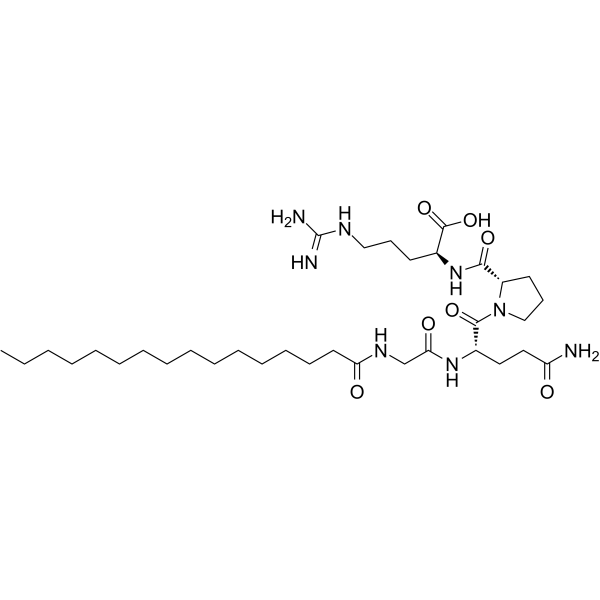
Palmitoyl Tetrapeptide-3 (Palmitoyl Tetrapeptide-7) is a synthetic peptide corresponding to amino acids 341-344 of the human immunoglobulin heavy chain, with the ability to stimulate phagocytosis. Palmitoyl tetrapeptide-3 reduces interleukin-6 (IL-6) secretion in keratinocytes and inhibits the UVB radiation-exposure inflammatory response of skin. Palmitoyl tetrapeptide-3 It also has anti-inflammatory and anti-aging effects, reducing skin wrinkles by promoting the production of elastic fibers in the papillary dermis .
loading...
    loading...
Cat. No.: HY-P5238
CAS No.: 64577-63-5
Target:  

Inhibitory Antibodies

Research Areas:  

Others

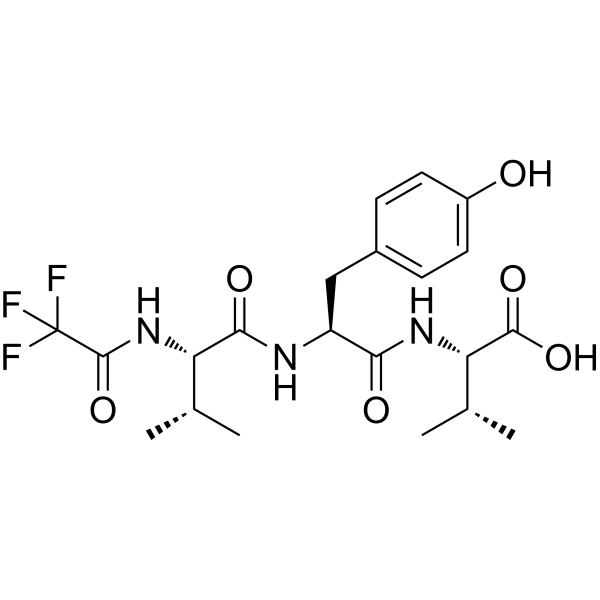
Trifluoroacetyl tripeptide-2 is a tripeptide with strong cosmetic activity. Trifluoroacetyl tripeptide-2 can regulate progerin synthesis, promote extracellular matrix synthesis, and improve skin elasticity. Trifluoroacetyl tripeptide-2 has anti-wrinkle and firming effects and can be used as an anti-aging ingredient in cosmetic research .
loading...
    loading...
Cat. No.: HY-P0104
CAS No.: 1447824-23-8
Target:  

Collagen

Research Areas:  

Metabolic Disease

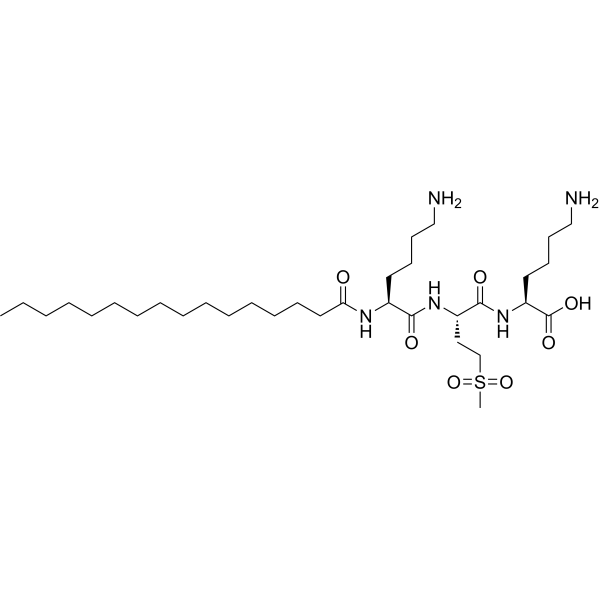
Palmitoyl tripeptide-38 is a lipopeptide that increases the production of dermal and epidermal collagen, fibronectin, and hyaluronic acid. Palmitoyl tripeptide-38 is used in research related to skin aging (fine lines, wrinkles, reduced skin elasticity, decreased skin water content, uneven skin tone) .
loading...
    loading...
Cat. No.: HY-108036A
CAS No.: 868156-46-1
Purity:  ≥98.0%
Synonyms: (S)-Hydroxypropyl tetrahydropyrantriol
Research Areas:  

Metabolic Disease

(S)-Pro-xylane ((S)-Hydroxypropyl tetrahydropyrantriol) is a bioactive C-glycoside that targets the biosynthesis pathway of glycosaminoglycans/mucopolysaccharides (GAGs) in the skin matrix and can be absorbed transdermally. (S)-Pro-xylane stimulates the biosynthesis of GAGs in fibroblasts, enhances the structural stability of the skin extracellular matrix, improves skin elasticity and moisturizing ability, and delays wrinkle formation. (S)-Pro-xylane can effectively promote the synthesis of collagen fibers and hyaluronic acid in the dermis. (S)-Pro-xylane is used in the field of anti-aging cosmetics to improve skin hydration and elasticity. (S)-Pro-xylane is eco-friendly and biodegradable .
loading...
    loading...
Cat. No.: HY-N10496
CAS No.: 55306-04-2
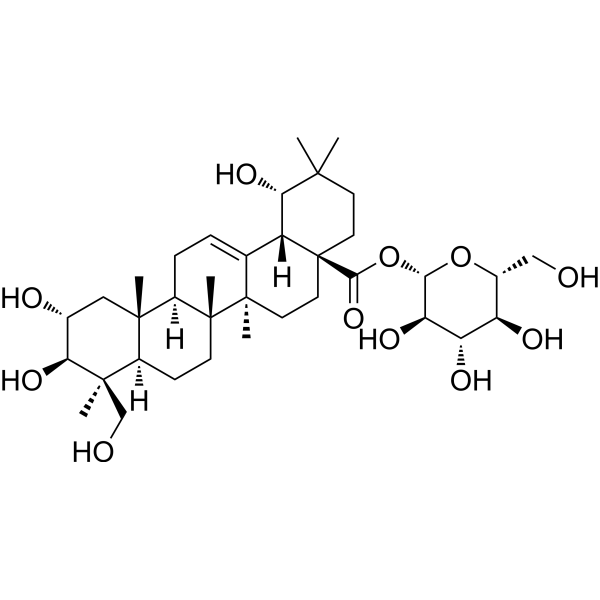
Sericoside is a triterpenoid with anti-inflammatory activity, can be isolated form Terminalia. Sericoside has a strong lipolytic activity. Sericoside can also reduce skin wrinkles and ameliorating skin texture .
loading...
    loading...
Cat. No.: HY-P0099
CAS No.: 135679-88-8
Target:  

nAChR mAChR

Research Areas:  

Others

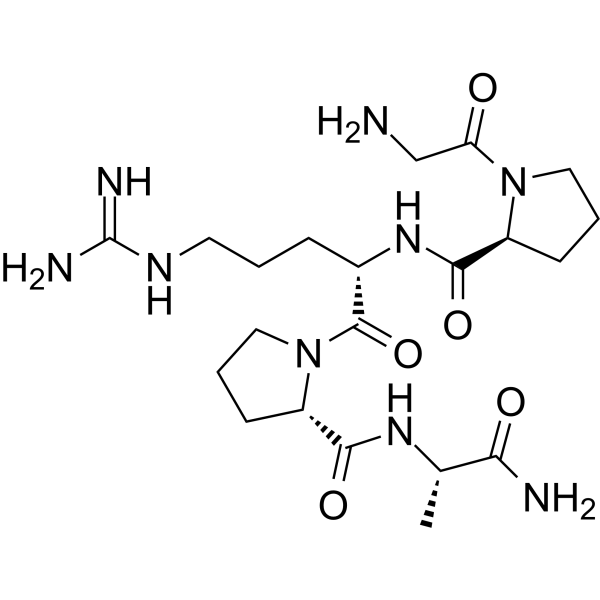
Pentapeptide-3 is a multifunctional anti-aging cosmeceutical peptide and Acetylcholine Receptor antagonist that induces muscle relaxation by antagonizing acetylcholine receptors and mimics enkephalin to exert botulinum-like activity. Pentapeptide-3 can be used in research on skin aging and wrinkles .
loading...
    loading...
Cat. No.: HY-P5232
CAS No.: 960608-17-7
Target:  

Collagen

Research Areas:  

Metabolic Disease

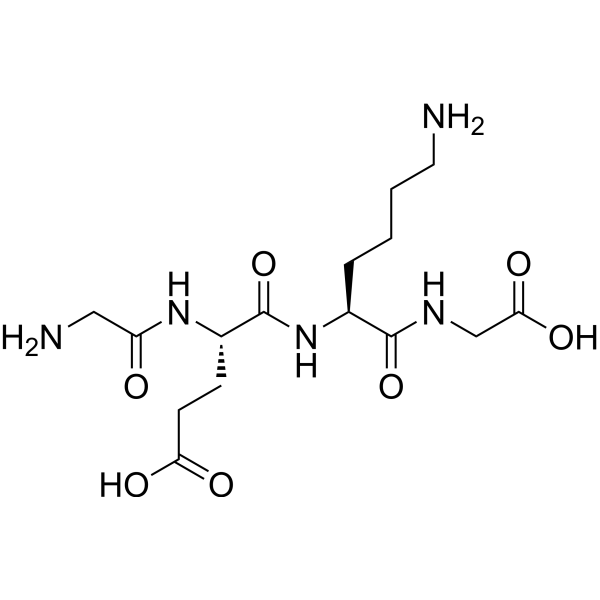
Tetrapeptide-21 is a bioactive peptide composed of four amino acids. Tetrapeptide-21 effectively enhances the vitality of human dermal fibroblasts. Tetrapeptide-21 upregulates the expression of key extracellular matrix (ECM) genes and promotes the synthesis of ECM proteins (such as type I collagen, hyaluronic acid synthase 1, and fibronectin). Tetrapeptide-21 has the efficacy of anti-wrinkle and improving skin elasticity, and has been reported to be used as a cosmetic ingredient .
loading...
    loading...
Cat. No.: HY-W001251
CAS No.: 1132-21-4
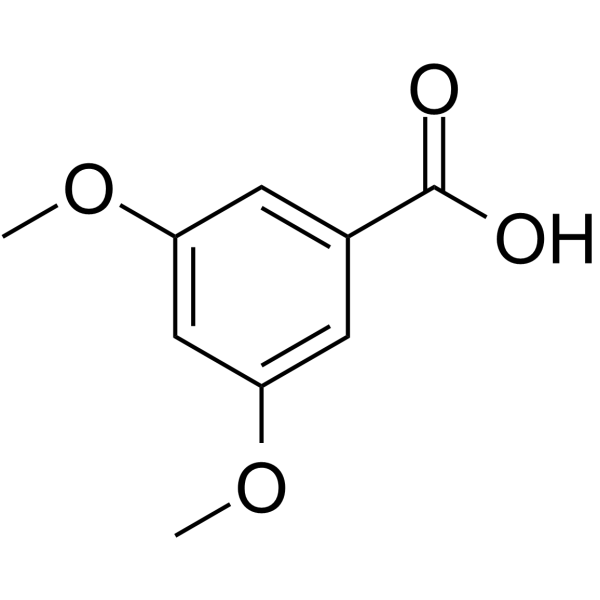
3,5-Dimethoxybenzoic acid is an aromatic organic acid and antifungal agent. 3,5-Dimethoxybenzoic acid can also be used as an intermediate for anticancer agents. 3,5-Dimethoxybenzoic acid can be isolated from the leaves of Melia azedarach. 3,5-Dimethoxybenzoic acid exhibits antifungal activity against A. rabiei with an MIC of 0.125 mg/mL. 3,5-Dimethoxybenzoic acid has anti-wrinkle, anti-inflammatory, antioxidant, and skin regeneration effects .
loading...
    loading...
Cat. No.: HY-P5220
CAS No.: 448944-47-6
Synonyms: Melitane
Target:  

Melanocortin Receptor

Research Areas:  

Others

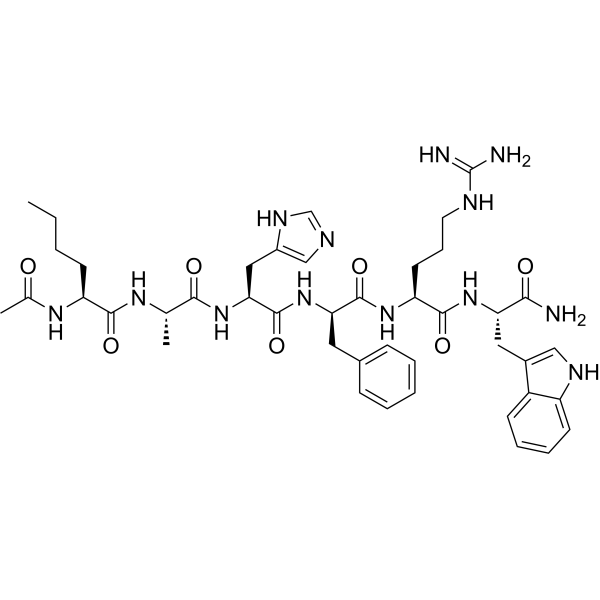
Acetyl hexapeptide-1 (Melitane) is a biomimetic peptide that mimics the activity of α-melanocyte-stimulating hormone (α-MSH). Acetyl hexapeptide-1 regulates muscle contraction, thereby reducing facial expression lines. Acetyl hexapeptide-1 is one of the components of anti-aging skincare serums targeting dynamic wrinkles. Acetyl hexapeptide-1 can be used in research related to mild photoaged facial skin and premature gray hair .
loading...
    loading...
Cat. No.: HY-P5220A
CAS No.: 2828433-36-7
Synonyms: Melitane acetate
Target:  

Melanocortin Receptor

Research Areas:  

Others

Acetyl hexapeptide-1 (Melitane) acetate is a biomimetic peptide that mimics the activity of α-melanocyte-stimulating hormone (α-MSH). Acetyl hexapeptide-1 acetate can regulate muscle contraction, thereby reducing facial expression lines. Acetyl hexapeptide-1 acetate is one of the components of anti-aging skin care essences targeting dynamic wrinkles. Acetyl hexapeptide-1 acetate can be used in studies related to mild photo-aged facial skin and premature graying of hair .
loading...
    loading...
Cat. No.: HY-P3121
CAS No.: 1012317-71-3
Target:  

Inhibitory Antibodies

Research Areas:  

Metabolic Disease

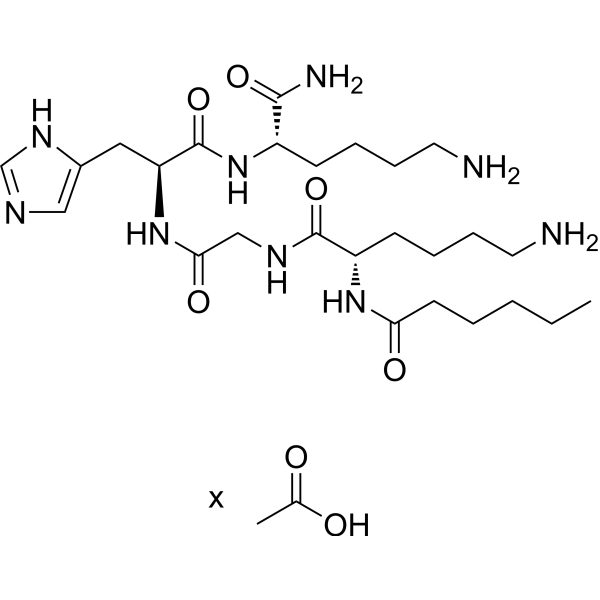
Caprooyl-tetrapeptide-3 acetate is used for fine lines and wrinkle reduction. Caprooyl-tetrapeptide-3 acetate stimulates the expression of collagen VII and laminin-5 in a model of corticoid-induced skin ageing .
loading...
    loading...
Cat. No.: HY-164066
CAS No.: 287390-12-9
Research Areas:  

Others

Sodium Acetylated Hyaluronate is an acetylated hyaluronic acid derivative with anti-wrinkle and deep skin penetration properties, which can be used in skin aging research and cosmetic development .
loading...
    loading...
Cat. No.: HY-P5257
CAS No.: 1018685-16-9
Synonyms: CG-EDP3
Target:  

Inhibitory Antibodies

Research Areas:  

Others

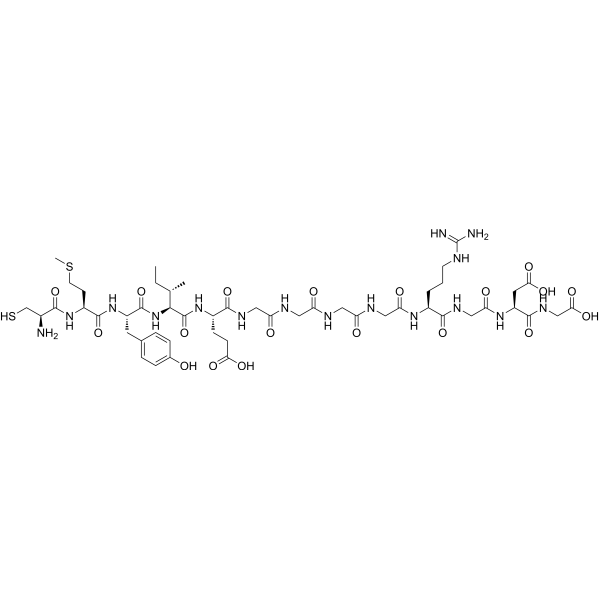
Oligopeptide-24 (CG-EDP3) is a 13 amino acids biomimetic peptide with skin repair effect. Oligopeptide-24 upregulates expression of elastin and hyaluronic acid, and increases fibroblast activity. Oligopeptide-24 can be used in cosmetics as an anti-wrinkle and firming agent .
loading...
    loading...
Cat. No.: HY-W442049
CAS No.: 893412-73-2
Synonyms: HPR
Target:  

RAR/RXR

Research Areas:  

Inflammation/Immunology

Hydroxypinacolone retinoate (HPR) is a direct-binding agonist of retinoic acid receptor (RAR). Hydroxypinacolone retinoate has low irritation and high stability; when formulated into nanoparticles, its transdermal efficiency is enhanced, allowing it to penetrate deep into the dermis and achieve sustained release. When used in combination with Retinyl propionate, hydroxypinacolone retinoate promotes fibroblast proliferation and upregulates the gene expression of type IV collagen, CRBP-I and RARB. Hydroxypinacolone retinoate can be used in research related to skin wrinkles and skin aging .
loading...
    loading...
Cat. No.: HY-N15152
CAS No.: 1184581-59-6
Isoaesculioside D (compound 3) is an agent for preventing or ameliorating skin aging. Isoaesculioside D exhibits an excellent effect on the suppression of formation, or the amelioration, of wrinkles on the skin or sagging skin .
loading...
    loading...
Cat. No.: HY-P11656
CAS No.: 77739-20-9
α-Neoendorphin porcine is a peptide. α-Neoendorphin porcine effectively alleviates UVB-induced skin photoaging via activating mTOR-Beclin-1-mediated autophagy, reducing UVB-triggered ROS production, inhibiting the MAPK pathway and MMP activity, and promoting type I procollagen synthesis. α-Neoendorphin porcine exerts anti-aging and anti-wrinkle effects on skin cells. α-Neoendorphin porcine can be used in studies related to skin photoaging .
loading...
    loading...
Cat. No.: HY-108036AR
CAS No.: 868156-46-1
Synonyms: (S)-Hydroxypropyl tetrahydropyrantriol (Standard)
(S)-Pro-xylane (Standard) is the analytical standard of (S)-Pro-xylane (HY-108036A). This product is intended for research and analytical applications. (S)-Pro-xylane ((S)-Hydroxypropyl tetrahydropyrantriol) is a bioactive C-glycoside that targets the biosynthesis pathway of glycosaminoglycans/mucopolysaccharides (GAGs) in the sKin matrix and can be absorbed transdermally. (S)-Pro-xylane stimulates the biosynthesis of GAGs in fibroblasts, enhances the structural stability of the sKin extracellular matrix, improves sKin elasticity and moisturizing ability, and delays wrinkle formation. (S)-Pro-xylane can effectively promote the synthesis of collagen fibers and hyaluronic acid in the dermis. (S)-Pro-xylane is used in the field of anti-aging cosmetics to improve sKin hydration and elasticity. (S)-Pro-xylane is eco-friendly and biodegradable .
loading...
    loading...
Cat. No.: HY-P11890
CAS No.: 1154403-54-9
Research Areas:  

Inflammation/Immunology

GPVGPS is a low-molecular-weight fish collagen peptide. GPVGPS upregulates the expression of vascular endothelial growth factor (VEGF), PCNA, hepatocyte growth factor, epidermal growth factor (EGF) , and insulin-like growth factor 1 (IGF-1), and downregulates the expression of negative regulatory proteins associated with hair health. GPVGPS inhibits MMP-1, MMP-2, and MMP-9, increases skin water content, reduces wrinkles, and improves oxidative stress status and pro-inflammatory cytokine levels. GPVGPS can be used in studies related to hair loss and UVB-induced skin photoaging .
loading...
    loading...

