1. Search Result
Search Result
Results for "

synaptic vesicles

" in MedChemExpress (MCE) Product Catalog:

40

Inhibitors & Agonists

5

Fluorescent Dye

2

Peptides

6

Natural
Products

4

Isotope-Labeled Compounds

2

Oligonucleotides

Targets Recommended:
Cat. No. Product Name Target Research Areas Chemical Structure
  • HY-B0106
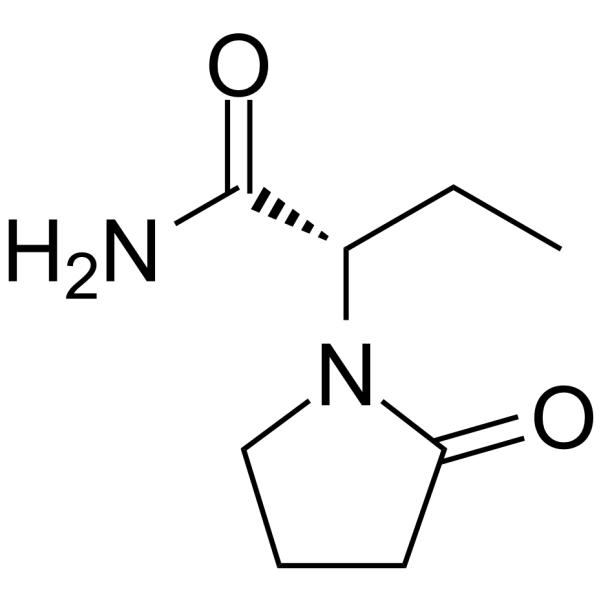
    Levetiracetam
    2 Publications Verification

    UCB L059

    DNA Methyltransferase Neurological Disease Cancer
    Levetiracetam, an antiepileptic agent, binds the synaptic vesicle protein SV2A. Levetiracetam enhances Temozolomide effect on glioblastoma stem cell proliferation and apoptosis. Levetiracetam modulates HDAC levels ultimately silencing MGMT, thus increasing Temozolomide effectiveness. A chemosensitizer agent .
    Levetiracetam
  • HY-B0590
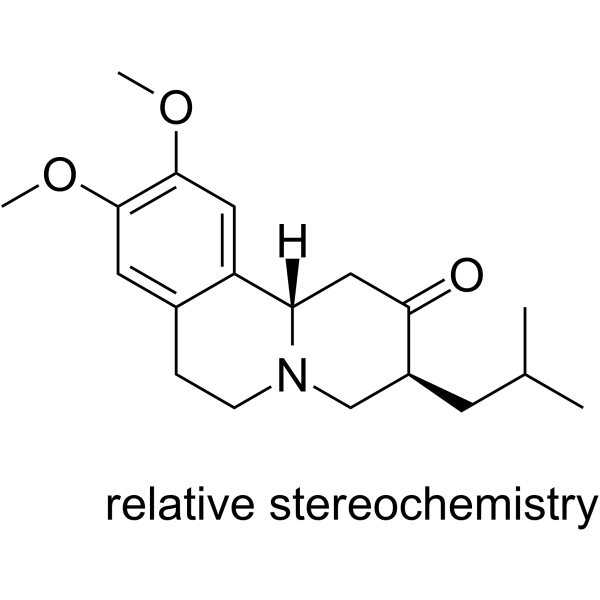
    Tetrabenazine
    1 Publications Verification

    Ro 1-9569

    Monoamine Transporter Dopamine Receptor Neurological Disease
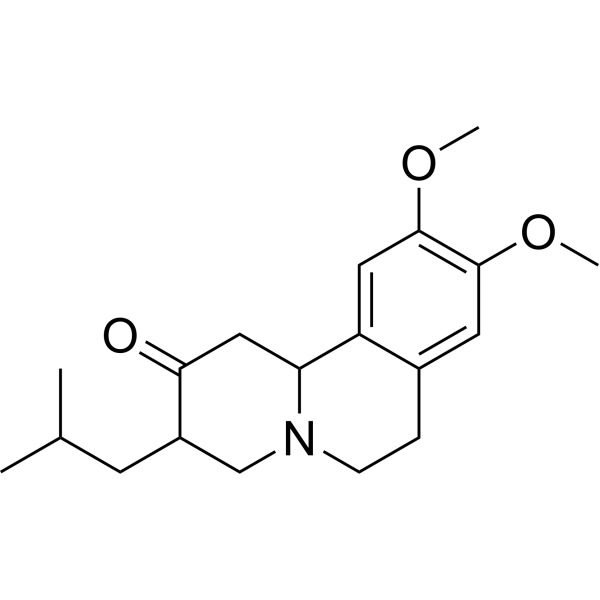
    Tetrabenazine (Ro 1-9569) is a brain-penetrant and orally active VMAT2-selective ligand with human VMAT2 Ki 100 nM. Tetrabenazine binds VMAT2 to block monoamine uptake into synaptic vesicles, potentiates cytoplasmic monoamine degradation. Tetrabenazine weakly blocks dopamine D2 receptors, and increases dopamine turnover via elevated cerebrospinal fluid homovanillic acid. Tetrabenazine can be used for the research of Huntington’s disease, tardive dyskinesia, and Tourette’s syndrome .
    Tetrabenazine
  • HY-B0979
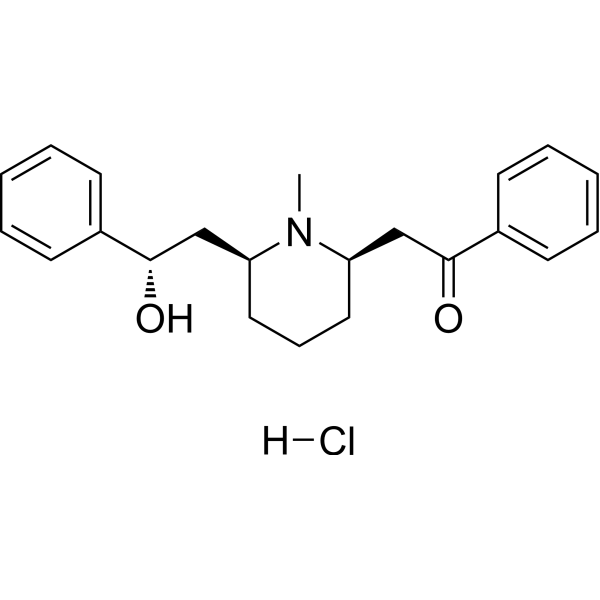
    Lobeline hydrochloride
    1 Publications Verification

    α-Lobeline hydrochloride; L-Lobeline hydrochloride

    nAChR Dopamine Transporter Neurological Disease
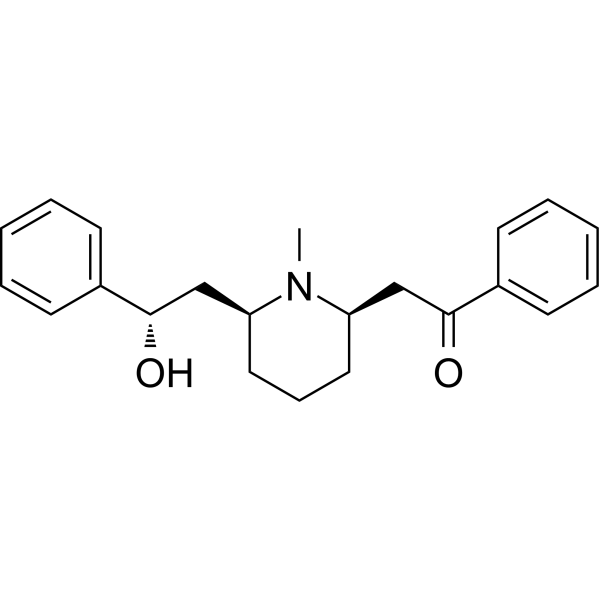
    Lobeline (α-Lobeline) hydrochloride is a brain-penetrant nicotinic receptor agonist. Lobeline hydrochloride increases dopamine (DA) release by inhibiting DA uptake into synaptic vesicles, and altering presynaptic DA storage. Lobeline hydrochloride is effective in smoking cessation .
    Lobeline hydrochloride
  • HY-B0590S

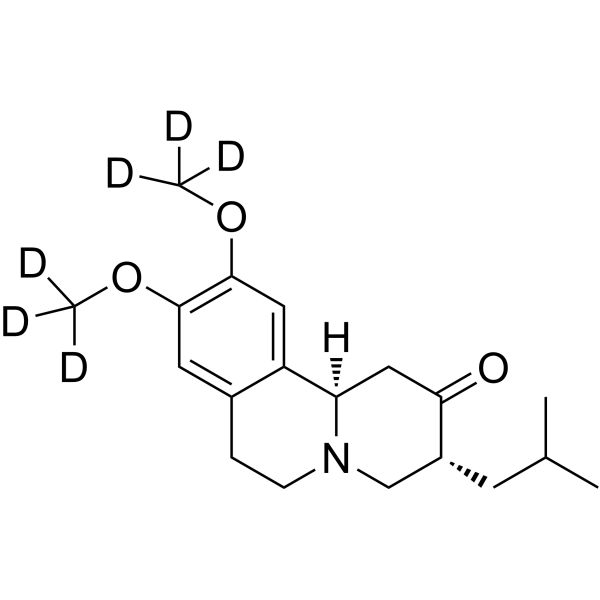
    Ro 1-9569-d6

    Monoamine Transporter Neurological Disease
    Tetrabenazine-d6 (Deutetrabenazine) is a deuterium-labled Tetrabenazine (HY-B0590). Tetrabenazine (Ro 1-9569) is a brain-penetrant and orally active VMAT2-selective ligand with human VMAT2 Ki 100 nM. Tetrabenazine binds VMAT2 to block monoamine uptake into synaptic vesicles, potentiates cytoplasmic monoamine degradation. Tetrabenazine weakly blocks dopamine D2 receptors, and increases dopamine turnover via elevated cerebrospinal fluid homovanillic acid. Tetrabenazine can be used for the research of Huntington’s disease, tardive dyskinesia, and Tourette’s syndrome .
    Tetrabenazine-d6
  • HY-100811
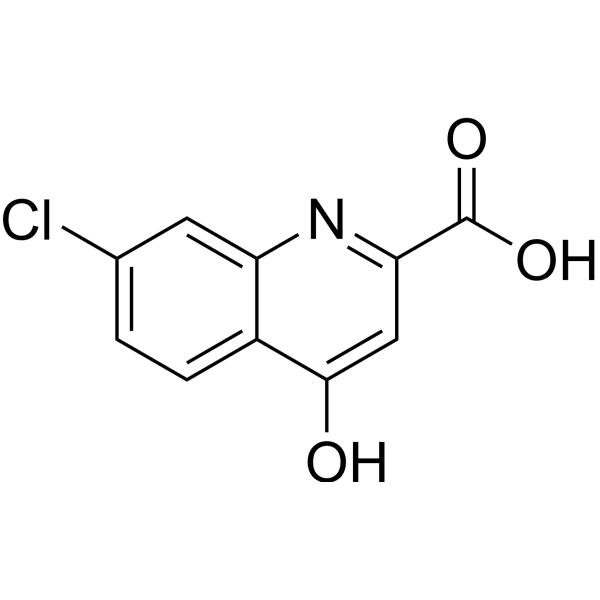
    7-Chlorokynurenic acid
    4 Publications Verification

    7-CKA

    iGluR Neurological Disease
    7-Chlorokynurenic acid (7-CKA) is a potent and selective antagonist of the glycine B coagonist site of the N-methyl-D-aspartate (NMDA) receptor (IC50=0.56 μM). 7-Chlorokynurenic acid is also a potent inhibitor of the reuptake of glutamate into synaptic vesicles with a Ki of 0.59 μM. 7-Chlorokynurenic acid has potent antinociceptive actions after neuraxial delivery .
    7-Chlorokynurenic acid
  • HY-100811A
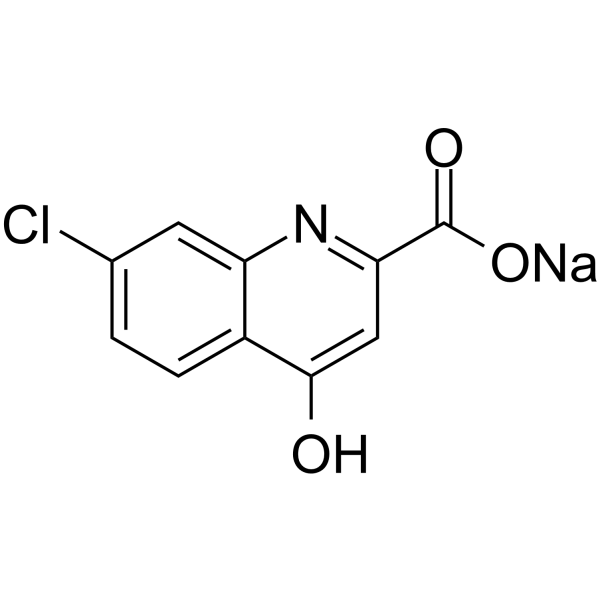
    7-Chlorokynurenic acid sodium salt
    4 Publications Verification

    7-CKA sodium salt

    iGluR Neurological Disease
    7-Chlorokynurenic acid sodium salt (7-CKA sodium salt) is a potent and selective antagonist of the glycine B coagonist site of the N-methyl-D-aspartate (NMDA) receptor (IC50=0.56 μM). 7-Chlorokynurenic acid sodium salt is also a potent inhibitor of the reuptake of glutamate into synaptic vesicles with a Ki of 0.59 μM. 7-Chlorokynurenic acid sodium salt has potent antinociceptive actions after neuraxial delivery .
    7-Chlorokynurenic acid sodium salt
  • HY-157999

    Synaptic Vesicle Proteins Neurological Disease
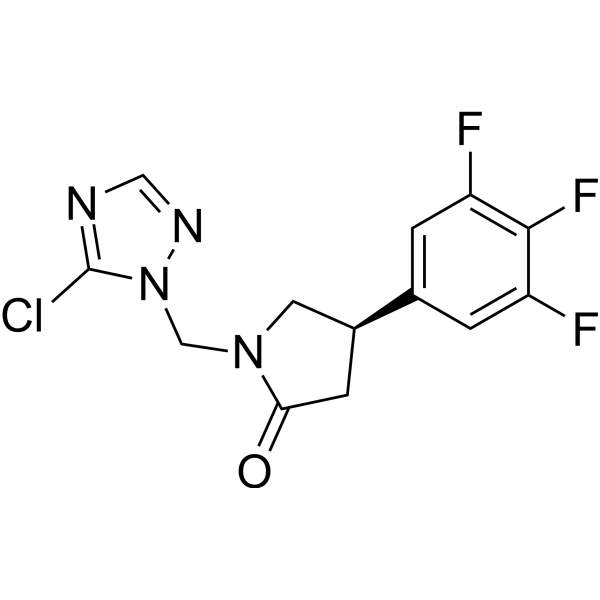
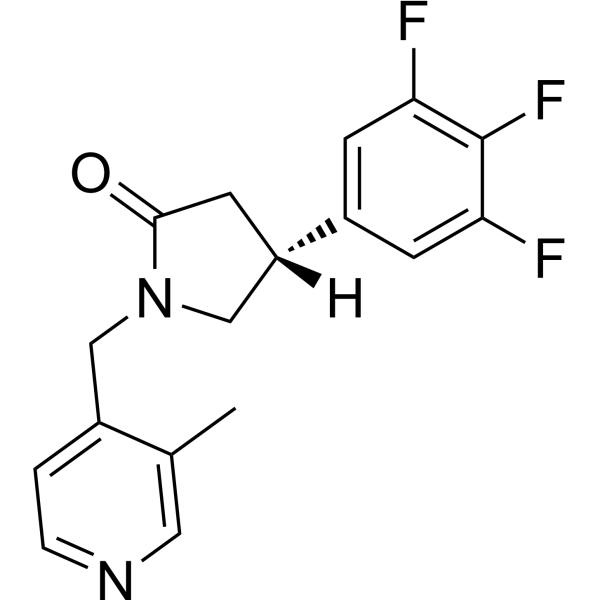
    SDI-118 is an orally active modulator for synaptic vesicle glycoprotein 2A (SV2A) with an IC50 of 13 nM .
    SDI-118
  • HY-B0590A

    Ro 1-9569 Racemate

    Monoamine Transporter Dopamine Receptor Neurological Disease
    Tetrabenazine (Ro 1-9569) Racemate is a brain-penetrant and orally active VMAT2-selective ligand with human VMAT2 Ki 100 nM. Tetrabenazine Racemate binds VMAT2 to block monoamine uptake into synaptic vesicles, potentiates cytoplasmic monoamine degradation. Tetrabenazine Racemate weakly blocks dopamine D2 receptors, and increases dopamine turnover via elevated cerebrospinal fluid homovanillic acid. Tetrabenazine Racemate can be used for the research of Huntington’s disease, tardive dyskinesia, and Tourette’s syndrome .
    Tetrabenazine Racemate
  • HY-113995
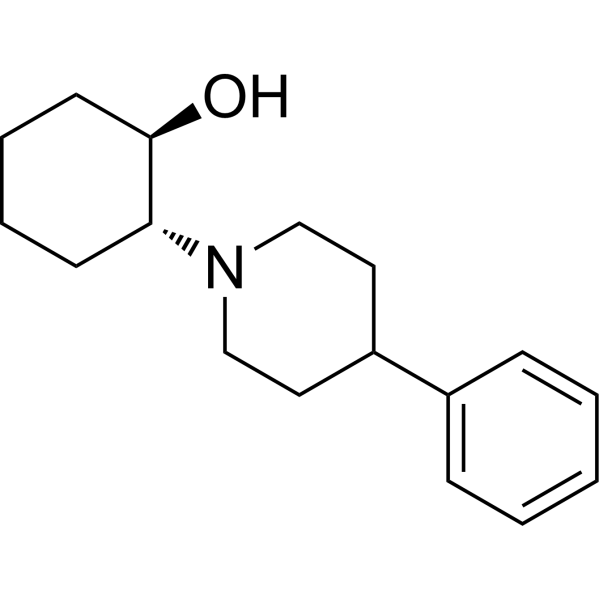
    (-)-Vesamicol
    1 Publications Verification

    (-)-AH5183

    mAChR Neurological Disease
    (-)-Vesamicol (AH5183) is a vesicular acetylcholine transporter inhibitor. (-)-Vesamicol reversibly and non-competitively inhibits the transport of acetylcholine into circulating synaptic vesicles and blocks the activity of vesicular acetylcholine transporters in medial amygdala neurons. (-)-Vesamicol is applicable to research related to central precocious puberty .
    (-)-Vesamicol
  • HY-B0106R

    UCB L059 (Standard)

    Reference Standards DNA Methyltransferase Neurological Disease Cancer
    Levetiracetam (Standard) is the analytical standard of Levetiracetam. This product is intended for research and analytical applications. Levetiracetam, an antiepileptic agent, binds the synaptic vesicle protein SV2A. Levetiracetam enhances Temozolomide effect on glioblastoma stem cell proliferation and apoptosis. Levetiracetam modulates HDAC levels ultimately silencing MGMT, thus increasing Temozolomide effectiveness. A chemosensitizer agent .
    Levetiracetam (Standard)
  • HY-D1438

    Fluorescent Dye Others
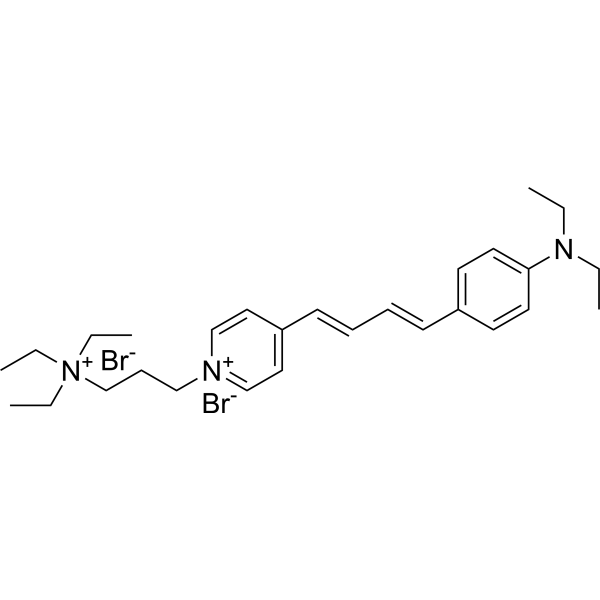
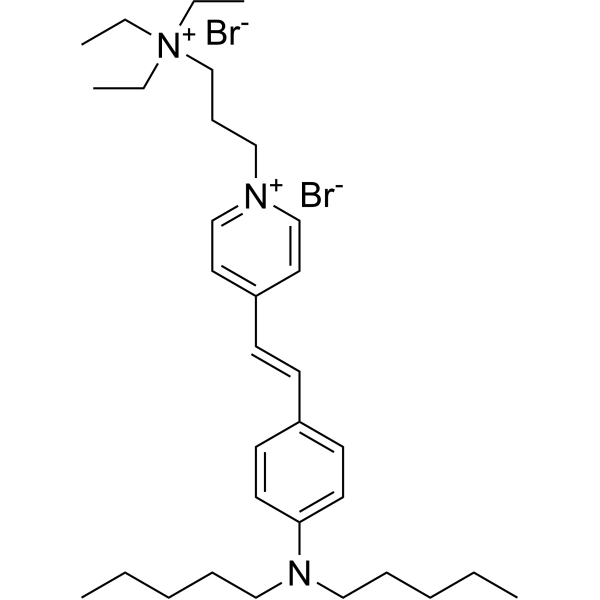
    RH 414 is the styryl pyridinium dye. RH 414 can be used for optical monitoring of synaptic vesicle membrane trafficking .
    RH 414
  • HY-P3095

    Endogenous Metabolite Neurological Disease
    α-Latrotoxin, a potent neurotoxin from black widow spider venom, triggers synaptic vesicle exocytosis from presynaptic nerve terminals .
    α-Latrotoxin
  • HY-B1423

    α-Lobeline; L-Lobeline

    nAChR Dopamine Transporter Neurological Disease
    Lobeline (α-Lobeline) is a brain-penetrant nicotinic receptor agonist. Lobeline increases dopamine (DA) release by inhibiting DA uptake into synaptic vesicles, and altering presynaptic DA storage. Lobeline is effective in smoking cessation .
    Lobeline
  • HY-125900

    NCA

    Others Cancer
    Neocarzilin A (NCA) reduces BST-2 levels via lysosomal degradation. Neocarzilin A has antimigratory and antiproliferative effects on cancer cells. Neocarzilin A inhibits cancer cell migration via irreversible binding to the synaptic vesicle membrane protein VAT-1 .
    Neocarzilin A
  • HY-D1515

    Neurodye GH1-84

    Fluorescent Dye Neurological Disease
    FM1-84 (Neurodye GH1-84) is a fluorescent dye. FM1-84 has lipophilic and facilitates association with membranes, resulting in an increase in fluorescence intensity (λex=510 nm, λem=625 nm). FM1-84 can be used for synaptic vesicle recycling in neurons research .
    FM1-84
  • HY-148977

    Endogenous Metabolite Metabolic Disease
    18:0,22:6 PS sodium is a lipid component of synaptic vesicles and cholesterol, which can be used for metabolic research .
    18:0,22:6 PS sodium
  • HY-136873

    Synaptic Vesicle Proteins Neurological Disease
    UCB-J is a ligand for synaptic vesicle protein 2A (SV2A) with pIC50 values for human and rat SV2A of 8.15 and 7.6 respectively. UCB-J can be used to display and quantify the total synaptic density throughout the brain .
    UCB-J
  • HY-101013

    S-Nitroso-N-acetylpenicillamine

    Fluorescent Dye Others
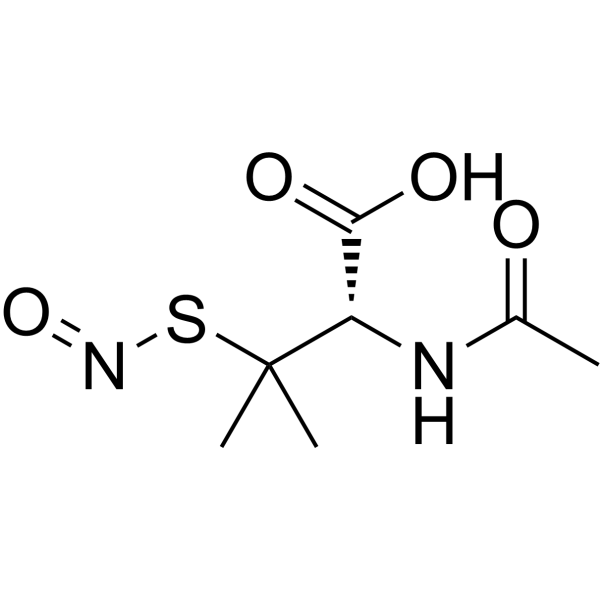
    D-SNAP (S-Nitroso-N-acetylpenicillamine) can Generate nitric oxide and form superoxides spontaneously under physiological conditions and is often used to probe the cell stress response and stimulate calcium-independent synaptic vesicle release.
    D-SNAP
  • HY-B0106S

    UCB L059-d6

    Isotope-Labeled Compounds DNA Methyltransferase Neurological Disease Cancer
    Levetiracetam-d6 is the deuterium labeled Levetiracetam. Levetiracetam, an antiepileptic agent, binds the synaptic vesicle protein SV2A. Levetiracetam enhances Temozolomide effect on glioblastoma stem cell proliferation and apoptosis. Levetiracetam modulates HDAC levels ultimately silencing MGMT, thus increasing Temozolomide effectiveness. A chemosensitizer agent .
    Levetiracetam-d6
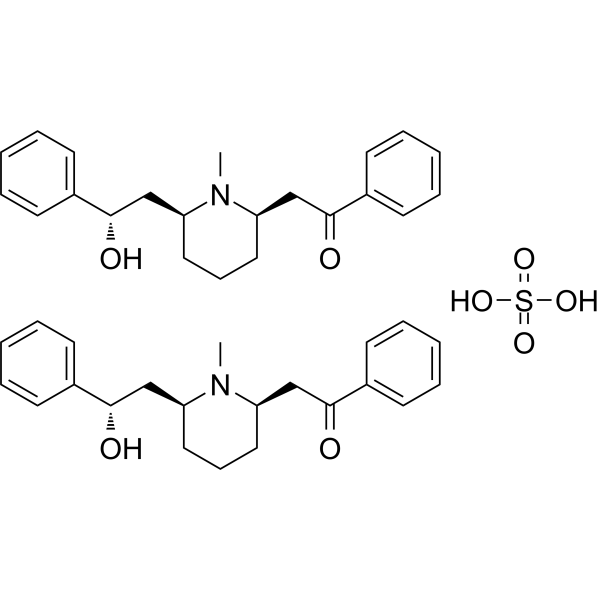
  • HY-128420

    α-Lobeline sulfate; L-Lobeline sulfate

    nAChR Dopamine Transporter Neurological Disease
    Lobeline (α-Lobeline) sulfate is a brain-penetrant nicotinic receptor agonist. Lobeline sulfate increases dopamine (DA) release by inhibiting DA uptake into synaptic vesicles, and altering presynaptic DA storage. Lobeline sulfate is effective in smoking cessation .
    Lobeline sulfate
  • HY-B0979R

    α-Lobeline hydrochloride (Standard); L-Lobeline hydrochloride (Standard)

    Reference Standards nAChR Dopamine Transporter Neurological Disease
    Lobeline (hydrochloride) (Standard) is the analytical standard of Lobeline (hydrochloride). This product is intended for research and analytical applications. Lobeline (α-Lobeline) hydrochloride is a brain-penetrant nicotinic receptor agonist. Lobeline hydrochloride increases dopamine (DA) release by inhibiting DA uptake into synaptic vesicles, and altering presynaptic DA storage. Lobeline hydrochloride is effective in smoking cessation .
    Lobeline hydrochloride (Standard)
  • HY-172531

    Dynamin Ras Neurological Disease
    Sulfonadyn-47 is a GTP-competitive dynamin I (dynI) inhibitor that targets the active site in the GTPase domain of dynamin I, with IC50 values of 3.5 μM against dynI, 27.3 μM in clathrin-mediated endocytosis (CME) assays, and 12.3 μM in synaptic vesicle endocytosis (SVE) assays. Sulfonadyn-47 increases seizure threshold. Sulfonadyn-47 can be used the study for the seizure.
    Sulfonadyn-47
  • HY-121318

    Adrenergic Receptor Neurological Disease
    LK-11 is a tropane derivative that inhibits the passive uptake of noradrenalin (NA) by hypothalamic synaptic vesicles in vitro, similar to cocaine .
    LK 11
  • HY-P10282

    CaMK Neurological Disease
    Synapsin I-(3-13), a substrate for CaMK1, is a glycoprotein. Synapsin I is a phosphoprotein that coats the cytoplasmic side of synaptic vesicles and regulates their trafficking within nerve terminals .
    Synapsin I-(3-13)
  • HY-D1516

    Fluorescent Dye Others
    NerveGreen C3 is a cationic styrene based fluorescent dye. NerveGreen C3 can be used to track synaptic activity at neuromuscular junctions or synapses .
    NerveGreen C3
  • HY-113273B

    Endogenous Metabolite Metabolic Disease
    Diadenosine pentaphosphate pentaammonium is an endogenous vasoactive purine dinucleotide which has been isolated from thrombocytes. Diadenosine polyphosphates (ApnA, n=2–7) have been identified as constituents of secretory vesicles such as in platelets, chromaffin cells, Torpedo synaptic terminals and brain synaptosomes .
    Diadenosine pentaphosphate pentaammonium
  • HY-113273C

    Endogenous Metabolite Metabolic Disease
    Diadenosine pentaphosphate pentalithium is an endogenous vasoactive purine dinucleotide which has been isolated from thrombocytes. Diadenosine polyphosphates (ApnA, n=2–7) have been identified as constituents of secretory vesicles such as in platelets, chromaffin cells, Torpedo synaptic terminals and brain synaptosomes .
    Diadenosine pentaphosphate pentalithium
  • HY-B0106S1

    UCB L059-d3

    DNA Methyltransferase Neurological Disease Cancer
    Levetiracetam-d3 is the deuterium labeled Levetiracetam. Levetiracetam, an antiepileptic agent, binds the synaptic vesicle protein SV2A. Levetiracetam enhances Temozolomide effect on glioblastoma stem cell proliferation and apoptosis. Levetiracetam modulates HDAC levels ultimately silencing MGMT, thus increasing Temozolomide effectiveness. A chemosensitizer agent .
    Levetiracetam-d3
  • HY-12772R

    Itraconazole metabolite Hydroxy Itraconazole (Standard); R-63373 (Standard)

    Reference Standards Fungal Drug Metabolite Others
    Levetiracetam (Standard) is the analytical standard of Levetiracetam. This product is intended for research and analytical applications. Levetiracetam, an antiepileptic agent, binds the synaptic vesicle protein SV2A. Levetiracetam enhances Temozolomide effect on glioblastoma stem cell proliferation and apoptosis. Levetiracetam modulates HDAC levels ultimately silencing MGMT, thus increasing Temozolomide effectiveness. A chemosensitizer agent .
    Hydroxy Itraconazole (Standard)
  • HY-115739

    Ras Neurological Disease Cancer
    RTIL 13 is a potent inhibitor of dynamin GTPase, with an IC50 of 2.3 μM for dynamin I GTPase. RTIL 13 also targets pleckstrin homology lipid binding domain. RTIL 13 can inhibit receptor-mediated and synaptic vesicle endocytosis, with IC50s of 9.3 μM and 7.1 μM, respectively .
    RTIL 13
  • HY-152171

    Monoamine Transporter Neurological Disease
    GZ-11608 is a potent and selective vesicular monoamine transporter-2 (VMAT2) inhibitor with high affinity (Ki = 25 nM). GZ-11608 decreases methamphetamine-induced dopamine release from isolated synaptic vesicles from brain dopaminergic neurons. GZ-11608 exhibits rapid brain penetration and without neurotoxicity. GZ-11608 can be used for the research of methamphetamine use disorder .
    GZ-11608
  • HY-B0590E

    Ro 1-9569 mesylate

    Monoamine Transporter Dopamine Receptor Neurological Disease
    Tetrabenazine (Ro 1-9569) mesylate is a brain-penetrant and orally active VMAT2-selective ligand with human VMAT2 Ki 100 nM. Tetrabenazine mesylate binds VMAT2 to block monoamine uptake into synaptic vesicles, potentiates cytoplasmic monoamine degradation. Tetrabenazine mesylate weakly blocks dopamine D2 receptors, and increases dopamine turnover via elevated cerebrospinal fluid homovanillic acid. Tetrabenazine mesylate can be used for the research of Huntington’s disease, tardive dyskinesia, and Tourette’s syndrome .
    Tetrabenazine mesylate
  • HY-100811AR

    7-CKA sodium salt (Standard)

    Reference Standards iGluR Neurological Disease
    7-Chlorokynurenic acid (sodium salt) (Standard) is the analytical standard of 7-Chlorokynurenic acid (sodium salt). This product is intended for research and analytical applications. 7-Chlorokynurenic acid sodium salt (7-CKA sodium salt) is a potent and selective antagonist of the glycine B coagonist site of the N-methyl-D-aspartate (NMDA) receptor (IC50=0.56 μM). 7-Chlorokynurenic acid sodium salt is also a potent inhibitor of the reuptake of glutamate into synaptic vesicles with a Ki of 0.59 μM. 7-Chlorokynurenic acid sodium salt has potent antinociceptive actions after neuraxial delivery .
    7-Chlorokynurenic acid sodium salt (Standard)
  • HY-100811R

    7-CKA (Standard)

    Reference Standards iGluR Neurological Disease
    7-Chlorokynurenic acid (Standard) is the analytical standard of 7-Chlorokynurenic acid. This product is intended for research and analytical applications. 7-Chlorokynurenic acid (7-CKA) is a potent and selective antagonist of the glycine B coagonist site of the N-methyl-D-aspartate (NMDA) receptor (IC50=0.56 μM). 7-Chlorokynurenic acid is also a potent inhibitor of the reuptake of glutamate into synaptic vesicles with a Ki of 0.59 μM. 7-Chlorokynurenic acid has potent antinociceptive actions after neuraxial delivery .
    7-Chlorokynurenic acid (Standard)
  • HY-B0590R

    Ro 1-9569 (Standard)

    Reference Standards Monoamine Transporter Dopamine Receptor Neurological Disease
    Tetrabenazine (Standard) is the analytical standard of Tetrabenazine (HY-B0590). This product is intended for research and analytical applications. Tetrabenazine (Ro 1-9569) is a brain-penetrant and orally active VMAT2-selective ligand with human VMAT2 Ki 100 nM. Tetrabenazine binds VMAT2 to block monoamine uptake into synaptic vesicles, potentiates cytoplasmic monoamine degradation. Tetrabenazine weakly blocks dopamine D2 receptors, and increases dopamine turnover via elevated cerebrospinal fluid homovanillic acid. Tetrabenazine can be used for the research of Huntington’s disease, tardive dyskinesia, and Tourette’s syndrome .
    Tetrabenazine (Standard)
  • HY-B0590S3

    TBZ-d7-d7; Ro 1-9569-d7

    Isotope-Labeled Compounds Monoamine Transporter Dopamine Receptor Neurological Disease
    Tetrabenazine-d7 (TBZ-d7-d7) is deuterium labeled Tetrabenazine (HY-B0590). Tetrabenazine (Ro 1-9569) is a brain-penetrant and orally active VMAT2-selective ligand with human VMAT2 Ki 100 nM. Tetrabenazine binds VMAT2 to block monoamine uptake into synaptic vesicles, potentiates cytoplasmic monoamine degradation. Tetrabenazine weakly blocks dopamine D2 receptors, and increases dopamine turnover via elevated cerebrospinal fluid homovanillic acid. Tetrabenazine can be used for the research of Huntington’s disease, tardive dyskinesia, and Tourette’s syndrome .
    Tetrabenazine-d7
  • HY-136873A

    Synaptic Vesicle Proteins Neurological Disease
    (Rac)-UCB-J (Compound 23) is a ligand for synaptic vesicle protein 2A (SV2A), with a pIC50 value of 8.2. (Rac)-UCB-J can be used as a PET tracer for SV2A to assist in the diagnosis of epilepsy research .
    (Rac)-UCB-J
  • HY-D3394

    Fluorescent Dye Others
    SGC5 is a fluorescence enhancer and membrane dissociator with millisecond-scale membrane dissociation kinetics, with an emission spectrum of 500-650 nm. SGC5 produces strong fluorescence upon binding to lipid membranes, exhibits fast partitioning dissociation kinetics at higher temperatures, and is unaffected by pH or cholesterol. SGC5 does not belong to the FM dye family and shows the highest membrane-bound fluorescence intensity among the tested styryl/FM dyes. SGC5 can be used to study synaptic vesicle cycling in neurons .
    SGC5
  • HY-W795736

    (+)-AH5183

    nAChR Neurological Disease
    (+)-Vesamicol ((+)-AH5183) is an acetylcholine vesicular transport system inhibitor. (+)-Vesamicol blocks acetylcholine storage and uptake by synaptic vesicles, reducing transmitter availability for neuromuscular junction release. (+)-Vesamicol acts as a neuromuscular blocking agent, producing frequency-dependent neuromuscular block in rat hemidiaphragm preparations .
    (+)-Vesamicol
  • HY-180554

    Synaptic Vesicle Proteins Neurological Disease
    UCB1244283 is a synaptic vesicle glycoprotein 2A (SV2A) allosteric modulator. UCB1244283 binds to a secondary ligand-binding site in SV2A and enhances orthosteric ligand engagement when the orthosteric site is occupied, by stabilizing the occluded state and slowing ligand dissociation. UCB1244283 shows a clear protective effect against both tonic and clonic convulsions in sound-sensitive mice. UCB1244283 can be used for epilepsy research .
    UCB1244283

Inquiry Online

Your information is safe with us. * Required Fields.

Salutation


Country or Region *

Applicant Name *


Organization Name *

Department *


Email Address *


Product Name *

Cat. No.


Requested quantity *

Phone Number *


Remarks

Inquiry Online

Inquiry Information

Product Name:
Cat. No.:
Quantity:
MCE Japan Authorized Agent:

