



1. Search Result
Search Result
Pathways Recommended: Immunology/Inflammation
Results for "

vascular inflammation

" in MedChemExpress (MCE) Product Catalog:

82

Inhibitors & Agonists

1

Bibliotecas de Screening

1

Fluorescent Dyes

10

Peptides

4

Inhibitory Antibodies

26

Natural
Products

9

Isotope-Labeled Compounds

1

Oligonucleotides

Targets Recommended:
Cat. No. Nombre del producto Target Áreas de investigación Chemical Structure
  • HY-B0561
    Spironolactone
    5+ Cited Publications

    SC9420

    Mineralocorticoid Receptor Androgen Receptor Autophagy Calcium Channel Cardiovascular Disease Metabolic Disease Endocrinology Cancer
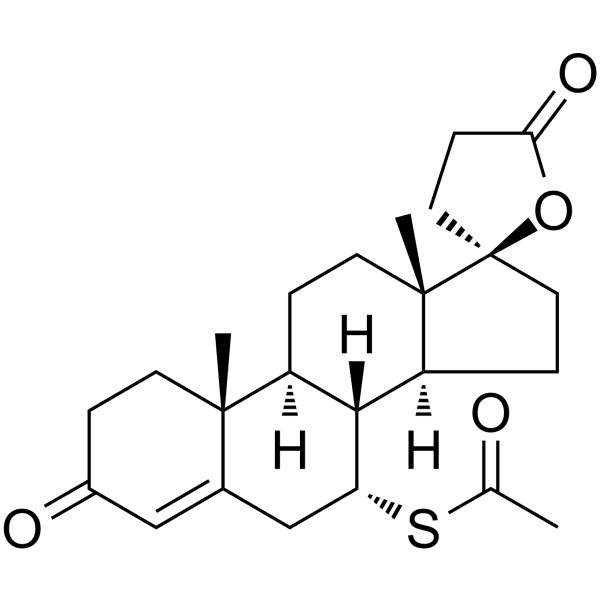
    Spironolactone is an aldosterone antagonist that acts on the aldosterone mineralocorticoid receptor (IC50=24 nM) and androgen receptor (IC50=77 nM), promotes podocyte autophagy and regulates pain. Spironolactone improves hypertension-related vascular hypertrophy and remodeling by reducing angiotensin II (Ang II)-induced inflammation, reduces aldosterone-induced vascular and soft tissue calcification through PIT1-dependent signaling, and alleviates vascular dysfunction in type II diabetic mice by reducing oxidative stress and restoring NO/GC signaling; at low concentrations, it and its metabolites can interfere with aldosterone biosynthesis in the adrenal cortex and inhibit voltage-dependent Ca 2+ channels to exert antihypertensive effects .
    Spironolactone
  • HY-W010347
    L-Homocysteine
    5+ Cited Publications

    Endogenous Metabolite Cathepsin Cardiovascular Disease Inflammation/Immunology
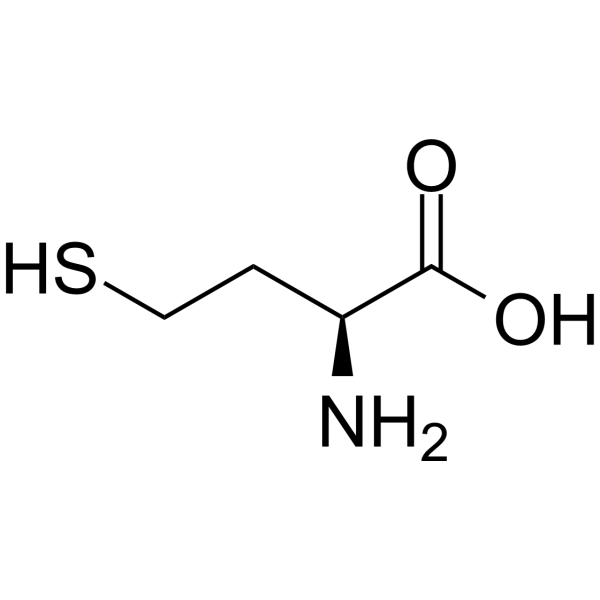
    L-Homocysteine, an amino acid, is a homocysteine that has L configuration. Homocysteine is an essential intermediate in normal mammalian metabolism of methionine. L-Homocysteine induces upregulation of Cathepsin V that mediates vascular endothelial inflammation in hyperhomocysteinaemia .
    L-Homocysteine
  • HY-A0096
    Iloprost
    5 Publications Verification

    Ciloprost; ZK 36374

    Prostaglandin Receptor Endogenous Metabolite Cardiovascular Disease Endocrinology Cancer
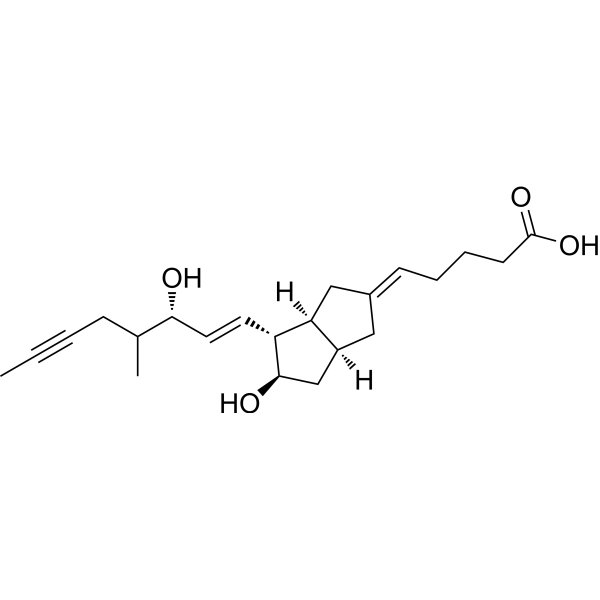
    Iloprost (ZK 36374; Ciloprost) is a prostacyclin (PGI2) analogue, involves in embryo development and inflammation improvement, and inhibits tumor metastasis. Iloprost can be used for peripheral vascular research .
    Iloprost
  • HY-P1929
    Bivalirudin
    5+ Cited Publications

    Thrombin Interleukin Related RSV Infection Cardiovascular Disease Inflammation/Immunology
    Bivalirudin, a hirudin analog and anticoagulant, is a direct thrombin inhibitor. Bivalirudin inhibits thrombin-mediated fibrinogen cleavage, coagulation factor activation, and platelet activation by reversibly binding to thrombin. In addition, Bivalirudin also has certain effects of anti-virus, anti-inflammation, and vascular endothelial barrier function protection. Bivalirudin can be used for the research of thrombotic diseases and others .
    Bivalirudin
  • HY-W013215
    Adrenic acid
    1 Publications Verification

    cis-7,10,13,16-Docosatetraenoic acid

    Endogenous Metabolite Metabolic Disease Inflammation/Immunology
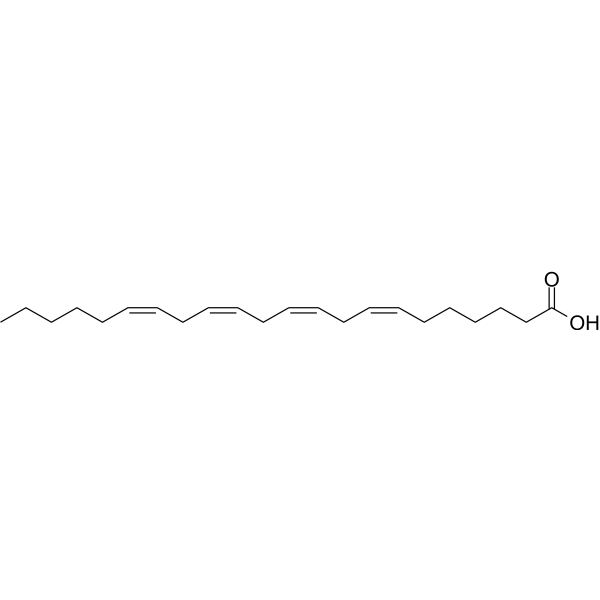
    Adrenic Acid (cis-7,10,13,16-Docosatetraenoic acid) is a naturally polyunsaturated fatty acid in the adrenal gland, brain, kidney, and vasculature. Adrenic Acid can regulate the vascular tone in arteries of the adrenal cortex. Adrenic Acid also is an inflammation enhancer in non-alcoholic fatty liver disease .
    Adrenic acid
  • HY-113224
    Desmosterol
    5 Publications Verification

    Endogenous Metabolite LXR Fatty Acid Synthase (FASN) Interleukin Related Reactive Oxygen Species (ROS) NOD-like Receptor (NLR) Cardiovascular Disease Metabolic Disease Inflammation/Immunology
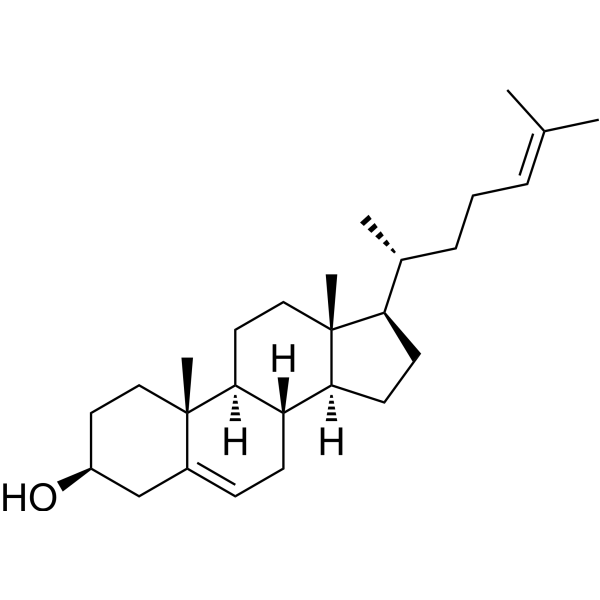
    Desmosterol is a cholesterol-like molecule. In the Bloch pathway of cholesterol biosynthesis, Desmosterol is a direct precursor of cholesterol. As an endogenous metabolite, Desmosterol is used to study cholesterol metabolism . Desmosterol is an LXR activator and SREBP inhibitor, which can suppress macrophage inflammasome activation and prevent vascular inflammation and atherosclerosis. A reduction in Desmosterol promotes the production of mitochondrial reactive oxygen species (ROS) in macrophages and pyrin domain-dependent inflammasome activation of NLRP3. Desmosterol holds potential for research in inflammation, metabolism, and cardiovascular diseases .
    Desmosterol
  • HY-P99116

    RG7716; RO-6867461

    VEGFR Cardiovascular Disease Metabolic Disease Inflammation/Immunology
    Faricimab, an overall good safety and tolerability profile, is a bispecific antibody targeting Angiopoietin-2 (Ang-2) and vascular endothelial growth factor-A (VEGF-A). Faricimab prevents retinal vascular leakage, cell death and inflammation in retinal ischemia/reperfusion (I/R) injury and sCNV mouse models. Faricimab demonstrates statistically superior visual acuity gains versus Ranibizumab (HY-P9951). Faricimab can be used for retinal diseases, such as age-related macular degeneration (w-AMD), diabetic macular edema (DME) and macular edema following retinal vein occlusion (RVO) .
    Faricimab
  • HY-W016715
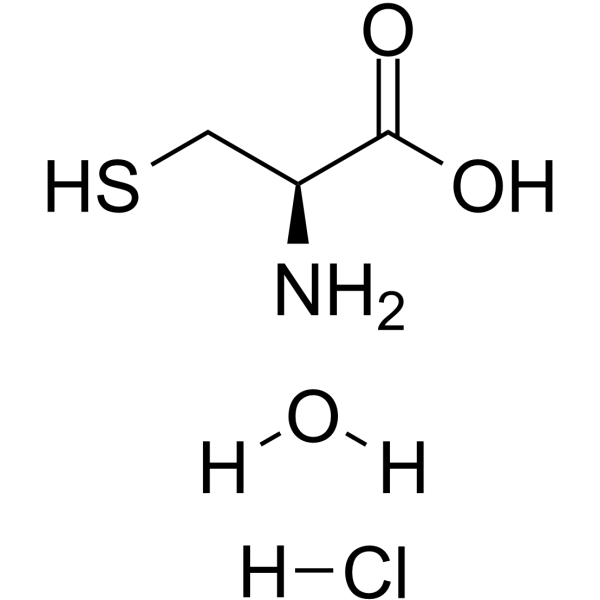
    L-Cysteine hydrochloride hydrate
    Maximum Cited Publications
    12 Publications Verification

    Endogenous Metabolite NF-κB Insulin Receptor Neurological Disease Metabolic Disease
    L-Cysteine hydrochloride hydrate is an orally active and essential amino acid, which acts as a precursor for biologically active molecules such as hydrogen sulphide (H2S), glutathione and taurine. L-Cysteine hydrochloride hydrate regulates CBS/H2S pathway, inhibits NF-κB activation and insulin and ghrelin secretion. L-Cysteine hydrochloride hydrate reduces blood sugar, vascular inflammation markers and appetite. L-Cysteine hydrochloride hydrate induces kidney damage. L-Cysteine hydrochloride hydrate can be used in the study of neurological diseases and diabetes .
    L-Cysteine hydrochloride hydrate
  • HY-P99646
    Golocdacimab
    2 Publications Verification

    MEDI6570

    LOX-1 Metabolic Disease Inflammation/Immunology
    Gocdacimab (MEDI6570) is a fully human IgG1 monoclonal antibody inhibitor targeting the lectin-like oxidized low-density lipoprotein receptor LOX-1. By binding to LOX-1 and blocking its function, gocdacimab effectively reduces the level of free soluble LOX-1, thereby inhibiting key pathological processes such as lipid accumulation, foam cell formation, and vascular wall inflammation. Gocdacimab can interfere with atherosclerosis-related mechanisms, and it is used for research on atherosclerosis, and type 2 diabetes mellitus .
    Golocdacimab
  • HY-14668
    Lomitapide mesylate
    5+ Cited Publications

    AEGR-733 mesylate; BMS-201038 mesylate

    Microsomal Triglyceride Transfer Protein (MTP) mTOR LDLR Autophagy Apoptosis Cardiovascular Disease Neurological Disease Metabolic Disease Cancer
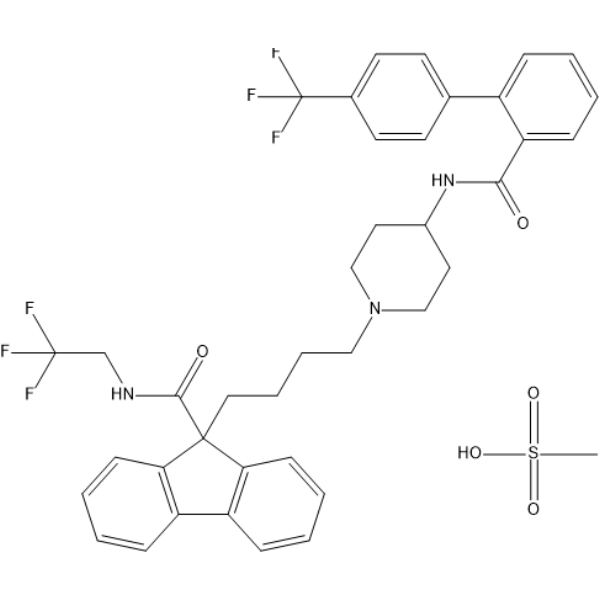
    Lomitapide (AEGR-733; BMS-201038) mesylate is an orally active microsomal triglyceride transfer protein (MTP) inhibitor and a selective mTORC1 inhibitor with lipid-lowering activity and BBB permeability. Lomitapide mesylate significantly reduces plasma LDL levels by blocking the assembly and secretion of very-low-density lipoprotein (VLDL). Lomitapide mesylate inhibits mTORC1 in an ATP-dependent manner, thereby inducing AMPK-independent autophagic cell death and suppressing cancer cell growth and apoptosis. Lomitapide mesylate also enhances tumor infiltration of CD8 + T cells. In addition, Lomitapide mesylate inhibits HDAC, improves endothelial function, effectively alleviates vascular inflammation and oxidative stress, and exerts neuroprotective effects in a cerebral ischemia/reperfusion injury model. Lomitapide mesylate can be used in research on related diseases such as colorectal cancer, breast cancer, melanoma, ischemic stroke, and familial hypercholesterolemia .
    Lomitapide mesylate
  • HY-108831A
    Natalizumab (Anti-CD49d)
    3 Publications Verification

    AN100226; BG00002

    Integrin Inflammation/Immunology Cancer
    Natalizumab (Anti-CD49d) (AN100226; BG00002) Solution is a humanized monoclonal IgG4 antibody inhibitor that selectively targets α4 integrin (CD49d), blocking the interaction of integrins such as α4β1 (VLA-4) with vascular cell adhesion molecule VCAM-1, intercellular adhesion molecule ICAM-1, and fibronectin by competitively binding to the α4 subunit. Natalizumab solution inhibits the adhesion, retention, and transendothelial migration of immune cells (such as CD4 + T cells), reducing the infiltration of inflammatory cells into the central nervous system or lesion sites, thereby exerting anti-inflammatory and immunomodulatory activity. Natalizumab (Anti-CD49d) solution is used in the study of relapsing-remitting multiple sclerosis (RRMS) and is also applied in the research of autoimmune or inflammation-related diseases such as Crohn's disease, B-cell lymphoma, and non-infectious uveitis. Natalizumab (Anti-CD49d) can also prevent lymphocytes from entering the central nervous system, thus preventing acute demyelinating relapses .
    Natalizumab (Anti-CD49d)
  • HY-128171
    Diflapolin
    1 Publications Verification

    FLAP Epoxide Hydrolase Inflammation/Immunology
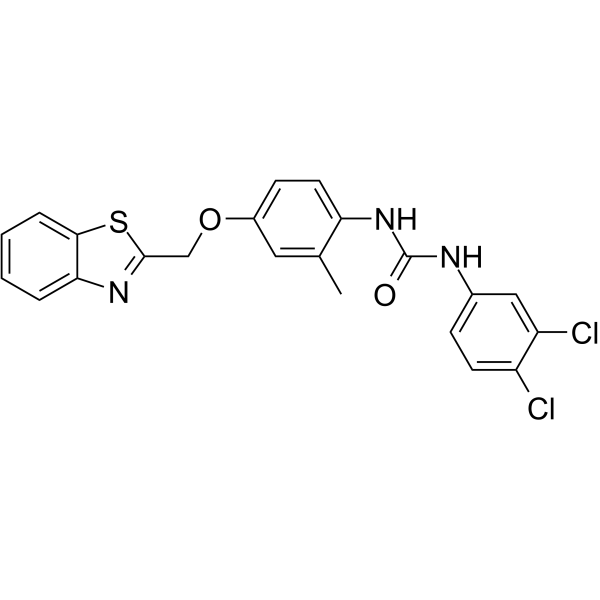
    Diflapolin is a highly active dual 5-lipoxygenase-activating protein (FLAP)/soluble epoxide hydrolase (sEH) inhibitor with marked anti-inflammatory efficacy and high target selectivity. Diflapolin inhibits 5-LOX product formation in intact human monocytes and neutrophils with IC50s?of? 30 and 170?nM, respectively, and suppressed the activity of isolated sEH (IC50=20?nM) .
    Diflapolin
  • HY-B0197A
    Naratriptan hydrochloride
    2 Publications Verification

    GR-85548A hydrochloride

    5-HT Receptor Cardiovascular Disease Neurological Disease Inflammation/Immunology
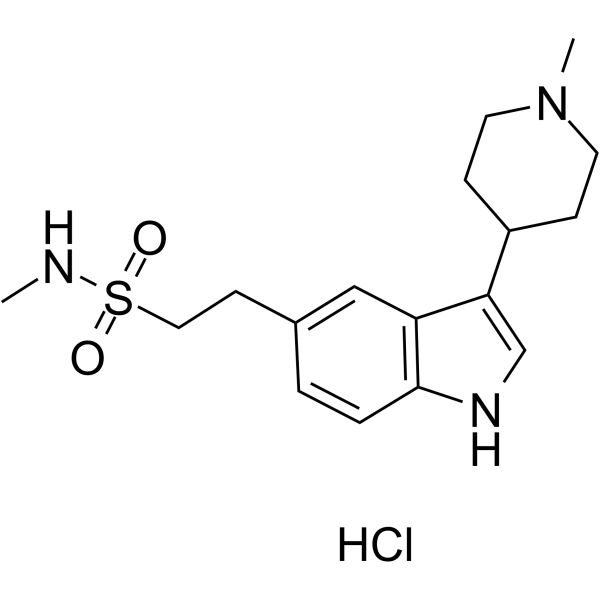
    Naratriptan (GR-85548A) hydrochloride is a selective 5-HT1B/1D receptor agonist. Naratriptan hydrochloride is peripherally active and has good oral bioavailability, inducing cranial artery vasoconstriction by activating 5-HT1B/1D receptors (EC50=0.11 μM for dog basilar artery). Naratriptan hydrochloride also inhibits trigeminal nerve-mediated dural neurogenic plasma extravasation and reduces sterile inflammation. Naratriptan hydrochloride is mainly used in the research of acute migraine, targeting cranial vascular and neuroinflammatory mechanisms .
    Naratriptan hydrochloride
  • HY-N1990
    Gypenoside XLIX
    2 Publications Verification

    PPAR Sirtuin Keap1-Nrf2 Toll-like Receptor (TLR) NF-κB Reactive Oxygen Species (ROS) NOD-like Receptor (NLR) Apoptosis Pyroptosis Autophagy Cardiovascular Disease Neurological Disease Metabolic Disease Inflammation/Immunology
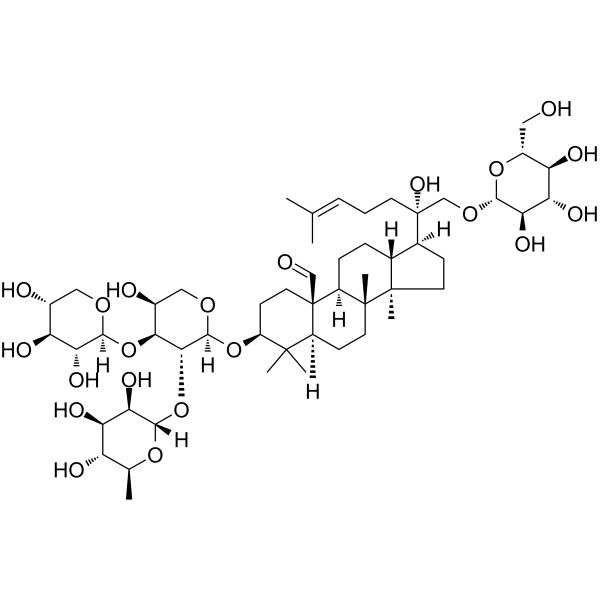
    Gypenoside XLIX is a multifunctional bioactive compound that can be isolated from Gynostemma pentaphyllum, with a Ka value of 1.58 μM for its binding to SIRT1. Gypenoside XLIX acts as a PPAR-α agonist. It inhibits the activation of TLR4-mediated NF-κB signaling pathway by activating the Sirt1/Nrf2 signaling pathway, reduces ROS accumulation, and alleviates hepatic inflammatory injury in mice with sepsis-induced liver disease. Gypenoside XLIX targets SIRT1 to block YAP-NLRP3 activation and improve sepsis-induced cardiomyopathy. Gypenoside XLIX inhibits apoptosis (Apoptosis), pyroptosis (Pyroptosis), autophagy (Autophagy), lipid peroxidation, pro-inflammatory cytokines and anti-inflammatory cytokines. Gypenoside XLIX alleviates sepsis-induced splenic injury by inhibiting inflammation and oxidative stress, and mitigates sepsis-associated encephalopathy by targeting PPAR-α. Gypenoside XLIX prevents acute kidney injury by inhibiting IGFBP7/IGF1R-mediated programmed cell death and inflammation. Gypenoside XLIX inhibits the expression and activity of vascular cell adhesion molecule-1 in cytokine-induced human endothelial cells. Gypenoside XLIX is applicable to research related to acute liver injury, lung injury, cardiomyopathy, acute splenic injury, sepsis-associated encephalopathy, acute kidney injury, atherosclerosis and chronic inflammation .
    Gypenoside XLIX
  • HY-113446

    Endogenous Metabolite Cardiovascular Disease Inflammation/Immunology
    Leukotriene C4 is a eicosanoid lipid mediator and produced by immune cells during type 2 inflammation. Leukotriene C4 can mediate inflammation,allergy, bronchoconstriction, and vascular leakage .
    Leukotriene C4
  • HY-N6031
    Dendrophenol
    3 Publications Verification

    Moscatilin

    NF-κB Apoptosis COX HIF/HIF Prolyl-Hydroxylase Wnt β-catenin JNK Cardiovascular Disease Inflammation/Immunology Cancer
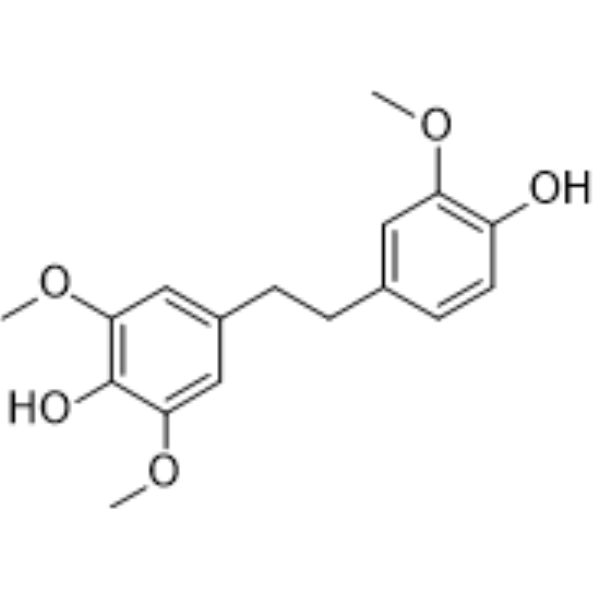
    Dendrophenol (Moscatilin) is a NF-κB inhibitor that inhibits inflammation. Dendrophenol exerts potent cytotoxic effect against tumor cells and induces cell cycle arrest and apoptosis. Dendrophenol has antitumor activity. In addition, Dendrophenol can inhibit vascular calcification by inhibiting the activation of WNT3/β-catenin .
    Dendrophenol
  • HY-111603
    Calcium dobesilate
    1 Publications Verification

    Apoptosis Metabolic Disease Inflammation/Immunology
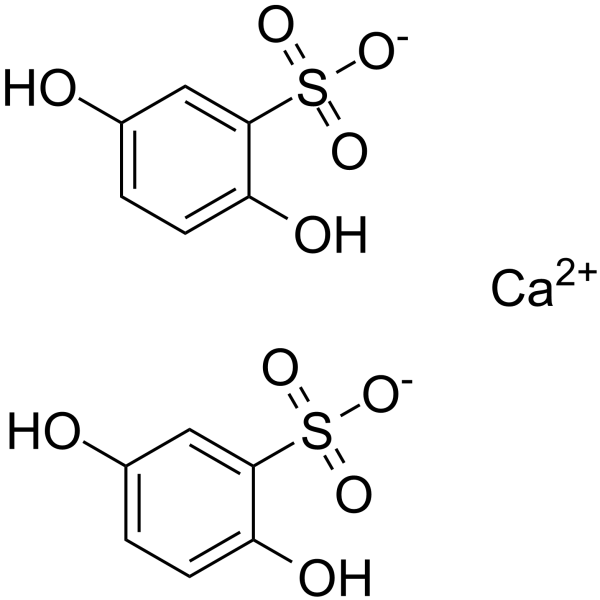
    Calcium dobesilate is a vascular protector with oral activity that can clear hydroxyl free radicals, with an IC50 of 1.1 pM. Calcium dobesilate has antioxidant activity and helps to reduce oxidative stress and inflammation in the retinas of diabetic mice. Calcium dobesilate can be used to study chronic venous diseases, diabetic retinopathy, and the occurrence of hemorrhoids, among other conditions .
    Calcium dobesilate
  • HY-19307

    Integrin Interleukin Related Cardiovascular Disease Inflammation/Immunology Endocrinology Cancer
    SB-273005 is an orally active non-peptide αvβ3 integrin antagonist with Ki values of 1.2 nM and 0.3 nM for αvβ3 and αvβ5, respectively. SB-273005 blocks the binding of integrins to the RGD sequence in the extracellular matrix. SB-273005 inhibits Rictor phosphorylation and reduces IL-10 secretion. SB-273005 inhibits inflammation, prevents bone loss, regulates vascular smooth muscle function, and reverses pregnancy-induced immune deviation. SB-273005 can be used in the study of rheumatoid arthritis, osteoporosis, and aneurysms. .
    SB-273005
  • HY-D1244

    Fluorescent Dye Cardiovascular Disease Inflammation/Immunology
    CO probe 1 (probe 2) is a highly efficient fluorescent CO probe (Ex=493 nm) with an allyl ether reaction site. In the presence of PdCl₂, CO reduces Pd 2+ to Pd 0, triggering a Tsuji-Trost reaction that removes the allyl protecting group, releases fluorescein, and generates a significant fluorescence signal. CO probe 1 has high selectivity, rapid response (fluorescence enhancement of 150 times within 20 minutes), and low cytotoxicity, and can be used for real-time imaging of CO in living cells. CO probe 1 may be used to study pathological mechanisms involving CO signaling regulation, such as inflammation, vascular disease, or cancer .
    CO probe 1
  • HY-W040055
    Neopterin
    1 Publications Verification

    D-(+)-Neopterin; D-erythro-Neopterin

    NF-κB PPAR ERK Raf Src Cardiovascular Disease Inflammation/Immunology
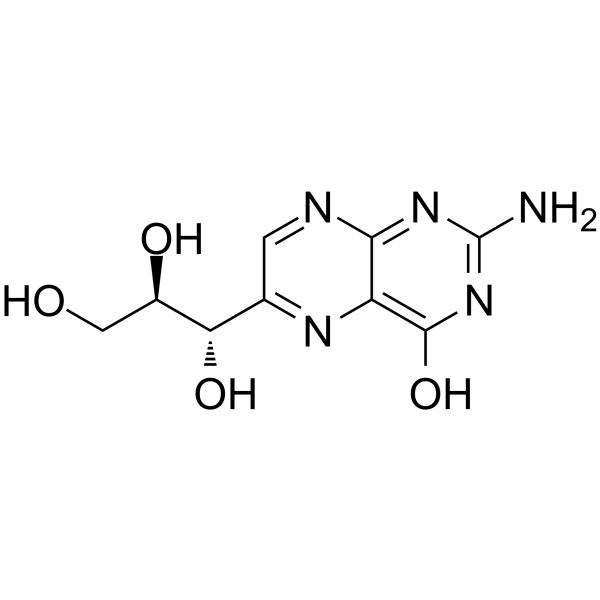
    Neopterin is an immune system activator metabolized by GTP and can be produced by activated macrophages. Neopterin has the potential to resist vascular inflammation and atherosclerosis. Neopterin inhibits the phosphorylation of NF-κB and promotes the expression of PPAR-γ, thereby suppressing the inflammatory response of vascular endothelial cells, reducing the formation of macrophage foam cells, and regulating the migration and proliferation of vascular smooth muscle cells. Neopterin can be used in research fields such as cardiovascular diseases (such as atherosclerosis), inflammation-related diseases and tumor immunomonitoring .
    Neopterin
  • HY-W653733
    L-Homocysteine-d4
    1 Publications Verification

    Isotope-Labeled Compounds Endogenous Metabolite Cathepsin Cardiovascular Disease Inflammation/Immunology
    L-Homocysteine-d4 is deuterium labeled L-Homocysteine (HY-W010347) . L-Homocysteine, an amino acid, is a homocysteine that has L configuration. Homocysteine is an essential intermediate in normal mammalian metabolism of methionine. L-Homocysteine induces upregulation of Cathepsin V that mediates vascular endothelial inflammation in hyperhomocysteinaemia
    L-Homocysteine-d4
  • HY-123927

    VEGFR Ephrin Receptor Inflammation/Immunology Cancer
    UniPR1331 is an orally active 3β-hydroxy-Δ5-choline acid derivative that inhibits Eph-ephrin interactions. UniPR1331 blocks the interaction of VEGFR2 with its natural ligand vascular endothelial growth factor and inhibits subsequent autophosphorylation, signaling, and pro-angiogenic activation of endothelial cells. UniPR1331 exhibits anti-angiogenesis, anti-cancer and anti-inflammation effects. UniPR1331 can be used for the researches of cancer and inflammation, such as glioma and colitis .
    UniPR1331
  • HY-15664
    Bivalirudin TFA
    5+ Cited Publications

    Thrombin Interleukin Related RSV Infection Cardiovascular Disease Inflammation/Immunology
    Bivalirudin TFA, a hirudin analog and anticoagulant, is a direct thrombin inhibitor. Bivalirudin TFA inhibits thrombin-mediated fibrinogen cleavage, coagulation factor activation, and platelet activation by reversibly binding to thrombin. In addition, Bivalirudin TFA also has certain effects of anti-virus, anti-inflammation, and vascular endothelial barrier function protection. Bivalirudin TFA can be used for the research of thrombotic diseases and others .
    Bivalirudin TFA
  • HY-P6442

    Chemerin Receptor Syk ERK Src p38 MAPK P-selectin Cardiovascular Disease Neurological Disease Inflammation/Immunology
    Chemerin15 is an anti-inflammatory peptide derived from Chemerin. Chemerin15 binds to ChemR23. Chemerin15 inhibits TNFα-induced activation of Syk, ERK and Src kinases. Chemerin15 increases the expression of p-p38 mRNA and protein. Chemerin15 mediates phagocytosis, resolution of inflammation, CD62L shedding and downregulation of PSGL-1 expression in macrophages and microglia. Chemerin15 inhibits neutrophil-mediated vascular inflammation and myocardial ischemia-reperfusion injury via ChemR23. Chemerin15 enhances microglial phagocytosis, thereby alleviating cerebral ischemia-reperfusion injury .
    Chemerin15
  • HY-44809

    HIF/HIF Prolyl-Hydroxylase Bacterial Cardiovascular Disease Infection Inflammation/Immunology
    Izilendustat is a potent prolyl hydroxylase inhibitor. Izilendustat competitively inhibits HIFPH2 activity, blocks HIF-1α degradation, stabilizes HIF-1α and HIF-2α proteins, and upregulates downstream target gene expression. Izilendustat can reduce intestinal inflammation and damage, enhance the ability of phagocytes to clear pathogens, and improve ischemia-related pathological phenotypes. Izilendustat can be used for the research of inflammatory bowel disease, ischemic vascular disease and anemia .
    Izilendustat
  • HY-125740

    Malvidin-3-O-glucoside chloride; Oenin chloride

    NF-κB TNF Receptor NO Synthase Interleukin Related Inflammation/Immunology
    Malvidin-3-glucoside (Malvidin-3-O-glucoside; Oenin) chloride is an orally active inhibitor of the NF-κB pathway, which blocks inflammatory responses induced by TNF-α, reduces IκB-α degradation and p65 nuclear translocation, and upregulates endothelial nitric oxide synthase eNOS to increase NO production. Malvidin-3-glucoside chloride exerts anti-inflammatory and antioxidant effects by inhibiting pro-inflammatory molecules such as MCP-1, ICAM-1, and IL-6, and regulating intestinal microorganisms and metabolites, while protecting endothelial cells and improving intestinal microecological dysbiosis under inflammatory conditions. Malvidin-3-glucoside chloride can be used to study chronic inflammatory-related diseases such as atherosclerosis and inflammatory bowel disease, and has the potential to prevent vascular inflammation and improve intestinal health .
    Malvidin-3-glucoside chloride
  • HY-P1636

    Thrombin YAP Calcium Channel Metabolic Disease
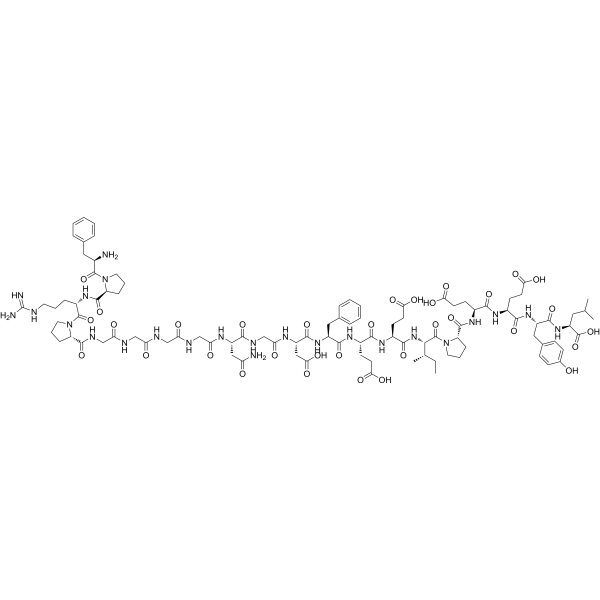
    Hirudin (54-65) is a thrombin antagonist and YAP suppressor with anticoagulatory properties.Hirudin (54-65) blocks thrombin's anion binding site, acts on soluble and thrombus-bound thrombin.Hirudin (54-65) suppresses thrombin-induced profibrotic YAP activity, reduces YAP expression, nuclear translocation, and downstream effector signaling in vascular endothelial cells.Hirudin (54-65) ameliorates obstructive cholestasis, attenuates liver fibrosis symptoms, fibrosis-associated angiogenesis, and endothelial-to-mesenchymal transition.Hirudin (54-65) reduces liver inflammation and tissue hypoxia.Hirudin (54-65) promotes extracellular calcium influx through L-type calcium channels in canine coronary artery smooth muscle, mediates contraction.Hirudin (54-65) induces endothelium-independent contraction of canine coronary arterial segments; this response is not affected by indomethacin pretreatment.Hirudin (54-65) can be used for the research of liver obstructive cholestasis, liver fibrosis .
    Hirudin (54-65)
  • HY-N2110

    Akt Sirtuin Integrin STAT PI3K Apoptosis ERK PPAR PKC Toll-like Receptor (TLR) HIV Inflammation/Immunology
    Phellopterin, an orally active furocoumarin with multiple biological activities. Phellopterin is a partial agonist of the central benzodiazepine receptors. Phellopterin exerts anti-inflammatory effects by upregulating SIRT1, downregulating ICAM-1 (reducing chronic inflammation, aiding diabetic ulcer healing), inhibiting STAT3 phosphorylation (easing atopic dermatitis inflammation), regulating Akt/PKC pathways (lowering TNF-α-induced VCAM-1 to block monocyte adhesion), and inhibiting TLR4/NF-κB pathway and macrophage M2 polarization (alleviating colitis-related cancers). Phellopterin suppresses ovarian cancer progression via inhibiting the PU.1/CLEC5A/PI3K-AKT loop (inducing cell cycle arrest, apoptosis, DNA damage). Phellopterin alleviates murine diabetes by promoting adipocyte differentiation and increasing PPARγ. Phellopterin also has anti-HSV-1 activity. Phellopterin can be used for studying anti-inflammation, anti-cancer (e.g., ovarian cancer, colitis cancer), blood glucose lowering, anti-diabetes, and anti-virus .
    Phellopterin
  • HY-108831
    Natalizumab
    3 Publications Verification

    Integrin Inflammation/Immunology Cancer
    Natalizumab (AN100226; BG00002) is a humanized monoclonal IgG4 antibody inhibitor that selectively targets α4 integrin (CD49d). It blocks the interaction of integrins such as α4β1 (VLA-4) with vascular cell adhesion molecule VCAM-1, intercellular adhesion molecule ICAM-1, and fibronectin by competitively binding to the α4 subunit. Natalizumab inhibits the adhesion, retention, and transendothelial migration of immune cells (such as CD4 + T cells), reducing the infiltration of inflammatory cells into the central nervous system or lesion sites, thus exerting anti-inflammatory and immunomodulatory activity. Natalizumab is used in the study of relapsing-remitting multiple sclerosis (RRMS) and also has applications in the study of autoimmune or inflammation-related diseases such as Crohn's disease, B-cell lymphoma, and non-infectious uveitis. Natalizumab can also prevent lymphocytes from entering the central nervous system, thereby preventing acute demyelinating relapses .
    Natalizumab
  • HY-111326
    Naphazoline
    1 Publications Verification

    Naphthazoline

    Adrenergic Receptor TNF Receptor Interleukin Related VEGFR Cardiovascular Disease Inflammation/Immunology Cancer
    Naphazoline (Naphthazoline) is a potent α-adrenergic receptor agonist. Naphazoline reduces vascular hyperpermeability and promotes vasoconstriction. Naphazoline reduces the levels of inflammatory factors (TNF-α, IL-1β and IL-6), cytokines (IFN-γ and IL-4), IgE, GMCSF, and NGF. Naphazoline can be used for non-bacterial conjunctivitis research .
    Naphazoline
  • HY-N0081

    Calcium Channel NF-κB Interleukin Related Cardiovascular Disease Inflammation/Immunology
    (±)-Praeruptorin A, a coumarin compound, is the main bioactive component in Peucedani Radix. As a calcium channel blocker, (±)-Praeruptorin A exhibits great antihypertensive effects. In addition, (±)-Praeruptorin A also has the effects of relaxing vascular smooth muscle, inhibiting airway inflammation and airway hyperresponsiveness. (±)-Praeruptorin A can be used for the research of allergic asthma, hypertension and other diseases .
    (±)-Praeruptorin A
  • HY-P3369

    AXT-107

    VEGFR Tie Akt Cardiovascular Disease Metabolic Disease Inflammation/Immunology
    Gersizangitide (AXT107) is an anti-angiogenic peptide consisting of 20 amino acids, derived from collagen IV. Gersizangitide is an inhibitor of VEGF-A and VEGF-C and an activator of Tie2. Gersizangitide can block VEGF receptor signaling, inhibit vascular leakage, neovascularization and inflammation. Gersizangitide can be used in the research of diseases related to ocular neovascularization and angiogenesis .
    Gersizangitide
  • HY-107867

    P2Y Receptor Cardiovascular Disease Inflammation/Immunology
    (±)-Clopidogrel bisulfate is a platelet P2Y12 receptor inhibitor and an adenosine diphosphate (ADP) receptor antagonist. (±)-Clopidogrel bisulfate inhibits the binding of ADP to its receptors on the membranes of platelet cells, and blocks ADP-mediated activation of the glycoprotein GPIIb/IIIa complex. (±)-Clopidogrel bisulfate reduces vascular inflammation and angiotensin II induced-abdominal aortic aneurysm progression. (±)-Clopidogrel bisulfate has anti-inflammatory effects .
    (±)-Clopidogrel bisulfate
  • HY-B0446
    Naphazoline hydrochloride
    1 Publications Verification

    Naphthazoline hydrochloride

    Adrenergic Receptor TNF Receptor Interleukin Related VEGFR Cardiovascular Disease Inflammation/Immunology Cancer
    Naphazoline (Naphthazoline) hydrochloride is a potent α-adrenergic receptor agonist. Naphazoline hydrochloride reduces vascular hyperpermeability and promotes vasoconstriction. Naphazoline hydrochloride reduces the levels of inflammatory factors (TNF-α, IL-1β and IL-6), cytokines (IFN-γ and IL-4), IgE, GMCSF, and NGF. Naphazoline hydrochloride can be used for non-bacterial conjunctivitis research .
    Naphazoline hydrochloride
  • HY-147517

    Keap1-Nrf2 Neurological Disease Inflammation/Immunology
    Keap1-Nrf2-IN-9 (Compound 11) is a potent Keap1-Nrf2 PPI (Keap1-Nrf2 protein-protein interaction) inhibitor with an IC50 of 0.575 μM. Keap1-Nrf2-IN-9 increases the expression of Nrf2 target genes including heme oxygenase 1 (Hmox1), glutathione S-transferase P (GstP), and glutamate-cysteine ligase catalytic (Gclc) and modulatory (Gclm) subunits. Keap1-Nrf2-IN-9 shows no cytotoxic activity in ARPE19 cells .
    Keap1-Nrf2-IN-9
  • HY-W100287

    NF-κB p38 MAPK Interleukin Related IKK JNK β-catenin Wnt Neurological Disease Inflammation/Immunology Cancer
    Murrayafoline A is a carbazole alkaloid that can be extracted from Murraya tetramera. Murrayafoline A directly targets Specificity protein 1 (Sp1), thereby inhibiting NF-κB and MAPK signaling pathways. Murrayafoline a induces a G0/G1-phase arrest in platelet-derived growth factor (PDGF)-stimulated vascular smooth muscle cells. Murrayafoline A attenuates the Wnt/β-catenin pathway by promoting the degradation of intracellular β-catenin proteins. Murrayafoline A enhances the contraction of rat ventricular myocytes and L-type calcium current by activating protein kinase C. Murrayafoline A inhibits LPS (HY-D1056)-induced neuroinflammation in vivo. Murrayafoline A can be used for the study of inflammation, vascular complications and colon cancer .
    Murrayafoline A
  • HY-111326A
    Naphazoline nitrate
    1 Publications Verification

    Naphthazoline nitrate

    Adrenergic Receptor TNF Receptor Interleukin Related VEGFR Cardiovascular Disease Inflammation/Immunology Cancer
    Naphazoline (Naphthazoline) nitrate is an α-adrenergic receptor agonist. Naphazoline nitrate reduces vascular hyperpermeability and promotes vasoconstriction. Naphazoline nitrate reduces the levels of inflammatory factors (TNF-α, IL-1β and IL-6), cytokines (IFN-γ and IL-4), IgE, GMCSF, and NGF. Naphazoline nitrate can be used for non-bacterial conjunctivitis research .
    Naphazoline nitrate
  • HY-141636

    1-Palmitoyl-2-arachidonoyl-sn-glycero-3-phosphocholine; PAPC; PC(16:0/20:4)

    Endogenous Metabolite Biochemical Assay Reagents Cardiovascular Disease
    1-Palmitoyl-2-arachidonoyl-sn-glycero-3-PC (PAPC) is a phospholipid containing palmitic acid (16:0) and arachidonic acid (20:4) at the sn-1 and sn-2 positions, respectively, that is found in biological membranes. PAPC is oxidized in vivo, and its oxidation products are involved in chronic inflammation and vascular disease. PAPC has been used to study signaling of oxidized phospholipids. Levels of PAPC are decreased in isolated human multiple myeloma cells.
    1-PalMitoyl-2-arachidoyllecithin
  • HY-N11722

    Apoptosis NF-κB Keap1-Nrf2 AMPK Autophagy SARS-CoV DNA Methyltransferase Infection Inflammation/Immunology Endocrinology
    Panduratin A is an orally active natural compound with multiple pharmacological activities. By specifically inhibiting the NF-κB signaling pathway, Panduratin A exerts potent anti-inflammatory and antioxidant effects in intestinal and vascular inflammation models. Panduratin A exerts a definite protective effect against Colistin (HY-113678)-induced nephrotoxicity by alleviating oxidative stress, improving mitochondrial dysfunction and inhibiting cell apoptosis. Panduratin A activates autophagy via an AMPK-dependent pathway and exhibits anti-tuberculosis activity. Panduratin A exerts antiviral effects by inhibiting the methyltransferase (DNA Methyltransferase) of SARS-CoV-2 .
    Panduratin A
  • HY-B0197
    Naratriptan
    2 Publications Verification

    GR-85548A

    5-HT Receptor Cardiovascular Disease Neurological Disease Inflammation/Immunology
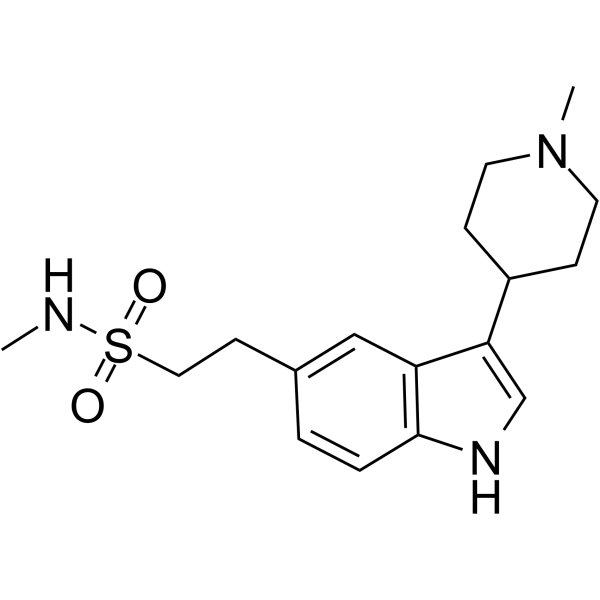
    Naratriptan is an orally active and selective 5-HT1B/1D receptor agonist. Naratriptan is peripherally active and has good oral bioavailability, inducing cranial artery vasoconstriction by activating 5-HT1B/1D receptors (EC50=0.11 μM for dog basilar artery). Naratriptan also inhibits trigeminal nerve-mediated dural neurogenic plasma extravasation and reduces sterile inflammation. Naratriptan is mainly used in the research of acute migraine, targeting cranial vascular and neuroinflammatory mechanisms .
    Naratriptan
  • HY-130138C

    Calcium Channel Inflammation/Immunology
    5,6-DiHETE is an anti-inflammatory lipid mediator derived from eicosapentaenoic acid (EPA). 5,6-DiHETE has the ability to suppress vascular hyperpermeability during inflammation and is used in the research of inflammatory diseases .
    5,6-DiHETE
  • HY-146765

    NOD-like Receptor (NLR) Neurological Disease Inflammation/Immunology
    AMS-17 is a potent NLRP3 inhibitor, inhibiting microglia activation in vitro and in vivo. AMS-17 also inhibits cytokines such as caspase-1, TNF-α, IL-1β and inducible nitric oxide synthase (iNOS) in N9 cells. AMS-17 can be used for researching inflammation-associated neurological disorders, such as vascular dementia (VaD) .
    AMS-17
  • HY-N7694
    Isotoosendanin
    1 Publications Verification

    TGF-β Receptor JAK STAT Apoptosis Inflammation/Immunology Cancer
    Isotoosendanin is an orally active TGFβR1 inhibitor and abrogating its kinase activity (IC50 = 6732 nM). Isotoosendanin inhibits the JAK/STAT3 signaling pathway by directly targeting SHP-2, enhancing its stability, and reducing its ubiquitination. Isotoosendanin inhibits TGF-β-induced reduces the migration, invasion, and metastasis in triple-negative breast cancer (TNBC) cells. Isotoosendanin exhibits anti-tumor efficacy in TNBC xenograft models and A549 xenograft tumors. Isotoosendanin exhibits significant anti-inflammatory effects in acetic acid-induced vascular permeability and λ-carrageenan-induced hind paw edema tests. Isotoosendanin can be used for the study of non-small cell lung cancer (NSCLC), TNBC and inflammation .
    Isotoosendanin
  • HY-A0096R

    Ciloprost (Standard); ZK 36374 (Standard)

    Reference Standards Prostaglandin Receptor Endogenous Metabolite Endocrinology Cancer
    Iloprost (Standard) is the analytical standard of Iloprost. This product is intended for research and analytical applications. Iloprost (ZK 36374; Ciloprost) is a prostacyclin (PGI2) analogue, involves in embryo development and inflammation improvement, and inhibits tumor metastasis. Iloprost can be used for peripheral vascular research .
    Iloprost (Standard)
  • HY-W010347R

    Reference Standards Endogenous Metabolite Cathepsin Cardiovascular Disease Inflammation/Immunology
    L-Homocysteine (Standard) is the analytical standard of L-Homocysteine. This product is intended for research and analytical applications. L-Homocysteine, an amino acid, is a homocysteine that has L configuration. Homocysteine is an essential intermediate in normal mammalian metabolism of methionine. L-Homocysteine induces upregulation of Cathepsin V that mediates vascular endothelial inflammation in hyperhomocysteinaemia[1][2].
    L-Homocysteine (Standard)
  • HY-103293A

    Kallidin (380-389) (human, porcine, bovine) TFA

    Bradykinin Receptor Cardiovascular Disease Neurological Disease Inflammation/Immunology
    Lys-Bradykinin TFA is the TFA salt form of Lys-Bradykinin (HY-103293). Lys-Bradykinin TFA is a ligand for kallidin and bradykinin receptor, which can be generated by kininogen protein through enzymatic cleavage by the protease kallikrein. Lys-Bradykinin TFA serves as a vasodilator, which widens blood vessels and increases blood flow. Lys-Bradykinin TFA stimulates net Na+ influx, and contributes to DNA synthesis. Lys-Bradykinin TFA involves in vascular regulation, inflammation and pain sensation .
    Lys-Bradykinin TFA
  • HY-P2153

    Integrin Inflammation/Immunology Cancer
    Maraciclatide is a synthetic molecule that binds with high affinity to αvβ3 and αvβ5 integrins via the RGD peptide. Maraciclatide can be used to detect bone metastasis, breast tumors, vascular disease and rheumatoid arthritis in animal models. Maraciclatide can be studied in research on angiogenesis and inflammation .
    Maraciclatide
  • HY-143721

    VAP-1 Neurological Disease Metabolic Disease Inflammation/Immunology Cancer
    SSAO inhibitor-2 is a selective semicarbazide-sensitive amine oxidase (SSAO/VAP-1) inhibitor with an IC50 of < 10 nM. SSAO inhibitor-2 can be used for the research of inflammation diseases, diabetes and diabetes-related diseases, mental disorders, pain-related diseases, ischemic diseases, vascular diseases, ocular diseases, fibrosis, neuroinflammatory diseases, cancer, and tissue transplant rejection .
    SSAO inhibitor-2
  • HY-145604

    RG7774

    Cannabinoid Receptor Cardiovascular Disease Neurological Disease Metabolic Disease Inflammation/Immunology
    Vicasinabin (RG7774) is an orally active, selective, and full CB2R agonist, with EC50 values of 2.81 nM and 2.60 nM for human CB2R and mouse CB2R, respectively. Vicasinabin inhibits inflammation, reduces leukocyte adhesion and decreases vascular permeability by selectively activating CB2R. Vicasinabin can be used in the researches for diabetic retinopathy, uveitis and laser-induced choroidal neovascularization .
    Vicasinabin
  • HY-125740R

    Malvidin-3-O-glucoside chloride (Standard); Oenin chloride (Standard)

    Reference Standards Interleukin Related NO Synthase NF-κB TNF Receptor Metabolic Disease Inflammation/Immunology
    Malvidin-3-glucoside (Malvidin-3-O-glucoside; Oenin) chloride (Standard) is the analytical standard of Malvidin-3-glucoside chloride (HY-125740). This product is intended for research and analytical applications. Malvidin-3-glucoside chloride is an orally active inhibitor of the NF-κB pathway, which blocks inflammatory responses induced by TNF-α, reduces IκB-α degradation and p65 nuclear translocation, and upregulates endothelial nitric oxide synthase eNOS to increase NO production. Malvidin-3-glucoside chloride exerts anti-inflammatory and antioxidant effects by inhibiting pro-inflammatory molecules such as MCP-1, ICAM-1, and IL-6, and regulating intestinal microorganisms and metabolites, while protecting endothelial cells and improving intestinal microecological dysbiosis under inflammatory conditions. Malvidin-3-glucoside chloride can be used to study chronic inflammatory-related diseases such as atherosclerosis and inflammatory bowel disease, and has the potential to prevent vascular inflammation and improve intestinal health .
    Malvidin-3-glucoside chloride (Standard)

Consulta en línea

Your information is safe with us. * Required Fields.

Saludo


Country or Region *

Nombre del solicitante *


Nombre de la Organizaciòn *

Department *


Direcciòn del E-mail *


Nombre del producto *

Cat. No.


Requested quantity *

Número de teléfono *


Observaciones

Consulta en línea

Inquiry Information

Nombre del producto:
Cat. No.:
Cantidad:
MCE Japan Authorized Agent:

