

Search Result
Results for "
vascular pressure
" in MedChemExpress (MCE) Product Catalog:
-
- HY-13948
-
|
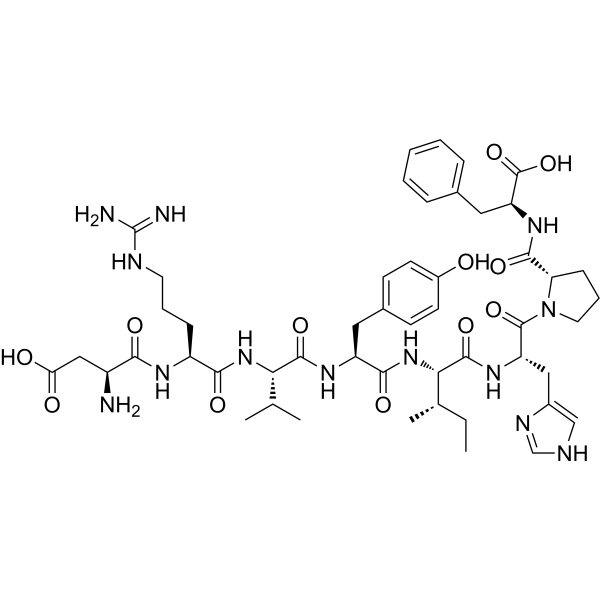
Angiotensin II; Ang II; DRVYIHPF
|
Angiotensin Receptor
Apoptosis
|
Cardiovascular Disease
Infection
Metabolic Disease
Inflammation/Immunology
Cancer
|
|
Angiotensin II (Angiotensin II) is a vasoconstrictor and a major bioactive peptide of the renin/angiotensin system. Angiotensin II human plays a central role in regulating human blood pressure, which is mainly mediated by interactions between Angiotensin II and the G-protein-coupled receptors (GPCRs) Angiotensin II type 1 receptor (AT1R) and Angiotensin II type 2 receptor (AT2R). Angiotensin II human stimulates sympathetic nervous stimulation, increases aldosterone biosynthesis and renal actions. Angiotensin II human induces growth of vascular smooth muscle cells, increases collagen type I and III synthesis in fibroblasts, leading to thickening of the vascular wall and myocardium, and fibrosis. Angiotensin II human also induces apoptosis. Angiotensin II induces capillary formation from endothelial cells via the LOX-1 dependent redox-sensitive pathway .
|
-
-
- HY-P1956
-
|
HSA
|
NF-κB
NO Synthase
|
Cardiovascular Disease
Inflammation/Immunology
Cancer
|
Human serum albumin (HSA) is the most abundant protein in plasma and is a major determinant of plasma oncotic pressure. Human serum albumin exhibits antioxidant, anticoagulant, anti-inflammatory, anti-platelet aggregation activities as well as colloid osmotic action. Human serum albumin can block the inhibitory effect of GML on human T cells, providing protective function for T cells. Human serum albumin is also associated with cardiovascular diseases and can partially prevent the LPS (HY-D1056) induced oxidative stress, as well as the upregulation of NF-κB, NF-κB, and peroxynitrite (ONOO −) in the vascular wall, contributing to the reduction of blood pressure . This product is recombinant Human Serum Albumin expressed in a microbial expression system.
|
-
-
- HY-13948A
-
|
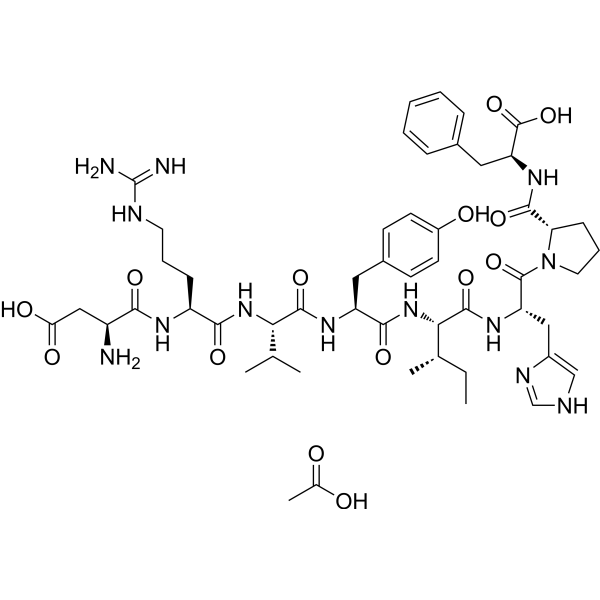
Angiotensin II acetate; Ang II acetate; DRVYIHPF acetate
|
Angiotensin Receptor
Apoptosis
|
Cardiovascular Disease
Infection
Metabolic Disease
Inflammation/Immunology
Cancer
|
|
Angiotensin II human (Angiotensin II) acetate is a vasoconstrictor and a major bioactive peptide of the renin/angiotensin system. Angiotensin II human acetate plays a central role in regulating human blood pressure, which is mainly mediated by interactions between Angiotensin II and the G-protein-coupled receptors (GPCRs) Angiotensin II type 1 receptor (AT1R) and Angiotensin II type 2 receptor (AT2R). Angiotensin II human acetate stimulates sympathetic nervous stimulation, increases aldosterone biosynthesis and renal actions. Angiotensin II human acetate induces growth of vascular smooth muscle cells, increases collagen type I and III synthesis in fibroblasts, leading to thickening of the vascular wall and myocardium, and fibrosis. Angiotensin II human acetate also induces apoptosis. Angiotensin II human acetate induces capillary formation from endothelial cells via the LOX-1 dependent redox-sensitive pathway .
|
-
-
- HY-P0206
-
-
-
- HY-112624B
-
|
Dextran 70; Dextran D70; Dextran T70(MW 64000-76000)
|
Bacterial
|
Others
|
|
Dextran 70,000 is a high molecular weight polysaccharide formed by glucose linked by α-(1→6) glycosidic bonds. Dextran 70,000 can expand blood volume through colloidal osmotic pressure effect and inhibit cell adhesion and platelet aggregation through steric hindrance. At the same time, Dextran 70,000 can be used as a drug carrier to achieve targeted delivery through endocytosis. Dextran 70,000 is biologically inert and has low immunogenicity. It can be used for clinical blood volume expansion, anti-thrombotic research, and evaluation of vascular permeability in in vitro experiments. It can also be combined with fluorescent dyes for cell tracking and drug delivery research. The Dextran series of compounds are also natural polysaccharide drug carriers that can be connected to drugs through covalent bonding methods such as ester bonds, amide bonds or click chemistry, or self-assembled to form carriers such as nanoparticles and hydrogels. Dextran is biodegradable and biocompatible, and can achieve targeted delivery and controlled release of drugs. Dextran derivatives can prolong the half-life of drugs, increase local concentrations, and reduce the activity of immune clearance.
|
-
-
- HY-B0804
-
Nadolol
5 Publications Verification
SQ-11725
|
Adrenergic Receptor
|
Cardiovascular Disease
|
|
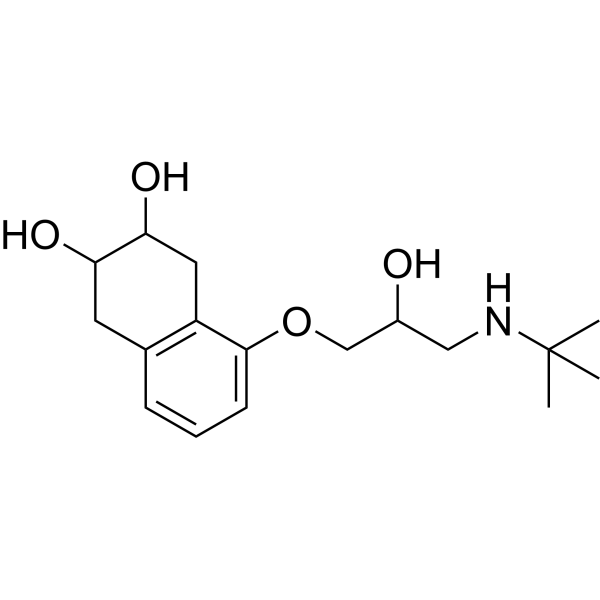
Nadolol (SQ-11725) is a non-selective and orally active β-adrenergic receptors blocker and is a substrate of organic anion transporting polypeptide 1A2 (OATP1A2). Nadolol has the the potential for high blood pressure, angina pectoris and vascular headaches research .
|
-
-
- HY-P1956A
-
|
HSA (Cell culture grade, Endotoxin<0.125 EU/mg)
|
NF-κB
NO Synthase
|
Cardiovascular Disease
Inflammation/Immunology
|
Human serum albumin (Cell culture grade, Endotoxin<0.125 EU/mg) (HSA) is the most abundant protein in plasma and is a major determinant of plasma oncotic pressure. Human serum albumin (Cell culture grade, Endotoxin<0.125 EU/mg) exhibits antioxidant, anticoagulant, anti-inflammatory, anti-platelet aggregation activities as well as colloid osmotic action. Human serum albumin (Cell culture grade, Endotoxin<0.125 EU/mg) can block the inhibitory effect of GML on human T cells, providing protective function for T cells. Human serum albumin (Cell culture grade, Endotoxin<0.125 EU/mg) is also associated with cardiovascular diseases and can partially prevent the LPS (HY-D1056) induced oxidative stress, as well as the upregulation of NF-κB, iNOS, and peroxynitrite (ONOO −) in the vascular wall, contributing to the reduction of blood pressure. Human serum albumin (Cell culture grade, Endotoxin<0.125 EU/mg) can be used for in vitro cell culture . This product is human serum albumin recombinantly expressed in an Escherichia coli expression system.
|
-
-
- HY-B0309
-
|
|
Calcium Channel
Autophagy
|
Cardiovascular Disease
|
|
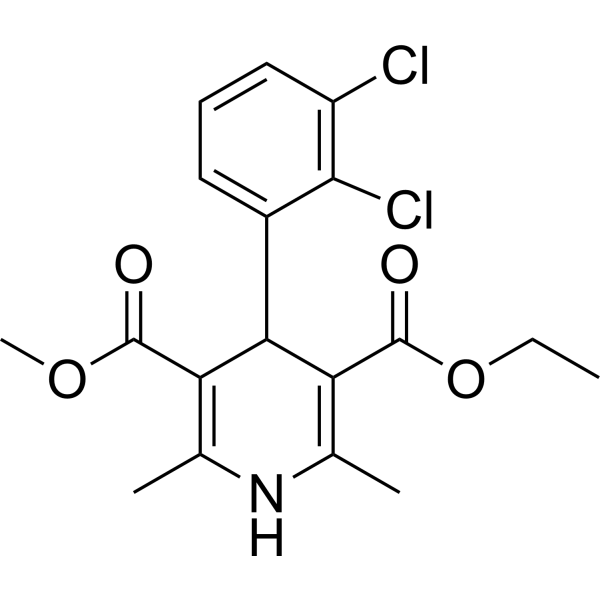
Felodipine, a dihydropyridine, is a potent, vasoselective calcium channel antagonist. Felodipine lowers blood pressure (BP) by selective action on vascular smooth muscle, especially in the resistance vessels. Felodipine, an anti-hypertensive agent, induces autophagy. Felodipine can cross the blood-brain barrier .
|
-
-
- HY-B0259
-
|
|
Potassium Channel
|
Cardiovascular Disease
|
|
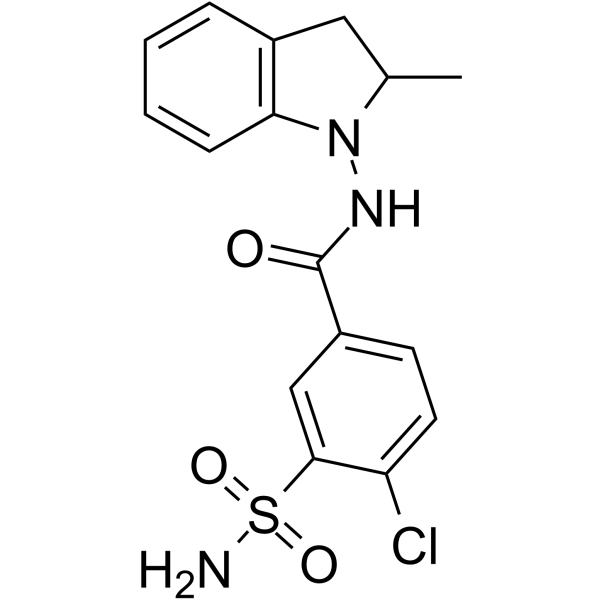
Indapamide is an orally active sulphonamide diuretic agent, that can reduce blood pressure by decreasing vascular reactivity and peripheral vascular resistance. Indapamide is also can reduce left ventricular hypertrophy .
|
-
-
- HY-112868B
-
|
|
Arginase
NO Synthase
Integrin
|
Cardiovascular Disease
Metabolic Disease
Inflammation/Immunology
|
|
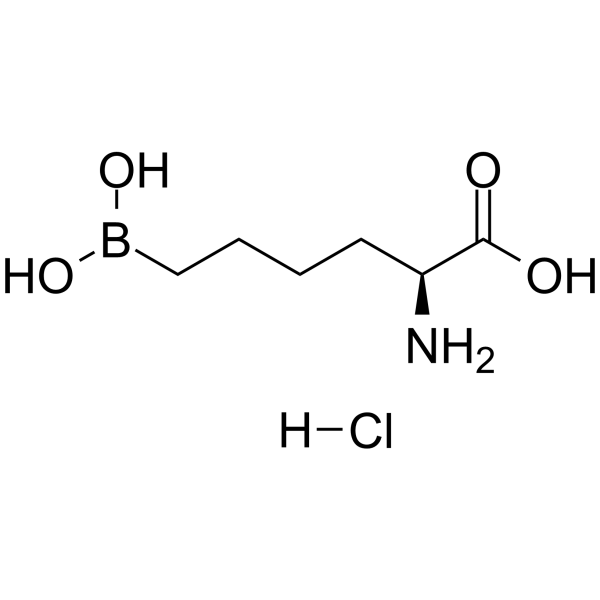
ABH (hydrochloride) is an orally active arginase inhibitor (Ki = 8.5 nM). ABH hydrochloride promotes NO production and reduces the expression of inflammatory response-related molecules (ICAM-1, VCAM-1, MCP-1). ABH hydrochloride improves erectile function, reduces lung damage, promotes wound healing, reduces arterial blood pressure, and improves vascular fibrosis .
|
-
-
- HY-N0252
-
|
(+)-3,4-Didehydrocoronaridine
|
Calcium Channel
|
Cardiovascular Disease
Neurological Disease
Cancer
|
|
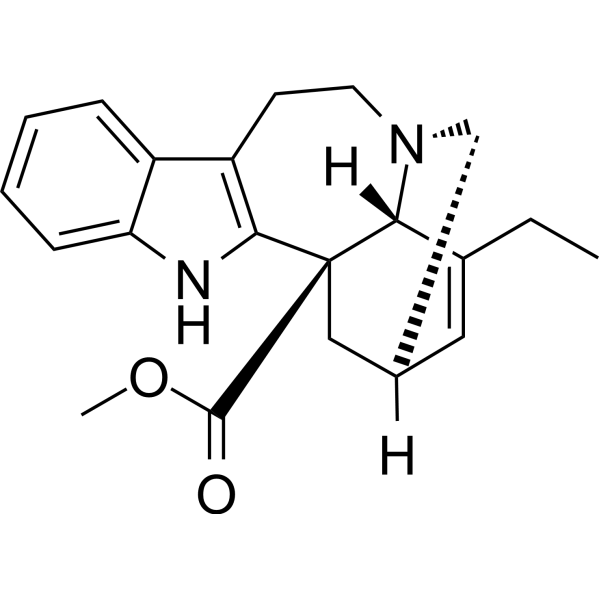
Catharanthine ((+)-3,4-Didehydrocoronaridine), a constituent of anticancer vinca alkaloids, inhibits voltage-operated L-type Ca 2+ channel (VOCC). Catharanthine has IC50s of 220 μM and 8 μM for VOCC currents in cardiomyocytes and vascular smooth muscle cells (VSMCs), respectively. Catharanthine lowers blood pressure (BP), heart rate (HR). Catharanthine has anti-cancer activity .
|
-
-
- HY-12765
-
|
E-3174; EXP-3174
|
Drug Metabolite
Angiotensin Receptor
|
Cardiovascular Disease
|
|
Losartan Carboxylic Acid (E-3174), an active carboxylic acid metabolite of Losartan, is an angiotensin II receptor type 1 (AT1) antagonist. The Ki values are 0.97, 0.57, 0.67 nM for rat AT1B/AT1A and human AT1, respectively. Losartan Carboxylic Acid blocks the angiotensin II-induced responses in vascular smoothmuscle cells (VSMC). Losartan Carboxylic Acid elevates plasma renin activities and reduces mean arterial pressure .
|
-
-
- HY-17436
-
|
|
Calcium Channel
|
Cardiovascular Disease
Cancer
|
|
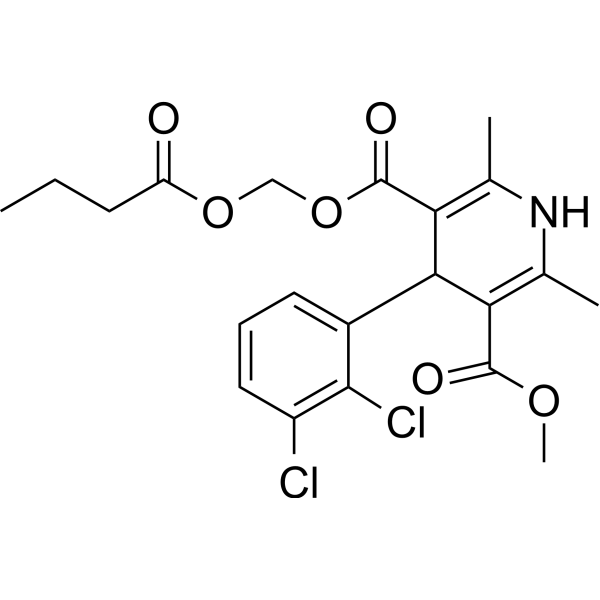
Clevidipine is a selective, short-acting L-type calcium channel antagonist with an IC50 of 7.1 nM. Clevidipine can competitively bind to calcium channels and exert rapid vasoselective vasodilation by blocking the influx of extracellular calcium ions, thereby reducing peripheral vascular resistance and effectively controlling acute severe hypertension. Clevidipine can also protect the myocardium from reperfusion injury by promoting the release of nitric oxide (NO). Clevidipine can be used in the research of acute hypertension, perioperative blood pressure management, and myocardial ischemia-reperfusion injury .
|
-
-
- HY-W005255
-
|
|
Endogenous Metabolite
|
Cardiovascular Disease
|
|
3-(3-Hydroxyphenyl)propionic acid (3HPPA) is an endothelium-dependent nitric oxide (NO) release promoter and endothelial nitric oxide synthase (eNOS) activator. 3-(3-Hydroxyphenyl)propionic acid activates eNOS to mediate vascular smooth muscle relaxation and enhances endothelial cell NO synthesis, inducing vasodilation and reducing peripheral vascular resistance. 3-(3-Hydroxyphenyl)propionic acid can dose-dependently reduce systolic and diastolic blood pressure in spontaneously hypertensive rats (SHR) without affecting cardiac contractility or heart rate. 3-(3-Hydroxyphenyl)propionic acid has antihypertensive and vascular protective effects and can be used in the prevention and treatment of cardiovascular diseases .
|
-
-
- HY-B0023
-
|
CS 905
|
Calcium Channel
MEK
|
Cardiovascular Disease
Neurological Disease
Inflammation/Immunology
Cancer
|
|
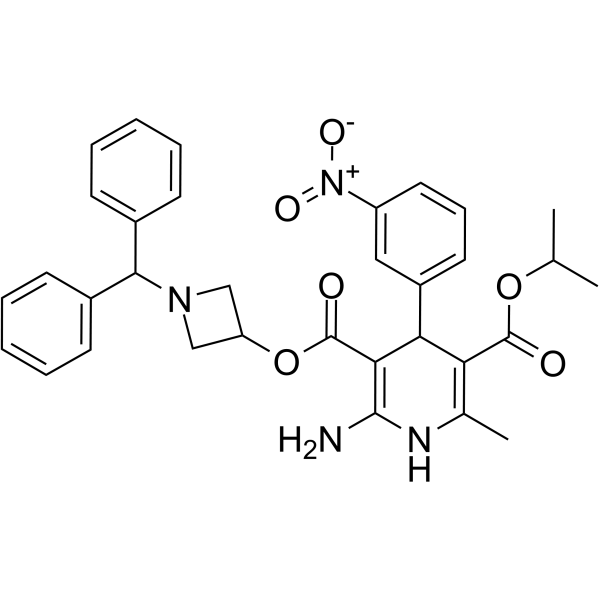
Azelnidipine (CS 905) is a dihydropyridine calcium channel blocker that is effective orally. Azelnidipine inhibits the intracellular calcium ion flow and lower blood pressure by selectively blocking L-type calcium channel on the membrane of vascular smooth muscle. Azelnidipine inhibits esophageal squamous cell carcinoma proliferation by targeting MEK1/2. Azelnidipine also has anti-inflammatory, antioxidant and neuroprotective effects .
|
-
-
- HY-P0095
-
|
|
Angiotensin-converting Enzyme (ACE)
|
Others
|
|
Acetyl tetrapeptide-5 inhibits glycosylation and ACE-1 activity. Acetyl tetrapeptide-5 reduces edema and relieves vascular pressure by improving the vascular system and strengthening the skin under the eyes. Acetyl tetrapeptide-5 can be used in the research of Antioxidant, anti-aging skin care .
|
-
-
- HY-A0066A
-
|
Imidaline hydrochloride; NSC35110 hydrochloride
|
Adrenergic Receptor
|
Cardiovascular Disease
Endocrinology
|
|
Tolazoline hydrochloride (Imidaline hydrochloride) is an α-adrenergic receptor antagonist. Tolazoline hydrochloride inhibits Noradrenaline (HY-13715)-induced cell contraction, modulates vascular resistance, increases arterial pressure, and reverses bradycardia and tachypnea. Tolazoline hydrochloride can be used to study erectile dysfunction, α2-adrenergic receptor agonist-related poisoning, and skin vascular disease research .
|
-
-
- HY-13948B
-
|
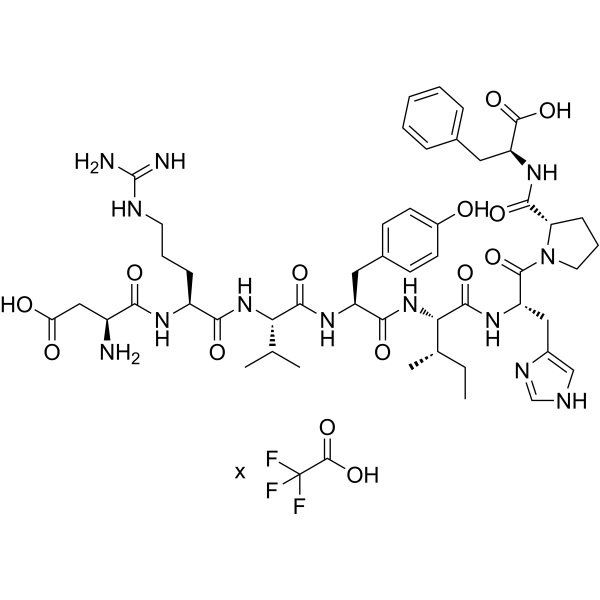
Angiotensin II TFA; Ang II TFA; DRVYIHPF TFA
|
Angiotensin Receptor
Apoptosis
|
Cardiovascular Disease
Metabolic Disease
Cancer
|
|
Angiotensin II human (Angiotensin II) TFA is a vasoconstrictor and a major bioactive peptide of the renin/angiotensin system. Angiotensin II human TFA plays a central role in regulating human blood pressure, which is mainly mediated by interactions between Angiotensin II and the G-protein-coupled receptors (GPCRs) Angiotensin II type 1 receptor (AT1R) and Angiotensin II type 2 receptor (AT2R). Angiotensin II human TFA stimulates sympathetic nervous stimulation, increases aldosterone biosynthesis and renal actions. Angiotensin II human TFA induces growth of vascular smooth muscle cells, increases collagen type I and III synthesis in fibroblasts, leading to thickening of the vascular wall and myocardium, and fibrosis. Angiotensin II human TFA also induces apoptosis. Angiotensin II human TFA induces capillary formation from endothelial cells via the LOX-1 dependent redox-sensitive pathway .
|
-
-
- HY-P0206A
-
-
-
- HY-103460
-
|
|
Endothelin Receptor
|
Cardiovascular Disease
|
|
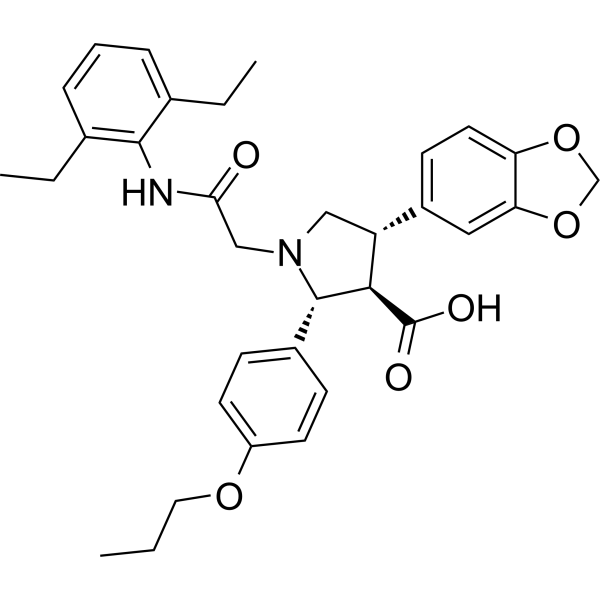
IRL 2500 is a potent Endothelin receptor antagonist. IRL 2500 shows IC50 values of 1.3 and 94 nM for ETB and ETA receptors, respectively. IRL 2500 inhibits ETB receptor-mediated blood pressure increase and renal vascular resistance in rats in vivo .
|
-
-
- HY-A0066
-
|
Imidaline; NSC35110
|
Adrenergic Receptor
|
Cardiovascular Disease
Endocrinology
|
|
Tolazoline (Imidaline) is an α-adrenergic receptor antagonist. Tolazoline inhibits Noradrenaline (HY-13715)-induced cell contraction, modulates vascular resistance, increases arterial pressure, and reverses bradycardia and tachypnea. Tolazoline can be used to study erectile dysfunction, α2-adrenergic receptor agonist-related poisoning, and skin vascular disease research .
|
-
-
- HY-120295
-
|
|
Endothelin Receptor
Apoptosis
|
Cardiovascular Disease
Endocrinology
|
|
A-192621, a chemical probe, is a potent, nonpeptide, orally active and selective endothelin B (ETB) receptor antagonist with an IC50 of 4.5 nM and a Ki of 8.8 nM. The selectivity of A-192621 is 636-fold higher than ETA (IC50 of 4280 nM and Ki of 5600 nM). A-192621 promotes apoptosis in PASMCs. A-192621 alos causes elevation of arterial blood pressure and an elevation in the plasma ET-1 level .
|
-
-
- HY-15195
-
|
Ro 67-0565; SPP-301
|
Endothelin Receptor
|
Cardiovascular Disease
Endocrinology
|
|
Avosentan (Ro 67-0565; SPP-301) is an orally active endothelin (ETA) receptor antagonist. Avosentan can block the ETA receptor, thereby reducing vascular contraction and exerting a renal protective effect. Avosentan inhibits vascular contraction caused by ET-1 and alleviates the reduction in retinal and optic nerve head blood flow induced by it, lowering intraocular pressure in the glaucoma monkey model. Avosentan non-specifically blocks ETB receptors at high doses, inhibiting ETB-mediated diuresis and natriuresis, and may cause fluid retention. Avosentan can be used to reduce proteinuria with diabetic nephropathy, but induces significant fluid overload and congestive heart failure .
|
-
-
- HY-17428
-
|
|
Histamine Receptor
|
Neurological Disease
Inflammation/Immunology
|
|
Tripelennamine hydrochloride is a histamine H1-receptor antagonist. Tripelennamine hydrochloride effectively reverses histamine-induced bronchoconstriction, increased transpulmonary pressure, elevated pulmonary vascular resistance and reduced dynamic compliance. Tripelennamine hydrochloride does not significantly affect arterial hypoxemia, hemoglobin desaturation and hypercapnia in horses undergoing short-term high-intensity exercise. Tripelennamine hydrochloride exhibits local and central analgesic activity. Tripelennamine hydrochloride can be used in studies related to emphysema, urticaria and acute laminitis .
|
-
-
- HY-100589
-
|
Sch 21420 sulfate
|
Antibiotic
Bacterial
|
Infection
Cardiovascular Disease
Neurological Disease
Metabolic Disease
|
|
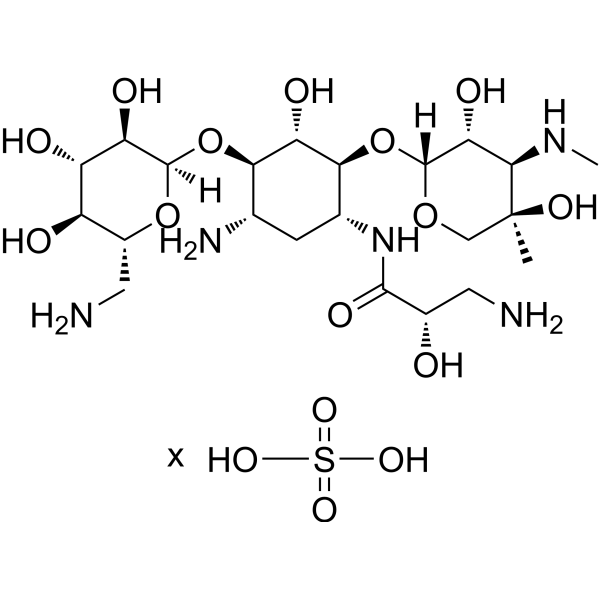
Isepamicin sulfate (Sch 21420 sulfate) is a broad-spectrum aminoglycoside antibiotic. Isepamicin sulfate has considerable antimicrobial activity against some Gram-negative non-fermenting bacteria that are highly resistant to antibiotics. Isepamicin sulfate inhibits writhing reactions induced by Acetic acid (HY-Y0319), regulates vascular blood flow and blood pressure, and inhibits spontaneous uterine movements. Isepamicin sulfate has antidiuretic and blood sugar-raising effects. Isepamicin sulfate can be used in seizure research .
|
-
-
- HY-141867
-
|
Z-Phe-Phe-FMK
|
Cathepsin
MEK
Caspase
DNA/RNA Synthesis
Apoptosis
|
Cardiovascular Disease
Neurological Disease
|
|
Z-FF-FMK (Z-Phe-Phe-FMK) is a cell-permeable, irreversible, and cysteine protease inhibitor targeting cathepsin-L. Z-FF-FMK inhibits angiotensin II-induced MEK activation in vascular walls, aortic medial remodeling, blood pressure elevation, and upregulation of cystatin C in aortic walls. Z-FF-FMK prevents β-amyloid-mediated caspase-3 activation, poly (ADP-ribose) polymerase cleavage, DNA fragmentation, and apoptosis of cortical neurons (apoptosis). Z-FF-FMK can be used in research related to hypertension and Alzheimer's disease .
|
-
-
- HY-12765S
-
|
E-3174 d4; EXP-3174 d4
|
Angiotensin Receptor
|
Cardiovascular Disease
Endocrinology
Cancer
|
|
Losartan-d4 carboxylic acid (E-3174-d4) is the deuterium labeled Losartan Carboxylic Acid (HY-12765). Losartan Carboxylic Acid (E-3174), an active carboxylic acid metabolite of Losartan, is an angiotensin II receptor type 1 (AT1) antagonist. The Ki values are 0.97, 0.57, 0.67 nM for rat AT1B/AT1A and human AT1, respectively. Losartan Carboxylic Acid blocks the angiotensin II-induced responses in vascular smoothmuscle cells (VSMC). Losartan Carboxylic Acid elevates plasma renin activities and reduces mean arterial pressure.
|
-
-
- HY-A0144A
-
|
|
Adrenergic Receptor
AMPK
Akt
|
Cardiovascular Disease
|
|
Etilefrine hydrochloride is a sympathetic nerve agonist and AMPK activator that selectively targets α1/β1 adrenergic receptors. Etilefrine hydrochloride stimulates α1 adrenergic receptors, leading to contraction of vascular smooth muscle and increased peripheral resistance. Etilefrine hydrochloride also stimulates β1 receptors to enhance myocardial contractility and increase heart rate, thereby increasing blood pressure and improving cardiac output. Etilefrine hydrochloride also bidirectionally regulates the AMPK/Akt pathway and modulates the phosphorylation levels. Etilefrine hydrochloride can be used in cardiovascular research, such as postural hypotension, chylothorax, and improving low cardiac output .
|
-
-
- HY-A0144
-
|
|
Adrenergic Receptor
AMPK
Akt
|
Cardiovascular Disease
|
|
Etilefrine is a sympathetic nerve agonist and AMPK activator that selectively targets α1/β1 adrenergic receptors. Etilefrine stimulates α1 adrenergic receptors, leading to contraction of vascular smooth muscle and increased peripheral resistance. Etilefrine also stimulates β1 receptors to enhance myocardial contractility and increase heart rate, thereby increasing blood pressure and improving cardiac output. Etilefrine also bidirectionally regulates the AMPK/Akt pathway and modulates the phosphorylation levels. Etilefrine can be used in cardiovascular research, such as postural hypotension, chylothorax, and improving low cardiac output .
|
-
-
- HY-108798
-
|
|
VEGFR
|
Cardiovascular Disease
Cancer
|
|
Ziv-aflibercept is a soluble inhibitor of vascular endothelial growth factor (VEGF). Ziv-aflibercept is an adaptive variant of Aflibercept (HY-108801), Ziv-aflibercept has a low PH value and high osmotic pressure when compared to Aflibercept. Ziv-aflibercept has potential applications in metastatic colorectal carcinoma and retinal diseases .
|
-
-
- HY-N6065
-
|
(+)-Praeruptorin A
|
Calcium Channel
Drug Isomer
Cytochrome P450
iGluR
Apoptosis
|
Cardiovascular Disease
Neurological Disease
|
|
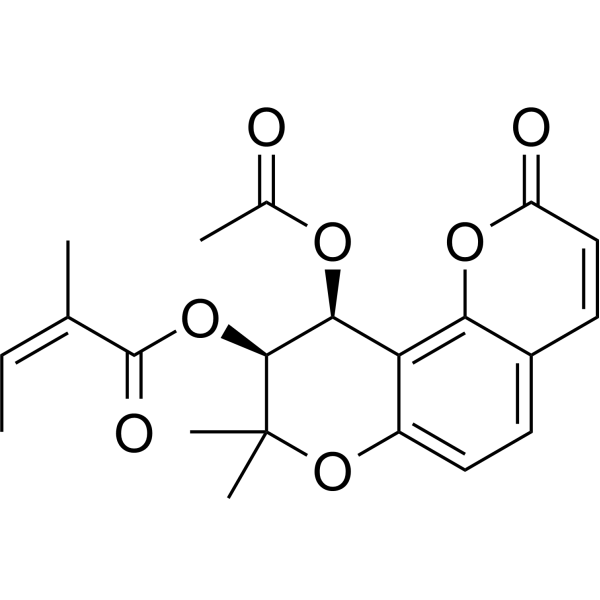
Praeruptorin A ((+)-Praeruptorin A) is an orally active isomer of (±)-Praeruptorin A (HY-N0081). Praeruptorin A also acts as a Calcium channel blocker. Praeruptorin A can be isolated from Peucedanum. Praeruptorin A serves as a substrate for CYP3A4. Praeruptorin A downregulates NMDA receptors containing GluN2B and inhibits neuronal Apoptosis. Praeruptorin A mediates vasodilation, inhibits vascular hypertrophy and reduces blood pressure. Praeruptorin A can be used in research related to neurological diseases, myocardial ischemia, heart failure, exertional angina, renovascular hypertension and spontaneous hypertension .
|
-
-
- HY-150137
-
|
|
Biochemical Assay Reagents
|
Others
|
|
Iomeprol is a nonionic X-ray contrast agent with low osmotic pressure, stable chemical properties, and can withstand high temperature sterilization. Iomeprol can be widely used in vascular, body cavity, and gastrointestinal angiography examinations .
|
-
-
- HY-N0252A
-
|
(+)-3,4-Didehydrocoronaridine Tartrate
|
Calcium Channel
|
Cardiovascular Disease
Neurological Disease
Cancer
|
|
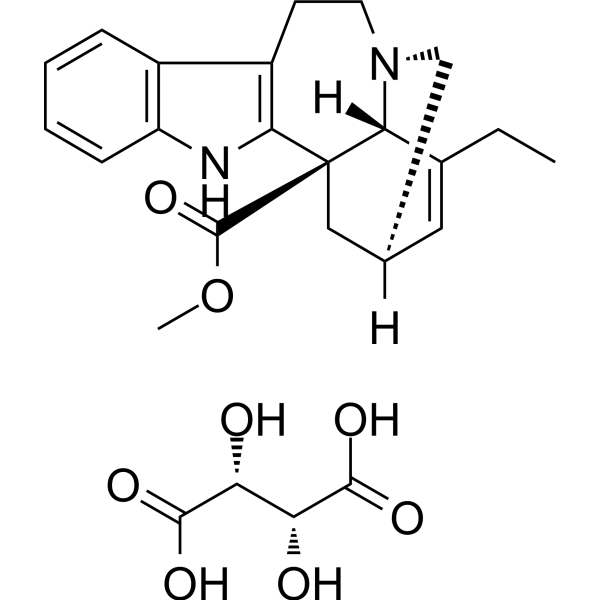
Catharanthine ((+)-3,4-Didehydrocoronaridine) Tartrate, a constituent of anticancer vinca alkaloids, inhibits voltage-operated L-type Ca 2+ channel (VOCC). Catharanthine Tartrate has IC50s of 220 μM and 8 μM for VOCC currents in cardiomyocytes and vascular smooth muscle cells (VSMCs), respectively. Catharanthine Tartrate lowers blood pressure (BP), heart rate (HR). Catharanthine Tartrate has anti-cancer activity .
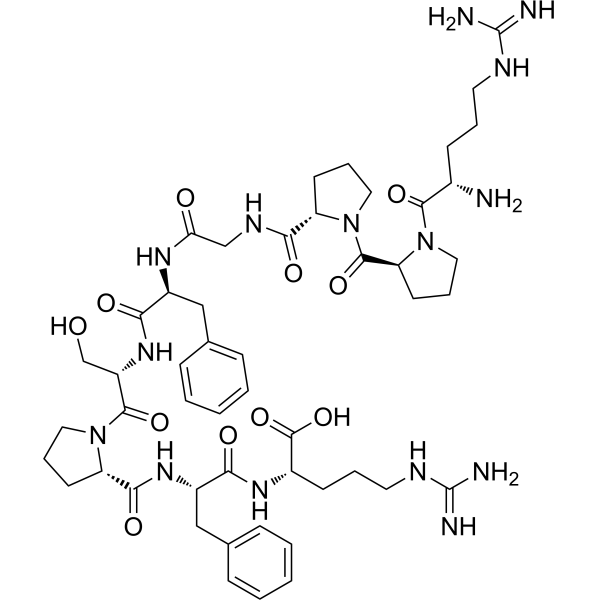
|
-
-
- HY-B0259R
-
|
|
Reference Standards
Potassium Channel
|
Cardiovascular Disease
|
|
Indapamide (Standard) is the analytical standard of Indapamide. This product is intended for research and analytical applications. Indapamide is an orally active sulphonamide diuretic agent, that can reduce blood pressure by decreasing vascular reactivity and peripheral vascular resistance. Indapamide is also can reduce left ventricular hypertrophy .
|
-
-
- HY-B0309S2
-
|
|
Calcium Channel
Autophagy
|
Cardiovascular Disease
|
|
Felodipine-d3 is the deuterium labeled Felodipine. Felodipine, a dihydropyridine, is a potent, vasoselective calcium channel antagonist. Felodipine lowers blood pressure (BP) by selective action on vascular smooth muscle, especially in the resistance vessels. Felodipine, an anti-hypertensive agent, induces autophagy. Felodipine can cross the blood-brain barrier .
|
-
-
- HY-133829
-
|
|
Angiotensin-converting Enzyme (ACE)
NO Synthase
Reactive Oxygen Species (ROS)
|
Cardiovascular Disease
|
|
Zofenoprilat is an angiotensin-converting enzyme (ACE) inhibitor with an IC50 of 1.7 nM. Zofenoprilat exerts cardioprotective and renoprotective effects by inhibiting angiotensin II expression and lowering blood pressure. Zofenoprilat promotes NO production and reduces endothelin-1 (ET-1) expression. Zofenoprilat decreases TNFα-induced ROS production and protects vascular endothelial function. Zofenoprilat regulates oxidative stress-related molecules and possesses antioxidant activity. Zofenoprilat can be used in studies related to hypertension and congestive heart failure .
|
-
-
- HY-B0804R
-
|
SQ-11725 (Standard)
|
Reference Standards
Adrenergic Receptor
|
Cardiovascular Disease
|
|
Nadolol (Standard) is the analytical standard of Nadolol. This product is intended for research and analytical applications. Nadolol (SQ-11725) is a non-selective and orally active β-adrenergic receptors blocker and is a substrate of organic anion transporting polypeptide 1A2 (OATP1A2). Nadolol has the the potential for high blood pressure, angina pectoris and vascular headaches research .
|
-
-
- HY-B0259S
-
|
|
Isotope-Labeled Compounds
Potassium Channel
|
Cardiovascular Disease
|
|
(rac)-Indapamide-d3 is a labelled racemic Indapamide. Indapamide is an orally active sulphonamide diuretic agent, that can reduce blood pressure by decreasing vascular reactivity and peripheral vascular resistance. Indapamide is also can reduce left ventricular hypertrophy .
|
-
-
- HY-129427
-
|
|
Adrenergic Receptor
|
Cardiovascular Disease
|
|
DC-015 is a selective and orally active alpha 1-adrenoceptor antagonist on plasma lipid and vascular reactivity in hyperlipidaemic rodent model. DC-015 is a synthesized quinazoline derivative. DC-015 decreases mean arterial pressure in rats. DC-015 has antihypertensive activity .
|
-
-
- HY-W752502
-
|
|
Dopamine Receptor
Vasopressin Receptor
Adrenergic Receptor
|
Cardiovascular Disease
|
|
Docarpamine is an orally active dopamine prodrug that can be hydroxylated in the small intestine and liver to form active dopamine. Docarpamine mainly activates D1-like receptors in peripheral blood vessels to lower blood pressure and heart rate in a state of spontaneous hypertension. Docarpamine exerts a pressor and tachycardic effect by activating D1-like receptors, vasopressin V1 receptors, and α-adrenergic receptors in normal blood pressure conditions. Docarpamine can be used for research on renal vascular dilation and diuresis .
|
-
-
- HY-105866
-
|
|
Calcium Channel
Prostaglandin Receptor
|
Cardiovascular Disease
|
|
Wy 27569 is an orally active vascular selective calcium channel blocker that can effectively lower blood pressure. Wy 27569 is a thromboxane synthase inhibitor that can reshape prostaglandin balance, reduce pro thrombotic TXA2, and increase anti thrombotic PGI2. Wy 27569 can be used for research on cardiovascular diseases such as hypertension and angina .
|
-
-
- HY-B0259A
-
|
|
Potassium Channel
|
Cardiovascular Disease
|
|
Indapamide hemihydrate is an orally active sulphonamide diuretic agent, that can reduce blood pressure by decreasing vascular reactivity and peripheral vascular resistance. Indapamide hemihydrate is also can reduce left ventricular hypertrophy .
|
-
-
- HY-129706
-
|
|
Others
|
Cardiovascular Disease
|
|
LY127210 (free base) is a potent vasodilator with antihypertensive effects that reduces pressure in chloralose-anesthetized spontaneously hypertensive rats primarily by direct arteriolar dilation and to a lesser extent by decreasing cardiac output. LY127210 (free base) reduces blood pressure, heart rate and left ventricular end-diastolic pressure in hypertensive rats by reducing vascular resistance .
|
-
-
- HY-B0309R
-
|
|
Reference Standards
Calcium Channel
Autophagy
|
Cardiovascular Disease
|
|
Felodipine (Standard) is the analytical standard of Felodipine. This product is intended for research and analytical applications. Felodipine, a dihydropyridine, is a potent, vasoselective calcium channel antagonist. Felodipine lowers blood pressure (BP) by selective action on vascular smooth muscle, especially in the resistance vessels. Felodipine, an anti-hypertensive agent, induces autophagy. Felodipine can cross the blood-brain barrier .
|
-
-
- HY-160980
-
|
|
Calcium Channel
|
Cardiovascular Disease
Neurological Disease
Inflammation/Immunology
|
|
Sornidipine is a calcium channel blocker. Sornidipine also reduces neurogenic inflammation. Sornidipine reduces the inflow of calcium ions into cells by blocking L-type calcium channels, thereby reducing the contraction of vascular smooth muscle, leading to vasodilation and decreased blood pressure. Sornidipine can be used to study the cardiovascular system especially in hypertension and related cardiovascular diseases .
|
-
-
- HY-N1115
-
|
(+)-Tubotaiwine; NSC 306222; Tubotaiwin
|
Others
|
Cardiovascular Disease
|
|
Tubotaiwine ((+)-Tubotaiwine), an alkaloid, has beneficial effect on cadmium (Cd) induced hypertension in rats. Tubotaiwine regulates systolic, diastolic and mean arterial blood pressure of the Cd exposed rats. Tubotaiwine reduces arterial stiffness, inhibits of oxidative stress and increases vascular remodeling .
|
-
-
- HY-N0252B
-
|
(+)-3,4-Didehydrocoronaridine Sulfate
|
Calcium Channel
|
Cardiovascular Disease
Neurological Disease
Cancer
|
|
Catharanthine ((+)-3,4-Didehydrocoronaridine) Sulfate, a constituent of anticancer vinca alkaloids, inhibits voltage-operated L-type Ca 2+ channel (VOCC). Catharanthine Sulfate has IC50s of 220 μM and 8 μM for VOCC currents in cardiomyocytes and vascular smooth muscle cells (VSMCs), respectively. Catharanthine Sulfate lowers blood pressure (BP), heart rate (HR). Catharanthine Sulfate has anti-cancer activity .
|
-
-
- HY-N0252R
-
|
(+)-3,4-Didehydrocoronaridine (Standard)
|
Reference Standards
Calcium Channel
|
Cardiovascular Disease
Neurological Disease
Cancer
|
|
Catharanthine (Standard) is the analytical standard of Catharanthine. This product is intended for research and analytical applications. Catharanthine ((+)-3,4-Didehydrocoronaridine), a constituent of anticancer vinca alkaloids, inhibits voltage-operated L-type Ca2+ channel (VOCC). Catharanthine has IC50s of 220 μM and 8 μM for VOCC currents in cardiomyocytes and vascular smooth muscle cells (VSMCs), respectively. Catharanthine lowers blood pressure (BP), heart rate (HR). Catharanthine has anti-cancer activity .
|
-
-
- HY-P0206B
-
-
-
- HY-B0259S3
-
|
|
Isotope-Labeled Compounds
Potassium Channel
|
Cardiovascular Disease
|
|
Indapamide-d6 is a deuterated labeled Indapamide . Indapamide is an orally active sulphonamide diuretic agent, that can reduce blood pressure by decreasing vascular reactivity and peripheral vascular resistance. Indapamide is also can reduce left ventricular hypertrophy .
|
-
- HY-B0259S1
-
|
|
Isotope-Labeled Compounds
Potassium Channel
|
Cardiovascular Disease
|
|
Indapamide- 13C,d3 is 13C and deuterium labeled Indapamide. Indapamide is an orally active sulphonamide diuretic agent, that can reduce blood pressure by decreasing vascular reactivity and peripheral vascular resistance. Indapamide is also can reduce left ventricular hypertrophy .
|
-
- HY-B1660
-
|
|
Adrenergic Receptor
|
Cardiovascular Disease
|
|
Guanadrel sulfate is an orally active, potent and postganglionic sympathetic inhibitor. Guanadrel sulfate lowers blood pressure by reducing systemic vascular resistance with little effect on cardiac output. Guanadrel sulfate is promising for research of hypertension .
|
-
- HY-107037
-
|
RX71107
|
Vasopressin Receptor
Angiotensin Receptor
Adrenergic Receptor
|
Cardiovascular Disease
|
|
Tolmesoxide (RX71107) is a peripheral vascular dilator with blood pressure lowering activity. Tolmesoxide has shown direct vasodilation in the human forearm arterial bed and dorsal hand vein. Tolmesoxide can dose-dependently increase blood flow in the forearm and produce dilation during contraction of the dorsal hand veins. Tolmesoxide can be used to study high blood pressure and angina .
|
-
- HY-P0206S1
-
-
- HY-123641
-
|
Way 120491
|
Potassium Channel
|
Cardiovascular Disease
|
|
Celikalim (Way 120491) is an antihypertensive agent. Celikalim lowers blood pressure through opening potassium channelsin vascular smooth muscle. Celikalim can inhibit white thrombus formation. Celikalim is a potent potassium opener in dog model. Celikalim can be studied in thrombosis-related research .
|
-
- HY-A0066R
-
|
Imidaline (Standard); NSC35110 (Standard)
|
Adrenergic Receptor
Reference Standards
|
Cardiovascular Disease
Endocrinology
|
|
Tolazoline (Standard) is the analytical standard of Tolazoline. This product is intended for research and analytical applications. Tolazoline (Imidaline) is an α-adrenergic receptor antagonist. Tolazoline inhibits Noradrenaline (HY-13715)-induced cell contraction, modulates vascular resistance, increases arterial pressure, and reverses bradycardia and tachypnea. Tolazoline can be used to study erectile dysfunction, α2-adrenergic receptor agonist-related poisoning, and skin vascular disease research .
|
-
- HY-B0309S1
-
|
|
Isotope-Labeled Compounds
Calcium Channel
Autophagy
|
Cardiovascular Disease
|
|
Felodipine-d5 is deuterium labeled Felodipine. Felodipine, a dihydropyridine, is a potent, vasoselective calcium channel antagonist. Felodipine lowers blood pressure (BP) by selective action on vascular smooth muscle, especially in the resistance vessels. Felodipine, an anti-hypertensive agent, induces autophagy. Felodipine can cross the blood-brain barrier .
|
-
- HY-A0066AR
-
|
Imidaline hydrochloride (Standard); NSC35110 hydrochloride (Standard)
|
Reference Standards
Adrenergic Receptor
|
Cardiovascular Disease
Endocrinology
|
|
Tolazoline (hydrochloride) (Standard) is the analytical standard of Tolazoline hydrochloride (HY-A0066A). This product is intended for research and analytical applications. Tolazoline hydrochloride (Imidaline hydrochloride) is an α-adrenergic receptor antagonist. Tolazoline hydrochloride inhibits Noradrenaline (HY-13715)-induced cell contraction, modulates vascular resistance, increases arterial pressure, and reverses bradycardia and tachypnea. Tolazoline hydrochloride can be used to study erectile dysfunction, α2-adrenergic receptor agonist-related poisoning, and skin vascular disease research .
|
-
- HY-118765
-
|
|
Prostaglandin Receptor
|
Cardiovascular Disease
|
|
Ro 23-3423 is a thromboxane synthase inhibitor with an IC50 value of 0.33 μM for human platelet microsomal thromboxane synthase. Ro 23-3423 increases plasma levels of PGF and PGE2 in a dose-dependent manner, accompanied by a decrease in mean systemic arterial pressure and systemic vascular resistance. Ro 23-3423 can be used in the study of general anesthesia .
|
-
- HY-132670S
-
|
|
Isotope-Labeled Compounds
Calcium Channel
Autophagy
|
Cardiovascular Disease
|
|
(R)-(-)-Felodipine-d5 is the deuterium labeled (R)-(-)-Felodipine. (R)-(-)-Felodipine is the S enantiomer of Felodipine. Felodipine, a dihydropyridine, is a potent, vasoselective calcium channel antagonist. Felodipine lowers blood pressure (BP) by selective action on vascular smooth muscle, especially in the resistance vessels. Felodipine, an anti-hypertensive agent, induces autophagy. Felodipine can cross the blood-brain barrier .
|
-
- HY-P10616
-
|
|
Endogenous Metabolite
|
Cardiovascular Disease
|
|
Salusin-α is an endogenous bioactive peptide with hemodynamic and cell proliferation activities. Salusin-α can stimulate the proliferation of quiescent vascular smooth muscle cells (VSMCs) and fibroblasts, leading to a rapid and significant decrease in blood pressure and heart rate, but its effect is weaker than that of Salusin-β (HY-P10617). Salusin-α has potential application value in cardiovascular disease research .
|
-
- HY-129412
-
|
|
Renin
|
Cardiovascular Disease
|
|
A-74273 is an orally active peptide renin inhibitor (IC50=3.1 nM). A-74273 competitively binds to the active site of renin, preventing angiotensinogen from being converted to ANG-I, thereby reducing the level of angiotensin II. A-74273 can be used in the study of diseases such as hypertension .
|
-
- HY-P10617
-
|
|
Endogenous Metabolite
|
Cardiovascular Disease
|
|
Salusin-β is an endogenous bioactive peptide with significant hemodynamic and mitogenic activity. Salusin-β can stimulate the proliferation of quiescent vascular smooth muscle cells (VSMCs) and fibroblasts, leading to a rapid and significant decrease in blood pressure and heart rate. In addition, Salusin-β can stimulate the release of arginine vasopressin from the pituitary gland in rats. This makes Salusin-β have important application potential in cardiovascular disease research .
|
-
- HY-15195R
-
|
Ro 67-0565 (Standard); SPP-301 (Standard)
|
Reference Standards
Endothelin Receptor
|
Cardiovascular Disease
Endocrinology
|
|
Avosentan (Standard) is the analytical standard of Avosentan (HY-15195). This product is intended for research and analytical applications. Avosentan is an orally active endothelin (ETA) receptor antagonist. Avosentan can block the ETA receptor, thereby reducing vascular contraction, and exerting a renal protective effect. Avosentan inhibits vascular contraction caused by ET-1 and alleviates the reduction in retinal and optic nerve head blood flow induced by it, lowering intraocular pressure in the glaucoma monkey model. Avosentan non-specifically blocks ETB receptors at high doses, inhibiting ETB-mediated diuresis and natriuresis, and may cause fluid retention. Avosentan can be used to reduce proteinuria with diabetic nephropathy, but induces significant fluid overload and congestive heart failure.
|
-
- HY-17428A
-
|
|
Histamine Receptor
|
Neurological Disease
Inflammation/Immunology
|
|
Tripelennamine is a histamine H1-receptor antagonist. Tripelennamine effectively reverses histamine-induced bronchoconstriction, increased transpulmonary pressure, elevated pulmonary vascular resistance and reduced dynamic compliance. Tripelennamine does not significantly affect arterial hypoxemia, hemoglobin desaturation and hypercapnia in horses undergoing short-term high-intensity exercise. Tripelennamine exhibits local and central analgesic activity. Tripelennamine can be used in studies related to emphysema, urticaria and acute laminitis .
|
-
- HY-17428B
-
|
|
Histamine Receptor
|
Neurological Disease
Inflammation/Immunology
|
|
Tripelennamine citrate is a histamine H1-receptor antagonist. Tripelennamine citrate effectively reverses histamine-induced bronchoconstriction, increased transpulmonary pressure, elevated pulmonary vascular resistance and reduced dynamic compliance. Tripelennamine citrate does not significantly affect arterial hypoxemia, hemoglobin desaturation and hypercapnia in horses undergoing short-term high-intensity exercise. Tripelennamine citrate exhibits local and central analgesic activity. Tripelennamine citrate can be used in studies related to emphysema, urticaria and acute laminitis .
|
-
- HY-171469
-
|
|
Potassium Channel
|
Cardiovascular Disease
|
|
SKP-451 is an ATP-sensitive potassium (K +) channel agonist. SKP-451 activates the ATP-sensitive K + channels, promotes the efflux of K +, causes membrane hyperpolarization, and inhibits the influx of Ca 2+, thereby relaxing the vascular smooth muscle. SKP-451 relaxs the canine coronary artery, rabbit basilar artery, and vertebral artery. SKP-451 also reduces the mean arterial blood pressure of conscious spontaneously hypertensive rats (SHR). SKP-451 is promising for research of cardiovascular diseases .
|
-
- HY-17428R
-
|
|
Reference Standards
Histamine Receptor
|
Neurological Disease
Inflammation/Immunology
|
|
Tripelennamine hydrochloride (Standard) is the analytical standard of Tripelennamine hydrochloride (HY-17428). This product is intended for research and analytical applications. Tripelennamine hydrochloride is a histamine H1-receptor antagonist. Tripelennamine hydrochloride effectively reverses histamine-induced bronchoconstriction, increased transpulmonary pressure, elevated pulmonary vascular resistance and reduced dynamic compliance. Tripelennamine hydrochloride does not significantly affect arterial hypoxemia, hemoglobin desaturation and hypercapnia in horses undergoing short-term high-intensity exercise. Tripelennamine hydrochloride exhibits local and central analgesic activity. Tripelennamine hydrochloride can be used in studies related to emphysema, urticaria and acute laminitis .
|
-
- HY-12765S1
-
|
|
Isotope-Labeled Compounds
Angiotensin Receptor
|
Cardiovascular Disease
|
|
Losartan carboxylic acid-d4 (hydrochloride) is deuterium labeled Losartan Carboxylic Acid. Losartan Carboxylic Acid (E-3174), an active carboxylic acid metabolite of Losartan, is an angiotensin II receptor type 1 (AT1) antagonist. The Ki values are 0.97, 0.57, 0.67 nM for rat AT1B/AT1A and human AT1, respectively. Losartan Carboxylic Acid blocks the angiotensin II-induced responses in vascular smoothmuscle cells (VSMC). Losartan Carboxylic Acid elevates plasma renin activities and reduces mean arterial pressure .
|
-
- HY-12765R
-
|
E-3174 (Standard); EXP-3174 (Standard)
|
Drug Metabolite
Reference Standards
Angiotensin Receptor
|
Cardiovascular Disease
|
|
Losartan Carboxylic Acid (Standard) is the analytical standard of Losartan Carboxylic Acid. This product is intended for research and analytical applications. Losartan Carboxylic Acid (E-3174), an active carboxylic acid metabolite of Losartan, is an angiotensin II receptor type 1 (AT1) antagonist. The Ki values are 0.97, 0.57, 0.67 nM for rat AT1B/AT1A and human AT1, respectively. Losartan Carboxylic Acid blocks the angiotensin II-induced responses in vascular smoothmuscle cells (VSMC). Losartan Carboxylic Acid elevates plasma renin activities and reduces mean arterial pressure [4].
|
-
- HY-114986
-
|
6-keto-Prostaglandin E1
|
β-glucuronidase
|
Cardiovascular Disease
|
|
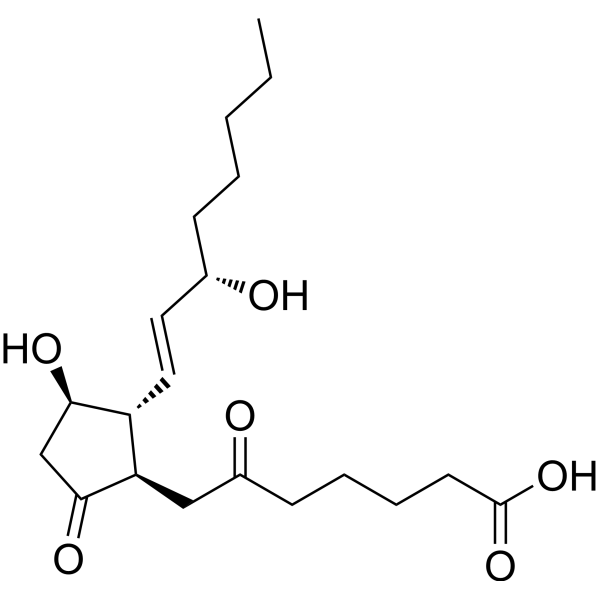
6-Keto-PGE1 (6-keto-Prostaglandin E1) is a biologically active derivative of PGE1. 6-Keto-PGE1 inhibits adenosine diphosphate-induced platelet aggregation. 6-Keto-PGE1 reduces cardiac afterload, decreases the accumulation of plasma myocardial depressant factor (MDF), lowers arterial blood pressure, dilates vascular beds, inhibits the vasoconstrictive response of vascular smooth muscle, and increases pulmonary compliance. 6-Keto-PGE1 directly stabilizes isolated cat liver lysosomes and significantly reduces the release of β-glucuronidase and cathepsin D. 6-Keto-PGE1 prolongs the survival time of traumatized rats and exerts protective effects through hemodynamic and cytoprotective actions. 6-Keto-PGE1 reduces central airway resistance. 6-Keto-PGE1 can be used in studies related to traumatic shock .
|
-
- HY-A0144AR
-
|
|
Reference Standards
AMPK
Adrenergic Receptor
Akt
|
Cardiovascular Disease
|
|
Etilefrine hydrochloride (Standard) is the analytical standard of Etilefrine hydrochloride (HY-A0144A). This product is intended for research and analytical applications. Etilefrine hydrochloride is a sympathetic nerve agonist and AMPK activator that selectively targets α1/β1 adrenergic receptors. Etilefrine hydrochloride stimulates α1 adrenergic receptors, leading to contraction of vascular smooth muscle and increased peripheral resistance. Etilefrine hydrochloride also stimulates β1 receptors to enhance myocardial contractility and increase heart rate, thereby increasing blood pressure and improving cardiac output. Etilefrine hydrochloride also bidirectionally regulates the AMPK/Akt pathway and modulates the phosphorylation levels. Etilefrine hydrochloride can be used in cardiovascular research, such as postural hypotension, chylothorax, and improving low cardiac output .
|
-
- HY-A0144R
-
|
|
Adrenergic Receptor
AMPK
Akt
Reference Standards
|
Cardiovascular Disease
|
|
Etilefrine (Standard) is the analytical standard of Etilefrine. This product is intended for research and analytical applications. Etilefrine is a sympathetic nerve agonist and AMPK activator that selectively targets α1/β1 adrenergic receptors. Etilefrine stimulates α1 adrenergic receptors, leading to contraction of vascular smooth muscle and increased peripheral resistance. Etilefrine also stimulates β1 receptors to enhance myocardial contractility and increase heart rate, thereby increasing blood pressure and improving cardiac output. Etilefrine also bidirectionally regulates the AMPK/Akt pathway and modulates the phosphorylation levels. Etilefrine can be used in cardiovascular research, such as postural hypotension, chylothorax, and improving low cardiac output .
|
-
- HY-182426
-
|
|
Carbonic Anhydrase
|
Neurological Disease
|
|
NCX-278 is a human carbonic anhydrase inhibitor with a 13 nM Ki for hCA II, 410 nM Ki for hCA I, 181 nM Ki for hCA IV, and selective inhibition of hCA II over hCA IV. NCX-278 is a potent and effective stimulator of NO/sGC/cGMP signaling with an EC50 of 2.05 lM. NCX-278 exerts NO-mediated vascular relaxant effects. NCX-278 lowers intraocular pressure in normotensive rabbits. NCX-278 can be used for the research of open-angle glaucoma .
|
-
- HY-W746271
-
|
|
Potassium Channel
|
Cardiovascular Disease
|
|
TCV 295 is an orally active potassium channel opener. TCV 295 can reduce blood pressure, systemic vascular resistance and myocardial O2 consumption. TCV 295 can be used for the research of cardiovascular disease, such as hypertension .
|
-
- HY-W700354
-
|
|
Calcium Channel
|
Cardiovascular Disease
Metabolic Disease
|
|
(S)-(-)-Felodipine is a S-enantiomer of Felodipine. (S)-(-)-Felodipine is an antihypertensive agent. Felodipine is a 1,4-dihydropyridine derivative and a vasoselective calcium antagonist. Felodipine can prevent the activation of the vascular effector cells and interfere with the contractile process in vitro. Felodipine lowers mean arterial blood pressure by 20% in dog model. (S)-(-)-Felodipine shows high metabolic rate in rat and dog liver microsomes .
|
-
- HY-103460R
-
|
|
Reference Standards
Endothelin Receptor
|
Cardiovascular Disease
|
|
IRL 2500 (Standard) is the analytical standard of IRL 2500 (HY-103460). This product is intended for research and analytical applications. IRL 2500 is a potent Endothelin receptor antagonist. IRL 2500 shows IC50 values of 1.3 and 94 nM for ETB and ETA receptors, respectively. IRL 2500 inhibits ETB receptor-mediated blood pressure increase and renal vascular resistance in rats in vivo .
|
-
- HY-112868A
-
|
|
Arginase
|
Cardiovascular Disease
Metabolic Disease
Inflammation/Immunology
|
|
ABH is an orally active arginase inhibitor (Ki = 8.5 nM). ABH promotes NO production and reduces the expression of inflammatory response-related molecules (ICAM-1, VCAM-1, MCP-1). ABH improves erectile function, reduces lung damage, promotes wound healing, reduces arterial blood pressure, and improves vascular fibrosis .
|
-
- HY-105111
-
|
|
Parasite
Angiotensin-converting Enzyme (ACE)
HSV
DNA/RNA Synthesis
|
Cardiovascular Disease
Metabolic Disease
|
|
P-536 is a ACE inhibitor that also inhibits herpes simplex virus HSV-1 thymidine kinase and Trypanosoma cruzi RNA polymerase. By inhibiting the renin-angiotensin system, downregulating the expression of AT1R and NOX4, and reducing oxidative stress (decreasing plasma hydrogen peroxide (H2O2) and 8-isoprostaglandin levels), P-536 effectively reduces systolic blood pressure and improves vascular reactivity. P-536 also inhibits the replication of DNA/RNA viruses such as HSV-1 by blocking nucleotide metabolism and nucleic acid synthesis, competitively inhibits RNA synthesis in Trypanosoma cruzi, and inhibits amastigote replication, thereby impeding its growth. P-536 is suitable for research on hypertension, insulin resistance, and Chagas disease .
|
-
- HY-180585
-
|
|
Monoamine Oxidase
Guanylate Cyclase
PKG
Collagen
|
Cardiovascular Disease
|
|
LOXL2/sGC modulator-2 (Compound 9k) is a selective and orally active lysyl oxidase-like 2 (LOXL2) and soluble guanylate cyclase (sGC) dual-target regulator. LOXL2/sGC modulator-2 shows inhibitory activity for LOXL2 with an IC50 of 0.1 μM and can activate sGC. LOXL2/sGC modulator-2 can ameliorate vascular remodeling and reduce pulmonary artery pressure. LOXL2/sGC modulator-2 can downregulate PKG1, PCNA, α-SMA, collagen I and fibronectin levels. LOXL2/sGC modulator-2 can be used for the research of pulmonary arterial hypertension .
|
-
-
- HY-P1956
-
|
HSA
|
生化学アッセイ試薬
|
Human serum albumin (HSA) is the most abundant protein in plasma and is a major determinant of plasma oncotic pressure. Human serum albumin exhibits antioxidant, anticoagulant, anti-inflammatory, anti-platelet aggregation activities as well as colloid osmotic action. Human serum albumin can block the inhibitory effect of GML on human T cells, providing protective function for T cells. Human serum albumin is also associated with cardiovascular diseases and can partially prevent the LPS (HY-D1056) induced oxidative stress, as well as the upregulation of NF-κB, NF-κB, and peroxynitrite (ONOO −) in the vascular wall, contributing to the reduction of blood pressure . This product is recombinant Human Serum Albumin expressed in a microbial expression system.
|
-
- HY-112624B
-
|
Dextran 70; Dextran D70; Dextran T70(MW 64000-76000)
|
生化学アッセイ試薬
|
|
Dextran 70,000 is a high molecular weight polysaccharide formed by glucose linked by α-(1→6) glycosidic bonds. Dextran 70,000 can expand blood volume through colloidal osmotic pressure effect and inhibit cell adhesion and platelet aggregation through steric hindrance. At the same time, Dextran 70,000 can be used as a drug carrier to achieve targeted delivery through endocytosis. Dextran 70,000 is biologically inert and has low immunogenicity. It can be used for clinical blood volume expansion, anti-thrombotic research, and evaluation of vascular permeability in in vitro experiments. It can also be combined with fluorescent dyes for cell tracking and drug delivery research. The Dextran series of compounds are also natural polysaccharide drug carriers that can be connected to drugs through covalent bonding methods such as ester bonds, amide bonds or click chemistry, or self-assembled to form carriers such as nanoparticles and hydrogels. Dextran is biodegradable and biocompatible, and can achieve targeted delivery and controlled release of drugs. Dextran derivatives can prolong the half-life of drugs, increase local concentrations, and reduce the activity of immune clearance.
|
-
- HY-P1956A
-
|
HSA (Cell culture grade, Endotoxin<0.125 EU/mg)
|
生化学アッセイ試薬
|
Human serum albumin (Cell culture grade, Endotoxin<0.125 EU/mg) (HSA) is the most abundant protein in plasma and is a major determinant of plasma oncotic pressure. Human serum albumin (Cell culture grade, Endotoxin<0.125 EU/mg) exhibits antioxidant, anticoagulant, anti-inflammatory, anti-platelet aggregation activities as well as colloid osmotic action. Human serum albumin (Cell culture grade, Endotoxin<0.125 EU/mg) can block the inhibitory effect of GML on human T cells, providing protective function for T cells. Human serum albumin (Cell culture grade, Endotoxin<0.125 EU/mg) is also associated with cardiovascular diseases and can partially prevent the LPS (HY-D1056) induced oxidative stress, as well as the upregulation of NF-κB, iNOS, and peroxynitrite (ONOO −) in the vascular wall, contributing to the reduction of blood pressure. Human serum albumin (Cell culture grade, Endotoxin<0.125 EU/mg) can be used for in vitro cell culture . This product is human serum albumin recombinantly expressed in an Escherichia coli expression system.
|
-
- HY-A0144A
-
|
|
生化学アッセイ試薬
|
|
Etilefrine hydrochloride is a sympathetic nerve agonist and AMPK activator that selectively targets α1/β1 adrenergic receptors. Etilefrine hydrochloride stimulates α1 adrenergic receptors, leading to contraction of vascular smooth muscle and increased peripheral resistance. Etilefrine hydrochloride also stimulates β1 receptors to enhance myocardial contractility and increase heart rate, thereby increasing blood pressure and improving cardiac output. Etilefrine hydrochloride also bidirectionally regulates the AMPK/Akt pathway and modulates the phosphorylation levels. Etilefrine hydrochloride can be used in cardiovascular research, such as postural hypotension, chylothorax, and improving low cardiac output .
|
-
- HY-A0144AR
-
|
|
生化学アッセイ試薬
|
|
Etilefrine hydrochloride (Standard) is the analytical standard of Etilefrine hydrochloride (HY-A0144A). This product is intended for research and analytical applications. Etilefrine hydrochloride is a sympathetic nerve agonist and AMPK activator that selectively targets α1/β1 adrenergic receptors. Etilefrine hydrochloride stimulates α1 adrenergic receptors, leading to contraction of vascular smooth muscle and increased peripheral resistance. Etilefrine hydrochloride also stimulates β1 receptors to enhance myocardial contractility and increase heart rate, thereby increasing blood pressure and improving cardiac output. Etilefrine hydrochloride also bidirectionally regulates the AMPK/Akt pathway and modulates the phosphorylation levels. Etilefrine hydrochloride can be used in cardiovascular research, such as postural hypotension, chylothorax, and improving low cardiac output .
|
-
- HY-13948
-
|
Angiotensin II; Ang II; DRVYIHPF
|
Angiotensin Receptor
Apoptosis
|
Cardiovascular Disease
Infection
Metabolic Disease
Inflammation/Immunology
Cancer
|
|
Angiotensin II (Angiotensin II) is a vasoconstrictor and a major bioactive peptide of the renin/angiotensin system. Angiotensin II human plays a central role in regulating human blood pressure, which is mainly mediated by interactions between Angiotensin II and the G-protein-coupled receptors (GPCRs) Angiotensin II type 1 receptor (AT1R) and Angiotensin II type 2 receptor (AT2R). Angiotensin II human stimulates sympathetic nervous stimulation, increases aldosterone biosynthesis and renal actions. Angiotensin II human induces growth of vascular smooth muscle cells, increases collagen type I and III synthesis in fibroblasts, leading to thickening of the vascular wall and myocardium, and fibrosis. Angiotensin II human also induces apoptosis. Angiotensin II induces capillary formation from endothelial cells via the LOX-1 dependent redox-sensitive pathway .
|
-
- HY-13948A
-
|
Angiotensin II acetate; Ang II acetate; DRVYIHPF acetate
|
Angiotensin Receptor
Apoptosis
|
Cardiovascular Disease
Infection
Metabolic Disease
Inflammation/Immunology
Cancer
|
|
Angiotensin II human (Angiotensin II) acetate is a vasoconstrictor and a major bioactive peptide of the renin/angiotensin system. Angiotensin II human acetate plays a central role in regulating human blood pressure, which is mainly mediated by interactions between Angiotensin II and the G-protein-coupled receptors (GPCRs) Angiotensin II type 1 receptor (AT1R) and Angiotensin II type 2 receptor (AT2R). Angiotensin II human acetate stimulates sympathetic nervous stimulation, increases aldosterone biosynthesis and renal actions. Angiotensin II human acetate induces growth of vascular smooth muscle cells, increases collagen type I and III synthesis in fibroblasts, leading to thickening of the vascular wall and myocardium, and fibrosis. Angiotensin II human acetate also induces apoptosis. Angiotensin II human acetate induces capillary formation from endothelial cells via the LOX-1 dependent redox-sensitive pathway .
|
-
- HY-P0206
-
-
- HY-P0095
-
|
|
Angiotensin-converting Enzyme (ACE)
|
Others
|
|
Acetyl tetrapeptide-5 inhibits glycosylation and ACE-1 activity. Acetyl tetrapeptide-5 reduces edema and relieves vascular pressure by improving the vascular system and strengthening the skin under the eyes. Acetyl tetrapeptide-5 can be used in the research of Antioxidant, anti-aging skin care .
|
-
- HY-13948B
-
|
Angiotensin II TFA; Ang II TFA; DRVYIHPF TFA
|
Angiotensin Receptor
Apoptosis
|
Cardiovascular Disease
Metabolic Disease
Cancer
|
|
Angiotensin II human (Angiotensin II) TFA is a vasoconstrictor and a major bioactive peptide of the renin/angiotensin system. Angiotensin II human TFA plays a central role in regulating human blood pressure, which is mainly mediated by interactions between Angiotensin II and the G-protein-coupled receptors (GPCRs) Angiotensin II type 1 receptor (AT1R) and Angiotensin II type 2 receptor (AT2R). Angiotensin II human TFA stimulates sympathetic nervous stimulation, increases aldosterone biosynthesis and renal actions. Angiotensin II human TFA induces growth of vascular smooth muscle cells, increases collagen type I and III synthesis in fibroblasts, leading to thickening of the vascular wall and myocardium, and fibrosis. Angiotensin II human TFA also induces apoptosis. Angiotensin II human TFA induces capillary formation from endothelial cells via the LOX-1 dependent redox-sensitive pathway .
|
-
- HY-P0206A
-
-
- HY-141867
-
|
Z-Phe-Phe-FMK
|
Cathepsin
MEK
Caspase
DNA/RNA Synthesis
Apoptosis
|
Cardiovascular Disease
Neurological Disease
|
|
Z-FF-FMK (Z-Phe-Phe-FMK) is a cell-permeable, irreversible, and cysteine protease inhibitor targeting cathepsin-L. Z-FF-FMK inhibits angiotensin II-induced MEK activation in vascular walls, aortic medial remodeling, blood pressure elevation, and upregulation of cystatin C in aortic walls. Z-FF-FMK prevents β-amyloid-mediated caspase-3 activation, poly (ADP-ribose) polymerase cleavage, DNA fragmentation, and apoptosis of cortical neurons (apoptosis). Z-FF-FMK can be used in research related to hypertension and Alzheimer's disease .
|
-
- HY-P0206B
-
-
- HY-P0206S1
-
-
- HY-P10616
-
|
|
Endogenous Metabolite
|
Cardiovascular Disease
|
|
Salusin-α is an endogenous bioactive peptide with hemodynamic and cell proliferation activities. Salusin-α can stimulate the proliferation of quiescent vascular smooth muscle cells (VSMCs) and fibroblasts, leading to a rapid and significant decrease in blood pressure and heart rate, but its effect is weaker than that of Salusin-β (HY-P10617). Salusin-α has potential application value in cardiovascular disease research .
|
-
- HY-P10617
-
|
|
Endogenous Metabolite
|
Cardiovascular Disease
|
|
Salusin-β is an endogenous bioactive peptide with significant hemodynamic and mitogenic activity. Salusin-β can stimulate the proliferation of quiescent vascular smooth muscle cells (VSMCs) and fibroblasts, leading to a rapid and significant decrease in blood pressure and heart rate. In addition, Salusin-β can stimulate the release of arginine vasopressin from the pituitary gland in rats. This makes Salusin-β have important application potential in cardiovascular disease research .
|
| 製品番号 |
製品名 |
Target |
研究分野 |
Image |
-
- HY-108798
-
|
|
VEGFR
|
Cardiovascular Disease
Cancer
|
|
Ziv-aflibercept is a soluble inhibitor of vascular endothelial growth factor (VEGF). Ziv-aflibercept is an adaptive variant of Aflibercept (HY-108801), Ziv-aflibercept has a low PH value and high osmotic pressure when compared to Aflibercept. Ziv-aflibercept has potential applications in metastatic colorectal carcinoma and retinal diseases .
|
-
(5)
| 製品番号 |
製品名 |
Category |
Target |
構造式 |
-
- HY-13948
-
|
Angiotensin II; Ang II; DRVYIHPF
|
Structural Classification
天然物
Classification of Application Fields
Endogenous metabolite
Disease Research Fields
Endocrinology
Source Classification
Cancer
|
Angiotensin Receptor
Apoptosis
|
|
Angiotensin II (Angiotensin II) is a vasoconstrictor and a major bioactive peptide of the renin/angiotensin system. Angiotensin II human plays a central role in regulating human blood pressure, which is mainly mediated by interactions between Angiotensin II and the G-protein-coupled receptors (GPCRs) Angiotensin II type 1 receptor (AT1R) and Angiotensin II type 2 receptor (AT2R). Angiotensin II human stimulates sympathetic nervous stimulation, increases aldosterone biosynthesis and renal actions. Angiotensin II human induces growth of vascular smooth muscle cells, increases collagen type I and III synthesis in fibroblasts, leading to thickening of the vascular wall and myocardium, and fibrosis. Angiotensin II human also induces apoptosis. Angiotensin II induces capillary formation from endothelial cells via the LOX-1 dependent redox-sensitive pathway .
|
-
-
- HY-P0206
-
-
-
- HY-N0252
-
-
-
- HY-W005255
-
-
-
- HY-A0066A
-
-
-
- HY-17428
-
-
-
- HY-N6065
-
-
-
- HY-N0252A
-
-
-
- HY-N1115
-
|
(+)-Tubotaiwine; NSC 306222; Tubotaiwin
|
Apocynaceae
Alkaloids
Other Alkaloids
Hunteria zeylanica
Plants
Source Classification
|
Others
|
|
Tubotaiwine ((+)-Tubotaiwine), an alkaloid, has beneficial effect on cadmium (Cd) induced hypertension in rats. Tubotaiwine regulates systolic, diastolic and mean arterial blood pressure of the Cd exposed rats. Tubotaiwine reduces arterial stiffness, inhibits of oxidative stress and increases vascular remodeling .
|
-
-
- HY-N0252B
-
-
-
- HY-N0252R
-
-
-
- HY-A0066AR
-
|
Imidaline hydrochloride (Standard); NSC35110 hydrochloride (Standard)
|
Alkaloids
Other Alkaloids
Alpinia officinarum Hance
Plants
Source Classification
Zingiberaceae
|
Reference Standards
Adrenergic Receptor
|
|
Tolazoline (hydrochloride) (Standard) is the analytical standard of Tolazoline hydrochloride (HY-A0066A). This product is intended for research and analytical applications. Tolazoline hydrochloride (Imidaline hydrochloride) is an α-adrenergic receptor antagonist. Tolazoline hydrochloride inhibits Noradrenaline (HY-13715)-induced cell contraction, modulates vascular resistance, increases arterial pressure, and reverses bradycardia and tachypnea. Tolazoline hydrochloride can be used to study erectile dysfunction, α2-adrenergic receptor agonist-related poisoning, and skin vascular disease research .
|
-
-
- HY-17428A
-
-
-
- HY-17428B
-
-
-
- HY-17428R
-
|
|
Structural Classification
Alkaloids
Pyridine Alkaloids
Endogenous metabolite
Source Classification
|
Reference Standards
Histamine Receptor
|
|
Tripelennamine hydrochloride (Standard) is the analytical standard of Tripelennamine hydrochloride (HY-17428). This product is intended for research and analytical applications. Tripelennamine hydrochloride is a histamine H1-receptor antagonist. Tripelennamine hydrochloride effectively reverses histamine-induced bronchoconstriction, increased transpulmonary pressure, elevated pulmonary vascular resistance and reduced dynamic compliance. Tripelennamine hydrochloride does not significantly affect arterial hypoxemia, hemoglobin desaturation and hypercapnia in horses undergoing short-term high-intensity exercise. Tripelennamine hydrochloride exhibits local and central analgesic activity. Tripelennamine hydrochloride can be used in studies related to emphysema, urticaria and acute laminitis .
|
-
-
- HY-12765S
-
|
|
|
Losartan-d4 carboxylic acid (E-3174-d4) is the deuterium labeled Losartan Carboxylic Acid (HY-12765). Losartan Carboxylic Acid (E-3174), an active carboxylic acid metabolite of Losartan, is an angiotensin II receptor type 1 (AT1) antagonist. The Ki values are 0.97, 0.57, 0.67 nM for rat AT1B/AT1A and human AT1, respectively. Losartan Carboxylic Acid blocks the angiotensin II-induced responses in vascular smoothmuscle cells (VSMC). Losartan Carboxylic Acid elevates plasma renin activities and reduces mean arterial pressure.
|
-
-
- HY-B0309S2
-
|
|
|
Felodipine-d3 is the deuterium labeled Felodipine. Felodipine, a dihydropyridine, is a potent, vasoselective calcium channel antagonist. Felodipine lowers blood pressure (BP) by selective action on vascular smooth muscle, especially in the resistance vessels. Felodipine, an anti-hypertensive agent, induces autophagy. Felodipine can cross the blood-brain barrier .
|
-
-
- HY-B0259S
-
|
|
|
(rac)-Indapamide-d3 is a labelled racemic Indapamide. Indapamide is an orally active sulphonamide diuretic agent, that can reduce blood pressure by decreasing vascular reactivity and peripheral vascular resistance. Indapamide is also can reduce left ventricular hypertrophy .
|
-
-
- HY-B0259S3
-
|
|
|
Indapamide-d6 is a deuterated labeled Indapamide . Indapamide is an orally active sulphonamide diuretic agent, that can reduce blood pressure by decreasing vascular reactivity and peripheral vascular resistance. Indapamide is also can reduce left ventricular hypertrophy .
|
-
-
- HY-B0259S1
-
|
|
|
Indapamide- 13C,d3 is 13C and deuterium labeled Indapamide. Indapamide is an orally active sulphonamide diuretic agent, that can reduce blood pressure by decreasing vascular reactivity and peripheral vascular resistance. Indapamide is also can reduce left ventricular hypertrophy .
|
-
-
- HY-P0206S1
-
|
|
|
RPP-(Gly-1 13C2, 15N)-FSPFR TFA is 13C- and 15N-labeled Bradykinin (HY-P0206). Bradykinin is an effective endothelium-dependent vasodilator that can lower blood pressure. Bradykinin can induce contraction of bronchial and intestinal non-vascular smooth muscle, increase vascular permeability, and participate in the mechanism of pain .
|
-
-
- HY-B0309S1
-
|
|
|
Felodipine-d5 is deuterium labeled Felodipine. Felodipine, a dihydropyridine, is a potent, vasoselective calcium channel antagonist. Felodipine lowers blood pressure (BP) by selective action on vascular smooth muscle, especially in the resistance vessels. Felodipine, an anti-hypertensive agent, induces autophagy. Felodipine can cross the blood-brain barrier .
|
-
-
- HY-132670S
-
|
|
|
(R)-(-)-Felodipine-d5 is the deuterium labeled (R)-(-)-Felodipine. (R)-(-)-Felodipine is the S enantiomer of Felodipine. Felodipine, a dihydropyridine, is a potent, vasoselective calcium channel antagonist. Felodipine lowers blood pressure (BP) by selective action on vascular smooth muscle, especially in the resistance vessels. Felodipine, an anti-hypertensive agent, induces autophagy. Felodipine can cross the blood-brain barrier .
|
-
-
- HY-12765S1
-
|
|
|
Losartan carboxylic acid-d4 (hydrochloride) is deuterium labeled Losartan Carboxylic Acid. Losartan Carboxylic Acid (E-3174), an active carboxylic acid metabolite of Losartan, is an angiotensin II receptor type 1 (AT1) antagonist. The Ki values are 0.97, 0.57, 0.67 nM for rat AT1B/AT1A and human AT1, respectively. Losartan Carboxylic Acid blocks the angiotensin II-induced responses in vascular smoothmuscle cells (VSMC). Losartan Carboxylic Acid elevates plasma renin activities and reduces mean arterial pressure .
|
-
-
- HY-112624B
-
|
Dextran 70; Dextran D70; Dextran T70(MW 64000-76000)
|
|
Polymers
|
|
Dextran 70,000 is a high molecular weight polysaccharide formed by glucose linked by α-(1→6) glycosidic bonds. Dextran 70,000 can expand blood volume through colloidal osmotic pressure effect and inhibit cell adhesion and platelet aggregation through steric hindrance. At the same time, Dextran 70,000 can be used as a drug carrier to achieve targeted delivery through endocytosis. Dextran 70,000 is biologically inert and has low immunogenicity. It can be used for clinical blood volume expansion, anti-thrombotic research, and evaluation of vascular permeability in in vitro experiments. It can also be combined with fluorescent dyes for cell tracking and drug delivery research. The Dextran series of compounds are also natural polysaccharide drug carriers that can be connected to drugs through covalent bonding methods such as ester bonds, amide bonds or click chemistry, or self-assembled to form carriers such as nanoparticles and hydrogels. Dextran is biodegradable and biocompatible, and can achieve targeted delivery and controlled release of drugs. Dextran derivatives can prolong the half-life of drugs, increase local concentrations, and reduce the activity of immune clearance.
|
入力情報は安全に管理されます. ※ 必須入力項目.
Inquiry Information
- 製品名:
- 製品番号:
- 数量:
- MCE 日本正規代理店:

