103 Results for "

water molecule

" in MedChemExpress (MCE) Product Catalog:
Products (103)

103 Results for "water molecule" in MCE Product Catalog:

13
13 Publications Verification
Cat. No.: HY-B1829A
CAS No.: 2392-39-4
Synonyms: Dexamethasone 21-phosphate disodium
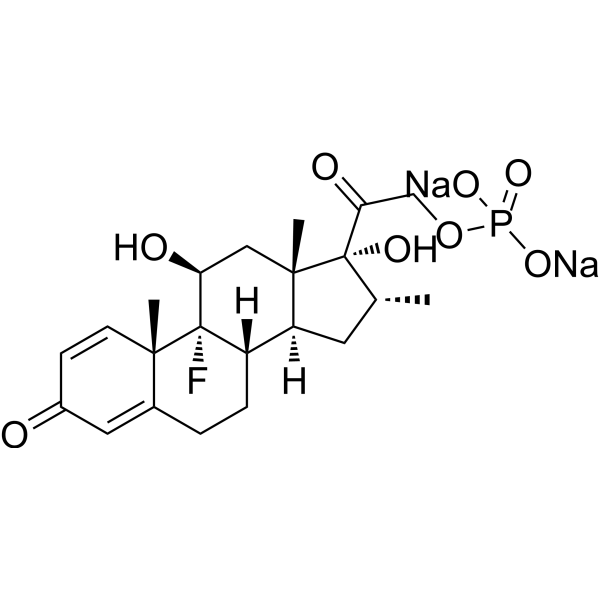
Dexamethasone phosphate (Dexamethasone 21-phosphate) disodium is a prodrug form of the glucocorticoid Dexamethasone (HY-14648). Dexamethasone phosphate disodium is produced by introducing a phosphate ester group at the 21-position of the Dexamethasone molecule, forming a salt with sodium ions, thereby significantly improving water solubility. Dexamethasone phosphate disodium inhibits LPS (HY-D1056)-induced degradation of IRAK-1 and IRAK-4, and blocks LPS-induced activation of TRAF6, p-TAK1 and p-JNK. Dexamethasone phosphate disodium inhibits the secretion of RANTES, TGF-β1 and NO, promotes the production of MIP-1α and IL-10, and blocks microglial migration. Dexamethasone phosphate disodium is almost completely converted to Dexamethasone in rat blood, and supports transdermal delivery via iontophoresis. Dexamethasone phosphate disodium can be used in research related to steroid-dependent ulcerative colitis, chemotherapy-induced vomiting, allergic asthma and acute colitis (inflammatory bowel disease) .
loading...
    loading...
8
8 Cited Publications
Cat. No.: HY-15908
CAS No.: 979-88-4
Purity:  99.52%
Synonyms: Disodium bicinchoninate
Research Areas:  

Others

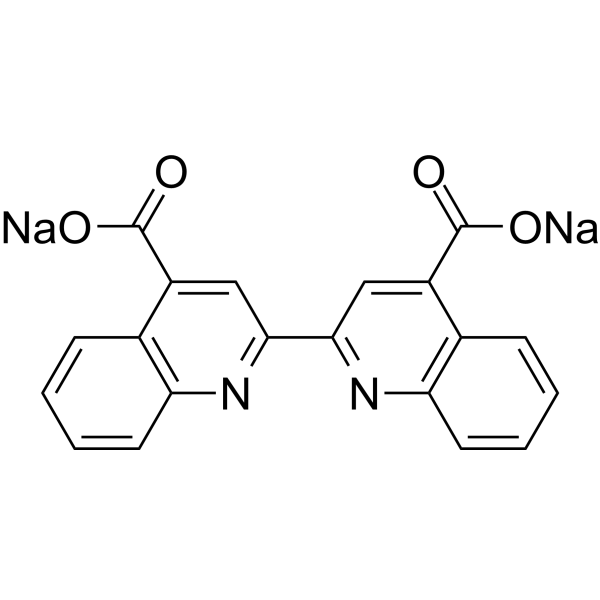
BCA is a chelating agent targeting Cu I. BCA forms a water-soluble complex with Cu I at a 2:1 stoichiometric ratio, which not only inhibits its oxidation and disproportionation reactions, but also mediates the Cu I-catalyzed azide-alkyne cycloaddition click chemistry reaction to achieve bioconjugation of fluorophores or biotin with functionalized proteins. BCA chelates Cu + from proteins that reduce Cu 2+, forming a purple compound detectable by colorimetry, and thus is used to determine the total protein concentration in solution. BCA is a potential small-molecule candidate for AHAS inhibitors .
loading...
    loading...
8
8 Cited Publications
Cat. No.: HY-W004599
CAS No.: 1245-13-2
Research Areas:  

Others

Bicinchoninic acid is a chelating agent targeting Cu I. Bicinchoninic acid forms a water-soluble complex with Cu I at a 2:1 stoichiometric ratio, which not only inhibits its oxidation and disproportionation reactions, but also mediates the Cu I-catalyzed azide-alkyne cycloaddition click chemistry reaction to achieve bioconjugation of fluorophores or biotin with functionalized proteins. Bicinchoninic acid chelates Cu + from proteins that reduce Cu 2+, forming a purple compound detectable by colorimetry, and thus is used to determine the total protein concentration in solution. Bicinchoninic acid is a potential small-molecule candidate for AHAS inhibitors .
loading...
    loading...
8
8 Cited Publications
Cat. No.: HY-15908A
CAS No.: 63451-34-3
Research Areas:  

Others

Dipotassium [2,2'-biquinoline]-4,4'-dicarboxylate is a chelating agent targeting Cu I. Dipotassium [2,2'-biquinoline]-4,4'-dicarboxylate forms a water-soluble complex with Cu I at a 2:1 stoichiometric ratio, which not only inhibits its oxidation and disproportionation reactions, but also mediates the Cu I-catalyzed azide-alkyne cycloaddition click chemistry reaction to achieve bioconjugation of fluorophores or biotin with functionalized proteins. Dipotassium [2,2'-biquinoline]-4,4'-dicarboxylate chelates Cu + from proteins that reduce Cu 2+, forming a purple compound detectable by colorimetry, and thus is used to determine the total protein concentration in solution. Dipotassium [2,2'-biquinoline]-4,4'-dicarboxylate is a potential small-molecule candidate for AHAS inhibitors .
loading...
    loading...
1
1 Cited Publications
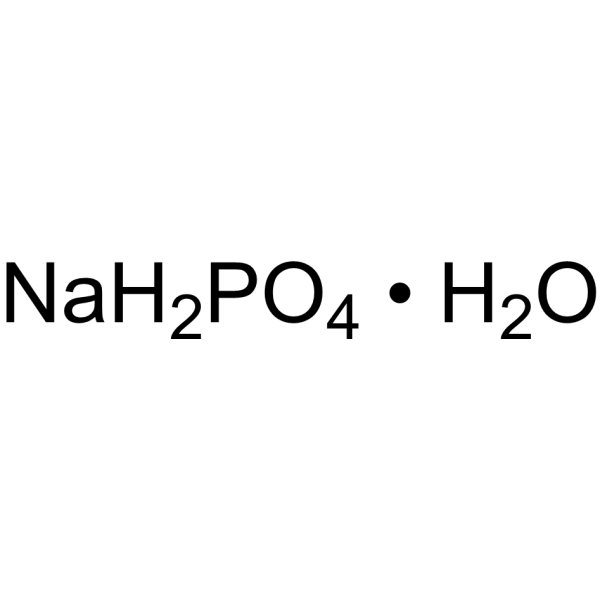
Cat. No.: HY-W094497
CAS No.: 10049-21-5
Synonyms: Sodium phosphate monobasic monohydrate
Research Areas:  

Others

Sodium dihydrogen phosphate monohydrate (Sodium phosphate monobasic monohydrate) is an inorganic hydrated phosphate salt that forms as an intermediate product during the first dehydration step of sodium dihydrogen phosphate dihydrate under heating conditions .
loading...
    loading...
1
1 Cited Publications
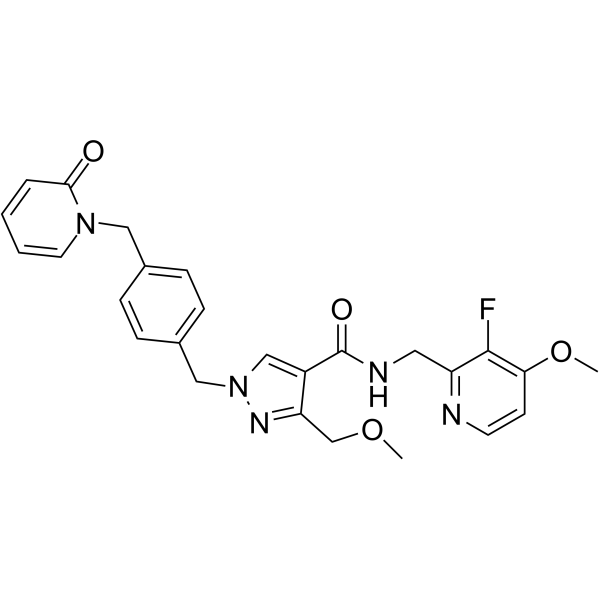
Cat. No.: HY-132830
CAS No.: 1933514-13-6
Purity:  99.58%
Synonyms: KVD900
Target:  

Kallikrein

Research Areas:  

Cardiovascular Disease

Sebetralstat (KVD900) is an orally active and selective plasma kallikrein inhibitor, with an IC50 of 6.0 nM and a Ki of 3.0 nM against the human target. Sebetralstat binds to the active site of plasma kallikrein, inducing a conformational flip of Trp215 to form a U-shaped conformation; its P1 group interacts with the S1 pocket through hydrophobic interactions and displacement of high-energy water molecules, independent of the Asp189 ionic bond. Sebetralstat inhibits plasma kallikrein-kinin system activation in whole plasma, rapidly relieves laryngeal and abdominal attack symptoms of hereditary angioedema (HAE-C1INH), and reduces attack severity. Sebetralstat can be used in research related to hereditary angioedema (HAE) .
loading...
    loading...
1
1 Cited Publications
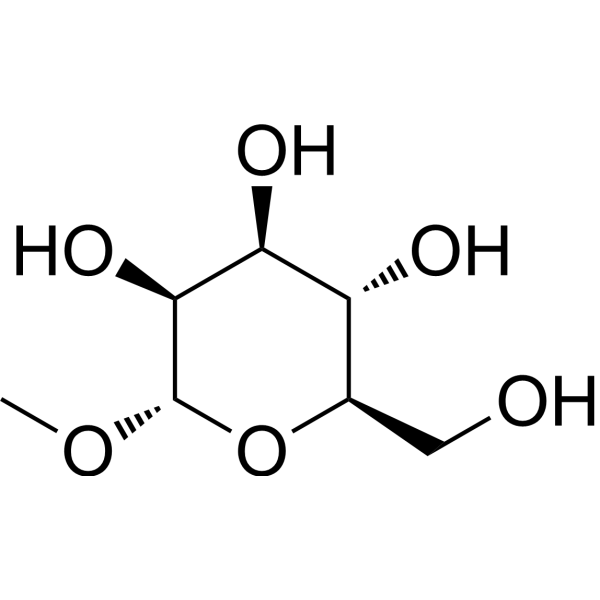
Cat. No.: HY-W039897
CAS No.: 617-04-9
Synonyms: α-Methyl-D-mannoside
Target:  

Bacterial

Research Areas:  

Infection

Methyl α-D-mannopyranoside (α-Methyl-D-mannoside) is a methyl glycoside derivative and conformational stabilizer of α-D-mannopyranose. The glycosidic bond conformation of Methyl α-D-mannopyranoside is significantly affected by the environment. In aqueous solution, Methyl α-D-mannopyranoside stabilizes into a trans conformation via intermolecular hydrogen bonds; in the gas phase, however, steric interactions drive Methyl α-D-mannopyranoside to prefer a clockwise gauche conformation. Methyl α-D-mannopyranoside also serves as a major component of secondary cell wall polymers in some bacteria and an active precursor site for virus-targeted glycoproteins. Methyl α-D-mannopyranoside acts as an acceptor substrate for alternansucrase, mediating the transfer of D-glucopyranosyl groups to generate a variety of glycosylated oligosaccharide products, with methyl α-D-glucopyranosyl-(1→6)-α-D-mannopyranoside as the main component. Methyl α-D-mannopyranoside is applicable to studies on bacterial pathogenic mechanisms associated with mannose-specific fimbrial lectins .
loading...
    loading...
1
1 Cited Publications
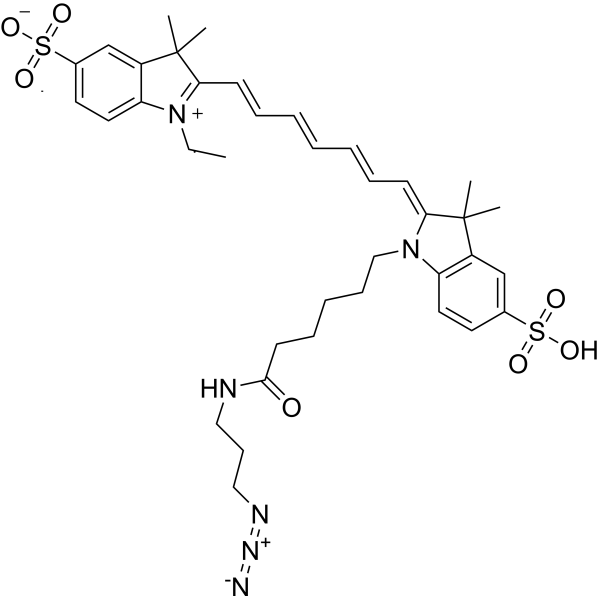
Cat. No.: HY-D1053
Synonyms: Sulfo-Cyanine7-N3
CY7-N3 (Sulfo-Cyanine7-N3) is a water-soluble NIR dye azide for Click Chemistry. It contains an azide group and can undergo copper-catalyzed azide-alkyne cycloaddition (CuAAc) with molecules containing alkyne groups. It can also undergo ring strain-promoted alkyne-azide cycloaddition (SPAAC) with molecules containing DBCO or BCN groups.
loading...
    loading...
Cat. No.: HY-Y0338
CAS No.: 107-21-1
Ethylene glycol is an organic compound that is often used as an antifreeze agent and coolant. Ethylene glycol lowers the freezing point by forming hydrogen bonds with water molecules, exerting antifreeze activity. Ethylene glycol is also used as a raw material in the synthesis of polymers such as polyester fibers and polyurethanes .
loading...
    loading...
Cat. No.: HY-W099535
CAS No.: 2044-56-6
Research Areas:  

Others

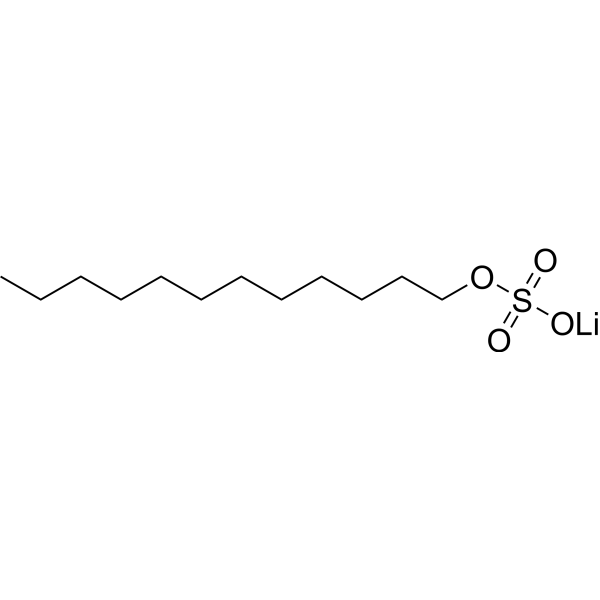
Lithium dodecyl sulfate is an anionic hydrocarbon surfactant with both surface tension reduction and interfacial adsorption capabilities. Lithium dodecyl sulfate forms micelles in aqueous solutions via entropy-driven (low temperature) and enthalpy-driven (high temperature) mechanisms, and can also form an adsorption layer at the air-water interface with quantifiable surface excess and minimum area per molecule. Lithium dodecyl sulfate exhibits favorable equilibrium surface tension and foamability, but shows low foam stability above its critical micelle concentration. When acting synergistically with tetrabutylammonium bromide, Lithium dodecyl sulfate also exhibits unique cloud point behavior due to micelle aggregation and phase separation .
loading...
    loading...
Cat. No.: HY-151708
CAS No.: 1798305-98-2
Purity:  97.8%
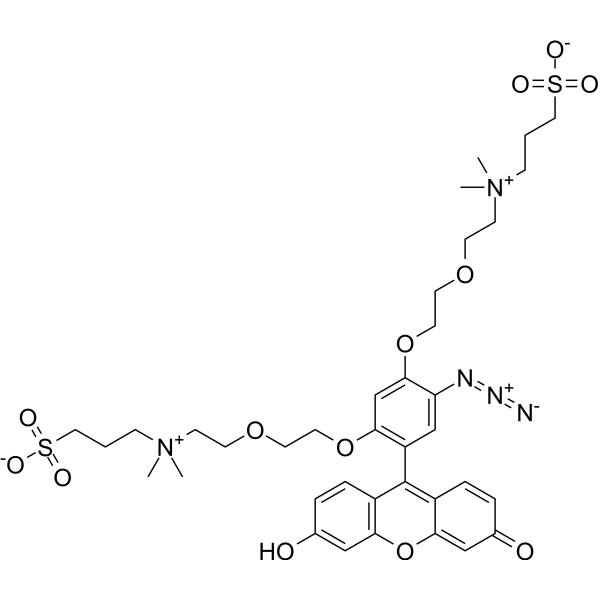
CalFluor 488 Azide is a water-soluble fluorogenic azide probe. CalFluor 488 Azide is activated by Cu-catalyzed or metal-free click reaction. CalFluor 488 Azide is not fluorescent until it is reacted with alkynes . It contains an azide group and can undergo copper-catalyzed azide-alkyne cycloaddition (CuAAc) with molecules containing alkyne groups. It can also undergo ring strain-promoted alkyne-azide cycloaddition (SPAAC) with molecules containing DBCO or BCN groups.
loading...
    loading...
Cat. No.: HY-112624C
CAS No.: 9004-54-0
Dextran (MW 40000) is a complex carbohydrate polymer consisting of glucose molecules linked by glycosidic bonds. Dextran has excellent solubility in water, making it useful as a viscosity modifier or stabilizer in foods, paints and adhesives. In the biomedical field, dextran is often used as a plasma expander because of its ability to increase blood volume when administered intravenously. It can also be modified to create dextran-based drug delivery systems, such as targeted nanoparticles.
loading...
    loading...
Cat. No.: HY-W040040
CAS No.: 17465-86-0
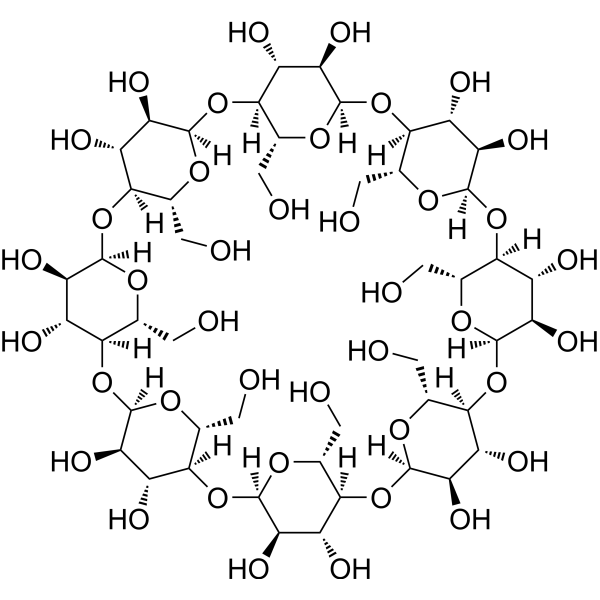
γ-Cyclodextrin is an orally active cyclic oligosaccharide composed of eight glucose molecules, which can be formed by bacteria digesting starch. γ-Cyclodextrin can form water-soluble inclusion complexes with a variety of poorly soluble compounds and is widely used in fields such as pharmacy and food. In addition, γ-Cyclodextrin has good safety .
loading...
    loading...
Cat. No.: HY-P2875
CAS No.: 9025-56-3
Research Areas:  

Others

Hemicellulase is a hemicellulose-targeting hydrolase that breaks down the binding of glucose and polymers to water molecules present in plant fibers. Hemicellulase specifically degrades hemicellulose (such as xylan and mannan) in plant cell walls by hydrolyzing β-1,4-xylosidic bonds and ester bonds (such as acetyl and ferulic acid ester bonds). Hemicellulase relies on the synergistic action of the glycoside hydrolase (GH) and carbohydrate esterase (CE) families to achieve efficient hydrolysis through acid-base catalysis (such as Glu/Asp residues) and substrate binding pockets. Hemicellulase can be used in the food industry (such as improving bread texture), biofuel production (lignocellulose pretreatment) and paper industry (biobleaching) .
loading...
    loading...
Cat. No.: HY-154487
CAS No.: 25637-84-7
Research Areas:  

Neurological Disease

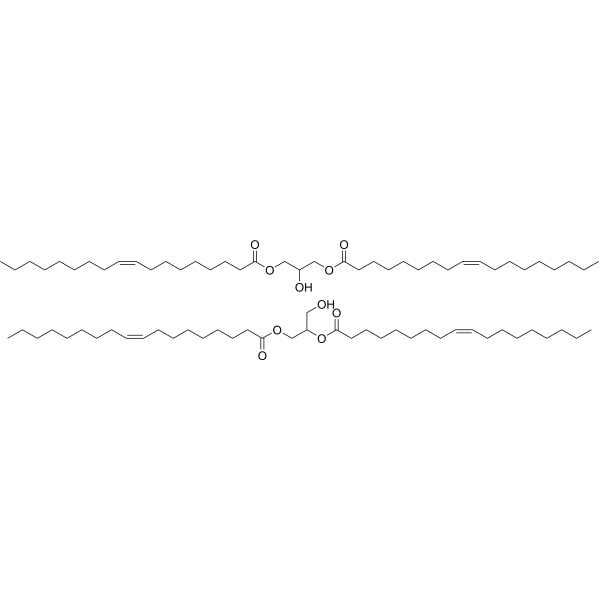
Glycerol dioleate is a lipid capable of forming Lyotropic Liquid Crystal (LLC). When formulated with phosphatidylcholine and exposed to aqueous media, glycerol dioleate constructs an inverted hexagonal (HII) phase structure with sustained-release properties. The in-situ forming gel prepared by optimizing glycerol dioleate with phosphatidylcholine and N-methyl-2-pyrrolidone enables stable release of Risperidone (HY-11018) for up to 60 days in vitro and in vivo. Glycerol dioleate causes minimal side effects in rabbits, making it an ideal carrier component for the development of antischizophrenia agents .Note: Lyotropic liquid crystals (Lyotropic Liquid Crystal, LLC) are ordered fluid phases self-assembled by amphipathic molecules (e.g., lipids, surfactants) in solvents (usually water) at specific concentrations .
loading...
    loading...
Cat. No.: HY-W048457
CAS No.: 12135-22-7
Synonyms: Pearlman's Catalyst (contains Pd, PdO) (wetted with ca. 55% water)
Research Areas:  

Others

Palladium hydroxide on activated carbon(20%)(wetted with ca. 55% Water) is a biological molecule.
loading...
    loading...
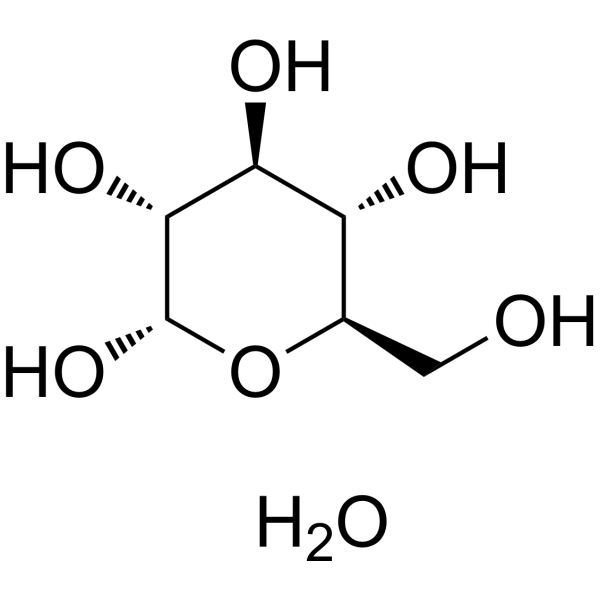
Cat. No.: HY-128417A
CAS No.: 14431-43-7
Purity:  ≥98.0%
alpha-D-glucose hydrate is a monosaccharide and the most common form of glucose. It is a monosaccharide, which means it cannot be broken down into simpler sugars. alpha-D-glucose plays a vital role in energy metabolism and is the primary source of energy for many cells in the body. It is also a building block of larger carbohydrates such as starch and glycogen. The "α" prefix refers to the orientation of the hydroxyl group attached to the first carbon atom. Alpha-D-glucose exists in solution as a hydrate, which means it is bound to water molecules.
loading...
    loading...
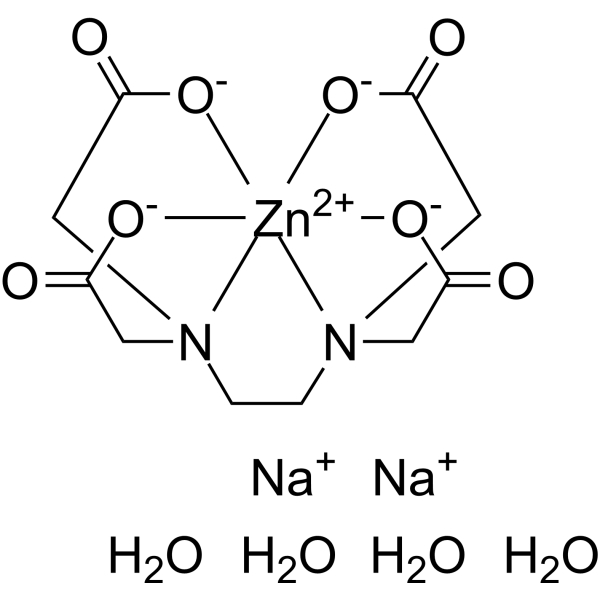
Cat. No.: HY-W127776
CAS No.: 176736-49-5
Synonyms: Ethylenediaminetetraacetic acid zinc disodium tetrahydrate
Zn(II)-EDTA (Ethylenediaminetetraacetic acid zinc) disodium tetrahydrate is a coordinating agent. Zn(II)-EDTA disodium tetrahydrate coordinates with Zn 2+ to modify its solvated structure, provides pre-synthesized EDTA-Zn complexes that release Zn 2+ to repair zinc anode defects under interfacial electric field, adsorbs onto zinc anode surface to block oxygen and water molecules, inhibits corrosion and hydrogen evolution reactions, promotes uniform Zn 2+ deposition, suppresses zinc dendrite formation, and modulates the hydrogen bonding network within the electrolyte. Zn(II)-EDTA disodium tetrahydrate acts as an electrolyte additive to enhance reversibility and stability of zinc anodes in aqueous zinc-ion batteries .
loading...
    loading...
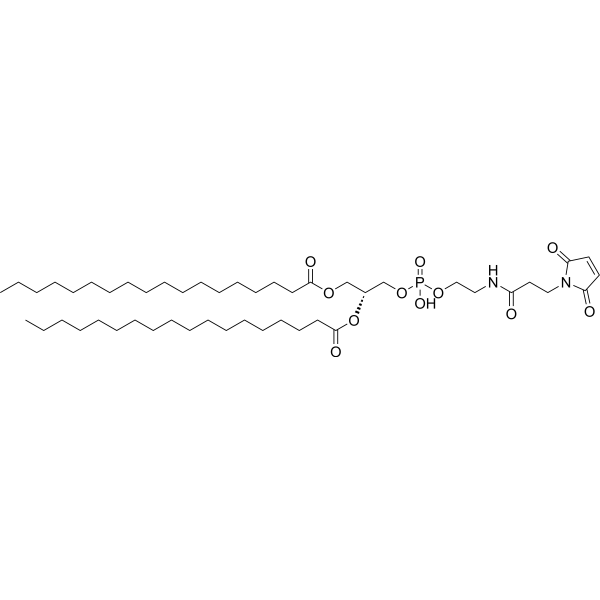
Cat. No.: HY-W441007
CAS No.: 1360858-99-6
Target:  

Liposome

Research Areas:  

Inflammation/Immunology Cancer

DSPE-MAL is a phospholipid compound with a maleimide reactive group. DSPE-MAL contains two saturated fatty acids and can self-assemble in water to form a lipid bilayer. DSPE-MAL can be used to prepare liposomes as nanocarriers for active molecules .
loading...
    loading...
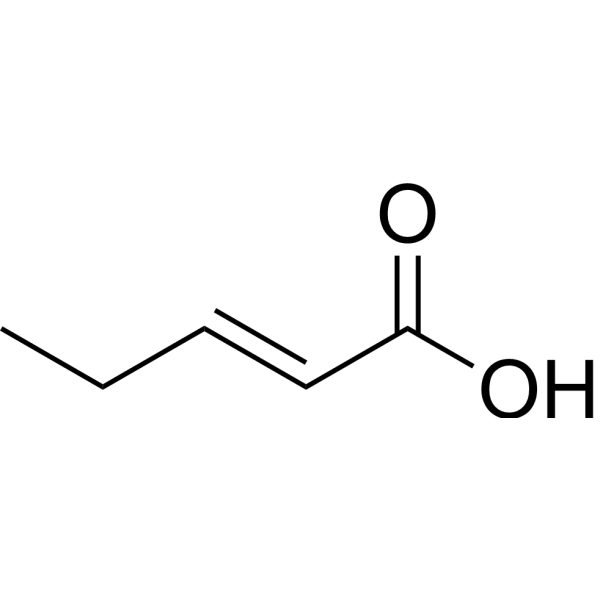
Cat. No.: HY-W061674
CAS No.: 13991-37-2
Synonyms: (E)-Pent-2-enoic acid
(2E)-Pent-2-enoic acid is an unsaturated carboxylic acid, it is also known as 2-pentenoic acid or crotonic acid, the "2E" designation indicates that the molecule has a trans double bond configuration, where the double bond The two carbon atoms on both sides are located on opposite sides, (2E)-Pent-2-enoic acid has a pungent odor, is miscible with water and most organic solvents, it is commonly used in organic synthesis as a variety of chemical reactions, including esterification, oxidation, and reduction, and in addition, its potential use as a flavoring agent in the food industry was investigated.
loading...
    loading...