



DL-Kynurenine

Based on 1 Customer Validation
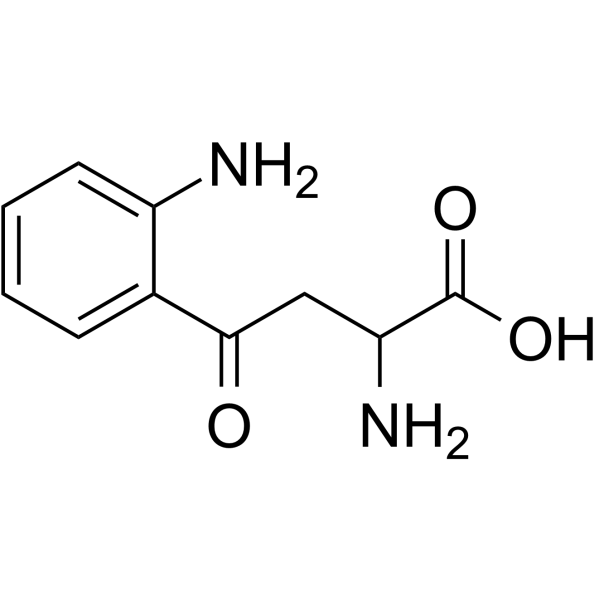
DL-Kynurenine is a key metabolite in the tryptophan metabolic pathway and can cross the blood-brain barrier. DL-Kynurenine has a bidirectional regulatory effect on neural excitability. DL-Kynurenine can enhance the convulsive and lethal effects caused by strychnine. DL-Kynurenine is the precursor of Kynurenic acid (HY-100806), which is an antagonist at the glycine site of NMDA receptors and can counteract excitatory toxins. DL-Kynurenine can be used for research on neurotoxicity.
For research use only. We do not sell to patients.
- Purity : 98.95%
- CAS No.: 343-65-7
- Formula: C10H12N2O3
- Molecular Weight:208.21
-
Storage:Powder -20°C, 3 years , 4°C, 2 years ; In solvent -80°C, 6 months , -20°C, 1 month

To place orders, for customer services and technical support, please contact: MedChemExpress USA
Tel: 609-228-6898 E-mail: [email protected] [email protected]


-
 Biological Activity
-
Chemical Information
-
Solvent & Solubility
- Purity & Documentation
- References
-
 Help & FAQs


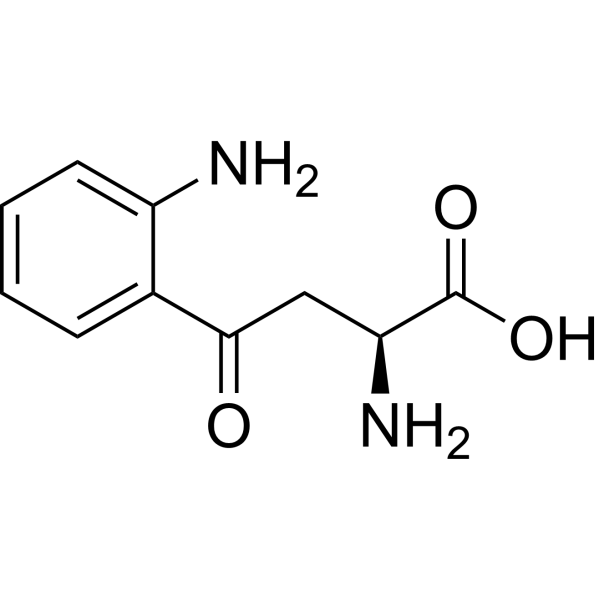
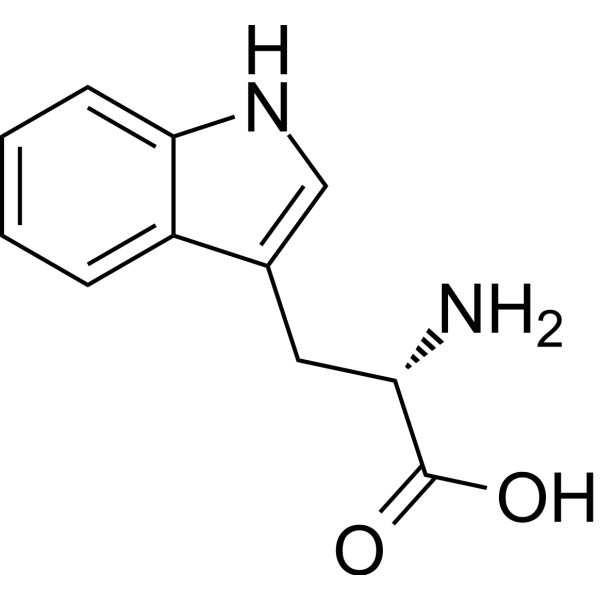
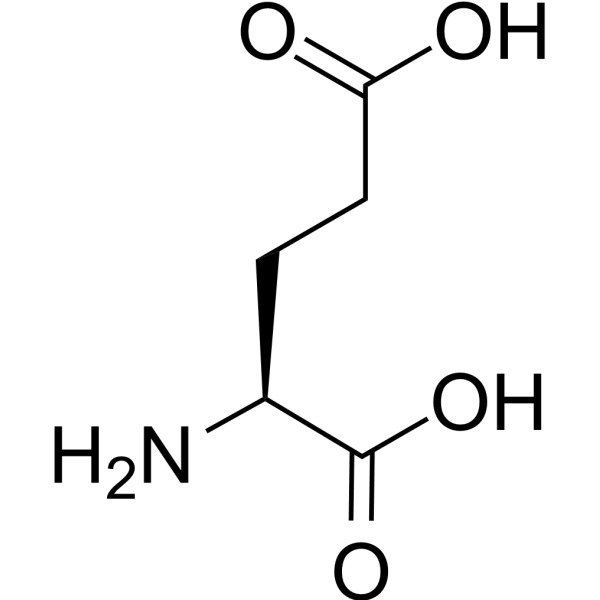
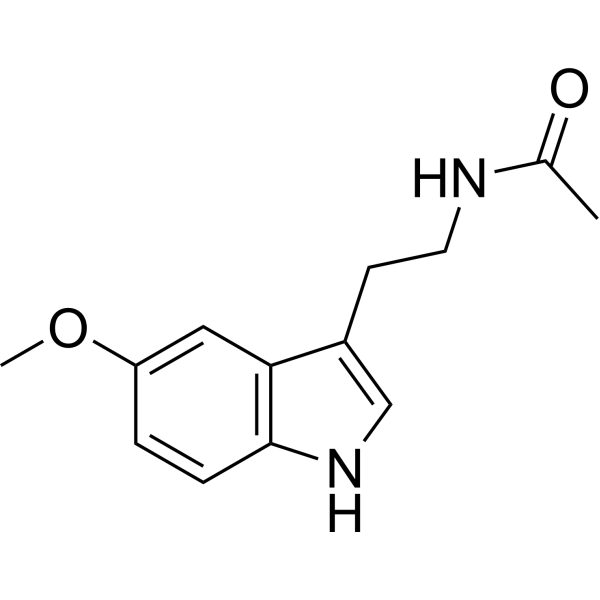
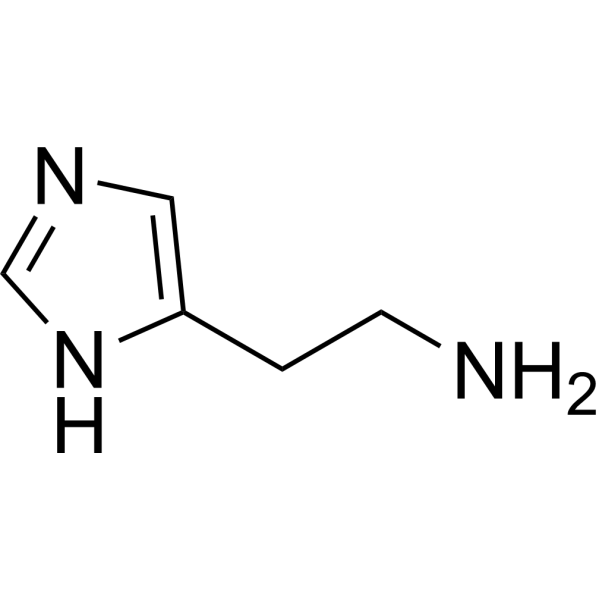
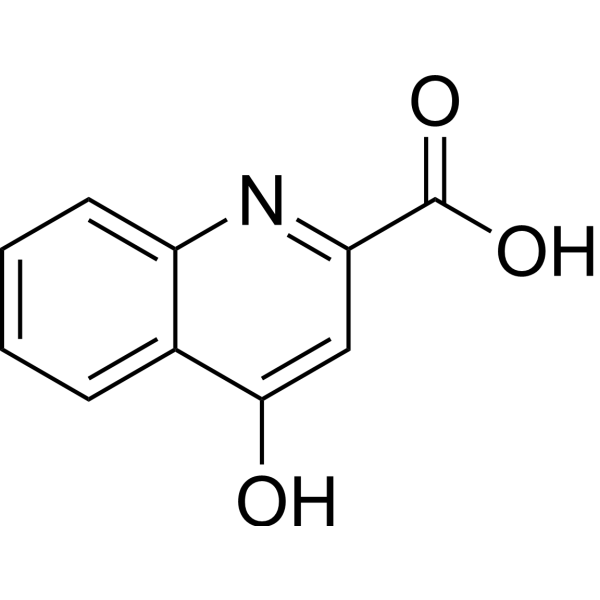
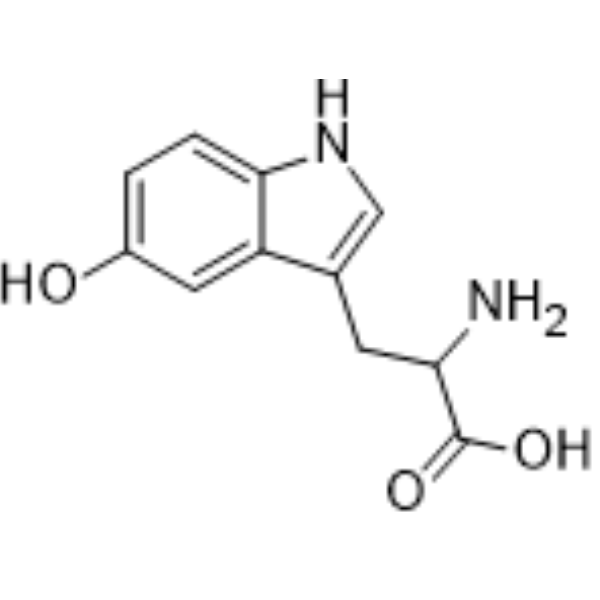
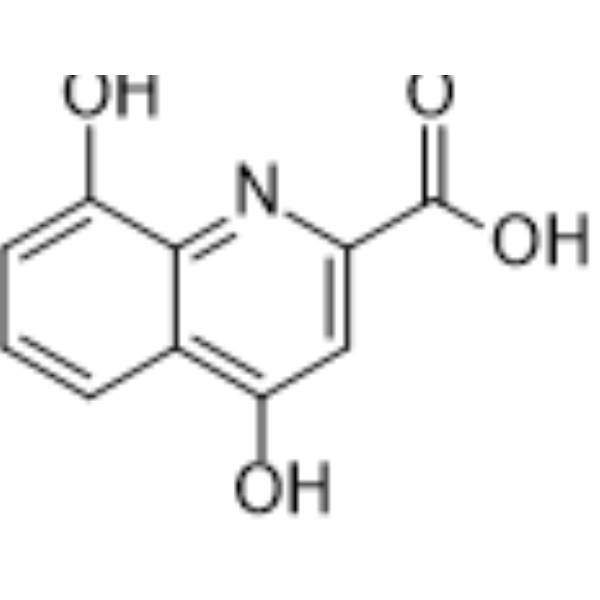

All Endogenous Metabolite Isoforms
More

Biological Activity
Description
In Vivo
DL-Kynurenine (0.1-40 μg/mice, 5 μL, i.c.v, single dose) significantly enhances the convulsive effect and mortality rate of Strychnine in mice[2].
DL-Kynurenine (25-100 mg/kg, i.p., single dose) prolongs the convulsive latency period of Strychnine, but does not alter the convulsive threshold[2].
MedChemExpress (MCE) has not independently confirmed the accuracy of these methods. They are for reference only.
-
Animal Model:Quinolinic acid induced dopamine system neurotoxicity model established by male Wistar rats (200-250 g)[1]
-
Dosage:150, 300, and 450 mg/kg
-
Administration:Intraperitoneal injection (i.p.), single dose
-
Result:Dose-dependently alleviated the motor behavior deficits, and its combined use with colchicine can enhance this effect.
Dose-dependently prevented the toxic damage of Quinolinic acid to GABAergic neurons.
-
Animal Model:Seizure models induced by three types of convulsant agents Albino SHR mice of both sexes weighing 18-22 g[2]
-
Dosage:0.1, 1, 4 and 40 μg/mice, 5 μL
-
Administration:Intraventricular injection (i.c.v.), single dose
-
Result:Selectively enhanced the convulsive and lethal effects of Strychnine.
Had no significant influence on convulsions caused by Pentylenetetrazol and Thiosemicarbazide (HY-Y0032).
-
Animal Model:Seizure models induced by three types of convulsant agents Albino SHR mice of both sexes weighing 18-22 g[2]
-
Dosage:25, 50, 100 mg/kg
-
Administration:Intraperitoneal injection (i.p.), single dose
-
Result:Extended the latency period of convulsions caused by Strychnine and Thiosemicarbazide.


Chemical Information
-
CAS No. 343-65-7
-
Appearance Solid
-
Molecular Weight 208.21
-
Formula C10H12N2O3
-
Color Off-white to yellow
-
SMILES
NC1=CC=CC=C1C(CC(N)C(O)=O)=O
-
Structure Classification
-
Initial Source
-
Shipping
Room temperature in continental US; may vary elsewhere.
-
Storage
Powder -20°C 3 years 4°C 2 years In solvent -80°C 6 months -20°C 1 month


Solvent & Solubility
In Vitro:
1M HCl : 20 mg/mL (96.06 mM; ultrasonic and warming and adjust pH to 1 with HCl and heat to 60°C)
Please refer to the solubility information to select the appropriate solvent. Once prepared, please aliquot and store the solution to prevent product inactivation from repeated freeze-thaw cycles.
Storage method and period of stock solution: -80°C, 6 months; -20°C, 1 month. When stored at -80°C, please use it within 6 months. When stored at -20°C, please use it within 1 month.
Please refer to the solubility information to select the appropriate solvent. Once prepared, please aliquot and store the solution to prevent product inactivation from repeated freeze-thaw cycles.
Storage method and period of stock solution: -80°C, 6 months; -20°C, 1 month. When stored at -80°C, please use it within 6 months. When stored at -20°C, please use it within 1 month.
Concentration (start) × Volume (start) = Concentration (final) × Volume (final)


Purity & Documentation
References
[1]. Santamaría A, et al. Systemic DL-kynurenine and probenecid pretreatment attenuates quinolinic acid-induced neurotoxicity in rats. Neuropharmacology. 1996 Jan;35(1):23-8. [Content Brief]
[2]. Lapin IP. Effect of kynurenine and quinolinic acid on the action of convulsants in mice. Pharmacol Biochem Behav. 1980 Jul;13(1):17-20. [Content Brief]


Complete Stock Solution Preparation Table
Please refer to the solubility information to select the appropriate solvent. Once prepared, please aliquot and store the solution to prevent product inactivation from repeated freeze-thaw cycles.
Storage method and period of stock solution: -80°C, 6 months; -20°C, 1 month. When stored at -80°C, please use it within 6 months. When stored at -20°C, please use it within 1 month.
| Optional Solvent | Concentration Solvent Mass | 1 mg | 5 mg | 10 mg | 25 mg |
|---|---|---|---|---|---|
| 1M HCl | 1 mM | 4.8028 mL | 24.0142 mL | 48.0284 mL | 120.0711 mL |
| 5 mM | 0.9606 mL | 4.8028 mL | 9.6057 mL | 24.0142 mL | |
| 10 mM | 0.4803 mL | 2.4014 mL | 4.8028 mL | 12.0071 mL | |
| 15 mM | 0.3202 mL | 1.6009 mL | 3.2019 mL | 8.0047 mL | |
| 20 mM | 0.2401 mL | 1.2007 mL | 2.4014 mL | 6.0036 mL | |
| 25 mM | 0.1921 mL | 0.9606 mL | 1.9211 mL | 4.8028 mL | |
| 30 mM | 0.1601 mL | 0.8005 mL | 1.6009 mL | 4.0024 mL | |
| 40 mM | 0.1201 mL | 0.6004 mL | 1.2007 mL | 3.0018 mL | |
| 50 mM | 0.0961 mL | 0.4803 mL | 0.9606 mL | 2.4014 mL | |
| 60 mM | 0.0800 mL | 0.4002 mL | 0.8005 mL | 2.0012 mL | |
| 80 mM | 0.0600 mL | 0.3002 mL | 0.6004 mL | 1.5009 mL |


DL-Kynurenine Related Classifications
HY-W014504 Related Classifications
 Powered by Bioz