



Epibrassinolide
Based on 17 publication(s) in Google Scholar
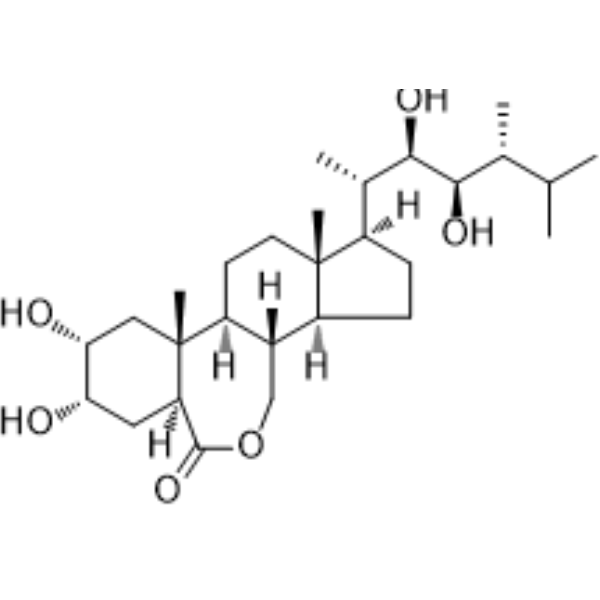
Epibrassinolide (24-Epibrassinolide) is a ubiquitously occurring plant growth hormone which shows great potential to alleviate heavy metals and pesticide stress in plants. Epibrassinolide is a potential apoptotic inducer in various cancer cells without affecting the non-tumor cell growth.
For research use only. We do not sell to patients.
- Purity : 99.91%
- CAS No.: 78821-43-9
- Formula: C28H48O6
- Molecular Weight:480.68
-
Storage:Powder -20°C, 3 years , 4°C, 2 years ; In solvent -80°C, 2 years , -20°C, 1 year

To place orders, for customer services and technical support, please contact: MedChemExpress USA
Tel: 609-228-6898 E-mail: [email protected] [email protected]


-
 Biological Activity
-
Chemical Information
-
Solvent & Solubility
- Protocols
- Purity & Documentation
- References
-
 Help & FAQs


-
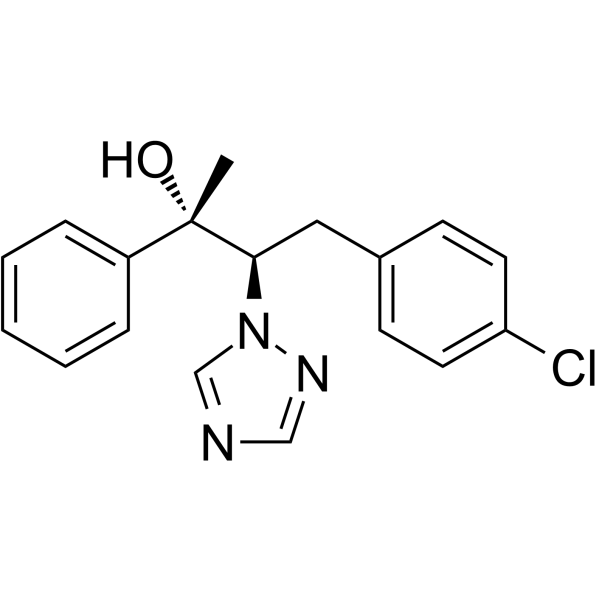
HY-121161A
BrassinazoleBrassinosteroid Biosynthesis Inhibitor -
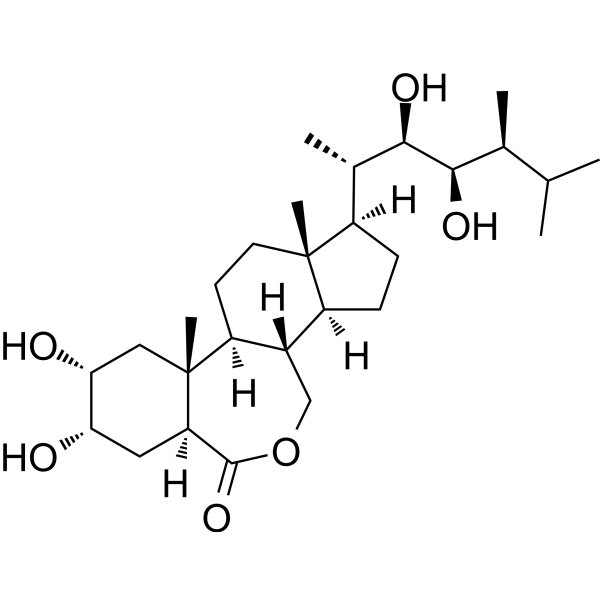
HY-N0273
BrassinolideApoptosis Inducer -
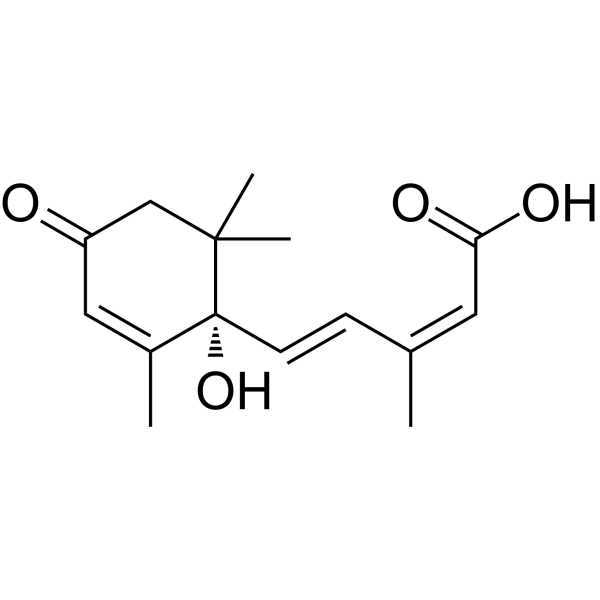
HY-100560
Abscisic acidPlant Hormone -
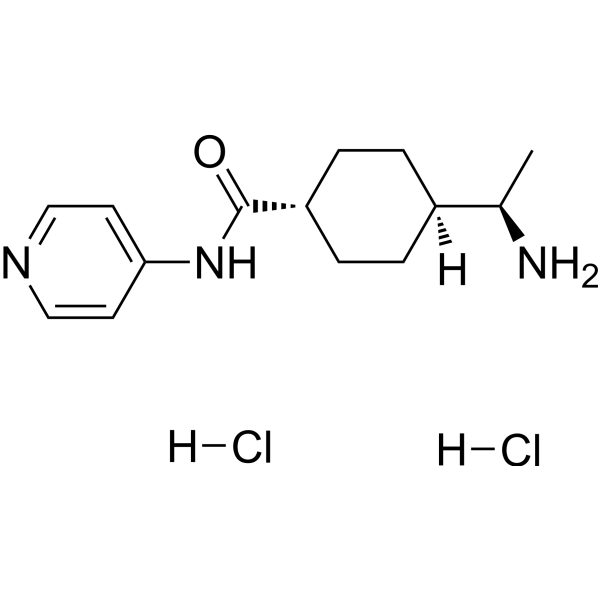
HY-10583
Y-27632 dihydrochlorideROCK Inhibitor -

HY-N0848R
Epibrassinolide (Standard)Apoptosis Inducer -
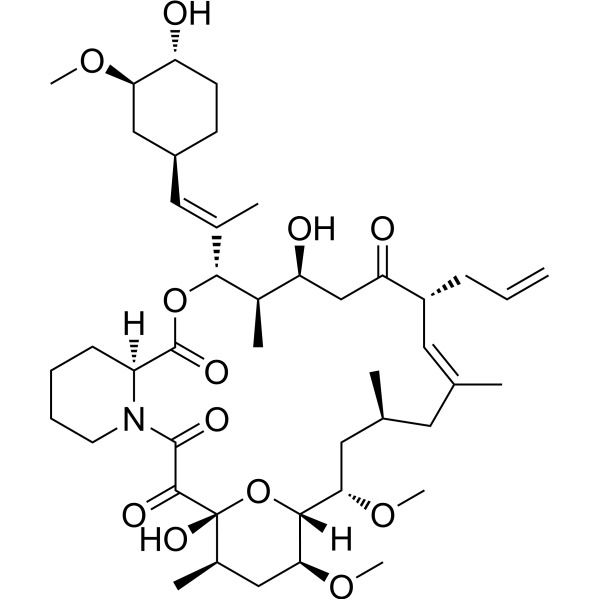
HY-13756
TacrolimusCalcineurin Inhibitor -
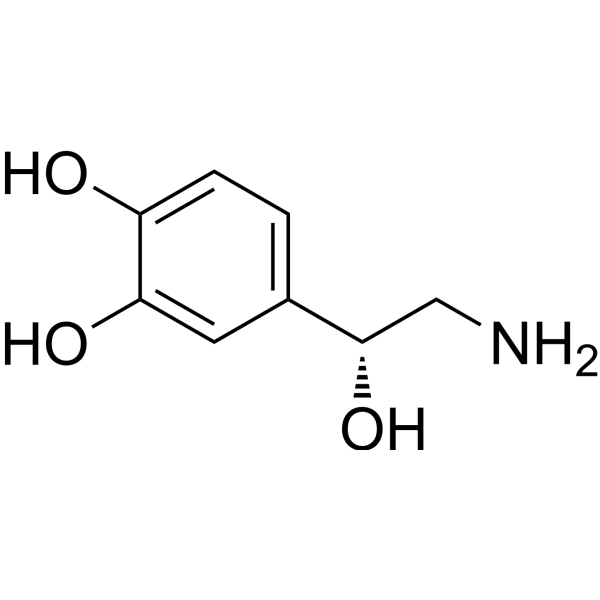
HY-13715
NorepinephrineAdrenergic Receptor Agonist -
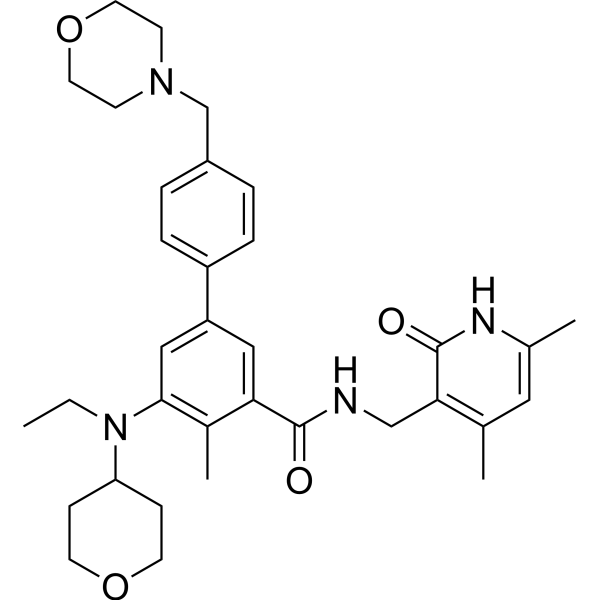
HY-13803
TazemetostatEZH2 Inhibitor -
HY-18739
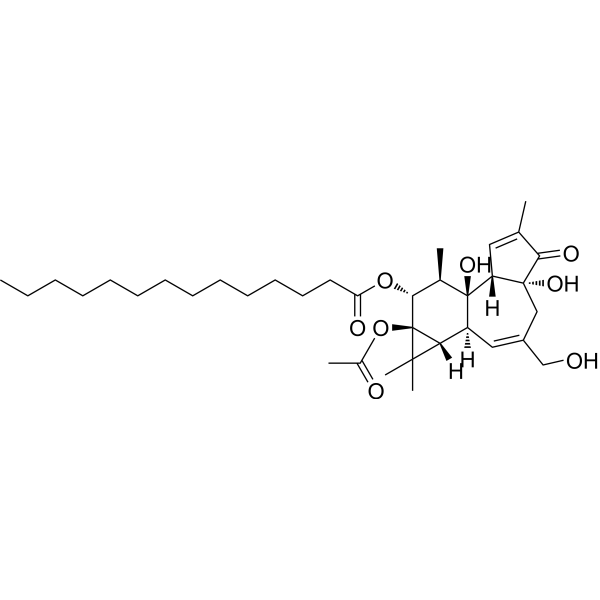
Phorbol 12-myristate 13-acetatePKC Activator -
HY-Y0873
PEG300Neutral Polymer
Publications Citing Use of MedChemExpress (MCE) Epibrassinolide
More- Nat Commun. 2024 Oct 3;15(1):8565. [Abstract]
- Dev Cell. 2021 May 3;56(9):1283-1295.e5. [Abstract]
- Bioresour Technol. 2018 Jul:260:124-129. [Abstract]
- Bioresour Technol. 2015 Sep:191:362-8. [Abstract]
- Plant Stress. 2025 Jun.
- Postharvest Biol Technol. 2024 May, 211, 112832.
- PLoS Biol. 2025 Apr 21;23(4):e3003139. [Abstract]
- Algal Res. 2015 Sep;11:284-293.
- Horticulturae. 2022, 8(12), 1115
- Drug Test Anal. 2021 Feb;13(2):283-298. [Abstract]
- HortScience. 11 Nov 2021.
- Ornam Hortic. 2026 Jun 18;32.
- Chem Nat Compd. 2024 Mar 26.
- Res Sq. 2026 Jan 27.
- bioRxiv. 2024 Jan 11.
- Research Square Print. 2023 Mar 2.
- Agrosystems, Geosciences & Environment. 12 July 2021.
 Customer Validation & Images

-
Bio/Physico-chemical Assay
-
In Vivo Imaging
-
WB
-
Cell Imaging/Staining
-
Cell Proliferation/Viability Assay


Biological Activity
Description
IC50 & Target
Plant growth regulator, Apoptosis inducer[1]
In Vitro
Epibrassinolide (EBR) is a biologically active compound of the brassinosteroids, steroid-derived plant growth regulator family. Cells are incubated with various doses (0-100 μM) of Epibrassinolide for 24 or 48 h and cell viability is determined by MTT assay. Epibrassinolide induced cell viability loss in dose- and time-dependent manner compared to untreated samples in LNCaP and DU145 prostate cancer cells. Increasing concentrations of Epibrassinolide is more effective on LNCaP cell viability loss than DU145 cells suggesting that androgen-dependent cells are more sensitive to Epibrassinolide than androgen-independent prostate cancer cells. In further experiments, 25 μM Epibrassinolide is selected due to its moderate cytotoxic effect on both cell lines. The effect of Epibrassinolide treatment is examined on cell proliferation by counting the cell number within 96 h. A higher and earlier inhibition of cell proliferation is observed in LNCaP than DU145 cells[1].
MedChemExpress (MCE) has not independently confirmed the accuracy of these methods. They are for reference only. Further protocols information, click here.


Chemical Information
-
CAS No. 78821-43-9
-
Appearance Solid
-
Molecular Weight 480.68
-
Formula C28H48O6
-
Color White to off-white
-
SMILES
C[C@@]1([C@@]2([H])[C@H](C)[C@@H](O)[C@H](O)[C@H](C)C(C)C)[C@](CC2)([H])[C@@](COC3=O)([H])[C@]([C@@]4([C@]3([H])C[C@H](O)[C@H](O)C4)C)([H])CC1
-
Synonyms
24-Epibrassinolide; B1105; BP55
-
Structure Classification
-
Initial Source
-
Shipping
Room temperature in continental US; may vary elsewhere.
-
Storage
Powder -20°C 3 years 4°C 2 years In solvent -80°C 2 years -20°C 1 year


Publications (17)
-
Journal Impact Factor
-
Most Recent
-
Nat Commun
2024 Oct 3;15(1):8565. PMID: 39362889
Epibrassinolide purchased from MedChemExpress. Usage Cited in: Nat Commun. 2024 Oct 3;15(1):8565. [Abstract]
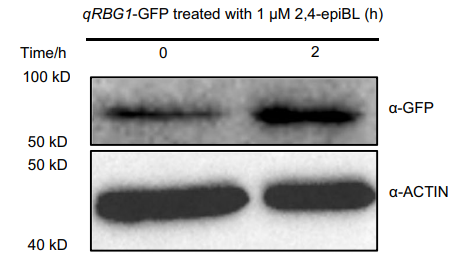
Effects of 2,4-epiBL (Epibrassinolide,1 μM; 2 h) on the protein stability of qRBG1 in qRBG1-GFP plants. The results showed that an exogenous Epibrassinolide treatment promoted the accumulation of qRBG1-GFP protein in the transgenic plants
-
Dev Cell
2021 May 3;56(9):1283-1295.e5. PMID: 33831352 -
Bioresour Technol
2018 Jul:260:124-129. PMID: 29625283 -
Bioresour Technol
Identification and metabolomic analysis of chemical modulators for lipid accumulation in Crypthecodinium cohnii. [Abstract]2015 Sep:191:362-8. PMID: 25818259 -
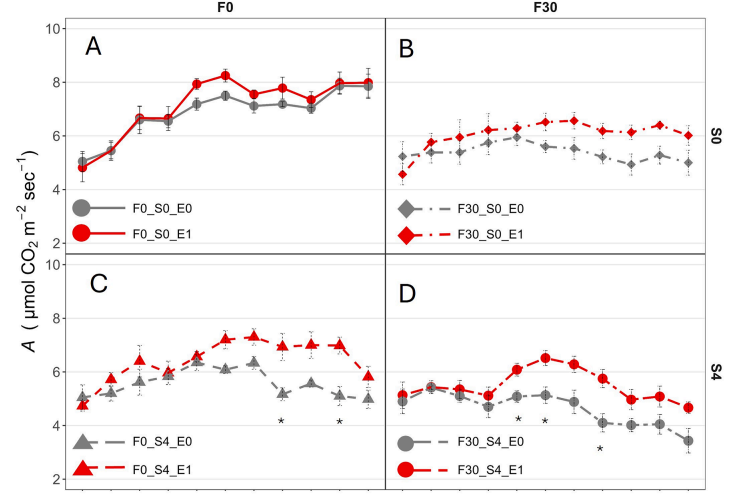
Epibrassinolide purchased from MedChemExpress. Usage Cited in: Plant Stress. 2025 Jun.
Difference in net CO2 assimilation (A) of G. humilis as affected by Epibrassinolide (EB) (2 nM) priming in each of four flooding + salinity treatments. The flooding + salinity treatments were: no flooding, low salinity with electrical conductivity of the soil solution ∼ 0 dSm-1 (F0_S0); no flooding, high salinity with electrical conductivity of the soil solution = 4 dSm-1 (F0_S4); 30 days of flooding, low salinity (F30_S0); and 30 days of flooding, high salinity (F30_S4). The EB treatments were no EB priming (E0) and EB priming (E1). Asterisks indicate significant differences among EB treatments (P ≤ 0.05).
-
Epibrassinolide purchased from MedChemExpress. Usage Cited in: Postharvest Biol Technol. 2024 May, 211, 112832.
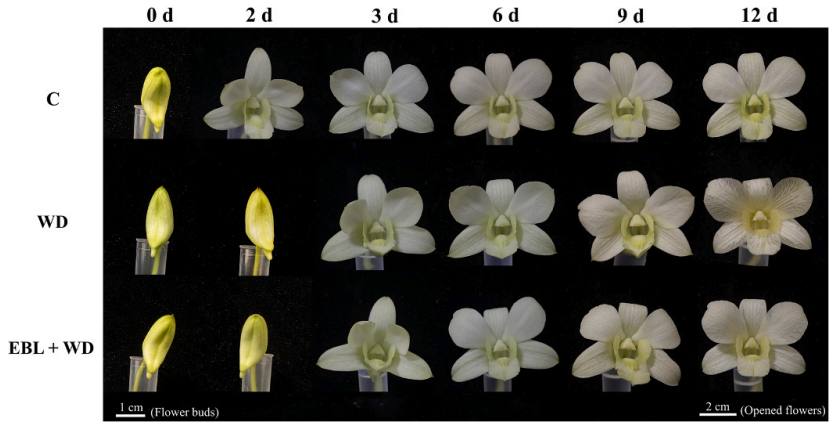
Morphological changes of cut Dendrobium ‘Khao Sanan’ flowers under unstressed condition (C), water deficit for 2 d (WD), and 8 Epibrassinolide (EBL) (5 µM; 1 h) treatment before exposure to water deficit (EBL + WD) conditions during storage. Under water deficit stress, cut flowers of Dendrobium 'Khao Sanan' exhibited senescence phenotypes such as venation appearance on day 6; the senescence became aggravated with color alteration and wilting on day 9, and further developed water-soaked damage on day 12. Pretreatment with EBL markedly delayed the onset of various senescence symptoms in cut flowers under water deficit stress.
-
PLoS Biol
Polarized subcellular activation of Rho proteins by specific ROPGEFs drives pollen germination in Arabidopsis thaliana. [Abstract]2025 Apr 21;23(4):e3003139. PMID: 40258071
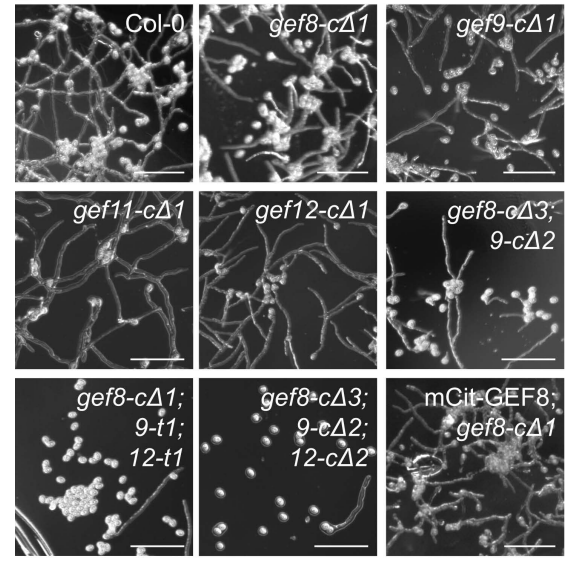
Epibrassinolide purchased from MedChemExpress. Usage Cited in: PLoS Biol. 2025 Apr 21;23(4):e3003139. [Abstract]
Representative images of in vitro germinated pollen 4 h after imbibition on PGM. Imaging of in vitro pollen germination was done at 22 °C on solid PGM, containing 1.5% agarose (w/v, 10% sucrose (w/v), 0.01% boric acid (w/v), 5 mM CaCl2, 5 mM KCl, 1 mM MgSO4, adjusted to pH = 7.5 using 100 mM KOH and supplemented with 10 µM Epibrassinolide.
-
-
Epibrassinolide purchased from MedChemExpress. Usage Cited in: Horticulturae. 2022, 8(12), 1115
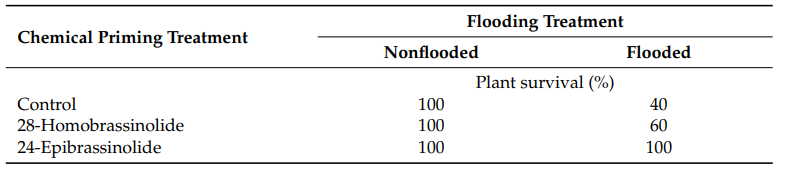
Survival of 'Monroe' avocado seedling trees treated with brassinosteroids (Epibrassinolide (1 nM), etc.) and either flooded or nonflooded
-
Drug Test Anal
High-throughput liquid chromatography tandem mass spectrometry assay as initial testing procedure for analysis of total urinary fraction. [Abstract]2021 Feb;13(2):283-298. PMID: 32852861 -
-
-
-
-
-
-


Solvent & Solubility
In Vitro:
DMSO : 100 mg/mL (208.04 mM; Need ultrasonic; Hygroscopic DMSO has a significant impact on the solubility of product, please use newly opened DMSO)
Please refer to the solubility information to select the appropriate solvent. Once prepared, please aliquot and store the solution to prevent product inactivation from repeated freeze-thaw cycles.
Storage method and period of stock solution: -80°C, 2 years; -20°C, 1 year. When stored at -80°C, please use it within 2 years. When stored at -20°C, please use it within 1 year.
Please refer to the solubility information to select the appropriate solvent. Once prepared, please aliquot and store the solution to prevent product inactivation from repeated freeze-thaw cycles.
Storage method and period of stock solution: -80°C, 2 years; -20°C, 1 year. When stored at -80°C, please use it within 2 years. When stored at -20°C, please use it within 1 year.
Concentration (start) × Volume (start) = Concentration (final) × Volume (final)

Protocols
-
Apoptosis
Apoptosis, also called programmed cell death, is generally characterized by distinct morphological characteristics.
-
Protocol for Cell Counting and Cell Density Analysis
Cell counting and cell-density analysis estimate the number of cells in a known volume or field area. Manual hemocytometer counting uses a chamber of defined geometry to convert counted cells into cells/mL, while automated counters and image-analysis workflows detect cell objects from optical, brightfield, fluorescence, impedance, or digital-image features. Trypan blue viability counting is based on dye exclusion: viable cells with intact membranes exclude dye, while non-viable cells with compromised membranes stain blue. The readout is total cell density, viable-cell density, dead-cell density, and percent viability. Cell density can also be estimated from microscopy images by counting objects per image area, from flow cytometry using calibrated volume or reference particles, or from in situ microscopy in bioreactors after calibration against reference methods such as hemocytometer or flow cytometry.
-
Research Protocol for Endocrine Diseases
Endocrine diseases often arise from disrupted hormone production, hormone signaling, or target-tissue responsiveness; for diabetes-focused endocrine disease models, insulin signaling regulates glucose uptake, hepatic glucose output, lipid metabolism, and β-cell compensation. Type 2 diabetes develops through interacting defects in insulin resistance, β-cell dysfunction, adipose inflammation, hepatic glucose overproduction, altered incretin signaling, and ectopic lipid metabolism. A major unresolved question is whether endocrine dysfunction is driven primarily by target-tissue insulin resistance, intrinsic β-cell failure, immune/inflammatory stress, or combined multi-organ failure that differs by disease stage.
-
Somatic Cell Culture
A method of simulating the in vivo environment in vitro to maintain the cell growth, differentation and main functions.
-
Apoptosis Solutions
Apoptosis is a regulated, generally non-lytic cell-death pathway that removes unwanted, damaged, infected, or abnormal cells through coordinated morphological changes, caspase activation, DNA fragmentation, and membrane remodeling. The intrinsic apoptosis pathway is controlled mainly by mitochondrial outer membrane permeabilization, BCL-2 family proteins, cytochrome c release, apoptosome formation, caspase-9 activation, and downstream executioner caspase-3/7 activation. The extrinsic apoptosis pathway is initiated by death receptors such as Fas, TNFR, and TRAIL receptors, which recruit adaptor proteins and activate caspase-8 before engaging executioner caspases or mitochondrial amplification through BID cleavage. Apoptosis is linked to many phenotypes, including cancer cell killing, tissue homeostasis, immune regulation, neurodegeneration, infection response, and treatment-induced cytotoxicity; unresolved questions include how apoptosis interacts with necroptosis, pyroptosis, ferroptos
-
CCK-8/WST-8 Cell Proliferation Assay
The CCK-8/WST-8 assay is based on the reduction of the water-soluble tetrazolium salt WST-8 to a water-soluble formazan product by cellular dehydrogenases in metabolically active cells, where the generated formazan amount is proportional to the number of living cells and is quantified by measuring absorbance in the visible range, providing a colorimetric readout for cell viability and proliferation assessment. This class of tetrazolium-based assays improves upon earlier MTT-based systems by producing a water-soluble formazan, eliminating the need for organic solubilization steps and enabling direct spectrophotometric measurement in culture medium.
-
Cell Counting-Based Growth Curve Assay
Cell counting-based growth curve assays quantify cell proliferation by directly measuring changes in viable cell number over time using manual or automated counting methods such as hemocytometer-based counting or instrument-assisted cell enumeration, enabling construction of growth curves that reflect population expansion dynamics in response to culture conditions. A widely used approach is trypan blue exclusion with hemocytometer counting, where membrane-compromised (non-viable) cells take up the dye, allowing discrimination between viable and non-viable cells while simultaneously enabling total cell number quantification. Repeated sampling across time points allows estimation of proliferation rate, growth phases, and comparative growth kinetics between experimental conditions.
-
MTT Cell Proliferation Assay
The MTT assay is a colorimetric endpoint assay for estimating viable cell number, cell growth, cytotoxicity, or cell activation in cultured mammalian cells. Living cells reduce the yellow tetrazolium salt MTT into purple/blue formazan, while dead cells do not generate the same signal; the resulting color can be quantified with a multiwell spectrophotometer. MTT reduction is commonly interpreted as a readout of metabolic activity that often correlates with viable cell number, but it should not be treated as a direct cell-counting method unless the assay is optimized for the cell type and experimental condition. Studies show that MTT reduction can involve mitochondrial and non-mitochondrial reducing systems, and formazan may accumulate in intracellular lipid droplets rather than simply marking mitochondria.
-
Cell Viability Determination by MTT Colorimetric Assay
The following protocol uses the MTT colorimetric assay as a classic literature-established method for assessing cell viability/metabolic activity in cultured mammalian cells. MTT[3-(4,5-dimethylthiazol-2-yl)-2,5-diphenyltetrazolium bromide] is reduced by metabolically active cells to a colored formazan product; the amount of formazan is quantified spectrophotometrically and provides an indirect measure of metabolically active viable cells. Importantly, MTT reduction reflects cellular oxidoreductase/metabolic activity rather than an absolute direct count of living cells, so changes in cellular metabolism can alter the signal independently of cell number.


Purity & Documentation
-
Data Sheet (278 KB)
-
SDS (396 KB)
- English - EN (396 KB)
- Français - FR (396 KB)
- Deutsch - DE (396 KB)
- Norwegian - NO (396 KB)
- Español - ES (396 KB)
- Swedish - SV (396 KB)
- Italian - IT (396 KB)
- Korean - KR (396 KB)
- Portuguese - PT (396 KB)
-
Handling Instructions (2659 KB)
References
[1]. Shahzad B, et al. Role of 24-epibrassinolide (EBL) in mediating heavy metal and pesticide induced oxidative stress in plants: A review. Ecotoxicol Environ Saf. 2018 Jan;147:935-944. [Content Brief]
[2]. Obakan P, et al. Activation of polyamine catabolic enzymes involved in diverse responses against epibrassinolide-induced apoptosis in LNCaP and DU145 prostate cancer cell lines.Amino Acids. 2014 Mar;46(3):553-64. [Content Brief]


Complete Stock Solution Preparation Table
Please refer to the solubility information to select the appropriate solvent. Once prepared, please aliquot and store the solution to prevent product inactivation from repeated freeze-thaw cycles.
Storage method and period of stock solution: -80°C, 2 years; -20°C, 1 year. When stored at -80°C, please use it within 2 years. When stored at -20°C, please use it within 1 year.
| Optional Solvent | Concentration Solvent Mass | 1 mg | 5 mg | 10 mg | 25 mg |
|---|---|---|---|---|---|
| DMSO | 1 mM | 2.0804 mL | 10.4019 mL | 20.8039 mL | 52.0097 mL |
| 5 mM | 0.4161 mL | 2.0804 mL | 4.1608 mL | 10.4019 mL | |
| 10 mM | 0.2080 mL | 1.0402 mL | 2.0804 mL | 5.2010 mL | |
| 15 mM | 0.1387 mL | 0.6935 mL | 1.3869 mL | 3.4673 mL | |
| 20 mM | 0.1040 mL | 0.5201 mL | 1.0402 mL | 2.6005 mL | |
| 25 mM | 0.0832 mL | 0.4161 mL | 0.8322 mL | 2.0804 mL | |
| 30 mM | 0.0693 mL | 0.3467 mL | 0.6935 mL | 1.7337 mL | |
| 40 mM | 0.0520 mL | 0.2600 mL | 0.5201 mL | 1.3002 mL | |
| 50 mM | 0.0416 mL | 0.2080 mL | 0.4161 mL | 1.0402 mL | |
| 60 mM | 0.0347 mL | 0.1734 mL | 0.3467 mL | 0.8668 mL | |
| 80 mM | 0.0260 mL | 0.1300 mL | 0.2600 mL | 0.6501 mL | |
| 100 mM | 0.0208 mL | 0.1040 mL | 0.2080 mL | 0.5201 mL |


Epibrassinolide Related Classifications
HY-N0848 Related Classifications
 Powered by Bioz