Autophagy
Autophagy is a conserved cellular degradation and recycling process in the lysosome. In mammalian cells, there are three primary types of autophagy: microautophagy, macroautophagy, and chaperone-mediated autophagy (CMA). Microphagy captures cargoes by means of invaginations or protrusions of the lysosomal membrane directly, CMA uses chaperones to identify cargo proteins and then unfolds and transfers them into the lysosomal, while macroautophagy sequesters cargo by autophagosomes-de novo synthesized of double-membrane vesicles-and subsequently transport it to the lysosome.
Macroautophagy is the best studied and it occurs at a low level constitutively and can also be further induced under stress conditions, such as nutrient or energy starvation with a salient feature of autophagy protein degradation. Stress-induced macrophagy plays an important role in protein catabolism with another key protein degradation pathway, the ubiquitin–proteasome system (UPS).
As the study progressed, autophagy gains its importance under basal, nutrient-rich conditions, and is now recognized as a critical housekeeping pathway in catabolism of diverse cellular constituents, such as protein aggregates (aggrephagy), lipid droplets (lipophagy), iron complex (Ferritinophagy) and carbohydrate. Except for macromolecules, autophagy can also target several organelles and structures, such as mitochondria (mitophagy), peroxisome (pexophagy), endoplasmic reticulum (reticulophagy or ER-phagy), ribosome (ribophagy), spermatozoon-inherited organelles following fertilization (allophagy), secretory granules within pancreatic cells (zymophagy) and intracellular pathogens (xenophagy).
Autophagy and its dysfunction are associated with a variety of human pathologies, including ageing, cancer, neurodegenerative disease, heart disease and metabolic diseases, such as diabetes. Plenty of drugs and natural products are involved in autophagy modulation through multiple signaling pathways. Small molecules that can regulate autophagy seem to have great potential to intervene such diseases in animal models or clinical courses.
All Product Categories
-
Autophagy Inhibitors
(468)
View all products
-
Autophagy Agonists
(6)
View all products
-
Autophagy Activators
(125)
View all products
-
Autophagy Modulators
(59)
View all products
-
Autophagy Chemicals
(2)
View all products
-
Autophagy Inducers
(2173)
View all products
-
Autophagy Controls
(5)
View all products
-
Autophagy Ligand
(1)
View all products
-
Autophagy Related Products (3368)
Related Products (3368)

-
Antibodies (31)
-
Autophagy Signaling Pathway
-
UNC1999
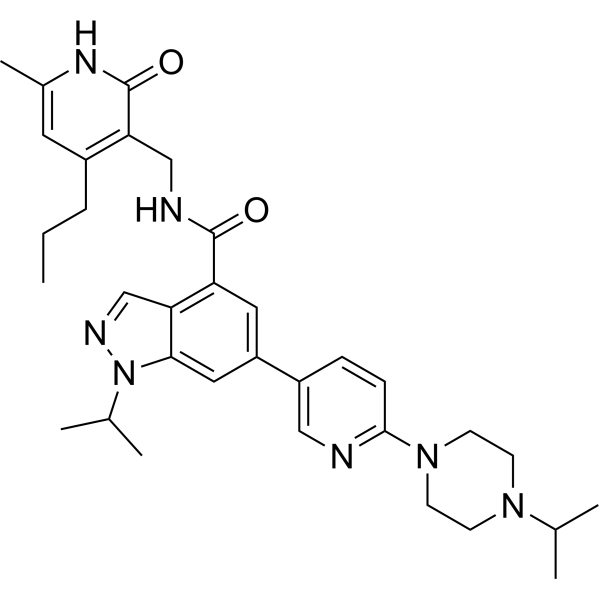 0 ImagesUNC1999, a chemical probe, is a SAM-competitive, potent and selective inhibitor of EZH2/1 with IC50s of <10 nM and 45 nM, repectively.
-
Crenolanib
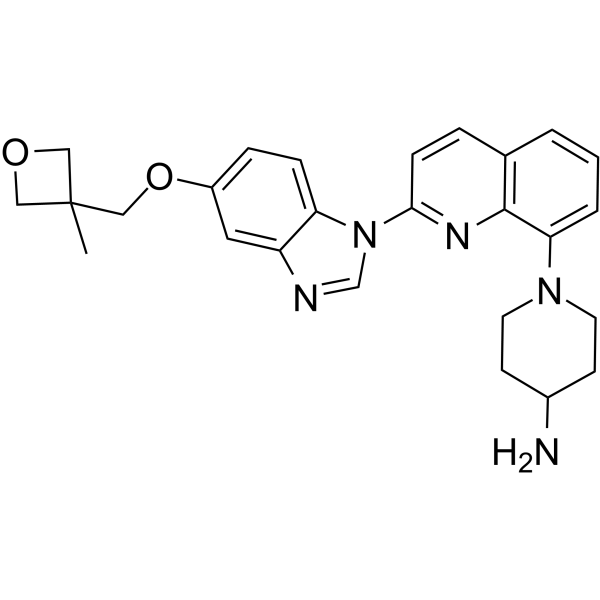 0 ImagesSynonyms: CP-868596
-
Sunitinib Malate
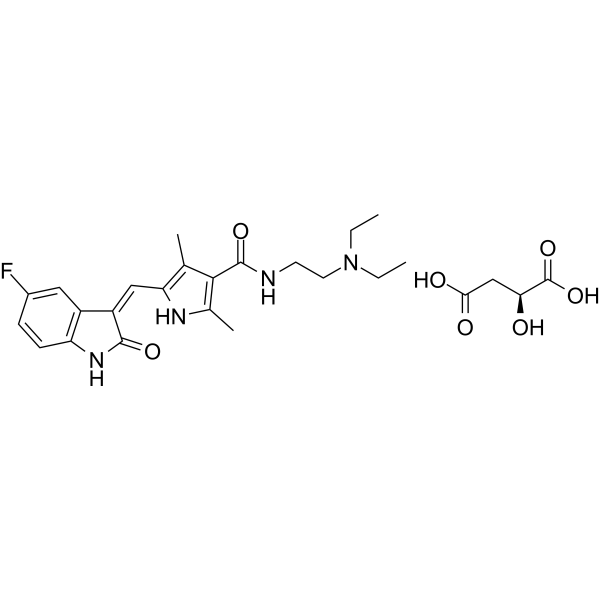 0 ImagesSynonyms: SU 11248 MalateSunitinib (SU 11248) Malat is a multi-targeted receptor tyrosine kinase inhibitor with IC50s of 80 nM and 2 nM for VEGFR2 and PDGFRβ, respectively. Sunitinib Malat, an ATP-competitive inhibitor, effectively inhibits autophosphorylation of Ire1α by inhibiting autophosphorylation and consequent RNase activation.
-
Retinoic acid (Standard)
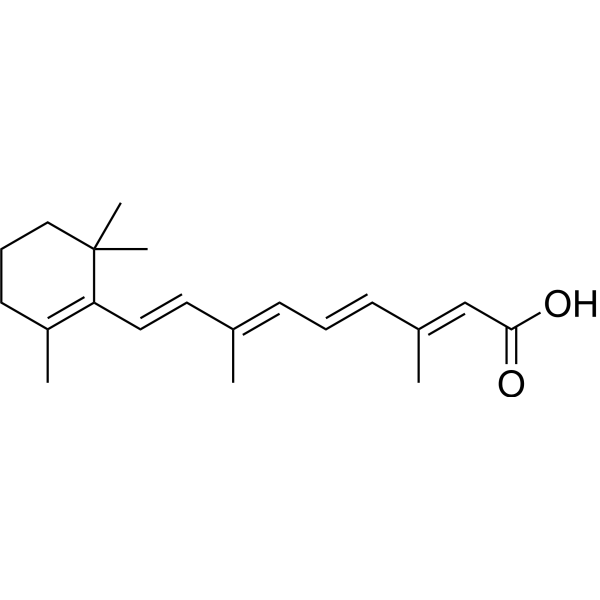 0 ImagesSynonyms: Vitamin A acid (Standard); all-trans-Retinoic acid (Standard); ATRA (Standard)Retinoic acid (Standard) is the analytical standard of Retinoic acid. This product is intended for research and analytical applications. Retinoic acid is a metabolite of vitamin A that plays important roles in cell growth, differentiation, and organogenesis. Retinoic acid is a natural agonist of RAR nuclear receptors, with IC50s of 14 nM for RARα/β/γ. Retinoic acid bind to PPARβ/δ with Kd of 17 nM. Retinoic acid acts as an inhibitor of transcription factor Nrf2 through activation of retinoic acid receptor alpha.
-
Cepharanthine
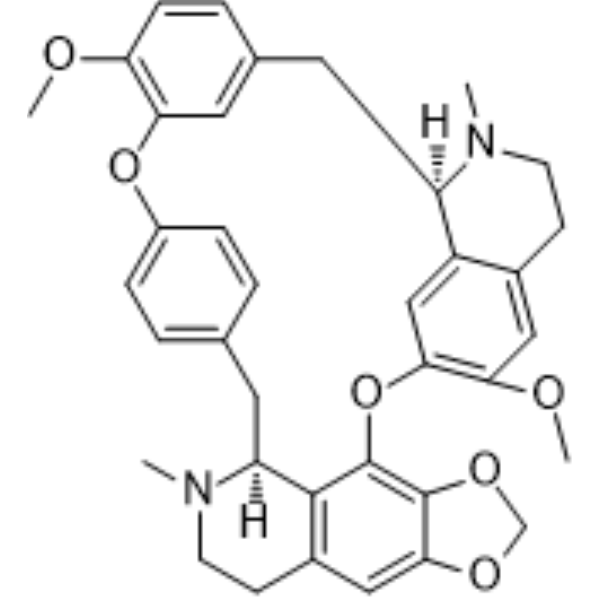 0 ImagesCepharanthine is a natural product that can be isolated from the plant Stephania cephalantha Hayata. Cepharanthine has anti-severe acute respiratory syndrome coronavirus 2 (anti-SARS-CoV-2) activities. Cepharanthine has good effective in suppressing viral proliferation (half maximal (50%) inhibitory concentration (IC50) and 90% inhibitory concentration (IC90) values of 1.90 and 4.46 μM. Cepharanthine can also effectively reverses P-gp-mediated multidrug resistance in K562 cells and increase enhances the sensitivity of anticancer agents in xenograft mice model. Cepharanthine shows inhibitory effects of human liver cytochrome P450 enzymes CYP3A4, CYP2E1 and CYP2C9. Cepharanthine has antitumor, anti-inflammatory and antinociceptive effects.
-
Talarozole
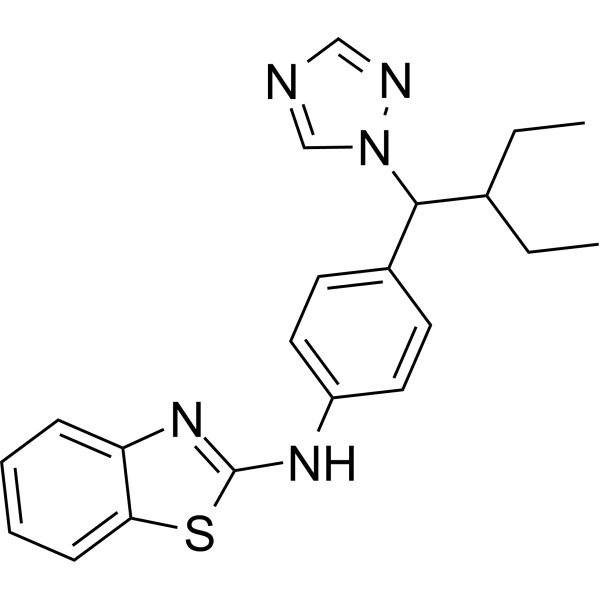 0 ImagesSynonyms: R115866Talarozole (R115866) is an oral systemic all-trans retinoic acid metabolism blocking agent (RAMBA) which increases intracellular levels of endogenous all-trans retinoic acid (RA). Talarozole inhibits both CYP26A1 and CYP26B1 with IC50s of 5.4 and 0.46 nM, respectively.
-
Guggulsterone
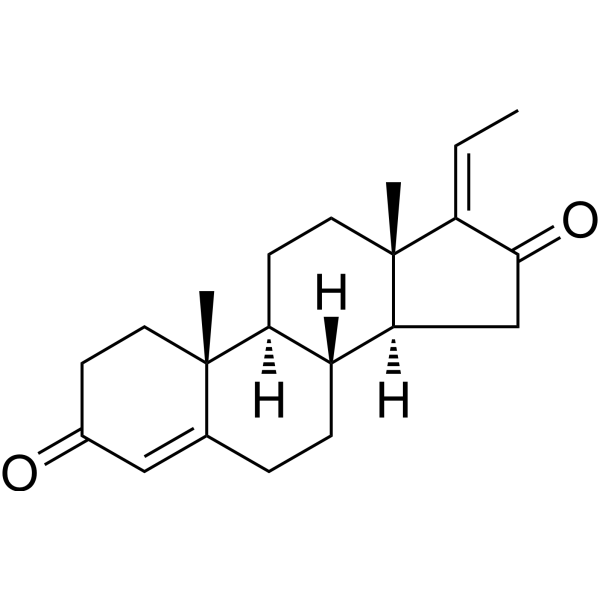 0 ImagesSynonyms: Z/E-GuggulsteroneGuggulsterone is a plant sterol derived from the gum resin of the tree Commiphora wightii. Guggulsterone inhibits the growth of a wide variety of tumor cells and induces apoptosis through down regulation of antiapoptotic gene products (IAP1, xIAP, Bfl-1/A1, Bcl-2, cFLIP and survivin), modulation of cell cycle proteins (cyclin D1 and c-Myc), activation of caspases and JNK, inhibition of Akt. Guggulsterone, a farnesoid X receptor (FXR) antagonist, with IC50s of 24.06 μM and 39.05 μM for (-)-(E)-Guggulsterone (HY-N7781) and (Z)-Guggulsterone (HY-110066), respectively.
-
UNC0638
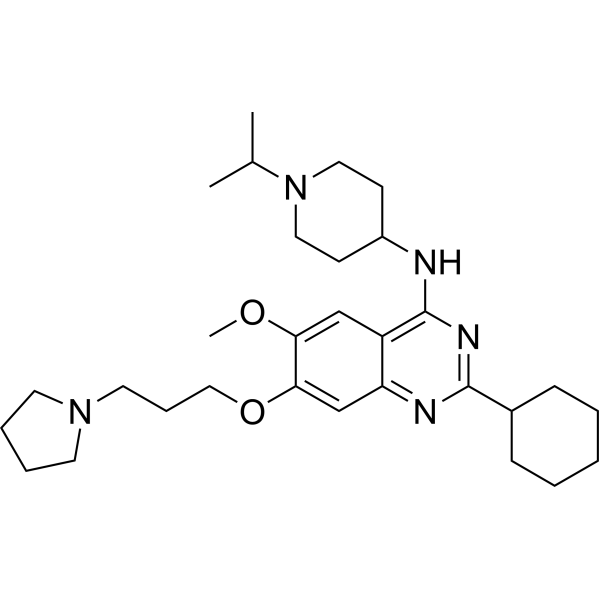 0 ImagesUNC0638, a chemical probe, selectively inhibits G9a and GLP histone methyltransferases with IC50 of 15 nM and 19 nM, respectively. UNC0638 inhibits TNBC cell invasion and migration in vitro. UNC0638 is also an inhibitor of EHMT1/2 and induces fetal hemoglobin (HbF) expression in human erythroid progenitor cell culture. In addition, UNC0638 has anti-FMDV (foot-and-mouth disease virus) and anti-VSV (vesicular stomatitis virus) activities, with excellent potency and selectivity against multiple epigenetic and non-epigenetic targets.
-
D4476
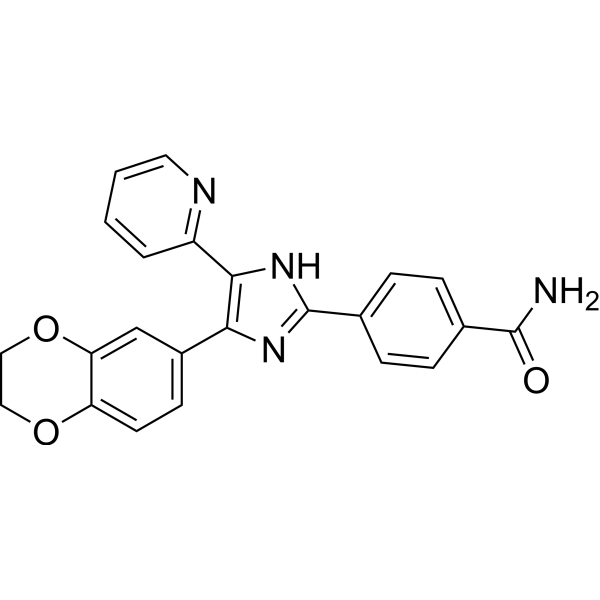 0 ImagesSynonyms: Casein Kinase I InhibitorD4476 is a potent, selective and cell-permeable inhibitor of casein kinase 1(CK1) with an IC50 value of 0.3 μM in vitro.
-
Salinomycin sodium salt
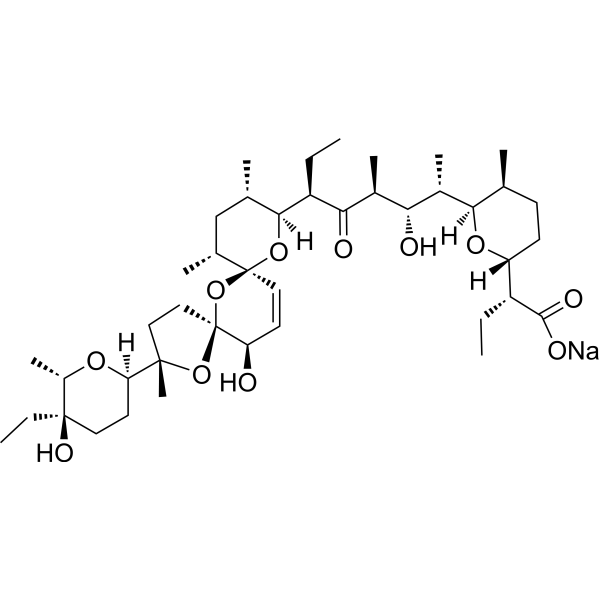 0 ImagesSynonyms: Salinomycin sodium; Sodium salinomycinSalinomycin sodium salt (Salinomycin sodium), an antibiotic potassium ionophore, is a potent inhibitor of Wnt/β-catenin signaling. Salinomycin sodium salt acts on the Wnt/Fzd/LRP complex, blocks Wnt-induced LRP6 phosphorylation, and causes degradation of the LRP6 protein. Salinomycin sodium salt shows selective activity against human cancer stem cells.
-
Cytarabine hydrochloride
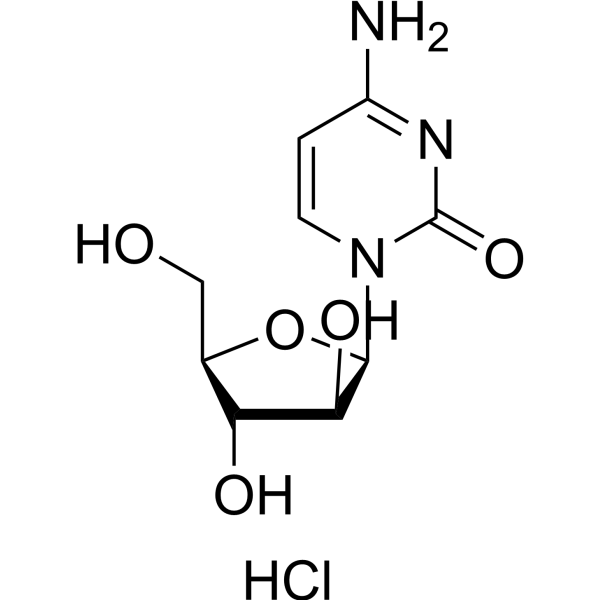 0 ImagesSynonyms: Cytosine β-D-arabinofuranoside hydrochloride; Cytosine Arabinoside hydrochloride; Ara-C hydrochlorideCytarabine hydrochloride, a nucleoside analog, causes S phase cell cycle arrest and inhibits DNA polymerase. Cytarabine inhibits DNA synthesis with an IC50 of 16 nM. Cytarabine hydrochloride has antiviral effects against HSV.
-
Mevastatin
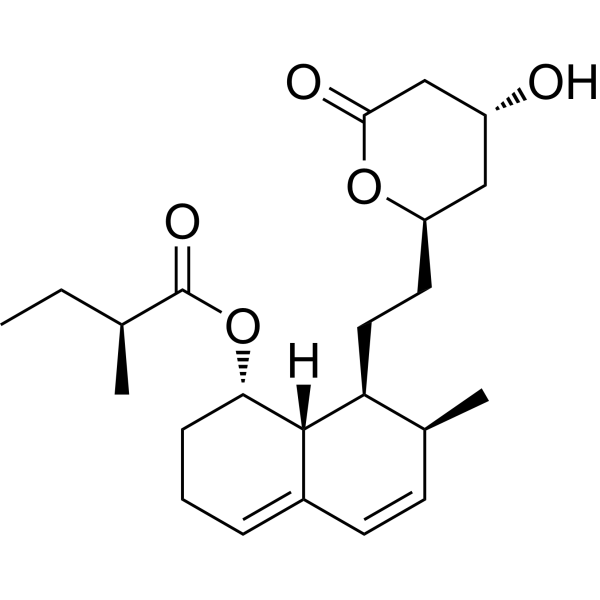 0 ImagesSynonyms: Compactin; ML236BMevastatin (Compactin) is a first HMG-CoA reductase inhibitor that belongs to the statins class. Mevastatin is a lipid-lowering agent, and induces apoptosis, arrests cancer cells in G0/G1 phase. Mevastatin also increases endothelial nitric oxide synthase (eNOS) mRNA and protein levels. Mevastatin has antitumor activity and has the potential for cardiovascular diseases treatment.
-
Norepinephrine bitartrate monohydrate
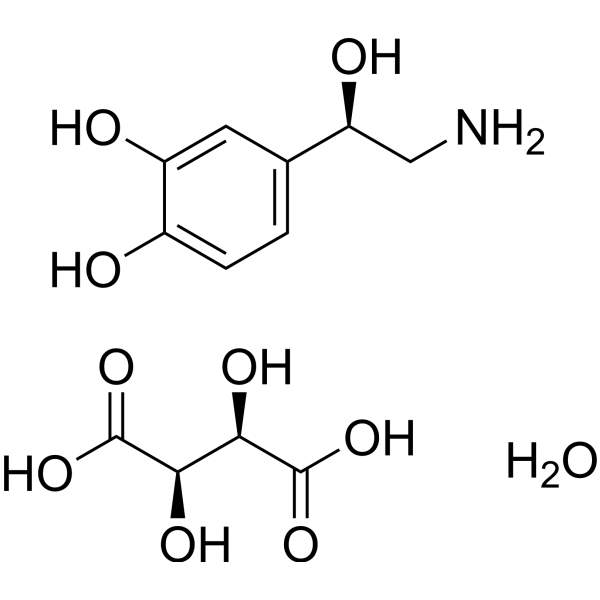 0 ImagesSynonyms: Levarterenol bitartrate monohydrate; L-Noradrenaline bitartrate monohydrateNorepinephrine (Levarterenol; L-Noradrenaline) bitartrate monohydrate is a potent adrenergic receptor (AR) agonist. Norepinephrine activates α1, α2, β1 receptors.
-
β-Lapachone
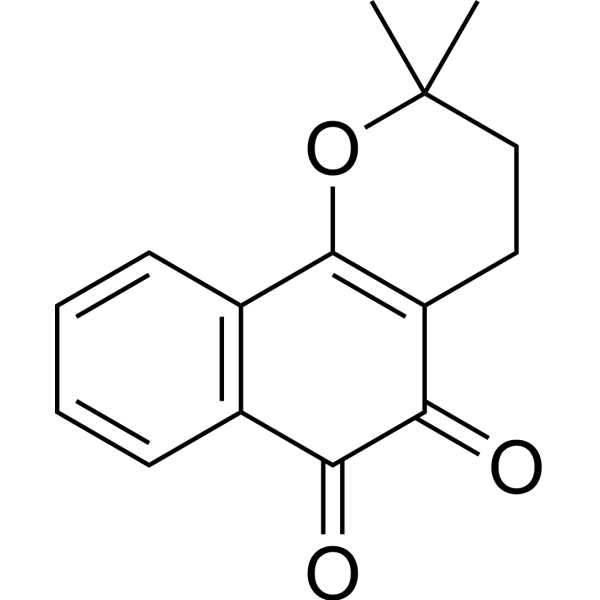 0 Imagesβ-Lapachone (ARQ-501;NSC-26326) is a naturally occurring O-naphthoquinone, acts as a topoisomerase I inhibitor, and induces apoptosis by inhibiting cell cycle progression.
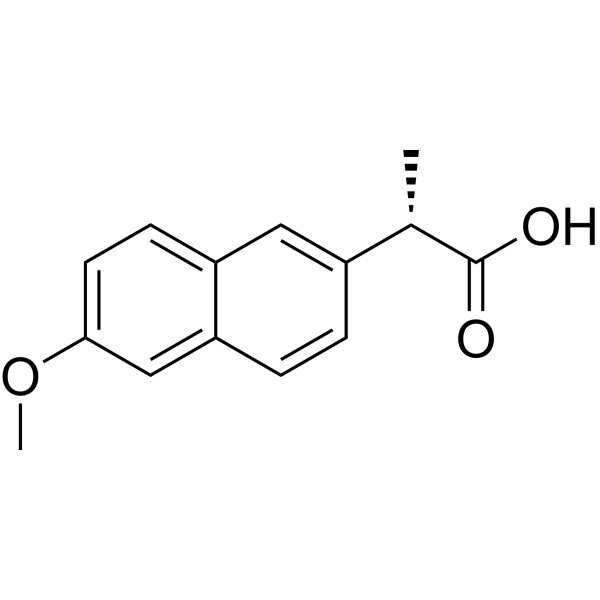
-
Acacetin
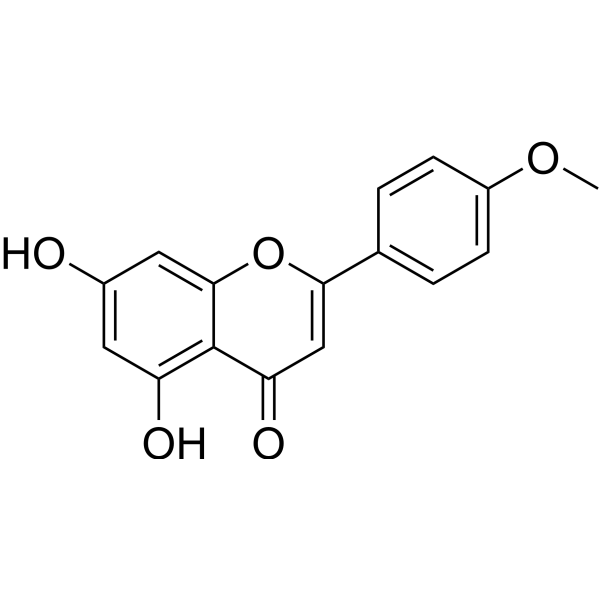 0 ImagesAcacetin (5,7-Dihydroxy-4'-methoxyflavone) is an orally active flavonoid derived from Dendranthema morifolium. Acacetin docks in the ATP binding pocket of PI3Kγ. Acacetin causes cell cycle arrest and induces apoptosis and autophagy in cancer cells. Acacetin has potent anti-cancer and anti-inflammatory activity and has the potential for pain-related diseases research.
-
Degrasyn
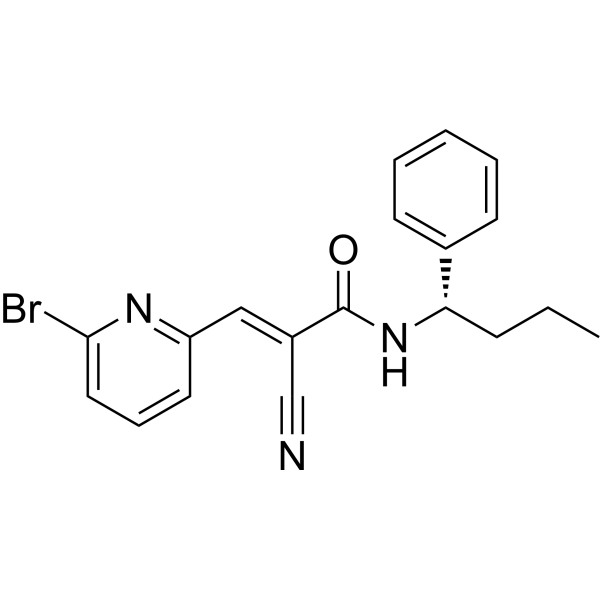 0 ImagesSynonyms: WP1130Degrasyn (WP1130) is a cell-permeable deubiquitinase (DUB) inhibitor, directly inhibiting DUB activity of USP9x, USP5, USP14, and UCH37. Degrasyn has been shown to downregulate the antiapoptotic proteins Bcr-Abl and JAK2.