



Bacterial
Anything that destroys bacteria or suppresses their growth or their ability to reproduce. Heat, chemicals such as chlorine, and antibiotic drugs all have antibacterial properties. Many antibacterial products for cleaning and handwashing are sold today. Such products do not reduce the risk for symptoms of viral infectious diseases in otherwise healthy persons. This does not preclude the potential contribution of antibacterial products to reducing symptoms of bacterial diseases in the home.
All Product Categories
-
Bacterial Inhibitors
(7477)
View all products
-
Bacterial Agonists
(3)
View all products
-
Bacterial Antagonists
(9)
View all products
-
Bacterial Activators
(23)
View all products
-
Bacterial Modulators
(23)
View all products
-
Bacterial Chemicals
(2)
View all products
-
Bacterial Inducers
(7)
View all products
-
Bacterial Controls
(14)
View all products
-
Bacterial Substrates
(2)
View all products
-
Bacterial Ligand
(1)
View all products
-
Bacterial Related Products (8794)
Related Products (8794)

-
Antibodies (14)
-
Related Compound Screening Libraries (1)
-
Trichorabdal A
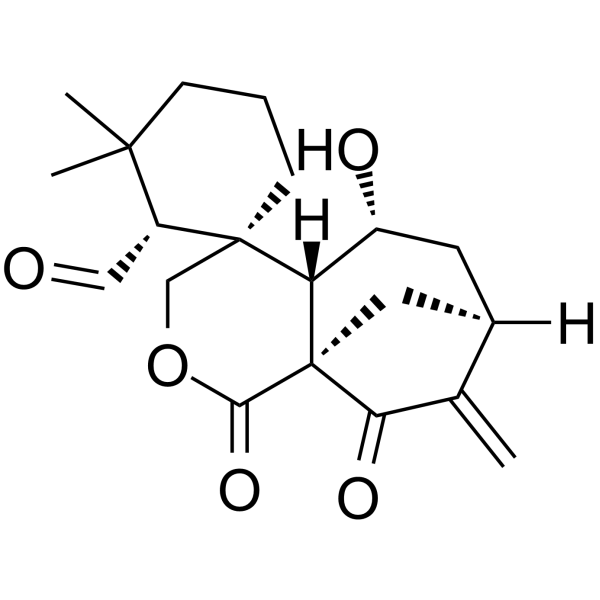 0 ImagesCat. No.: HY-N1128CAS No.: 85329-59-5Synonyms: (-)-Trichorabdal ATrichorabdal A is a diterpenoid compound isolated from Rabdosia trichocarpa. Trichorabdal A has potent anti-tumor activity.
-
Olanexidine (gluconate)
 0 ImagesCat. No.: HY-125654CCAS No.: 799787-53-4Olanexidine gluconate is an antibacterial agent. Olanexidine gluconate is active against a wide range of bacteria, imcluding both Gram-positive and Gram-negative bacteria Olanexidine gluconate is also an antiseptic. Olanexidine gluconate can be used in the research of infection and inflammation.
-
Sulfaethoxypyridazine-13C6
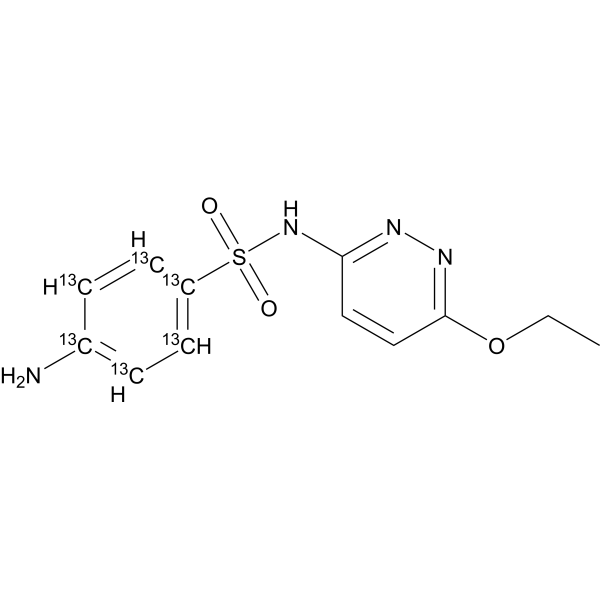 0 ImagesCat. No.: HY-112586S1Sulfaethoxypyridazine-13C6 is the 13C6 labeled Sulfaethoxypyridazine. Sulfaethoxypyridazine is a sulfonamide antibacterial agent. Sulfaethoxypyridazine is a sulfonamide that is used in veterinary medicine as feedstuffs.
-
Heliotridine
 0 ImagesHeliotridine ((+)-Heliotridine) is a monoesters-type necine base of pyrrolizidine alkaloid with genotoxic and antibacterial properties. Heliotridine can be isolated from the aerial parts of Heliotropium ellipticum, Heliotropium circinatum and other Heliotropium species (Boraginaceae). Heliotridine shows high tolerance in normal human hepatocytes (EC50 > 400 μM). Mediated by the organic cation transporter OCT1, Heliotridine exhibits in vitro growth inhibition and weak antibacterial activity against Drechslera tetramera. Heliotridine can be used in infection-related studies of specific pathogenic bacteria.
-
Deoxyviolacein
 0 ImagesDeoxyviolacein is a bacterial metabolite and byproduct in the biosynthesis of the bisindole alkaloid violacein (HY-119809) that has anticancer, antibacterial, and antifungal properties. It inhibits proliferation of hepatocellular carcinoma cells when used at concentrations ranging from 0.1 to 1 μM. Deoxyviolacein (125 μg/mL) has antibacterial activity against Gram-positive bacteria, including S. aureus, B. subtilis, and B. megaterium. It also has antifungal activity against R. solani when used at a concentration of 2 mg/ml.
-
Levonadifloxacin (Standard)
 0 ImagesSynonyms: (S)-(-)-Nadifloxacin (Standard); WCK 771 (Standard)Levonadifloxacin (Standard) is the analytical standard of Levonadifloxacin. This product is intended for research and analytical applications. Levonadifloxacin ((S)-(-)-Nadifloxacin; WCK 771) is a broad-spectrum anti-staphylococcal agent. Levonadifloxacin shows antibacterial activity against Methicillin (HY-121544)-susceptible Staphylococcus aureus (MSSA) and Methicillin-resistant S. aureus (MRSA) strains, with a reduction of which phagocytized in THP-1 monocytes.
-
DXPS-IN-1
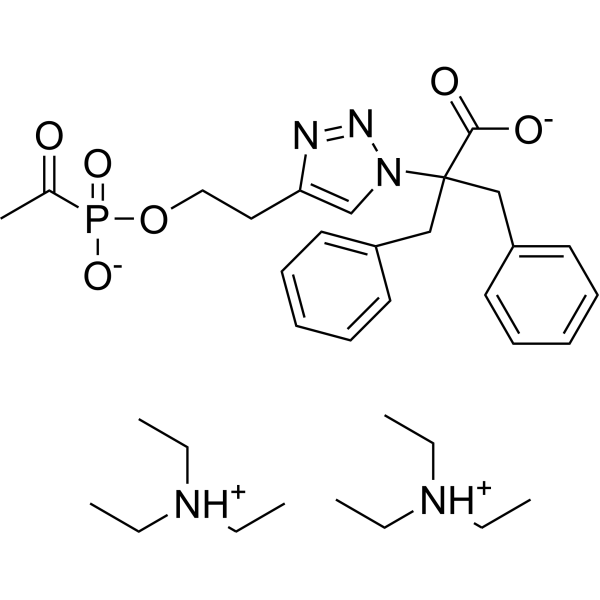 0 ImagesCat. No.: HY-161406DXPS-IN-1 (Compound 8) is an inhibitor of 1-deoxy-D-xylulose-5-phosphate synthase (DXPS) with a Ki value of 2.9 nM against EcDXPS. DXPS-IN-1 exhibits antibacterial activity.
-
Itopride
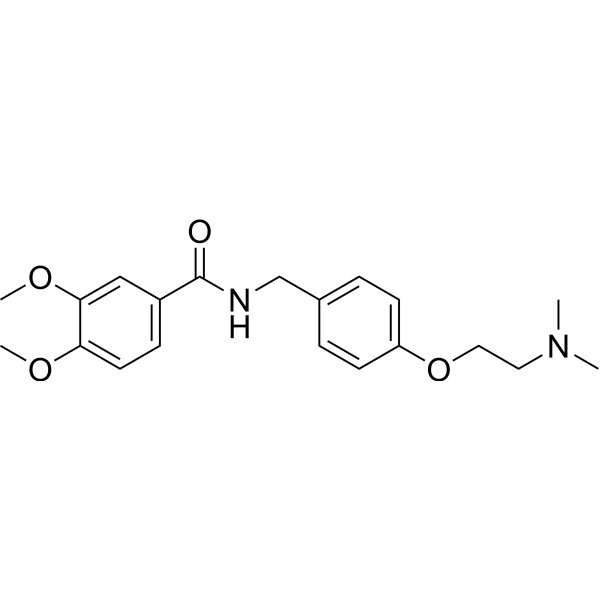 0 ImagesCat. No.: HY-B0732ACAS No.: 122898-67-3Synonyms: HSR803 free baseItopride (HSR803 free base) is a potent and orally active dopamine-2 antagonist and an acetylcholine esterase (AChE) inhibitor. Itopride enhances gastric motility through both antidopaminergic and anti-acetylcholinesterasic actions, can be used as a gastrointestinal prokinetic agent. Itopride can be used for researching gastro-esophageal reflux disease (GERD).
-
RADA
 0 ImagesCat. No.: HY-D1737RADA is a fluorescent D-amino acid (FDAA) with high photostability and thermostability, which emits yellow-to-orange fluorescence. RADA shows low outer membrane permeability in wild-type Gram-negative Escherichia coli, but it targets penicillin-binding proteins and L,D-transpeptidases, mimics the interaction between acyl acceptors and enzyme intermediates, and integrates into peptidoglycan during biosynthesis. As a peptidoglycan labeling reagent, RADA metabolically integrates into the nascent peptidoglycan of live bacterial cells, labels the peptidoglycan at the poles and lateral walls of mycobacteria, and enables visualization of peptidoglycan synthesis and remodeling processes. RADA serves as a non-specific stain for fixed cells, is non-toxic to bacterial cells, and its red-shifted excitation/emission spectra reduce phototoxicity. RADA also supports virtual pulse-chase labeling experiments and stochastic optical reconstruction microscopy for sub-diffraction-limited imaging of bacterial cell walls.
-
KEGIHAQ
 0 ImagesCat. No.: HY-P11920KEGIHAQ is a novel signal peptide and an effector of the dipeptide transporter DppA. KEGIHAQ binds to the oligopeptide transporter OppA and inhibits OppA expression, which leads to compensatory up-regulation of DppA and thereby promotes dipeptide uptake. KEGIHAQ enhances the acid tolerance of bacteria by regulating the expression of transcriptional regulators rmal and spxA, thus promoting bacterial growth. KEGIHAQ can up-regulate genes related to amino acid metabolism to facilitate amino acid synthesis, energy production and various bacterial physiological activities. KEGIHAQ can serve as a nitrogen source-targeting peptide in high-density culture of lactic acid bacteria.
-
B 746
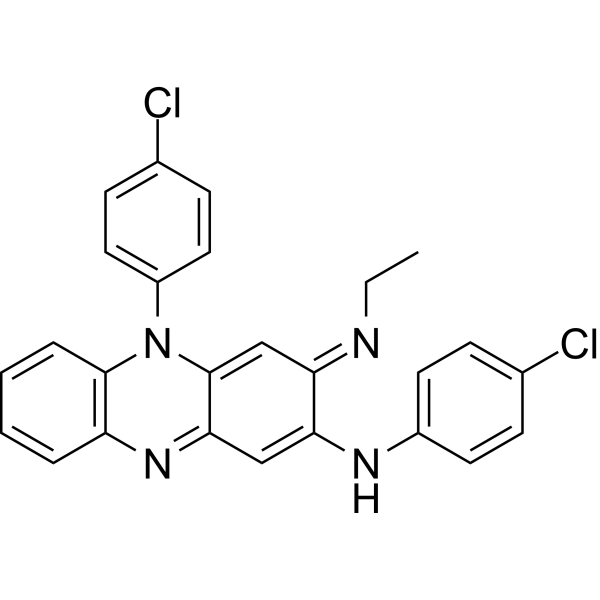 0 ImagesCat. No.: HY-113729CAS No.: 103051-26-9B746 is a clofazimine analog with anti-Mycobacterium avium complex (MAC) activity and is less effective when used with clofazimine or streptomycin.
-
Chromomycin A4
 0 ImagesChromomycin A4, a major byproduct of Chromomycin A3 (HY-W040129)'s manufacture, is an antibiotic produced by Streptomyces griseus No. 7. Chromomycin A4 exhibits cancerostatic and antitumor activity. Chromomycin A4 shows strong growth inhibition against Gram-positive bacteria and and activity against tuberculous bacilli. Chromomycin A4 can be used for the research of bacterial infection.

-
ClpP1P2-IN-1
 0 ImagesCat. No.: HY-187235CAS No.: 3069900-75-7ClpP1P2-IN-1 is a protease inhibitor targeting ClpP1P2 of Mycobacterium tuberculosis, with a Ki value of 0.04 μM. ClpP1P2-IN-1 inhibits the growth of Mycobacterium tuberculosis and shows low cytotoxicity against mammalian kidney cells. ClpP1P2-IN-1 can be used in the research of tuberculosis.
-
Viomellein
 0 ImagesCat. No.: HY-123888CAS No.: 55625-78-0Viomellein is a SUMOylation inhibitor with antibacterial and anticancer activities. Viomellein inhibits biofilm formation of strains produced from the fungus Aspergillus ochraceus from the Mediterranean sponge Agelas oroides. Viomellein exhibits cytotoxicity against A2780 human ovarian cancer cells with an IC50 value of 5.0 μM. Viomellein also inhibits SUMOylation of RanGAP1 (GTPase activating protein) with an IC50 of 10.2 μM.
-
2-Methoxybenzaldehyde-d3
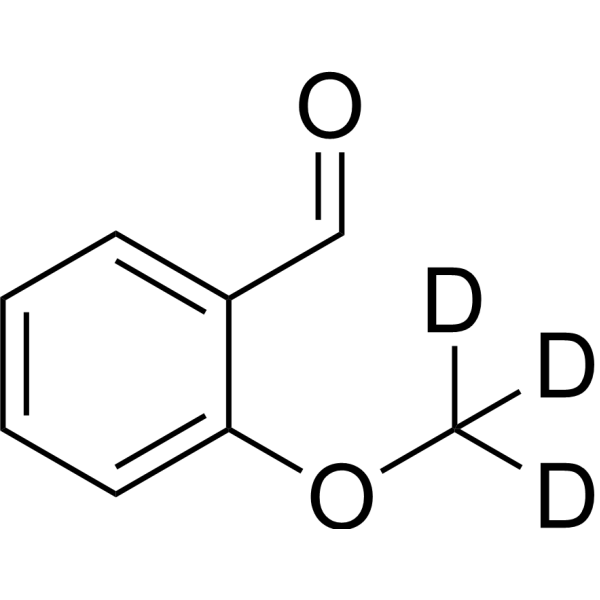 0 ImagesCat. No.: HY-77995SCAS No.: 56248-49-8Synonyms: o-Anisaldehyde-d32-Methoxybenzaldehyde-d3 is the deuterium labeled 2-Methoxybenzaldehyde. 2-Methoxybenzaldehyde (o-Anisaldehyde), isolated from cinnamon essential oil (CEO), exists antibacterial and antifungal activity.
-
D-Arabinose (Standard)
 0 ImagesD-Arabinose (Standard) is the analytical standard of D-Arabinose (HY-N0059). This product is intended for research and analytical applications. D-Arabinose is is an orally active antidepressant and a growth inhibitor of C. elegans (IC50 is 7.5 mM). D-Arabinose can penetrate the blood-brain barrier, selectively interfere with the metabolism of D-ribose and D-fructose, and inhibit the growth of nematodes. D-Arabinose can also inhibit the synthesis of cell biofilm and exert antibacterial activity. D-Arabinose activates the ACSS2-PPARγ/TFEB-CRTC1 axis through the lysosomal AXIN-LKB1-AMPK pathway, inducing CRTC1 transcription, exerts antidepressant-like activity. D-Arabinose is the ring-opened form of the aldopentose D-Arabinose (HY-N7082).
-
1,3-β-Glucanase
 0 Images1,3-β-Glucanase is one of the primary components in C. albicans biofilm extrapolymeric substance (EPS). 1,3-β-Glucanase can degrade β-1,3-glucan so as to disrupt the Candida biofilm matrix and increase the effect of the antimicrobial agent. 1,3-β-Glucanase can be used as an antibiofilm agent.
-
Threo-Chloramphenicol-d6
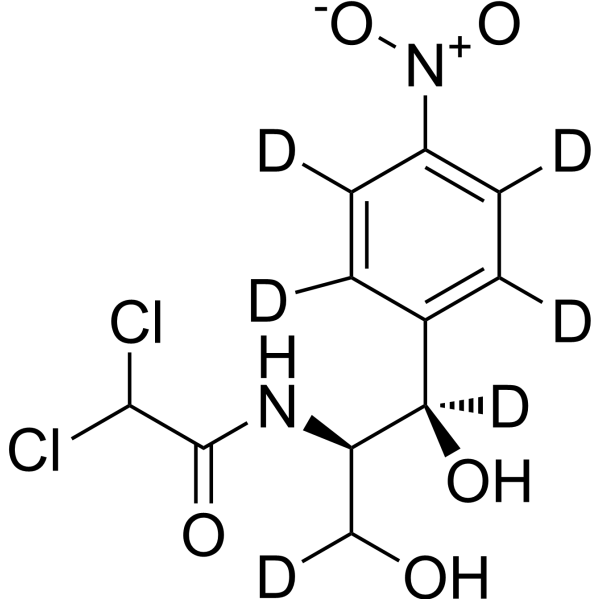 0 ImagesCat. No.: HY-B0239S2Threo-Chloramphenicol-d6 is the deuterium labeled Chloramphenicol. Chloramphenicol is an orally active, potent and broad-spectrum antibiotic. Chloramphenicol shows antibacterial activity. Chloramphenicol represses the oxygen-labile transcription factor and hypoxia inducible factor-1 alpha (HIF-1α) in hypoxic A549 and H1299 cells. Chloramphenicol suppresses the mRNA levels of vascular endothelial growth factor (VEGF) and glucose transporter 1, eventually decreasing VEGF release. Chloramphenicol can be used for anaerobic infections and lung cancer research.
-
TBAJ-5307
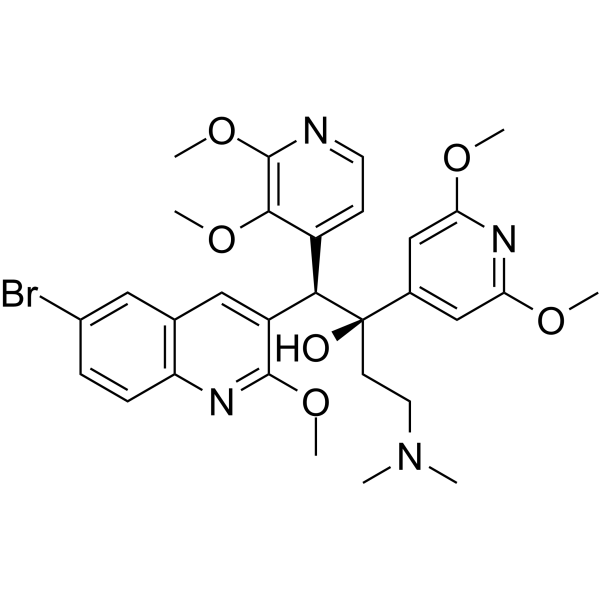 0 ImagesCat. No.: HY-161135CAS No.: 2332831-92-0TBAJ-5307 is a broad spectrum anti-non-tuberculous mycobacteria inhibitor that can target the FO-domain of the engine and preventing rotation and proton-translocation. TBAJ-5307 inhibits non-tuberculous mycobacteria in vitro and in vivo.




