



Cytochrome P450 Substrate
- 1
- 2
-
Tolterodine
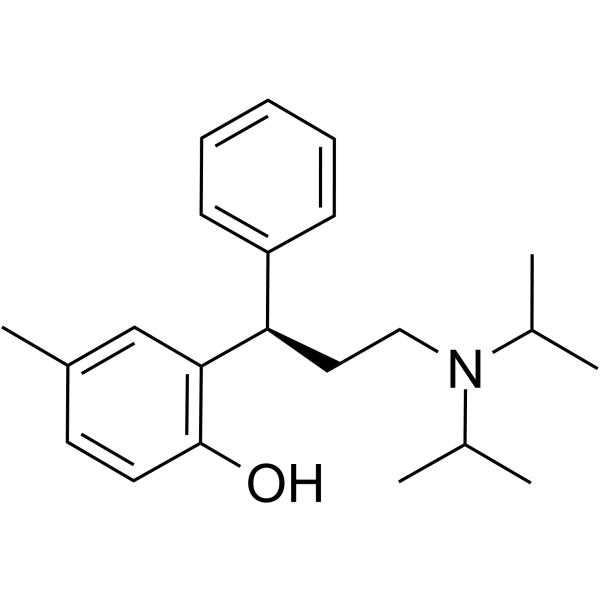 0 ImagesSynonyms: (R)-(+)-Tolterodine; (+)-Tolterodine; (R)-Tolterodine; PNU-200583
Tolterodine ((R)-(+)-Tolterodine) is a mAChR inhibitor and substrate for cytochrome P450 enzymes. Tolterodine competitively binds acetylcholine, reduces sympathetic excitation, and inhibits involuntary bladder muscle contraction. Tolterodine restores the Nrf2/NF-κB signaling pathway, mediates protection against inflammatory response and ferroptosis. Tolterodine ameliorates LPS (HY-D1056)-induced reactive oxygen species production and lipid oxidation. Tolterodine can be used for the research of urinary tract infections and overactive bladder.
-
Tolterodine tartrate
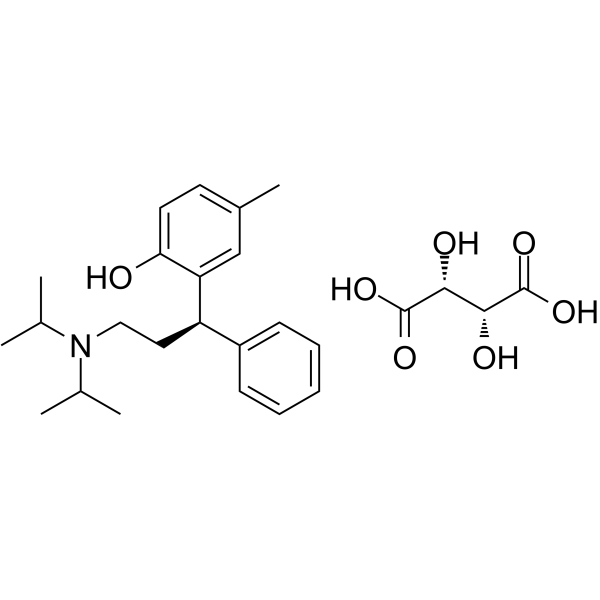 0 ImagesSynonyms: Kabi-2234; PNU-200583E
Tolterodine tartrate (Kabi-2234) is a mAChR inhibitor and substrate for cytochrome P450 enzymes. Tolterodine tartrate competitively binds acetylcholine, reduces sympathetic excitation, and inhibits involuntary bladder muscle contraction. Tolterodine tartrate restores the Nrf2/NF-κB signaling pathway, mediates protection against inflammatory response and ferroptosis. Tolterodine tartrate ameliorates LPS (HY-D1056)-induced reactive oxygen species production and lipid oxidation. Tolterodine tartrate can be used for the research of urinary tract infections and overactive bladder.
-
Veratrole
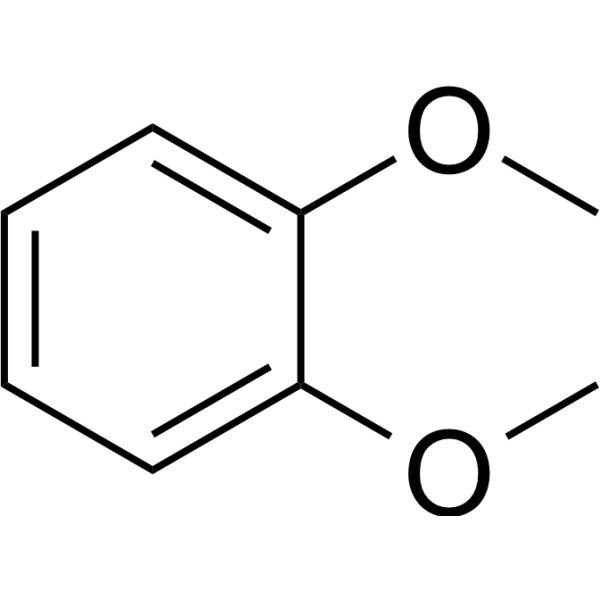 0 Images
Veratrole (1,2-Dimethoxybenzene) is a key compound that widely exists in plants and attracts pollinators. The release of Veratrole has a circadian rhythm and plays an important role in plant reproduction, species differentiation, and interactions with pollinators. In addition, Veratrole can be demethylated by cytochrome P-450 in Streptomyces setonii.
-
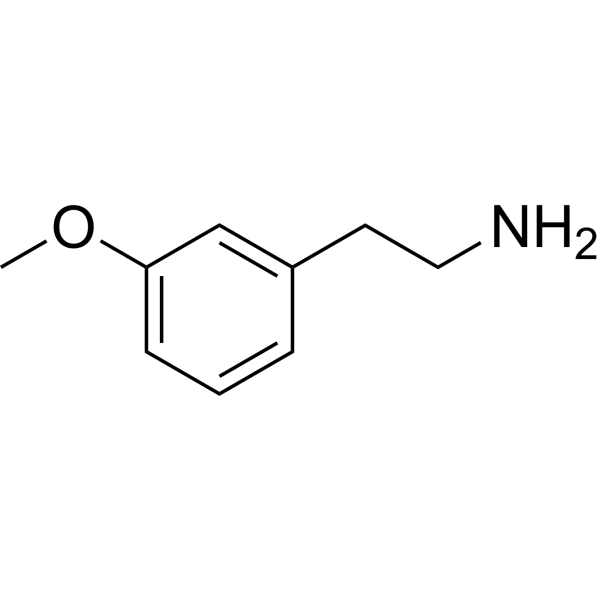
Mono(2-ethyl-5-oxohexyl) phthalate
 0 ImagesSynonyms: MEOHP; 5-oxo-MEHP
Mono (2-ethyl-5-oxohexyl) phthalate (MEOHP; 5-oxo-MEHP) is a secondary metabolite produced by cytochrome P450 enzyme-mediated oxidation of di(2-ethylhexyl) phthalate. Exposure levels of Mono (2-ethyl-5-oxohexyl) phthalate are associated with late-onset hypogonadism. Mono (2-ethyl-5-oxohexyl) phthalate can be used for research on mechanisms related to male reproductive endocrine disorders.
-
Prothipendyl hydrochloride
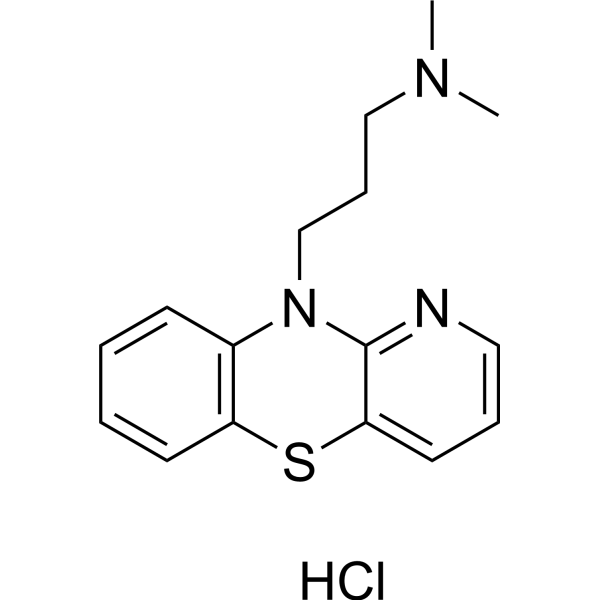 0 Images
Prothipendyl hydrochloride is a tricyclic azaphenothiazine neuroleptic agent. Prothipendyl hydrochloride is a substrate of the CYP isozymes CYP1A2, CYP2D6, CYP2C19 and CYP3A4. Prothipendyl hydrochloride has sedating and psychomotorically damping effects. Prothipendyl hydrochloride can be used for psychomotoric agitation, sleep disorder and anxiety research .
-
α-Pinene oxide
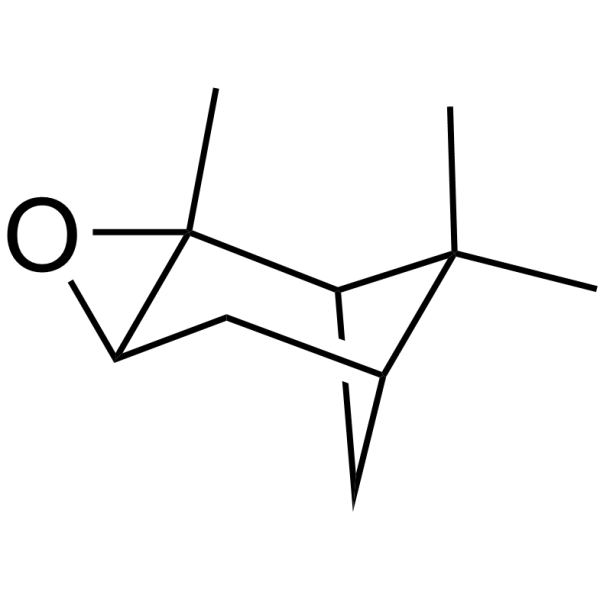 0 ImagesCat. No.: HY-W130074CAS No.: 1686-14-2α-Pinene oxide is a type of monoterpene epoxidation intermediate. α-Pinene oxide is produced via the cytochrome P-450-mediated oxidation pathway in Dendroctonus terebrans body microsomes and rat liver microsomes, and can be further converted into alcohols, ketones and insect pheromone derivatives. α-Pinene oxide can generate the perfume intermediate myrtenal. α-Pinene oxide is used in studies related to terpenoid metabolism and perfume synthesis.
-
CP-506 mesylate
 0 Images
CP-506 (compound 26) mesylate is an anticancer compound and a substrate for nitroreductase and CYP oxidoreductases. CP-506 has anticancer activity.
-
Veratrole-d4
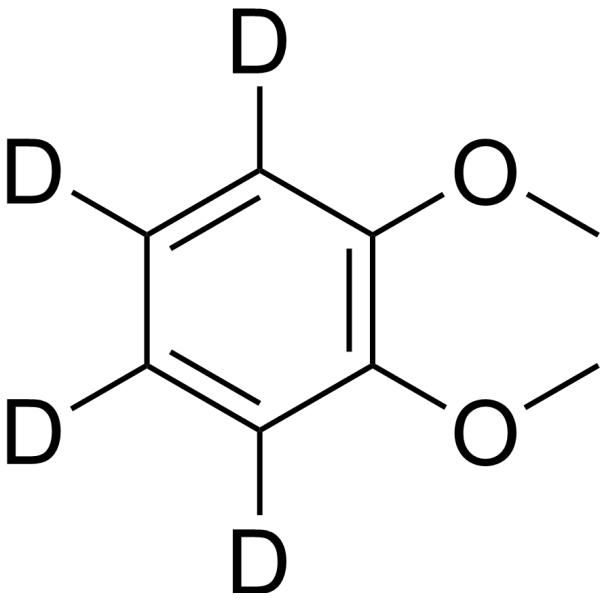 0 ImagesCat. No.: HY-B1812SCAS No.: 126840-15-1Synonyms: 1,2-Dimethoxybenzene-d4
Veratrole-d4 is the deuterium labeled Veratrole. Veratrole (1,2-Dimethoxybenzene) is a key compound that widely exists in plants and attracts pollinators. The release of Veratrole has a circadian rhythm and plays an important role in plant reproduction, species differentiation, and interactions with pollinators. In addition, Veratrole can be demethylated by cytochrome P-450 in Streptomyces setonii.
-
Veratrole-d2
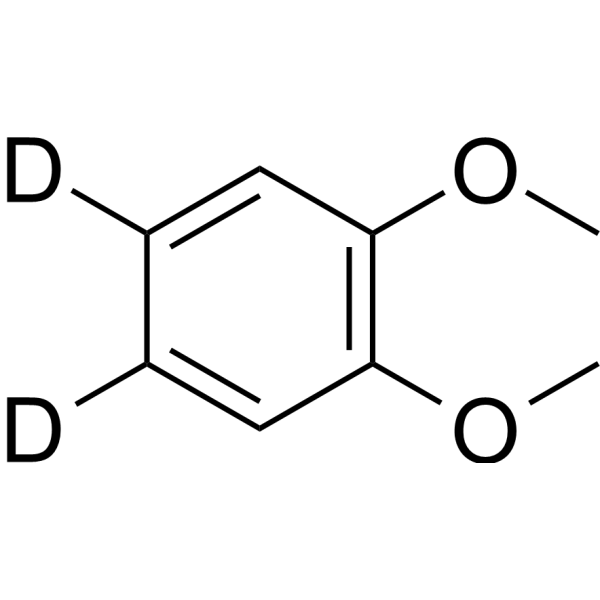 0 ImagesSynonyms: 1,2-Dimethoxybenzene-d2
Veratrole-d2 is the deuterium labeled Veratrole. Veratrole (1,2-Dimethoxybenzene) is a key compound that widely exists in plants and attracts pollinators. The release of Veratrole has a circadian rhythm and plays an important role in plant reproduction, species differentiation, and interactions with pollinators. In addition, Veratrole can be demethylated by cytochrome P-450 in Streptomyces setonii.
-
20-Hydroxyvitamin D3
 0 ImagesCat. No.: HY-154825CAS No.: 651734-12-2Synonyms: 20(OH)D3; 20S-Hydroxyvitamin D3
20-Hydroxyvitamin D3 (20(OH)D3), a product of vitamin D3 hydroxylation, is a noncalcemic immunomodulator. 20-Hydroxyvitamin D3 binds to vitamin D receptor (VDR), activates VDR and aryl hydrocarbon receptor (AhR) signaling, stimulates CYP24A1 expression, and drives VDR nuclear translocation. 20-Hydroxyvitamin D3 inhibits NF-κB activity via IκBα upregulation. 20-Hydroxyvitamin D3 acts as a substrate for CYP27B1 and rat CYP24A1, undergoing hydroxylation to form dihydroxy-derivatives. 20-Hydroxyvitamin D3 inhibits cell proliferation, colony formation, migration, and tumor growth, and induces cell differentiation in cancer cells. 20-Hydroxyvitamin D3 can be used for the research of inflammatory and autoimmune diseases, melanoma, breast carcinomas, and hepatocarcinoma.
-
CP-506
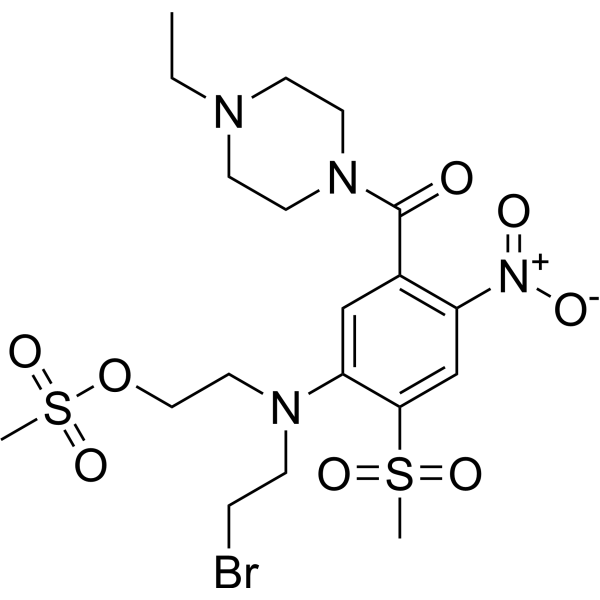 0 ImagesCat. No.: HY-149769CAS No.: 2227303-52-6
CP-506 (compound 26) is an anticancer compound and a substrate for nitroreductase and CYP oxidoreductases. CP-506 has anticancer activity.
-
G256
 0 ImagesCat. No.: HY-177148CAS No.: 134867-97-3
G256 is a cytochrome P450 substrate with antiarrhythmic properties. In recombinant monooxygenase systems, G256 undergoes N-hydroxylation of the terminal aminoguanidine nitrogen, as well as ring hydroxylation catalyzed by cytochrome P4502C3. G256 generates N-hydroxyaminoguanidine metabolites via N-hydroxylation in liver microsomal fractions. G256 produces phenol metabolites through ring hydroxylation in both liver microsomal fractions and recombinant cytochrome P450 systems. G256 can be used for research on arrhythmias.
-
2-Hydroxymelatonin
 0 ImagesCat. No.: HY-N9409CAS No.: 229018-17-1
2-Hydroxymelatonin is a major hydroxylated metabolite of Melatonin (HY-B0075). It is enzymatically produced in plants by melatonin 2-hydroxylase (M2H/AsMT), while in animals, it is generated in trace amounts via CYP450 or spontaneous oxidation. 2-Hydroxymelatonin acts as a respiratory burst oxidase homolog (RBOH)-dependent ROS burst inducer, thereby regulating stress tolerance, seed germination and growth in plants. In animal cells, 2-Hydroxymelatonin synergizes with BMP-4 to promote osteogenesis, and exerts pro-apoptotic and anti-metastatic activities against colorectal cancer cells. 2-Hydroxymelatonin can be used in studies related to plant premature senescence, osteoporosis and colorectal cancer.
-
3-N-Nitroso-N-methylaminopyridine
 0 ImagesCat. No.: HY-187090CAS No.: 69658-91-9Synonyms: 3-NMPY
3-N-Nitroso-N-methylaminopyridine is a non-carcinogenic, non-mutagenic arylalkyl nitrosamine isomer that serves as a substrate for enzymatic metabolic processes. 3-N-Nitroso-N-methylaminopyridine undergoes enzymatic denitrosation, enzymatic N-oxide formation, and limited oxidative demethylation to produce trace amounts of 3-hydroxypyridine. 3-N-Nitroso-N-methylaminopyridine directly induces gene mutations in E. coli, but its mutagenic potential is eliminated by the rodent liver S-100 fraction. 3-N-Nitroso-N-methylaminopyridine shows no carcinogenicity in rats and no mutagenicity in the Ames test. 3-NMPY can be used in studies related to the metabolism and carcinogenic mechanisms of nitrosamine compounds in vitro and in vivo.
-
Mono(2-ethyl-5-oxohexyl) phthalate-d4
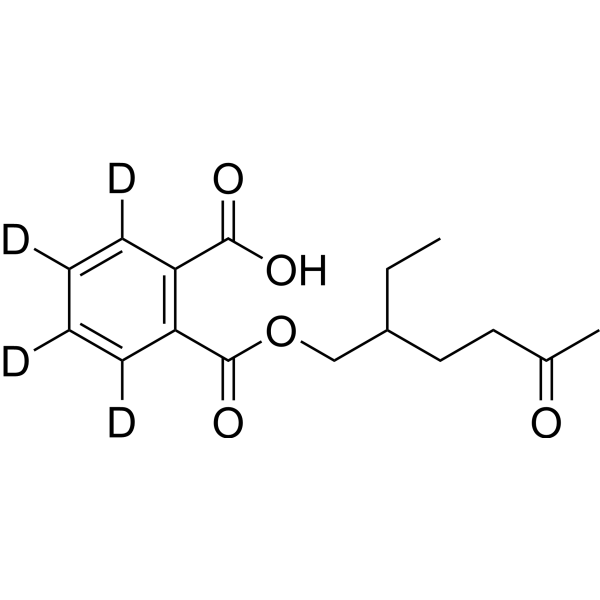 0 ImagesCat. No.: HY-133676SCAS No.: 679789-44-7Synonyms: MEOHP-d4; 5-oxo-MEHP-d4
Mono(2-ethyl-5-oxohexyl) phthalate-d4 (MEOHP-d4; 5-oxo-MEHP-d4) is the deuterated-labeled Mono(2-ethyl-5-oxohexyl) phthalate (HY-133676). Mono (2-ethyl-5-oxohexyl) phthalate (MEOHP; 5-oxo-MEHP) is a secondary metabolite produced by cytochrome P450 enzyme-mediated oxidation of di(2-ethylhexyl) phthalate. Exposure levels of Mono (2-ethyl-5-oxohexyl) phthalate are associated with late-onset hypogonadism. Mono (2-ethyl-5-oxohexyl) phthalate can be used for research on mechanisms related to male reproductive endocrine disorders.
-
Tolterodine tartrate (Standard)
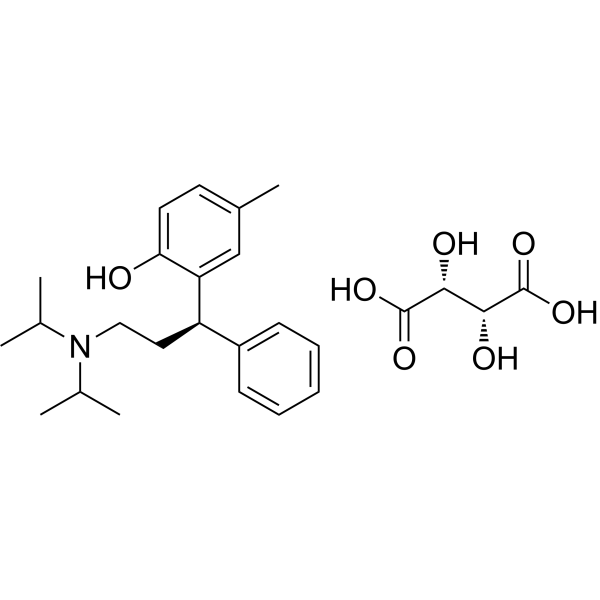 0 ImagesCat. No.: HY-90010RCAS No.: 124937-52-6Synonyms: Kabi-2234 (Standard); PNU-200583E (Standard)
Tolterodine (tartrate) (Standard) is the analytical standard of Tolterodine tartrate. This product is intended for research and analytical applications. Tolterodine ((R)-(+)-Tolterodine) is a mAChR inhibitor and substrate for cytochrome P450 enzymes. Tolterodine competitively binds acetylcholine, reduces sympathetic excitation, and inhibits involuntary bladder muscle contraction. Tolterodine restores the Nrf2/NF-κB signaling pathway, mediates protection against inflammatory response and ferroptosis. Tolterodine ameliorates LPS (HY-D1056)-induced reactive oxygen species production and lipid oxidation. Tolterodine can be used for the research of urinary tract infections and overactive bladder.
-
Veratrole-d6
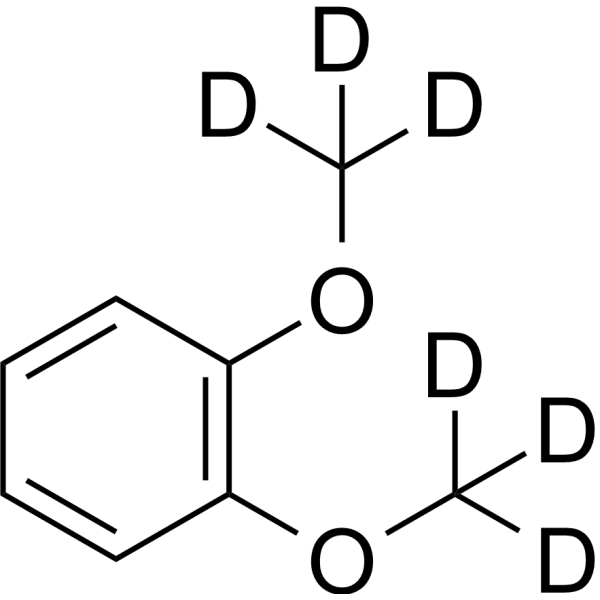 0 ImagesSynonyms: 1,2-Dimethoxybenzene-d6
Veratrole-d6 is the deuterium labeled Veratrole. Veratrole (1,2-Dimethoxybenzene) is a key compound that widely exists in plants and attracts pollinators. The release of Veratrole has a circadian rhythm and plays an important role in plant reproduction, species differentiation, and interactions with pollinators. In addition, Veratrole can be demethylated by cytochrome P-450 in Streptomyces setonii.

- 1
- 2



