



HDAC
Histone deacetylases
HDAC (Histone deacetylases) are a class of enzymes that remove acetyl groups (O=C-CH3) from an ε-N-acetyl lysine amino acid on ahistone, allowing the histones to wrap the DNA more tightly. This is important because DNA is wrapped around histones, and DNA expression is regulated by acetylation and de-acetylation. Its action is opposite to that of histone acetyltransferase. HDAC proteins are now also called lysine deacetylases (KDAC), to describe their function rather than their target, which also includes non-histone proteins. Together with the acetylpolyamine amidohydrolases and the acetoin utilization proteins, the histone deacetylases form an ancient protein superfamily known as the histone deacetylase superfamily.
HDAC Isoform Specific Products
-
HDAC
(393)
View all products
-
HDAC1
(316)
View all products
-
HDAC2
(210)
View all products
-
HDAC3
(204)
View all products
-
HDAC4
(72)
View all products
-
HDAC5
(56)
View all products
-
HDAC6
(337)
View all products
-
HDAC7
(53)
View all products
-
HDAC8
(189)
View all products
-
HDAC9
(41)
View all products
-
HDAC10
(67)
View all products
-
HDAC11
(73)
View all products
-
HD1
(3)
View all products
-
HD2
(4)
View all products
All Product Categories
-
HDAC Inhibitors
(781)
View all products
-
HDAC Antagonists
(3)
View all products
-
HDAC Activators
(14)
View all products
-
HDAC Modulators
(4)
View all products
-
HDAC MDM2 Inhibitor
(1)
View all products
-
HDAC Degraders
(45)
View all products
-
HDAC Controls
(4)
View all products
-
HDAC Substrates
(4)
View all products
-
HDAC Ligands
(15)
View all products
-
HDAC Related Products (920)
Related Products (920)

-
Antibodies (16)
-
HDAC Signaling Pathway
-
HDAC Isoform Comparison
-
Quisinostat dihydrochloride
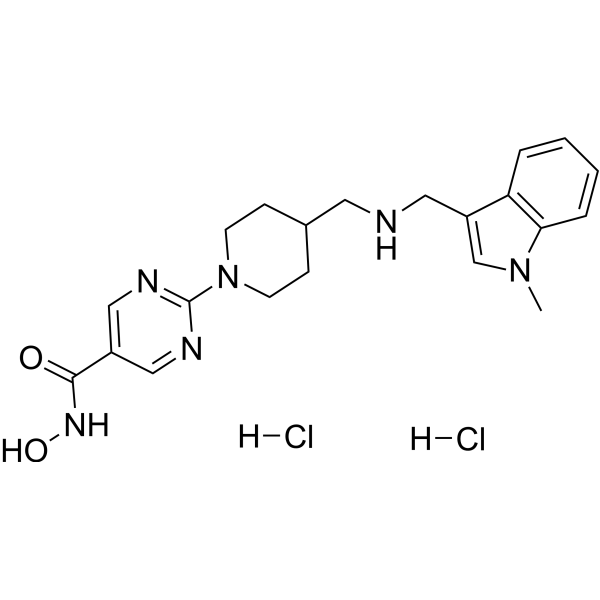 0 ImagesSynonyms: JNJ-26481585 dihydrochlorideQuisinostat dihydrochloride (JNJ-26481585 dihydrochloride) is an orally active, potent pan-HDAC inhibitor with IC50s of 0.11 nM, 0.33 nM, 0.64 nM, 0.46 nM, and 0.37 nM for HDAC1, HDAC2, HDAC4, HDAC10 and HDAC11, respectively. Quisinostat dihydrochloride has a broad spectrum antitumoral activity. Quisinostat dihydrochloride can induce autophagy in neuroblastoma cells.
-
FKBP12 PROTAC dTAG-7
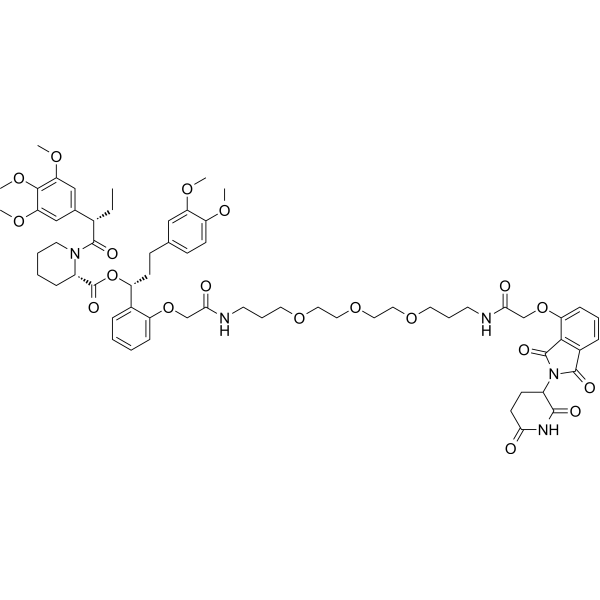 0 ImagesSynonyms: dTAG-7FKBP12 PROTAC dTAG-7 (dTAG-7) is a FKBP12F36V PROTAC degrader. FKBP12 PROTAC dTAG-7 binds FKBP12F36V and CRBN to form a complex, mediating degradation via the ubiquitin-proteasome system. FKBP12 PROTAC dTAG-7 mediates the degradation of FKBP12F36V-tagged nuclear and cytoplasmic proteins, including BRD4, HDAC1, EZH2, MYC, PLK1, KRASG12V, and antigen fusion proteins. FKBP12 PROTAC dTAG-7 enhances MHC class I antigen presentation. FKBP12 PROTAC dTAG-7 is applicable to leukemia-related research.
-
TNG260
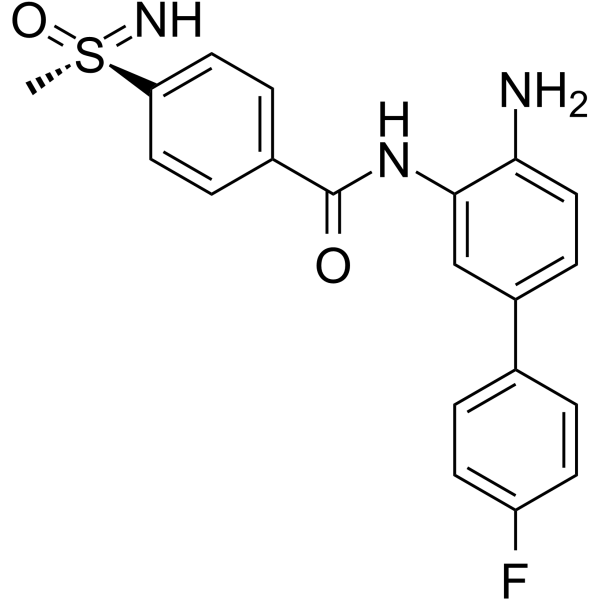 0 ImagesTNG260 is a selective, orally effective inhibitor of HDAC1 and CoREST complex, with a 10-fold selectivity for HDAC1 over HDAC3 and a 500-fold selectivity for CoREST complex over NuRD and Sin3 complex. TNG260 reshapes the tumor immune microenvironment, reduces immunosuppressive neutrophil infiltration, promotes effector T cell recruitment, and reverses anti-PD-1 resistance caused by STK11 deficiency by inhibiting the activity of the CoREST-HDAC1 complex. TNG260 induces durable tumor regression in combination with α-PD1 in MC38 tumor-bearing mice with STK11 mutations, and has lower toxicity to bone marrow cells than non-selective HDAC inhibitors.
-
TYA-018
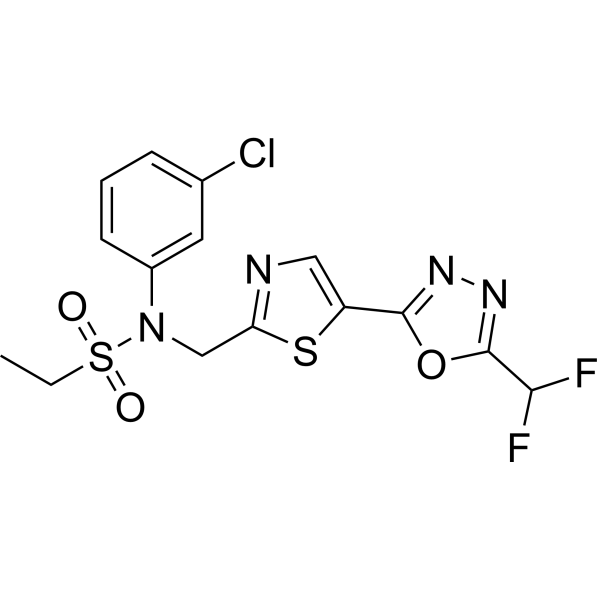 0 ImagesTYA-018 is an orally active, potent and highly selective HDAC6 inhibitor. TYA-018 can protect heart function in mice. TYA-018 also enhances energetics in mice by increasing expression of targets associated with fatty acid metabolism, protein metabolism, and oxidative phosphorylation.
-
Boc-Lys(Ac)-AMC
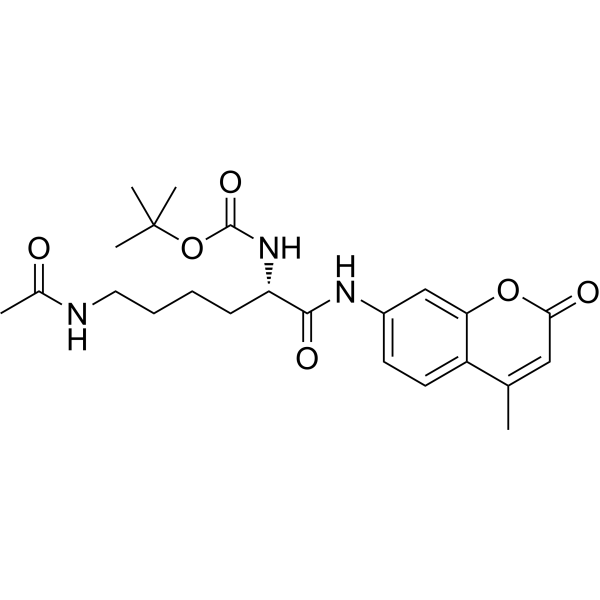 0 ImagesBoc-Lys(Ac)-AMC is a cell-permeable fluorometric HDAC substrate (Ex/Em = 355 nm/460 nm).
-
Zabadinostat
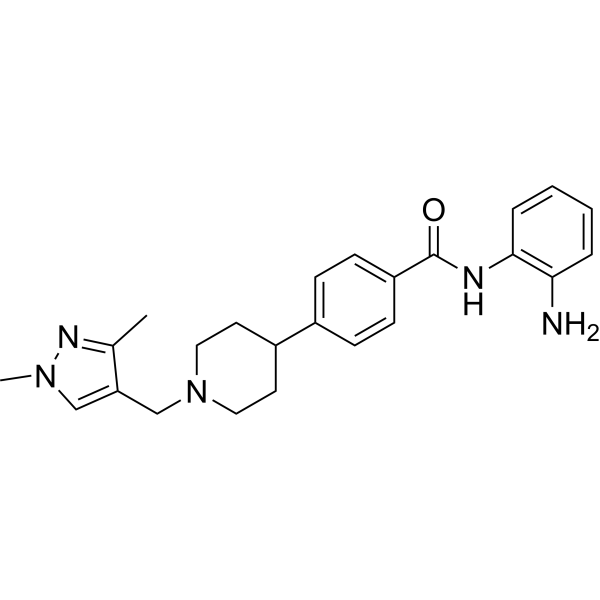 0 ImagesSynonyms: CXD101
-
Thalidomide-4-OH
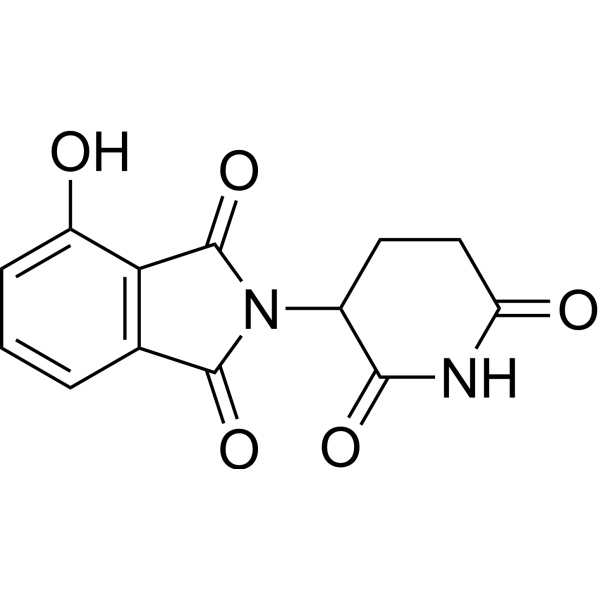 0 ImagesSynonyms: Cereblon ligand 2; E3 ligase Ligand 2Thalidomide-4-OH (Cereblon ligand 2) is the Thalidomide-based Cereblon ligand used in the recruitment of CRBN protein. Thalidomide-4-OH (Cereblon ligand 2) can be connected to the ligand for protein by a linker to form PROTACs.
-
AR-42
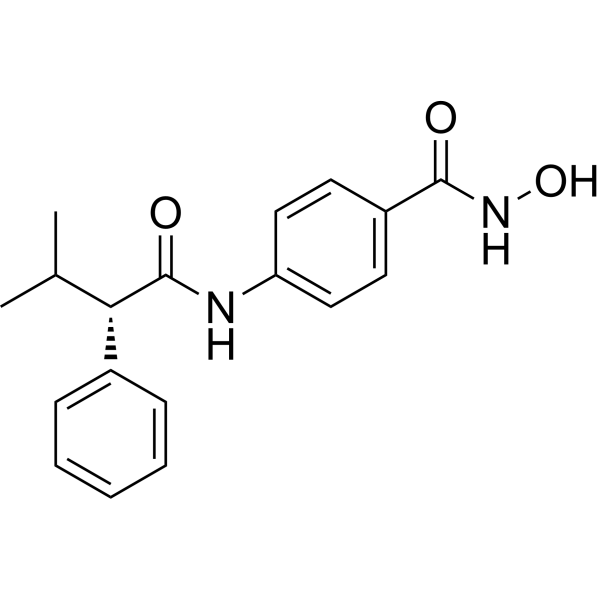 0 ImagesSynonyms: HDAC-42; OSU-HDAC42AR-42 (HDAC-42; OSU-HDAC42) is a potent, orally bioavailable pan-HDAC inhibitor (IC50=16 nM). AR-42 induces growth inhibition, cell-cycle arrest, apoptosis, and activation of caspases-3/7. AR-42 promotes hyperacetylation of H3, H4, and alpha-tubulin, and up-regulation of p21. AR-42 shows cytotoxicity against various human cancer cell lines.
-
Rhamnetin
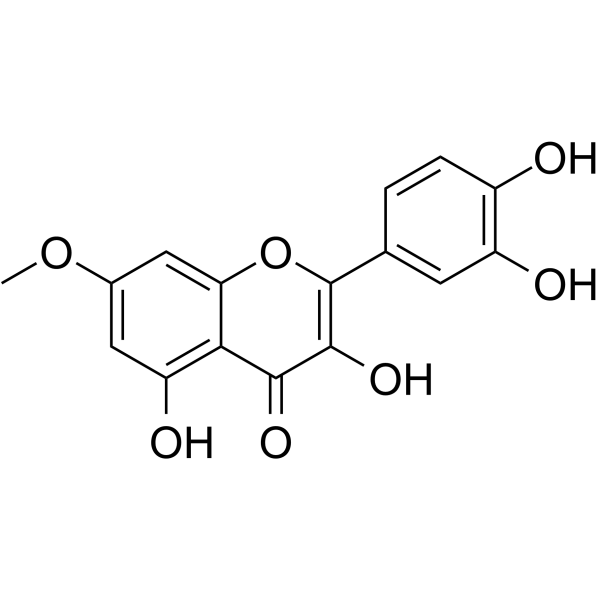 0 ImagesRhamnetin is a quercetin derivative found in Coriandrum sativum, inhibits secretory phospholipase A2 and histone deacetylase 2 (HDAC2). Rhamnetin exhibits antitumor, antioxidant and anti-inflammatory activity.
-
Crotonoside
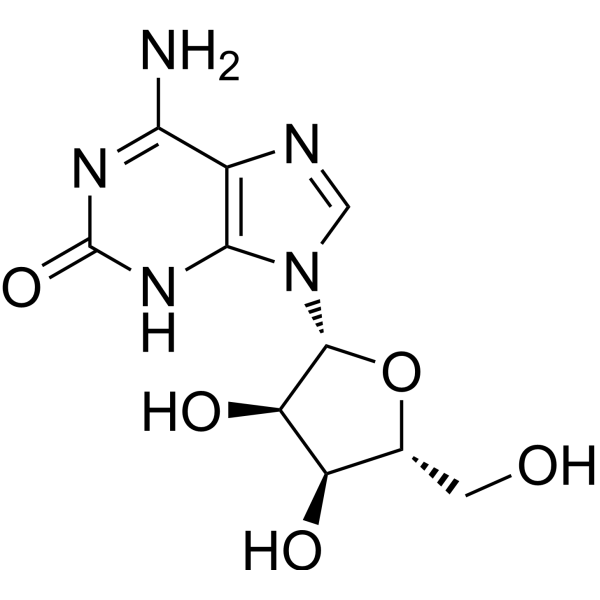 0 ImagesCrotonoside is isolated from Chinese medicinal herb, Croton. Crotonoside inhibits FLT3 and HDAC3/6, exhibits selective inhibition in acute myeloid leukemia (AML) cells. Crotonoside could be a promising new lead compound for the research of AML.
-
Vorinostat (Standard)
 0 ImagesSynonyms: SAHA (Standard); Suberoylanilide hydroxamic acid (Standard)Vorinostat (Standard) is the analytical standard of Vorinostat. This product is intended for research and analytical applications. Vorinostat (SAHA) is a potent and orally active pan-inhibitor of HDAC1, HDAC2 and HDAC3 (Class I), HDAC6 and HDAC7 (Class II) and HDAC11 (Class IV), with ID50 values of 10 nM and 20 nM for HDAC1 and HDAC3, respectively. Vorinostat induces cell apoptosis. Vorinostat is also an effective inhibitor of human papillomaviruse (HPV)-18 DNA amplification.
-
JPS016 TFA
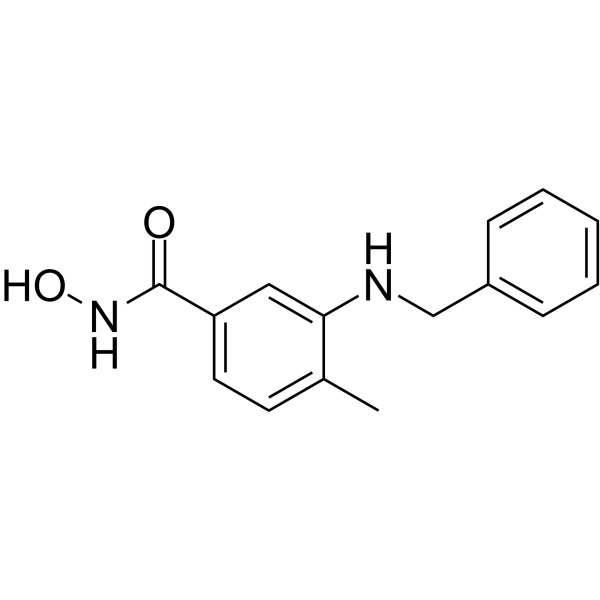
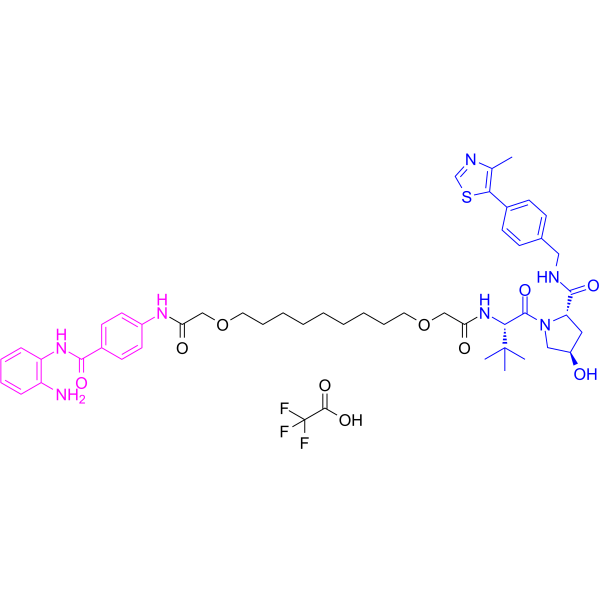 0 ImagesCat. No.: HY-145816APurity: 99.47%JPS016 TFA is a class I histone deacetylase (HDAC) PROTAC inhibitor. JPS016 TFA recruits the VHL E3 ligase (Ligands for E3 Ligase) to mediate the ubiquitination and proteasomal degradation of HDAC1, HDAC2 and HDAC3. JPS016 TFA reduces the viability of colon cancer cells and induces Apoptosis. JPS016 TFA activates the PINK1/Parkin mitochondrial Autophagy pathway, enhances cardiomyocyte viability, alleviates mitochondrial damage, and reduces mitochondrial ROS production in cells. JPS016 TFA is applicable to research related to colon cancer and sepsis cardiomyopathy.
-
ACY-775
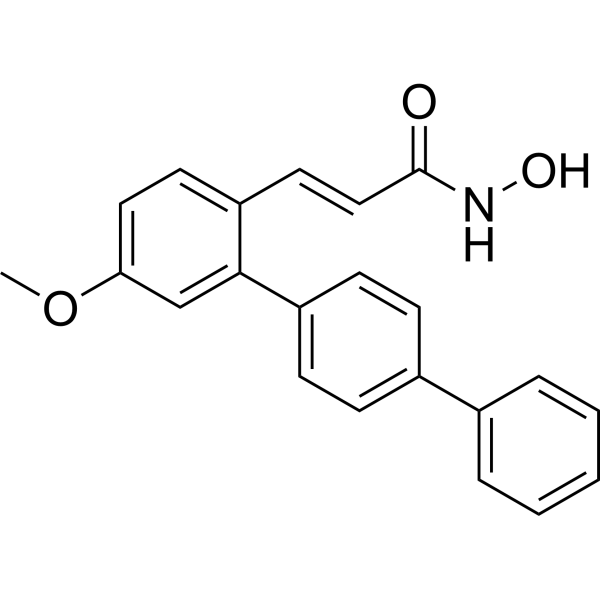
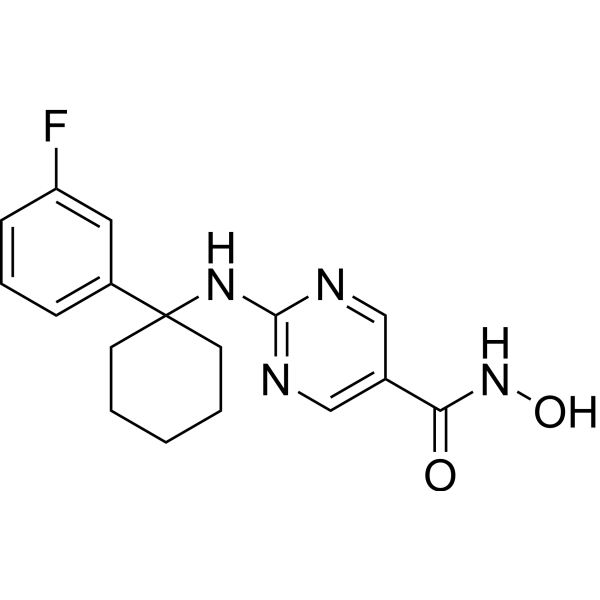 0 ImagesACY-775 is a potent and selective inhibitor of the of histone deacetylase 6 (HDAC6) with an IC50 of 7.5 nM. ACY775 also inhibits metallo-β-lactamase domain-containing protein 2 (MBLAC2).
-
HDAC10-IN-1
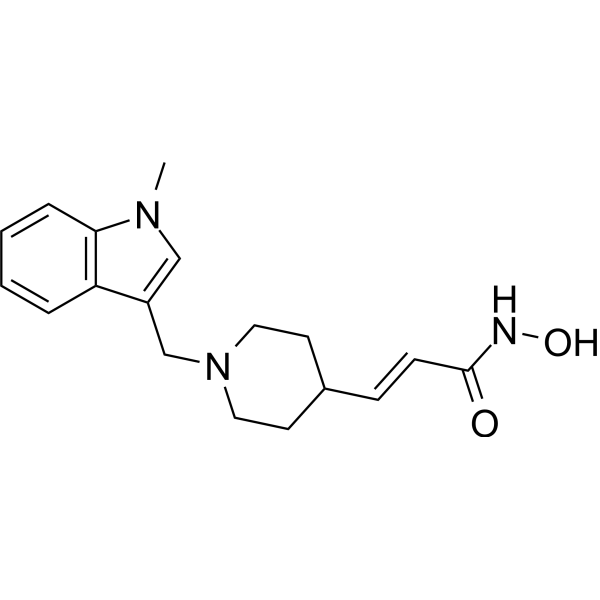 0 ImagesCat. No.: HY-144779CAS No.: 3033417-31-8HDAC10-IN-1 (compound 13b) is a potent and highly selective HDAC10 inhibitor, with an IC50 of 58 nM. HDAC10-IN-1 modulates autophagy in aggressive FLT3-ITD positive acute myeloid leukemia cells.




