HDAC
Histone deacetylases
HDAC (Histone deacetylases) are a class of enzymes that remove acetyl groups (O=C-CH3) from an ε-N-acetyl lysine amino acid on ahistone, allowing the histones to wrap the DNA more tightly. This is important because DNA is wrapped around histones, and DNA expression is regulated by acetylation and de-acetylation. Its action is opposite to that of histone acetyltransferase. HDAC proteins are now also called lysine deacetylases (KDAC), to describe their function rather than their target, which also includes non-histone proteins. Together with the acetylpolyamine amidohydrolases and the acetoin utilization proteins, the histone deacetylases form an ancient protein superfamily known as the histone deacetylase superfamily.
HDAC Isoform Specific Products
-
HDAC
(392)
View all products
-
HDAC1
(317)
View all products
-
HDAC2
(210)
View all products
-
HDAC3
(204)
View all products
-
HDAC4
(72)
View all products
-
HDAC5
(56)
View all products
-
HDAC6
(337)
View all products
-
HDAC7
(53)
View all products
-
HDAC8
(188)
View all products
-
HDAC9
(41)
View all products
-
HDAC10
(67)
View all products
-
HDAC11
(71)
View all products
-
HD1
(3)
View all products
-
HD2
(4)
View all products
All Product Categories
-
HDAC Inhibitors
(780)
View all products
-
HDAC Antagonists
(3)
View all products
-
HDAC Activators
(14)
View all products
-
HDAC Modulators
(4)
View all products
-
HDAC MDM2 Inhibitor
(1)
View all products
-
HDAC Degraders
(45)
View all products
-
HDAC Controls
(4)
View all products
-
HDAC Substrates
(3)
View all products
-
HDAC Ligands
(15)
View all products
-
HDAC Related Products (917)
Related Products (917)

-
Antibodies (16)
-
HDAC Signaling Pathway
-
HDAC Isoform Comparison
-
M344
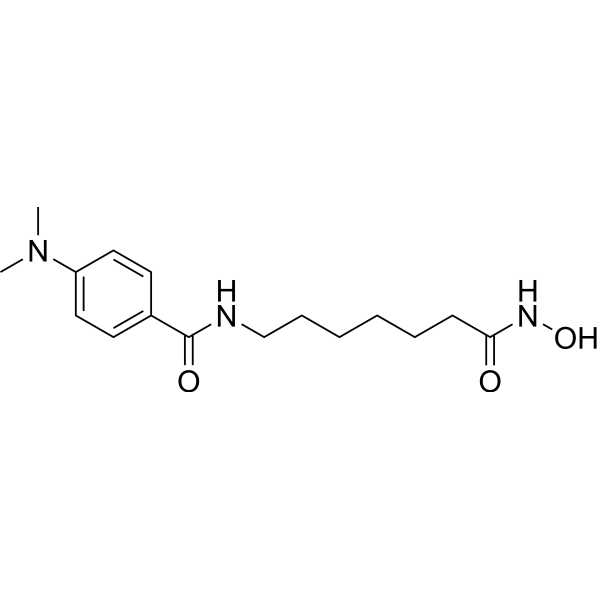 0 ImagesSynonyms: D 237; MS 344M344 (D 237) is an inhibitor of histone deacetylase (IC50=100 nM) and an inducer of terminal cell fifferentiation.
-
Pracinostat
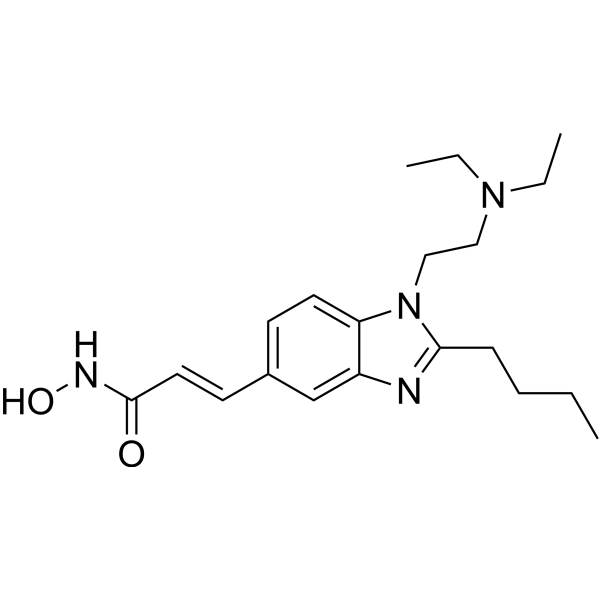 0 ImagesSynonyms: SB939Pracinostat is a potent histone deacetylase (HDAC) inhibitor, with IC50s of 40-140 nM, used for cancer research. Pracinostat also inhibits metallo-β-lactamase domain-containing protein 2 (MBLAC2) hydrolase activity with an EC50 below 10 nM.
-
Abexinostat
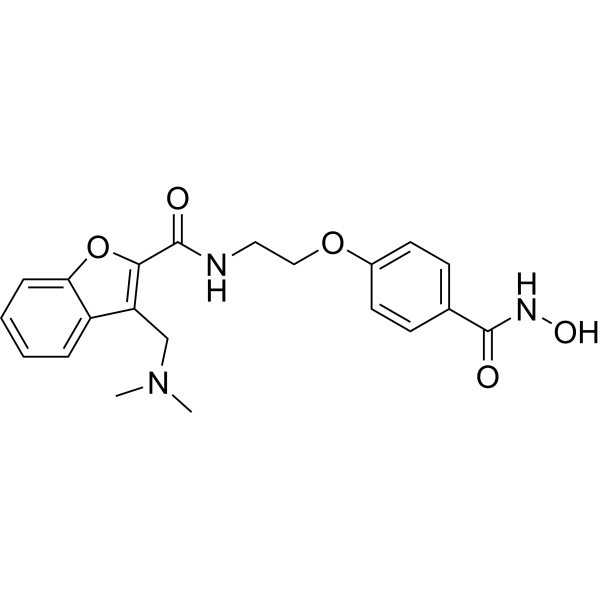 0 ImagesSynonyms: CRA 024781; PCI-24781Abexinostat (CRA 024781) is a novel pan-HDAC inhibitor mostly targeting HDAC1 with Ki of 7 nM. Abexinostat also inhibits metallo-β-lactamase domain-containing protein 2 (MBLAC2) hydrolase activity with an EC50 below 10 nM.
-
Sinapinic acid
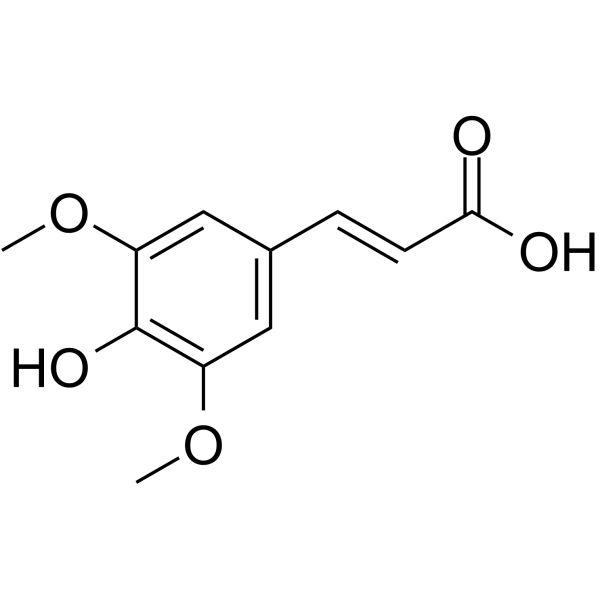 0 ImagesSynonyms: Sinapic acidSinapinic acid (Sinapic acid) is a phenolic compound isolated from Hydnophytum formicarum Jack. Rhizome, acts as an inhibitor of HDAC, with an IC50 of 2.27 mM, and also inhibits ACE-I activity. Sinapinic acid posssess potent anti-tumor activity, induces apoptosis of tumor cells. Sinapinic acid shows antioxidant and antidiabetic activities. Sinapinic acid reduces total cholesterol, triglyceride, and HOMA-IR index, and also normalizes some serum parameters of antioxidative abilities and oxidative damage in ovariectomized rats.
-
BRD3308
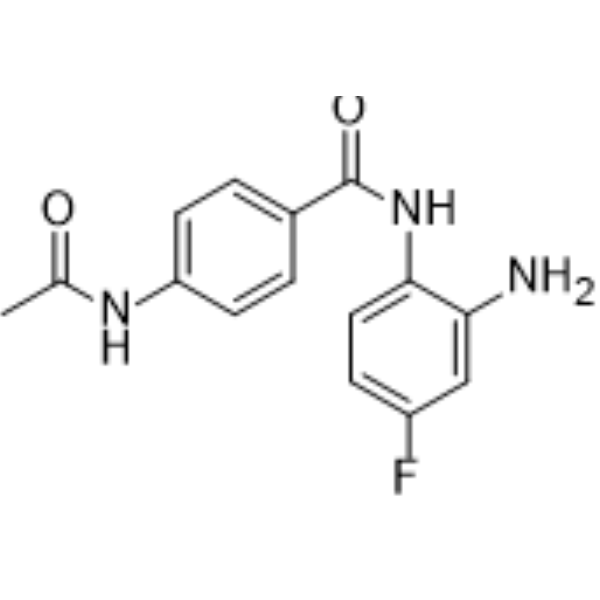 0 ImagesBRD3308 is a highly selective HDAC3 inhibitor with an IC50 of 54 nM. BRD3308 is 23-fold selectivity for HDAC3 over HDAC1 (IC50 of 1.26 μM) or HDAC2 (IC50 of 1.34 μM). BRD3308 suppresses pancreatic β-cell apoptosis induced by inflammatory cytokines or glucolipotoxic stress, and increases functional insulin release. BRD3308 activates HIV-1 transcription and disrupts HIV-1 latency.
-
CYD19
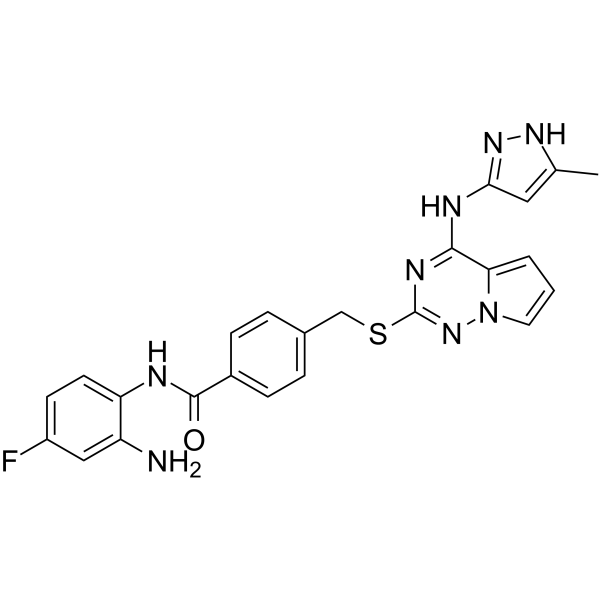 0 ImagesSynonyms: Snail/HDAC-IN-1CYD19 is a potent Snail/HDAC dual target inhibitor. CYD19 displays potent inhibitory activity against HDAC1 with an IC50 of 0.405 μM and potent inhibition against Snail with a Kd of 0.18 μM. CYD19 increases histone H4 acetylation in HCT-116 cells and decreases the expression of Snail protein to induce cell apoptosis.
-
AR420626
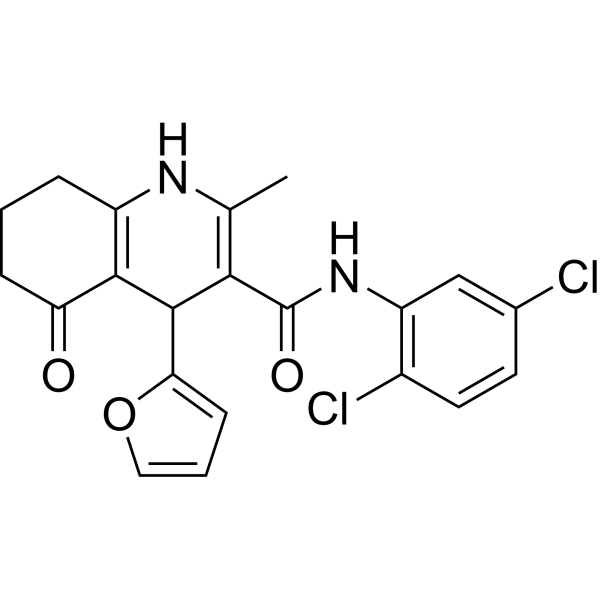 0 ImagesAR420626 is a selective agonist of free fatty acid receptor 3 (FFAR3) (IC50=117 nM). AR420626 has anti-inflammatory, anticancer and antidiabetic activities. AR420626 improves neurogenic diarrhea by inhibiting nAChR mediated neural pathways. AR420626 inhibits the growth of HepG2 xenografts and inhibits the proliferation of hepatoma cells by inducing apoptosis. AR420626 also suppresses allergic asthma and eczema and has the ability to activate GPR41 to increase Ca2+ signal-mediated glucose uptake and improve diabetes.
-
MC1568
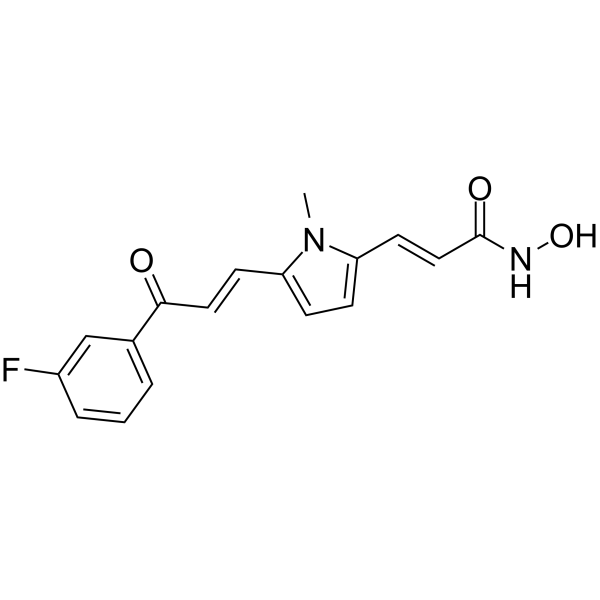 0 ImagesCat. No.: HY-16914CAS No.: 852475-26-4
-
Nexturastat A
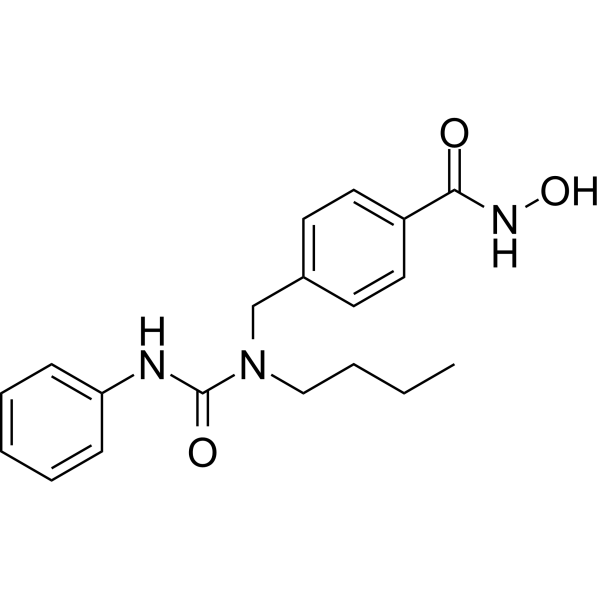 0 ImagesNexturastat A is a potent, selective HDAC6 inhibitor. Nexturastat A has inhibitory for HDAC6 with an IC50 of 5 nM. Nexturastat A can be used for the research of multiple myeloma (MM).
-
BRD-6929
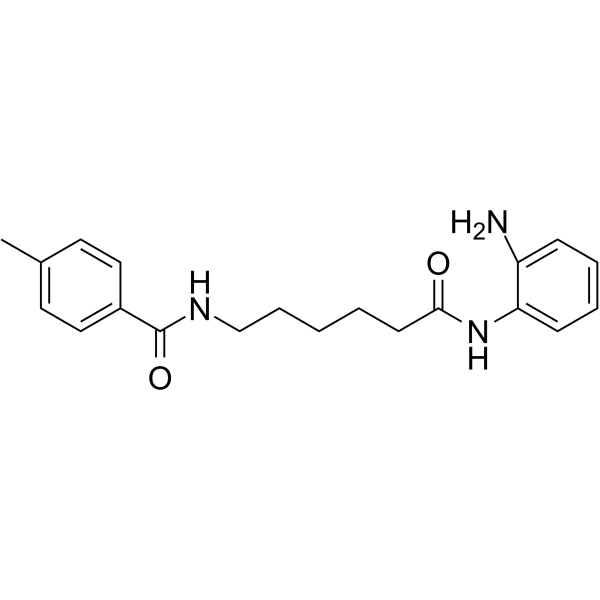
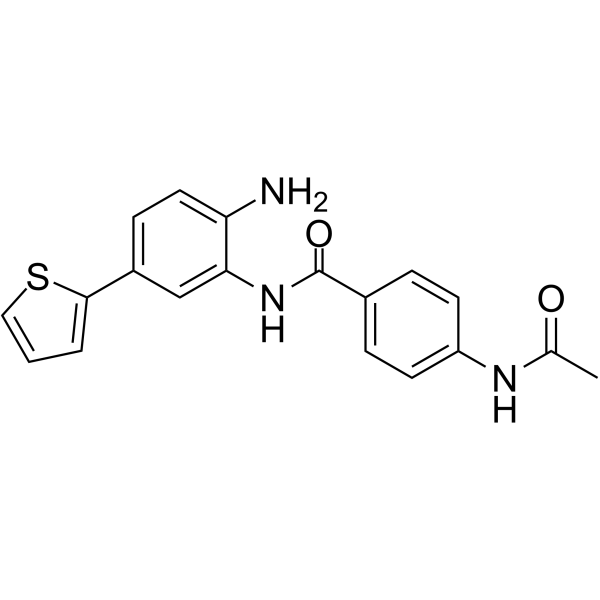 0 ImagesBRD-6929 is a potent, selective brain-penetrant inhibitor of class I histone deacetylase HDAC1 and HDAC2 inhibitor with IC50 of 1 nM and 8 nM, respectively. BRD-6929 shows high-affinity to HDAC1 and HDAC2 with Ki of 0.2 and 1.5 nM, respectively. BRD-6929 can be used for mood-related behavioral model research.
-
Citarinostat
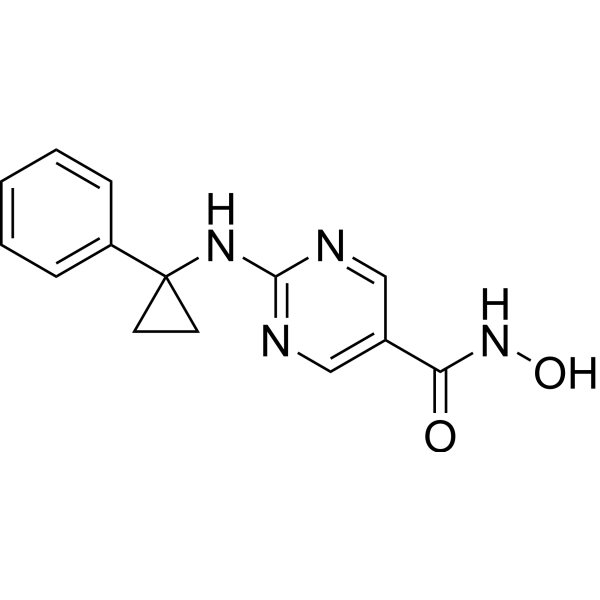
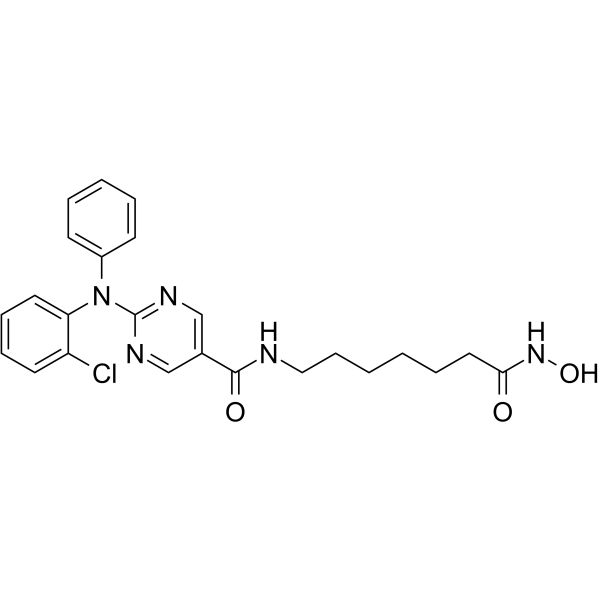 0 ImagesSynonyms: ACY241
-
Givinostat hydrochloride monohydrate
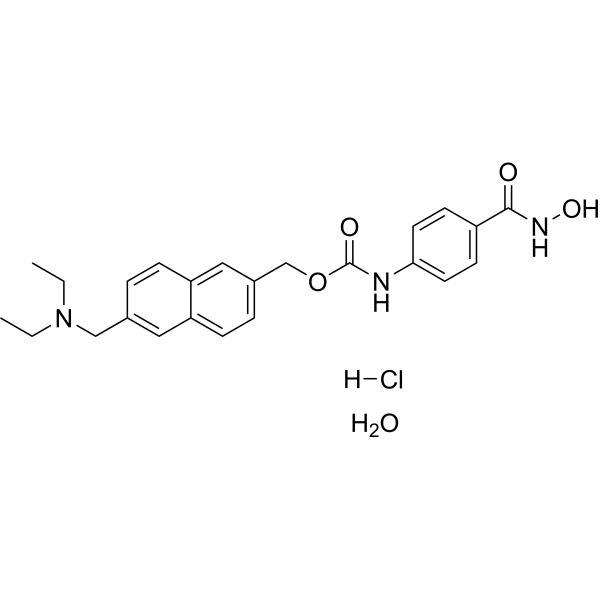 0 ImagesSynonyms: ITF-2357 hydrochloride monohydrate
-
Elevenostat
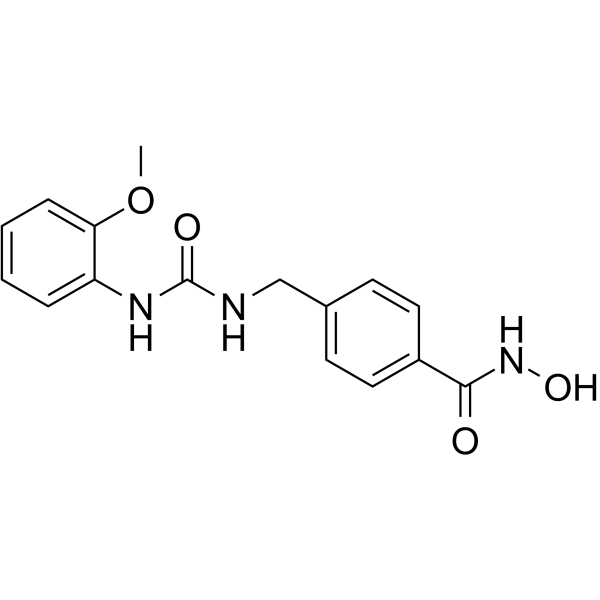 0 ImagesCat. No.: HY-145757CAS No.: 1454902-97-6Synonyms: JB3-22Elevenostat (JB3-22) is a selective HDAC11 inhibitor with an IC50 of 0.235 µM. Elevenostat can induce apoptosis of multiple myeloma cells and has anti-tumor effect. In addition, Elevenostat inhibits the maturation of mouse oocytes.