



IRE1
Inositol requiring enzyme 1
Inositol-requiring enzyme 1 (IRE1) is a bifunctional serine/threonine kinase and endoribonuclease that is a major mediator of the unfolded protein response (UPR) during endoplasmic reticulum (ER) stress. It represents a potential therapeutic target for a number of diseases associated with endoplasmic reticulum stress.
IRE1 is the only identified ER stress sensor in yeast and essential for UPR in animals and plants. As an ER transmembrane protein, IRE1 monitors ER homeostasis through an ER luminal stress-sensing domain and triggers UPR through a cytoplasmic kinase domain and an RNase domain. Upon ER stress, IRE1 RNase is activated through conformational change, autophosphorylation, and higher order oligomerization. Mammalian IRE1 initiates diverse downstream signaling of the UPR either through unconventional splicing of the transcription factor Xbp-1 or and through posttranscriptional modifications via Regulated IRE1-Dependent Decay (RIDD) of multiple substrates.
All Product Categories
-
IRE1 Related Products (72)
Related Products (72)

-
Recombinant Proteins (2)
-
Antibodies (2)
-
Palladium(Ⅱ) acetylacetonate
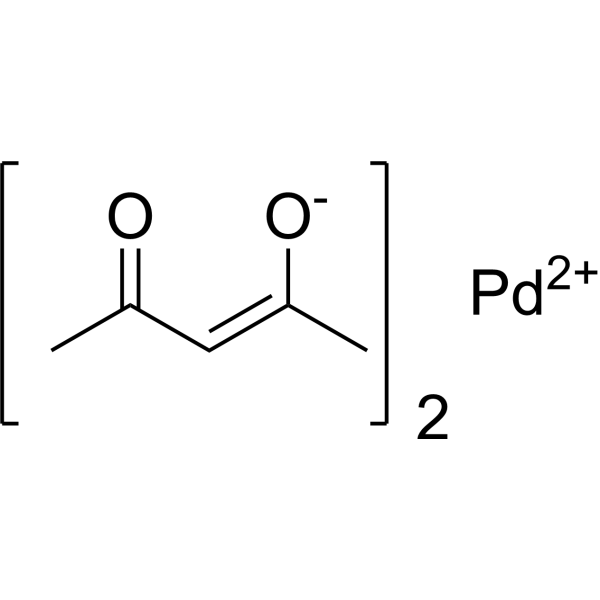 0 ImagesSynonyms: Palladium(Ⅱ) 2,4-pentanedionate; Pd(acac)2Palladium(II) acetylacetonate is a metal-organic complex. Palladium(II) acetylacetonate upregulates the expression of GRP78, ATF-4, XBP-1, CHOP, and phosphorylated c-Jun. Palladium(II) acetylacetonate induces Apoptosis. Palladium(II) acetylacetonate has anticancer effects against non-small cell lung cancer, gastric cancer, leukemia, and cervical cancer.
-
G-5758
 0 ImagesG-5758 is a selective and orally effective IRE1α inhibitor with an IC50 of 38 nM (detected by the XBP1s luciferase reporter cell assay). G-5758 is still well tolerated in rats at oral doses up to 500 mg/kg. G-5758 can be used in the research of multiple myeloma.
-
Ironomycin
 0 ImagesIronomycin is a derivative of Salinomycin (HY-15597). Ironomycin exhibits selective inhibitory activity against mantle cell lymphoma (MCL) cells. Ironomycin blocks the cell cycle and induces apoptosis and ferroptosis. Ironomycin induces double-strand DNA breaks and activates the unfolded protein response (UPR), particularly the IRE1α signaling pathway accumulation. The combination of Ironomycin with Ibrutinib (HY-10997) shows a synergistic effect. Ironomycin can be used for the study of MCL.

-
6-Methoxydihydrosanguinarine
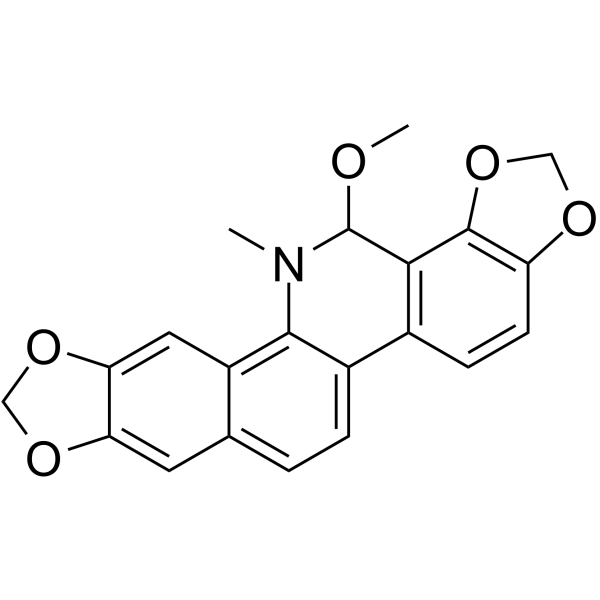 0 Images6-Methoxydihydrosanguinarine is an alkaloid with activity across multiple cancer cell types. 6-Methoxydihydrosanguinarine activates IRE1/JNK signaling, blocks Akt/mTOR and PI3K/AKT/mTOR pathways, reduces expression of Cdc25C, CyclinB1, Cdc2, YAP/TAZ, Survivin, GPX4, and EGFR, upregulates IRE1 and DR5, and activates JNK and caspases. 6-Methoxydihydrosanguinarine induces apoptosis, G2/M phase arrest, DNA damage, ROS generation, lipid peroxidation, ferroptosis, autophagy, and suppresses cancer cell growth. 6-Methoxydihydrosanguinarine disruptes the biofilm formation of Candida albicans (C. albicans). 6-Methoxydihydrosanguinarine can be used for the research of non-small cell lung cancer, hepatocellular carcinoma, melanoma, colon carcinoma, ovarian cancer and breast cancer.
-
3,6-DMAD hydrochloride
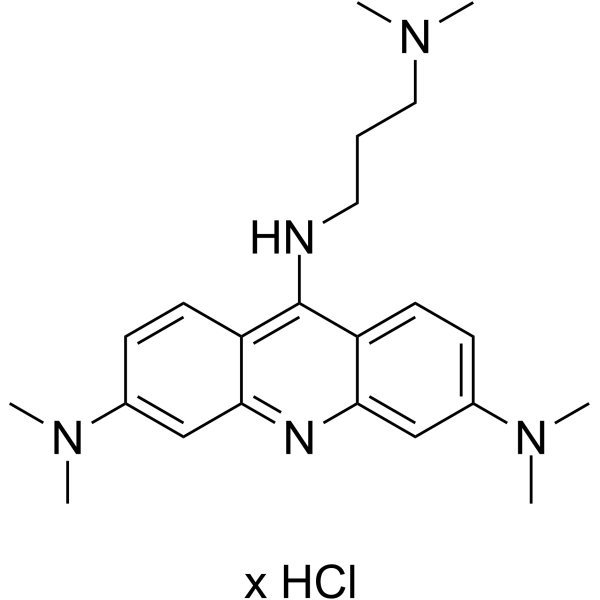 0 ImagesCat. No.: HY-U00460Purity: 99.50%3,6-DMAD hydrochloride, an acridine derivative, is a potent IRE1α-XBP1s pathway inhibitor. 3,6-DMAD hydrochloride promotes IL-6 secretion via the IRE1α-XBP1s pathway. 3,6-DMAD hydrochloride inhibits IRE1α oligomerization and endoribonuclease (RNase) activity. 3,6-DMAD hydrochloride can be used for research of cancer.
-
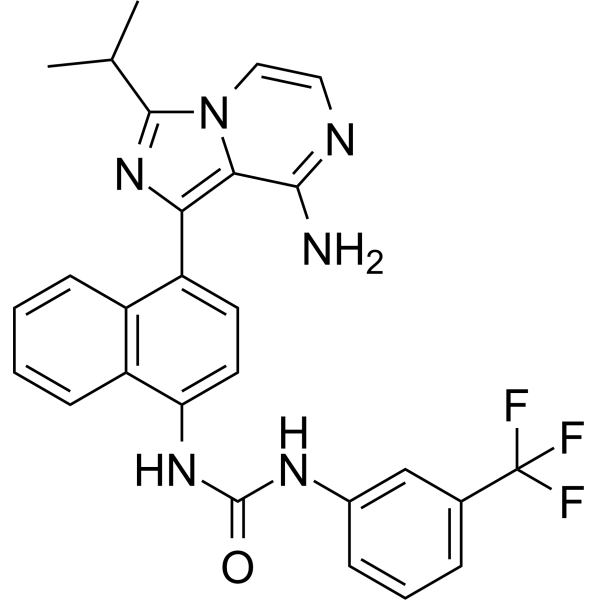
KIRA-7
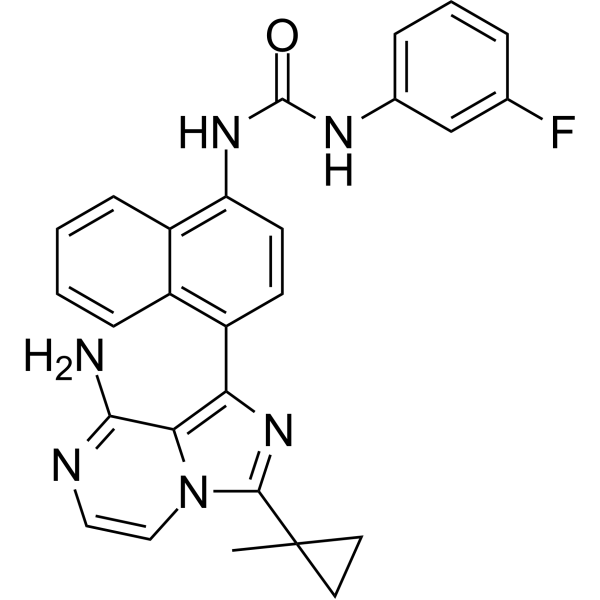 0 ImagesKIRA-7, an imidazopyrazine compound, binds the IRE1α kinase (IC50 of 110 nM) to allosterically inhibit its RNase activity. KIRA-7 has an anti-fibrotic effect.
-
MKC9989
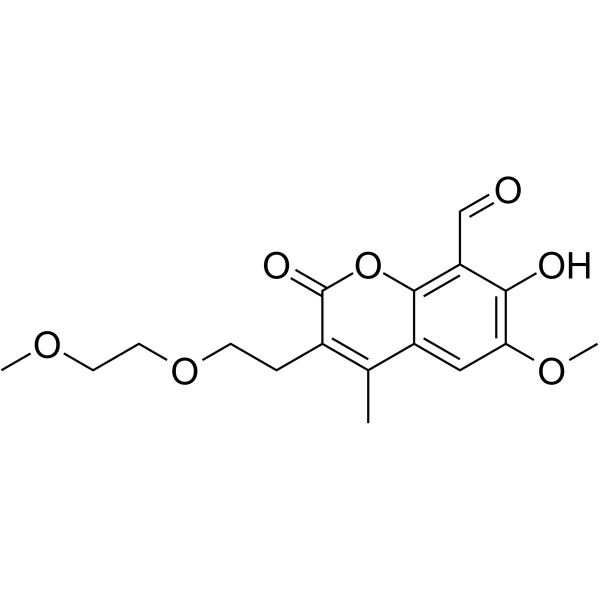 0 ImagesMKC9989 is a Hydroxy aryl aldehydes (HAA) inhibitor and also inhibits IRE1α with an IC50 of 0.23 to 44 μM.
-
6-Bromo-2-hydroxy-3-methoxybenzaldehyde
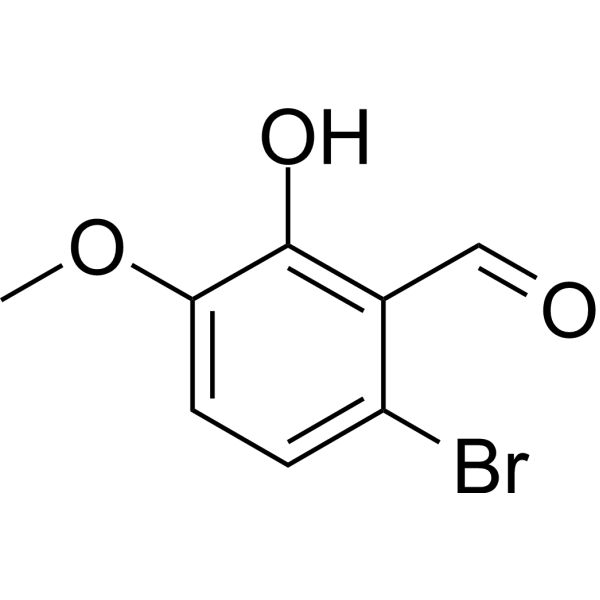 0 ImagesSynonyms: NSC956826-Bromo-2-hydroxy-3-methoxybenzaldehyde (NSC95682) (Compound 3-5) is a selective and potent IRE-1α inhibitor with an IC50 value of 0.08 μM. 6-Bromo-2-hydroxy-3-methoxybenzaldehyde can be used for research on diseases associated with the unfolded protein response (UPR), such as cancer and autoimmune diseases.
-
Z4P
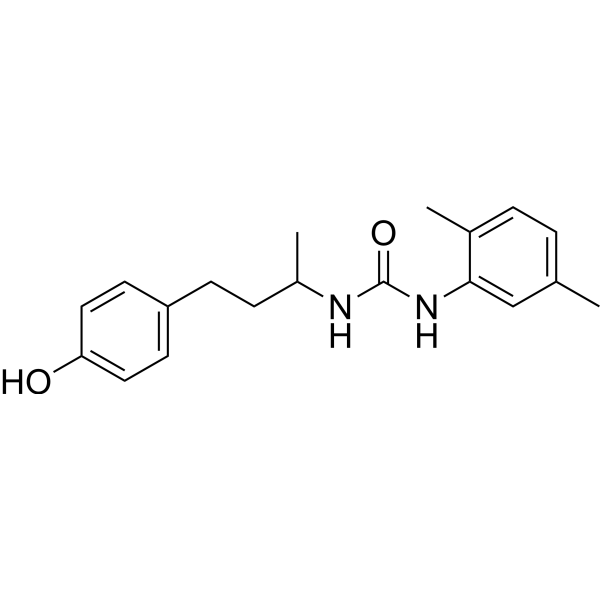 0 ImagesZ4P is a BBB-penetrable IRE1 inhibitor with an IC50 of 1.13 μM. Z4P in combination with Temozolomide (HY-17364) inhibits the growth and recurrence of glioblastoma and has anti-tumor activity.
-
FC-116
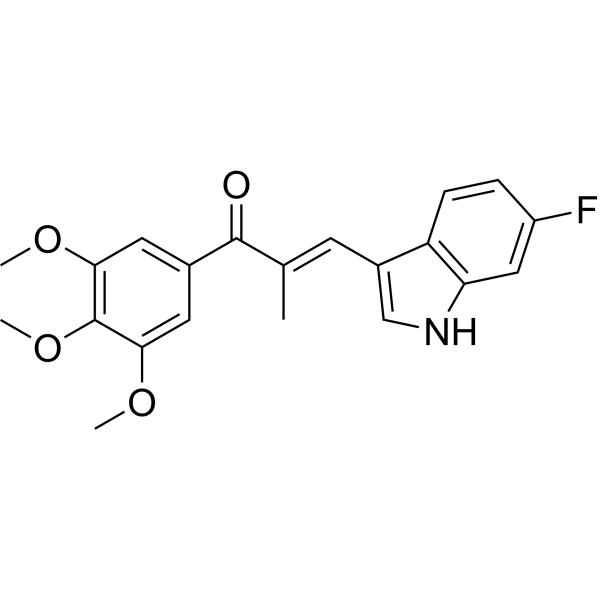 0 ImagesFC-11 is a tubulin inhibitor. FC-116 inhibits the proliferation of colorectal cancer (CRC) cells, with IC50 values of 4.52 nM for HCT116 cells and 18.69 nM for CT26 cells. FC-11 can induce ER stress to generate excess ROS, leading to mitochondrial damage, thereby promoting apoptosis in colorectal cancer (CRC) cells by targeting microtubules. FC-116 exerts potent anti-tumor effects in vivo. FC-11 can be used for the study of colorectal cancer.
-
Sunitinib glucuronate
 0 ImagesCat. No.: HY-10255CCAS No.: 1818285-48-1Synonyms: SU 11248 glucuronateSunitinib (SU 11248) glucuronate is a multi-targeted receptor tyrosine kinase inhibitor with IC50s of 80 nM and 2 nM for VEGFR2 and PDGFRβ, respectively. Sunitinib glucuronate, an ATP-competitive inhibitor, effectively inhibits autophosphorylation of Ire1α by inhibiting autophosphorylation and consequent RNase activation.
-
Sunitinib-d10
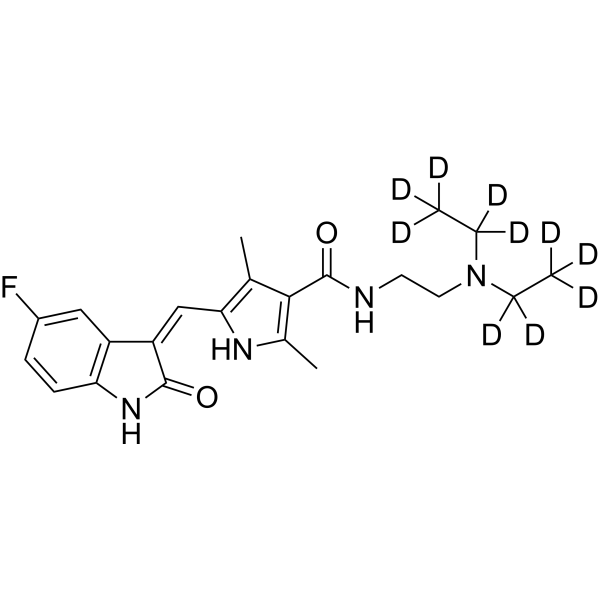 0 ImagesSynonyms: SU 11248-d10Sunitinib-d10 (SU 11248-d10) is a deuterium labeled Sunitinib. Sunitinib is a multi-targeted receptor tyrosine kinase inhibitor with IC50s of 80 nM and 2 nM for VEGFR2 and PDGFRβ, respectively. Sunitinib, an ATP-competitive inhibitor, effectively inhibits autophosphorylation of Ire1α by inhibiting autophosphorylation and consequent RNase activation.

-
Sunitinib Malate (Standard)
 0 ImagesCat. No.: HY-10255RCAS No.: 341031-54-7Synonyms: SU 11248 Malate (Standard)Sunitinib (Malate) (Standard) is the analytical standard of Sunitinib (Malate). This product is intended for research and analytical applications. Sunitinib Malate (SU 11248 Malate) is a multi-targeted receptor tyrosine kinase inhibitor with IC50s of 80 nM and 2 nM for VEGFR2 and PDGFRβ, respectively. Sunitinib Malate, an ATP-competitive inhibitor, effectively inhibits autophosphorylation of Ire1α by inhibiting autophosphorylation and consequent RNase activation.
-
Sunitinib (Standard)
 0 ImagesCat. No.: HY-10255ARCAS No.: 557795-19-4Synonyms: SU 11248 (Standard)Sunitinib (Standard) is the analytical standard of Sunitinib. This product is intended for research and analytical applications. Sunitinib (SU 11248) is a multi-targeted receptor tyrosine kinase inhibitor with IC50s of 80 nM and 2 nM for VEGFR2 and PDGFRβ, respectively. Sunitinib, an ATP-competitive inhibitor, effectively inhibits autophosphorylation of Ire1α by inhibiting autophosphorylation and consequent RNase activation.
-
GSK2850163 hydrochloride
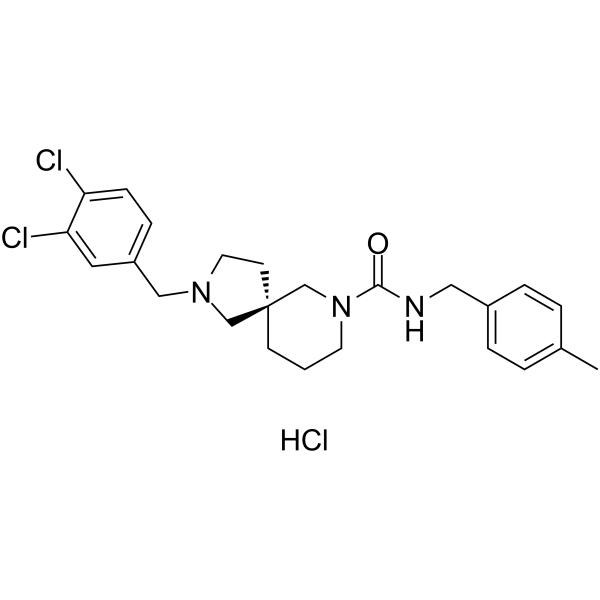 0 ImagesCat. No.: HY-U00459BCAS No.: 2319838-09-8Synonyms: GSK163 hydrochlorideGSK2850163 hydrochloride is a novel inhibitor of inositol-requiring enzyme-1 alpha (IRE1α) which can inhibit IRE1α kinase activity and RNase activity with IC50s of 20 and 200 nM, respectively.
-
Kira8 Hydrochloride
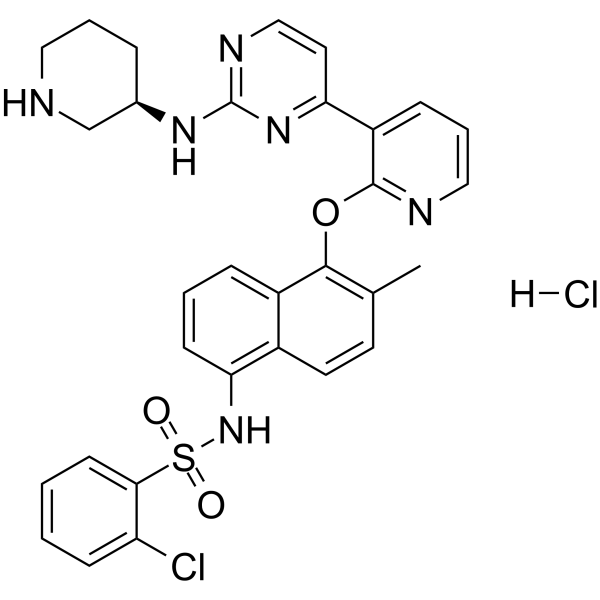 0 ImagesSynonyms: AMG-18 HydrochlorideKira8 Hydrochloride (AMG-18 Hydrochloride) is a mono-selective IRE1α inhibitor that allosterically attenuates IRE1α RNase activity with an IC50 of 5.9 nM.
-
IRE1α kinase-IN-6
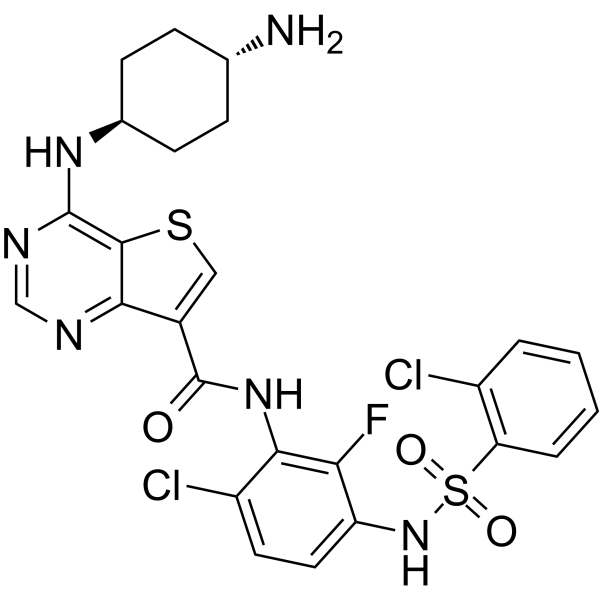 0 ImagesCat. No.: HY-142659CAS No.: 2715123-88-7IRE1α kinase-IN-6 is a potent IRE1α inhibitor with an IC50 value of 4.4 nM.




