



NADPH Oxidase
NOX
NADPH-oxidase (NOX) is a highly regulated dynamic complex comprising membrane and cytosolic proteins and is the major source of nonmitochondrial cellular reactive oxygen species (ROS). The ROS generated by NADPH oxidases have crucial roles in various physiological processes, including innate immunity, modulation of redox-dependent signalling cascades, and as cofactors in the production of hormones.
NOX enzymes are a family of transmembrane proteins comprising seven members (NOX1-NOX5 and DUOX1 and DUOX2), each with a specific tissue distribution and activation mechanism. They catalyze the reduction of molecular oxygen to superoxide anion, which in turn reacts quickly to generate other ROS, such as hydrogen peroxide. Although basic NOX activity is crucial for normal physiology, overshooting activity of NOX enzymes leads to disease. NADPH oxidases are increasingly recognized as interesting drug targets.
NADPH Oxidase Isoform Specific Products
All Product Categories
-
NADPH Oxidase Related Products (95)
Related Products (95)

-
Antibodies (3)
-
NADPH Oxidase Isoform Comparison
-
Melamine
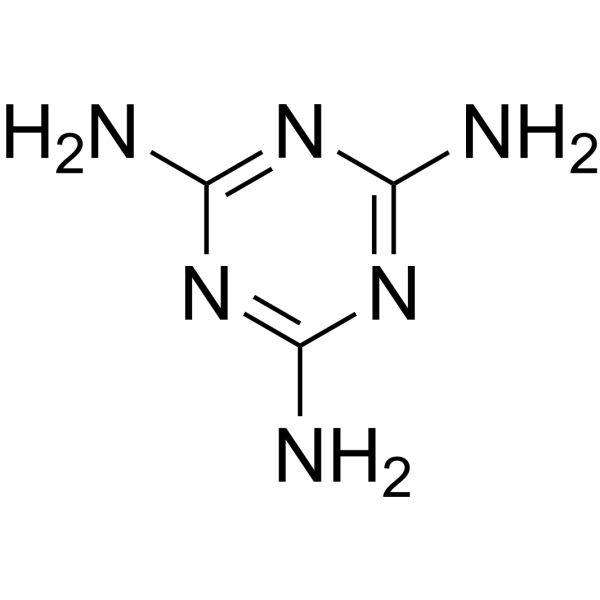 0 ImagesMelamine is an orally active inducer of Apoptosis. Melamine induces animal disease models. Melamine affects the activity of Sertoli cell and can be used for research on male reproductive function. Melamine also has neurotoxicity and nephrotoxicity. Melamine induces cognitive impairment and acute kidney injury models. Melamine can also be used to induce bladder cancer and urinary stone models.
-
Luteolinidin chloride
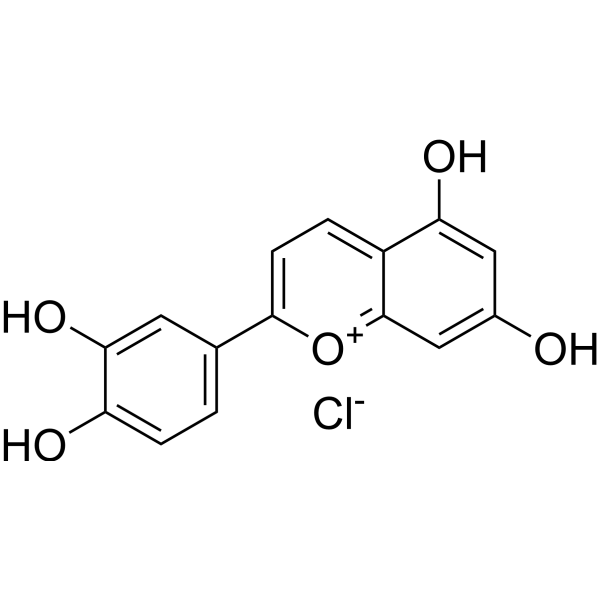 0 ImagesLuteolinidin chloride is a deoxyanthocyanidin isolated from the plant Sorghum bicolor with antioxidant activity. Luteolinidin chloride is a potent CD38 inhibitor (Ki=11.4 μM) and protects the heart from ischemia/reperfusion injury by preserving endothelial nitric oxide synthase (eNOS) function and preventing endothelial dysfunction. Luteolinidin chloride is also a competitive inhibitor of tyrosinase (IC50=3.7 μM) and blocks the production of melanin.
-
Phox-I2
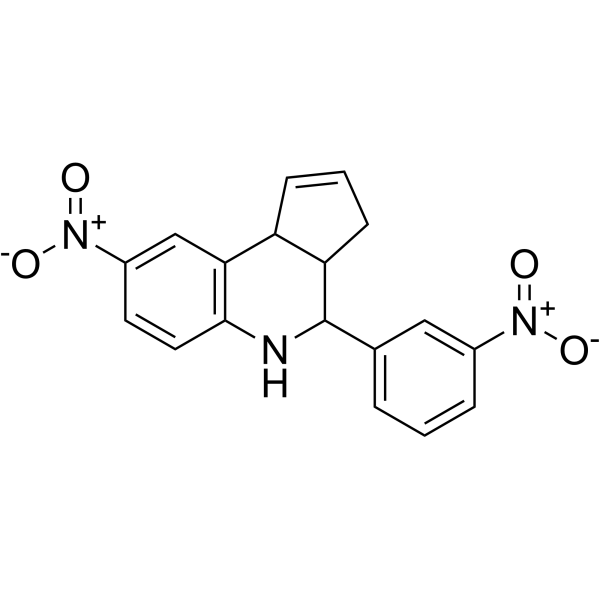 0 ImagesPhox-I2 is a selective inhibitor of p67phox-Rac1 interaction, binds to p67phox with high affinity with a Kd of ~150 nM. Phox-I2 is a NADPH oxidase 2 (NOX2) inhibitor and inhibits reactive oxygen species (ROS) production.
-
GKT136901
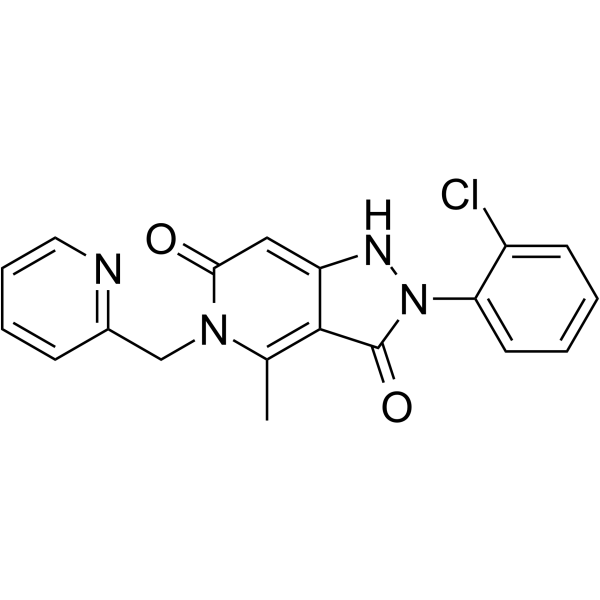 0 ImagesGKT136901 is a potent, selective and orally active inhibitor of NADPH oxidase (NOX1/4), with Kis of 160 and 165 nM, respectively. GKT136901 is also a selective and direct scavenger of peroxynitrite. GKT136901 can be used for the research of diabetic nephropathy, stroke, and neurodegeneration. GKT136901 also has anti-inflammatory activity.
-
Hydroxy-PP-Me
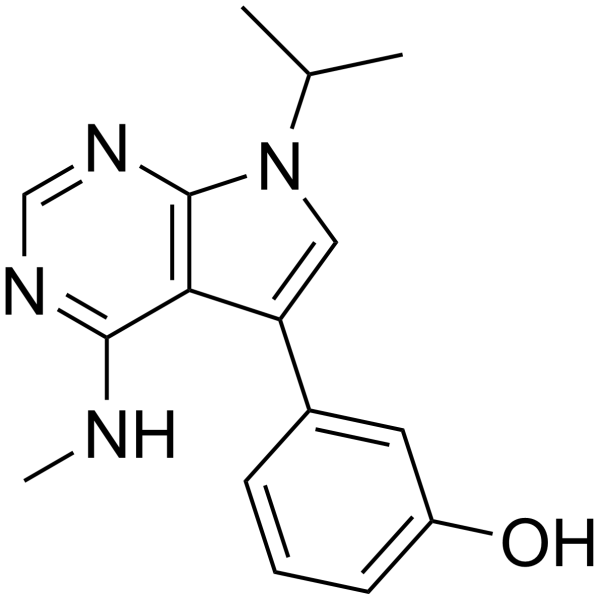 0 ImagesHydroxy-PP-Me is a selective CBR1 inhibitor with an IC50 of 759 nM. Hydroxy-PP-Me can inhibit serum starvation-induced apoptosis. Hydroxy-PP-Me can enhance the cytotoxic effects of Daunorubicin (HY-13062A) and As2O3 on tumor cells. Hydroxy-PP-Me can be used in the research of cancer such as leukemia.
-
NoxA1ds
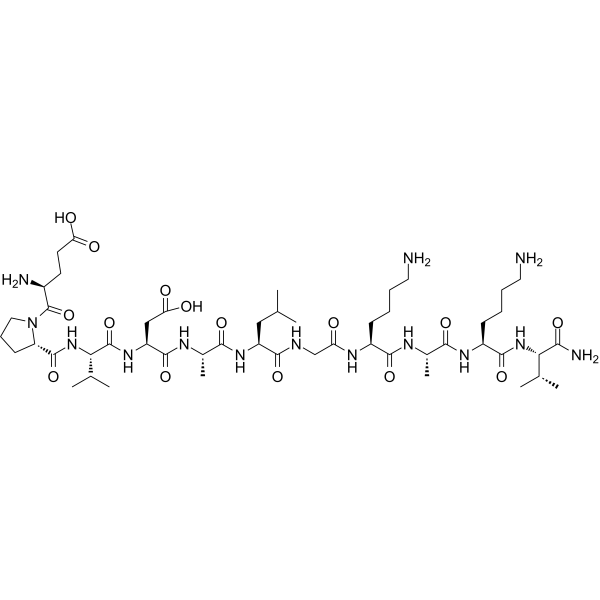 0 ImagesCat. No.: HY-P1435CAS No.: 1435893-78-9NoxA1ds is a potent and highly selective NADPH oxidase 1 (NOX1) inhibitor (IC50=20 nM). NoxA1ds inhibits NOX1-derived O2- production in HT-29 human colon cancer cells. NoxA1ds attenuates VEGF-induced human pulmonary artery endothelial cell migration under hypoxic conditions in vitro. NoxA1ds can be used in the study of hypertension, atherosclerosis and tumors.
-
GKT136901 hydrochloride
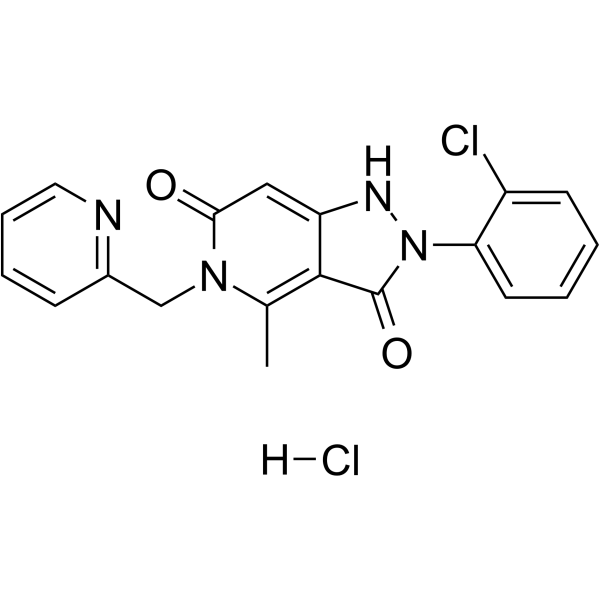 0 ImagesGKT136901 hydrochloride is a potent, selective and orally active inhibitor of NADPH oxidase (NOX1/4), with Kis of 160 and 165 nM, respectively. GKT136901 hydrochloride is also a selective and direct scavenger of peroxynitrite. GKT136901 hydrochloride can be used for the research of diabetic nephropathy, stroke, and neurodegeneration. GKT136901 hydrochloride also has anti-inflammatory activity.
-
APX-115 free base
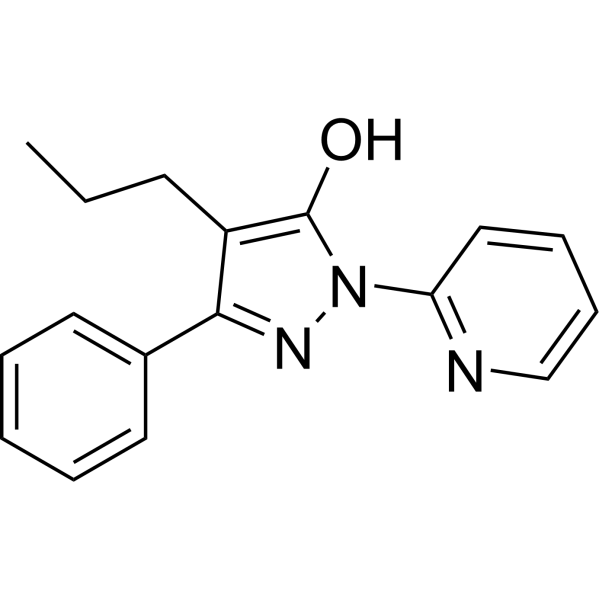 0 ImagesSynonyms: Ewha-18278 free base; Isuzinaxib free baseAPX-115 free base (Ewha-18278 free base) is a potent, orally active pan NADPH oxidase (Nox) inhibitor with Ki values of 1.08 μM, 0.57 μM, and 0.63 μM for Nox1, Nox2 and Nox4, respectively. APX-115 free base effectively prevents kidney injury.
-
GLX481304
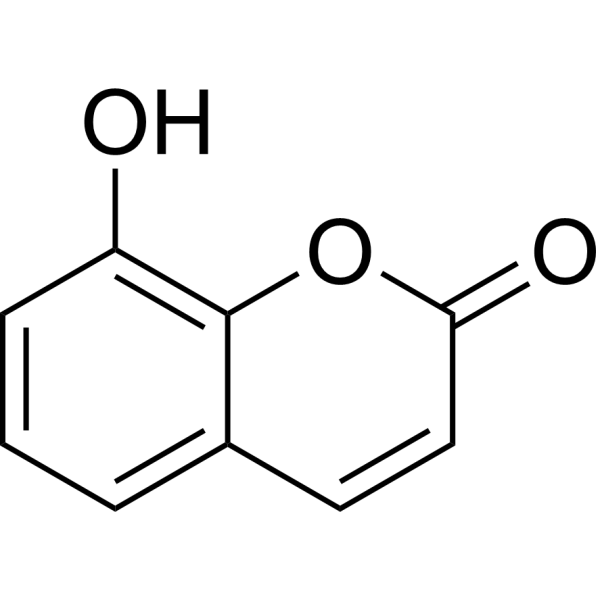
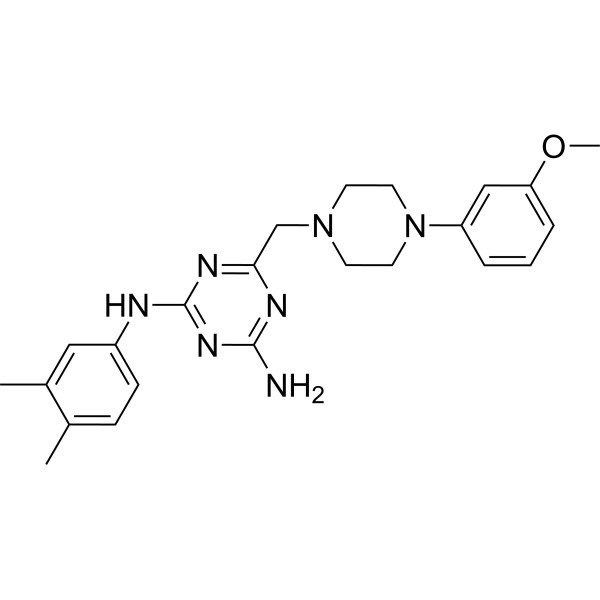 0 ImagesGLX481304 is a specific inhibitor of Nox-2 and -4, with IC50s of 1.25 μM. GLX481304 suppresses ROS production in isolated mouse cardiomyocytes and improves cardiomyocyte contractility. GLX481304 can be used for research of ischemic injury to the heart.
-
NADPH oxidase-IN-1
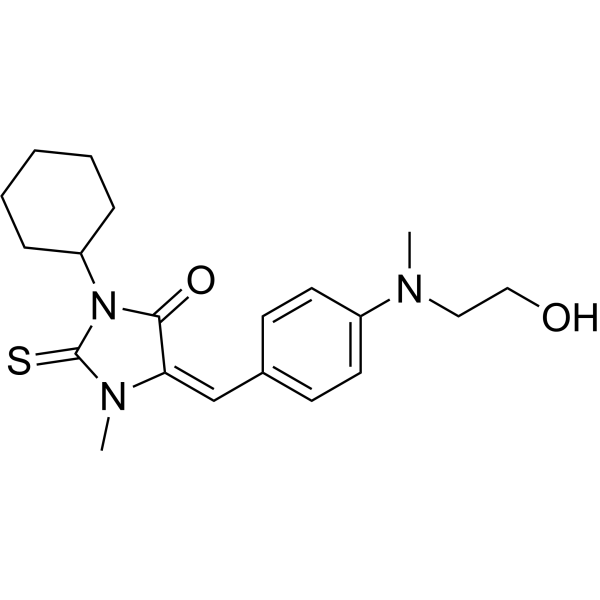 0 ImagesNADPH oxidase-IN-1 is an orally active NADPH oxidase (Nox) inhibitor, related with neuronal inflammation. NADPH oxidase-IN-1 can cross the blood-brain barrier (BBB), inhibits Nox2 and Nox4 with IC50s of 1.9 μM and 2.47 μM, respectively. NADPH oxidase-IN-1 suppresses pro-inflammatory cytokines production and LPS-mediated microglial migration, also has in vivo efficacy.
-
Demethylasterriquinone B1
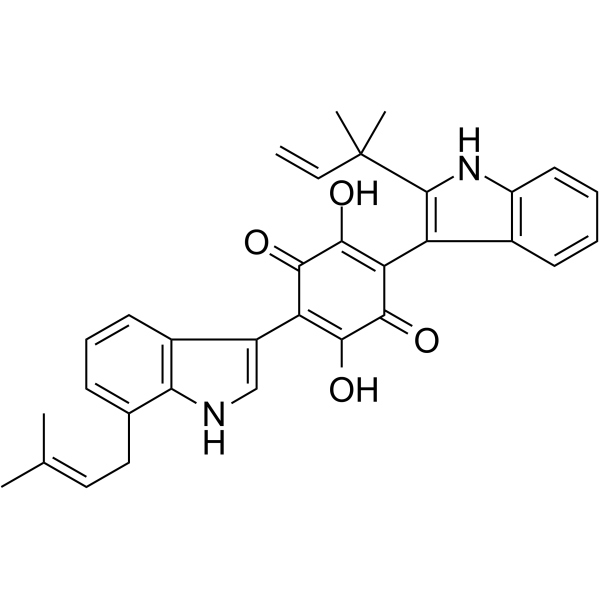 0 ImagesSynonyms: DAQ B1; L-783281; DimethylasterriquinoneDemethylasterriquinone B1 (DAQ B1; L-783281) is an orally active insulin receptor (insulin receptor) agonist and AKT activator. By activating AKT, Demethylasterriquinone B1 upregulates the expression and activity of eNOS to increase NO production, while downregulating the expression of the NADPH oxidase subunit p22phox to reduce oxidative stress and improve vascular endothelial dysfunction in hypertensive rats. Demethylasterriquinone B1 combind with an AKT inhibitor targets the insulin signaling pathway to activate two antiviral pathways, RNA interference and JAK/STAT, in mosquitoes, thereby reducing Zika virus infection.
-
Mulberrofuran G
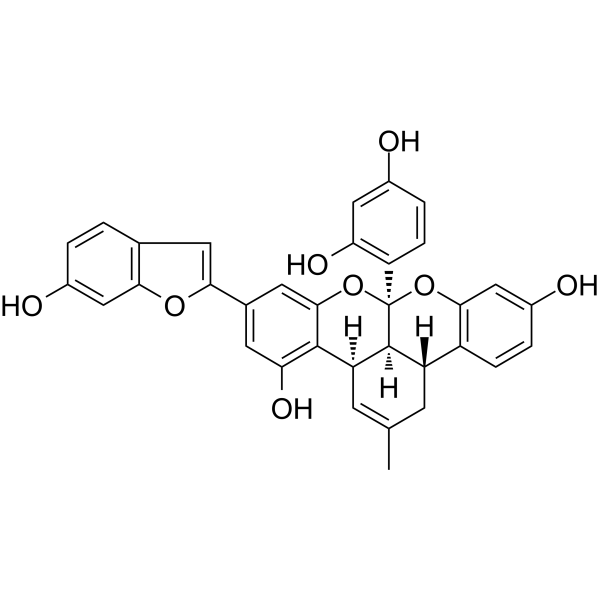 0 ImagesCat. No.: HY-N3239CAS No.: 87085-00-5Mulberrofuran G is a NOX inhibitor (IC50: 6.9 μM) and tyrosinase inhibitor. Mulberrofuran G exhibits anti-inflammatory, antioxidant, antiviral, antitumor, and neuroprotective effects. Mulberrofuran G can be used in the research of tumors, nervous system diseases, and other conditions.
-
Noxa A BH3
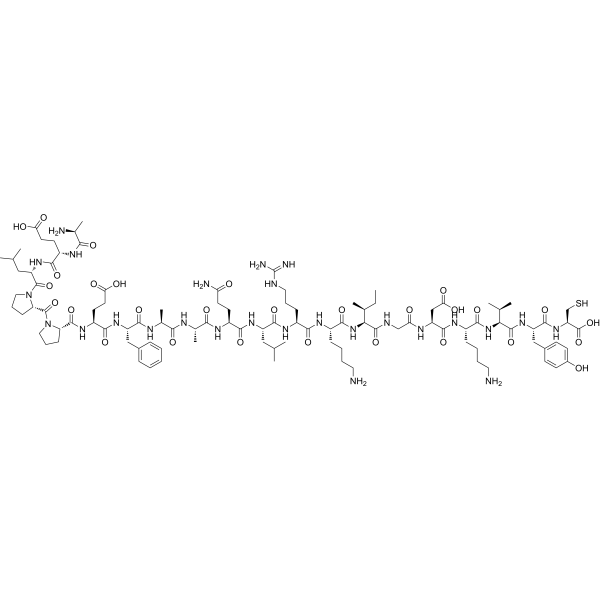 0 ImagesNoxa A BH3 is a biological active peptide. (BH3 domain of Noxa protein)


-
Fluoflavine
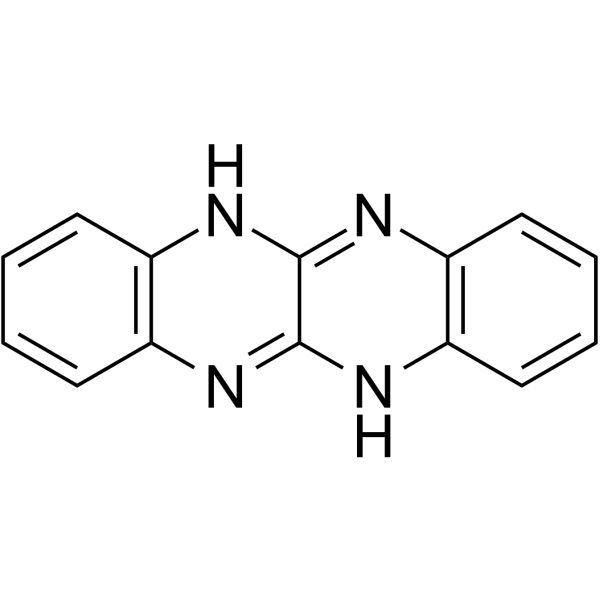 0 ImagesFluoflavine (ML-090) is a selective NOX1 inhibitor and reactive oxygen species inhibitor. Fluoflavine reduces reactive oxygen species production, NOX1-mediated downstream signaling events, and oxygen-glucose deprivation-induced retinal ganglion cell death. Fluoflavine inhibits NADPH oxidase activity and pathological retinal neovascularization induced by oxygen-induced retinopathy in the retinas of ischemic mice. Fluoflavine can be used in studies related to retinal ischemia-reperfusion injury and proliferative retinopathy.
-
Vinyl-L-NIO hydrochloride
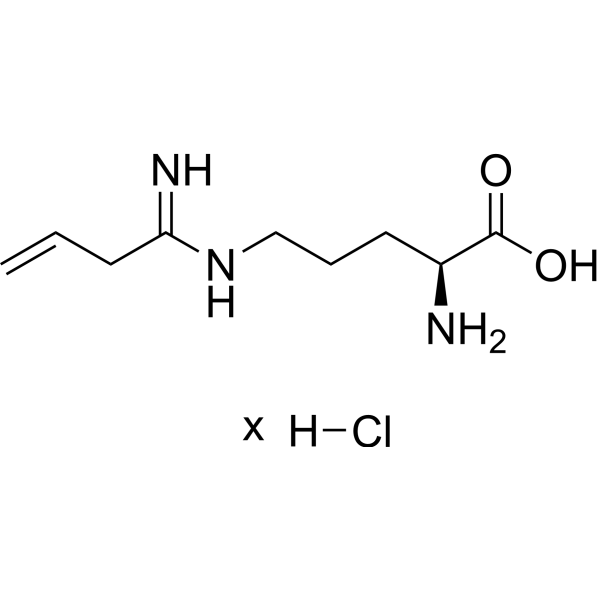 0 ImagesCat. No.: HY-130579CAS No.: 728944-69-2Synonyms: L-VNIO hydrochlorideVinyl-L-NIO (L-VNIO) hydrochloride is a neuronal nitric oxide synthase (NOS) inhibitor with a rat Ki of 0.10 μM. Vinyl-L-NIO hydrochloride inhibits NADPH oxidase activity, attenuates renal fibrosis, inflammation, oxidative stress indices, and albuminuria. Vinyl-L-NIO hydrochloride can be used for the research of parkinson's disease, migraine headache, and hypertension.
-
5-(3',4'-Dihydroxyphenyl)-γ-valerolactone
 0 Images5-(3',4'-Dihydroxyphenyl)-γ-valerolactone is an intestinal microbiota metabolite of (-)-Epicatechin (HY-N0001). 5-(3',4'-Dihydroxyphenyl)-γ-valerolactone downregulates TNF-α-stimulated phosphorylation of IKK and IκBα, inhibits the transcriptional activation of NF-κB, and suppresses the expression of adhesion molecules and chemokines. 5-(3',4'-Dihydroxyphenyl)-γ-valerolactone promotes autophagy, alleviates oxidative stress, maintains osteoblast differentiation, induces G1 phase arrest, inhibits adipogenesis, and scavenges ABTS free radicals. 5-(3',4'-Dihydroxyphenyl)-γ-valerolactone inhibits the adhesion of uropathogenic Escherichia coli to bladder epithelial cells; when used in combination with Curcumin (HY-N0005), it downregulates the NLRP3 and NOX2/Nrf2 signaling pathways, thereby reducing microglial activation. 5-(3',4'-Dihydroxyphenyl)-γ-valerolactone can be used in research related to diabetes, atherosclerosis, osteoporosis, obesity, neurodegenerative diseases involving microglial activation, and urinary tract infections.
-
Y-27632 hydrochloride hydrate
 0 ImagesY-27632 hydrochloride hydrate is a ROCK inhibitor with Ki values of 220 nM and 300 nM for ROCK1 and ROCK2, respectively. Y-27632 hydrochloride hydrate exerts anti-inflammatory and immunomodulatory effects in systemic lupus erythematosus models by inhibiting the ROCK/NF-κB pathway. Y-27632 hydrochloride hydrate enhances autophagy by inhibiting the AKT/mTOR pathway, thereby inducing apoptosis apoptosis in oral squamous cell carcinoma. Y-27632 hydrochloride hydrate induces the formation of tunneling nanotubes in ARPE-19 cells and significantly enhances mitochondrial transfer through these channels. Y-27632 hydrochloride hydrate promotes neurite outgrowth in PC12 cells by activating the Rac1/NOX1/ROS/AKT/PAK1 signaling cascade.




