



TGF-beta/Smad
Transforming growth factor beta
Transforming growth factor-beta (TGF-β) is a member of a superfamily of pleiotropic proteins that regulate multiple cellular processes such as growth, development and differentiation. The intracellular effectors of TGF-beta signalling, the Smad proteins, are activated by receptors and translocate into the nucleus, where they regulate transcription. Although this pathway is inherently simple, combinatorial interactions in the heteromeric receptor and Smad complexes, receptor-interacting and Smad-interacting proteins, and cooperation with sequence-specific transcription factors allow substantial versatility and diversification of TGF-beta family responses. Other signalling pathways further regulate Smad activation and function.
In addition, TGF-beta receptors activate Smad-independent pathways that not only regulate Smad signalling, but also allow Smad-independent TGF-beta responses. Aberrant TGF-β signaling is associated with a variety of diseases, such as fibrosis, cardiovascular disease and cancer. Hence, the TGF-β signaling pathway is recognized as a potential drug target.
TGF-beta/Smad Isoform Specific Products
All Product Categories
-
TGF-beta/Smad Inhibitors
(203)
View all products
-
TGF-beta/Smad Agonists
(7)
View all products
-
TGF-beta/Smad Antagonist
(1)
View all products
-
TGF-beta/Smad Activators
(36)
View all products
-
TGF-beta/Smad Modulators
(6)
View all products
-
TGF-beta/Smad Inducers
(6)
View all products
-
TGF-beta/Smad Control
(1)
View all products
-
TGF-β1 Proteins
(39)
View all products
-
TGF-β2 Proteins
(9)
View all products
-
TGF-β3 Proteins
(6)
View all products
-
Smad Family Proteins
(8)
View all products
-
SMAD2 Proteins
(2)
View all products
-
SMAD3 Proteins
(3)
View all products
-
SMAD4 Proteins
(1)
View all products
-
SMAD5 Proteins
(2)
View all products
-
TGF-β Proteins
(53)
View all products
-
TGF-beta/Smad Related Products (285)
Related Products (285)

-
Recombinant Proteins (62)
-
Antibodies (18)
-
TGF-beta/Smad Isoform Comparison
-
Sodium hippurate, 98%
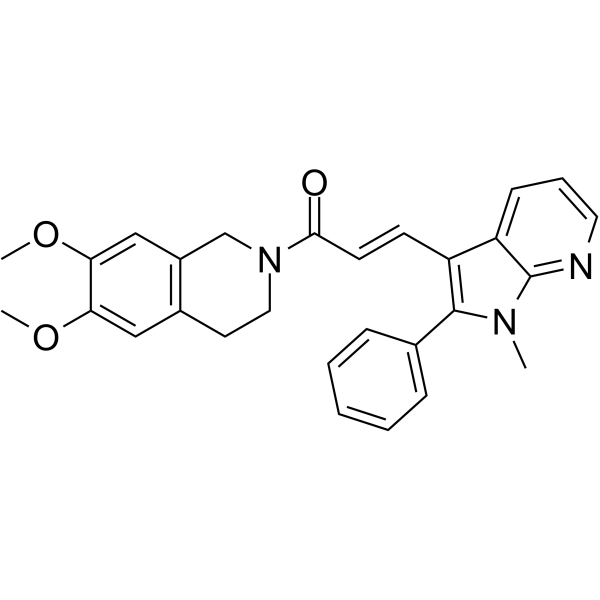
 0 ImagesSynonyms: N-Benzoylglycine sodium, 98%Sodium hippurate, 98% is an orally active metabolite. Sodium hippurate, 98% can be produced by intestinal microorganisms from the metabolism of polyphenols, benzoic acid. Sodium hippurate, 98% decreases NRF2, MMP9 and leads to ROS accumulation. Sodium hippurate, 98% activates TGFβ/SMAD signaling. Sodium hippurate, 98% improves hyperuricemia and colitis. Sodium hippurate, 98% can also be used in cardiovascular disease research. .
-
(S,R,S)-AHPC-C2-amide-benzofuranylmethyl-pyridine
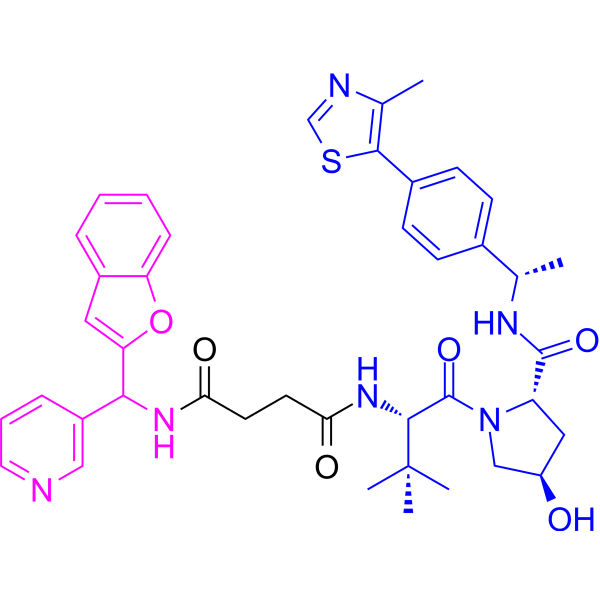 0 Images(S,R,S)-AHPC-C2-amide-benzofuranylmethyl-pyridine is a dual-targeting PROTAC molecule. (S,R,S)-AHPC-C2-amide-benzofuranylmethyl-pyridine not only targets the ubiquitination and degradation of Smad3, but also elevates the protein level of HIF-α, thereby exerting multi-pathway anti-fibrotic and renoprotective effects. (S,R,S)-AHPC-C2-amide-benzofuranylmethyl-pyridine can be used in a wide range of tumor studies including cancers with KRAS inhibitor resistance, covering pancreatic ductal adenocarcinoma, acute myeloid leukemia, and various soft tissue sarcomas (such as fibrosarcoma, liposarcoma, chondrosarcoma, etc.). (S,R,S)-AHPC-C2-amide-benzofuranylmethyl-pyridine can also be applied to research related to various solid tumors and hematological malignancies, involving multiple cancer types such as colon cancer, breast cancer, ovarian cancer, non-small cell lung cancer, glioblastoma, and melanoma.
-
Vicatertide
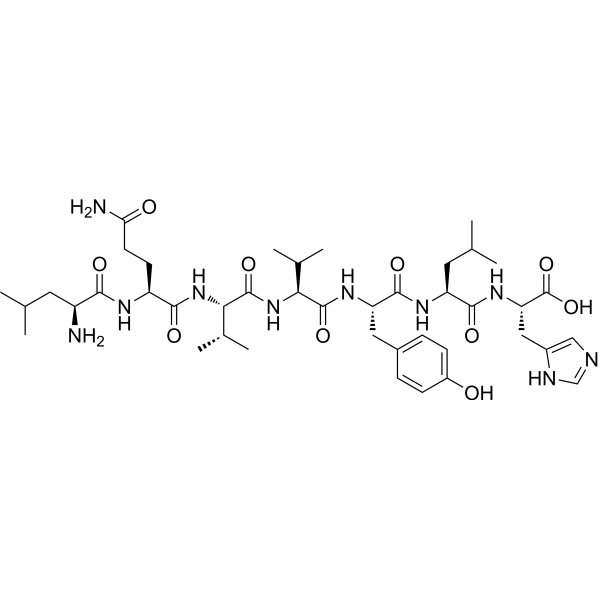 0 ImagesSynonyms: SB-01; Peniel 2000Vicatertide (SB-01, Peniel 2000) is a polypeptide with both competitive inhibitory activity against TGF-β1 and selective inhibitory activity against human factor XIa (hFXIa, with a Ka of 80 nM for hFXIa). Vicatertide binds allosterically to the two binding sites of dimeric hFXI/hFXIa, while directly binding to activated TGF-β1, selectively blocking the Smad1/5/8 pathway and maintaining low-level activation of the Smad2 pathway to enhance the synthesis of type Ⅱ collagen and aggrecan. Vicatertide inhibits thrombus formation in arteriovenous thrombosis models, and also reduces thrombus weight and thrombus incidence in mouse lung cancer models. Vicatertide can be used for research on degenerative disc disease and thrombosis-related diseases.
-
Fluorofenidone
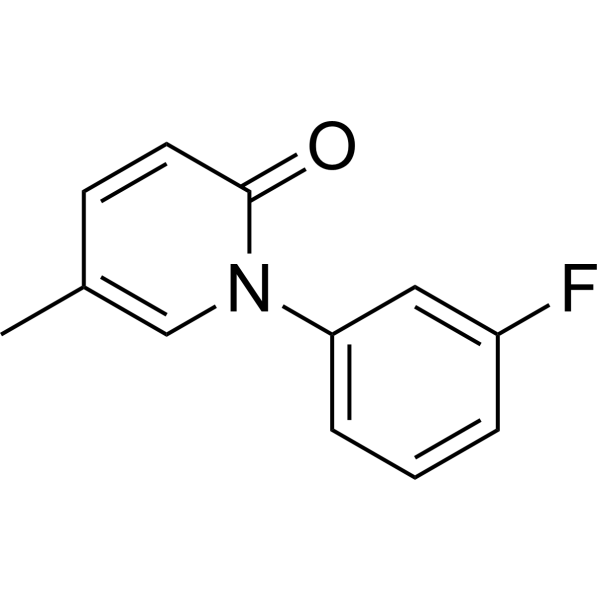 0 ImagesSynonyms: AKF-PDFluorofenidone (AKF-PD) is an orally active compound with anti-fibrotic, antioxidant, and anti-inflammatory pharmacological effects. Fluorofenidone downregulates the expression of ACSL4, upregulates GPX4 expression and inhibits the NF-κB signaling pathway to alleviate inflammation and fibrosis. Fluorofenidone ameliorates cholestasis and fibrosis by inhibiting hepatic Erk/-Egr-1 signaling and Tgfβ1/Smad pathway in mice. Fluorofenidone demonstrates protective effects against chronic lung injury in mice. Fluorofenidone can be used for the study of chronic obstructive pulmonary disease (COPD), pulmonary interstitial fibrosis (PIF) and non-small cell lung cancer (NSCLC).
-
Trabedersen
 0 ImagesCat. No.: HY-142118CAS No.: 925681-61-4Synonyms: AP 12009Trabedersen (AP 12009) is an orally active synthetic antisense phosphorothioate oligodeoxynucleotide that selectively targets human TGFβ2 mRNA. Trabedersen blocks TGFβ2 protein production, enters the nucleus without a transfection vector, and exerts dose-dependent antitumor effects. By reversing TGFβ2-induced immunosuppression and enhancing immune cytotoxicity, Trabedersen exhibits significant antiproliferative, antimigratory, and antimetastatic activities, with favorable safety profiles. Trabedersen is widely used in research related to various solid tumors, including anaplastic astrocytoma, glioblastoma, colorectal tumor, and melanoma.
-
Rhein 8-O-β-D-Glucopyranoside
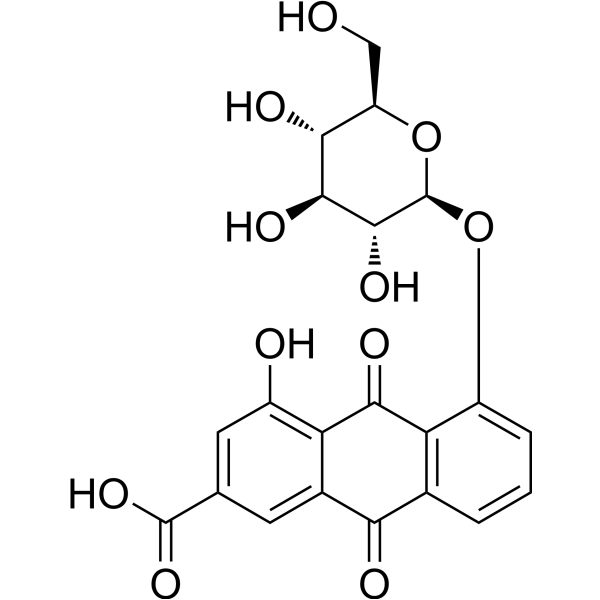 0 ImagesRhein 8-O-β-D-Glucopyranoside is an orally active glycoside found in Rhubarb. Rhein 8-O-β-D-Glucopyranoside attenuates high glucose-induced apoptosis, recovers altered lincRNA ANRIL and let-7a expression, reverses high glucose-altered Bcl-2 and cleaved caspase-3 protein expression, and inhibits TGF-β1/Smad signaling. Rhein 8-O-β-D-Glucopyranoside accelerates Sennoside A (HY-N0365) metabolism, stimulates sennoside A purgative activity. Rhein 8-O-β-D-Glucopyranoside inhibits bacterial biofilm formation, suppresses its virulence gene expression, and exerts antibacterial activity. Rhein 8-O-β-D-Glucopyranoside can be used for the research of diabetic nephropathy, constipation, and infection.
-
Perfluoroundecanoic acid
 0 ImagesPerfluoroundecanoic acid is a perfluoroalkyl substance (PFAS). Perfluoroundecanoic acid is an orally active oxidative stress inducer. Perfluoroundecanoic acid promotes macrophage M2 polarization, activates Wnt/β-catenin signaling and enhances β-catenin nuclear accumulation. Perfluoroundecanoic acid -induced M2 phenotype macrophage accelerates tumor progression in vitro and in vivo. Perfluoroundecanoic acid induces DNA damage, reproductive and pathophysiological dysfunctions via oxidative stress in male Swiss mice. Perfluoroundecanoic acid inhibits Leydig cell development in pubertal male rats via inducing oxidative stress and autophagy. Perfluoroundecanoic acid accelerates insulitis development in a mouse model of type 1 diabetes. Perfluoroundecanoic acid can be used for the study of ovarian cancer, type 1 diabetes and inflammation.
-
Kartogenin sodium
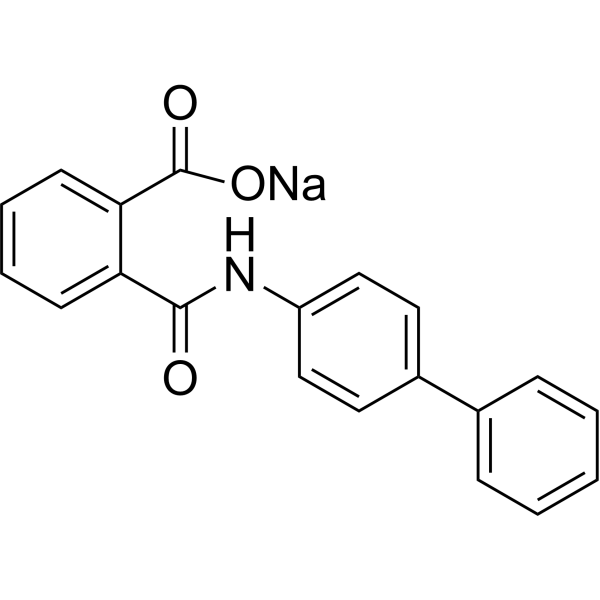 0 ImagesSynonyms: KGN sodiumKartogenin (KGN) sodium is an inducer of chondrogenic tissue formation (EC50: 100 nM). Kartogenin sodium induces chondrogenesis by binding to fibrin A, disrupting its interaction with the transcription factor core binding factor beta subunit (CBFβ), and by modulating the CBFβ-RUNX1 transcriptional program. Kartogenin sodium also promotes tendon-bone junction (TBJ) wound healing by stimulating collagen synthesis. Kartogenin sodium is widely used in cell-free therapy in the field of regeneration for cartilage regeneration and protection, tendon-bone healing, wound healing and limb development. Kartogenin sodium promotes cartilage repair, coordinates limb development, and is also used in osteoarthritis (OA) research.
-
SR 16832
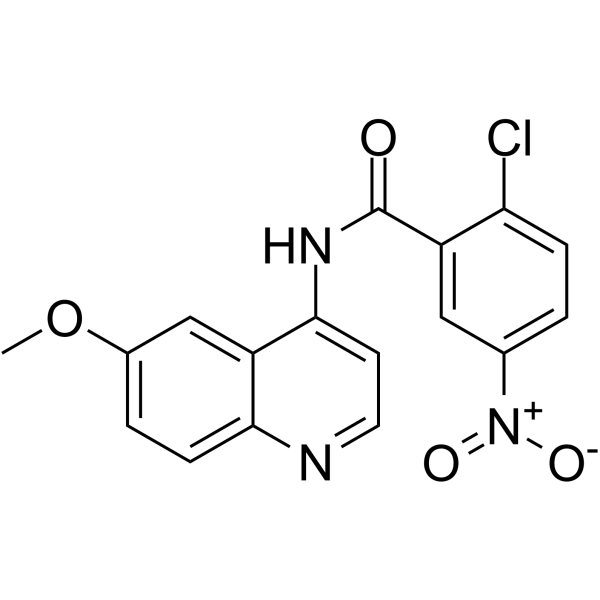 0 ImagesSR 16832 is a dual-site covalent, orthosteric and allosteric PPARγ antagonist. SR 16832 activates the TGF-β signaling pathway and upregulates the expression of Vimentin and Fibronectin (Fibronectin). SR 16832 is toxic to bronchial epithelium. SR 16832 can be used in research related to type 2 diabetes and pulmonary fibrosis.
-
Myostatin inhibitory peptide 7
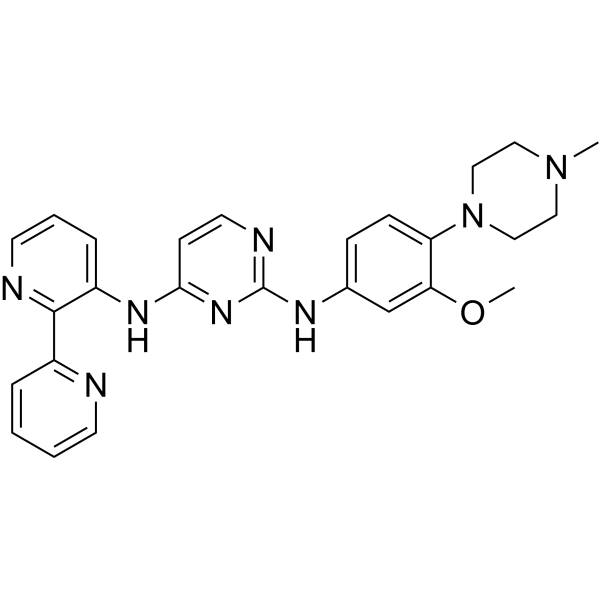
 0 ImagesMyostatin inhibitory peptide 7 is a 23 amino acids peptide, which is derived from amino acids 21 to 43 of the mouse myostatin prodomain. Myostatin inhibitory peptide 7 inhibits myostatin with a Kd of 29.7 nM. Myostatin inhibitory peptide 7 can be used for researches of muscle atrophic disorders.
-
(+)-Columbianetin
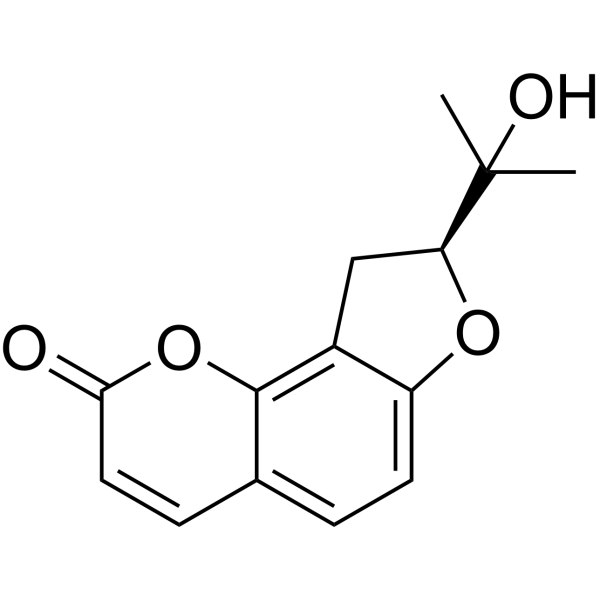 0 Images(+)-Columbianetin ((S)-Columbianetin) acts as an inhibitor of JNK/ERK. (+)-Columbianetin inhibits UVA-induced phosphorylation of JNK and ERK, reduces the production of MMP-1, reverses UVA-induced Collagen (HY-NP003) degradation, and alleviates UVA-mediated inhibition of Smad2/3 phosphorylation and translocation. (+)-Columbianetin regulates the AP-1 and ASK1-MAPK signaling pathways, inhibits the production of ROS and blocks sub-G1 cell cycle arrest. (+)-Columbianetin is applicable to research related to skin aging.
-
Asiaticoside (Standard)
 0 ImagesAsiaticoside (Standard) is the analytical standard of Asiaticoside. This product is intended for research and analytical applications. Asiaticoside, a trisaccaride triterpene from Centella asiatica, suppresses TGF-β/Smad signaling through inducing Smad7 and inhibiting TGF-βRI and TGF-βRII in keloid fibroblasts; Asiaticoside shows antioxidant, anti-inflammatory, and anti-ulcer properties.
-
Phyllanthin
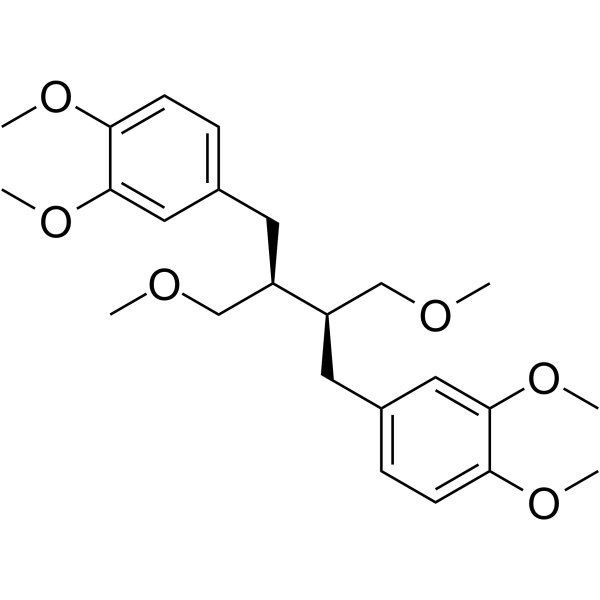 0 ImagesPhyllanthin is an effective oral anticancer agent. Phyllanthin inhibits MOLT-4 cell viability, increases apoptosis, inhibits cell migration and invasion. Phyllanthin exerts anti-fibrotic effects by down-regulating TGF signaling pathway via ALK5 and Smad2/3. Phyllanthin also has anti-inflammatory and antibacterial properties .
-
3-Hydroxy-4-carboxyalkylamidino-5-arylamino-isothiazoles
 0 Images3-Hydroxy-4-carboxyalkylamidino-5-arylamino-isothiazoles is an inhibitor for bone morphogenetic protein 2 (BMP2) with an IC50 of 2.2 μM. 3-Hydroxy-4-carboxyalkylamidino-5-arylamino-isothiazoles is inhibitor for mitogen-activated protein kinase 1 (MEK1). 3-Hydroxy-4-carboxyalkylamidino-5-arylamino-isothiazoles exhibits anti-inflammatory and neuroprotective activity in EAE mouse model.

-
Pirfenidone-d5
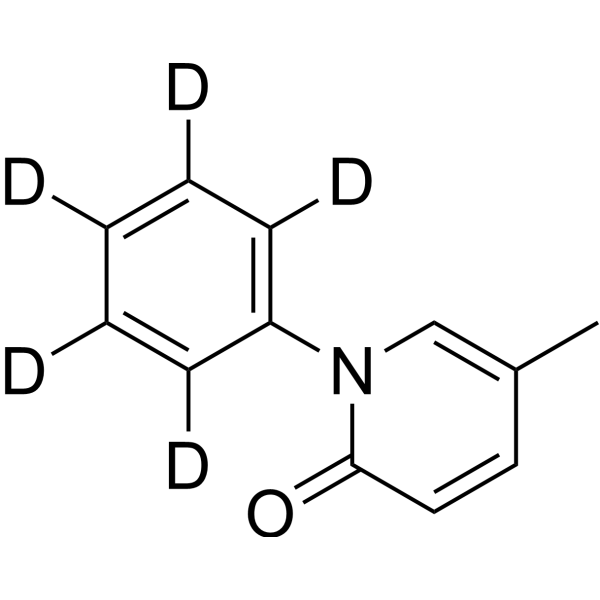 0 ImagesSynonyms: AMR69-d5Pirfenidone-d5 (AMR69-d5) is a deuterium labeled Pirfenidone. Pirfenidone is an antifibrotic agent that attenuates CCL2 and CCL12 production in fibrocyte cells. Pirfenidone has growth-inhibitory effect and reduces TGF-β2 protein levels in human glioma cell lines. Pirfenidone also has anti-inflammatory activities.
-
Disitertide
 0 ImagesSynonyms: P144
-
GFH018
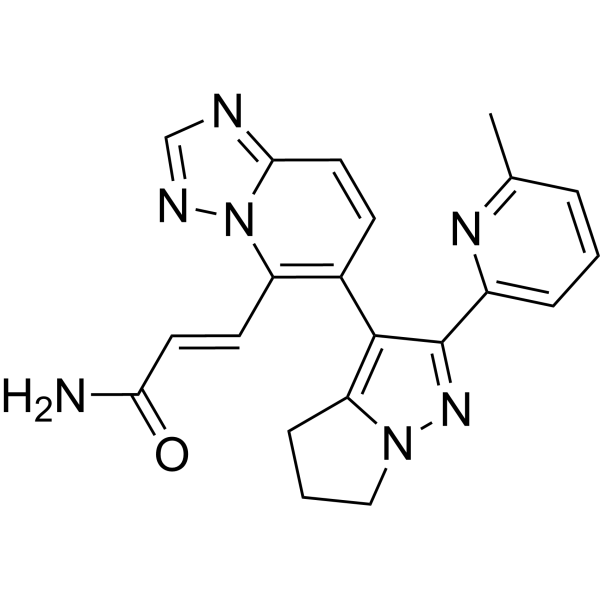 0 ImagesGFH018 is an orally active, selective and ATP-competitive TGF-βR1 inhibitor with an IC50 of 40 nM. GFH018 reactivates the immune system by blocking the immunosuppression mediated by regulatory T cells and M2 macrophages. GFH018 inhibits tumor angiogenesis. GFH018 suppresses tumor growth in mouse tumor models. GFH018 can be used for the research of solid tumors, hepatocellular carcinoma, colorectal cancer, breast cancer, and relapsed/metastatic nasopharyngeal carcinoma.




