



Flavivirus
Flavivirus
Flavivirus is a group of single-stranded positive-sense RNA viruses that are mainly transmitted by arthropods such as mosquitoes and ticks. The viral particles of the Flavivirus are spherical, with a diameter of approximately 40-60 nanometers and have an envelope. The envelope is embedded with spike glycoproteins, which play a crucial role in the recognition and binding process between the virus and host cells. Flavivirus contains a variety of viruses, such as the yellow fever virus and the dengue virus, etc., which can cause a variety of serious diseases and have a significant impact on global public health security[1].
All Product Categories
-
Flavivirus Related Products (194)
Related Products (194)

-
Antibodies (1)
-
PHA-690509
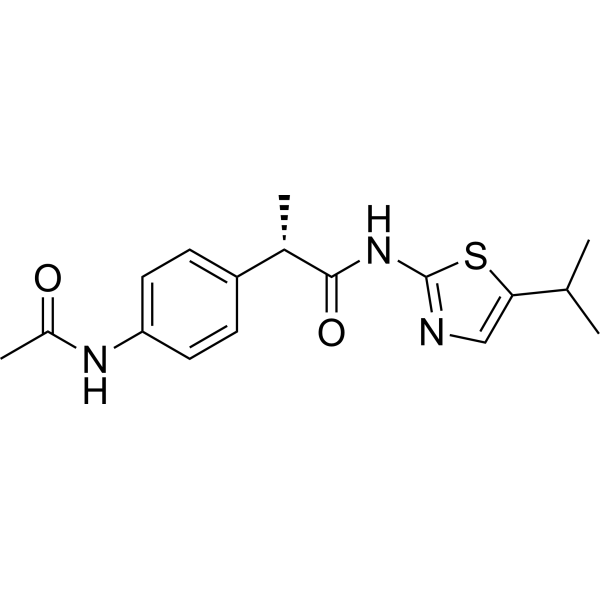 0 ImagesCat. No.: HY-15503CAS No.: 492445-28-0
-
Cephaeline hydrochloride
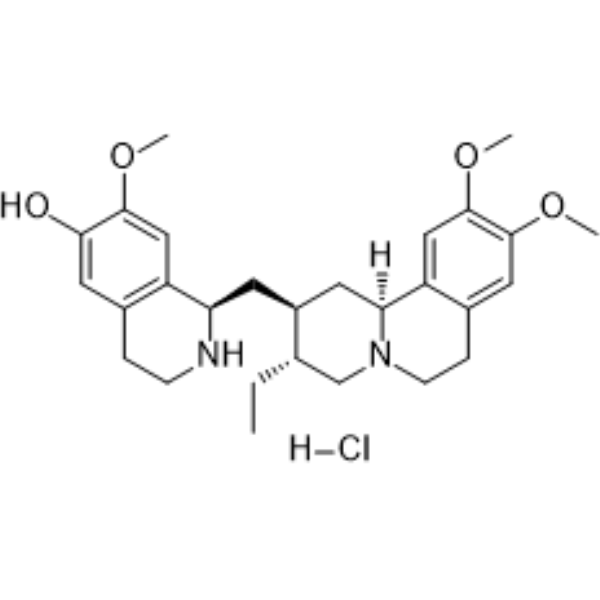 0 ImagesSynonyms: (-)-Cephaeline hydrochloride; NSC 32944 monohydrochlorideCephaeline hydrochloride ((-)-Cephaeline (hydrochloride); NSC 32944 (monohydrochloride)) is a ferroptosis inducer, with broad-spectrum anticancer and antiviral activities. Cephaeline hydrochloride induces Ferroptosis by upregulating p53, inhibiting NRF2, activating ULK3, downregulating the expressions of SLC7A11 and GPX4 in a p53-dependent manner, reducing GSH and mitochondrial membrane potential, and increasing lipid peroxidation and iron accumulation. Cephaeline hydrochloride inhibits cancer cell proliferation, migration and tumor growth. Cephaeline hydrochloride inhibits Ebola virus (EBOV) VLP entry and infection, with IC50 values of 3.27 μM and 22.18 μM respectively; it also inhibits Zika virus (ZIKV) NS5 RdRp activity (IC50 = 976 nM), and binds to severe acute respiratory syndrome coronavirus 2 (SARS-CoV-2) RdRp and N protein, with Kd values of 8.9 μM and 53.8 μM respectively. Cephaeline hydrochloride can be used in studies related to breast cancer, lung cancer, COVID-19, EBOV and ZIKV infections.
-
ZIKV-IN-1
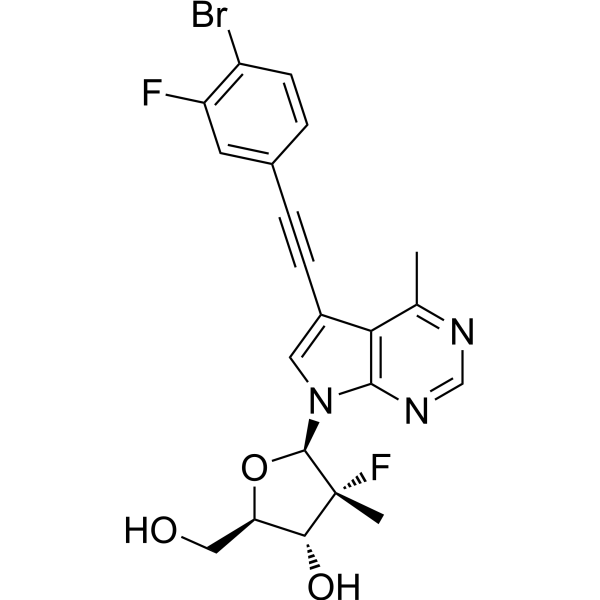 0 ImagesCat. No.: HY-146957CAS No.: 2762166-06-1ZIKV-IN-1 is a potent zika virus inhibitor with an EC50 of 2.8 μM and EC90 of 6.8 μM. ZIKV-IN-1 shows anti-ZIKV activity with low cytotoxicity. ZIKV-IN-1 shows a strong affinity to ZIKV RdRp domain. ZIKV-IN-1 is a click chemistry reagent, it contains an Alkyne group and can undergo copper-catalyzed azide-alkyne cycloaddition (CuAAc) with molecules containing Azide groups.
-
ZIKV-IN-3
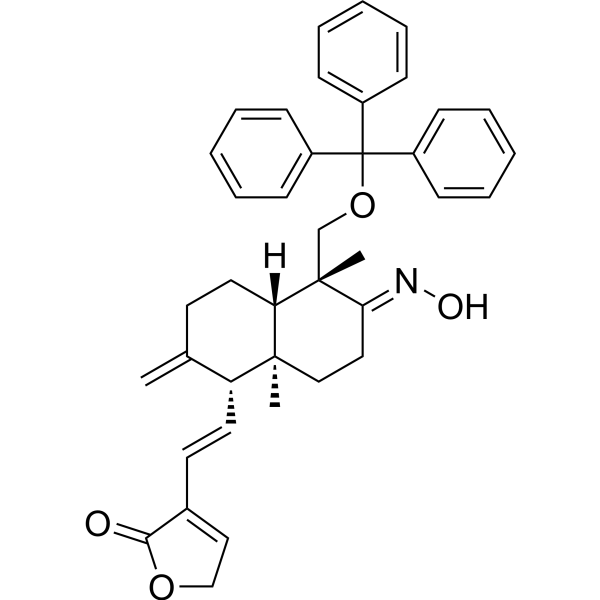 0 ImagesCat. No.: HY-151446CAS No.: 947699-46-9ZIKV-IN-3 (compound 5a), an andrographolide derivatives, is a potent ZIKV NS5 methyl transferase (MTase) inhibitor with an IC50 value of 18.34 μM. ZIKV-IN-3 inhibits ZIKV replication and infection. ZIKV-IN-3 can be used in research of Zika virus (ZIKV).
-
Quinine dihydrochloride (Standard)
 0 ImagesCat. No.: HY-D0143ARCAS No.: 60-93-5Quinine dihydrochloride (Standard) is the analytical standard of Quinine dihydrochloride (HY-D0143A). This product is intended for research and analytical applications. Quinine dihydrochloride is an orally active alkaloid extracted from cinchona bark, possessing various biological activities including antimalarial, antidengue virus (DENV), and anticancer properties. Quinine dihydrochloride is a potassium channel inhibitor that inhibits WT mouse Slo3 (KCa5.1) channel currents evoked by voltage pulses to +100 mV with an IC50 of 169 μM.
-
Lucidone
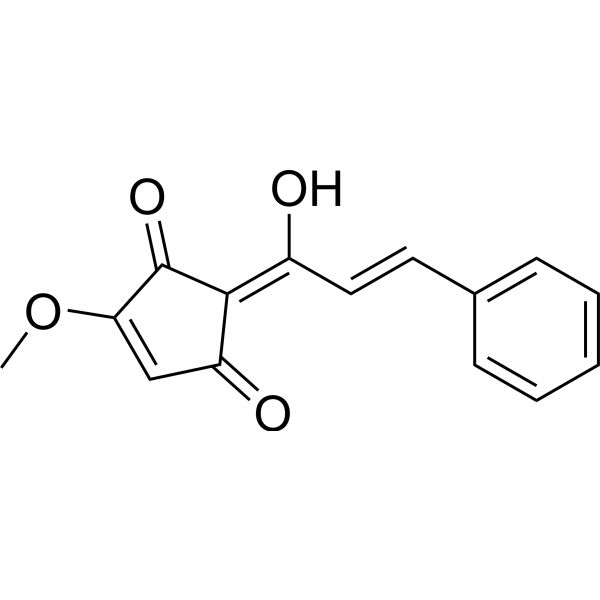 0 ImagesLucidone, an anti-inflammatory agent that can be isolated from the fruit of Lindera erythrocarpa Makino. Lucidone inhibits LPS-induced NO and PGE2 production in RAW 264.7 mouse macrophages. Lucidone also decreases TNF-α secretion, iNOS and COX-2 expression. Lucidone prevents NF-κB translocation and inhibits JNK and p38MAPK signals. Lucidone also has inhibitory activity against Dengue virus (DENV) (EC50=25 μM).
-
Cephaeline dihydrobromide
 0 ImagesSynonyms: (-)-Cephaeline dihydrobromide; NSC 32944 dihydrobromideCephaeline dihydrobromide ((-)-Cephaeline (dihydrobromide); NSC 32944 (dihydrobromide)) is a ferroptosis inducer, with broad-spectrum anticancer and antiviral activities. Cephaeline dihydrobromide induces ferroptosis (Ferroptosis) by upregulating p53, inhibiting NRF2, activating ULK3, downregulating the expressions of SLC7A11 and GPX4 in a p53-dependent manner, reducing GSH and mitochondrial membrane potential, and increasing lipid peroxidation and iron accumulation. Cephaeline dihydrobromide inhibits cancer cell proliferation, migration and tumor growth. Cephaeline dihydrobromide inhibits Ebola virus (EBOV) VLP entry and infection, with IC50 values of 3.27 μM and 22.18 μM respectively; it also inhibits Zika virus (ZIKV) NS5 RdRp activity (IC50 = 976 nM), and binds to severe acute respiratory syndrome coronavirus 2 (SARS-CoV-2) RdRp and N protein, with Kd values of 8.9 μM and 53.8 μM respectively. Cephaeline dihydrobromide can be used in studies related to breast cancer, lung cancer, COVID-19, EBOV and ZIKV infections.
-
SDM25N hydrochloride
 0 ImagesCat. No.: HY-107745CAS No.: 342884-71-3SDM25N hydrochloride, a δ-opioid receptor antagonist, is a potent DENV inhibitor. SDM25N hydrochloride targets the viral NS4B protein and restricts genomic RNA replication.
-
DENV-IN-8
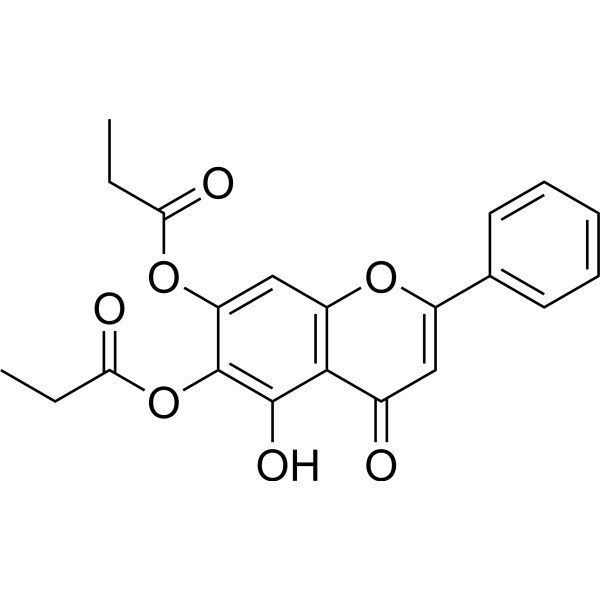 0 ImagesCat. No.: HY-152082CAS No.: 1809464-07-0DENV-IN-8 (Compound 5e) is a DENV2 inhibitor with an EC50 of 0.068 μM.
-
DENV-IN-2
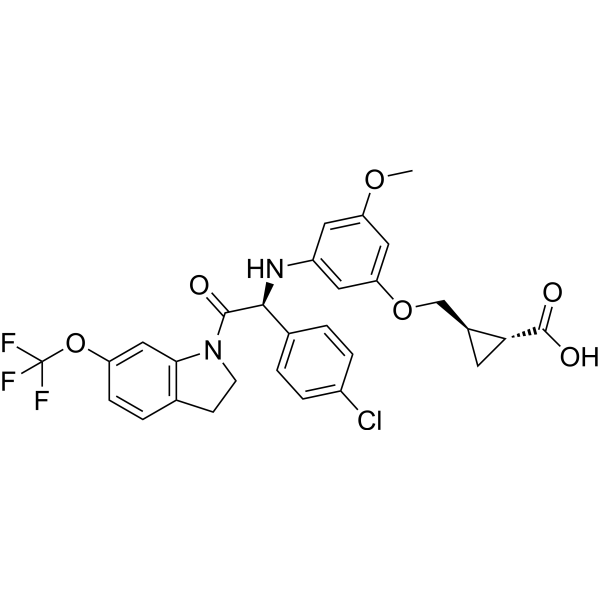 0 ImagesCat. No.: HY-138061CAS No.: 2253675-62-4DENV-IN-2 is a potent dengue viral replication inhibitor extracted from patent WO2018215315A1, compound 6AB, has an EC50 of 0.016 nM. DENV-IN-2 shows high potent activity against all four serotypes of the Dengue virus with EC50s ranging from 0.013 to 0.029 nM.
-
Sinococuline
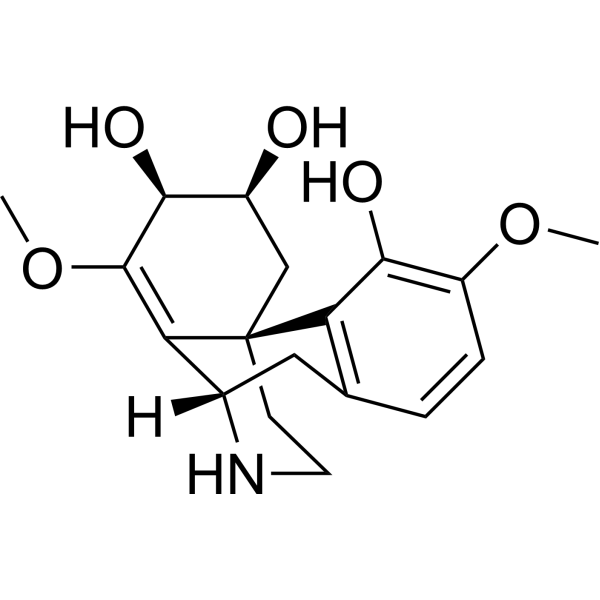 0 ImagesSinococuline is a potent anti-dengue agent that is effective against all four serotypes of dengue virus (DENV). Sinococuline is also an effective tumor cell growth inhibitor.
-
SP-393D
 0 ImagesCat. No.: HY-187200SP-393D is an amidoxime-based prodrug inhibitor targeting dengue virus NS2B/NS3. The EC50 values of SP-393D in Huh7 cells infected with DENV-1, DENV-2, DENV-3 and DENV-4 are 1.41, 0.066, 0.66 and 0.071 μM, respectively, while its CC50 against Huh7 cells is >100 μM. SP-393D exhibits pan-serotypic activity against dengue virus serotypes 1, 2, 3 and 4. SP-393D binds to the allosteric pocket of dengue virus NS2B/NS3 protease and generates additional hydrogen bonding interactions. SP-393D can be used in studies related to dengue virus infection.
-
Quinine-d3
 0 ImagesCat. No.: HY-W740048CAS No.: 2734920-95-5Quinine-d3 is the deuterium labeled Quinine (HY-D0143). Quinine is an alkaloid derived from the bark of the cinchona tree, acts as an anti-malaria agent. Quinine is a potassium channel inhibitor that inhibits WT mouse Slo3 (KCa5.1) channel currents evoked by voltage pulses to +100?mV with an IC50 of 169 μM.
-
Nanchangmycin (Standard)
 0 ImagesCat. No.: HY-100528RCAS No.: 65101-87-3Synonyms: Nanchangmycin A (Standard)Nanchangmycin (Standard) is the analytical standard of Nanchangmycin. This product is intended for research and analytical applications. Nanchangmycin, a polyether antibiotic produced by Streptomyces nanchangensis NS3226, inhibits gram-positive bacteria[1]. Nanchangmycin is a broad spectrum antiviral active against Zika virus[2].
-
ZIKV-IN-2
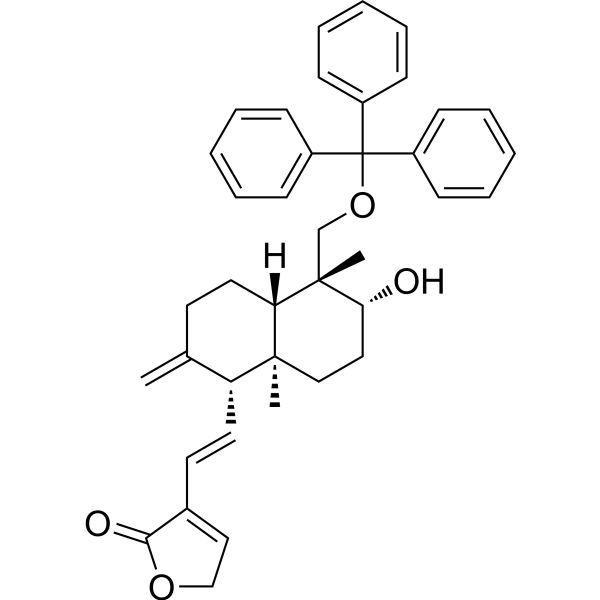 0 ImagesCat. No.: HY-151445CAS No.: 910582-16-0ZIKV-IN-2 (compound 3a) is a potent ZIKV NS5 methyl transferase (MTase) inhibitor with an IC50 value of 38.86 μM. ZIKV-IN-2 inhibits ZIKV replication and infection. ZIKV-IN-2 can be used in research of Zika virus (ZIKV).
-
LabMol-301
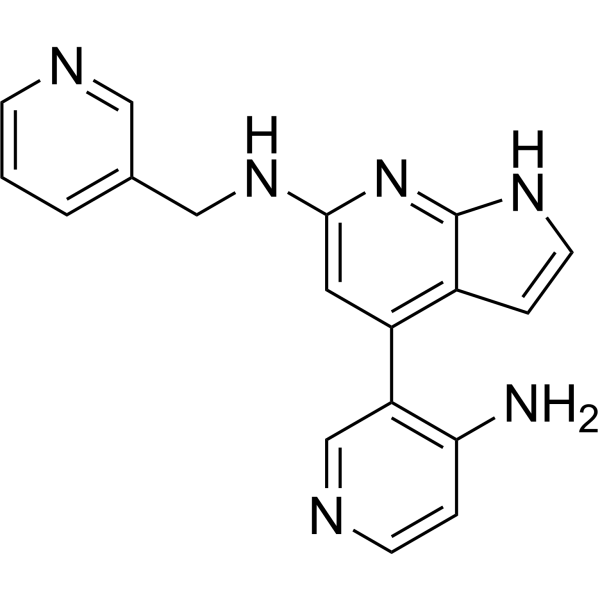 0 ImagesCat. No.: HY-151526CAS No.: 1360243-08-8LabMol-301 inhibits both NS5 RdRp and NS2B-NS3pro activity (IC50: 0.8 and 7.4 μM, respectively). LabMol-301 has a cytoprotective effect and prevents Zika virus (ZIKV)-induced cell death.
-
Erythromycin estolate (Standard)
 0 ImagesErythromycin estolate (Standard) is the analytical standard of Erythromycin estolate. This product is intended for research and analytical applications. Erythromycin estolate is the Erythromycin (HY-B0220) derivative, is a macrolide antibiotic used in the treatment of a wide variety of bacterial infections. Erythromycin estolate causes several cases of liver injury which mostly include cholestatic hepatitis. Erythromycin estolate toxicity is related to its inhibitory effect on bile acid transport.

-
DENV-IN-5
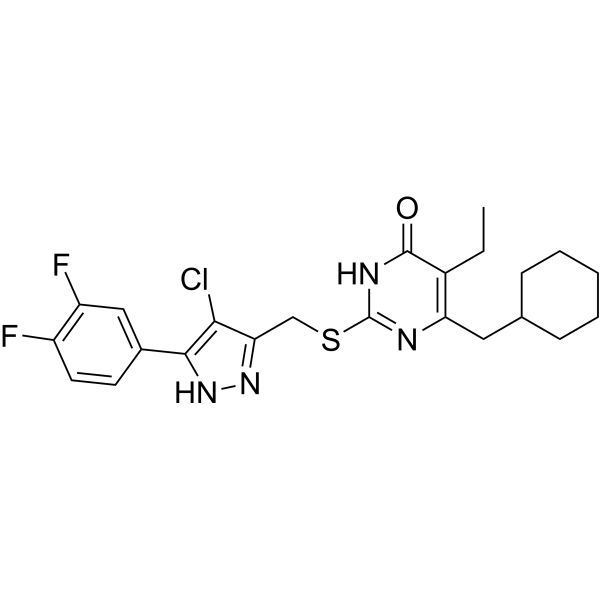 0 ImagesCat. No.: HY-143274CAS No.: 2375781-06-7DENV-IN-5 (Compound 4b) is a dengue virus (DENV) inhibitor with EC50s of 1.47, 9.23, 7.08 and 8.91 μM against DENV-I ∼ IV replication, respectively. DENV-IN-5 also inhibits HIV-1IIIB strain with an EC50 of 0.1512 μM.
-
Zika virus-IN-1
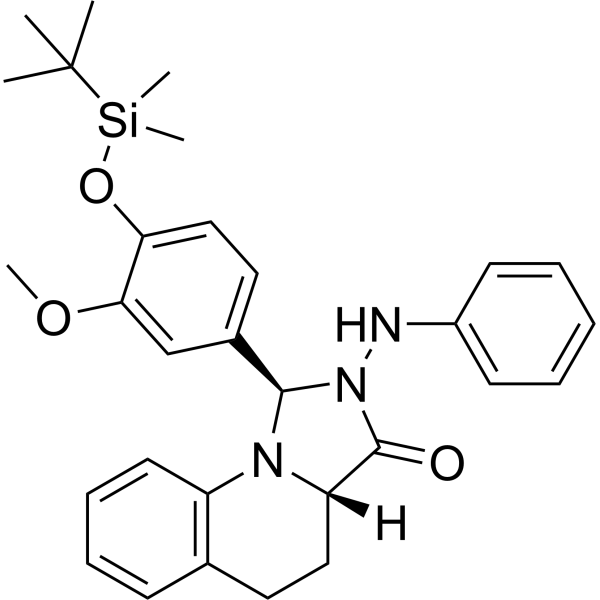 0 ImagesCat. No.: HY-146191CAS No.: 2527912-80-5Zika virus-IN-1 (Compd 2) is a Zika virus inhibitor, with an EC50 of 1.56 μM .




