Isotope-Labeled Compounds
Isotope-labeled compounds are chemical substances in which some atoms in their molecules are replaced by isotope atoms. The range of stable isotope products can cover from gases to complex molecules. Isotope-labeled compounds could provide a site-specific investigation of structures, making molecules easily detectable by mass spectrometry and NMR, and maintaining the physico-chemical properties of the target molecule at the same time.
MCE isotope-labeled compounds are all stable isotope-labeled compounds and are non-radioactive labeled substances. MCE isotope-labeled compounds are unique tools for identifying and understanding biological and chemical processes. Stable isotope-labeled products are now getting more and more popular among scientists. The scope of application is gradually penetrating into various scientific fields, such as life sciences, food and medicine, agriculture, environment, geology, etc. Stable isotope-labeled compounds have a wide range of applications in the Life Science areas, such as Metabolomics, Proteomics, Clinical studies, Deuterium drugs, etc.
All Product Categories
-
Isotope-Labeled Compounds Related Products (11100)
Related Products (11100)

-
Benzophenone-d10
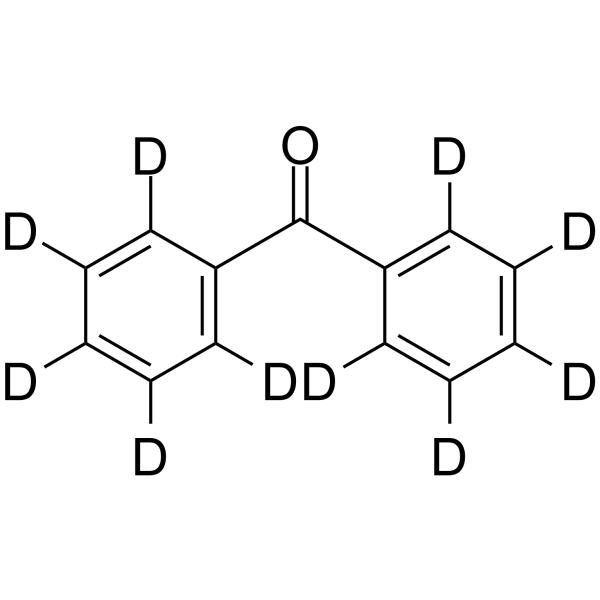 0 ImagesBenzophenone-d10 is the deuterium labeled Benzophenone (HY-Y0546). Benzophenone is an endogenous metabolite. Benzophenone is a photosensitizer, that absorbs UV light, transfers its energy to DNA, and triggers DNA damage. Benzophenone can be used as the fragrance enhancer, ultraviolet curing agent, additive in plastics, or the flavor ingredient. Benzophenone can also be used in the manufacturing of insecticides, agricultural chemicals, hypnotics, antihistamines, and other pharmaceuticals. Benzophenone exhibits certain carcinogenicity in mouse/rat models under long term exposure. Benzophenone exhibits estrogenic activity.
-
D-Panthenol-d4
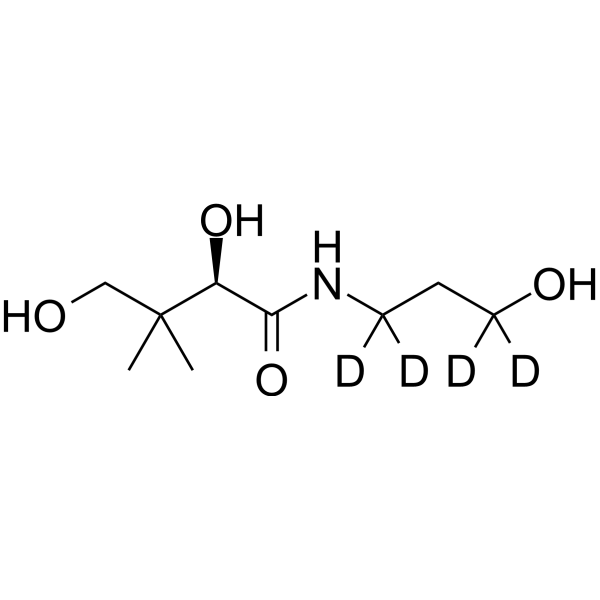 0 ImagesD-Panthenol-d4 is the deuterium labeled D-Panthenol.
-
Docosanoic acid-d3
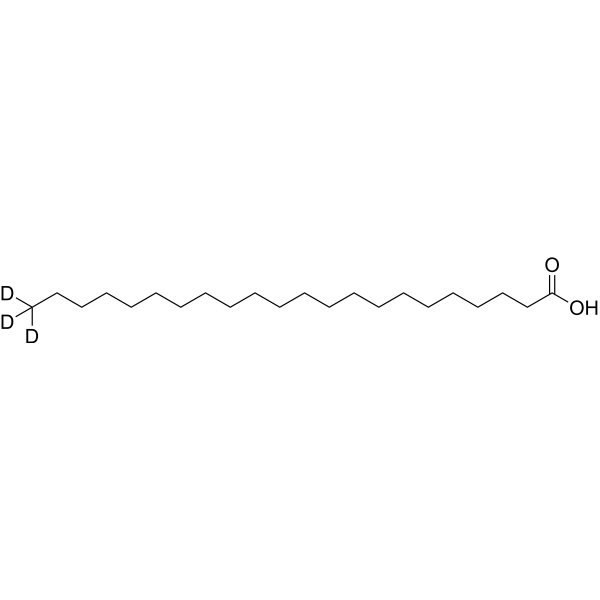 0 ImagesSynonyms: Behenic acid-d3Docosanoic acid-d3 (Behenic acid-d3) is the deuterium labeled Docosanoic acid (HY-W013049). Docosanoic acid (Behenic acid) is a long-chain saturated fatty acid. Docosanoic acid inhibits the double-stranded DNA (dsDNA) binding activity of p53 DNA binding domain, with a Kd of 12 nM. Docosanoic acid has low bioavailability and can increase cholesterol in humans.
-
β-Sitosterol-d7 (Mixture of Diastereomers)
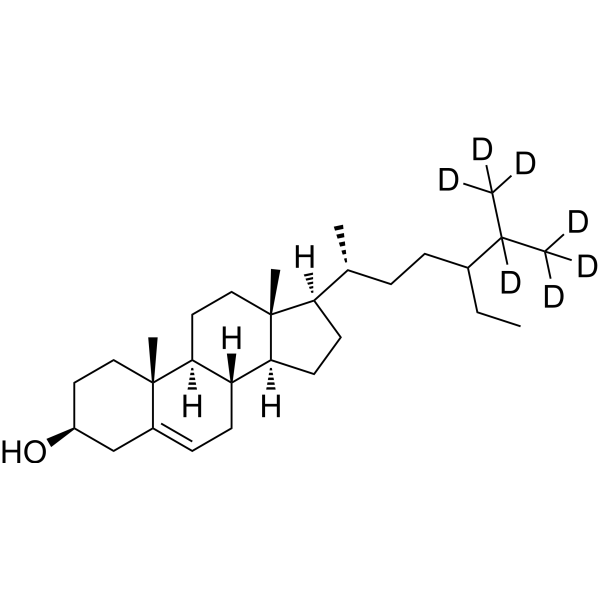 0 Imagesβ-Sitosterol-d7 (Mixture of Diastereomers) is the deuterium labeled β-Sitosterol (mixture of diasteromers).
-
Resiquimod-d5
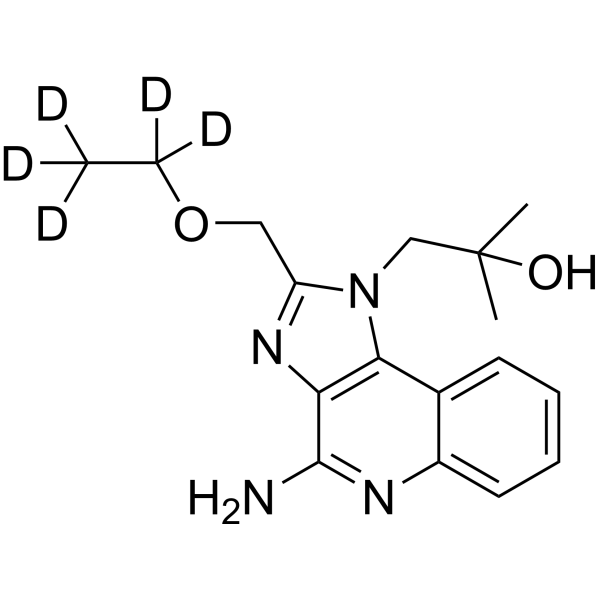 0 ImagesSynonyms: R848-d5; S28463-d5Resiquimod-d5 is deuterium labeled Resiquimod. Resiquimod is a Toll-like receptor 7 and 8 (TLR7/TLR8) agonist that induces the upregulation of cytokines such as TNF-α, IL-6 and IFN-α.
-
Creatine-d3 hydrate
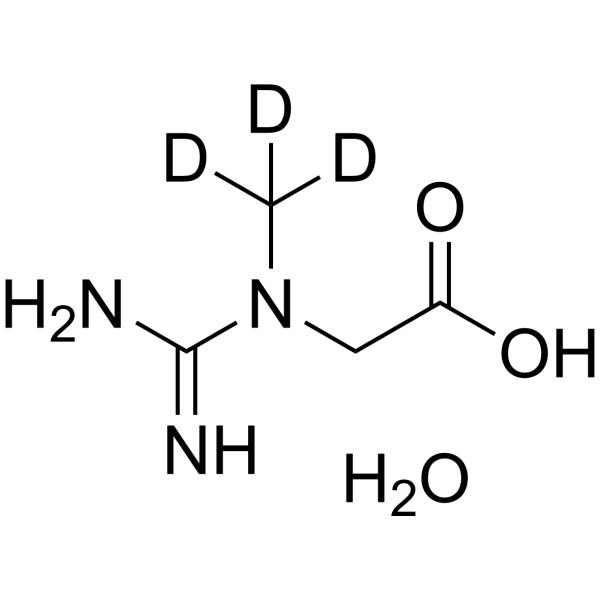 0 ImagesCreatine-d3 (hydrate) is a deuterium labeled Creatine hydrate. Creatine hydrate is pivotal in energy metabolism of muscle and brain cells, both in physiological and in pathological conditions.
-
Envudeucitinibum
 0 ImagesSynonyms: Envudeucitinib; ESK-001Envudeucitinibum (Envudeucitinib) is a highly selective, allosteric and orally active TYK2 inhibitor binding to the JH2 domain of TYK2. Envudeucitinibum has no off-target effects on other kinases (JAK1-3). Envudeucitinibum reduces signaling and production of proinflammatory cytokines including IL-12, IL-23, IL-17, and type I interferons (IFNs). Envudeucitinibum can be used for the research of plaque psoriasis, systemic lupus erythematosus (SLE), and other immune-mediated diseases.
-
2-Methoxyestradiol-d5
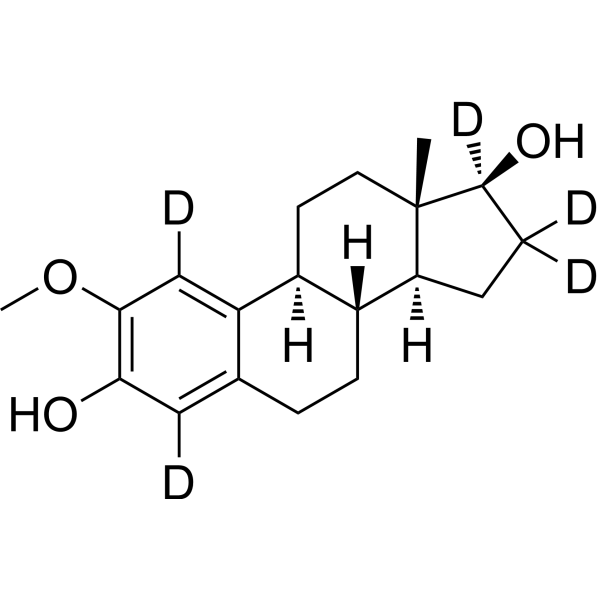 0 ImagesSynonyms: 2-ME2-d5; NSC-659853-d52-Methoxyestradiol-d5 is the deuterium labeled 2-Methoxyestradiol. 2-Methoxyestradiol (2-ME2), an orally active endogenous metabolite of 17β-estradiol (E2), is an apoptosis inducer and an angiogenesis inhibitor with potent antineoplastic activity. 2-Methoxyestradiol also destablize microtubules. 2-Methoxyestradio, also a potent superoxide dismutase (SOD) inhibitor and a ROS-generating agent, induces autophagy in the transformed cell line HEK293 and the cancer cell lines U87 and HeLa.
-
N-Acetylneuraminic acid-13C-3
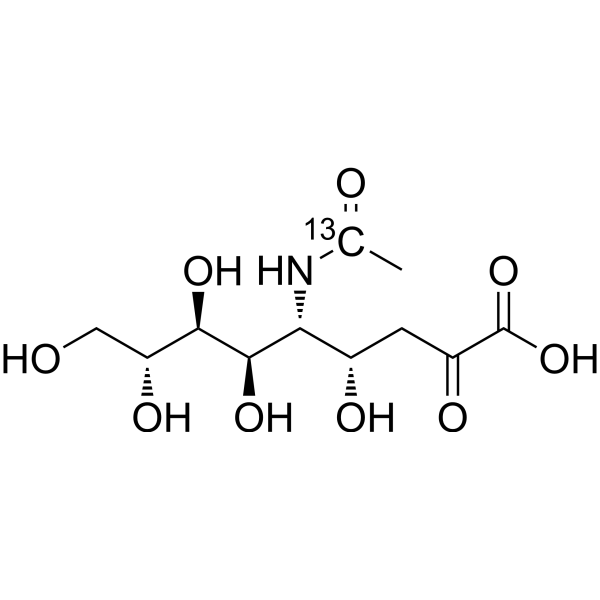 0 ImagesCat. No.: HY-I0400S3Purity: 99.0%Synonyms: NANA-13C-3; Lactaminic acid-13C-3N-Acetylneuraminic acid-13C-3 is the 13C labeled N-Acetylneuraminic acid.
-
Pyridoxine-d2 hydrochloride
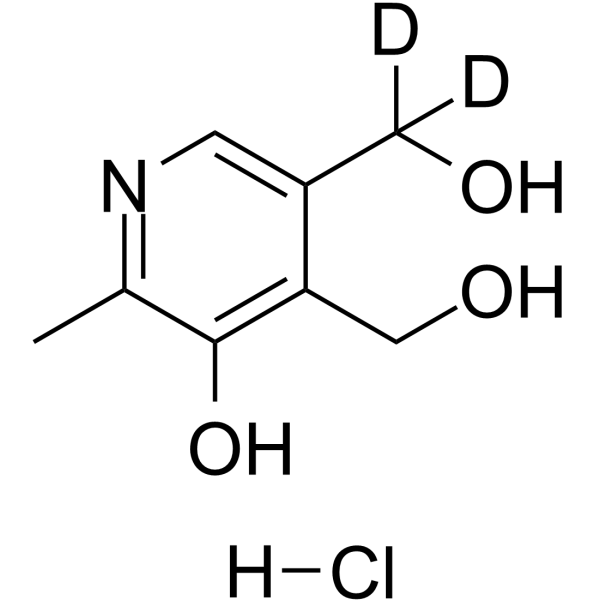 0 ImagesSynonyms: Pyridoxol-d2 hydrochloride; Vitamin B6-d2 hydrochloridePyridoxine-d2 (hydrochloride) is the deuterium labeled Pyridoxine hydrochloride. Pyridoxine hydrochloride is a pyridine derivative. Pyridoxine (Pyridoxol; Vitamin B6) exerts antioxidant effects in cell model of Alzheimer's disease via the Nrf-2/HO-1 pathway.
-
Methotrexate-d3
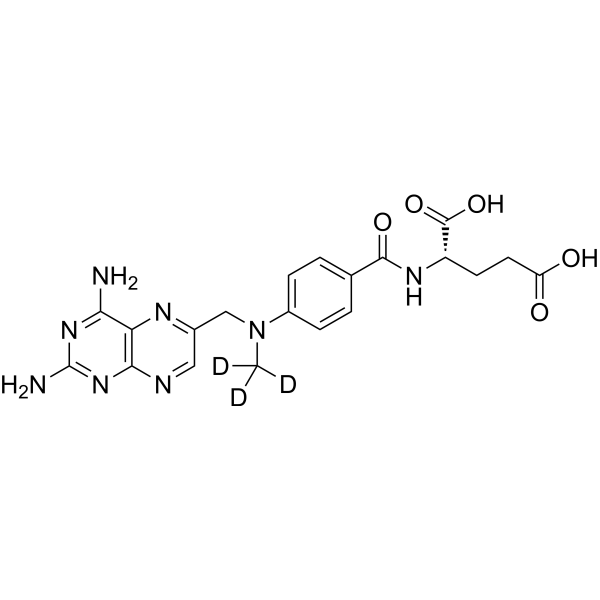 0 ImagesMethotrexate-d3 is the deuterated-labeled Methotrexate (HY-14519). Methotrexate (Amethopterin; CL14377; WR19039) is an orally active antifolate (Antifolate). Methotrexate inhibits dihydrofolate reductase (DHFR), blocks tetrahydrofolate production, suppresses purine/pyrimidine synthesis and transmethylation, and causes intracellular accumulation of AICAR. Methotrexate promotes extracellular adenosine release, regulates the cytokine network, and inhibits the alarmin function of HMGB1. Methotrexate induces apoptosis and cytotoxicity, upregulates the expression of iNOS and COX-2, suppresses hippocampal neurogenesis, and induces pulmonary fibrosis. Methotrexate is used in the research of various immune and inflammation-related diseases such as arthritis, psoriasis, systemic lupus erythematosus, as well as pulmonary fibrosis and breast cancer.
-
Artemether-d3
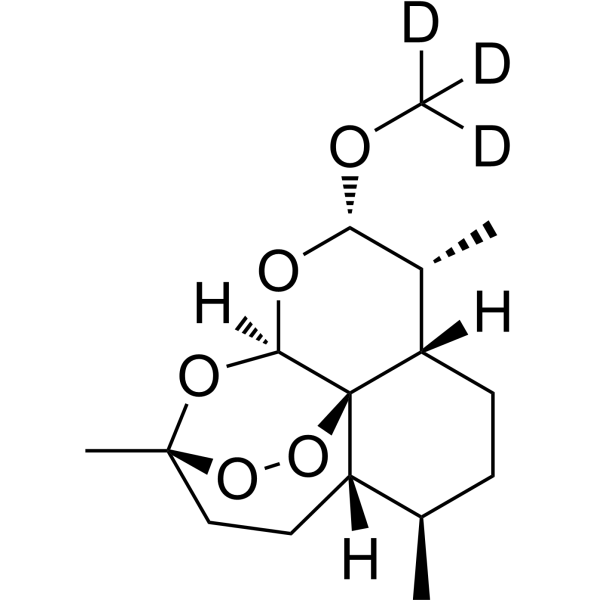 0 ImagesSynonyms: Dihydroqinghaosu methyl ether-d3; Dihydroartemisinin methyl ether-d3; SM224-d3Artemether-d3 is the deuterium labeled Artemether. Artemether is an antimalarial for the treatment of resistant strains of falciparum malaria.
-
Potassium 1H-indol-3-yl sulfate-d4
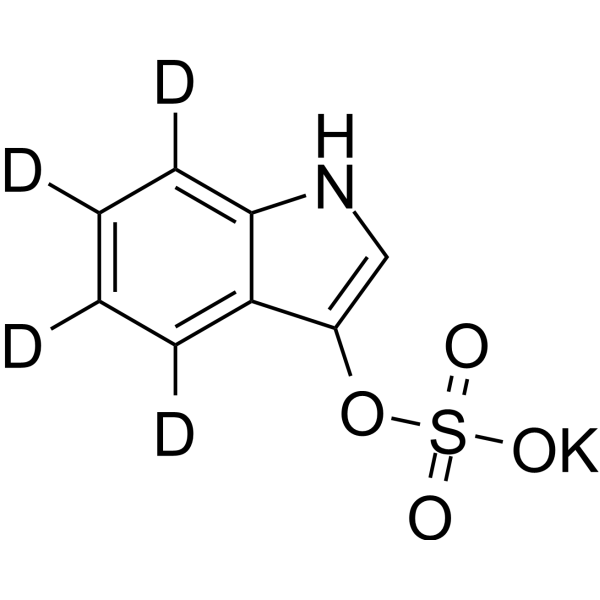 0 ImagesPotassium 1H-indol-3-yl sulfate-d4 potassium is the deuterium labeled Potassium 1H-indol-3-yl sulfate. Potassium 1H-indol-3-yl sulfate is a metabolite of tryptophan, produced by intestinal microorganisms and combined with sulfate in the liver before entering the circulatory system. Potassium 1H-indol-3-yl sulfate is a potent endogenous agonist of the aryl hydrocarbon receptor (AhR) and a urinary toxin. Potassium 1H-indol-3-yl sulfate can be used for research on kidney diseases.
-
17a-Hydroxypregnenolone-d3
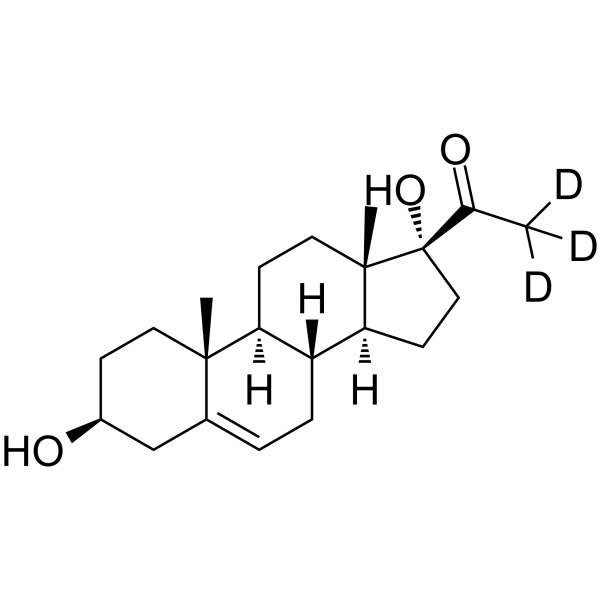 0 ImagesCat. No.: HY-113263SCAS No.: 105078-92-0Synonyms: 17-OHP5-d317a-Hydroxypregnenolone-d3 (17-OHP5-d3) is the deuterium labeled 17a-Hydroxypregnenolone (HY-113263). 17a-Hydroxypregnenolone is a metabolite of Pregnenolone (HY-B0151) and a precursor in the biosynthesis of Dehydroepiandrosterone (HY-14650). 17a-Hydroxypregnenolone is a substrate for the enzyme 3β-hydroxysteroid dehydrogenase (3β-HSD).
-
17α-Hydroxyprogesterone-d8
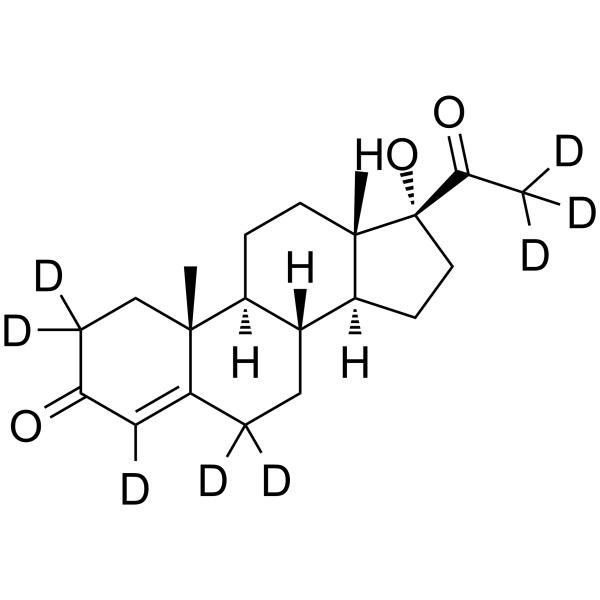 0 ImagesSynonyms: 17-Hydroxyprogesterone-d8; 17-OHP-d817α-Hydroxyprogesterone-d8 is the deuterium labeled 17α-Hydroxyprogesterone. 17α-Hydroxyprogesterone (17-Hydroxyprogesterone) is an endogenous progestogen as well as chemical intermediate in the biosynthesis of other steroid hormones, including the corticosteroids and the androgens and the estrogens.
-
Exatecan Intermediate 1-d5
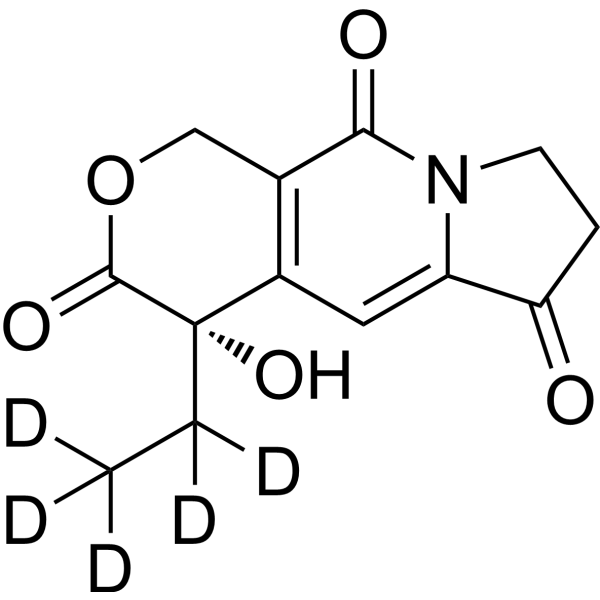 0 ImagesExatecan Intermediate 1-d5 is the deuterium labeled Exatecan Intermediate 1.
-
5-Fluorouracil-d1
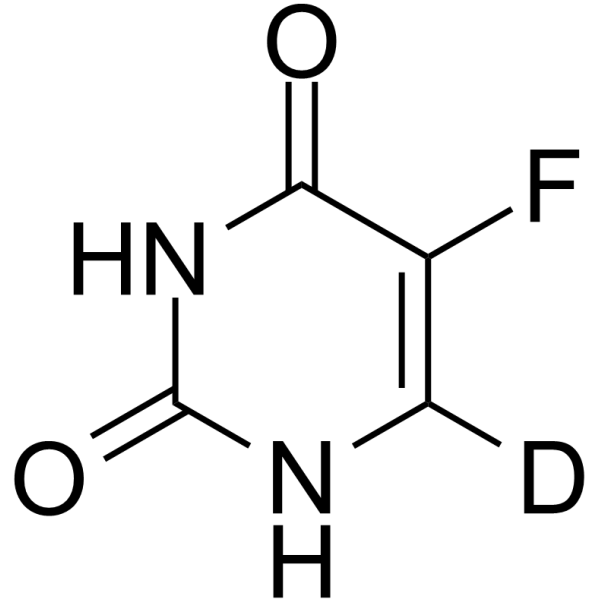 0 ImagesSynonyms: 5-FU-d15-Fluorouracil-d is the deuterium labeled 5-Fluorouracil. 5-Fluorouracil (5-FU) is an analogue of uracil and a potent antitumor agent. 5-Fluorouracil affects pyrimidine synthesis by inhibiting thymidylate synthetase thus depleting intracellular dTTP pools. 5-Fluorouracil induces apoptosis and can be used as a chemical sensitizer. 5-Fluorouracil also inhibits HIV.
-
1-Methyladenosine-d3 hydriodide
 0 ImagesCat. No.: HY-113081S1Purity: 99.87%1-Methyladenosine-d3 hydriodide is the deuterium labeled 1-Methyladenosine (HY-113081). 1-Methyladenosine is an RNA modification that can serve as a tumor marker, with elevated levels in the body associated with cancer development. Following 1-methyladenosine methylation, upregulation of PPARδ expression regulates cholesterol metabolism and activates Hedgehog signaling pathway, driving liver tumorigenesis.
-
Lauric acid-d3
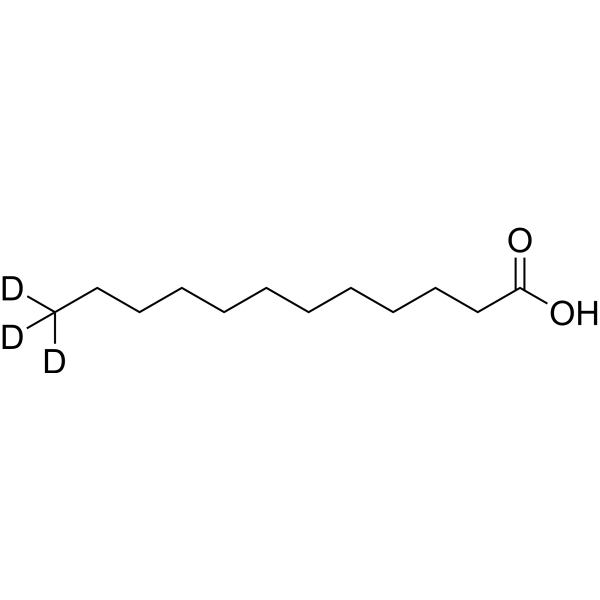 0 ImagesLauric acid-d33 is the deuterium labeled Lauric acid. Lauric acid is a middle chain-free fatty acid with strong bactericidal properties. The EC50s for P. acnes, S.aureus, S. epidermidis, are 2, 6, 4 μg/mL, respectively.