



mGluR
Metabotropic glutamate receptors
mGluR (metabotropic glutamate receptor) is a type of glutamate receptor that are active through an indirect metabotropic process. They are members of thegroup C family of G-protein-coupled receptors, or GPCRs. Like all glutamate receptors, mGluRs bind with glutamate, an amino acid that functions as an excitatoryneurotransmitter. The mGluRs perform a variety of functions in the central and peripheral nervous systems: mGluRs are involved in learning, memory, anxiety, and the perception of pain. mGluRs are found in pre- and postsynaptic neurons in synapses of the hippocampus, cerebellum, and the cerebral cortex, as well as other parts of the brain and in peripheral tissues. Eight different types of mGluRs, labeled mGluR1 to mGluR8, are divided into groups I, II, and III. Receptor types are grouped based on receptor structure and physiological activity.
mGluR Isoform Specific Products
All Product Categories
-
mGluR Related Products (399)
Related Products (399)

-
Antibodies (8)
-
mGluR Isoform Comparison
-
mGluR2 modulator 1
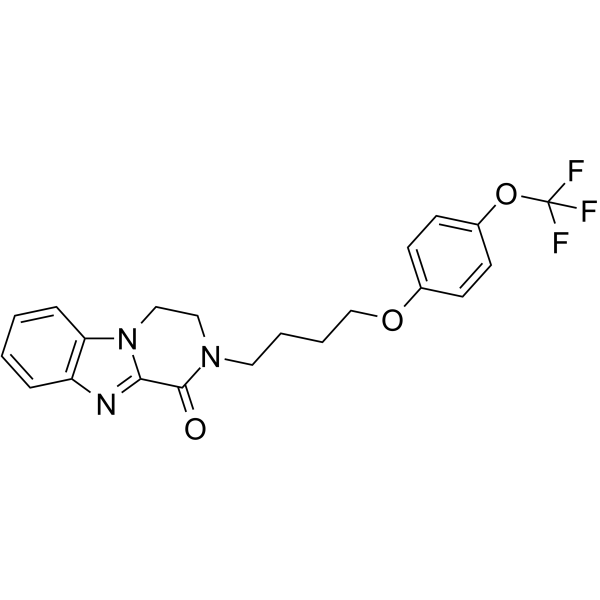 0 ImagesmGluR2 modulator 1 (compound 95) is a potent and BBB-penetrated mGluR2 (metabotropic glutamate receptor-2) positive allosteric modulator, with an EC50 of 0.03 μM. mGluR2 modulator 1 can be used for psychosis research.
-
(-)-Camphoric acid
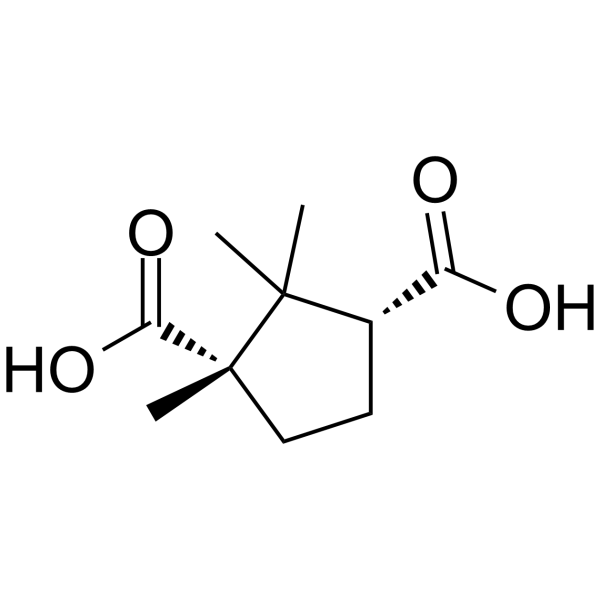 0 Images(-)-Camphoric acid is the less active enantiomer of Camphoric acid. Camphoric acid induces glutamate receptor expression. Camphoric acid also significantly induces the activation of NF-κB and AP-1. Camphoric acid significantly stimulates the differentiation of mouse osteoblastic MC3T3-E1 subclone 4 cells. Camphoric acid has weak regulatory function towards glutamate receptors. Camphoric acid can induce mRNA expression of glutamate signaling molecules and activate transcription factors, thereby stimulating osteoblast differentiation.
-
VU0155094
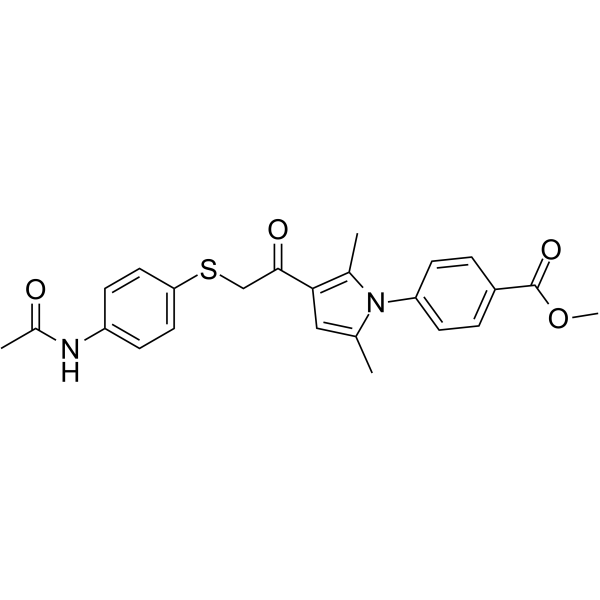 0 ImagesSynonyms: ML397VU0155094 is a positive allosteric modulator with differential activity at the various group III mGluRs.
-
LY3020371 hydrochloride
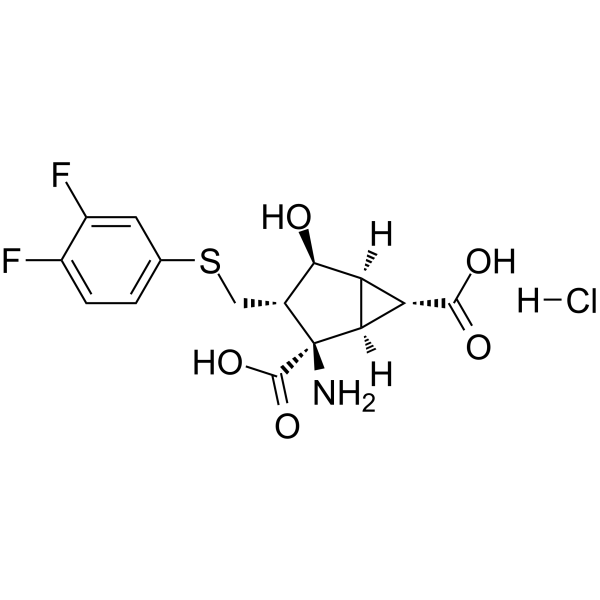 0 ImagesLY3020371 hydrochloride is a potent, selective metabotropic glutamate 2/3 receptor (mGlu2/3) antagonist with Ki of 5.3 and 2.5 nM, potently blocks cAMP formation with IC50 of 16.2 nM. LY3020371 hydrochloride exerts an antidepressant-like signature in vivo.
-
VU6043653
 0 ImagesVU6043653 is a potent, selective and cross the blood-brain barrier metabotropic glutamate receptor subtype 5 (mGlu5) negative allosteric modulator with an IC50 value of 325 nM for h mGlu5.
-
ML337
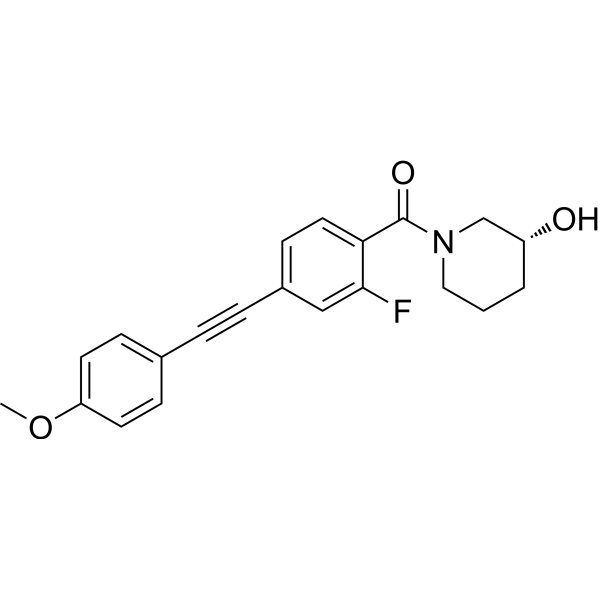 0 ImagesML337 is a selective and brain-penetrant negative allosteric modulator of mGlu3, with an IC50 of 593 nM. ML337 possesses a favorable dystrophia myotonica protein kinase (DMPK) and ancillary pharmacology profile. ML337 is a click chemistry reagent, it contains an Alkyne group and can undergo copper-catalyzed azide-alkyne cycloaddition (CuAAc) with molecules containing Azide groups.
-
L-Glutamine-13C5,15N2,d5
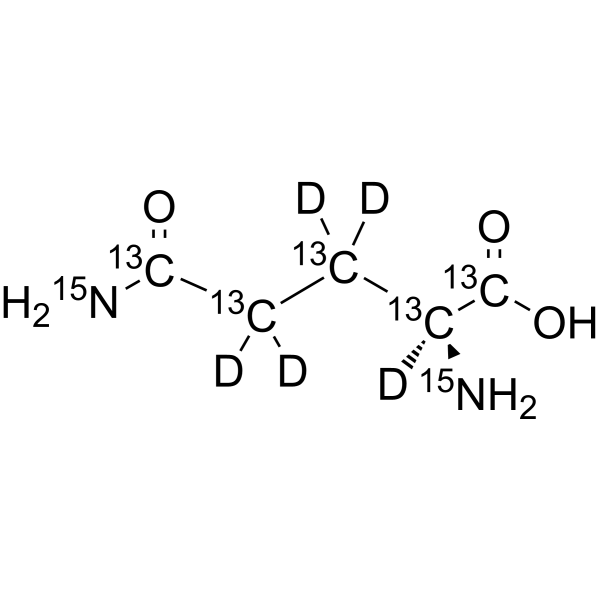 0 ImagesSynonyms: L-Glutamic acid 5-amide-13C5,15N2,d5L-Glutamine-13C5,15N2,d5 is the deuterium, 13C-, and 15N-labeled L-Glutamine (HY-N0390). L-Glutamine is an orally active nutritional agent and cellular metabolism regulator. L-Glutamine is taken up in a Na+-dependent manner and targets multiple key molecules including glutaminase, mTORC1, NF-κB, STAT-3 and HIF-1α. L-Glutamine enhances glutaminolytic catabolism, drives the conversion of glutamate to α-ketoglutarate, thereby regulating gene expression, integrating metabolic signals, mediating glutamine flux and maintaining redox homeostasis. L-Glutamine also promotes cell proliferation, osteogenic differentiation and fracture healing, exerts neuroprotective and cardioprotective effects, and inhibits osteoarthritis. L-Glutamine can be applied to research related to osteoporosis, osteoarthritis, ischemic stroke and acute cantharidin-induced cardiotoxicity.
-
(S,S)-BMS-984923
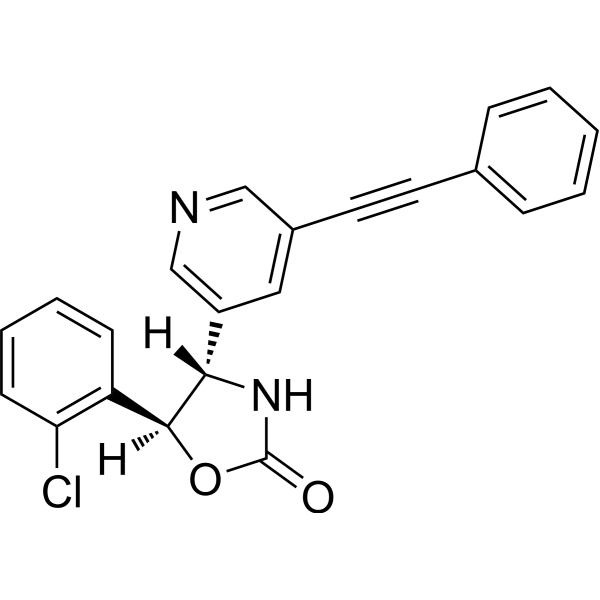 0 Images(S,S)-BMS-984923 is a less active (S,S)-enantiomer of BMS-984923. (S,S)-BMS-984923 shows an EC50 >1μM for mGluR5 receptor. BMS-984923 is a potent mGluR5 silent allosteric modulator. (S,S)-BMS-984923 is a click chemistry reagent, it contains an Alkyne group and can undergo copper-catalyzed azide-alkyne cycloaddition (CuAAc) with molecules containing Azide groups.
-
RO0711401
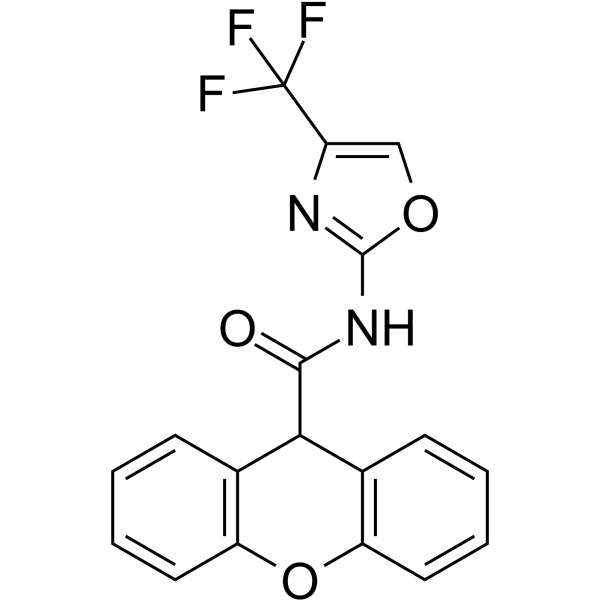 0 ImagesRO0711401 is a selective and orally active positive allosteric modulator of mGlu1 receptor with an EC50 of 56 nM.
-
LSN2463359
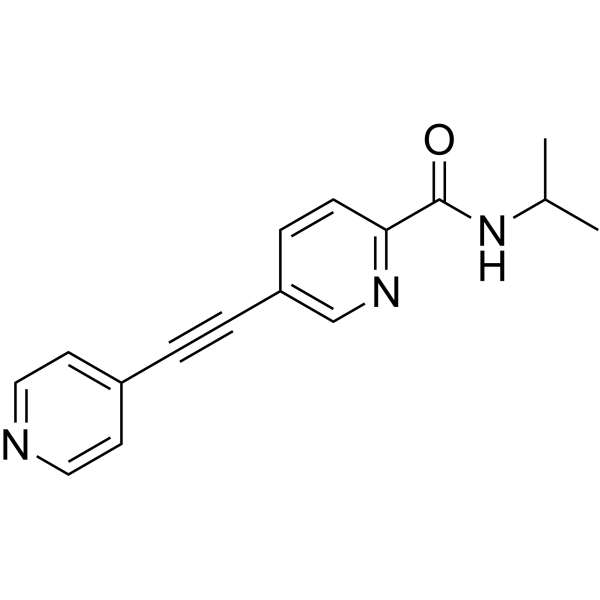 0 ImagesLSN2463359 is positive allosteric modulator of metabotropic glutamate 5 (mGlu5). LSN2463359 attenuates aspects of the behavioral response to administration of the competitive NMDA receptor antagonist. LSN2463359 selectively attenuates reversal learning deficits observed in the neurodevelopmental MAM E17 model. LSN2463359 is a click chemistry reagent, it contains an Alkyne group and can undergo copper-catalyzed azide-alkyne cycloaddition (CuAAc) with molecules containing Azide groups.
-
Talaglumetad (hydrochloride)
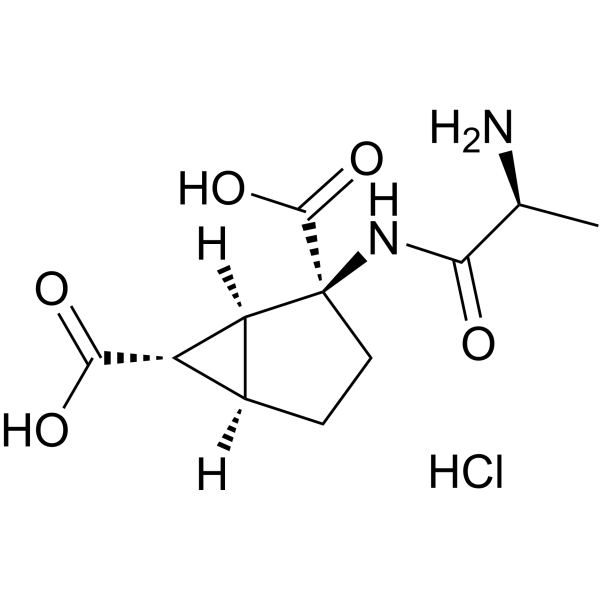 0 ImagesSynonyms: LY-544344 (hydrochloride)Talaglumetad hydrochloride (LY-544344 hydrochloride) is an orally active prodrug of Eglumegad (HY-18941) and a metabotropic glutamate receptor 2/3 (mGluR2/3) agonist. Talaglumetad hydrochloride undergoes transmembrane transport via the intestinal peptide transporter hPepT1, and is enzymatically hydrolyzed to produce L-alanine and the parent drug Eglumegad after entering the body. Talaglumetad hydrochloride can be used in research related to metabotropic glutamate receptor 2-associated neurological systems.
-
AZD6538
 0 ImagesCat. No.: HY-119282CAS No.: 453566-30-8AZD6538 is a potent, selective and brain penetrant mGluR5 negative allosteric modulator. AZD6538 inhibits DHPG (HY-12598A)-stimulated intracellular Ca2+ release in HEK cells expressing rat or human mGluR5, with IC50 values of 3.2 and 13.4 nM for rat mGluR5 and human mGluR5, respectively. AZD6538 can be used for the research of neuropathic pain.
-
Naftazone
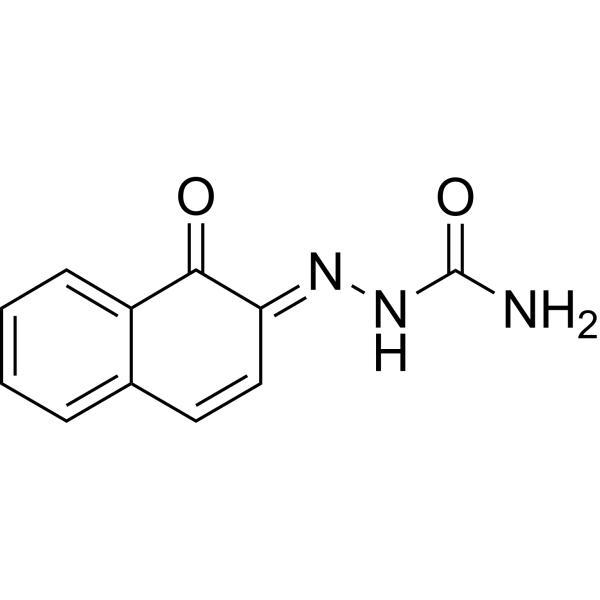 0 ImagesNaftazone is a naphthoquinone derivative, it can be used for the research of venous insufciency. Naftazone protects blood vessels, increases venous tonicity and capillary resistance, and improves lymphatic and venous circulation.

-
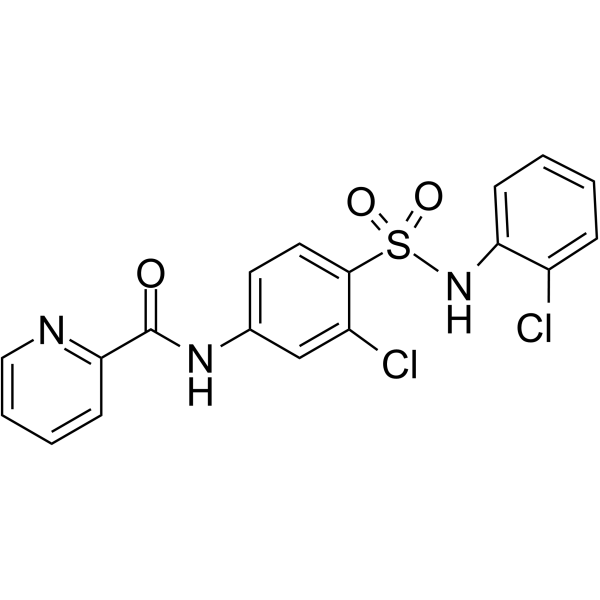
trans-ACPD
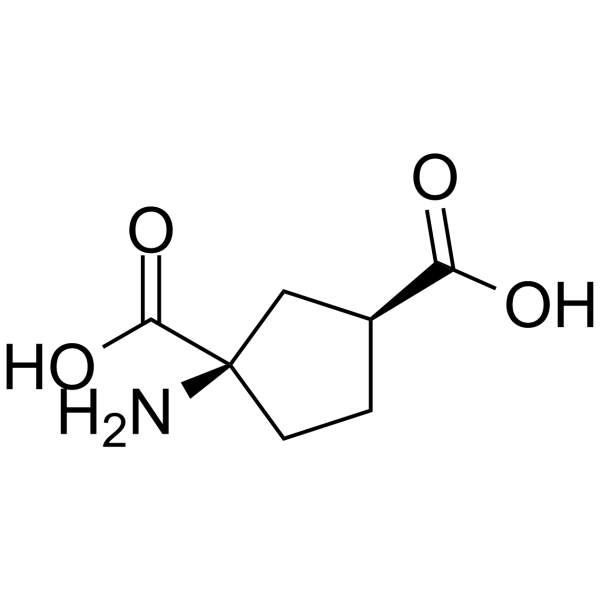 0 ImagesSynonyms: Trans-(±)-ACPtrans-ACPD, a metabotropic receptor agonist, produces calcium mobilization and an inward current in cultured cerebellar Purkinje neurons.
-
O-Phospho-L-serine (Standard)
 0 ImagesO-Phospho-L-serine (Standard) (L-Serine O-phosphate (Standard)) is the analytical standard of O-Phospho-L-serine (HY-15129). This product is intended for research and analytical applications. O-Phospho-L-serine is the immediate precursor to L-cystein in the serine synthesis pathway, and an agonist at the group III mGluR receptors (mGluR4, mGluR6, mGluR7, and mGluR8). O-Phospho-L-serine also acts as a weak antagonist for mGluR1 and a potent antagonist for mGluR2.
-
VU6012962
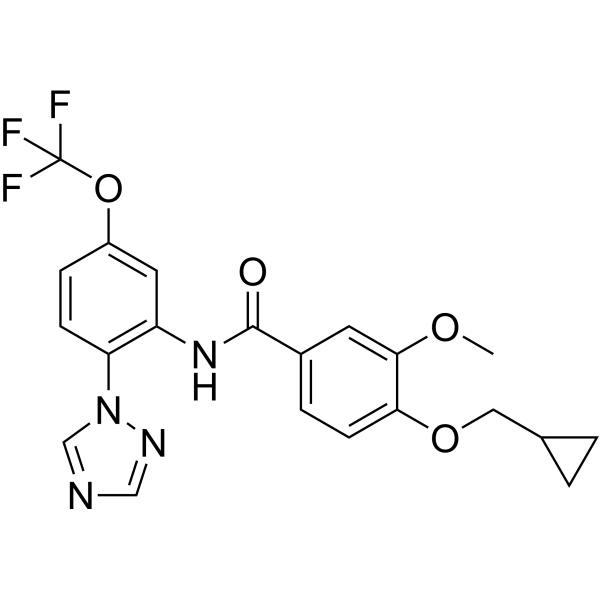 0 ImagesVU6012962 is an orally bioavailable and CNS-penetrant metabotropic glutamate receptor 7 negative allosteric modulator (mGlu7 NAM) with an IC50 of 347 nM.
-
Auglurant
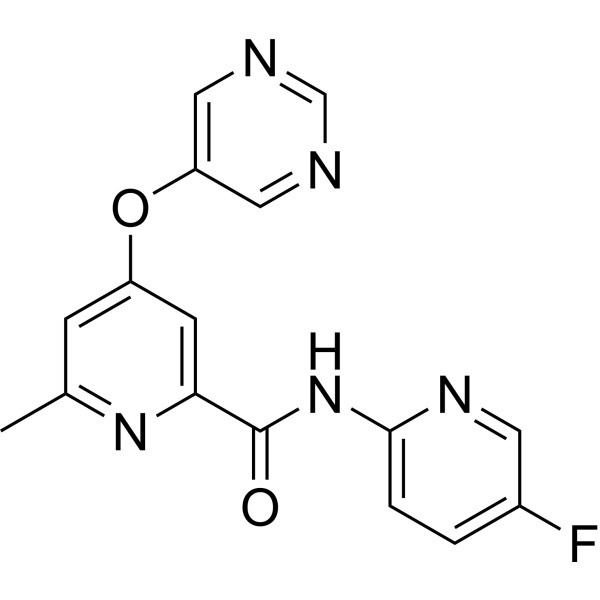 0 ImagesSynonyms: VU0424238Auglurant (VU0424238) is a novel and selective mGlu5 antagonist with an IC50 value of 11 nM (rat) and an IC50 value of 14 nM (human). Auglurant (VU0424238) has an acceptable CNS penetration.
-
Eglumegad hydrochloride
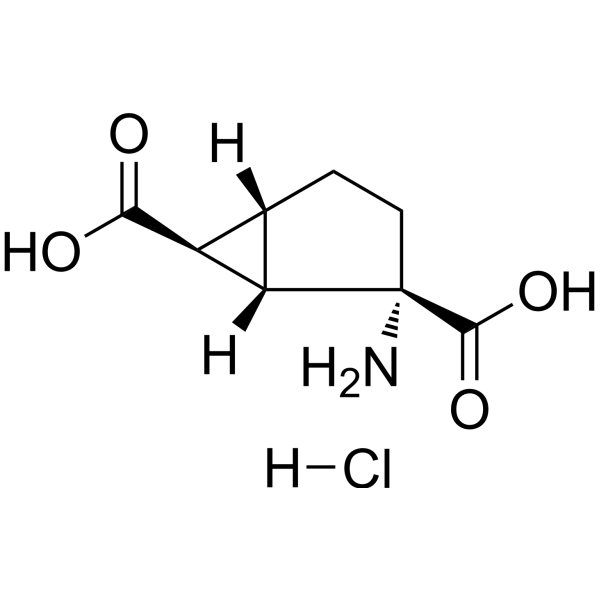 0 ImagesCat. No.: HY-18941CSynonyms: LY354740 hydrochloride; Eglumetad hydrochlorideEglumegad (LY354740) hydrochloride is a highly potent and selective group II (mGlu2/3) receptor agonist with IC50s of 5 and 24 nM on transfected human mGlu2 and mGlu3 receptors, respectively. Eglumegad hydrochloride protects neurons from NMDA toxicity. Eglumegad hydrochloride has anxiolytic- and antipsychotic-like effects.




