mGluR
Metabotropic glutamate receptors
mGluR (metabotropic glutamate receptor) is a type of glutamate receptor that are active through an indirect metabotropic process. They are members of thegroup C family of G-protein-coupled receptors, or GPCRs. Like all glutamate receptors, mGluRs bind with glutamate, an amino acid that functions as an excitatoryneurotransmitter. The mGluRs perform a variety of functions in the central and peripheral nervous systems: mGluRs are involved in learning, memory, anxiety, and the perception of pain. mGluRs are found in pre- and postsynaptic neurons in synapses of the hippocampus, cerebellum, and the cerebral cortex, as well as other parts of the brain and in peripheral tissues. Eight different types of mGluRs, labeled mGluR1 to mGluR8, are divided into groups I, II, and III. Receptor types are grouped based on receptor structure and physiological activity.
mGluR Isoform Specific Products
All Product Categories
-
mGluR Related Products (399)
Related Products (399)

-
Antibodies (8)
-
mGluR Isoform Comparison
-
(S)-3,4-DCPG
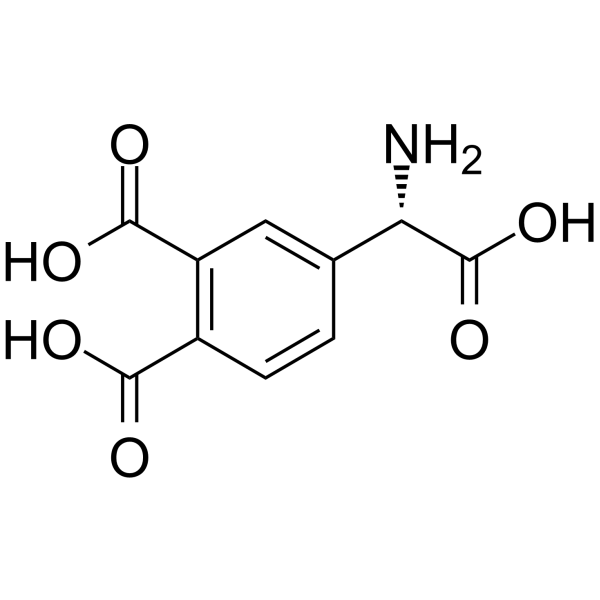 0 ImagesSynonyms: (S)-3,4-Dicarboxyphenylglycine(S)-3,4-DCPG ((S)-3,4-Dicarboxyphenylglycine) is a potent and selective mGlu8a receptor agonist with an EC50 of 31 nM for human mGlu8a. (S)-3,4-DCPG inhibits Forskolin (HY-15371)-stimulated cAMP formation by activating mGlu8, and modulates presynaptic glutamatergic transmission and synaptic plasticity. (S)-3,4-DCPG can be used in research on inflammatory pain, neuropathic pain, autism spectrum disorder, and glutamatergic synaptic plasticity.
-
JNJ-46281222
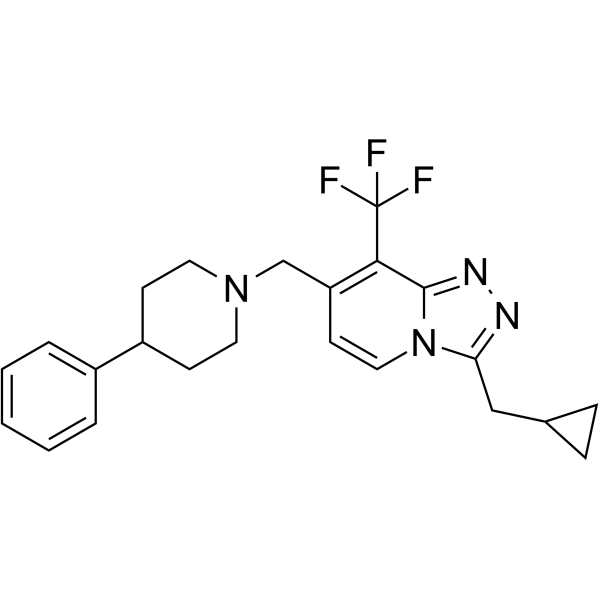 0 ImagesJNJ-46281222 is an metabotropic glutamate (mGlu) 2-selective, highly potent PAM (positive allosteric modulator) with nanomolar affinity (Kd = 1.7 nM) and a high modulatory potency (pEC50 = 7.71).
-
XAP044
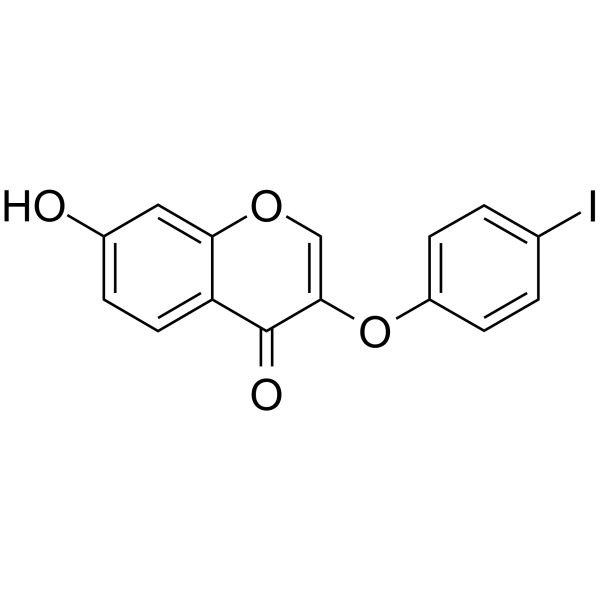 0 ImagesXAP044 is a potent and selective antagonist of mGlu7. The metabotropic glutamate receptor subtype 7 (mGlu7) is an important presynaptic regulator of neurotransmission in the mammalian CNS. XAP044 demonstrates good brain exposure and wide spectrum anti-stress and antidepressant- and anxiolytic-like efficacy in rodent behavioral paradigms.
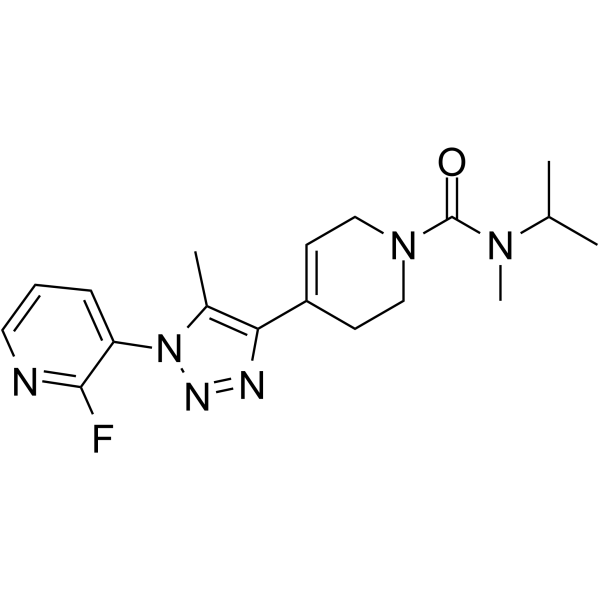
-
Pomaglumetad methionil hydrochloride
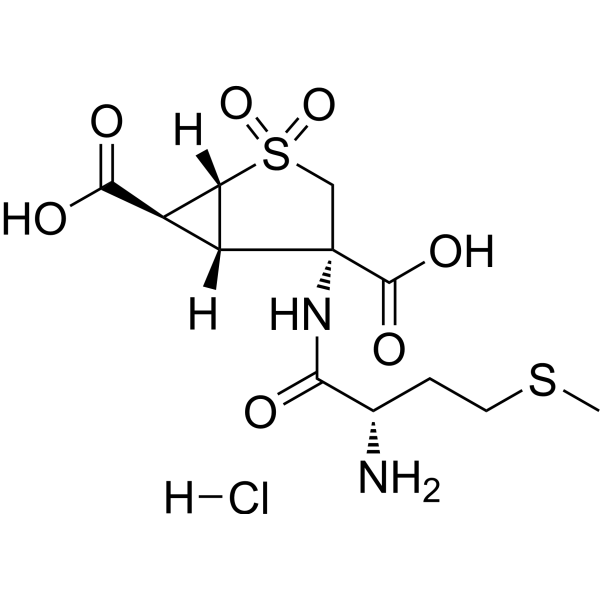 0 ImagesSynonyms: LY2140023 hydrochloridePomaglumetad methionil hydrochloride (LY2140023 hydrochloride) is an orally active, methionine prodrug of the selective mGlu2/3 receptor agonist LY404039. Pomaglumetad methionil hydrochloride has the potential for schizophrenia research.
-
Kainic acid hydrate
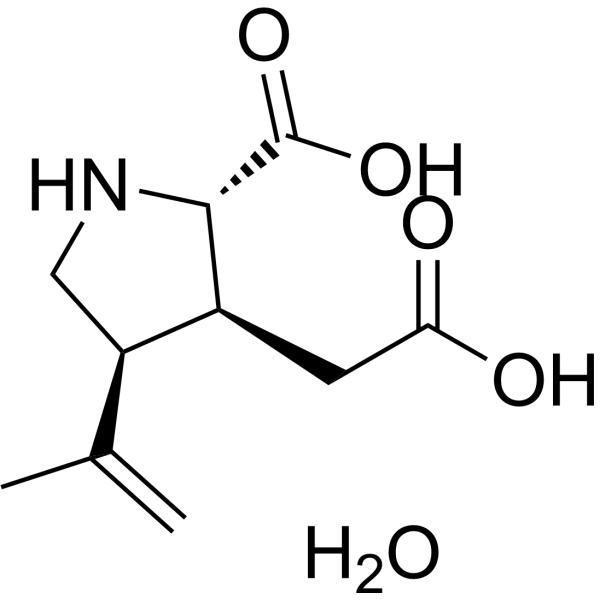 0 ImagesKainic acid hydrate is a potent excitotoxic agent. Kainic acid hydrate also is an agonist for a subtype of ionotropic glutamate receptor. Kainic acid hydrate induces seizures.
-
VU0364770
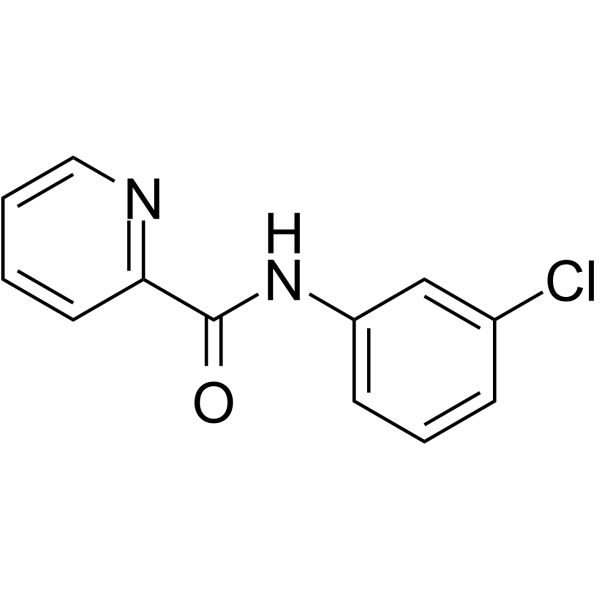 0 ImagesVU0364770 is a selective and potent positive allosteric modulator (PAM) of mGlu4. VU0346770 exhibits EC50s of 290 nM and 1.1 μM at rat mGlu4 and human mGlu4 receptor, respectively. VU0364770 exhibits antagonist activity at mGlu5 with a potency of 17.9 μM and PAM activity at mGlu6 with a potency of 6.8 μM. VU0364770 also possesses activity at MAO with Ki values of 8.5 and 0.72 μM for human MAO-A and human MAO-B, respectively.
-
Decoglurant
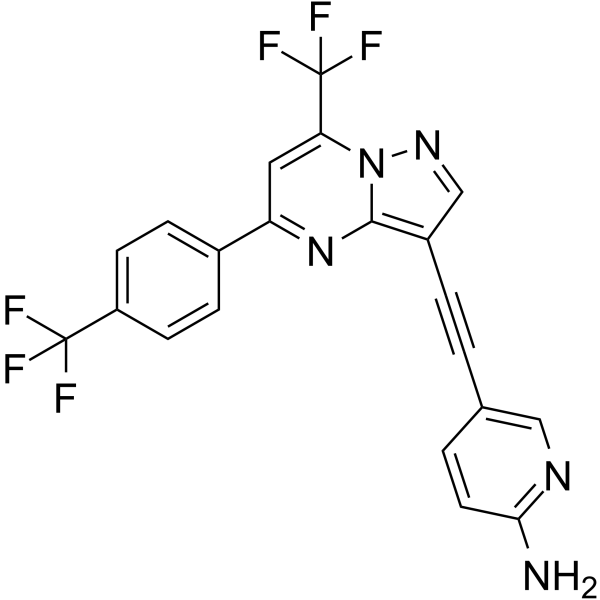 0 ImagesSynonyms: RO4995819
-
VU6004909
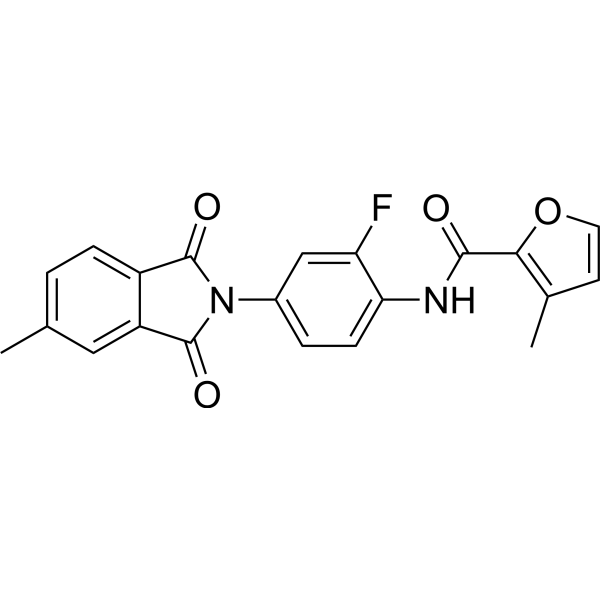 0 ImagesVU6004909 is a blood-brain barrier penetrated mGlu1 positive allosteric modulator (PAM), with the EC50s of 25.7 nM and 31 nM for human mGlu1 and rat mGlu1, respectively. VU6004909 reduces dorsolateral striatal dopamine (DA) release in vivo and displays antipsychotic efficacy.
-
LY456236
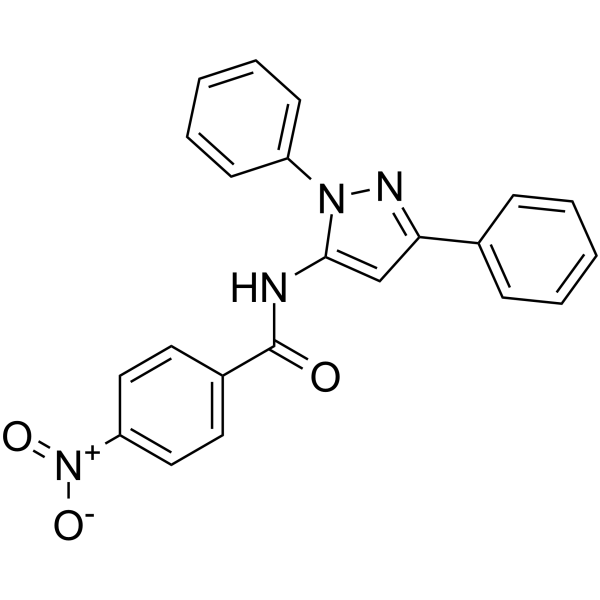
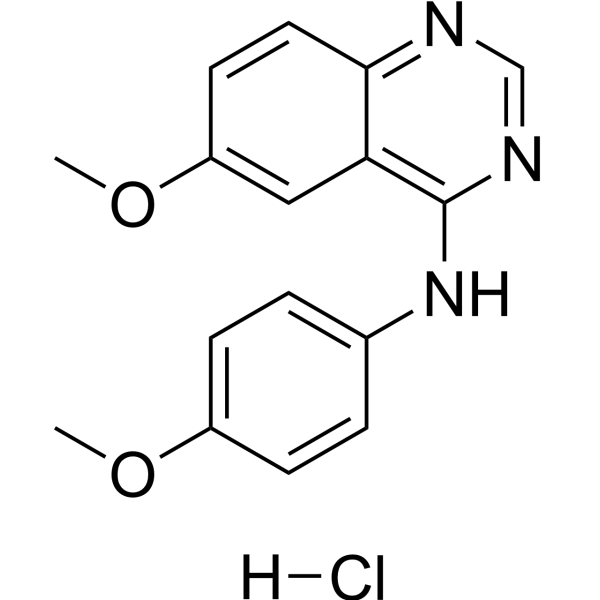 0 ImagesLY456236 is a selective, non-competitive and orally active antagonist of glutamate receptor 1 (mGlu1), which can inhibit phosphatidylinositol hydrolysis with an IC50 of 0.145 μM. LY456236 can also inhibit EGFR, with an IC50 of 0.918 μM. LY456236 blocks cell proliferation by inhibiting the MAPK pathway, reversing the anti-apoptotic effect of DHPG (HY-12598A). LY456236 can be used in epilepsy research.
-
L-Glutamine-5-13C
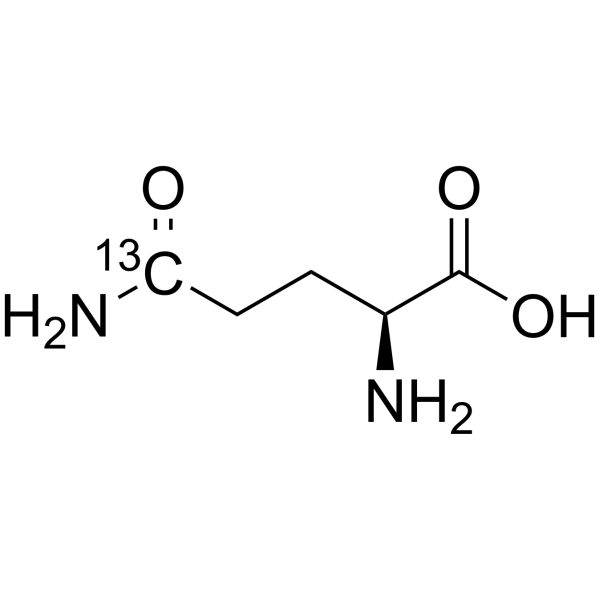 0 ImagesSynonyms: L-Glutamic acid 5-amide-5-13CL-Glutamine-5-13C is the 13C-labeled L-Glutamine (HY-N0390). L-Glutamine is an orally active nutritional agent and cellular metabolism regulator. L-Glutamine is taken up in a Na+-dependent manner and targets multiple key molecules including glutaminase, mTORC1, NF-κB, STAT-3 and HIF-1α. L-Glutamine enhances glutaminolytic catabolism, drives the conversion of glutamate to α-ketoglutarate, thereby regulating gene expression, integrating metabolic signals, mediating glutamine flux and maintaining redox homeostasis. L-Glutamine also promotes cell proliferation, osteogenic differentiation and fracture healing, exerts neuroprotective and cardioprotective effects, and inhibits osteoarthritis. L-Glutamine can be applied to research related to osteoporosis, osteoarthritis, ischemic stroke and acute cantharidin-induced cardiotoxicity.
-
JNJ-46356479
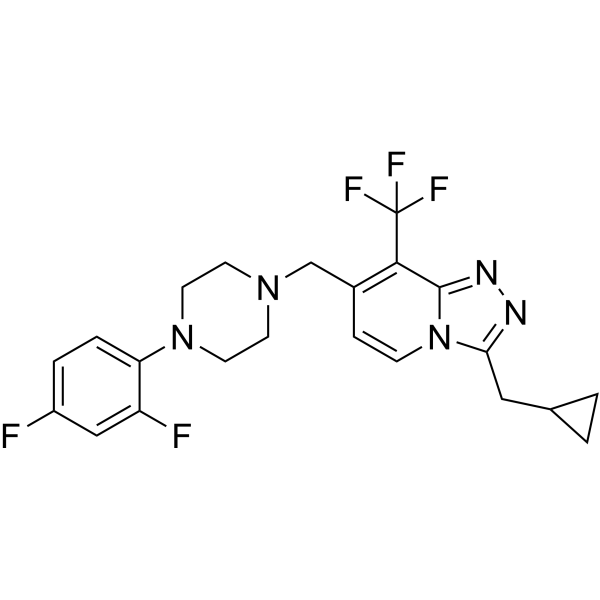 0 ImagesJNJ-46356479 is a selective and orally bioavailable mGlu2 receptor positive allosteric modulator (PAM), with the EC50 of 78 nM. JNJ-46356479 shows active in vivo.
-
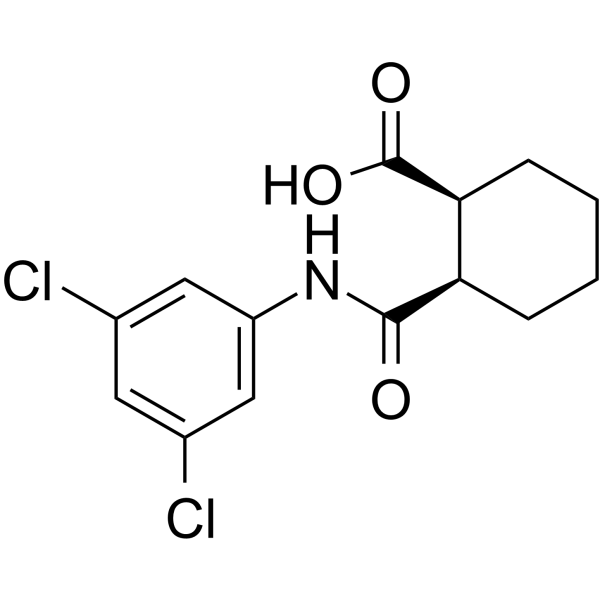
ML289
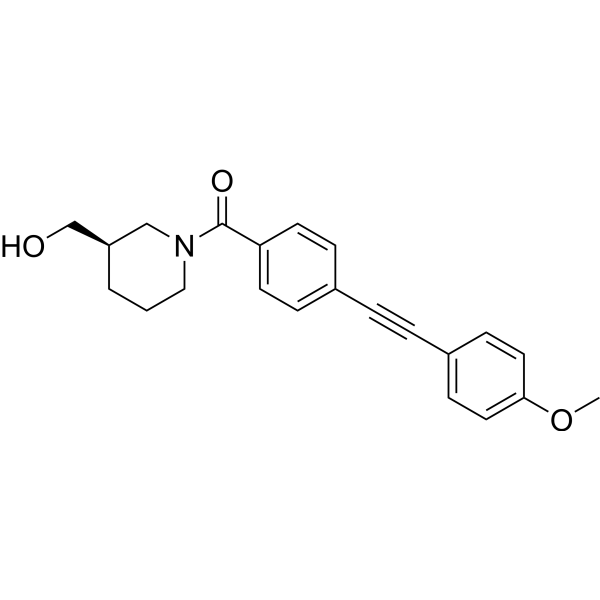 0 ImagesSynonyms: VU0463597ML289 (VU0463597) is a potent, selective, and CNS-penetrant mGlu3 (IC50=0.66 μM) negative allosteric modulator. ML289 displays >15-fold selectivity over mGlu2 and is inactive against mGlu5. ML289 is a click chemistry reagent, it contains an Alkyne group and can undergo copper-catalyzed azide-alkyne cycloaddition (CuAAc) with molecules containing Azide groups.