



hnRNP K Antibody (YA1194)
(Synonyms: HNRNPK; HNRPK; Heterogeneous nuclear ribonucleoprotein K; hnRNP K; Transformation up-regulated nuclear protein; TUNP)
Based on 1 Customer Validation
hnRNP K Antibody (YA1194) is a Rabbit-derived and non-conjugated IgG monoclonal antibody, targeting to hnRNP K.
-
Host:
Rabbit
-
Isotype:
IgG
-
Application:
IHC-P
-
Reactivity :
Human
-
Formulation:
Supplied in 50mM Tris-Glycine(pH 7.4), 0.15M NaCl, 40%Glycerol, 0.01% sodium azide and 0.05% BSA.
-
Conjugation:
Non-conjugated






To place orders, for customer services and technical support, please contact: MedChemExpress USA
Tel: 609-228-6898 E-mail: [email protected] [email protected]





Applications
| Application |
IHC-P

IHC-P: Immunohistochemistry-Paraffin
|
|---|---|
| Dilution Ratio | 1:100-1:200 |


Product Details
hnRNP K Antibody (YA1194) is a Rabbit-derived and non-conjugated IgG monoclonal antibody, targeting to hnRNP K.
-
Host Rabbit

-
Clonality Recombinant,Monoclonal

-
Species ReactivityHuman
-
Observed Molecular WeightObserved band size: 60 kDa
Note: Due to possible protein modifications or aggregation, the molecular weight should be confirmed by actual measurement, and the predicted value is for reference only.

-
Calculated Molecular Weight Predicted band size: 50 kDa

A synthesized peptide derived from human hnRNP K
Endogenous
Affinity Purified
Non-conjugated
Unmodified
IgG


Product Properties
-
Appearance
Solution
-
Formulation
Supplied in 50mM Tris-Glycine(pH 7.4), 0.15M NaCl, 40%Glycerol, 0.01% sodium azide and 0.05% BSA.
-
Concentration
Batch-dependent, Please check the COA for the concentration of each lot. Check Lot Concentration
-
Storage & Stability
Stored at -20°C for 1 year. Avoid repeated freeze / thaw cycles.
-
Shipping
Shipping with blue ice.


Verification Images
-
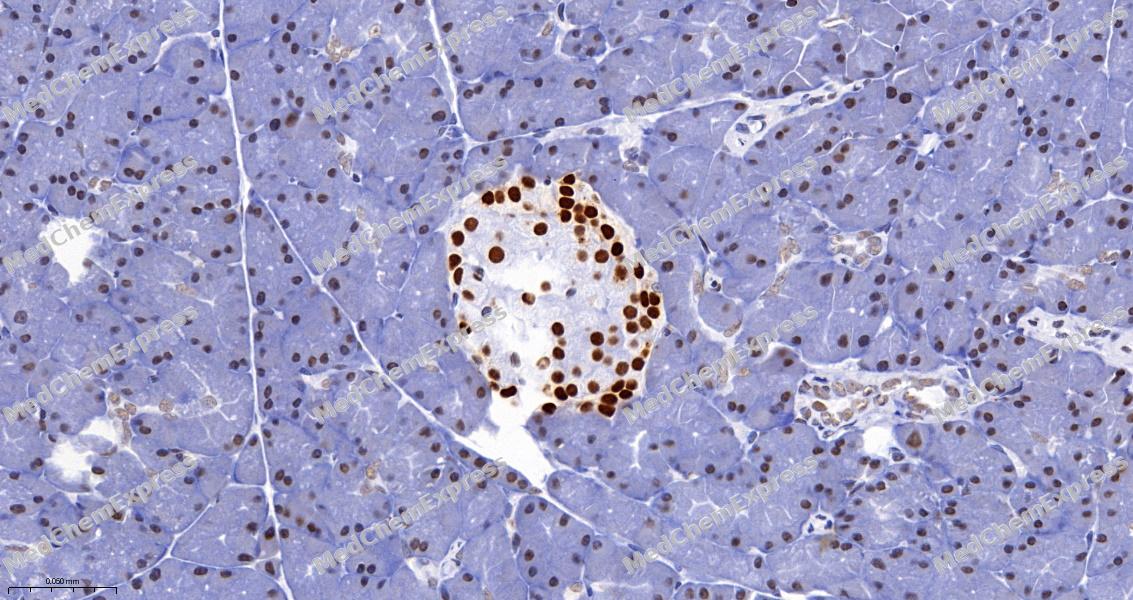 Immunohistochemical analysis of paraffin-embedded rat pancreas tissue using Islet 1 Antibody (HY-P81499, 1/1000). The section was pretreated using heat mediated antigen retrieval with Tris-EDTA buffer (pH 8.0) for 10 minutes. The tissues were blocked with quick block buffer for 0.5 hours at room temperature, washed with PBS and PBST, and then incubated with the primary antibody overnight at 4℃. The detection was performed using an HRP conjugated compact polymer system. DAB was used as the chromogen. Tissues were counterstained with hematoxylin and mounted with DPX.
 -
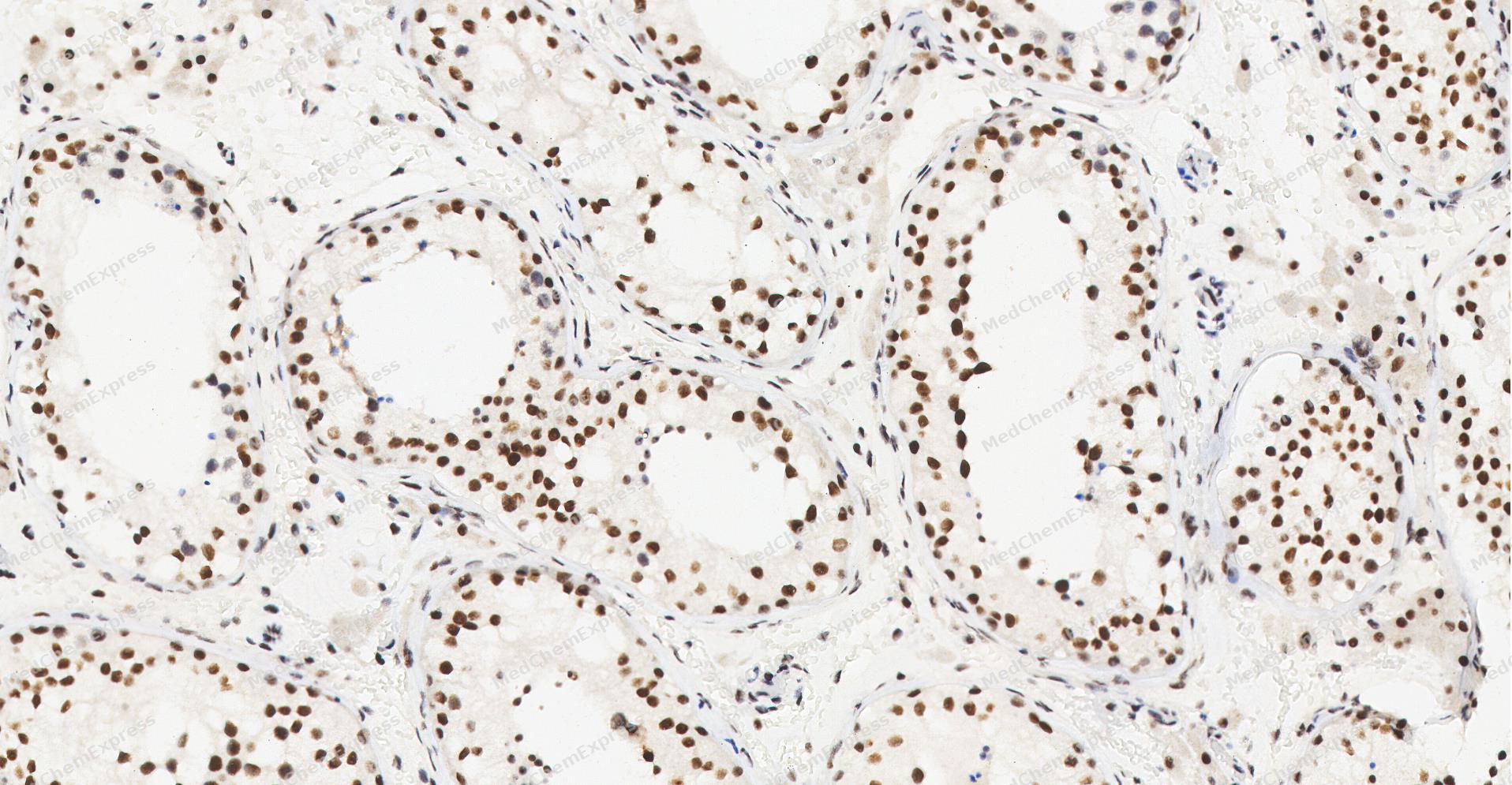
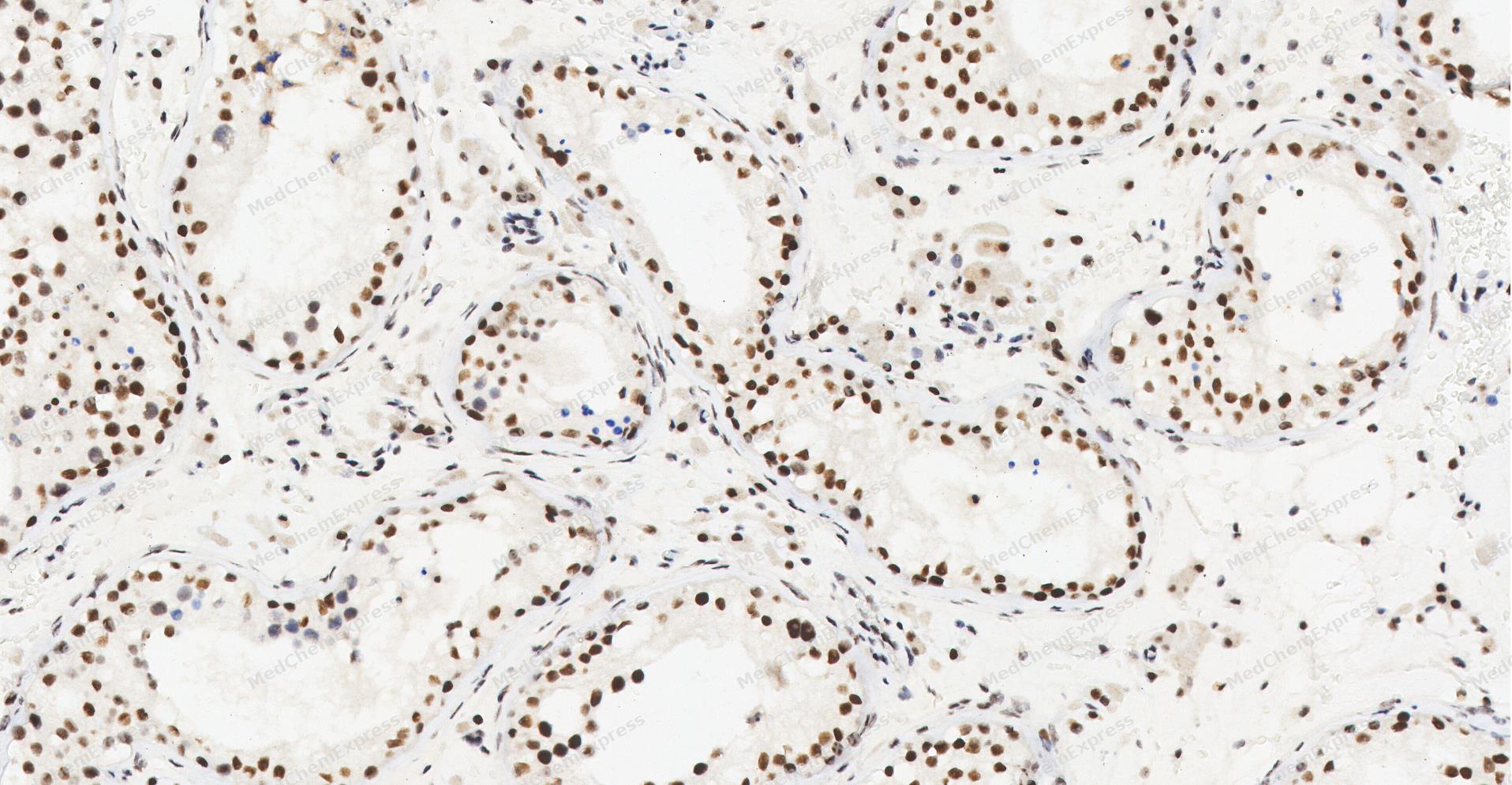 Immunohistochemical analysis of paraffin-embedded human Testis tissue using hnRNP K antibody was performed. The section was pretreated using high-temperature and high-pressure mediated EDTA antigen retrieval buffer (pH 9.0), for 5 minutes. The tissues were incubated with primary antibody (HY-P81449, 1:50 dilution) at room temperature for 60 minutes. Detection was performed using an HRP conjugated compact polymer system. DAB was used as the chromogen. The tissues were counterstained with hematoxylin and mounted with neutral balsam mounting medium.
 -
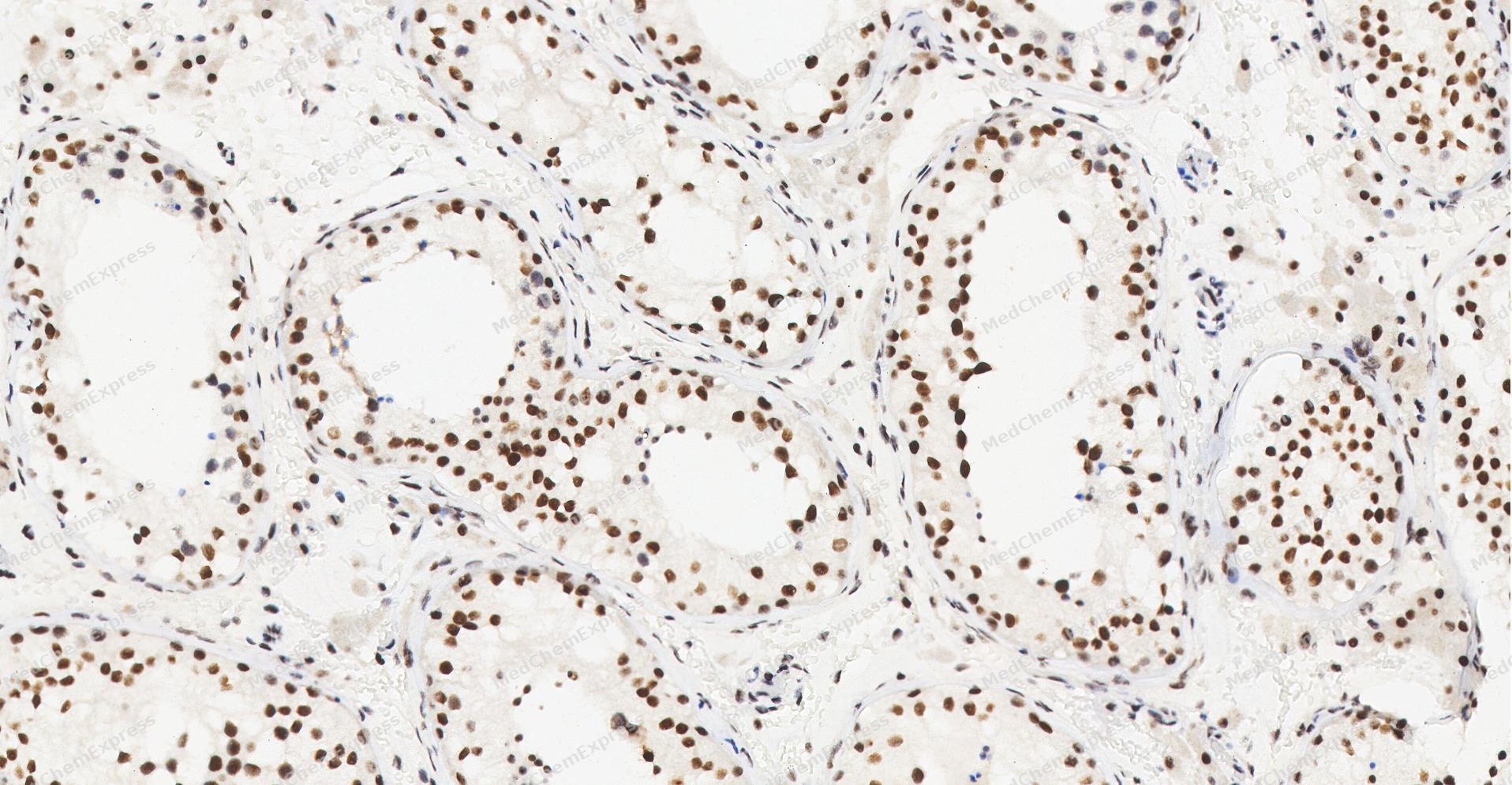 Immunohistochemical analysis of paraffin-embedded human Testis tissue using hnRNP K antibody was performed. The section was pretreated using high-temperature and high-pressure mediated EDTA antigen retrieval buffer (pH 9.0), for 5 minutes. The tissues were incubated with primary antibody (HY-P81449, 1:50 dilution) at room temperature for 60 minutes. Detection was performed using an HRP conjugated compact polymer system. DAB was used as the chromogen. The tissues were counterstained with hematoxylin and mounted with neutral balsam mounting medium.
 -
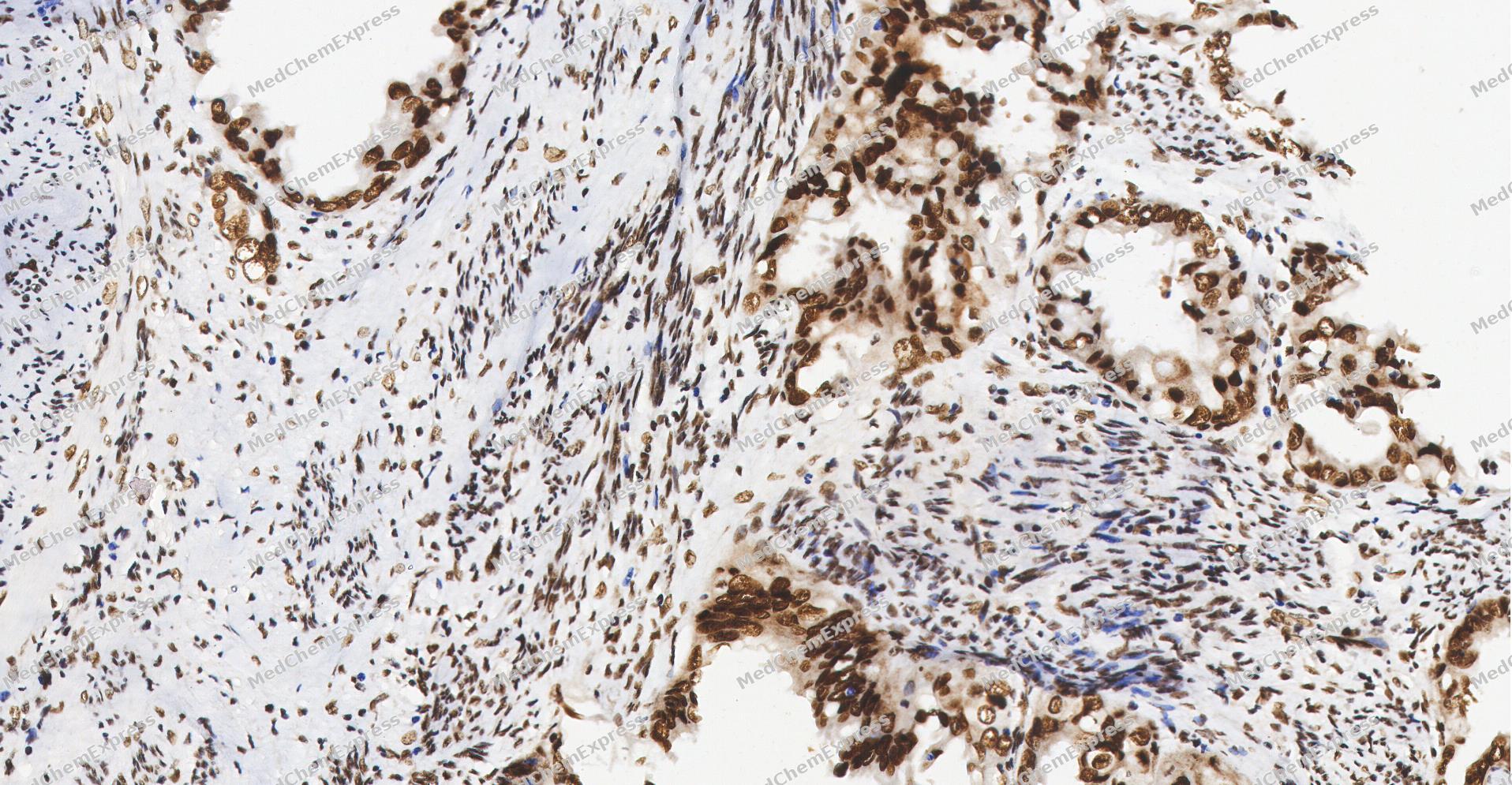
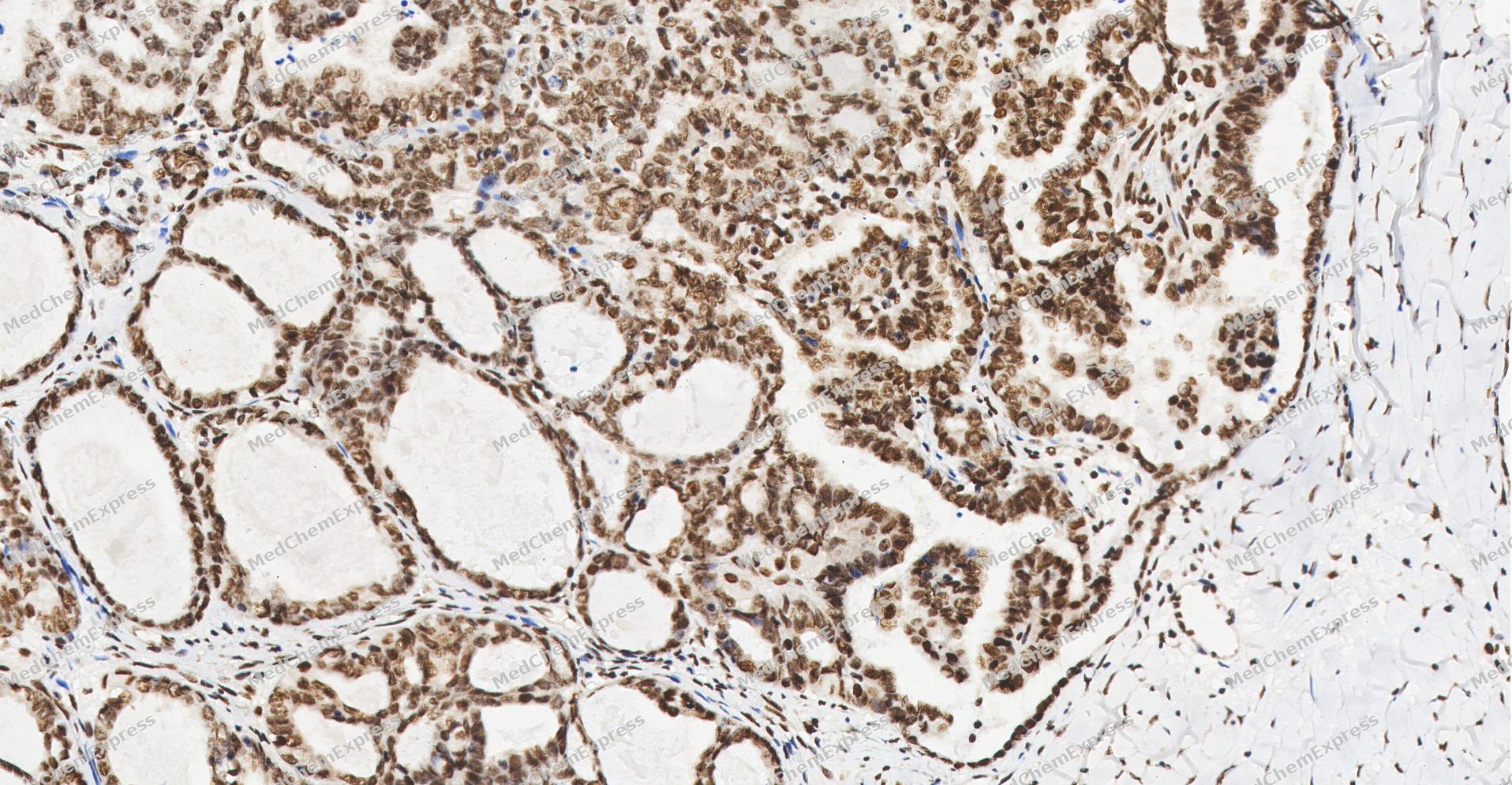
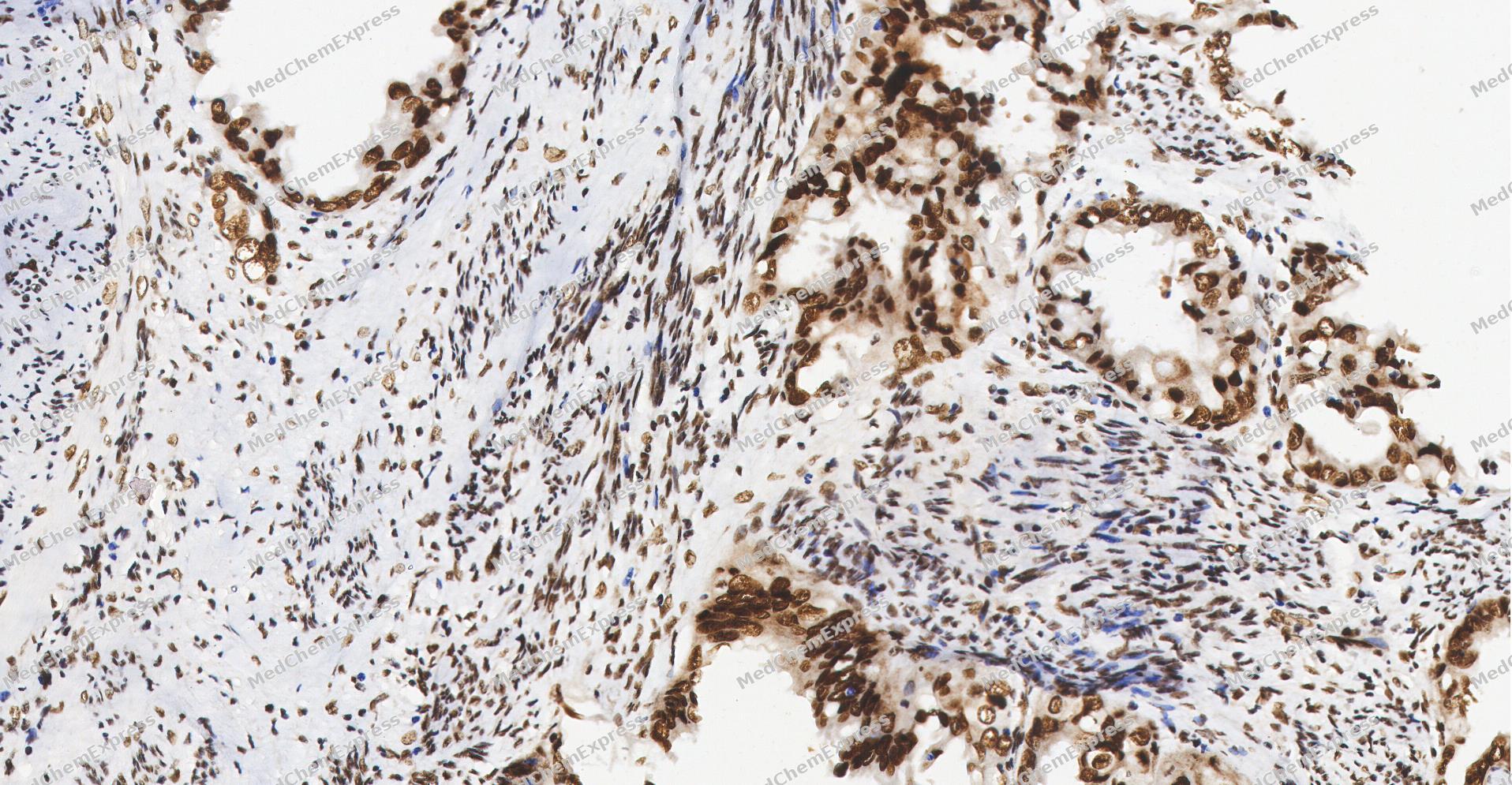 Immunohistochemical analysis of paraffin-embedded human Endometrial Carcinoma tissue using hnRNP K antibody was performed. The section was pretreated using high-temperature and high-pressure mediated EDTA antigen retrieval buffer (pH 9.0), for 5 minutes. The tissues were incubated with primary antibody (HY-P81449, 1:50 dilution) at room temperature for 60 minutes. Detection was performed using an HRP conjugated compact polymer system. DAB was used as the chromogen. The tissues were counterstained with hematoxylin and mounted with neutral balsam mounting medium.
 -
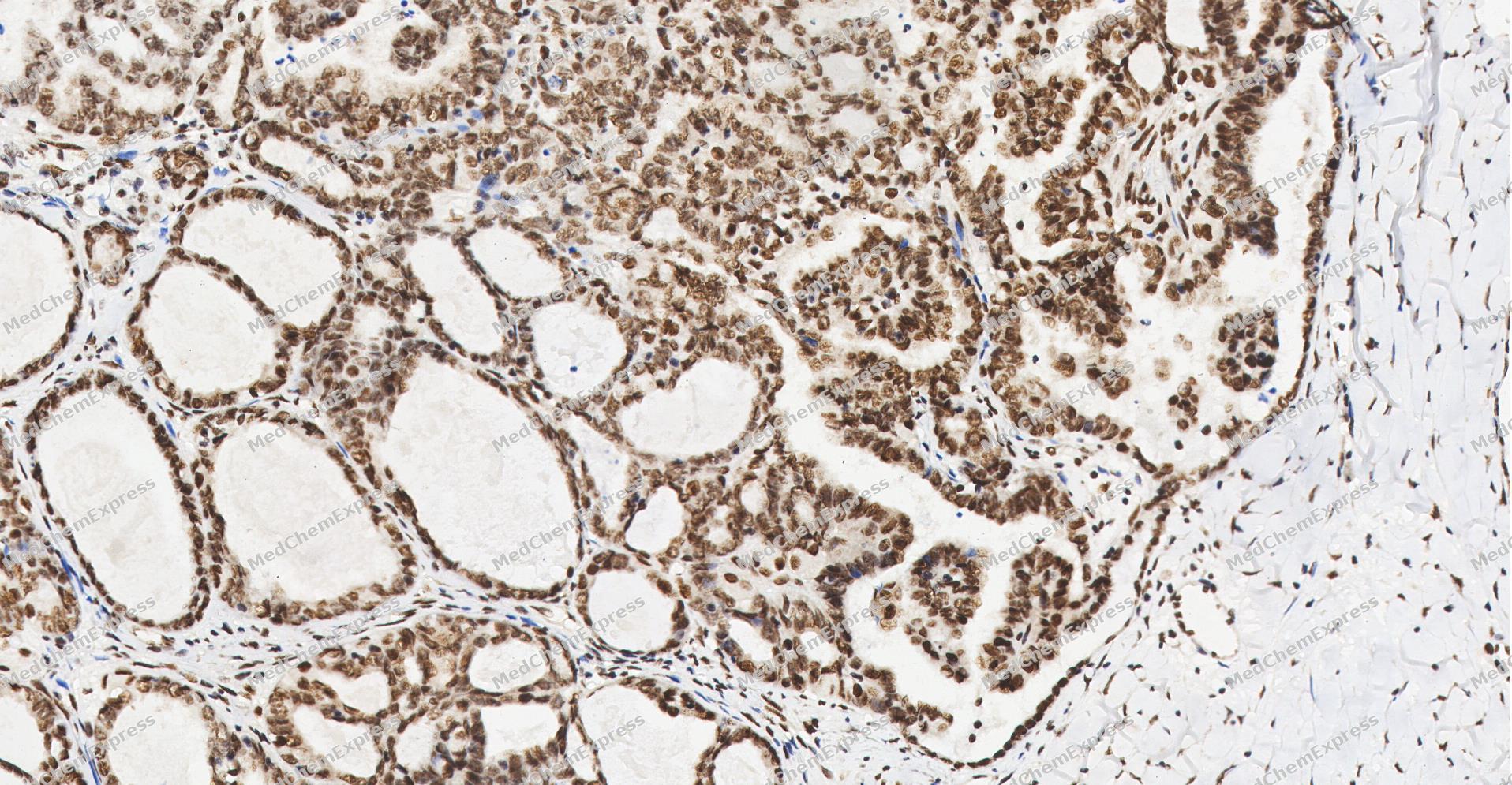 Immunohistochemical analysis of paraffin-embedded human Ovarian Cancer tissue using hnRNP K antibody was performed. The section was pretreated using high-temperature and high-pressure mediated EDTA antigen retrieval buffer (pH 9.0), for 5 minutes. The tissues were incubated with primary antibody (HY-P81449, 1:50 dilution) at room temperature for 60 minutes. Detection was performed using an HRP conjugated compact polymer system. DAB was used as the chromogen. The tissues were counterstained with hematoxylin and mounted with neutral balsam mounting medium.
 -
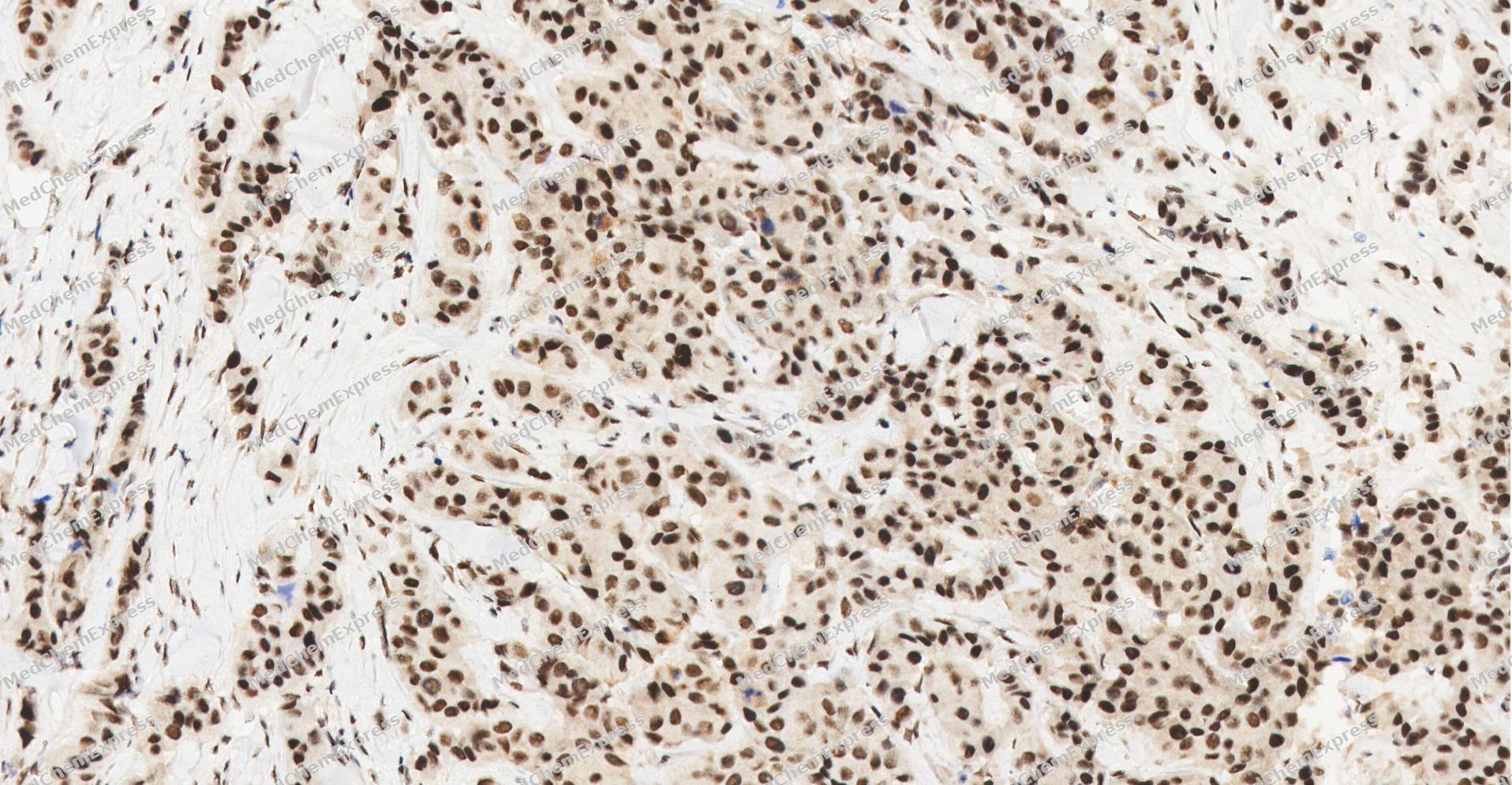
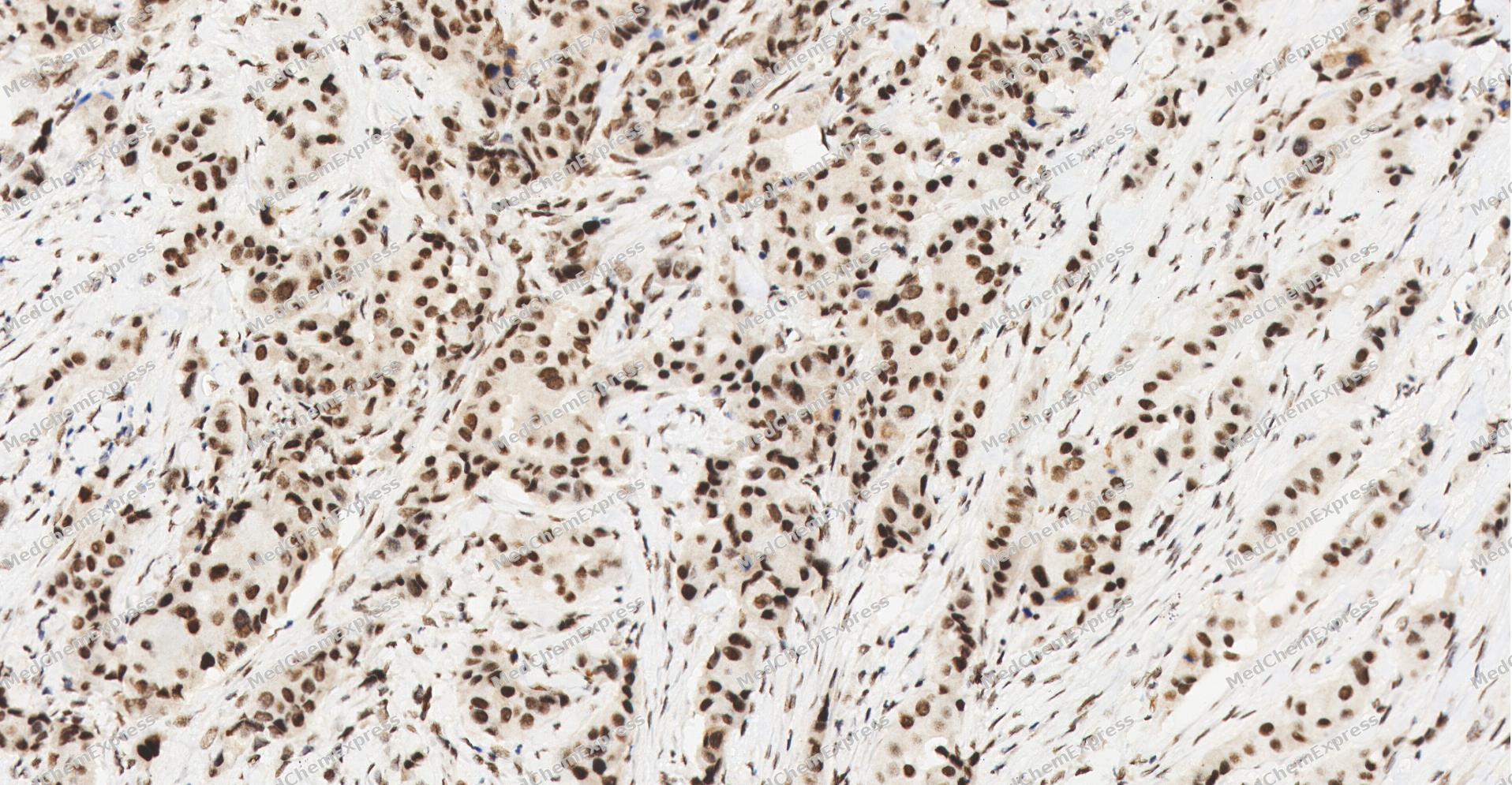
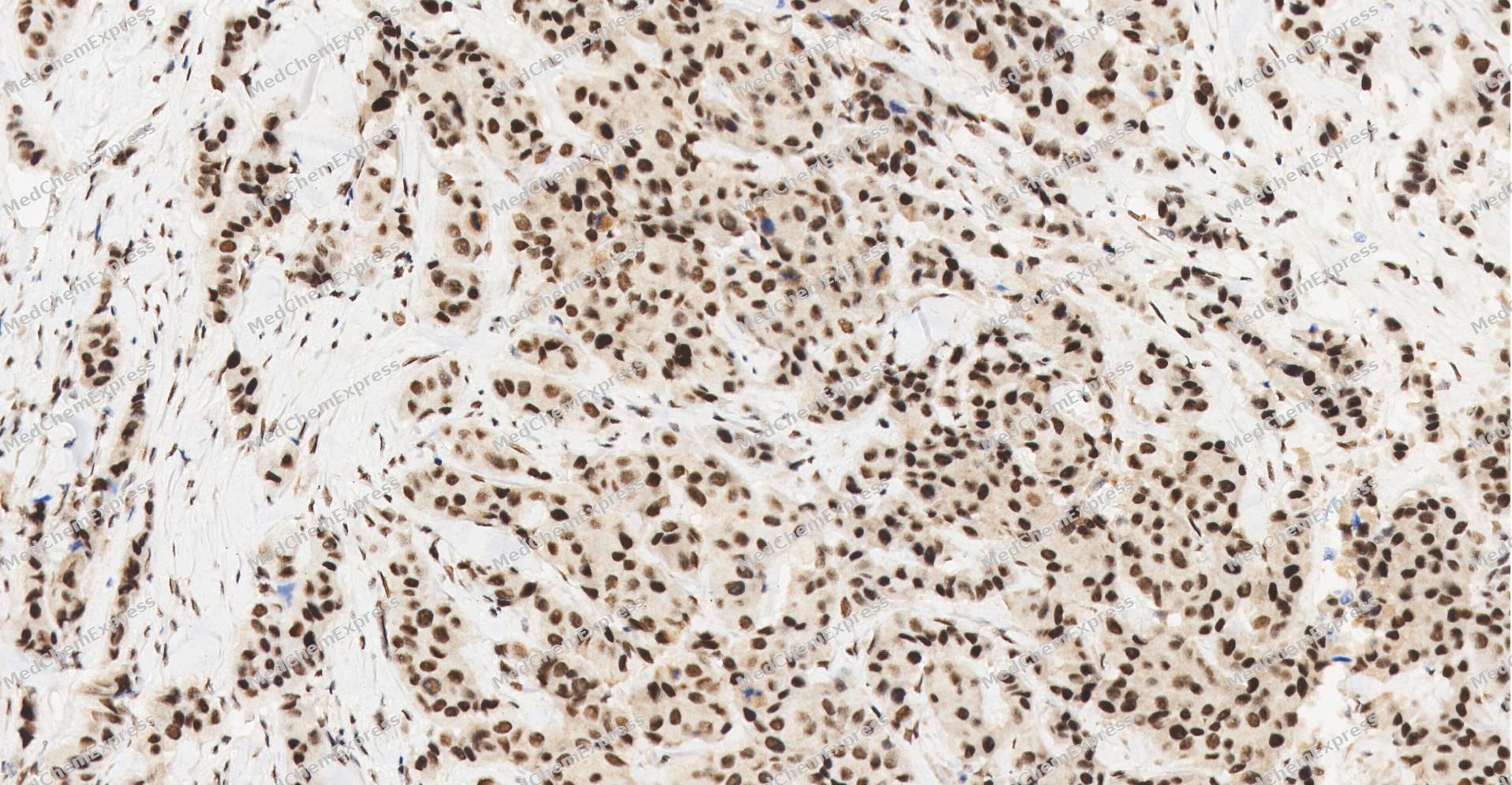 Immunohistochemical analysis of paraffin-embedded human Breast Cancer tissue using hnRNP K antibody was performed. The section was pretreated using high-temperature and high-pressure mediated EDTA antigen retrieval buffer (pH 9.0), for 5 minutes. The tissues were incubated with primary antibody (HY-P81449, 1:50 dilution) at room temperature for 60 minutes. Detection was performed using an HRP conjugated compact polymer system. DAB was used as the chromogen. The tissues were counterstained with hematoxylin and mounted with neutral balsam mounting medium.
 -
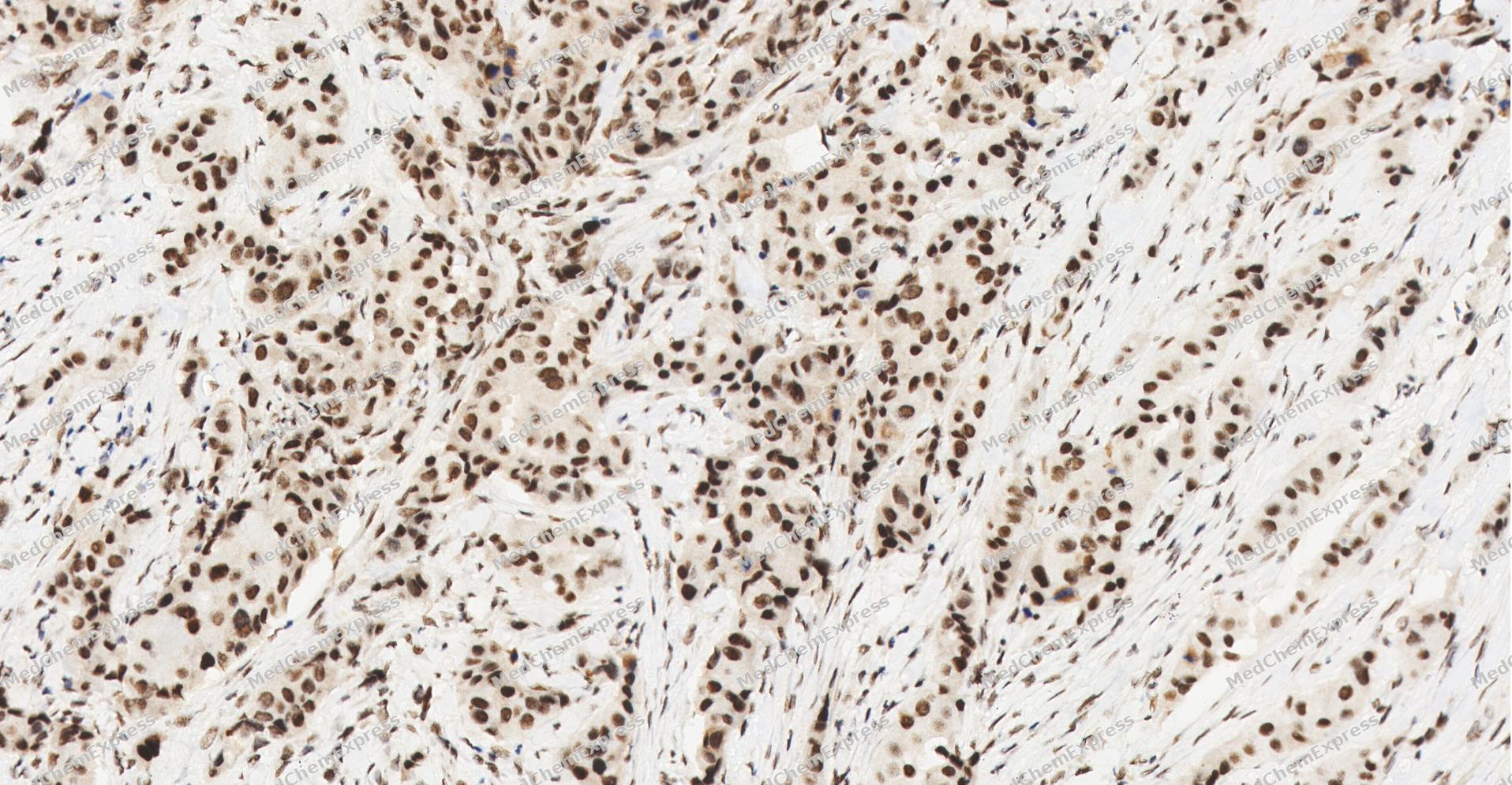 Immunohistochemical analysis of paraffin-embedded human Breast Cancer tissue using hnRNP K antibody was performed. The section was pretreated using high-temperature and high-pressure mediated EDTA antigen retrieval buffer (pH 9.0), for 5 minutes. The tissues were incubated with primary antibody (HY-P81449, 1:50 dilution) at room temperature for 60 minutes. Detection was performed using an HRP conjugated compact polymer system. DAB was used as the chromogen. The tissues were counterstained with hematoxylin and mounted with neutral balsam mounting medium.
 -
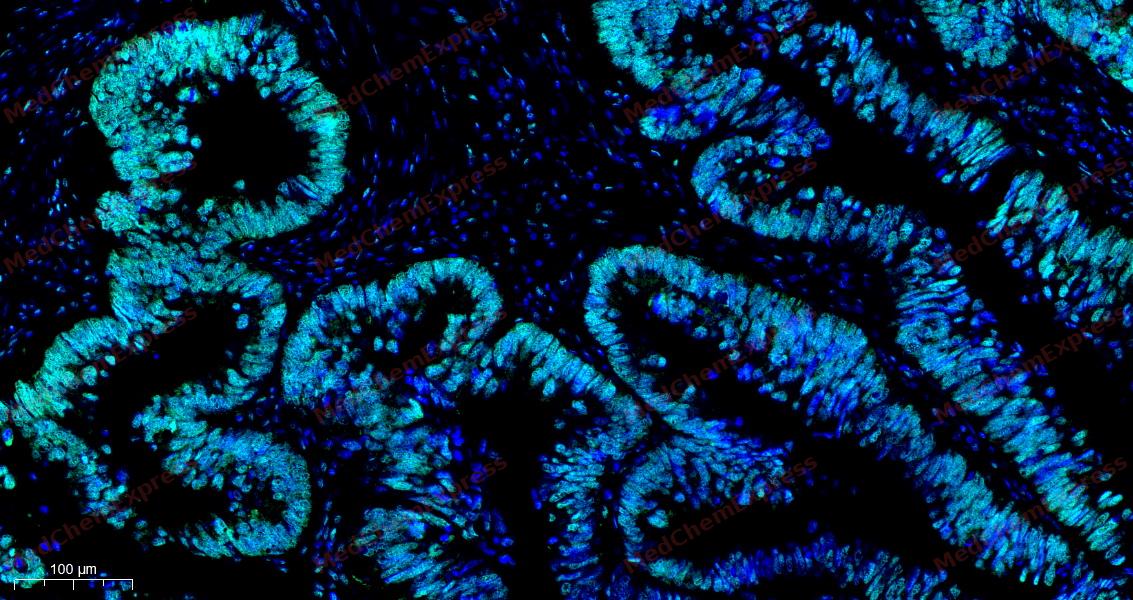
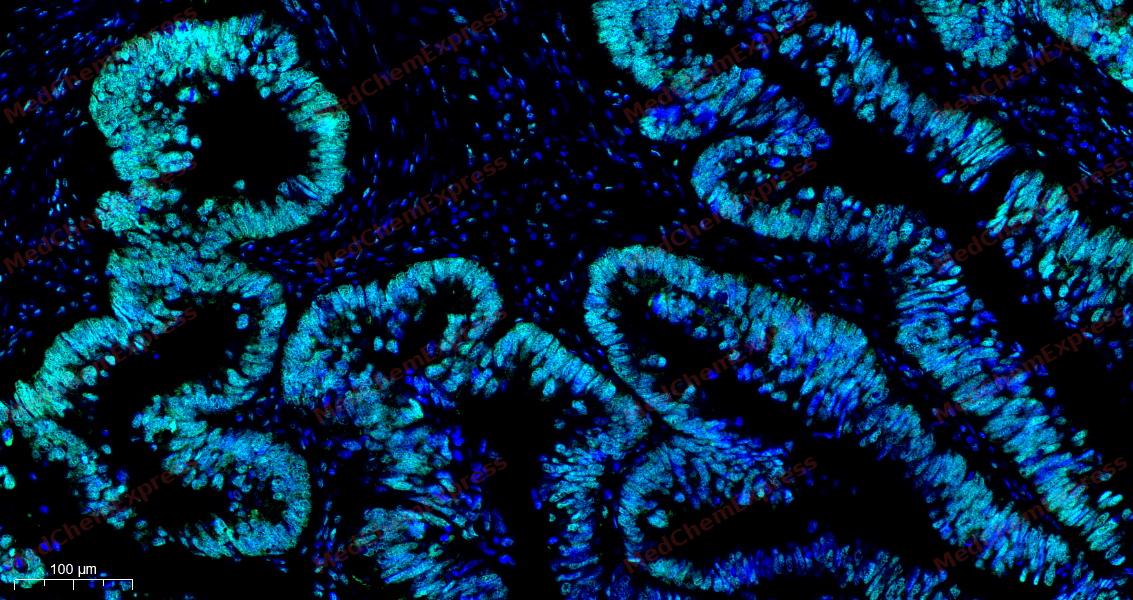 Tyramide signaling amplification based immunofluorescence was performed on paraffin-embedded human Colon cancer tissue using hnRNP K antibody. Antigen retrieval was performed in EDTA buffer pH 9.0 (95 °C, 20 min) followed by cooling to RT. Then incubated with primary antibody (HY-P81449, 1:50 dilution) at room temperature for 60 minutes and HRP conjugated secondary antibody for 10 minutes. Fluorescence was then developed with Vari Fluor 532 TSA (200×)(HY-D1832). The tissues were counterstained with DAPI and mounted with Anti-fade mounting medium.
 -
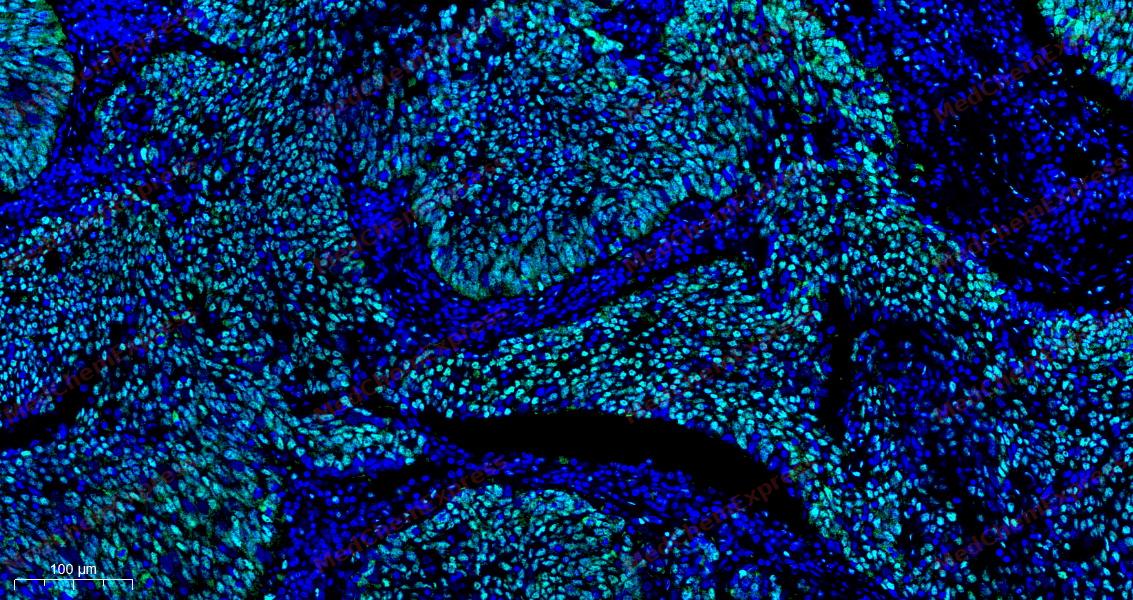
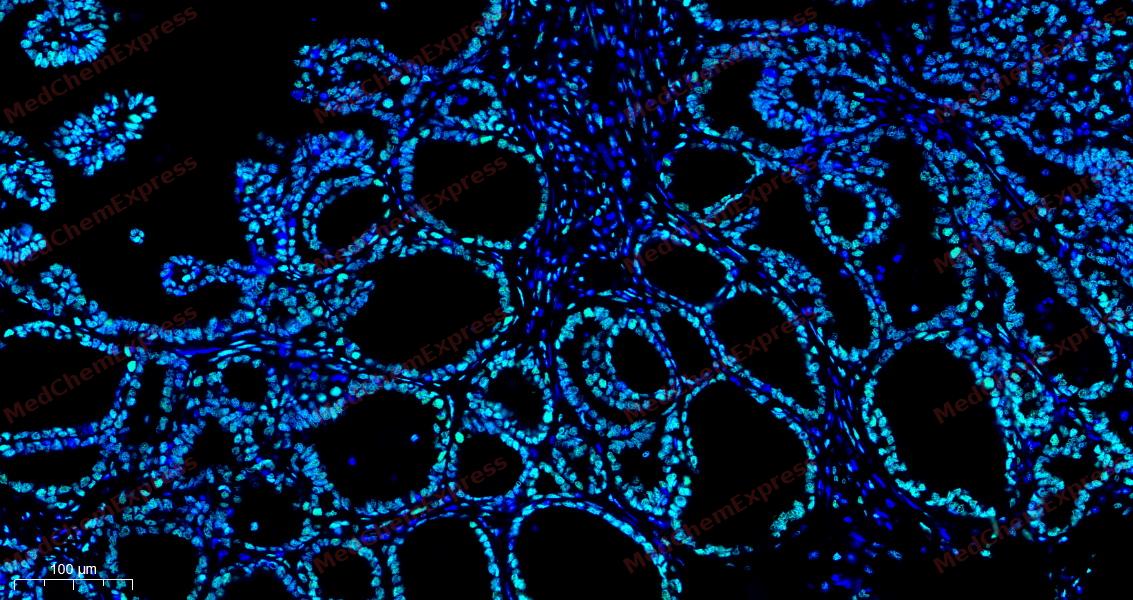 Tyramide signaling amplification based immunofluorescence was performed on paraffin-embedded human Ovarian Cancer tissue using hnRNP K antibody. Antigen retrieval was performed in EDTA buffer pH 9.0 (95 °C, 20 min) followed by cooling to RT. Then incubated with primary antibody (HY-P81449, 1:50 dilution) at room temperature for 60 minutes and HRP conjugated secondary antibody for 10 minutes. Fluorescence was then developed with Vari Fluor 532 TSA (200×)(HY-D1832). The tissues were counterstained with DAPI and mounted with Anti-fade mounting medium.
 -
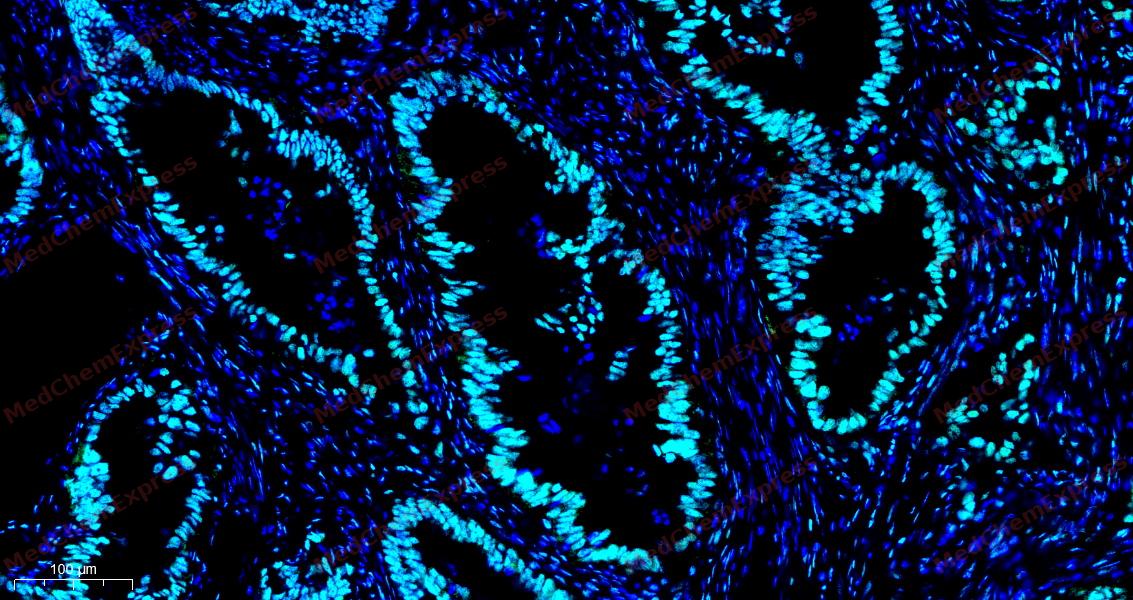 Tyramide signaling amplification based immunofluorescence was performed on paraffin-embedded human Gastric Cancer tissue using hnRNP K antibody. Antigen retrieval was performed in EDTA buffer pH 9.0 (95 °C, 20 min) followed by cooling to RT. Then incubated with primary antibody (HY-P81449, 1:50 dilution) at room temperature for 60 minutes and HRP conjugated secondary antibody for 10 minutes. Fluorescence was then developed with Vari Fluor 532 TSA (200×)(HY-D1832). The tissues were counterstained with DAPI and mounted with Anti-fade mounting medium.
 -
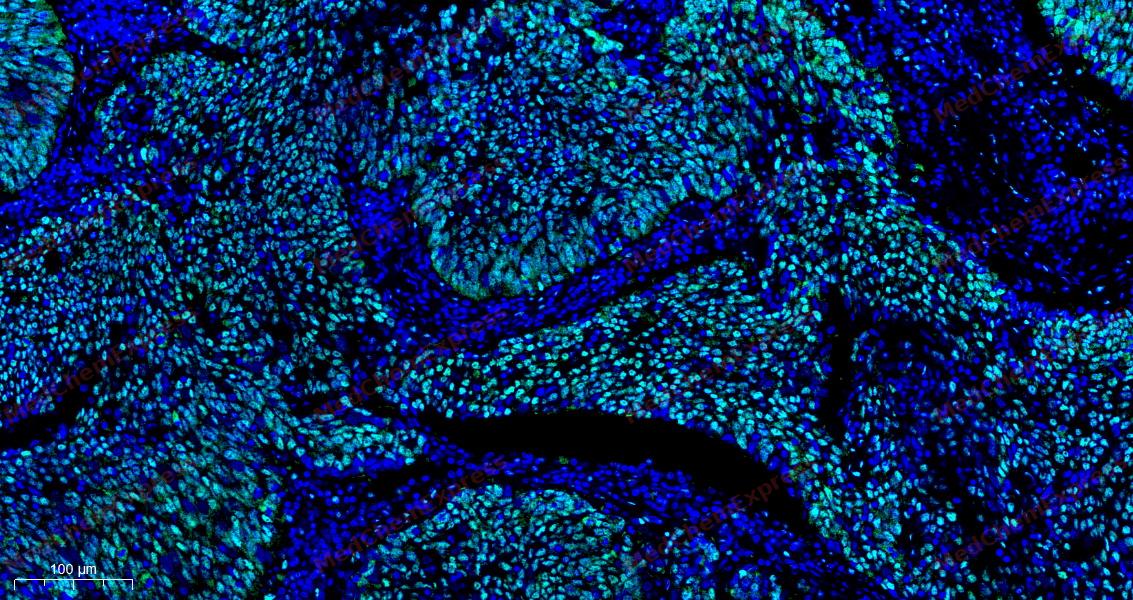 Tyramide signaling amplification based immunofluorescence was performed on paraffin-embedded human Esophageal Carcinoma tissue using hnRNP K antibody. Antigen retrieval was performed in EDTA buffer pH 9.0 (95 °C, 20 min) followed by cooling to RT. Then incubated with primary antibody (HY-P81449, 1:50 dilution) at room temperature for 60 minutes and HRP conjugated secondary antibody for 10 minutes. Fluorescence was then developed with Vari Fluor 532 TSA (200×)(HY-D1832). The tissues were counterstained with DAPI and mounted with Anti-fade mounting medium.
 -
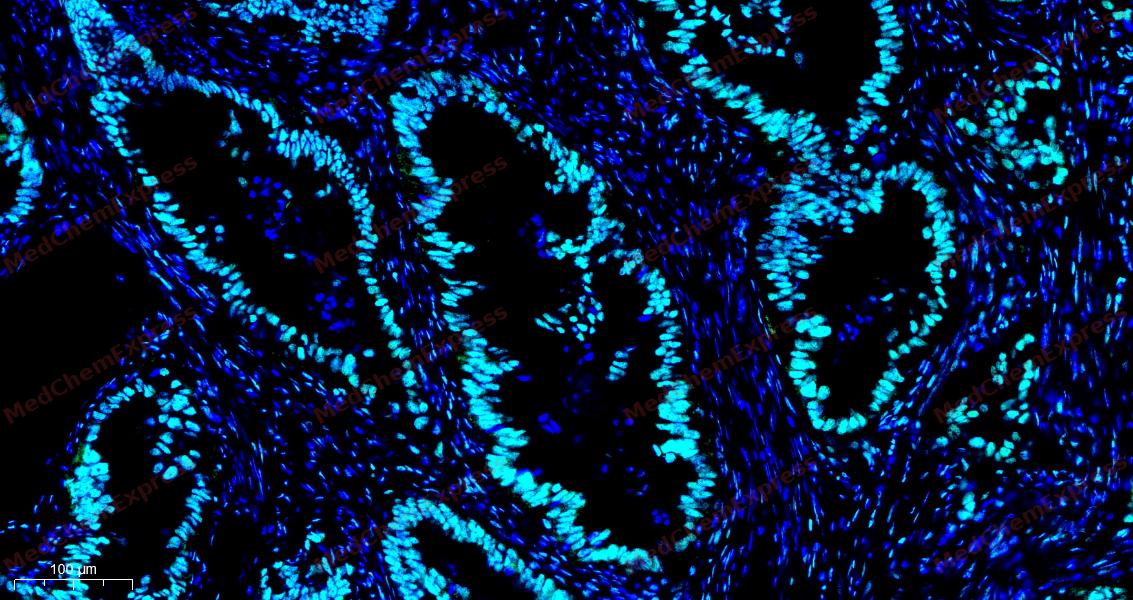
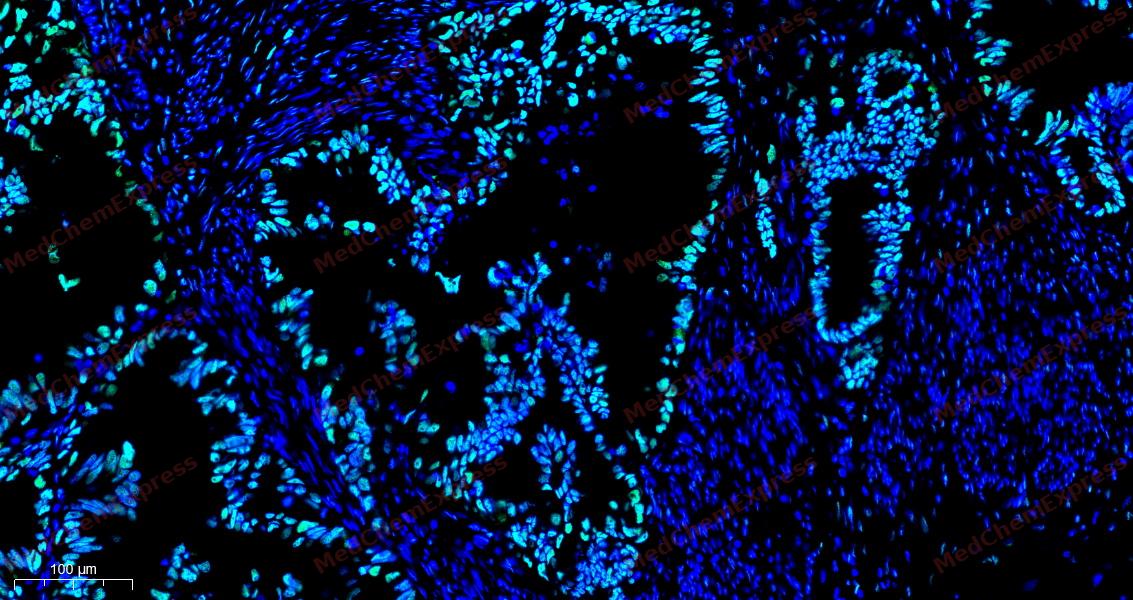 Tyramide signaling amplification based immunofluorescence was performed on paraffin-embedded human Endometrial Carcinoma tissue using hnRNP K antibody. Antigen retrieval was performed in EDTA buffer pH 9.0 (95 °C, 20 min) followed by cooling to RT. Then incubated with primary antibody (HY-P81449, 1:50 dilution) at room temperature for 60 minutes and HRP conjugated secondary antibody for 10 minutes. Fluorescence was then developed with Vari Fluor 532 TSA (200×)(HY-D1832). The tissues were counterstained with DAPI and mounted with Anti-fade mounting medium.
 -
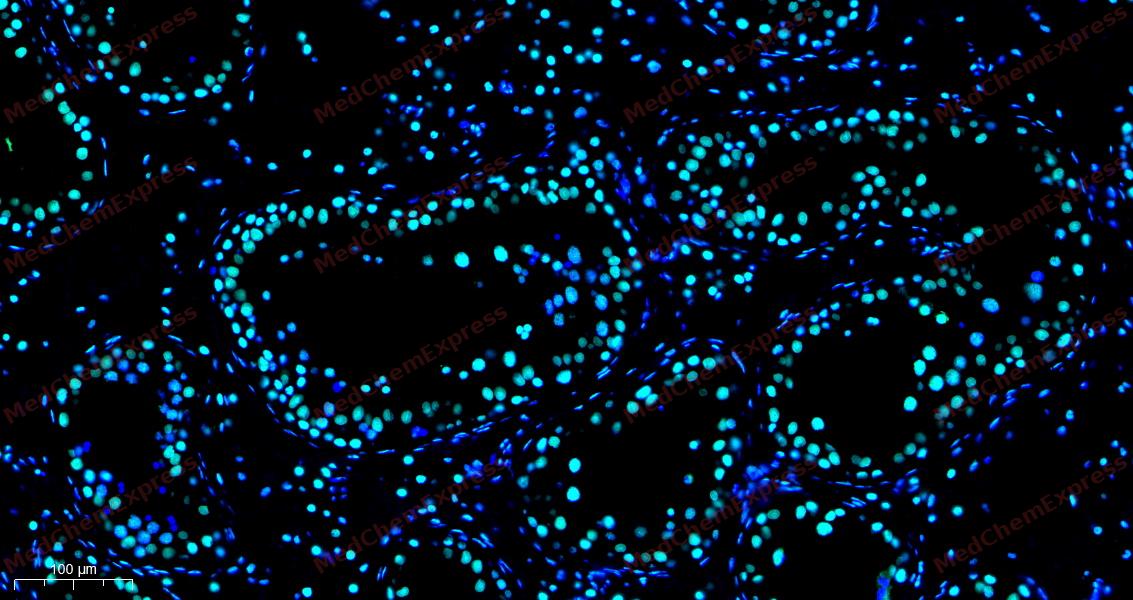
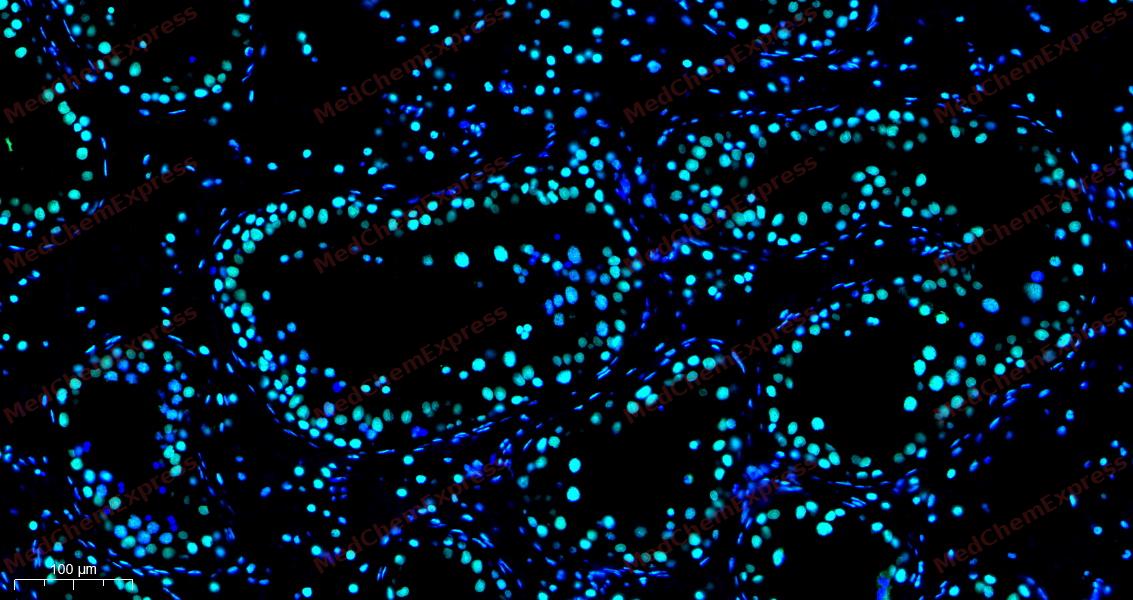 Tyramide signaling amplification based immunofluorescence was performed on paraffin-embedded human Testis tissue using hnRNP K antibody. Antigen retrieval was performed in EDTA buffer pH 9.0 (95 °C, 20 min) followed by cooling to RT. Then incubated with primary antibody (HY-P81449, 1:50 dilution) at room temperature for 60 minutes and HRP conjugated secondary antibody for 10 minutes. Fluorescence was then developed with Vari Fluor 532 TSA (200×)(HY-D1832). The tissues were counterstained with DAPI and mounted with Anti-fade mounting medium.


Background
-
Function
Heterogeneous nuclear ribonucleoprotein K (hnRNP K) is a multifunctional RNA- and DNA-binding protein that regulates gene expression at transcriptional and translational levels[1][2]. Mechanistically, hnRNP K interacts with signal transducers and chromatin modifiers to modulate mRNA splicing, stability, and translation, and undergoes dynamic subcellular localization during cell cycle progression[3][4][5]. In hepatocytes and vascular smooth muscle cells, hnRNP K translocates from the nucleus to the cytoplasm in response to proliferation signals, indicating a role in cell cycle-dependent gene regulation[3][4]. Compared with other hnRNP isoforms such as hnRNP A2, hnRNP K is specifically recruited to inducible gene loci and stress granules, suggesting isoform-specific functions in transcriptional activation and stress response[6][1]. In disease models, hnRNP K overexpression promotes tumor proliferation, metastasis, and survival, whereas RNA interference-mediated downregulation suppresses growth and induces apoptosis in lung and melanoma cancer cells[7][8][9][10]. Viral infections, including dengue, Junín, and hepatitis C, exploit hnRNP K cytoplasmic localization to enhance viral replication, highlighting its role as a host factor[11][12][6]. Pharmacological or genetic targeting of hnRNP K, including inhibition of MAPK/ERK signaling, sensitizes cancer cells to apoptosis and DNA damage, underscoring its potential as a therapeutic target[8][9]. Structurally, hnRNP K contains three KH domains and RGG motifs that mediate combinatorial nucleic acid binding, and methylation does not significantly alter its RNA-binding affinity but may influence interaction specificity[2][13].
-
Subcellular Localization
Cytoplasm; Nucleus, nucleoplasm; Cell projection, podosome
-
Expression
Induction:By DNA damage, including ionizing radiations and phleomycin treatment or UV irradiation. This induction requires ATM kinase activity (ionizing radiations and phleomycin) or ATR activity (UV irradiation) . Up-regulation is due to protein stabilization. Constitutive protein levels are controlled by MDM2-mediated ubiquitination and degradation via the proteasome pathway -
Isoforms & Post-Translational Modification
P61978 has 3 isomers: P61978-1: 50976 Da (predicted); P61978-2: 51028 Da (predicted); P61978-3: 48562 Da (predicted).
Arg-296 and Arg-299 are dimethylated, probably to asymmetric dimethylarginine;Sumoylated by CBX4. Sumoylation is increased upon DNA damage, such as that produced by doxorubicin, etoposide, UV light and camptothecin, due to enhanced CBX4 phosphorylation by HIPK2 under these conditions;Ubiquitinated by MDM2. Doxorubicin treatment does not affect monoubiquitination, but slightly decreases HNRNPK poly-ubiquitination;O-glycosylated (O-GlcNAcylated), in a cell cycle-dependent manner -
Subunit
Identified in the spliceosome C complex (PubMed:11991638). Part of a transcription inhibitory ribonucleoprotein complex composed at least of the circular RNA circZNF827, ZNF827 and HNRNPL (PubMed:33174841). Interacts with RBM42 and ZIK1 (By similarity). Interacts with BRDT (By similarity). Interacts with ANKRD28 (PubMed:16564677). Interacts with ASFV p30 protein (PubMed:18775702). Interacts with DDX1 (PubMed:12183465). Interacts with MDM2; this interaction leads to ubiquitination and proteasomal degradation (PubMed:16360036). Interacts with p53/TP53 (PubMed:16360036). Interacts with IVNS1ABP (via BACK domain); the interaction is direct (PubMed:23825951, PubMed:30538201). Interacts with PPIA/CYPA (PubMed:25678563)
-
SwissProt ID
-
Synonyms
HNRNPK; HNRPK; Heterogeneous nuclear ribonucleoprotein K; hnRNP K; Transformation up-regulated nuclear protein; TUNP
-
Research Field
Epigenetics and Nuclear Signaling


Documentation
-
Data Sheet (263 KB)
-
SDS (252 KB)
- English - EN (252 KB)
- Français - FR (252 KB)
- Deutsch - DE (252 KB)
- Norwegian - NO (252 KB)
- Español - ES (252 KB)
- Swedish - SV (252 KB)
- Italian - IT (252 KB)
- Korean - KR (252 KB)
- Portuguese - PT (252 KB)
-
User Guide for Antibodies (1077 KB)
References
[1]. Guo Y, et al. Heterogeneous nuclear ribonucleoprotein K (hnRNP K) is a tissue biomarker for detection of early hepatocellular carcinoma in patients with cirrhosis. J Hematol Oncol. 2012 Jul 3;5:37. [Content Brief]
[2]. Chang CJ, et al. The heterogeneous nuclear ribonucleoprotein K (hnRNP K) interacts with dengue virus core protein. DNA Cell Biol. 2001 Sep;20(9):569-77. [Content Brief]
[3]. Ostrowski J, et al. Nuclear shift of hnRNP K protein in neoplasms and other states of enhanced cell proliferation. Br J Cancer. 2003 Oct 20;89(8):1493-501. [Content Brief]
[4]. Gao R, et al. Heterogeneous nuclear ribonucleoprotein K (hnRNP-K) promotes tumor metastasis by induction of genes involved in extracellular matrix, cell movement, and angiogenesis. J Biol Chem. 2013 May 24;288(21):15046-56. [Content Brief]
[5]. Fan B, et al. A human proteome microarray identifies that the heterogeneous nuclear ribonucleoprotein K (hnRNP K) recognizes the 5' terminal sequence of the hepatitis C virus RNA. Mol Cell Proteomics. 2014 Jan;13(1):84-92. [Content Brief]
[6]. Laury-Kleintop LD, et al. Compartmentalization of hnRNP-K during cell cycle progression and its interaction with calponin in the cytoplasm. J Cell Biochem. 2005 Aug 1;95(5):1042-56. [Content Brief]
[7]. Brunetti JE, et al. The heterogeneous nuclear ribonucleoprotein K (hnRNP K) is a host factor required for dengue virus and Junín virus multiplication. Virus Res. 2015 May 4;203:84-91. [Content Brief]
[8]. Eder S, et al. Radiosensitization and downregulation of heterogeneous nuclear ribonucleoprotein K (hnRNP K) upon inhibition of mitogen/extracellular signal-regulated kinase (MEK) in malignant melanoma cells. Oncotarget. 2015 Jul 10;6(19):17178-91. [Content Brief]
[9]. Fukuda T, et al. hnRNP K interacts with RNA binding motif protein 42 and functions in the maintenance of cellular ATP level during stress conditions. Genes Cells. 2009 Feb;14(2):113-28. [Content Brief]
[10]. Tang F, et al. Downregulation of hnRNP K by RNAi inhibits growth of human lung carcinoma cells. Oncol Lett. 2014 Apr;7(4):1073-1077. [Content Brief]
[11]. Stone SN, et al. Naloxone-Prescribing Practices in a Freestanding Rehabilitation Hospital. Am J Phys Med Rehabil. 2024 Feb 1;103(2):105-109. [Content Brief]
[12]. Ostrowski J, et al. Transient recruitment of the hnRNP K protein to inducibly transcribed gene loci. Nucleic Acids Res. 2003 Jul 15;31(14):3954-62. [Content Brief]
[13]. van Domselaar R, et al. All human granzymes target hnRNP K that is essential for tumor cell viability. J Biol Chem. 2012 Jun 29;287(27):22854-64. [Content Brief]
[14]. Moritz B, et al. Biophysical and biochemical analysis of hnRNP K: arginine methylation, reversible aggregation and combinatorial binding to nucleic acids. Biol Chem. 2014 Jul;395(7-8):837-53. [Content Brief]

 Powered by Bioz
