



Bemfivastatin hemicalcium

Based on 1 Customer Validation
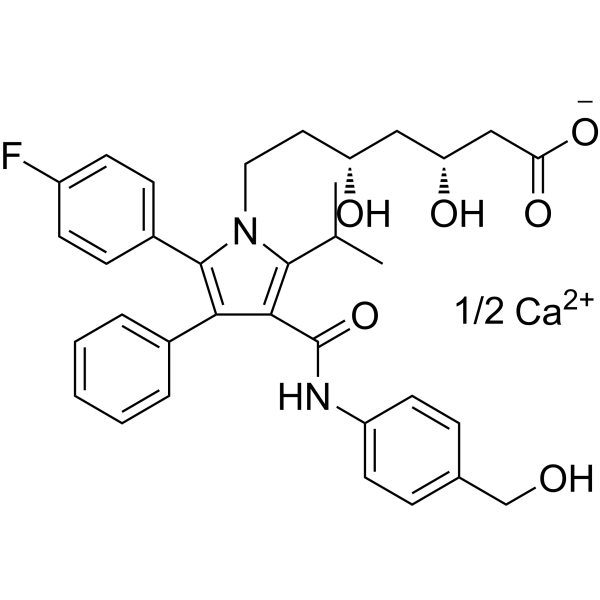
Bemfivastatin (PPD 10558) hemicalcium is an orally active HMG-CoA Reductase (HMGCR) inhibitor. Bemfivastatin hemicalcium enhances the activity of liver extraction and reduces blood lipid levels. Bemfivastatin hemicalcium can be used for research of metabolic disease, such as hypercholesterolemia.
For research use only. We do not sell to patients.
- Purity : 98.00%
- CAS No.: 805241-64-9
- Formula: C34H37FN2O6.1/2Ca
- Molecular Weight:607.74
-
Storage:
4°C, sealed storage, away from moisture and light
* In solvent : -80°C, 6 months; -20°C, 1 month (sealed storage, away from moisture and light)

To place orders, for customer services and technical support, please contact: MedChemExpress USA
Tel: 609-228-6898 E-mail: [email protected] [email protected]


-
 Biological Activity
-
Chemical Information
-
Solvent & Solubility
- Protocols
- Purity & Documentation
- References
-
 Help & FAQs


-
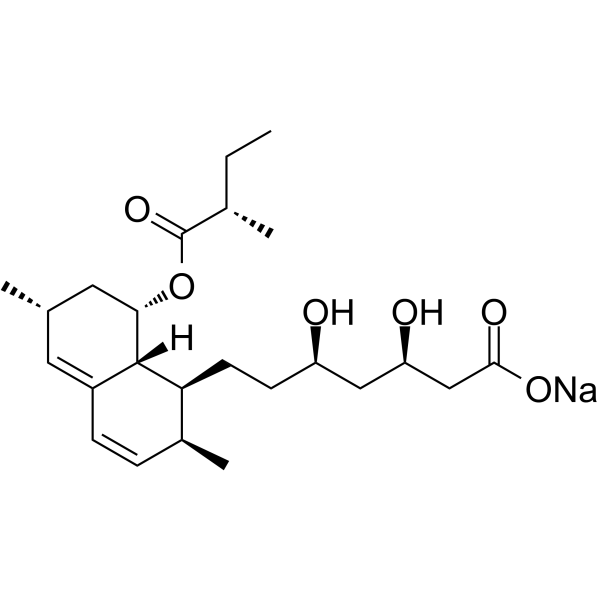
HY-123672
Lovastatin hydroxy acid sodiumHMG-CoA Reductase (HMGCR) Inhibitor -
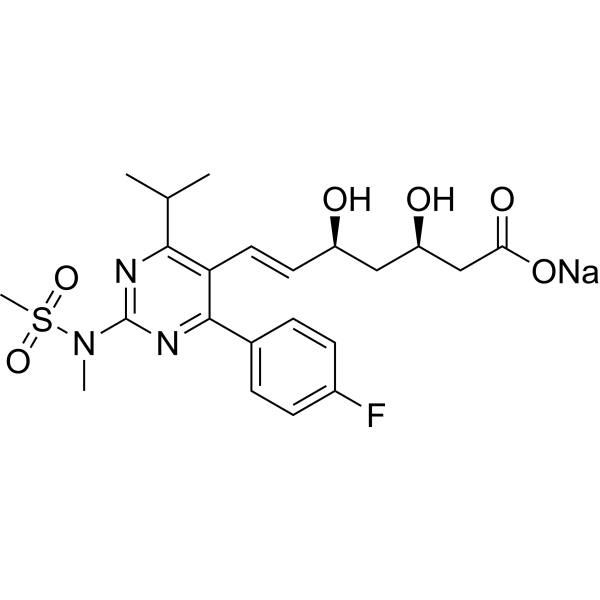
HY-17504B
Rosuvastatin SodiumHMGCR Inhibitor -
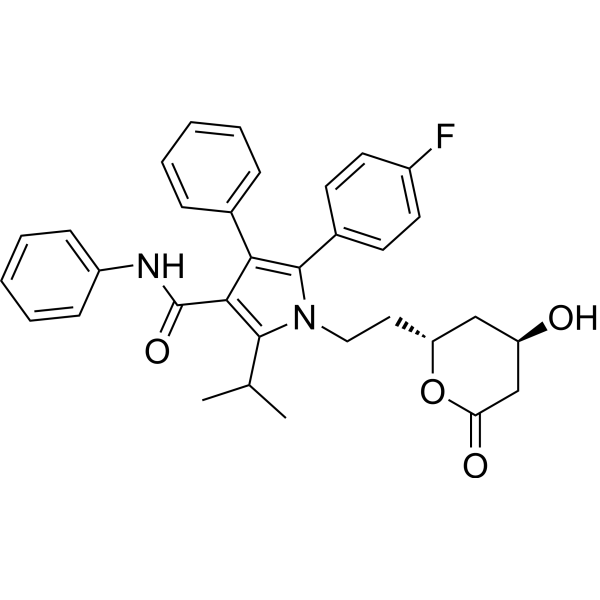
HY-101873
Atorvastatin lactoneAtorvastatin Acid Metabolite -
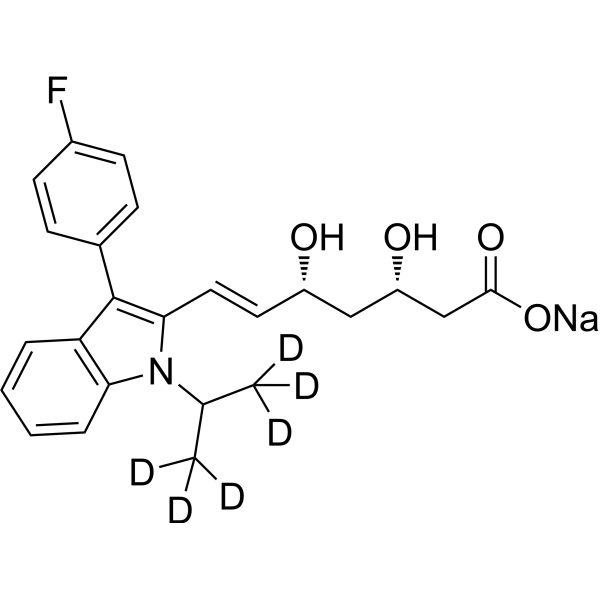
HY-14664CS
(3S,5R)-Fluvastatin-d6 sodiumHMG-CoA Reductase Inhibitor -
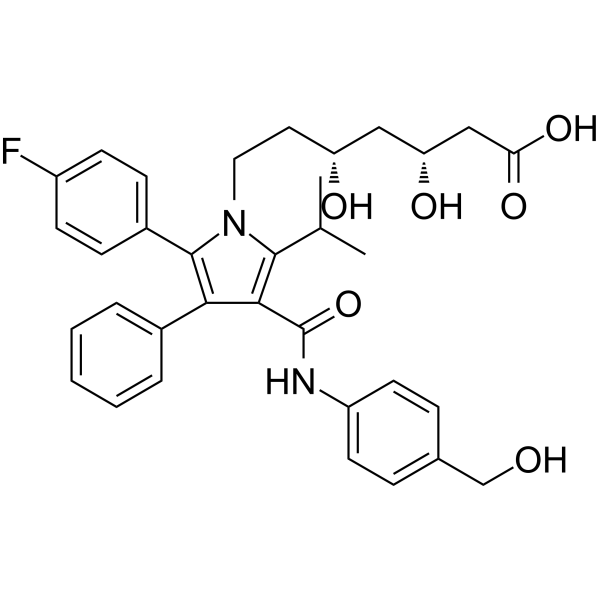
HY-106281
BemfivastatinHMGCR Inhibitor -
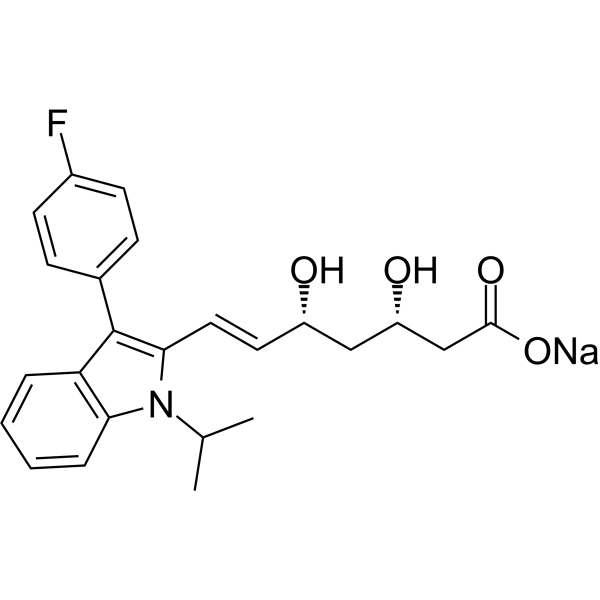
HY-14664C
(3S,5R)-Fluvastatin sodiumHMGCR Inhibitor -
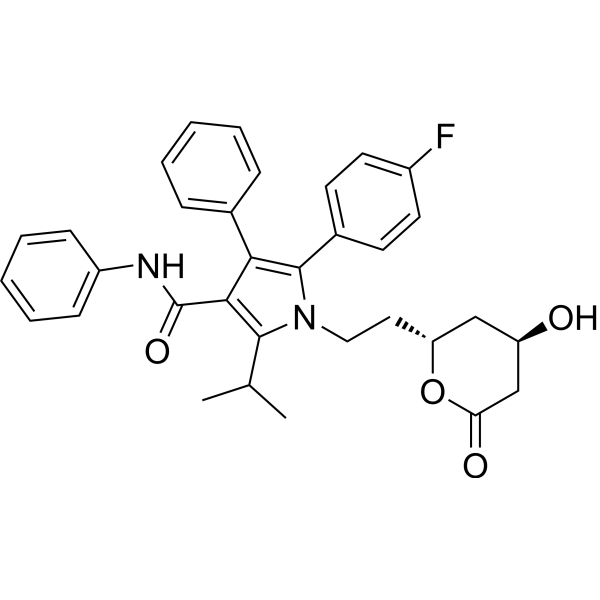
HY-101873R
Atorvastatin lactone (Standard)Reference Standard -

HY-123672R
Lovastatin hydroxy acid sodium (Standard)HMG-CoA Reductase (HMGCR) Inhibitor -

HY-17504BR
Rosuvastatin Sodium (Standard)Reference Standard -
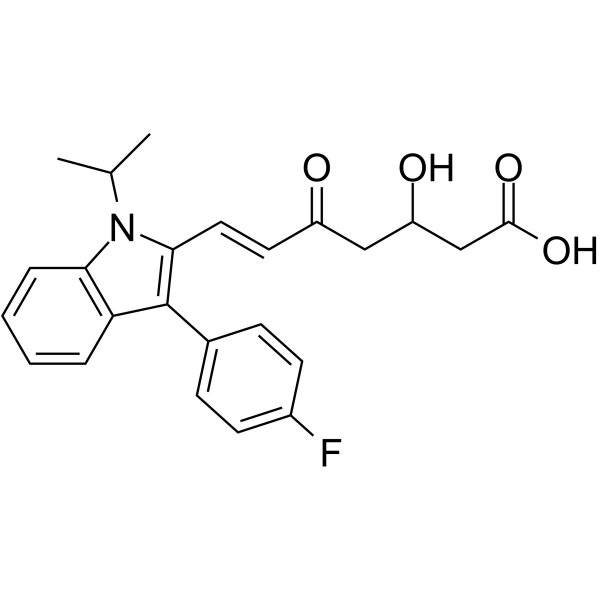
HY-135358
(Rac)-5-Keto FluvastatinHMG-CoA Reductase Inhibitor -

HY-106281R
Bemfivastatin (Standard)Reference Standard -
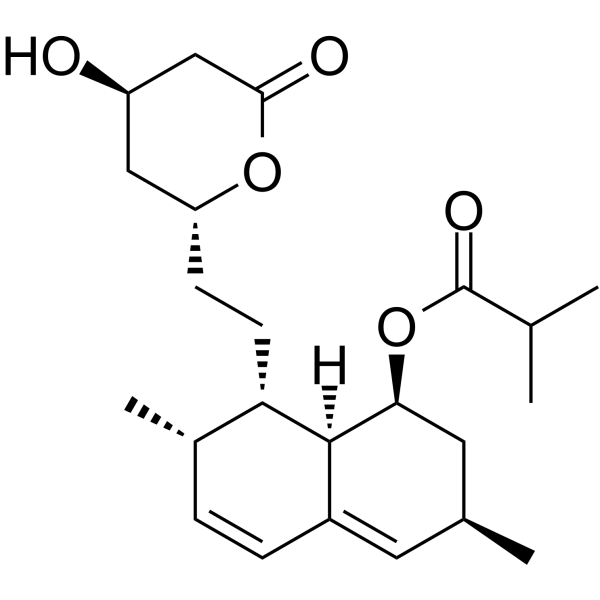
HY-135402
2'-Ethyl SimvastatinHMGCR Inhibitor


Biological Activity
Description
In Vivo
Bemfivastatin hemicalcium (12.5-50 mg/kg, p.o., daily from day 6 to 18) causes mortality, abortions and body weight reduction in pregnant rabbits[1].
MedChemExpress (MCE) has not independently confirmed the accuracy of these methods. They are for reference only.
-
Animal Model:Pregnant rabbits[1]
-
Dosage:12.5, 25 and 50 mg/kg
-
Administration:Orally administration, daily from day 6 to 18
-
Result:Showed 1 rabbit death at 25 mg/kg and 7 at 50 mg/kg.
Showed 2 rabbit abortions 25 mg/kg and 6 at 50 mg/kg.
Showed reduction in gestation body weight and decreased food consumption.


Chemical Information
-
CAS No. 805241-64-9
-
Appearance Solid
-
Molecular Weight 607.74
-
Formula C34H37FN2O6.1/2Ca
-
Color White to off-white
-
SMILES
[O-]C(C[C@H](O)C[C@H](O)CCN1C(C2=CC=C(F)C=C2)=C(C3=CC=CC=C3)C(C(NC4=CC=C(CO)C=C4)=O)=C1C(C)C)=O.[Ca+2].[1/2]
-
Synonyms
PPD 10558 hemicalcium
-
Shipping
Room temperature in continental US; may vary elsewhere.
-
Storage
4°C, sealed storage, away from moisture and light
* In solvent : -80°C, 6 months; -20°C, 1 month (sealed storage, away from moisture and light)


Solvent & Solubility
In Vitro:
DMSO : < 1 mg/mL (insoluble or slightly soluble)

Protocols
-
Research Protocol for Metabolic Diseases
AMP-activated protein kinase, AMPK, is a conserved cellular energy sensor that responds to reduced cellular energy status and coordinates metabolism by increasing ATP-generating catabolic pathways while suppressing ATP-consuming anabolic processes. In metabolic disease research, the AMPK pathway is experimentally relevant because it regulates hepatic lipid synthesis, fatty acid oxidation, glucose production, skeletal-muscle glucose disposal, mTORC1-linked biosynthesis, autophagy, mitochondrial homeostasis, and whole-body energy balance. The central pathway logic is that energy stress, metformin, exercise-like stimulation, or direct AMPK activators increase AMPKα Thr172 phosphorylation and downstream substrate phosphorylation, including ACC and RAPTOR. Phosphorylation of ACC suppresses lipogenesis and supports fatty acid oxidation, whereas phosphorylation of RAPTOR suppresses mTORC1 signaling and links cellular energy status to growth and protein synthesis control. The pathway is linked


Purity & Documentation
-
Data Sheet (277 KB)
-
SDS (252 KB)
- English - EN (252 KB)
- Français - FR (252 KB)
- Deutsch - DE (252 KB)
- Norwegian - NO (252 KB)
- Español - ES (252 KB)
- Swedish - SV (252 KB)
- Italian - IT (252 KB)
- Korean - KR (252 KB)
- Portuguese - PT (252 KB)
-
Handling Instructions (2659 KB)
References

Calculators
Concentration (start) × Volume (start) = Concentration (final) × Volume (final)


Bemfivastatin hemicalcium Related Classifications
HY-106281A Related Classifications
 Powered by Bioz