



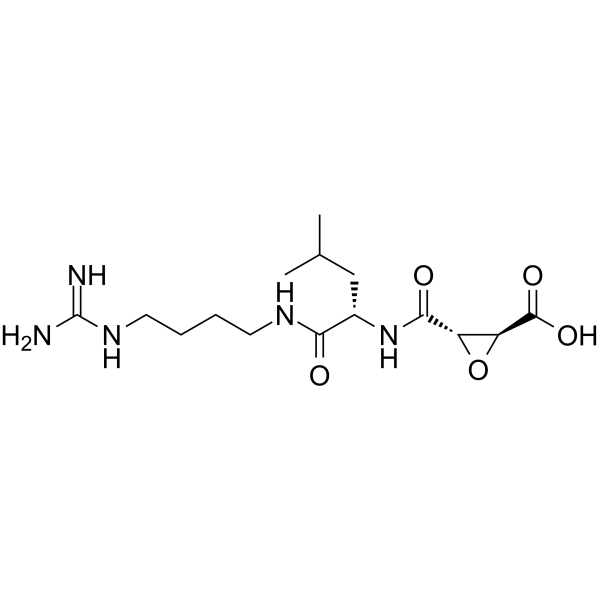
E-64
Based on 27 publication(s) in Google Scholar
E-64 (Proteinase inhibitor E 64) is a potent irreversible inhibitor against general cysteine proteases with IC50 of 9 nM for papain.
Nur für Forschungszwecke. Wir verkaufen nicht an Patienten.
- Reinheit : 99.95%
- CAS. Nr.: 66701-25-5
- Formel: C15H27N5O5
- Molecular Weight:357.41
-
Speicherung:Powder -20°C, 3 years ; In solvent -80°C, 6 months , -20°C, 1 month

To place orders, for customer services and technical support, please contact: MedChemExpress USA
Tel: 609-228-6898 E-mail: [email protected] [email protected]


-
 Biologische Aktivität
-
Chemical Information
-
Lösungsmittel & Löslichkeit
- Reinheit & Dokumentation
- Verweise
-
 Help & FAQs


-
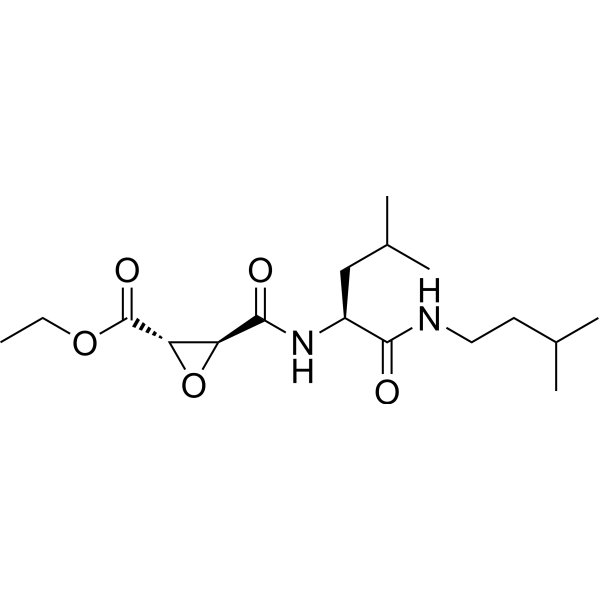
HY-100229
AloxistatinCysteine Protease Inhibitor -
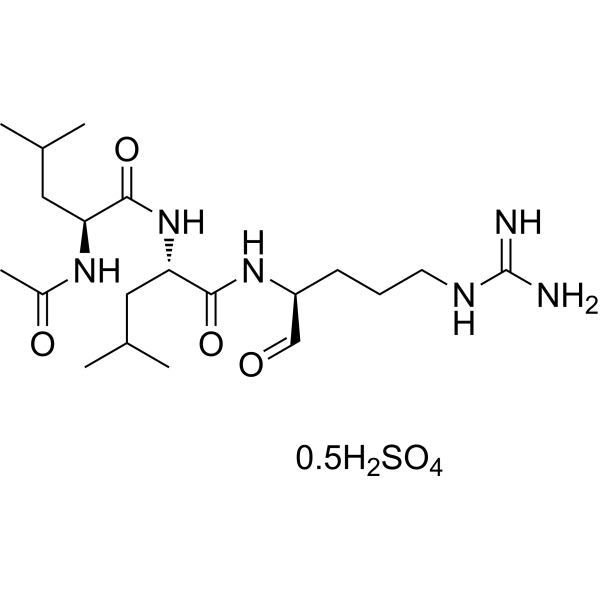
HY-18234A
Leupeptin hemisulfateProtease Inhibitor -
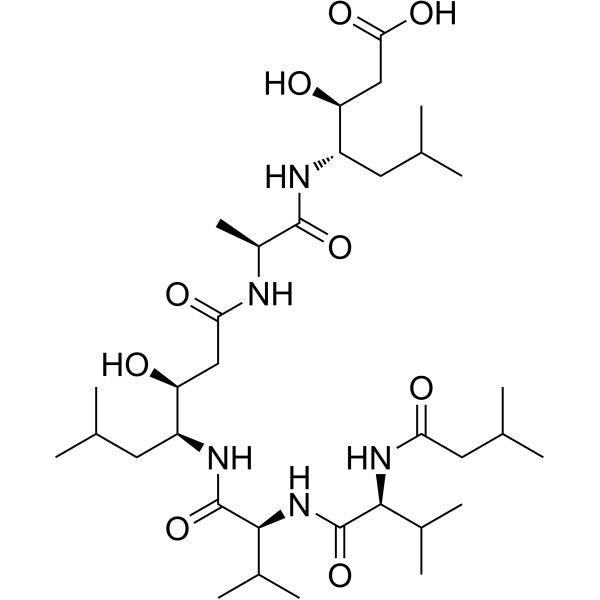
HY-P0018
PepstatinAspartic Protease Inhibitor -
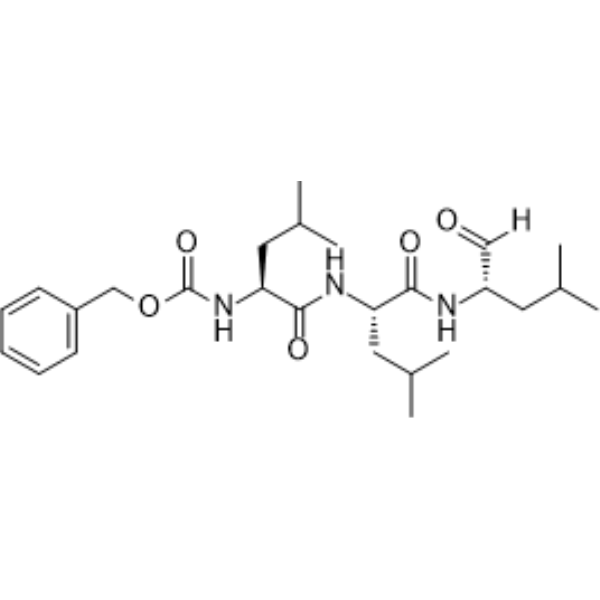
HY-13259
MG-132Proteasome Inhibitor -
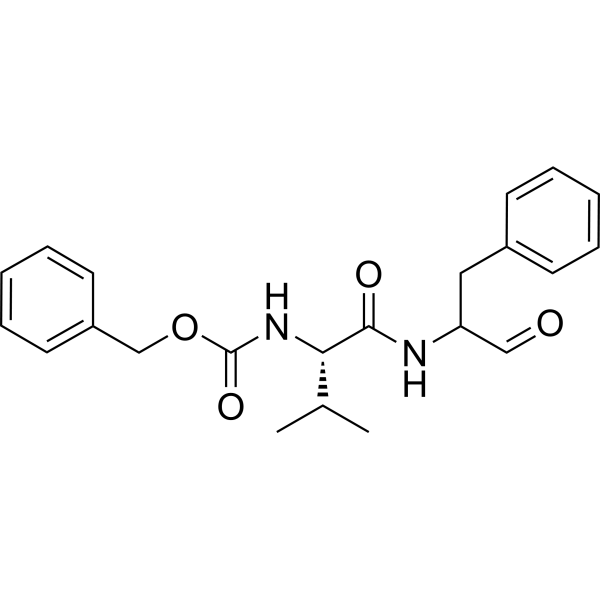
HY-18236
MDL-28170Calpain Inhibitor -
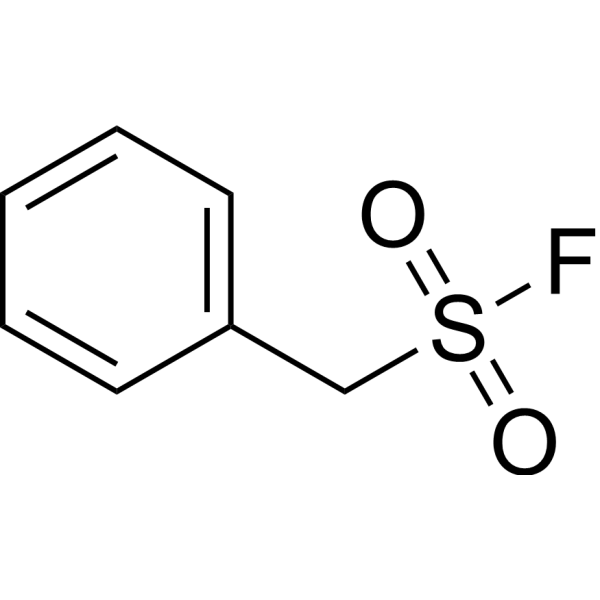
HY-B0496
PMSFCathepsin Inhibitor -
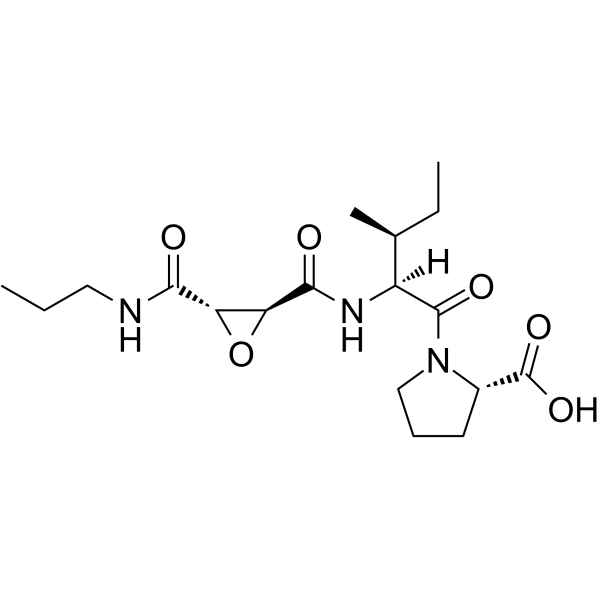
HY-103350
CA-074Cathepsin B Inhibitor -
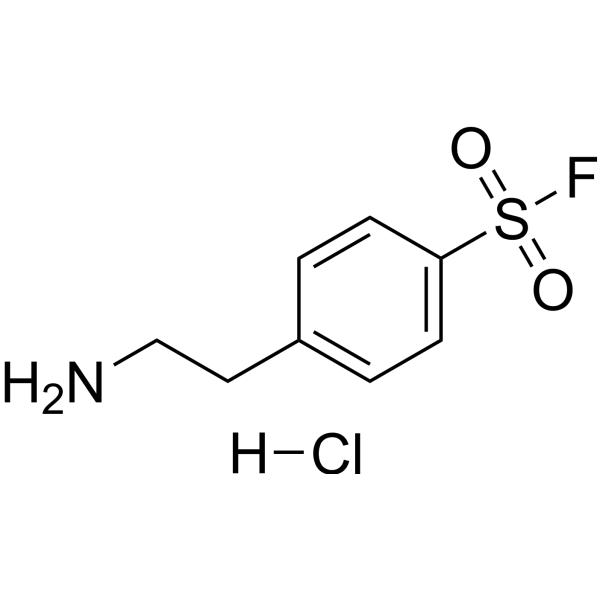
HY-12821
AEBSF hydrochlorideThrombin Inhibitor -
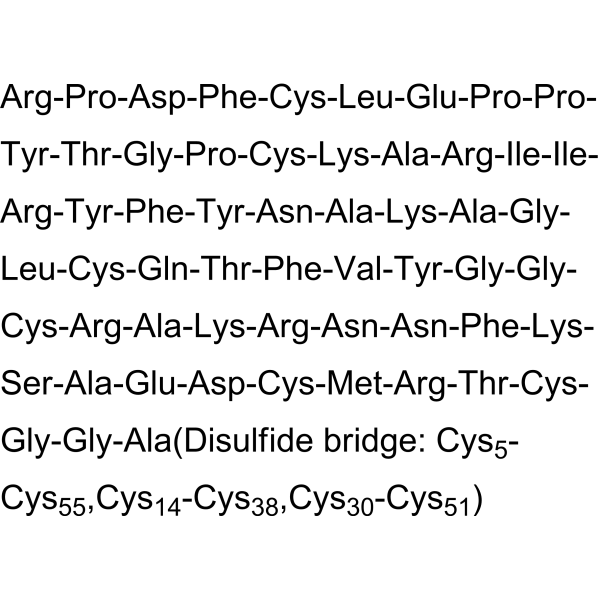
HY-P0017
AprotininBPTI Inhibitor -
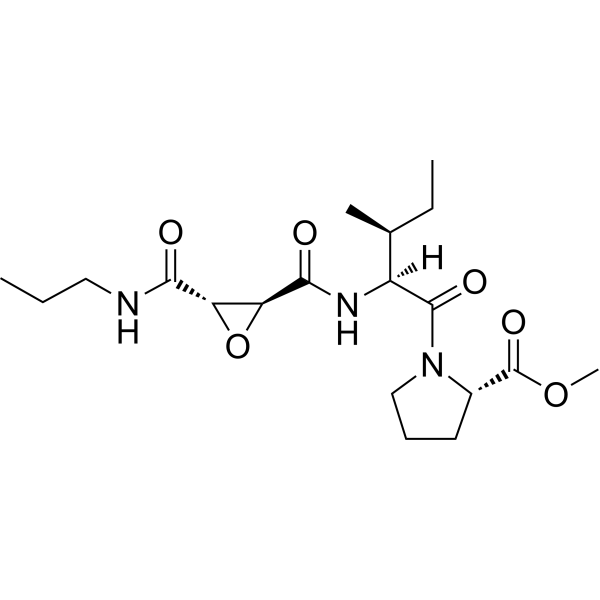
HY-100350
CA-074 methyl esterCathepsin B Inhibitor -
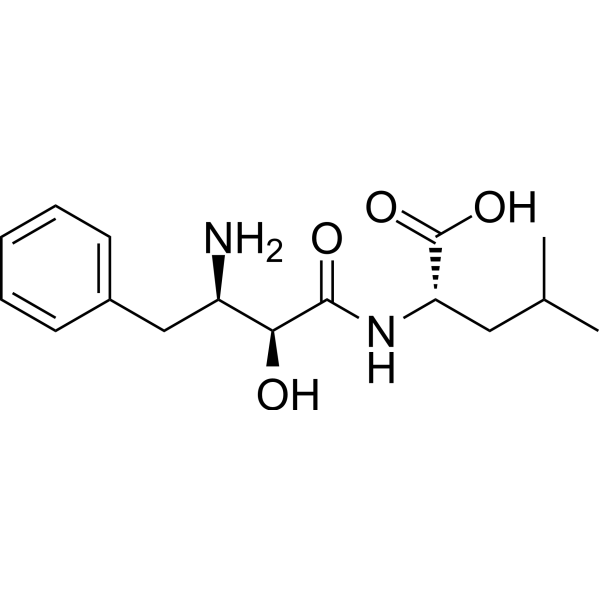
HY-B0134
BestatinAminopeptidase N/Leukotriene A4 Hydrolase Inhibitor -
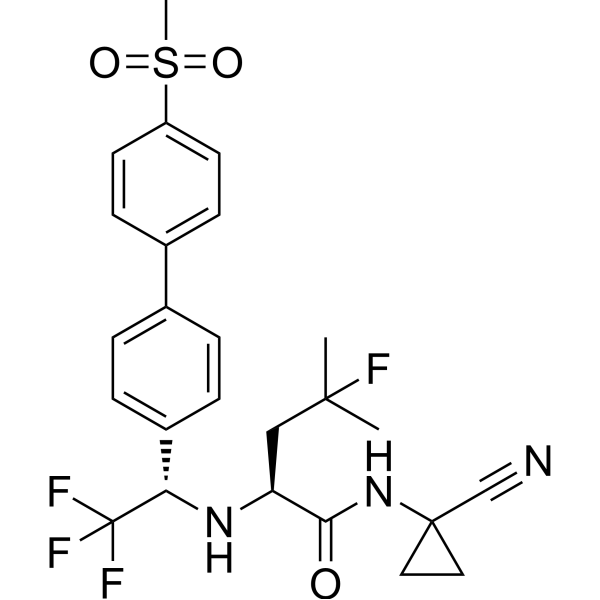
HY-10042
OdanacatibCathepsin K Inhibitor
Publications Citing Use of MedChemExpress (MCE) E-64
More- Signal Transduct Target Ther. 2025 Dec 15;10(1):406. [Abstract]
- Nat Biotechnol. 2025 Sep 10. [Abstract]
- J Extracell Vesicles. 2025 Jan;14(1):e70041. [Abstract]
- Adv Sci (Weinh). 2025 Aug 7:e09208. [Abstract]
- Sci Adv. 2025 Sep 26;11(39):eadx3827. [Abstract]
- Phytomedicine. 2025 Jun:141:156720. [Abstract]
- Cell Prolif. 2019 May;52(3):e12609. [Abstract]
- Int J Oncol. 2019 Jul;55(1):331-339. [Abstract]
- LWT-FOOD SCI TECHNOL. 2018 Jan, 87; 186-193
- Life Sci. 2026 Oct 15:403:124614.
- Protein Sci. 2024 Dec;33(12):e5225. [Abstract]
- Int J Mol Sci. 2023 Apr 17;24(8):7406. [Abstract]
- Am J Respir Cell Mol Biol. 2025 Feb;72(2):145-157. [Abstract]
- PLoS Pathog. 2025 Oct 17;21(10):e1013581. [Abstract]
- Sci Rep. 2022 Jul 16;12(1):12197. [Abstract]
- PLoS Pathog. 2022 Jan 14;18(1):e1010204. [Abstract]
- Virol Sin. 2023 Dec;38(6):911-921. [Abstract]
- Curr Issues Mol Biol. 2025 May 8;47(5):338. [Abstract]
- J Immunol. 2026 Mar 17;215(3):vkag020. [Abstract]
- Cell Mol Bioeng. 2026 Sep 22.
- FEBS Lett. 2021 Jan;595(2):169-182. [Abstract]
- Dev Comp Immunol. 2018 Jan:78:114-123. [Abstract]
- J Aquat Food Prod T. 2019, 28(6), 658–666.
- Acta Crystallogr F Struct Biol Commun. 2025 Feb 1;81(Pt 2):53-61. [Abstract]
- bioRxiv. 2026 Jul 21.
- Vita. 2026 Apr 7.
- bioRxiv. 2026 Mar 5:2026.03.04.709643. [Abstract]
 Customer Validation & Images

-
Cell Proliferation/Viability Assay
-
Others
-
Flow Cytometry
-
Flow Cytometry
-
Cell Proliferation/Viability Assay
Alle Cathepsin Isoform-spezifische Produkte anzeigen
More

Biologische Aktivität
Beschreibung
IC50 & Target
|
cathepsin K |
cathepsin L |
In Vitro
E-64 (Proteinase inhibitor E 64) is a cathepsin B-specific inhibitor, and its binding modes with papain, actinidin, cathepsin L, and cathepsin K have been reviewed at the atomic level. E-64 has been widely used as a potent and irreversible (covalent-type) inhibitor for many cysteine proteases such as papain, ficin, actinidin, cathepsin B and L[1]. The S.cervi adult parasites are incubated in the Kreb's Ringer bicarbonate (KRB) maintenance medium for 8 h at 37°C, 5% CO2 with 5, 10, 20 and 40 μM concentration of E-64. E-64 shows a concentration and time dependent decrease in motility and viability of the parasites (EC50=16 μM)[2].
MedChemExpress (MCE) has not independently confirmed the accuracy of these methods. They are for reference only.
In Vivo
MedChemExpress (MCE) has not independently confirmed the accuracy of these methods. They are for reference only.


Chemical Information
-
CAS. Nr. 66701-25-5
-
Appearance Solid
-
Molecular Weight 357.41
-
Formel C15H27N5O5
-
Color White to off-white
-
SMILES
O=C([C@H]1O[C@@H]1C(N[C@H](C(NCCCCNC(N)=N)=O)CC(C)C)=O)O
-
Synonyms
Proteinase inhibitor E 64
-
Versand
Room temperature in continental US; may vary elsewhere.
-
Speicherung
Powder -20°C 3 years In solvent -80°C 6 months -20°C 1 month


Publications (27)
-
Journal Impact Factor
-
Most Recent
-
Signal Transduct Target Ther
Selective depletion of tumor-associated SAMHD1 enhances chemotherapeutic efficacy and antitumor immune responses. [Abstract]2025 Dec 15;10(1):406. PMID: 41392286 -
Nat Biotechnol
A rapid imaging-based screen for induced-proximity degraders identifies a potent degrader of oncoprotein SKP2. [Abstract]2025 Sep 10. PMID: 40931108 -
J Extracell Vesicles
Extracellular Vesicles From Bone Marrow-Derived Macrophages Enriched in ARG1 Enhance Microglial Phagocytosis and Haematoma Clearance Following Intracerebral Haemorrhage. [Abstract]2025 Jan;14(1):e70041. PMID: 39868438 -
Adv Sci (Weinh)
2025 Aug 7:e09208. PMID: 40776529
E-64 purchased from MedChemExpress. Usage Cited in: Adv Sci (Weinh). 2025 Aug 7:e09208. [Abstract]
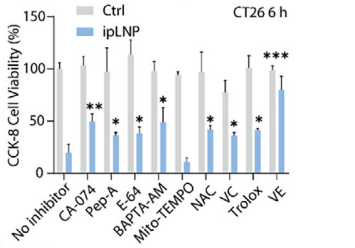
CT26 cells were treated with E-64 (10 μg/mL; 12 h) and cell viability was then assessed.
E-64 purchased from MedChemExpress. Usage Cited in: Adv Sci (Weinh). 2025 Aug 7:e09208. [Abstract]
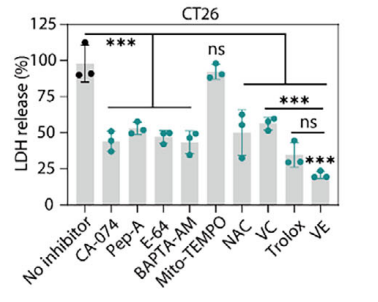
After treating CT26 cells with E-64 (10 μg/mL; 12 h), the release of lactate dehydrogenase (LDH) was detected.
-
Sci Adv
USP13 stabilizes NLRP3 to facilitate inflammasome activation by preventing TRIM31-mediated NLRP3 ubiquitination and degradation. [Abstract]2025 Sep 26;11(39):eadx3827. PMID: 41004574 -
Phytomedicine
Sophoraflavanone G as an ectosteric inhibitor of cathepsin K attenuates ovariectomy-induced bone loss by suppressing bone resorption. [Abstract]2025 Jun:141:156720. PMID: 40220429 -
Cell Prolif
Inhibition of PI3K/mTOR increased the sensitivity of hepatocellular carcinoma cells to cisplatin via interference with mitochondrial-lysosomal crosstalk. [Abstract]2019 May;52(3):e12609. PMID: 31033054
E-64 purchased from MedChemExpress. Usage Cited in: Cell Prolif. 2019 May;52(3):e12609. [Abstract]
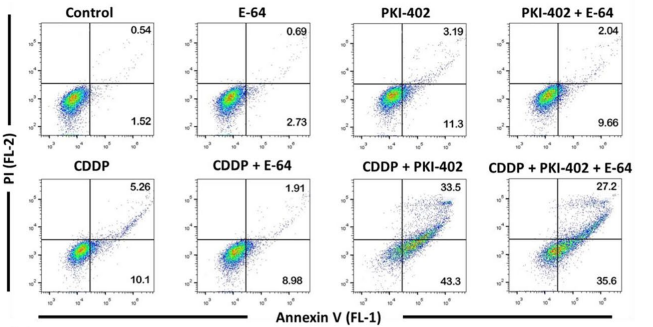
Huh7 cells were treated with 8 μg/mL cisplatin and/or 5 μmol/L PKI‐402 in the presence or absence of 5 μmol/L E‐64 for 24 h and then stained with Annexin V and PI and analysed by FlowJo.
E-64 purchased from MedChemExpress. Usage Cited in: Cell Prolif. 2019 May;52(3):e12609. [Abstract]
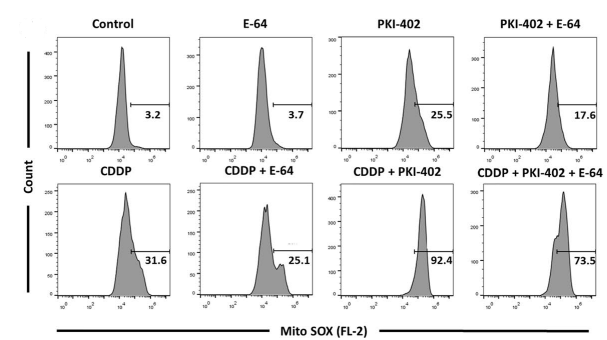
Huh7 cells were treated with 8 μg/mL cisplatin and/or 5 μmol/L PKI‐402 in the presence or absence of 5 μmol/L E‐64 for 24 h and then stained with MitoSOX Red and detected using flow cytometry.
-
Int J Oncol
Metformin induces TPC-1 cell apoptosis through endoplasmic reticulum stress-associated pathways in vitro and in vivo. [Abstract]2019 Jul;55(1):331-339. PMID: 31180536 -
-
-
Protein Sci
Distinct substrate specificities of the three catalytic subunits of the Trichomonas vaginalis proteasome. [Abstract]2024 Dec;33(12):e5225. PMID: 39589076 -
Int J Mol Sci
Modifying the Expression of Cysteine Protease Gene PCP Affects Pollen Development, Germination and Plant Drought Tolerance in Maize. [Abstract]2023 Apr 17;24(8):7406. PMID: 37108569 -
Am J Respir Cell Mol Biol
Airway Epithelium-derived CXCL14 Promotes Eosinophil Accumulation in Allergic Airway Inflammation. [Abstract]2025 Feb;72(2):145-157. PMID: 39141567 -
PLoS Pathog
HBV p22-interacting protein C1QBP inhibits viral replication through impeding nucleocapsid formation and nuclear import. [Abstract]2025 Oct 17;21(10):e1013581. PMID: 41105696 -
Sci Rep
Hepatitis C virus NS3/4A inhibitors and other drug-like compounds as covalent binders of SARS-CoV-2 main protease. [Abstract]2022 Jul 16;12(1):12197. PMID: 35842458 -
PLoS Pathog
Bay41-4109-induced aberrant polymers of hepatitis b capsid proteins are removed via STUB1-promoted p62-mediated macroautophagy. [Abstract]2022 Jan 14;18(1):e1010204. PMID: 35030230 -
Virol Sin
African swine fever virus S273R protein antagonizes type I interferon production by interfering with TBK1 and IRF3 interaction. [Abstract]2023 Dec;38(6):911-921. PMID: 37659477 -
Curr Issues Mol Biol
Mechanistic Insights into the Anti-Hepatocellular Carcinoma Effects of ACY-1215: p53 Acetylation and Ubiquitination Regulation. [Abstract]2025 May 8;47(5):338. PMID: 40699737 -
J Immunol
Cathepsin B promotes asthma potentially via macrophage-associated autophagy and apoptosis. [Abstract]2026 Mar 17;215(3):vkag020. PMID: 41847863 -
-
FEBS Lett
ABRO1 stabilizes the deubiquitinase BRCC3 through inhibiting its degradation mediated by the E3 ubiquitin ligase WWP2. [Abstract]2021 Jan;595(2):169-182. PMID: 33107021 -
Dev Comp Immunol
Cathepsin L-like protease can regulate the process of metamorphosis and fat body dissociation in Antheraea pernyi. [Abstract]2018 Jan:78:114-123. PMID: 28958702
E-64 purchased from MedChemExpress. Usage Cited in: Dev Comp Immunol. 2018 Jan:78:114-123. [Abstract]
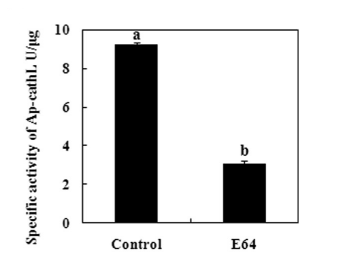
The specific activity of the Ap-cathL. E64 (10 mM; 8 h) is used to inhibit the Ap-cathL activitys.
-
-
Acta Crystallogr F Struct Biol Commun
Structural insights into the role of the prosegment binding loop in a papain-superfamily cysteine protease from Treponema denticola. [Abstract]2025 Feb 1;81(Pt 2):53-61. PMID: 39846228 -
-
-
bioRxiv
Comparative Genomic and Functional Profiling of ECM-Targeting Enzymes in Bacteroides, a Key Genus of the Human Gut Microbiome. [Abstract]2026 Mar 5:2026.03.04.709643. PMID: 41847005


Lösungsmittel & Löslichkeit
In Vitro:
DMSO : 58.33 mg/mL (163.20 mM; Need ultrasonic; Hygroscopic DMSO has a significant impact on the solubility of product, please use newly opened DMSO)
H2O : 5 mg/mL (13.99 mM; Need ultrasonic)
Please refer to the solubility information to select the appropriate solvent. Once prepared, please aliquot and store the solution to prevent product inactivation from repeated freeze-thaw cycles.
Storage method and period of stock solution: -80°C, 6 months; -20°C, 1 month. When stored at -80°C, please use it within 6 months. When stored at -20°C, please use it within 1 month.
* Note: If you choose water as the stock solution, please dilute it to the working solution, then filter and sterilize it with a 0.22 μm filter before use.
Please refer to the solubility information to select the appropriate solvent. Once prepared, please aliquot and store the solution to prevent product inactivation from repeated freeze-thaw cycles.
Storage method and period of stock solution: -80°C, 6 months; -20°C, 1 month. When stored at -80°C, please use it within 6 months. When stored at -20°C, please use it within 1 month.
* Note: If you choose water as the stock solution, please dilute it to the working solution, then filter and sterilize it with a 0.22 μm filter before use.
Konzentration (Stammlösung) × Volumen (Stammlösung) = Konzentration (Ziellösung) × Volumen (Ziellösung)
In Vivo:
Select the appropriate dissolution method based on your experimental animal and administration route.
- For the following dissolution methods, please ensure to first prepare a clear stock solution using an In Vitro approach and then sequentially add co-solvents:
- To ensure reliable experimental results, the clarified stock solution can be appropriately stored based on storage conditions. As for the working solution for In Vivo experiments, it is recommended to prepare freshly and use it on the same day.
- The percentages shown for the solvents indicate their volumetric ratio in the final prepared solution. If precipitation or phase separation occurs during preparation, heat and/or sonication can be used to aid dissolution.
Add each solvent one by one: 10% DMSO 90% Saline
Solubility: ≥ 2.5 mg/mL (6.99 mM); Clear solution
Add each solvent one by one: 10% DMSO 40% PEG300 5% Tween-80 45% Saline
Solubility: ≥ 2.08 mg/mL (5.82 mM); Clear solution
This protocol yields a clear solution of ≥ 2.08 mg/mL (saturation unknown).
Taking 1 mL working solution as an example, add 100 μL DMSO stock solution (20.8 mg/mL) to 400 μL PEG300, and mix evenly; then add 50 μL Tween-80 and mix evenly; then add 450 μL Saline to adjust the volume to 1 mL.
Preparation of Saline: Dissolve 0.9 g sodium chloride in ddH₂O and dilute to 100 mL to obtain a clear Saline solution.
Add each solvent one by one: 10% DMSO 90% (20% SBE-β-CD in Saline)
Solubility: ≥ 2.08 mg/mL (5.82 mM); Clear solution
This protocol yields a clear solution of ≥ 2.08 mg/mL (saturation unknown).
Taking 1 mL working solution as an example, add 100 μL DMSO stock solution (20.8 mg/mL) to 900 μL 20% SBE-β-CD in Saline, and mix evenly.
Preparation of 20% SBE-β-CD in Saline (4°C, storage for one week): 2 g SBE-β-CD powder is dissolved in 10 mL Saline, completely dissolve until clear.
For the following dissolution methods, please prepare the working solution directly:
It is recommended to prepare fresh solutions and use them promptly within a short period of time.
The percentages shown for the solvents indicate their volumetric ratio in the final prepared solution. If precipitation or phase separation occurs during preparation, heat and/or sonication can be used to aid dissolution.
Add each solvent one by one: PBS
Solubility: 50 mg/mL (139.90 mM); Clear solution; Need ultrasonic
In Vivo Dissolution Calculator
Please enter the basic information of animal experiments:
-
-
-
-
Recommended: Prepare an additional quantity of animals to account for potential losses during experiments.
Please enter your animal formula composition:
-
%DMSO +
Recommended: Keep the proportion of DMSO in working solution below 2% if your animal is weak.
-
%+
-
+%Tween-80 + +
-
%Saline +
The co-solvents required include: DMSO, . All of co-solvents are available by MedChemExpress (MCE). , Tween 80. All of co-solvents are available by MedChemExpress (MCE).
Working solution concentration: 0.22 mg/mL
Method for preparing stock solution: mg drug dissolved in μL DMSO. Stock solution concentration: mg/mL.
1. Take μL DMSO stock solution;
2. Add μL .
μL , mix evenly;
3. Then add μL Tween 80, mix evenly;
4. Then add μL
Please ensure that the stock solution in the first step is dissolved to a clear state, and add co-solvents in sequence. You can use ultrasonic heating (ultrasonic cleaner, recommended frequency 20-40 kHz), vortexing, etc. to assist dissolution.


Reinheit & Dokumentation
-
Data Sheet (279 KB)
-
SDS (419 KB)
- English - EN (419 KB)
- Français - FR (419 KB)
- Deutsch - DE (419 KB)
- Norwegian - NO (419 KB)
- Español - ES (419 KB)
- Swedish - SV (419 KB)
- Italian - IT (419 KB)
- Korean - KR (419 KB)
- Portuguese - PT (419 KB)
-
Handling Instructions (2659 KB)
Verweise
[1]. Matsumoto K, et al. Structural basis of inhibition of cysteine proteases by E-64 and its derivatives. Biopolymers. 1999;51(1):99-107. [Content Brief]
[2]. Wadhawan M, et al. Inhibition of cathepsin B by E-64 induces oxidative stress and apoptosis in filarial parasite. PLoS One. 2014 Mar 25;9(3):e93161. [Content Brief]
[3]. Baldzizhar R, et al. Anti-serpin antibody-mediated regulation of proteases in autoimmune diabetes. J Biol Chem. 2013 Jan 18;288(3):1612-9. [Content Brief]
[4]. Blass G, et al. Chronic cathepsin inhibition by E-64 in Dahl salt-sensitive rats. Physiol Rep. 2016 Sep;4(17). pii: e12950. [Content Brief]


Complete Stock Solution Preparation Table
Please refer to the solubility information to select the appropriate solvent. Once prepared, please aliquot and store the solution to prevent product inactivation from repeated freeze-thaw cycles.
Storage method and period of stock solution: -80°C, 6 months; -20°C, 1 month. When stored at -80°C, please use it within 6 months. When stored at -20°C, please use it within 1 month.
| Optional Solvent | Concentration Solvent Mass | 1 mg | 5 mg | 10 mg | 25 mg |
|---|---|---|---|---|---|
| H2O / DMSO | 1 mM | 2.7979 mL | 13.9895 mL | 27.9791 mL | 69.9477 mL |
| 5 mM | 0.5596 mL | 2.7979 mL | 5.5958 mL | 13.9895 mL | |
| 10 mM | 0.2798 mL | 1.3990 mL | 2.7979 mL | 6.9948 mL | |
| DMSO | 15 mM | 0.1865 mL | 0.9326 mL | 1.8653 mL | 4.6632 mL |
| 20 mM | 0.1399 mL | 0.6995 mL | 1.3990 mL | 3.4974 mL | |
| 25 mM | 0.1119 mL | 0.5596 mL | 1.1192 mL | 2.7979 mL | |
| 30 mM | 0.0933 mL | 0.4663 mL | 0.9326 mL | 2.3316 mL | |
| 40 mM | 0.0699 mL | 0.3497 mL | 0.6995 mL | 1.7487 mL | |
| 50 mM | 0.0560 mL | 0.2798 mL | 0.5596 mL | 1.3990 mL | |
| 60 mM | 0.0466 mL | 0.2332 mL | 0.4663 mL | 1.1658 mL | |
| 80 mM | 0.0350 mL | 0.1749 mL | 0.3497 mL | 0.8743 mL | |
| 100 mM | 0.0280 mL | 0.1399 mL | 0.2798 mL | 0.6995 mL |
* Note: If you choose water as the stock solution, please dilute it to the working solution, then filter and sterilize it with a 0.22 μm filter before use.


E-64 Related Classifications
HY-15282 Related Classifications
 Powered by Bioz