



Based on 1 Customer Validation
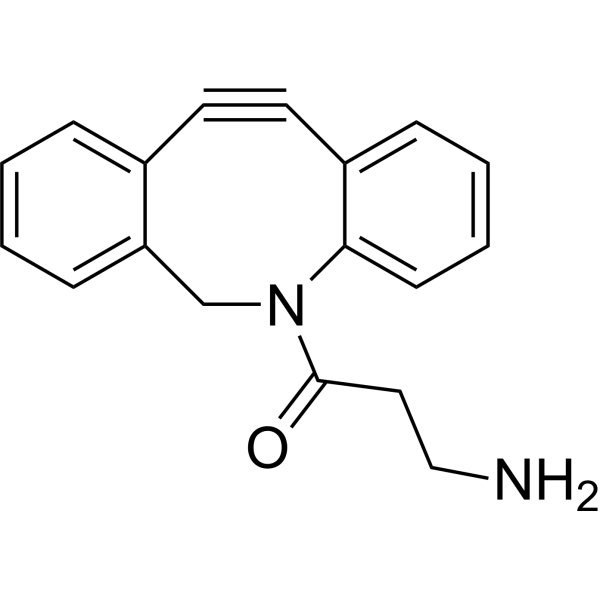
DBCO-amine (GMP) is a GMP grade DBCO-amine (HY-W000423). DBCO-amine is a click chemistry reagent, it contains a DBCO group that can undergo strain-promoted alkyne-azide cycloaddition (SPAAC) with molecules containing Azide groups. DBCO-amine is used in the synthesis of antibody-drug conjugates (ADCs).
For research use only. We do not sell to patients.
- CAS No.: 1255942-06-3
- Formula: C18H16N2O
- Molecular Weight:276.33
-
Storage:
Please store the product under the recommended conditions in the Certificate of Analysis.

To place orders, for customer services and technical support, please contact: MedChemExpress USA
Tel: 609-228-6898 E-mail: [email protected] [email protected]


-
 Biological Activity
-
Chemical Information
- Protocols
- Purity & Documentation
- References
-
 Help & FAQs


-
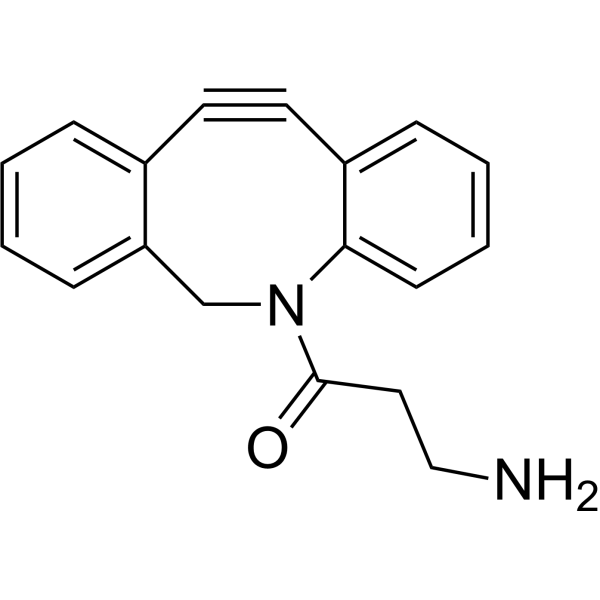
HY-W000423
DBCO-amineClick Chemistry Reagent -
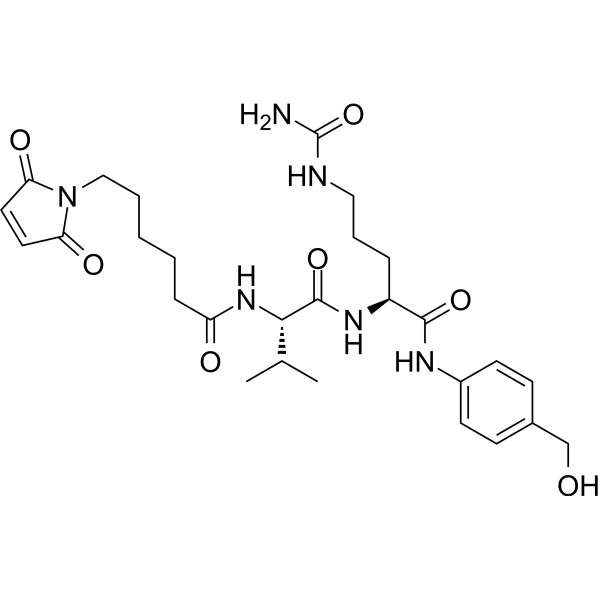
HY-78738
MC-Val-Cit-PABADC Linker -
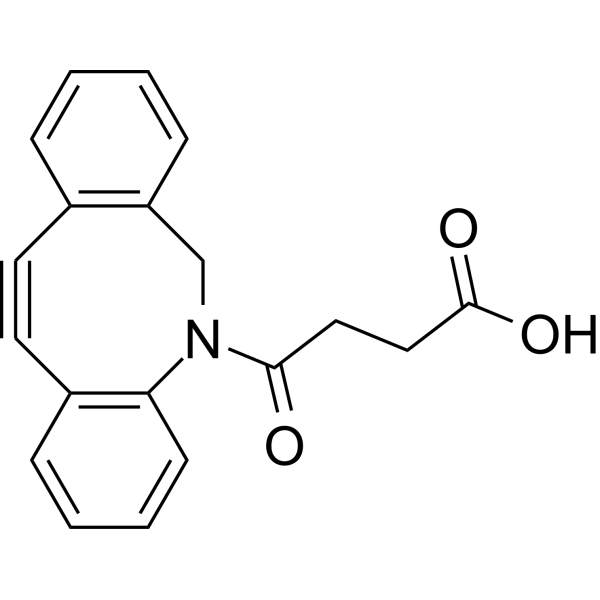
HY-42972
DBCO-acidClick Chemistry Reagent -
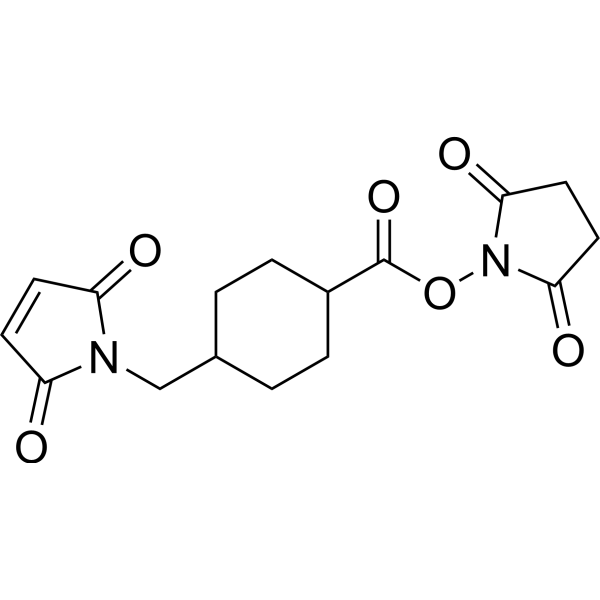
HY-42360
SMCCProtein Crosslinker -
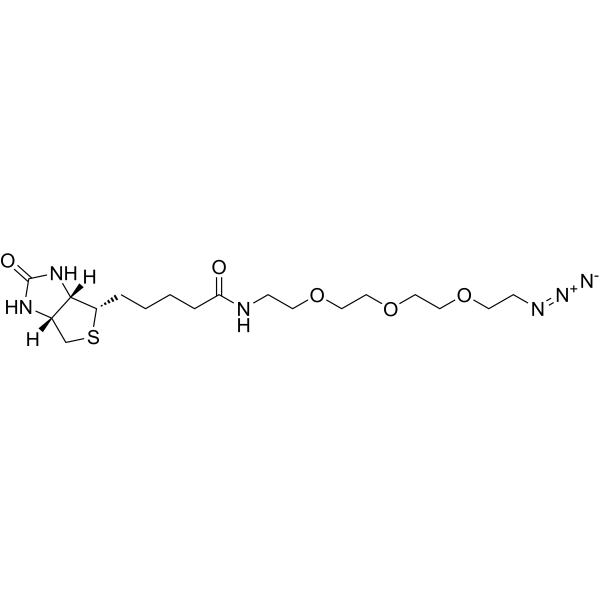
HY-130143
Biotin-PEG3-azidePROTAC Linker -
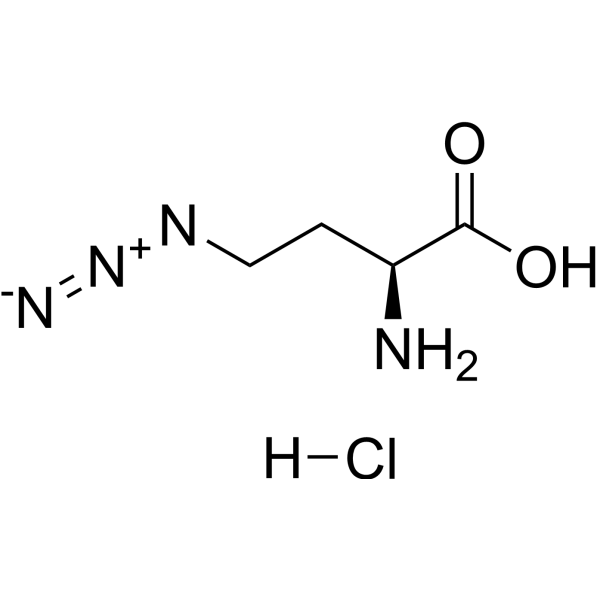
HY-140346A
L-Azidohomoalanine hydrochloridePROTAC Linkers -
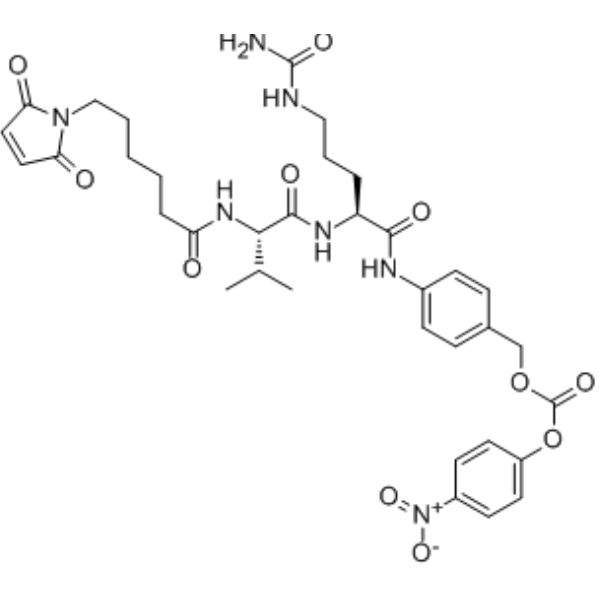
HY-20336
Mc-Val-Cit-PABC-PNPADC Linker -
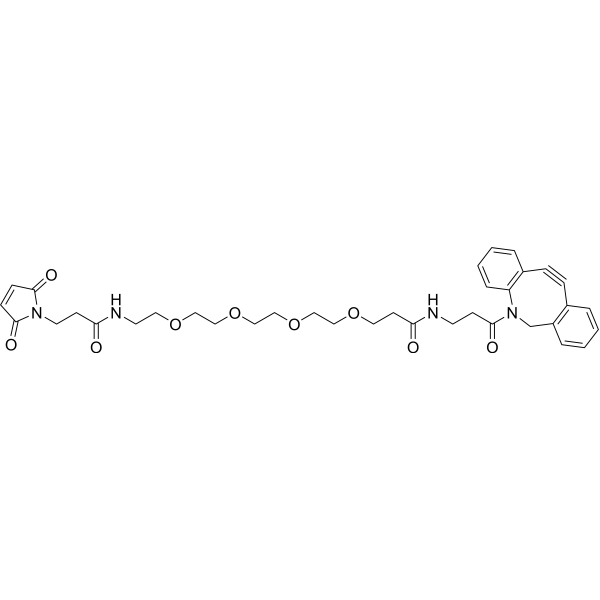
HY-120770
DBCO-PEG4-MaleimideADC Linker -
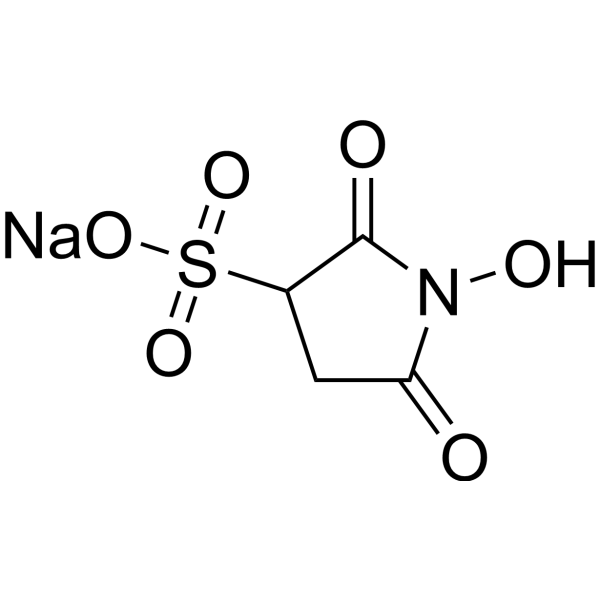
HY-W002213
N-Hydroxysulfosuccinimide sodium -
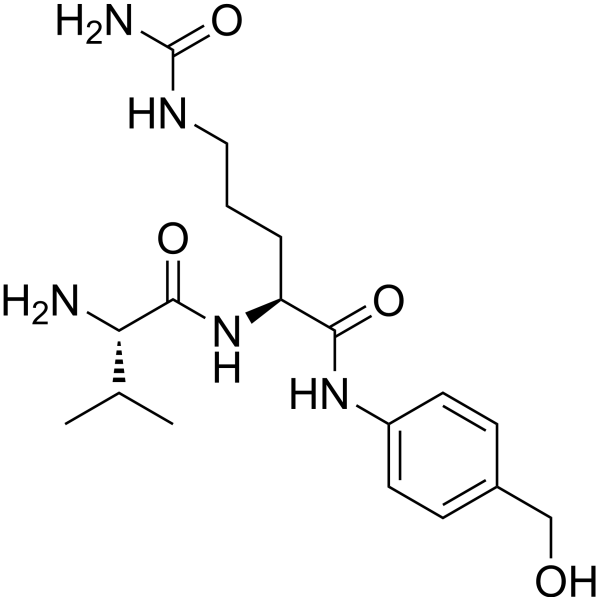
HY-12362
Val-cit-PAB-OHADC Linker -
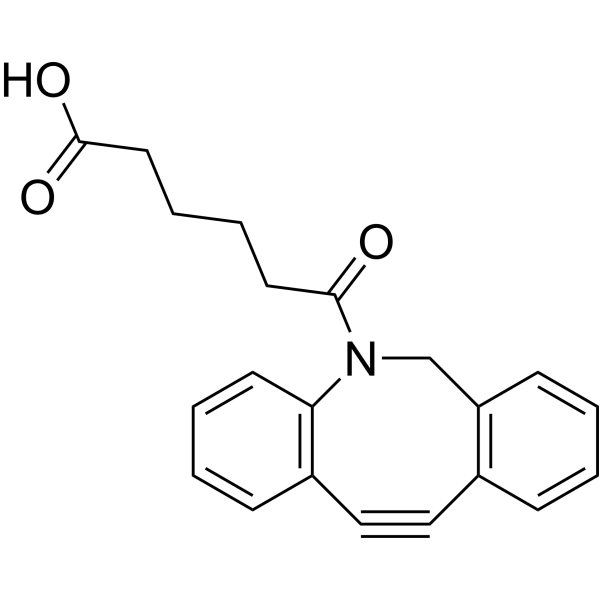
HY-121805
DBCO-C6-acidADC Linker -
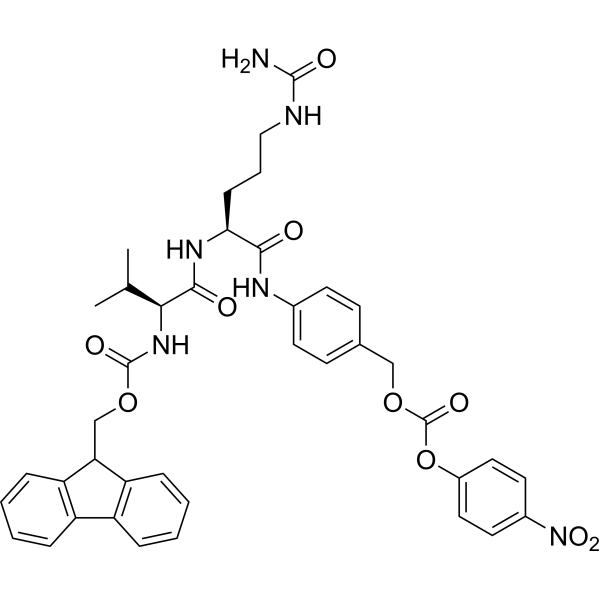
HY-41189
Fmoc-Val-Cit-PAB-PNPADC Linker


Biological Activity
Description
Cellular Effect
|
Cell Line

|
Type | Value | Description | References |
|---|---|---|---|---|
| HeLa | IC50 |
32.06 μM
Compound: 4
|
Cytotoxicity against human HeLa cells after 24 hrs by MTT assay
Cytotoxicity against human HeLa cells after 24 hrs by MTT assay
|
[PMID: 27769619] |
| MCF7 | IC50 |
28 μM
Compound: 4
|
Cytotoxicity against human MCF7 cells after 24 hrs by MTT assay
Cytotoxicity against human MCF7 cells after 24 hrs by MTT assay
|
[PMID: 27769619] |
| MRC5 | IC50 |
60.4 μM
Compound: 4
|
Cytotoxicity against human MRC5 cells after 24 hrs by MTT assay
Cytotoxicity against human MRC5 cells after 24 hrs by MTT assay
|
[PMID: 27769619] |
In Vitro
Click chemistry is used to describe the selective, modular, wide range and high-yield chemical reactions that allow rapid synthesis of new compounds through heteroatom linking (C-X-C). Bertozzi developed click chemistry in a new dimension—Bioorthogonal chemistry. It is defined as a rapid and selective reaction that does not interfere with biological processes under physiological conditions. Common reaction structures of click chemistry, such as Azide, Alkyne, DBCO, BCN, TCO and Tetrazine.
MedChemExpress (MCE) has not independently confirmed the accuracy of these methods. They are for reference only. Further protocols information, click here.


Chemical Information
-
CAS No. 1255942-06-3
-
Appearance Solid
-
Molecular Weight 276.33
-
Formula C18H16N2O
-
Color White to off-white
-
SMILES
O=C(N1C2=CC=CC=C2C#CC3=CC=CC=C3C1)CCN
-
Shipping
Shipping with dry ice.
-
Storage
Please store the product under the recommended conditions in the Certificate of Analysis.

Protocols
-
EdU Incorporation Assay (Click Chemistry-Based DNA Synthesis Measurement)
The EdU incorporation assay measures DNA synthesis by adding the thymidine analog 5-ethynyl-2′-deoxyuridine to cells or tissues, where it is incorporated into newly synthesized DNA during S phase. Incorporated EdU is detected by copper-catalyzed azide-alkyne cycloaddition, in which a fluorescent azide covalently reacts with the ethynyl group on EdU, allowing S-phase cells to be detected by fluorescence microscopy, flow cytometry, or high-content imaging. EdU detection does not require DNA denaturation or anti-BrdU antibody access, which preserves sample structure and improves compatibility with immunostaining and multiparameter cytometry compared with BrdU-based detection. EdU can be cytotoxic in a cell-type- and exposure-dependent manner, so pulse duration, concentration, and continuous-labeling designs should be validated for each cell type.


Purity & Documentation
-
Data Sheet (270 KB)
-
SDS (393 KB)
- English - EN (393 KB)
- Français - FR (393 KB)
- Deutsch - DE (393 KB)
- Norwegian - NO (393 KB)
- Español - ES (393 KB)
- Swedish - SV (393 KB)
- Italian - IT (393 KB)
- Korean - KR (393 KB)
- Portuguese - PT (393 KB)
-
Handling Instructions (2659 KB)
References

Calculators
Concentration (start) × Volume (start) = Concentration (final) × Volume (final)


DBCO-amine (GMP) Related Classifications
HY-W000423G Related Classifications
 Powered by Bioz