



Protein Detection and Analysis
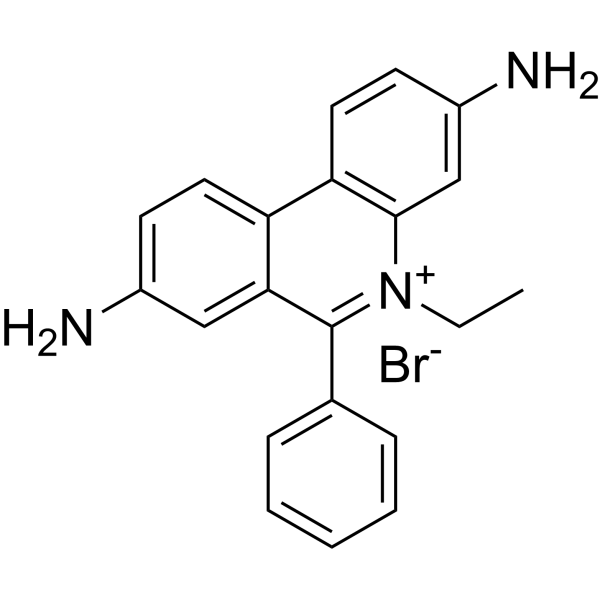
- Formula: C21H20BrN3
- Molecular Weight: 394.31
EthD bromide is an intercalating agent commonly used as a fluorescent tag (nucleic acid stain) in molecular biology laboratories for techniques such as agarose gel electrophoresis.
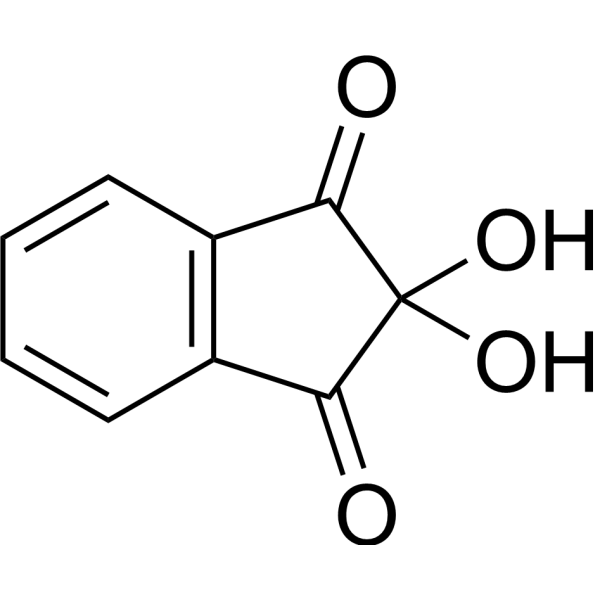
- Formula: C9H6O4
- Molecular Weight: 178.14
Ninhydrin can be used as a chromogenic analytical probe for the quantification of amino acids and proteins.
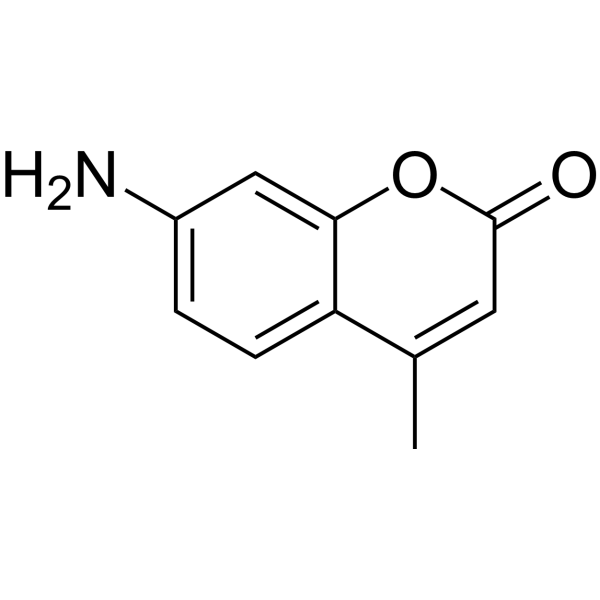
- Formula: C10H9NO2
- Molecular Weight: 175.19
7-Amino-4-methylcoumarin belongs to the coumarin class, can be isolated from the endophytic fungus Xylaria sp. and has a broad spectrum of antibacterial activity. 7-Amino-4-methylcoumarin is also commonly used as an important laser dye that emits in the blue region, capable of analyzing glycoprotein monosaccharides and N-linked oligosaccharides, and is also utilized in tissue pathology analysis, enzyme activity measurement, and copper ion detection. The excitation wavelength and emission wavelength are 351 nm and 430 nm, respectively.
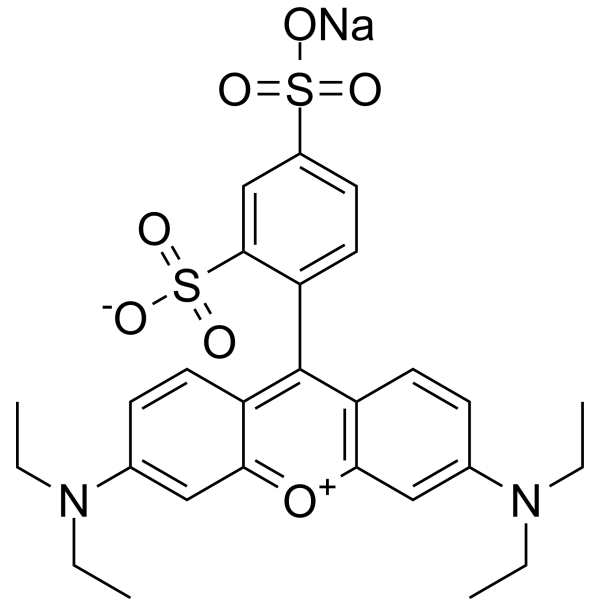
- Formula: C27H29N2NaO7S2
- Molecular Weight: 580.65
Sulforhodamine B sodium salt is a fluorescent dye with uses spanning from laser-induced fluorescence (LIF) to the quantification of cellular proteins of cultured cells.
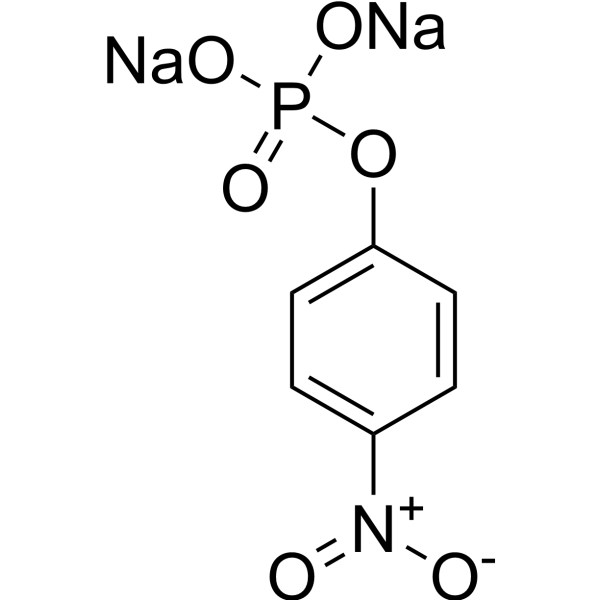
- Formula: C6H4NNa2O6P
- Molecular Weight: 263.05
4-Nitrophenyl phosphate (p-Nitrophenyl phosphate) disodium is a non-proteinaceous chromogenic substrate for alkaline and acid phosphatases used in ELISA and conventional spectrophotometric assays.

Sulfonylurea Receptor HRP-Streptavidin is a biotin-binding signal amplifier designed to bind tightly with biotinylated anti-TSH monoclonal antibodies, thereby constituting a key component of the signal amplification system in immunoassays. HRP-Streptavidin is formed by the covalent coupling of Horseradish Peroxidase (HRP) with Streptavidin; it combines the highly efficient catalytic activity of the enzyme with the high affinity of Streptavidin for biotin, making it a potent and sensitive tool for signal amplification. HRP-Streptavidin is suitable for use in Western Blotting, ELISA, and other detection techniques.
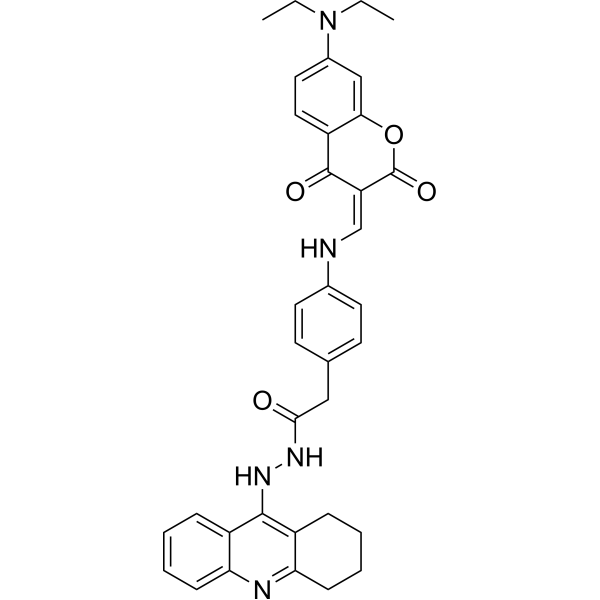
- Formula: C35H35N5O4
- Molecular Weight: 589.68
PE154 is a fluorescent probe that binds to Aβ plaques, as well as a potent fluorescent inhibitor of AChE and BChE, with an IC50 of 280 pM against hAChE and 16 nM against hBChE. PE154 is applicable for histochemical detection of Aβ plaques in mouse and human brain tissues. PE154 can be used in research related to Alzheimer's disease.

- Formula: C21H21BF2N2O
- Molecular Weight: 366.21
BD140 is a fluorescent probe with a binding affinity Kd of 4.1 μM for binding site 2 of human serum albumin (HSA). BD140 emits activated fluorescence upon binding to the specific HSA binding site 2. BD140 can be combined with dansylamide to form a fluorescent dye mixture, which is used for high-throughput mapping of interaction profiles of HSA drug binding sites (Ex/Em = 356/585 nm).
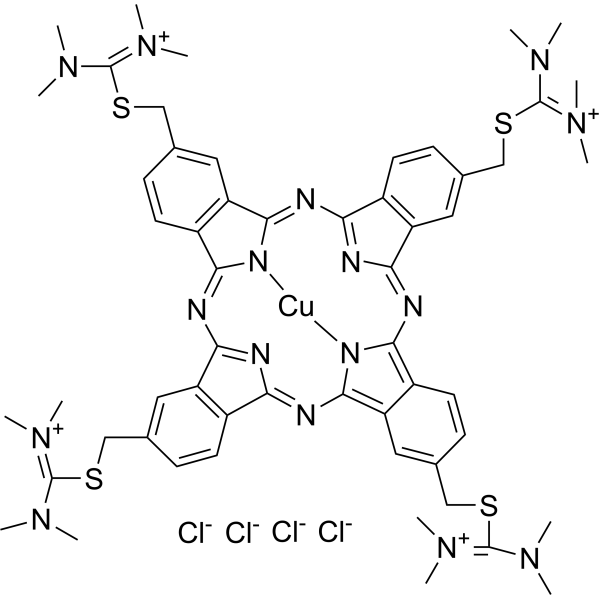
- Formula: C56H68Cl4CuN16S4
- Molecular Weight: 1298.86
Alcian Blue 8GX is a commonly used phthalocyanine dye that binds to glycoproteins and glycosaminoglycans. Alcian Blue 8GX has a wide range of applications in biological staining, including proteins in brain tumors and DNA in cells and tissues.
R-Phycoerythrin is found in Heterosiphonia japonica. R-Phycoerythrin is an orange-red fluorescent probe with α, β, and γ subunits. R-Phycoerythrin can be used in photodynamic therapy (PDT) to induce apoptosis in tumor cells. R-Phycoerythrin can be used in fluorescence microscopy, flow cytometry, and immunofluorescence analysis (Ex: 495 nm).
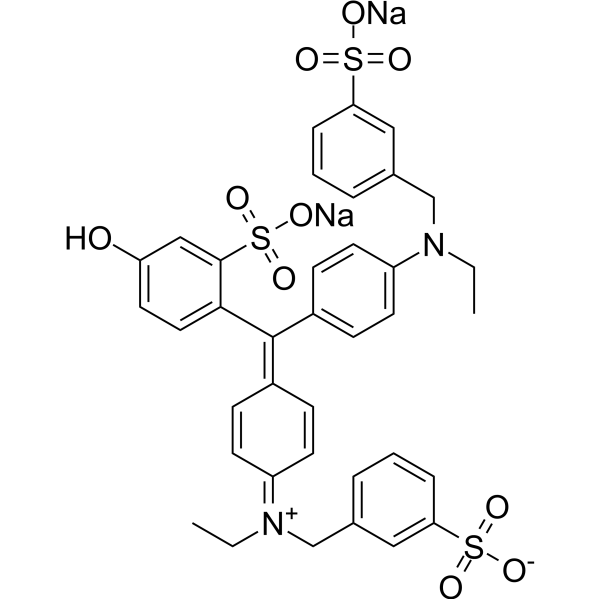
- Formula: C37H34N2Na2O10S3
- Molecular Weight: 808.85
Fast Green FCF is a sea green triarylmethane food dye, with absorption maximum ranging from 622 to 626 nm. Fast Green FCF inhibits α-synuclein aggregation, as well as Aβ and P2X4 receptor, and TLR4/Myd88/NF-κB. Fast Green FCF is widely used as a staining agent like quantitative stain for histones at alkaline pH after acid extraction of DNA, and as a protein stain in electrophoresis. Fast Green FCF improves cognitive impairment, depression, relieves pain allergies, and promotes reproductive function.
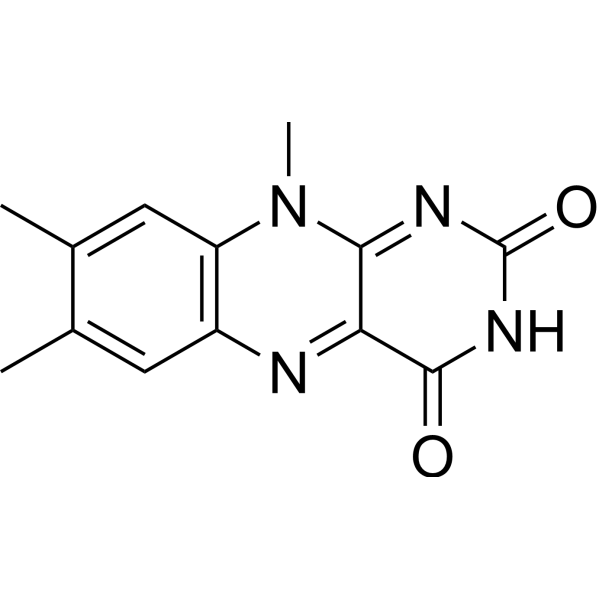
- Formula: C13H12N4O2
- Molecular Weight: 256.26
Lumiflavin (Lumiflavine), a riboflavine analog, causes significant inhibition of riboflavine uptake. Lumiflavin can effectively reduce the riboflavin enrichment in cancer stem-like cells (CSCs) and sensitize the effect of cisplatin Diamminedichloroplatinum (DDP) on CSCs. Lumiflavin is promising for research of ovarian cancer.
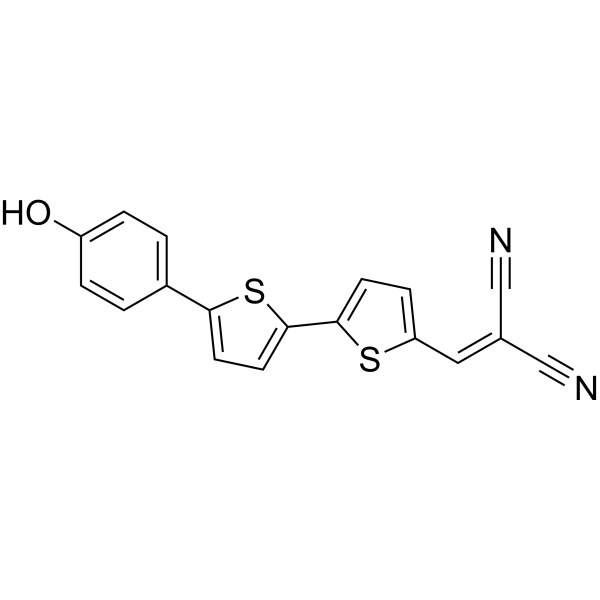
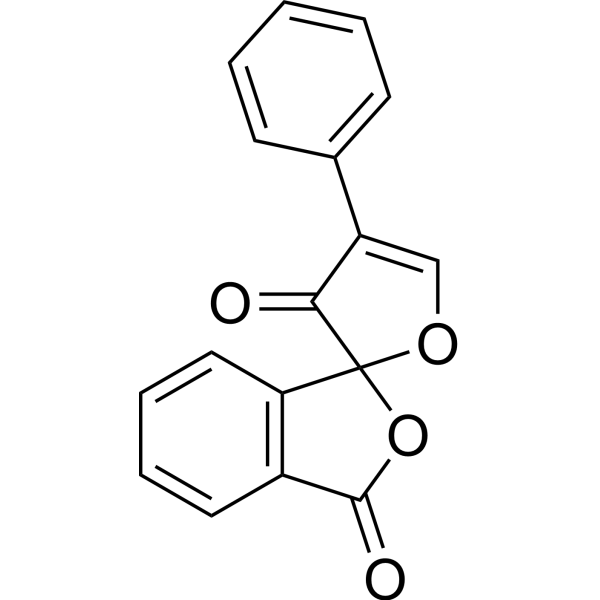
- Formula: C17H10O4
- Molecular Weight: 278.26
Fluorescamine is a spirocyclic compound that is non-fluorescent. Fluorescamine reacts rapidly with primary amine groups in proteins under alkaline conditions to generate products with strong fluorescence (Ex/Em: 390/475 nm). Fluorescamine can be used to detect amine-containing compounds, including amino acids, peptides, and proteins.
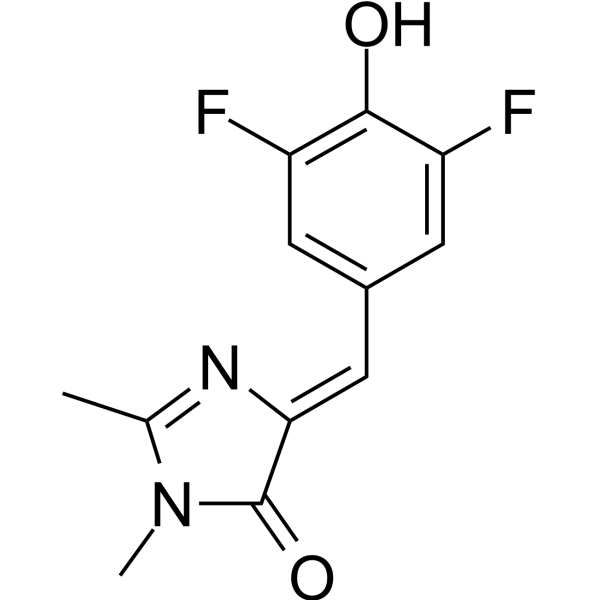
- Formula: C12H10F2N2O2
- Molecular Weight: 252.22
DFHBI is a small molecule that resembles the chromophore of green fluorescent protein (GFP). DFHBI can be used for imaging RNA in living cells. . Spinach and DFHBI are essentially nonfluorescent when unbound, whereas the Spinach-DFHBI complex is brightly fluorescent both in vitro and in living cells (Ex/Em = 469/501 nm).

- Formula: C26H18Cl2O5
- Molecular Weight: 481.32
CO probe 1 (probe 2) is a highly efficient fluorescent CO probe (Ex=493 nm) with an allyl ether reaction site. In the presence of PdCl₂, CO reduces Pd2+ to Pd0, triggering a Tsuji-Trost reaction that removes the allyl protecting group, releases fluorescein, and generates a significant fluorescence signal. CO probe 1 has high selectivity, rapid response (fluorescence enhancement of 150 times within 20 minutes), and low cytotoxicity, and can be used for real-time imaging of CO in living cells. CO probe 1 may be used to study pathological mechanisms involving CO signaling regulation, such as inflammation, vascular disease, or cancer.

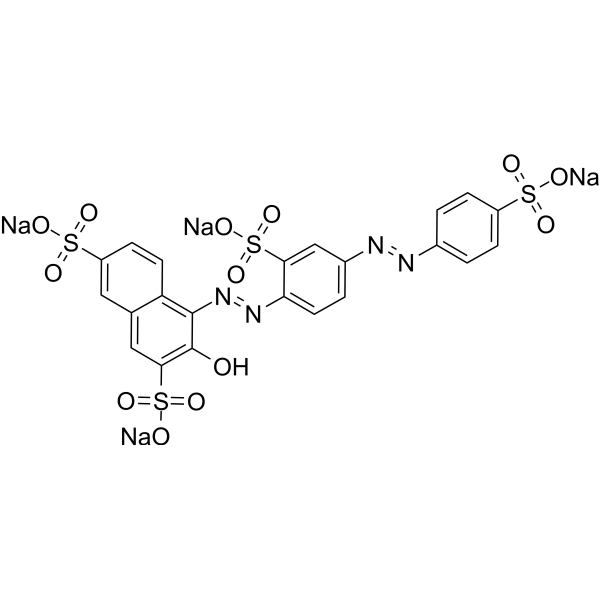
- Formula: C22H12N4Na4O13S4
- Molecular Weight: 760.57
Ponceau S (Acid Red 112) is a non-specific protein dye commonly used as a stain for Western blot. Ponceau S is used in an acidic aqueous solution that is compatible with antibody-antigen binding and dyes the proteins on the membrane red.
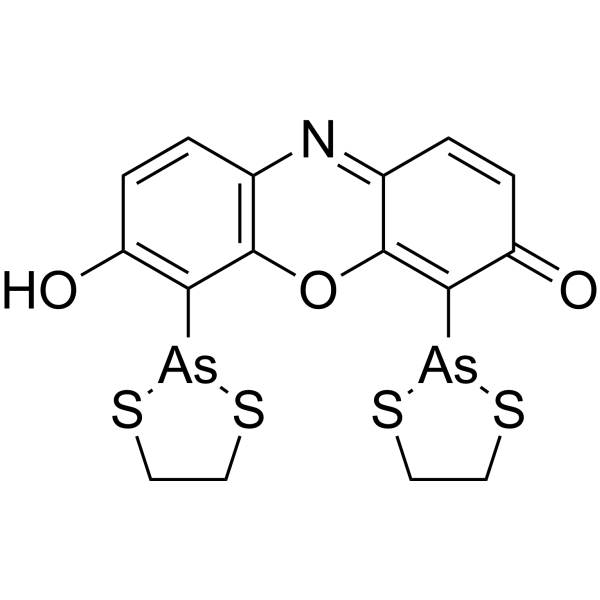
- Formula: C16H13As2NO3S4
- Molecular Weight: 545.38
ReAsH-EDT2 is a red fluorescent dye that marks proteins. ReAsH-EDT2 is a membrane-permeable biarsenical compound that binds covalently to tetracysteine sequences which allows the protein to be imaged. ReAsH-EDT2 can be used for protein localization and trafficking. (λex=530 nm, λem=592 nm).
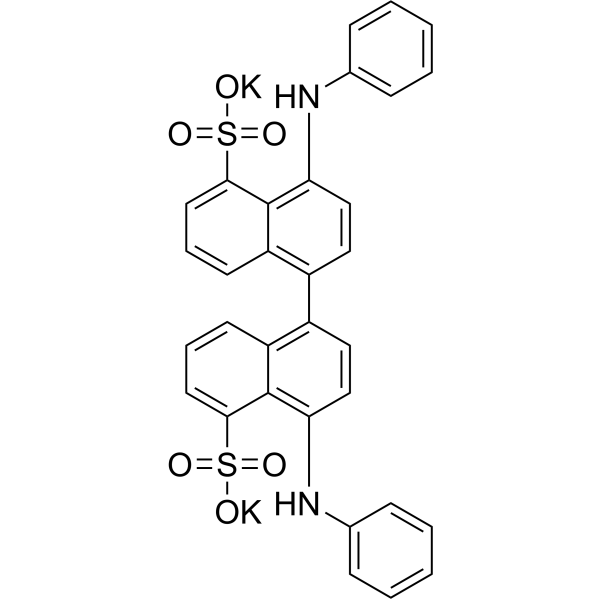
- Formula: C32H22K2N2O6S2
- Molecular Weight: 672.85
Bis-ANS dipotassium is a fluorescent probe of hydrophobic protein. Bis-ANS binds to tubulin with a Kd of 2 μM. Bis-ANS dipotassium is a potent biphasic modulator of protein liquid-liquid phase separation (LLPS). Bis-ANS dipotassium promotes LLPS at low concentrations but suppresses LLPS at high concentrations.



