



gamma-secretase modulator 3

Based on 1 Customer Validation
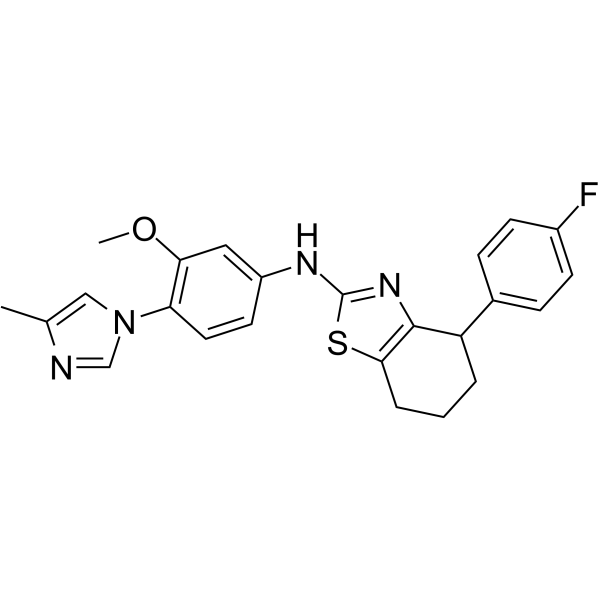
Gamma-secretase modulator 3 is a γ-secretase modulator. Gamma-secretase modulator 3 has the potential for use in research on neurological diseases such as Alzheimer's disease.
For research use only. We do not sell to patients.
- Purity : 98.0%
- CAS No.: 1431697-84-5
- Formula: C24H23FN4OS
- Molecular Weight:434.53
-
Storage:Powder -20°C, 3 years , 4°C, 2 years ; In solvent -80°C, 2 years , -20°C, 1 year

To place orders, for customer services and technical support, please contact: MedChemExpress USA
Tel: 609-228-6898 E-mail: [email protected] [email protected]


-
 Biological Activity
-
Chemical Information
-
Solvent & Solubility
- Protocols
- Purity & Documentation
-
 Help & FAQs


-
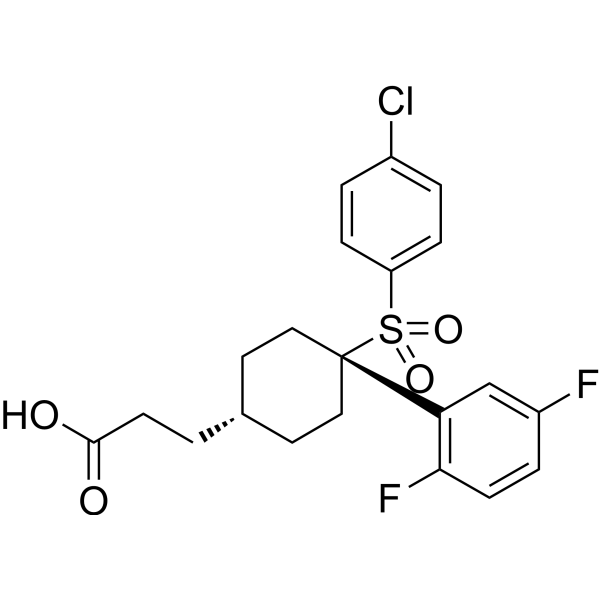
HY-10974
MK-0752 -
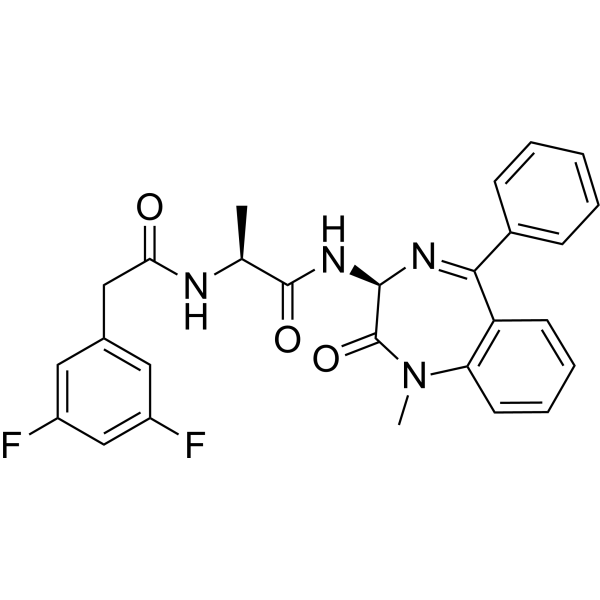
HY-14176
Compound Eγ-secretase Inhibitor -
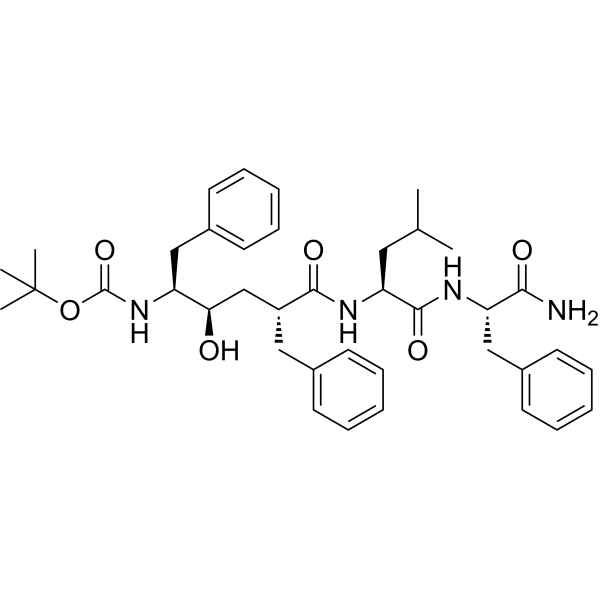
HY-19369
L-685458γ-Secretase Inhibitor -
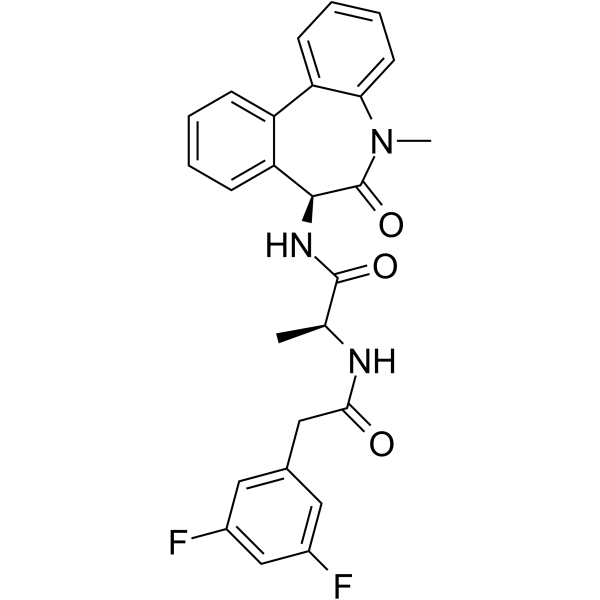
HY-13526
YO-01027γ-secretase Inhibitor -
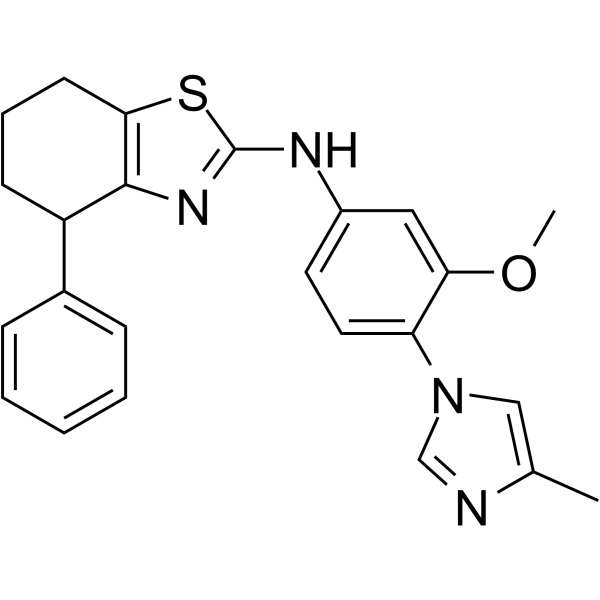
HY-10043
gamma-secretase modulator 1Gamma-secretase Modulator -
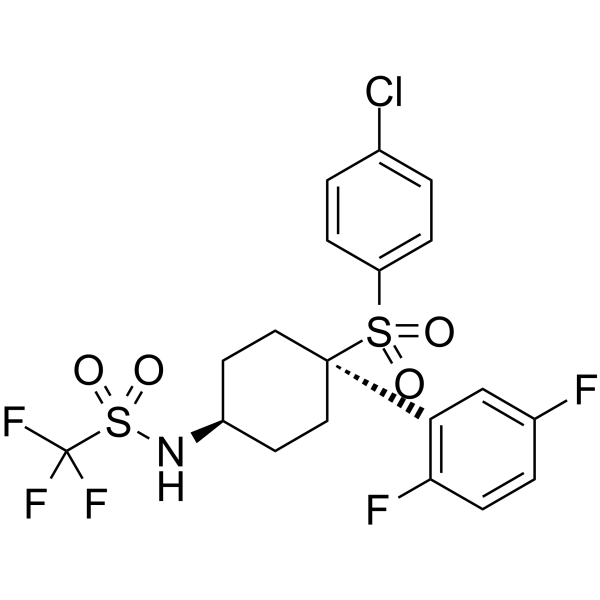
HY-14174
MRK-560γ-Secretase Inhibitor -
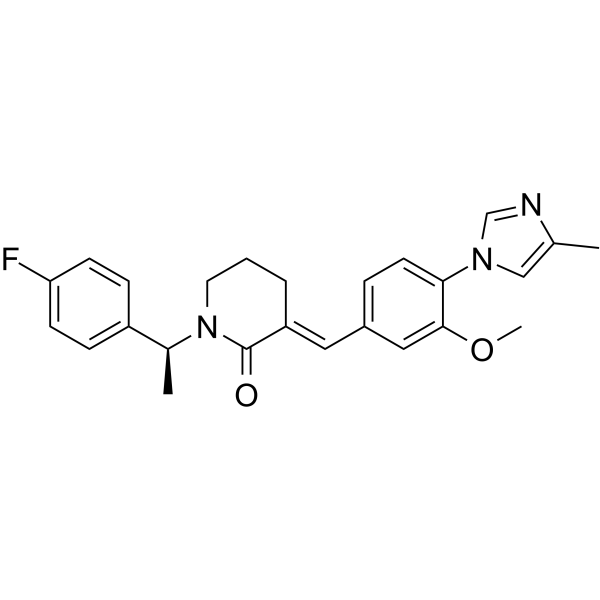
HY-10016
E 2012γ-Secretase Modulator -
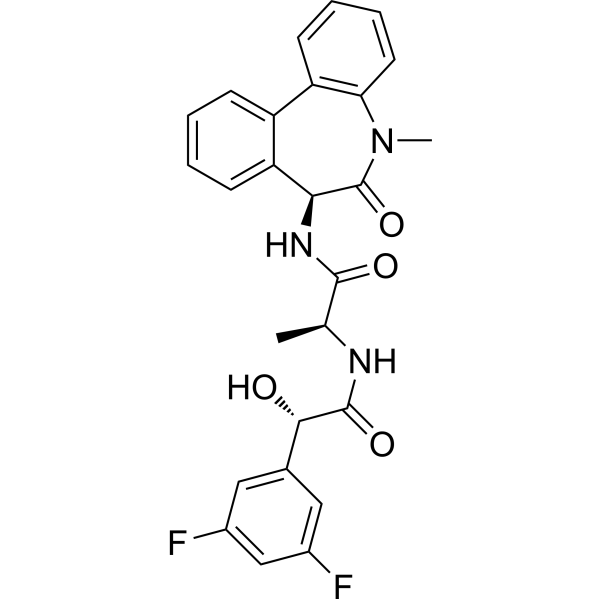
HY-50752
LY-411575γ-secretase Inhibitor -
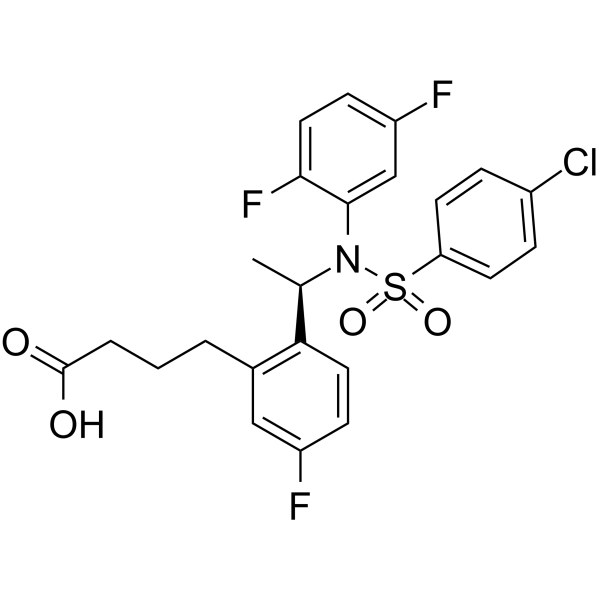
HY-50883
BMS 299897γ-secretase Inhibitor -
HY-14399
Itanapracedγ-Secretase Inhibitor -
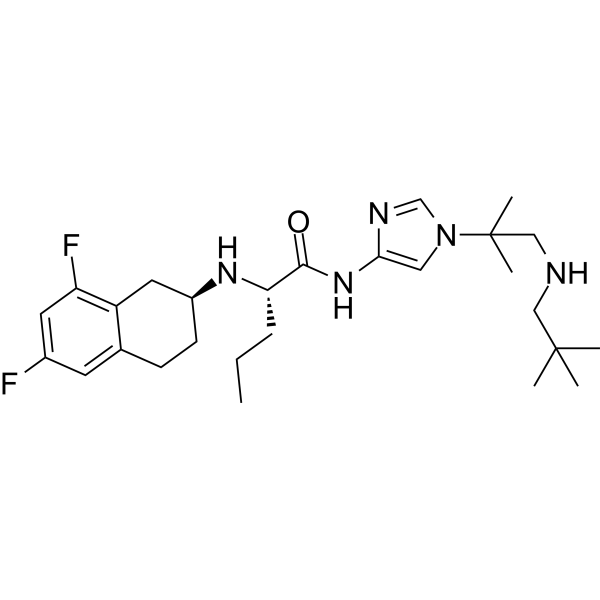
HY-15185
Nirogacestatγ-Secretase Inhibitor -
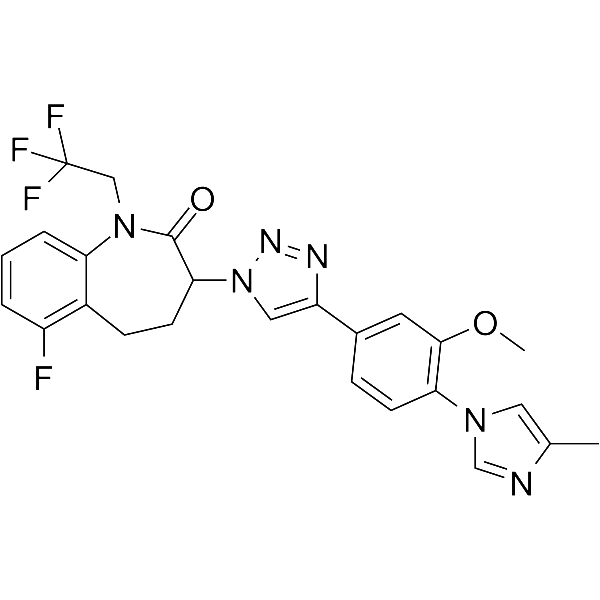
HY-50754
gamma-secretase modulator 2γ-secretase Modulator


Biological Activity
Description
In Vitro
γ-secretase is a tetrasubunit intramembrane protease composed of presenilin, Nicastrin, APH-1, and PEN-2. It can cleave type I transmembrane proteins such as APP and Notch and participates in the pathology of Alzheimer's disease and the regulation of cell development signals.
MedChemExpress (MCE) has not independently confirmed the accuracy of these methods. They are for reference only. Further protocols information, click here.


Chemical Information
-
CAS No. 1431697-84-5
-
Appearance Solid
-
Molecular Weight 434.53
-
Formula C24H23FN4OS
-
Color Light yellow to yellow
-
SMILES
COC1=C(N2C=C(C)N=C2)C=CC(NC3=NC4=C(CCCC4C5=CC=C(F)C=C5)S3)=C1
-
Shipping
Room temperature in continental US; may vary elsewhere.
-
Storage
Powder -20°C 3 years 4°C 2 years In solvent -80°C 2 years -20°C 1 year


Solvent & Solubility
In Vitro:
DMSO : < 1 mg/mL (insoluble or slightly soluble)

Protocols
-
Notch Pathway Solutions
The Notch pathway is a contact-dependent signaling pathway that controls cell-fate decisions, differentiation, proliferation, and tissue patterning through interactions between membrane-bound Notch receptors and membrane-bound ligands on neighboring cells. Canonical Notch signaling is activated when ligand engagement triggers proteolytic release of the Notch intracellular domain, which enters the nucleus and regulates transcription together with DNA-binding transcriptional complexes. In the canonical mechanism, ligand-dependent Notch activation leads to release of the intracellular Notch domain, and presenilin-dependent γ-secretase activity is required for production of the active intracellular signaling fragment. The released intracellular domain functions as a nuclear signal that converts Notch receptor activation at the membrane into transcriptional regulation of target programs such as HES/HEY-family genes and other context-dependent downstream targets. The literature links Notch p
-
Alzheimer’s Disease Modeling
Alzheimer’s Disease (AD) is a neurodegenerative disorder characterized by a progressive decline in cognitive functions and loss of specific types of neurons and synapses. Alzheimer's symptoms can be simulated in mice by injecting drugs (such as Aβ) or genetically modified.


Purity & Documentation
-
Data Sheet (242 KB)
-
SDS (251 KB)
- English - EN (251 KB)
- Français - FR (251 KB)
- Deutsch - DE (251 KB)
- Norwegian - NO (251 KB)
- Español - ES (251 KB)
- Swedish - SV (251 KB)
- Italian - IT (251 KB)
- Korean - KR (251 KB)
- Portuguese - PT (251 KB)
-
Handling Instructions (2659 KB)

Calculators
Concentration (start) × Volume (start) = Concentration (final) × Volume (final)


gamma-secretase modulator 3 Related Classifications
HY-50889 Related Classifications
 Powered by Bioz