



Glucocorticoid receptor activator 1
Glucocorticoid receptor activator 1 (compound A) is a phenyl aziridine precursor and an activator of the glucocorticoid receptor (GR). Glucocorticoid receptor activator 1 down-modulates TNF-induced pro-inflammatory gene expression by activating GR and can be utilized in inflammation research.
For research use only. We do not sell to patients.
- CAS No.: 14593-25-0
- Formula: C11H15Cl2NO2
- Molecular Weight:264.15
-
Storage:
Please store the product under the recommended conditions in the Certificate of Analysis.


To place orders, for customer services and technical support, please contact: MedChemExpress USA
Tel: 609-228-6898 E-mail: [email protected] [email protected]


-
 Biological Activity
-
Chemical Information
- Protocols
- Purity & Documentation
- References
-
 Help & FAQs


-
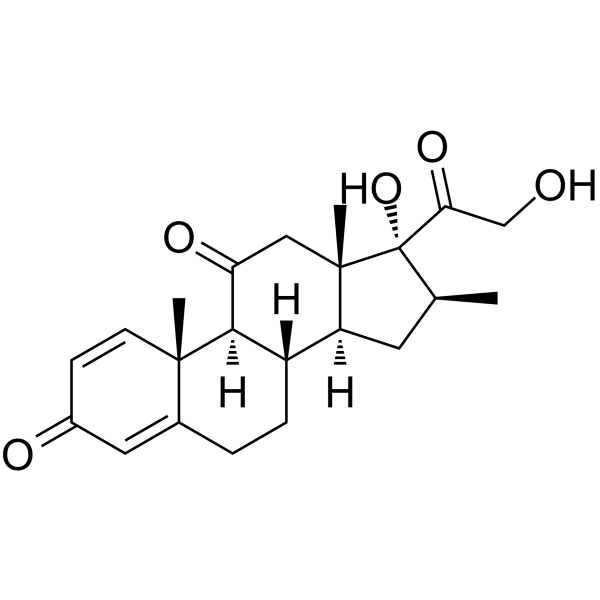
HY-B0243
MeprednisoneGlucocorticoid -
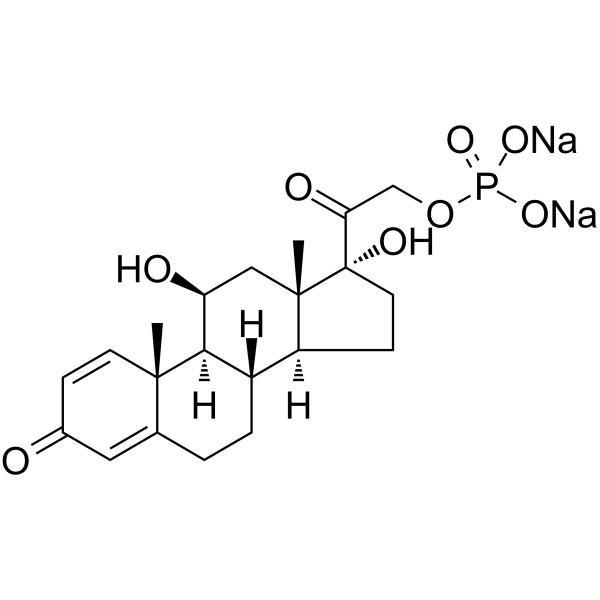
HY-B0645
Prednisolone disodium phosphateSynthetic Glucocorticoid -
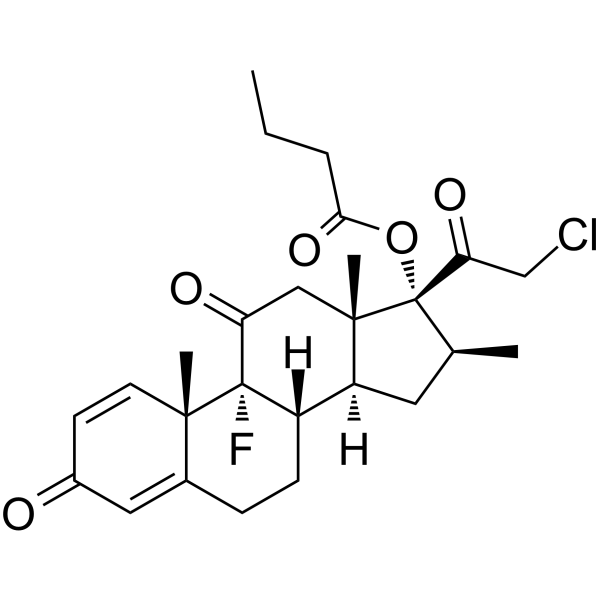
HY-B1616
Clobetasone butyrateGlucocorticoid -
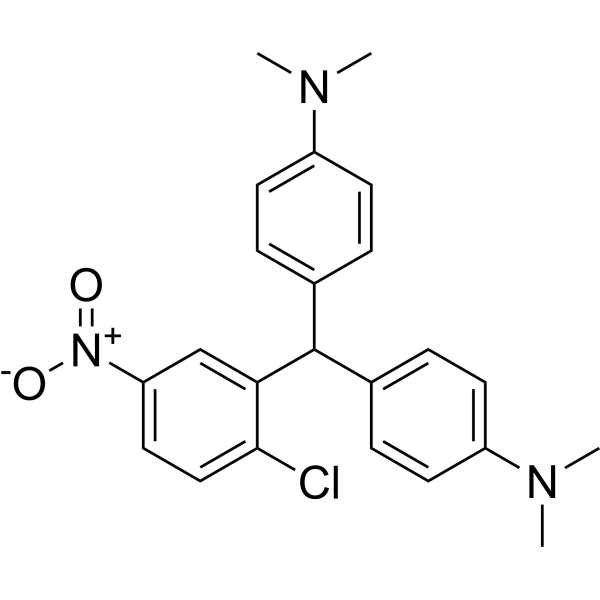
HY-15709
AL 082D06Glucocorticoid Receptor Antagonist -
HY-U00089
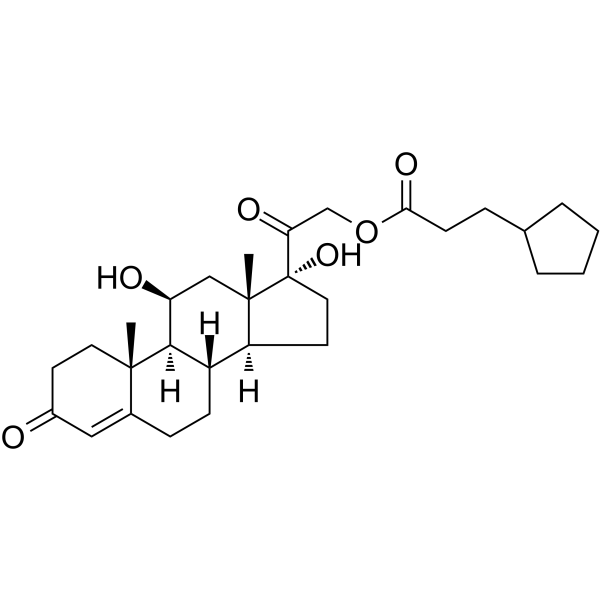
Hydrocortisone cypionate -
HY-107949
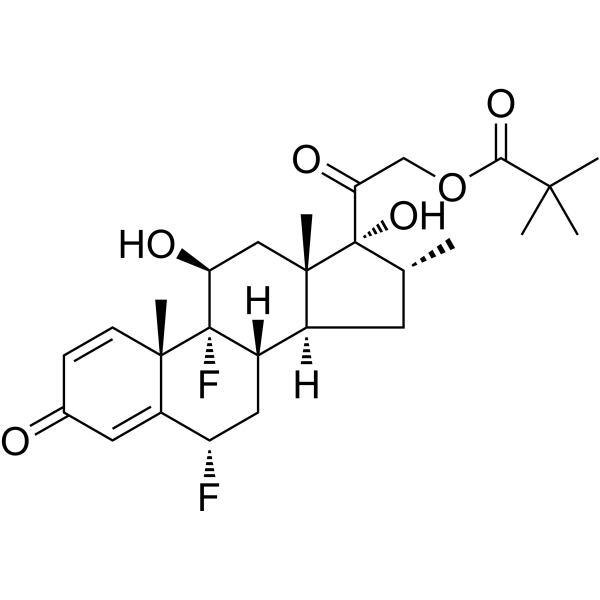
Flumethasone pivalateGlucocorticoid -
HY-B1365
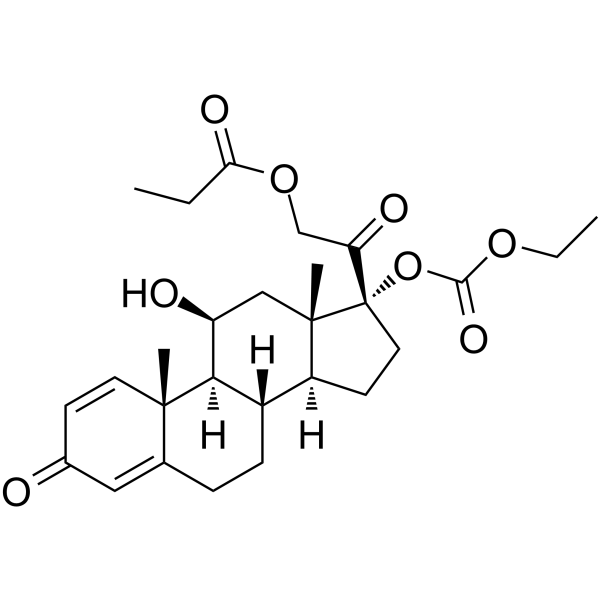
PrednicarbateCorticosteroid Agent -
HY-14864A
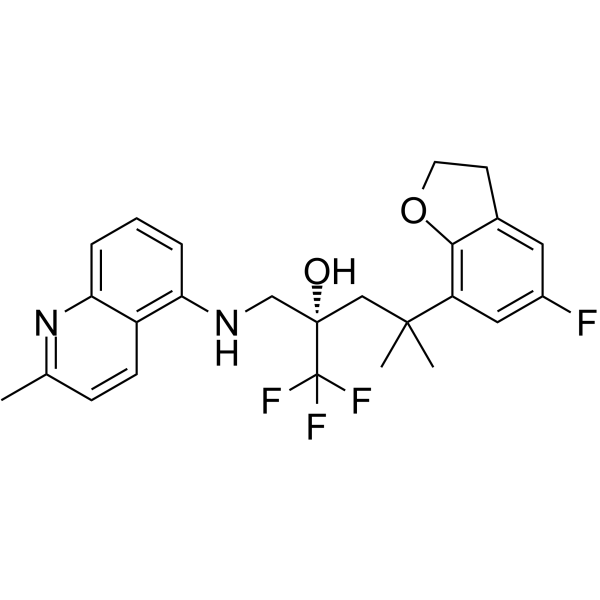
(S)-MapracoratGlucocorticoid Receptor Inhibitor -
HY-W006212
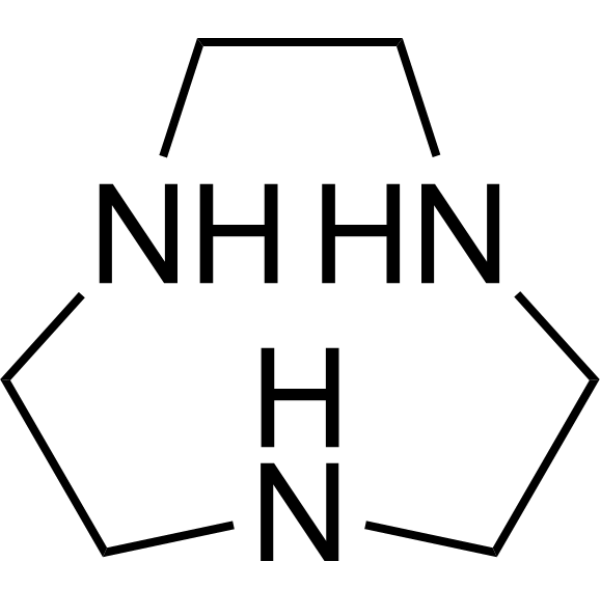
1,4,7-TriazonaneComplexometric Titration Reagent -
HY-103662
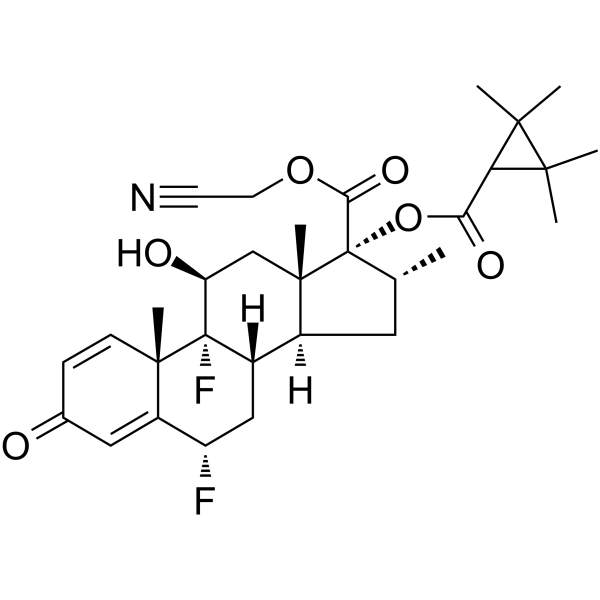
GW-870086Glucocorticoid Receptor Agonist -

HY-B0243R
Meprednisone (Standard)Glucocorticoid -
HY-W013555
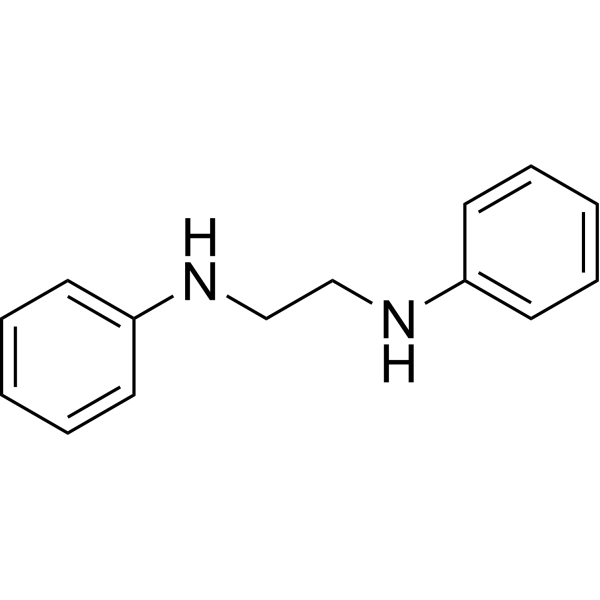
1,2-DianilinoethaneBiochemical Assay Reagent


Biological Activity
Description


Chemical Information
-
CAS No. 14593-25-0
-
Molecular Weight 264.15
-
Formula C11H15Cl2NO2
-
SMILES
CNCC(C1=CC=C(OC(C)=O)C=C1)Cl.Cl
-
Shipping
Room temperature in continental US; may vary elsewhere.
-
Storage
Please store the product under the recommended conditions in the Certificate of Analysis.

Protocols
-
RT-PCR
Reverse transcription technology uses RNA as a template to synthesize DNA. RT-PCR is simple, specific and sensitive, and can be used to detect gene expression levels and expression differences in cells; detect RNA virus content; clone cDNA sequences of specific genes.
-
RNA extraction experimental
By lysing cells, releasing RNA, and removing impurities such as proteins and DNA, high-purity RNA products are finally obtained. The commonly used traditional method is the guanidine isothiocyanate/phenol/chloroform method (Trizol), which is suitable for a variety of animal materials including animal tissues, microorganisms, cultured cells, etc., and most plant materials.
-
Research Protocol for Endocrine Diseases
Endocrine diseases often arise from disrupted hormone production, hormone signaling, or target-tissue responsiveness; for diabetes-focused endocrine disease models, insulin signaling regulates glucose uptake, hepatic glucose output, lipid metabolism, and β-cell compensation. Type 2 diabetes develops through interacting defects in insulin resistance, β-cell dysfunction, adipose inflammation, hepatic glucose overproduction, altered incretin signaling, and ectopic lipid metabolism. A major unresolved question is whether endocrine dysfunction is driven primarily by target-tissue insulin resistance, intrinsic β-cell failure, immune/inflammatory stress, or combined multi-organ failure that differs by disease stage.
-
Research Protocol for Inflammation-related Diseases
The NLRP3 inflammasome is a cytosolic innate immune signaling platform that integrates priming signals and danger-signal activation to promote caspase-1 activation, maturation of IL-1β and IL-18, and gasdermin D-mediated pyroptotic cell death. The core experimental logic is to determine whether inflammatory disease phenotypes are driven by increased NLRP3 expression, ASC-containing inflammasome assembly, caspase-1 cleavage, GSDMD cleavage, and extracellular release of IL-1β/IL-18 rather than by nonspecific cell injury alone. The pathway is strongly linked to inflammation-related disease phenotypes because monosodium urate crystals activate NALP3/NLRP3 inflammasome signaling in gout-like crystal inflammation, cholesterol crystals activate NLRP3 inflammasomes in atherogenesis models, and DSS-induced intestinal inflammation has been reported to involve NLRP3 inflammasome activity. However, experimental colitis studies also show context-dependent protective effects of NLRP3 inflammasome co
-
Real Time qPCR (Q-PCR)
Real-time quantitative PCR (qPCR) quantifies an amplifiable nucleic-acid target by monitoring fluorescence during PCR cycling rather than measuring product only after amplification. The increase in fluorescence tracks accumulation of PCR product, and the quantification cycle (Cq; historically also Ct/CP) is related to the initial amount of target: samples containing more starting target generally reach the defined fluorescence threshold in fewer cycles.


Purity & Documentation
References

Calculators
Concentration (start) × Volume (start) = Concentration (final) × Volume (final)


Glucocorticoid receptor activator 1 Related Classifications
HY-W071581 Related Classifications
 Powered by Bioz