



ALC-0315
Based on 46 publication(s) in Google Scholar
ALC-0315 is an ionisable aminolipid that is responsible for mRNA compaction and aids mRNA cellular delivery and its cytoplasmic release through suspected endosomal destabilization. ALC-0315 can be used to form lipid nanoparticle (LNP) delivery vehicles. Lipid-Nanoparticles have been used in the research of mRNA COVID-19 vaccine.
商品は「研究用試薬」です。人や動物の医療用・臨床診断用・食品用の製品ではありません。
研究用途以外に使用した場合、当社は一切の責任を負いかねます。
- 純度 : 99.90%
- CAS 番号: 2036272-55-4
- 分子式: C48H95NO5
- 分子量:766.27
-
保管条件:
4°C, protect from light
* In solvent : -80°C, 6 months; -20°C, 1 month (protect from light)

To place orders, for customer services and technical support, please contact: MedChemExpress USA
Tel: 609-228-6898 E-mail: [email protected] [email protected]


-
 生物活性
生物活性
-
化学情報
-
溶剤 & 溶解度
- プロトコル
- 純度とドキュメンテーション
- 参考文献
-
 Help & FAQs


-
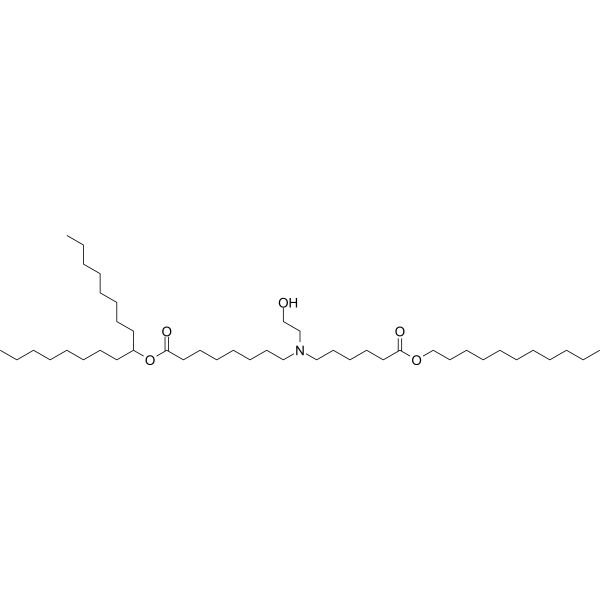
HY-134541
SM-102Ionizable Amino Lipid -
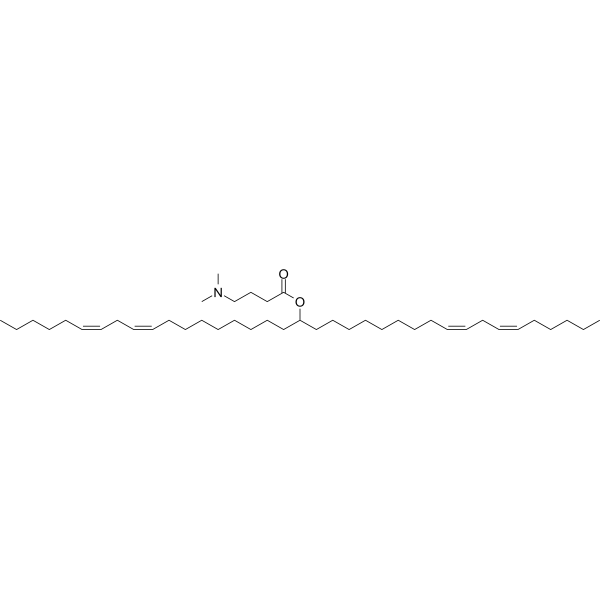
HY-112251
D-Lin-MC3-DMAsiRNA Delivery Vehicle -
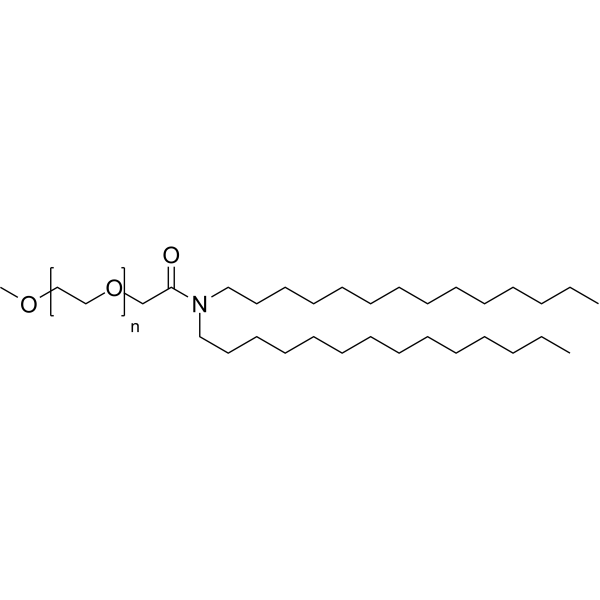
HY-138300
ALC-0159Liposome -
HY-N0322
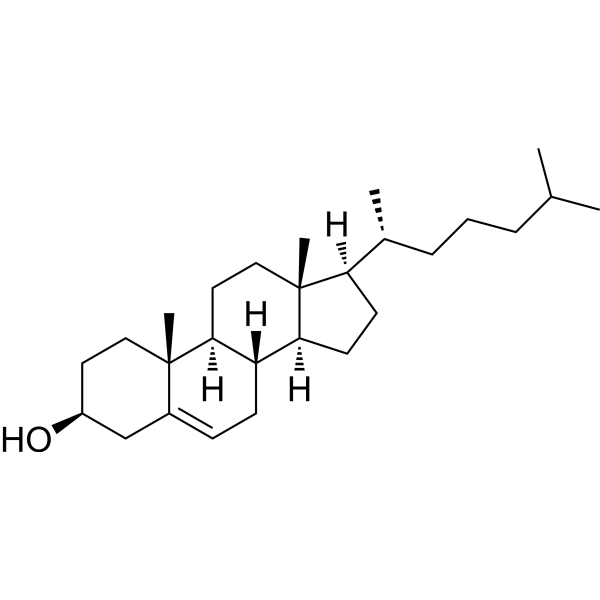
Cholesterol (from animal)ERRα Agonist -
HY-W040193
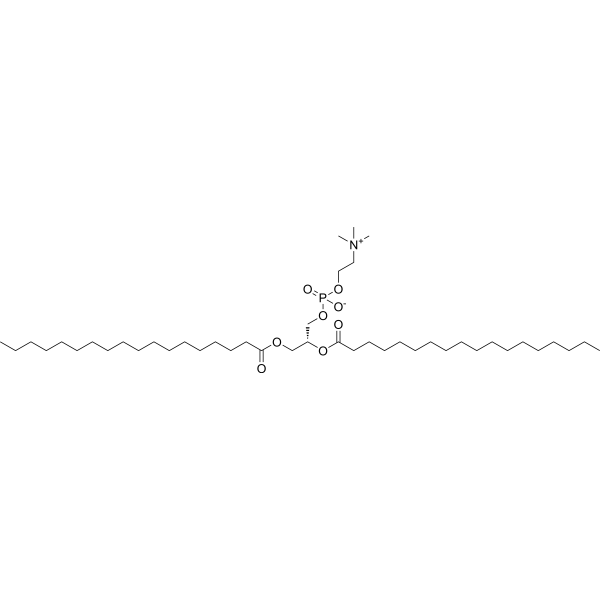
DSPCLiposome Compound -
HY-145405
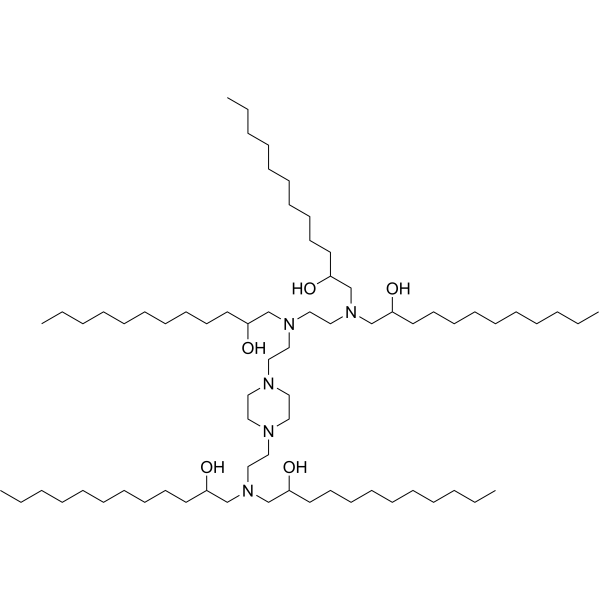
C12-200Cationic Lipidoid -
HY-112764
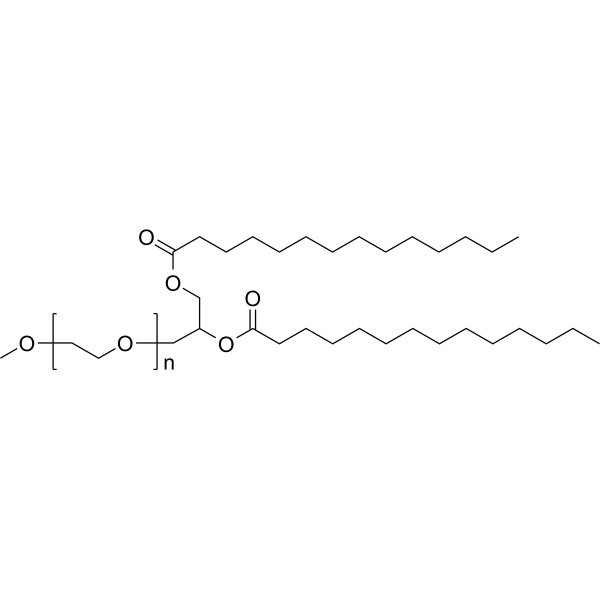
mPEG2000-DMGLiposome -
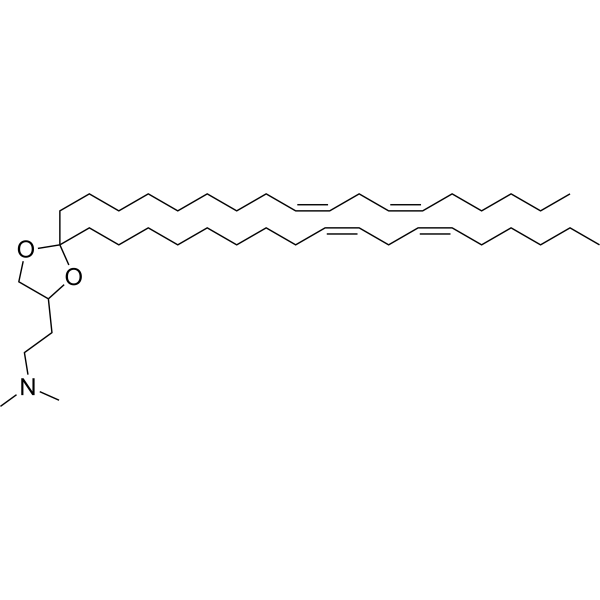
HY-112758
DLin-KC2-DMAIonizable Cationic Lipid -
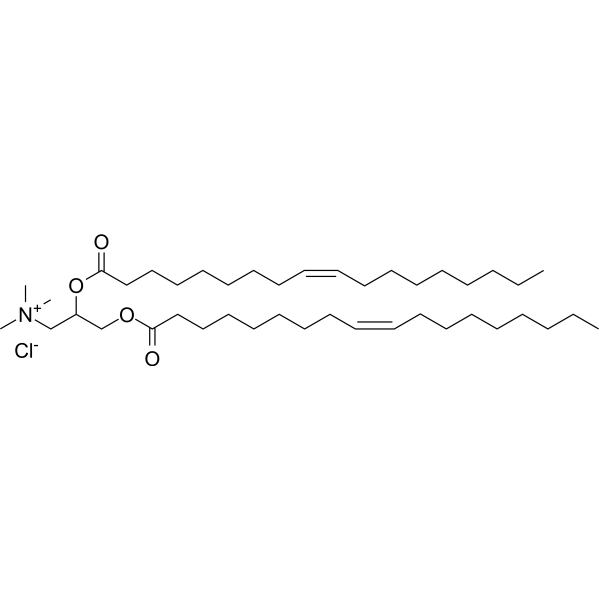
HY-112754A
DOTAP chlorideCationic Lipid -
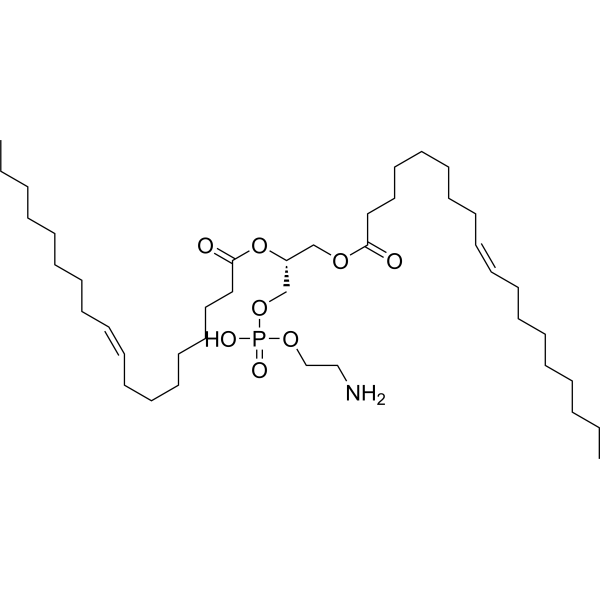
HY-112005
DOPEFerroptosis Inhibitor -
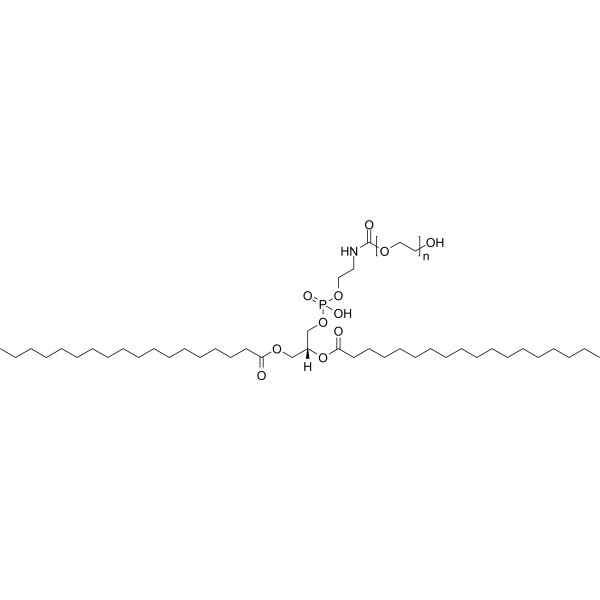
HY-142979
DSPE-PEG 2000PEG Lipid -
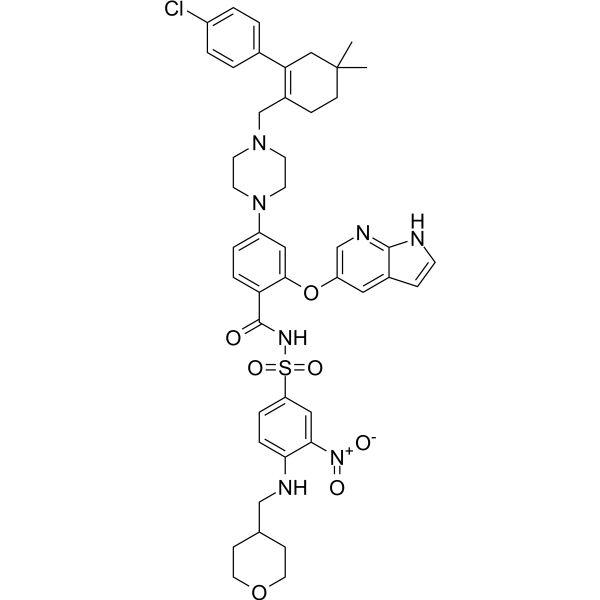
HY-15531
VenetoclaxBCL-2 Inhibitor
MedChemExpress(MCE)の使用を引用している文献 ALC-0315
More- Science. 2026 Mar 5;391(6789):edau9394. [Abstract]
- Mol Cancer. 2025 Jan 13;24(1):12. [Abstract]
- Nat Nanotechnol. 2026 Jan 14. [Abstract]
- Adv Mater. 2025 Nov 16:e12235. [Abstract]
- Nat Biomed Eng. 2026 Jul 7.
- Cell Host Microbe. 2025 Dec 30:S1931-3128(25)00521-9. [Abstract]
- Nat Commun. 2025 Dec 6;17(1):278. [Abstract]
- ACS Nano. 2024 Jul 2;18(26):16589-16609. [Abstract]
- ACS Nano. 2024 Apr 2;18(13):9746-9764. [Abstract]
- ACS Nano. 2023 Sep 12;17(17):17554-17567. [Abstract]
- J Nanobiotechnology. 2025 Sep 2;23(1):602. [Abstract]
- Adv Sci (Weinh). 2024 Sep;11(35):e2404590. [Abstract]
- J Control Release. 2026 Feb 8:392:114709. [Abstract]
- J Control Release. 2025 Aug 10:384:113848. [Abstract]
- J Control Release. 2025 Jul 10:383:113811. [Abstract]
- J Control Release. 2025 Jun 10:382:113687. [Abstract]
- Adv Healthc Mater. 2025 Sep;14(23):e2501788. [Abstract]
- J Colloid Interface Sci. 2024 Jun 23:674:139-144. [Abstract]
- Small Methods. 2025 Jun;9(6):e2401712. [Abstract]
- EMBO Mol Med. 2024 Aug;16(8):1755-1790. [Abstract]
- ACS Appl Mater Interfaces. 2024 Sep 4;16(35):46044-46052. [Abstract]
- NPJ Vaccines. 2025 Aug 14;10(1):193. [Abstract]
- NPJ Vaccines. 2024 Aug 3;9(1):138. [Abstract]
- Pharmaceutics. 2026 Jan 18;18(1):121. [Abstract]
- Mol Ther Nucleic Acids. 2026 Mar 5;37(2):102886. [Abstract]
- Mol Ther Nucleic Acids. 2025 Nov 10;36(4):102768. [Abstract]
- Nanoscale Horiz. 2026 Jun 16. [Abstract]
- Biomacromolecules. 2025 Jun 9;26(6):3563-3575. [Abstract]
- ACS Appl Bio Mater. 2024 Jun 17;7(6):3746-3757. [Abstract]
- Eur J Pharm Biopharm. 2026 Jun 9:115146. [Abstract]
- Nanomedicine. 2024 Jun:58:102745. [Abstract]
- Membranes. 2025 May 16;15(5):153. [Abstract]
- J Chromatogr A. 2025 Apr 12:1746:465788. [Abstract]
- Vet Q. 2026 Dec;46(1):2603307. [Abstract]
- J Gen Virol. 2026 Apr;107(4). [Abstract]
- Vaccines. 2024 Jul 9;12(7):757. [Abstract]
- Immunol Cell Biol. 2026 Mar 12. [Abstract]
- Electrophoresis. 2025 Sep 28. [Abstract]
- bioRxiv. 2026 Jul 10.
- SSRN. 2026 Jun 18.
- bioRxiv. 2026 May 4.
- bioRxiv. 2025 Jun 17.
- bioRxiv. 2025 January 21.
- Research Square Preprint. 2023 Sep 12.
- Research Square Preprint. 2023 Aug 3.
- bioRxiv. 2023 Jun 10.


生物活性
製品説明
体外実験
Preparation of Lipid Nanoparticles
Here we provide lipid molar ratios for LNPs in FDA-approved BNT162b2 (a COVID-19 mRNA vaccine). The molar ratio of lipids in this formulation is ALC-0315 : DSPC : Cholesterol : ALC-0159 = 46.3 : 9.4 : 42.7 : 1.6, and RNA to lipid weight ratio is 0.05 (wt/wt) [1] .
A. Lipid Mixture Preparation
1. Dissolve lipids in ethanol and prepare 10 mg/m stock solutions. The lipid stock solutions can be stored at 20°C for later use.
Note 1: The ionizable lipid is usually a liquid. Due to the viscosity, it should always be weighed rather than relying on the autopipette volume.
Note 2: Cholesterol in solution should be kept warm (>37°C) to maintain fluidity. Transfer the cholesterol solution promptly to avoid cooling.
2. Prepare the lipid mixture solution as described. For each mL of lipid mixture add the following: 560 μL of 10mg/mL ALC-0315 (HY-138170), 261 μL of 10mg/mL Cholesterol (HY-N0322), 117 μL of 10mg/mL DSPC (HY-W040193), and 62 μL of ALC-0159 (HY-138300). Mix the solutions thoroμghly to achieve a clear solution. This mixture contains 10 mg of total lipid.
Note 3: The choice of lipids and ratios may be changed as desired and this will affect the LNP properties (size, polydispersity, and efficacy) and the amount of mRNA required.
B. mRNA Preparation
1. Prepare a 166.7 μg/mL mRNA solution with 100 mM pH 5 sodium acetate buffer.
Note 4: The lipid:mRNA weight ratio influences the encapsulation efficiency. Other weight ratios may be prepared as alternative formulations and should be adjusted accordingly by user.
C. Mixing
There are three commonly used methods to achieve rapid mixing of the solutions: the pipette mixing method, the vortex mixing method, and the microfluidic mixing method. All these mixing methods can be used for various applications.
It is important to note that pipette mixing method and vortex mixing method may yield more heterogeneous LNPs with lower encapsulation efficiencies and is prone to variability. Microfluidic devices enable rapid mixing in a highly controllable, reproducible manner that achieves homogeneous LNPs and high encapsulation efficiency. Within these devices, the ethanolic lipid mixture and aqueous solution are rapidly combined in individual streams. LNPs are formed as the two streams mix and are then collected into a single collection tube.
1. Pipette Mixing Method:
1.1. Pipette 3 mL of the mRNA solution and quickly add it into 1 mL of the lipid mixture solution (A 1:3 ratio of ethanolic lipid mixture to aqueous buffer is generally used.) Pipette up and down rapidly for 20-30 seconds.
1.2. Incubate the resulting solution at room temperature for up to 15 minutes.
1.3. After mixing, the LNPs were dialyzed against PBS (pH 7.4) for 2 h, sterile filtered using 0.2 μm filters, and stored at 4°C.
2. Vortex Mixing Method:
1.1. Vortex 3 mL of mRNA solution at a moderate speed on the vortex mixer. Then, Quickly add 1 mL of the lipid mixture solution into the vortexing solution (A 1:3 ratio of ethanolic lipid mixture to aqueous buffer is generally used.). Continue vortexing the resulting dispersion for another 20-30 seconds.
1.2. Incubate the resulting solution at room temperature for up to 15 minutes.
1.3. After mixing, the LNPs were dialyzed against PBS (pH 7.4) for 2 h, sterile filtered using 0.2 μm filters, and stored at 4°C.
3. Microfluidic Mixing Method:
1.1 The 3 mL of mRNA buffer solution and 1 mL of the lipid mixture solution were mixed at a total flow rate of 12 mL/min in a microfluidic device (A 1:3 ratio of ethanolic lipid mixture to aqueous buffer is generally used.).
Note 5: Parameters such as the flow rate ratio and total flow rate can be altered to fine-tune LNPs.
1.2. After mixing, the LNPs were dialyzed against PBS (pH 7.4) for 2 h, sterile filtered using 0.2 μm filters, and stored at 4°C.
Reference
1. Curr Issues Mol Biol. 2022 Oct 19;44(10):5013-5027.
2. Curr Protoc. 2023;3(9):e898.
MedChemExpress (MCE) has not independently confirmed the accuracy of these methods. They are for reference only. Further protocols information, click here.


化学情報
-
CAS 番号 2036272-55-4
-
性状 Liquid (Density: 0.919±0.06 g/cm3)
-
分子量 766.27
-
分子式 C48H95NO5
-
Color Colorless to light yellow
-
SMILES
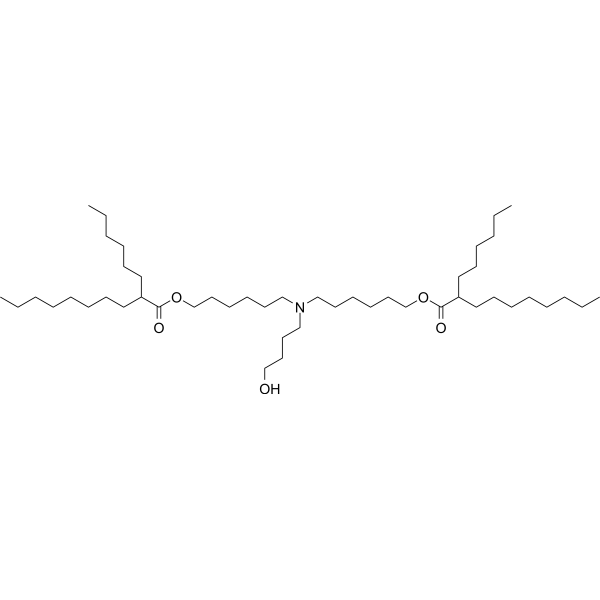
OCCCCN(CCCCCCOC(C(CCCCCC)CCCCCCCC)=O)CCCCCCOC(C(CCCCCC)CCCCCCCC)=O
-
輸送条件
Room temperature in continental US; may vary elsewhere.
-
保管条件
4°C, protect from light
* In solvent : -80°C, 6 months; -20°C, 1 month (protect from light)


Publications (46)
-
Journal Impact Factor
-
Most Recent
-
Science
Single intramuscular injection of self-amplifying RNA of Nppa to treat myocardial infarction. [Abstract]2026 Mar 5;391(6789):edau9394. PMID: 41785353 -
Mol Cancer
2025 Jan 13;24(1):12. PMID: 39806486 -
Nat Nanotechnol
A disease-severity-responsive nanoparticle enables potent ghrelin messenger RNA therapy in osteoarthritis. [Abstract]2026 Jan 14. PMID: 41535382 -
Adv Mater
Resolving the mRNA Encapsulation-Release Trade-off via Compensatory Forces in Engineered Ionizable Lipids. [Abstract]2025 Nov 16:e12235. PMID: 41243603 -
-
Cell Host Microbe
2025 Dec 30:S1931-3128(25)00521-9. PMID: 41475336 -
Nat Commun
Impact of pre-existing anti-replicase immunity on the efficacy of self-amplifying mRNA vaccines. [Abstract]2025 Dec 6;17(1):278. PMID: 41353442 -
ACS Nano
Lipid Nanoparticle with 1,2-Di-O-octadecenyl-3-trimethylammonium-propane as a Component Lipid Confers Potent Responses of Th1 Cells and Antibody against Vaccine Antigen. [Abstract]2024 Jul 2;18(26):16589-16609. PMID: 38885198 -
ACS Nano
Mesoscopic Structure of Lipid Nanoparticle Formulations for mRNA Drug Delivery: Comirnaty and Drug-Free Dispersions. [Abstract]2024 Apr 2;18(13):9746-9764. PMID: 38514237 -
ACS Nano
Enhanced Local Delivery of Engineered IL-2 mRNA by Porous Silica Nanoparticles to Promote Effective Antitumor Immunity. [Abstract]2023 Sep 12;17(17):17554-17567. PMID: 37643221 -
J Nanobiotechnology
Spleen-targeted NeoPol-mL242 mRNA vaccine induces robust T-cell responses in a hepatocellular carcinoma model. [Abstract]2025 Sep 2;23(1):602. PMID: 40898321 -
Adv Sci (Weinh)
A Single-Dose mRNA Vaccine Employing Porous Silica Nanoparticles Induces Robust Immune Responses Against the Zika Virus. [Abstract]2024 Sep;11(35):e2404590. PMID: 39010673 -
J Control Release
Lipid nanoparticles containing zwitterionic lipids versatilely enhance the efficiency of mRNA delivery. [Abstract]2026 Feb 8:392:114709. PMID: 41666942 -
J Control Release
Direct structural investigation of pH responsiveness in mRNA lipid nanoparticles: Refining paradigms. [Abstract]2025 Aug 10:384:113848. PMID: 40404049 -
J Control Release
Delivery of Itgb1-siRNA by triptolide-modified and anti-Flt1 peptide-guided ionizable cationic LNPs for targeted therapy of corneal neovascularization. [Abstract]2025 Jul 10:383:113811. PMID: 40324532 -
J Control Release
Splenic B cell-targeting lipid nanoparticles for safe and effective mRNA vaccine delivery. [Abstract]2025 Jun 10:382:113687. PMID: 40187650 -
Adv Healthc Mater
Admixing of mRNA with Pre-Formed Lipid Nanoparticles Containing a Slightly-Cationic Ionizable Lipid Allows for Efficient mRNA Transfection In Vitro and In Vivo. [Abstract]2025 Sep;14(23):e2501788. PMID: 40557541 -
J Colloid Interface Sci
2024 Jun 23:674:139-144. PMID: 38925059 -
Small Methods
Cholesterol-Derived Mannosylated Polypeptide-Formed Lipid Nanoparticles for Efficient in Vivo mRNA Delivery. [Abstract]2025 Jun;9(6):e2401712. PMID: 40256901 -
EMBO Mol Med
LILRB1-HLA-G axis defines a checkpoint driving natural killer cell exhaustion in tuberculosis. [Abstract]2024 Aug;16(8):1755-1790. PMID: 39030302 -
ACS Appl Mater Interfaces
Size-Controllable and Monodispersed Lipid Nanoparticle Production with High mRNA Delivery Efficiency Using 3D-Printed Ring Micromixers. [Abstract]2024 Sep 4;16(35):46044-46052. PMID: 39103250 -
NPJ Vaccines
A self-amplifying mRNA vaccine expressing PRV gD induces robust immunity against virulent mutants. [Abstract]2025 Aug 14;10(1):193. PMID: 40813770 -
NPJ Vaccines
Immunogenicity and biodistribution of lipid nanoparticle formulated self-amplifying mRNA vaccines against H5 avian influenza. [Abstract]2024 Aug 3;9(1):138. PMID: 39097672 -
Pharmaceutics
Freeze-Drying in Sucrose Followed by Cryomilling Enables the Formulation of sa-mRNA-LNP Powders for Inhalation. [Abstract]2026 Jan 18;18(1):121. PMID: 41599228 -
Mol Ther Nucleic Acids
A transferable SARS-CoV-2 IRES module enables dual translation initiation for enhanced antigen expression in COVID-19 mRNA vaccines. [Abstract]2026 Mar 5;37(2):102886. PMID: 41883582 -
Mol Ther Nucleic Acids
A novel bispecific siRNA concept: Efficient dual knockdown of YAP1 and WWTR1 with a single guide strand. [Abstract]2025 Nov 10;36(4):102768. PMID: 41341748 -
Nanoscale Horiz
2026 Jun 16. PMID: 42301134 -
Biomacromolecules
Replacing PEG-Lipid with Amphiphilic Polycarbonates in mRNA-Loaded Lipid Nanoparticles: Impact of Polycarbonate Structure on Physicochemical and Transfection Properties. [Abstract]2025 Jun 9;26(6):3563-3575. PMID: 40347133 -
ACS Appl Bio Mater
Optimizing Transfection Efficiency in CAR-T Cell Manufacturing through Multiple Administrations of Lipid-Based Nanoparticles. [Abstract]2024 Jun 17;7(6):3746-3757. PMID: 38775109 -
Eur J Pharm Biopharm
Interactions between mRNA lipid nanoparticles and immune cells in fresh human whole blood. [Abstract]2026 Jun 9:115146. PMID: 42264006 -
Nanomedicine
Quantitative analysis of mRNA-lipid nanoparticle stability in human plasma and serum by size-exclusion chromatography coupled with dual-angle light scattering. [Abstract]2024 Jun:58:102745. PMID: 38499167 -
Membranes
Mesoscopic Structure of Lipid Nanoparticles Studied by Small-Angle X-Ray Scattering: A Spherical Core-Triple Shell Model Analysis. [Abstract]2025 May 16;15(5):153. PMID: 40422763 -
J Chromatogr A
A platform method for simultaneous quantification of lipid and nucleic acid components in lipid nanoparticles. [Abstract]2025 Apr 12:1746:465788. PMID: 39987694 -
Vet Q
Influence of the administration route and dose on the expression and antibody responses of a reporter and avian influenza self-amplifying mRNA vaccine in poultry. [Abstract]2026 Dec;46(1):2603307. PMID: 41496565 -
J Gen Virol
Broadly neutralizing monoclonal antibodies derived from mRNA LNP immunization exhibit potent neutralizing ability against JN.1, KP.3.1.1 and XEC new Omicron variants. [Abstract]2026 Apr;107(4). PMID: 42030071 -
Vaccines
Immunogenic Comparison of Nucleic Acid-Based Vaccines Administered by Pyro-Drive Jet Injector. [Abstract]2024 Jul 9;12(7):757. PMID: 39066395 -
Immunol Cell Biol
2026 Mar 12. PMID: 41819108 -
Electrophoresis
2025 Sep 28. PMID: 41015920 -
-
-
-
-
-
-
-


溶剤 & 溶解度
体外:
Ethanol : 100 mg/mL (130.50 mM; Need ultrasonic)
DMSO : 50 mg/mL (65.25 mM; Need ultrasonic; Hygroscopic DMSO has a significant impact on the solubility of product, please use newly opened DMSO)
Please refer to the solubility information to select the appropriate solvent. Once prepared, please aliquot and store the solution to prevent product inactivation from repeated freeze-thaw cycles.
Storage method and period of stock solution: -80°C, 6 months; -20°C, 1 month (protect from light). When stored at -80°C, please use it within 6 months. When stored at -20°C, please use it within 1 month.
Please refer to the solubility information to select the appropriate solvent. Once prepared, please aliquot and store the solution to prevent product inactivation from repeated freeze-thaw cycles.
Storage method and period of stock solution: -80°C, 6 months; -20°C, 1 month (protect from light). When stored at -80°C, please use it within 6 months. When stored at -20°C, please use it within 1 month.
濃度 (開始) × 体積 (開始) = 濃度 (終了) × 体積 (終了)
体内:
Select the appropriate dissolution method based on your experimental animal and administration route.
- For the following dissolution methods, please ensure to first prepare a clear stock solution using an In Vitro approach and then sequentially add co-solvents:
- To ensure reliable experimental results, the clarified stock solution can be appropriately stored based on storage conditions. As for the working solution for In Vivo experiments, it is recommended to prepare freshly and use it on the same day.
- The percentages shown for the solvents indicate their volumetric ratio in the final prepared solution. If precipitation or phase separation occurs during preparation, heat and/or sonication can be used to aid dissolution.
Add each solvent one by one: 10% DMSO 40% PEG300 5% Tween-80 45% Saline
Solubility: ≥ 2.5 mg/mL (3.26 mM); Clear solution
This protocol yields a clear solution of ≥ 2.5 mg/mL (saturation unknown).
Taking 1 mL working solution as an example, add 100 μL DMSO stock solution (25.0 mg/mL) to 400 μL PEG300, and mix evenly; then add 50 μL Tween-80 and mix evenly; then add 450 μL Saline to adjust the volume to 1 mL.
Preparation of Saline: Dissolve 0.9 g sodium chloride in ddH₂O and dilute to 100 mL to obtain a clear Saline solution.
Add each solvent one by one: 10% DMSO 90% (20% SBE-β-CD in Saline)
Solubility: 2.5 mg/mL (3.26 mM); Suspended solution; Need ultrasonic
This protocol yields a suspended solution of 2.5 mg/mL. Suspended solution can be used for oral and intraperitoneal injection.
Taking 1 mL working solution as an example, add 100 μL DMSO stock solution (25.0 mg/mL) to 900 μL 20% SBE-β-CD in Saline, and mix evenly.
Preparation of 20% SBE-β-CD in Saline (4°C, storage for one week): 2 g SBE-β-CD powder is dissolved in 10 mL Saline, completely dissolve until clear.
In Vivo Dissolution Calculator
Please enter the basic information of animal experiments:
-
-
-
-
Recommended: Prepare an additional quantity of animals to account for potential losses during experiments.
Please enter your animal formula composition:
-
%DMSO +
Recommended: Keep the proportion of DMSO in working solution below 2% if your animal is weak.
-
%+
-
+%Tween-80 + +
-
%Saline +
The co-solvents required include: DMSO, . All of co-solvents are available by MedChemExpress (MCE). , Tween 80. All of co-solvents are available by MedChemExpress (MCE).
Working solution concentration: 0.22 mg/mL
Method for preparing stock solution: mg drug dissolved in μL DMSO. Stock solution concentration: mg/mL. * In solvent : -80°C, 6 months; -20°C, 1 month (protect from light)
1. Take μL DMSO stock solution;
2. Add μL .
μL , mix evenly;
3. Then add μL Tween 80, mix evenly;
4. Then add μL
Please ensure that the stock solution in the first step is dissolved to a clear state, and add co-solvents in sequence. You can use ultrasonic heating (ultrasonic cleaner, recommended frequency 20-40 kHz), vortexing, etc. to assist dissolution.

プロトコル
-
RNA extraction experimental
By lysing cells, releasing RNA, and removing impurities such as proteins and DNA, high-purity RNA products are finally obtained. The commonly used traditional method is the guanidine isothiocyanate/phenol/chloroform method (Trizol), which is suitable for a variety of animal materials including animal tissues, microorganisms, cultured cells, etc., and most plant materials.


純度とドキュメンテーション
-
データシート (277 KB)
-
SDS (393 KB)
- English - EN (393 KB)
- Français - FR (393 KB)
- Deutsch - DE (393 KB)
- Norwegian - NO (393 KB)
- Español - ES (393 KB)
- Swedish - SV (393 KB)
- Italian - IT (393 KB)
- Korean - KR (393 KB)
- Portuguese - PT (393 KB)
-
取扱説明書 (2659 KB)
参考文献
[1]. Moghimi SM. Allergic Reactions and Anaphylaxis to LNP-Based COVID-19 Vaccines. Mol Ther. 2021;29(3):898-900. [Content Brief]
[2]. Ferraresso F, Strilchuk AW, Juang LJ, Poole LG, Luyendyk JP, Kastrup CJ. Comparison of DLin-MC3-DMA and ALC-0315 for siRNA Delivery to Hepatocytes and Hepatic Stellate Cells. Mol Pharm. 2022;19(7):2175-2182. [Content Brief]


Complete Stock Solution Preparation Table
Please refer to the solubility information to select the appropriate solvent. Once prepared, please aliquot and store the solution to prevent product inactivation from repeated freeze-thaw cycles.
Storage method and period of stock solution: -80°C, 6 months; -20°C, 1 month (protect from light). When stored at -80°C, please use it within 6 months. When stored at -20°C, please use it within 1 month.
| Optional Solvent | Concentration Solvent Mass | 1 mg | 5 mg | 10 mg | 25 mg |
|---|---|---|---|---|---|
| DMSO / Ethanol | 1 mM | 1.3050 mL | 6.5251 mL | 13.0502 mL | 32.6256 mL |
| 5 mM | 0.2610 mL | 1.3050 mL | 2.6100 mL | 6.5251 mL | |
| 10 mM | 0.1305 mL | 0.6525 mL | 1.3050 mL | 3.2626 mL | |
| 15 mM | 0.0870 mL | 0.4350 mL | 0.8700 mL | 2.1750 mL | |
| 20 mM | 0.0653 mL | 0.3263 mL | 0.6525 mL | 1.6313 mL | |
| 25 mM | 0.0522 mL | 0.2610 mL | 0.5220 mL | 1.3050 mL | |
| 30 mM | 0.0435 mL | 0.2175 mL | 0.4350 mL | 1.0875 mL | |
| 40 mM | 0.0326 mL | 0.1631 mL | 0.3263 mL | 0.8156 mL | |
| 50 mM | 0.0261 mL | 0.1305 mL | 0.2610 mL | 0.6525 mL | |
| 60 mM | 0.0218 mL | 0.1088 mL | 0.2175 mL | 0.5438 mL | |
| Ethanol | 80 mM | 0.0163 mL | 0.0816 mL | 0.1631 mL | 0.4078 mL |
| 100 mM | 0.0131 mL | 0.0653 mL | 0.1305 mL | 0.3263 mL |


ALC-0315 関連分類
HY-138170 関連分類
 Powered by Bioz