



TPPU
Based on 15 publication(s) in Google Scholar
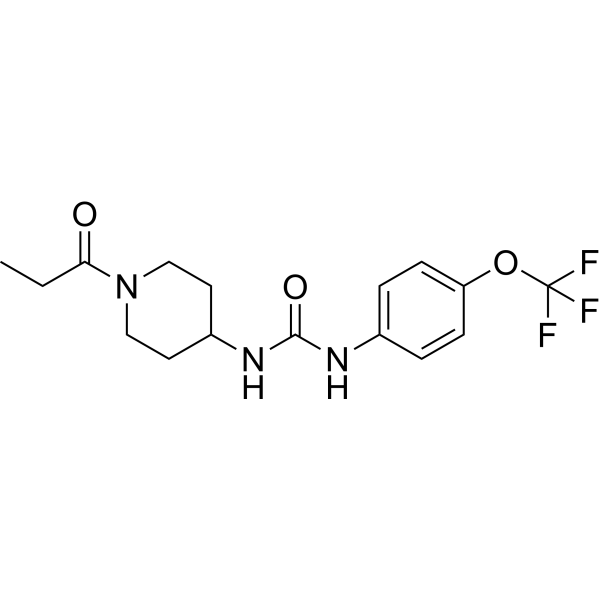
TPPU is a soluble epoxide hydrolase (sEH) inhibitor with IC50 values of 37 and 3.7 nM for monkey and human sEH, respectively.
For research use only. We do not sell to patients.
- Purity : 99.12%
- CAS No.: 1222780-33-7
- Formula: C16H20F3N3O3
- Molecular Weight:359.34
-
Storage:Powder -20°C, 3 years , 4°C, 2 years ; In solvent -80°C, 6 months , -20°C, 1 month

To place orders, for customer services and technical support, please contact: MedChemExpress USA
Tel: 609-228-6898 E-mail: [email protected] [email protected]


-
 Biological Activity
-
Chemical Information
-
Solvent & Solubility
- Purity & Documentation
- References
-
 Help & FAQs


-
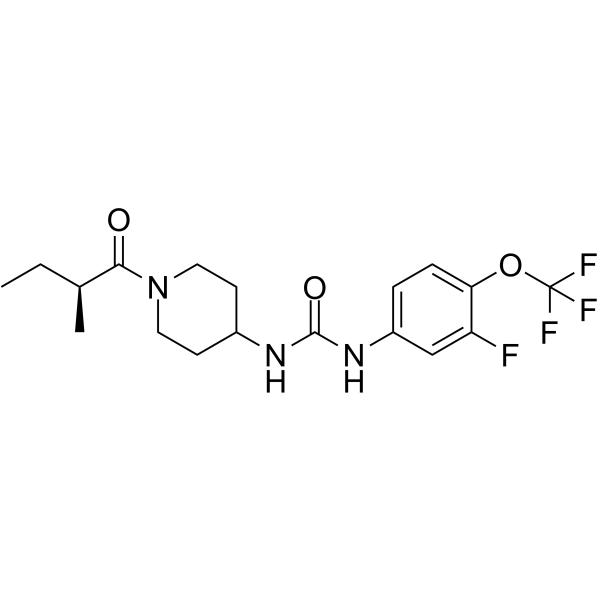
HY-135653
EC5026sEH Inhibitor -
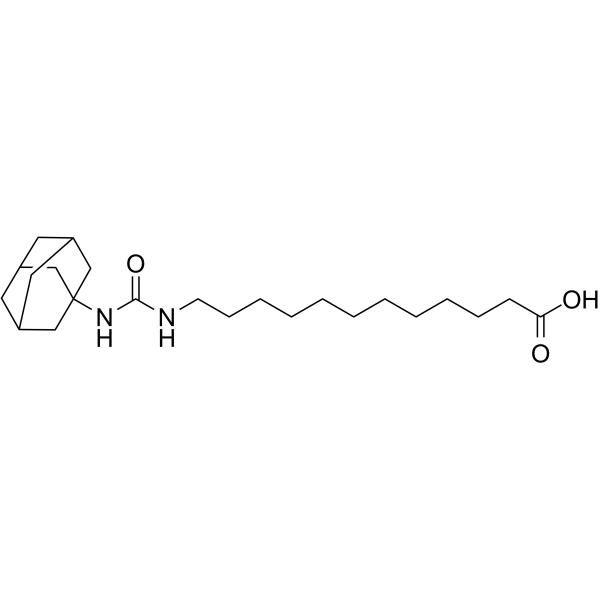
HY-108570
AUDAsEH Inhibitor -
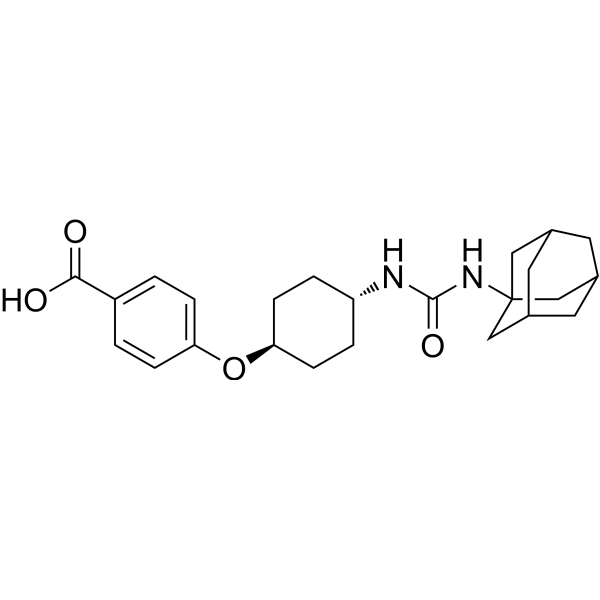
HY-113974
trans-AUCBsEH Inhibitor -
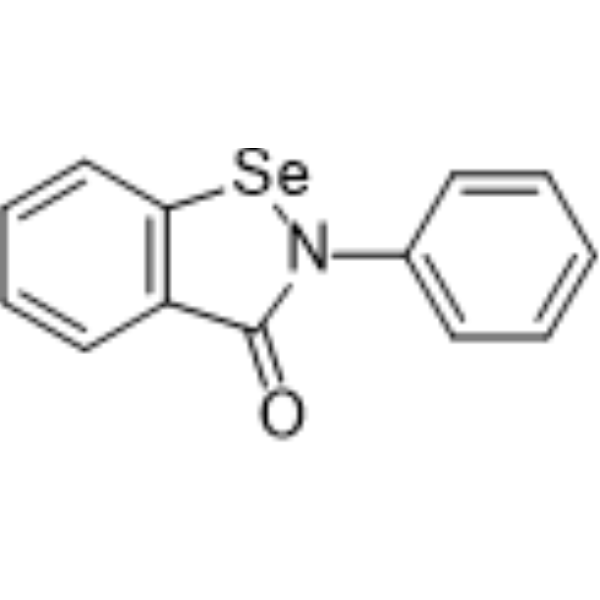
HY-13750
EbselenVDCC Inhibitor -
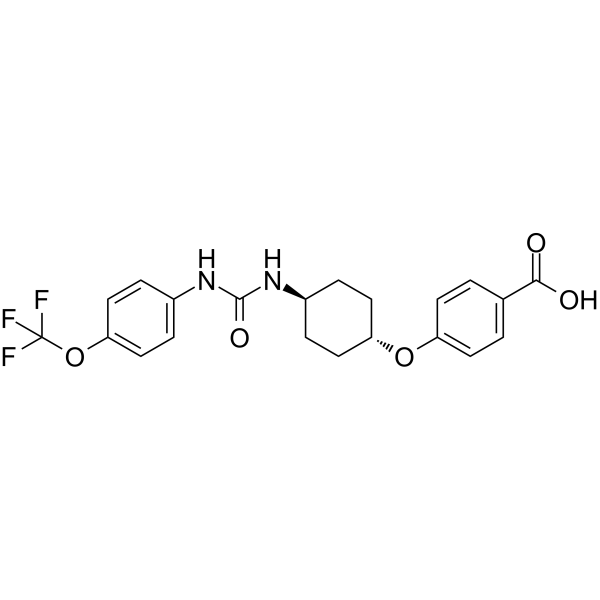
HY-114266
UC-1728Epoxide Hydrolase Inhibitor -
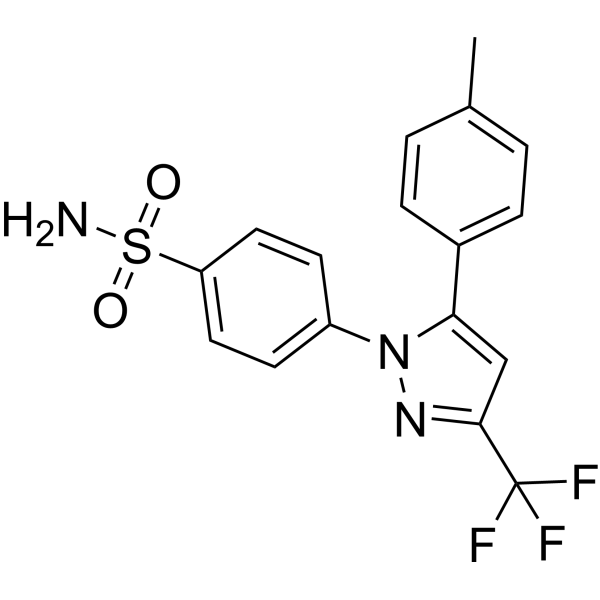
HY-14398
CelecoxibCOX-2inhibitor -
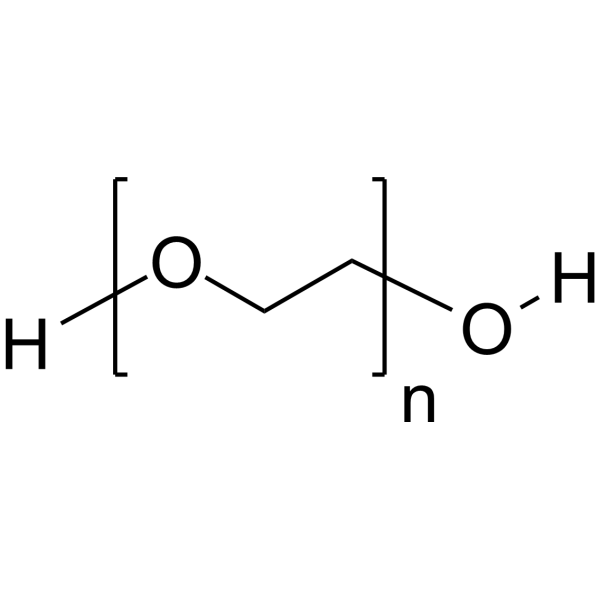
HY-Y0873A
PEG400 -
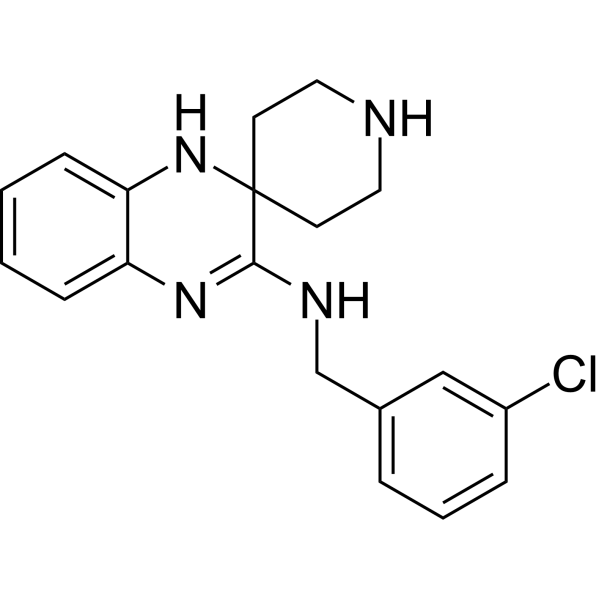
HY-12726
Liproxstatin-1Ferroptosis Inhibitor -
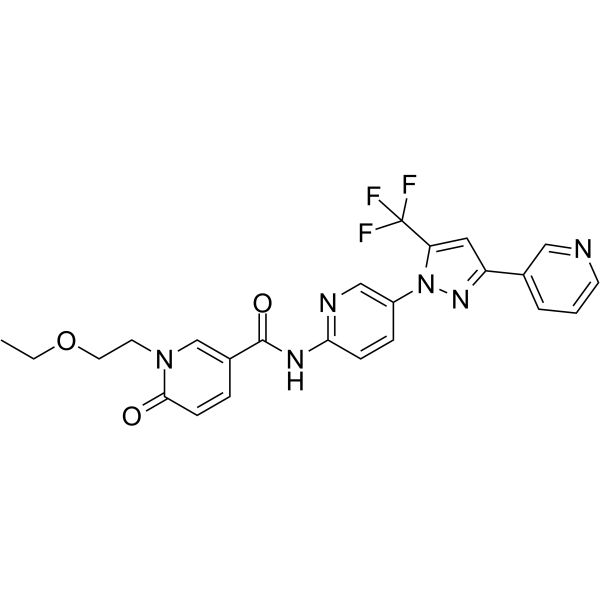
HY-124063
BI-1935sEH Inhibitor -

HY-101294R
TPPU (Standard)sEH Inhibitor -
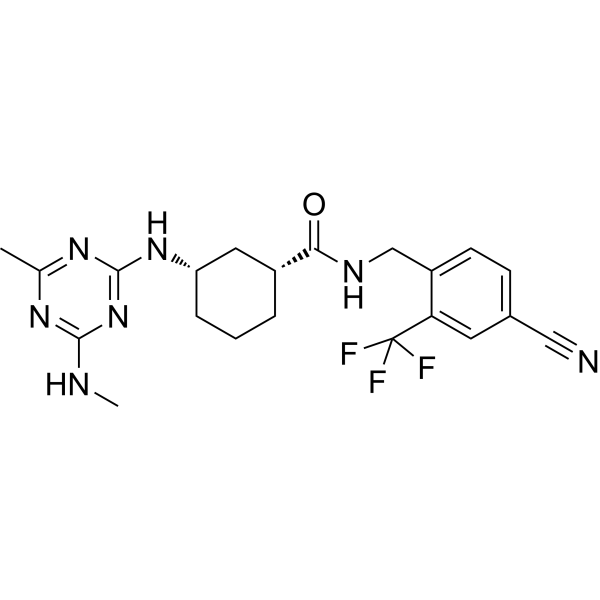
HY-19644
GSK2256294AsEH Inhibitor -
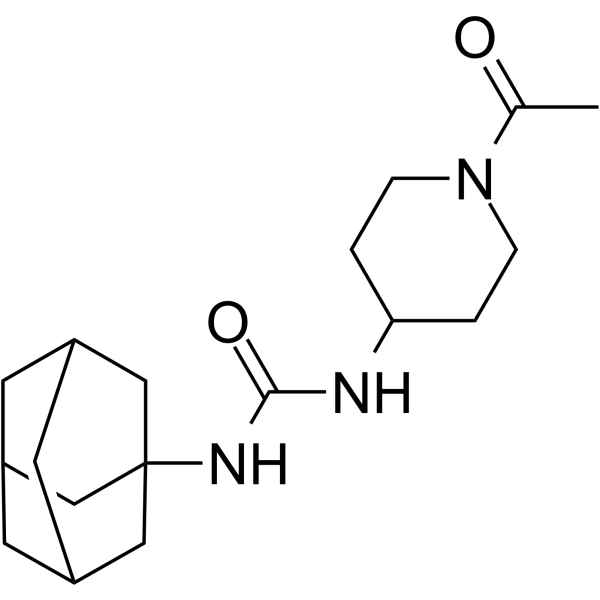
HY-111151
AR-9281s-EH Inhibitor
Publications Citing Use of MedChemExpress (MCE) TPPU
More- Adv Sci (Weinh). 2025 Aug 19:e05656. [Abstract]
- Hypertension. 2021 Nov;78(5):1527-1540. [Abstract]
- J Transl Med. 2025 Aug 28;23(1):969. [Abstract]
- J Transl Med. 2024 Jan 16;22(1):61. [Abstract]
- Stem Cell Res Ther. 2024 Nov 25;15(1):451. [Abstract]
- Eur J Pharmacol. 2024 Nov 15:983:176824. [Abstract]
- Int Immunopharmacol. 2025 Sep 23:162:115066. [Abstract]
- Biochim Biophys Acta Mol Basis Dis. 2023 Jan 18;1869(4):166643. [Abstract]
- Biomedicines. 2021 Jul 16;9(7):828. [Abstract]
- J Leukoc Biol. 2026 Jul 10:qiag093.
- Mol Cell Endocrinol. 2021 Mar 1:523:111149. [Abstract]
- J Chem Technol Biot. 2020 Feb.
- Mod Rheumatol. 2025 Jul 5;35(4):665-676. [Abstract]
- Arq Bras Med Vet Zoo. 2025.
- bioRxiv. 2023 Feb 7.
 Customer Validation & Images

-
WB
-
ELISA
-
Bio/Physico-chemical Assay
-
Cell Imaging/Staining
-
Bio/Physico-chemical Assay


Biological Activity
Description
IC50 & Target
IC50: 37 nM (Monkey sEH), 3.7 nM (Human sEH)[1]
Cellular Effect
|
Cell Line

|
Type | Value | Description | References |
|---|---|---|---|---|
| HepG2 | GI50 |
>25 μM
Compound: 1770, TPPU
|
Cytotoxicity against human HepG2 cells by MTT assay
Cytotoxicity against human HepG2 cells by MTT assay
|
[PMID: 23726028] |
| Huh-7 | GI50 |
>25 μM
Compound: 1770, TPPU
|
Cytotoxicity against human HuH7 cells by MTT assay
Cytotoxicity against human HuH7 cells by MTT assay
|
[PMID: 23726028] |
| HUVEC | GI50 |
>25 μM
Compound: 1770, TPPU
|
Antiproliferative activity against HUVEC after 72 hrs by MTT assay
Antiproliferative activity against HUVEC after 72 hrs by MTT assay
|
[PMID: 23726028] |
In Vitro
Soluble epoxide hydrolase inhibitors (sEHIs) possess anti-inflammatory, antiatherosclerotic, antihypertensive and analgesic properties[1]. In the Caco-2 cells permeability assay, TPPU rapidly passes the cell monolayer, suggesting it will have a good intestinal permeability[2].
MedChemExpress (MCE) has not independently confirmed the accuracy of these methods. They are for reference only.
In Vivo
MedChemExpress (MCE) has not independently confirmed the accuracy of these methods. They are for reference only.


Chemical Information
-
CAS No. 1222780-33-7
-
Appearance Solid
-
Molecular Weight 359.34
-
Formula C16H20F3N3O3
-
Color White to off-white
-
SMILES
O=C(NC1=CC=C(OC(F)(F)F)C=C1)NC2CCN(C(CC)=O)CC2
-
Shipping
Room temperature in continental US; may vary elsewhere.
-
Storage
Powder -20°C 3 years 4°C 2 years In solvent -80°C 6 months -20°C 1 month


Publications (15)
-
Journal Impact Factor
-
Most Recent
-
Adv Sci (Weinh)
EETs Reduction Contributes to Granulosa Cell Senescence and Endometriosis-Associated Infertility via the PI3K/AKT/mTOR Signaling Pathway. [Abstract]2025 Aug 19:e05656. PMID: 40827571
TPPU purchased from MedChemExpress. Usage Cited in: Adv Sci (Weinh). 2025 Aug 19:e05656. [Abstract]
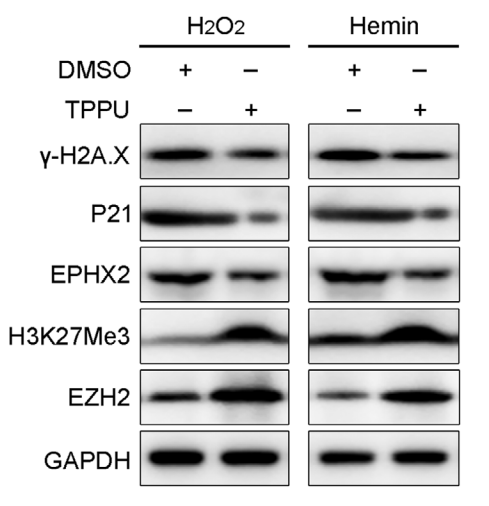
TPPU (20 μM; 24 h) increased EZH2/H3K27Me3 levels but decreased aging protein expression levels in mGCs under oxidative stress conditions.
TPPU purchased from MedChemExpress. Usage Cited in: Adv Sci (Weinh). 2025 Aug 19:e05656. [Abstract]
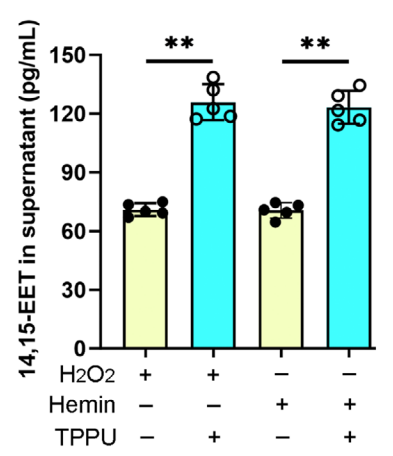
TPPU (20 μM; 24 h) increased 14,15-EET concentration in mGC culture supernatants.
TPPU purchased from MedChemExpress. Usage Cited in: Adv Sci (Weinh). 2025 Aug 19:e05656. [Abstract]
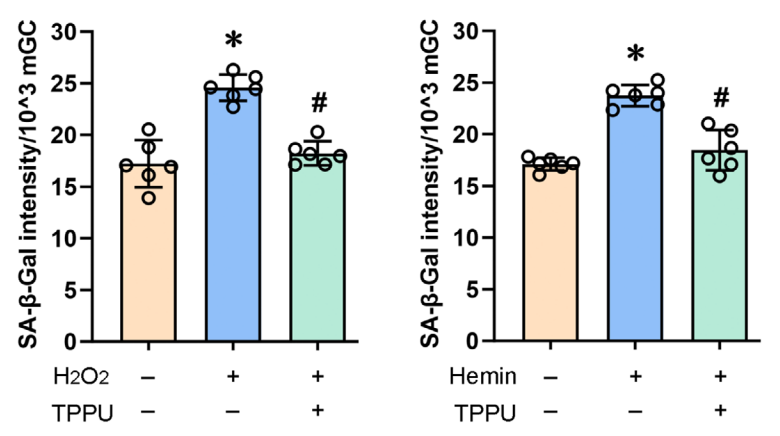
TPPU (20 μM; 24 h) pre-treatment alleviated ROS-induced cell senescence in mGCs.
TPPU purchased from MedChemExpress. Usage Cited in: Adv Sci (Weinh). 2025 Aug 19:e05656. [Abstract]
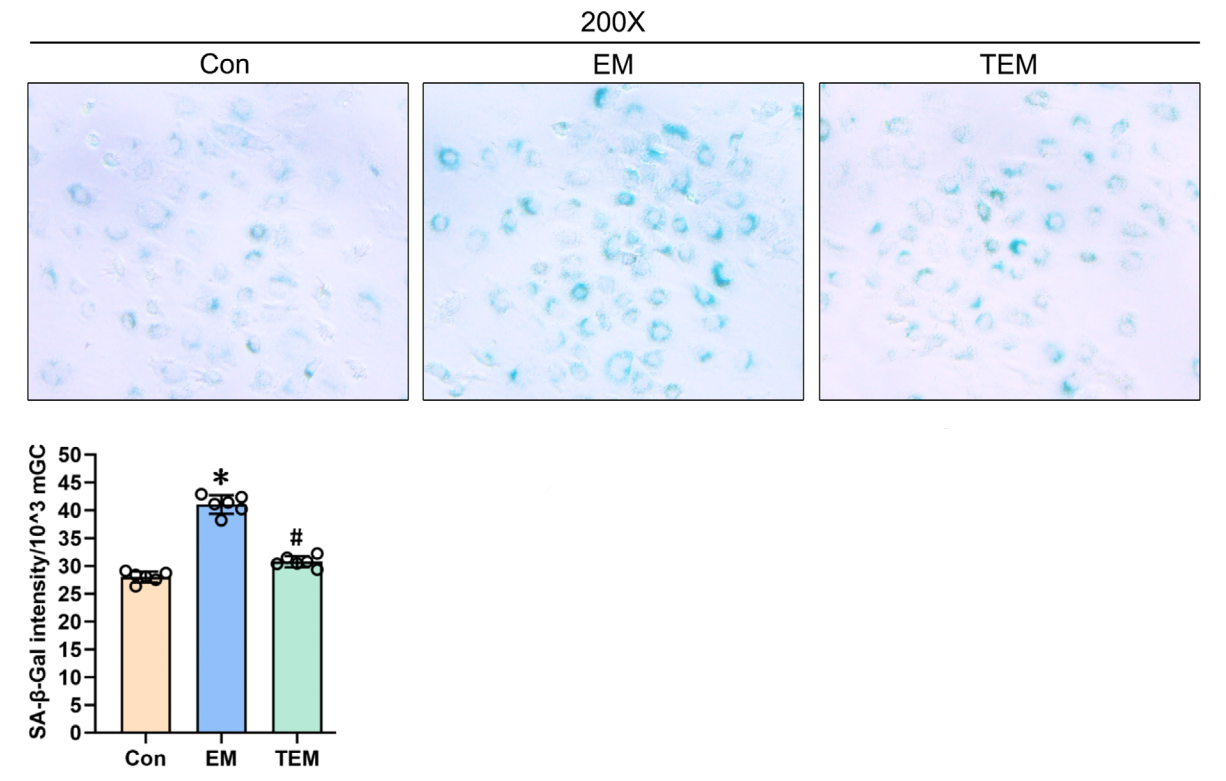
The TEM (EM mice treated with TPPU (3 mg/kg; i.g.)) group mGCs showed decreased SA-β-gal activity compared with the EM group mGCs.
TPPU purchased from MedChemExpress. Usage Cited in: Adv Sci (Weinh). 2025 Aug 19:e05656. [Abstract]
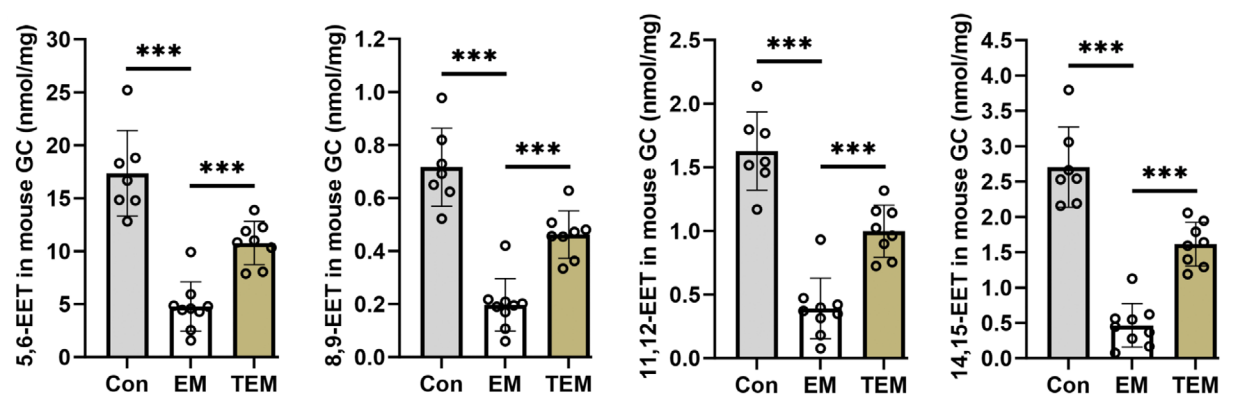
5,6-EET, 8,9-EET, 11,12-EET, and 14,15-EET levels were increased in mGCs collected from the TEM (EM mice treated with TPPU (3 mg/kg; i.g.)) group compared with those in the EM-mGCs.
-
Hypertension
Inhibition of Soluble Epoxide Hydrolase Attenuates Bosutinib-Induced Blood Pressure Elevation. [Abstract]2021 Nov;78(5):1527-1540. PMID: 34601968 -
J Transl Med
Targeted soluble epoxide hydrolase inhibits M1 macrophage polarization to improve cartilage injury in temporomandibular joint osteoarthritis. [Abstract]2025 Aug 28;23(1):969. PMID: 40877980 -
J Transl Med
Inhibition of soluble epoxide hydrolase enhances the dentin-pulp complex regeneration mediated by crosstalk between vascular endothelial cells and dental pulp stem cells. [Abstract]2024 Jan 16;22(1):61. PMID: 38229161 -
Stem Cell Res Ther
Inhibition of soluble epoxide hydrolase reverses bone loss in periodontitis by upregulating EMCN and inhibiting osteoclasts. [Abstract]2024 Nov 25;15(1):451. PMID: 39587694 -
Eur J Pharmacol
Restoration of ARA metabolic disorders in vascular smooth muscle cells alleviates intimal hyperplasia. [Abstract]2024 Nov 15:983:176824. PMID: 39265882 -
Int Immunopharmacol
Pachymic acid alleviates secondary lymphedema through the modulation of EETs level and the inhibition of lymphatic fibrosis. [Abstract]2025 Sep 23:162:115066. PMID: 40580744 -
Biochim Biophys Acta Mol Basis Dis
Soluble epoxide hydrolase and TRPC3 channels jointly contribute to homocysteine-induced cardiac hypertrophy: Interrelation and regulation by C/EBPβ. [Abstract]2023 Jan 18;1869(4):166643. PMID: 36669577 -
Biomedicines
Antibody Protection against Long-Term Memory Loss Induced by Monomeric C-Reactive Protein in a Mouse Model of Dementia. [Abstract]2021 Jul 16;9(7):828. PMID: 34356892 -
-
Mol Cell Endocrinol
Epoxyeicosatrienoic acids improve glucose homeostasis by preventing NF-κB-mediated transcription of SGLT2 in renal tubular epithelial cells. [Abstract]2021 Mar 1:523:111149. PMID: 33387601 -
-
Mod Rheumatol
Anti-arthritic effects of polyunsaturated fatty acid rich supplementation combined with selective soluble epoxide hydrolase inhibitors in a collagen-induced arthritis mouse model. [Abstract]2025 Jul 5;35(4):665-676. PMID: 40048675 -
-


Solvent & Solubility
In Vitro:
DMSO : 83.33 mg/mL (231.90 mM; Need ultrasonic; Hygroscopic DMSO has a significant impact on the solubility of product, please use newly opened DMSO)
Please refer to the solubility information to select the appropriate solvent. Once prepared, please aliquot and store the solution to prevent product inactivation from repeated freeze-thaw cycles.
Storage method and period of stock solution: -80°C, 6 months; -20°C, 1 month. When stored at -80°C, please use it within 6 months. When stored at -20°C, please use it within 1 month.
Please refer to the solubility information to select the appropriate solvent. Once prepared, please aliquot and store the solution to prevent product inactivation from repeated freeze-thaw cycles.
Storage method and period of stock solution: -80°C, 6 months; -20°C, 1 month. When stored at -80°C, please use it within 6 months. When stored at -20°C, please use it within 1 month.
Concentration (start) × Volume (start) = Concentration (final) × Volume (final)
In Vivo:
Select the appropriate dissolution method based on your experimental animal and administration route.
- For the following dissolution methods, please ensure to first prepare a clear stock solution using an In Vitro approach and then sequentially add co-solvents:
- To ensure reliable experimental results, the clarified stock solution can be appropriately stored based on storage conditions. As for the working solution for In Vivo experiments, it is recommended to prepare freshly and use it on the same day.
- The percentages shown for the solvents indicate their volumetric ratio in the final prepared solution. If precipitation or phase separation occurs during preparation, heat and/or sonication can be used to aid dissolution.
Add each solvent one by one: 10% DMSO 40% PEG300 5% Tween-80 45% Saline
Solubility: ≥ 2.08 mg/mL (5.79 mM); Clear solution
This protocol yields a clear solution of ≥ 2.08 mg/mL (saturation unknown).
Taking 1 mL working solution as an example, add 100 μL DMSO stock solution (20.8 mg/mL) to 400 μL PEG300, and mix evenly; then add 50 μL Tween-80 and mix evenly; then add 450 μL Saline to adjust the volume to 1 mL.
Preparation of Saline: Dissolve 0.9 g sodium chloride in ddH₂O and dilute to 100 mL to obtain a clear Saline solution.
Add each solvent one by one: 10% DMSO 90% (20% SBE-β-CD in Saline)
Solubility: ≥ 2.08 mg/mL (5.79 mM); Clear solution
This protocol yields a clear solution of ≥ 2.08 mg/mL (saturation unknown).
Taking 1 mL working solution as an example, add 100 μL DMSO stock solution (20.8 mg/mL) to 900 μL 20% SBE-β-CD in Saline, and mix evenly.
Preparation of 20% SBE-β-CD in Saline (4°C, storage for one week): 2 g SBE-β-CD powder is dissolved in 10 mL Saline, completely dissolve until clear.
In Vivo Dissolution Calculator
Please enter the basic information of animal experiments:
-
-
-
-
Recommended: Prepare an additional quantity of animals to account for potential losses during experiments.
Please enter your animal formula composition:
-
%DMSO +
Recommended: Keep the proportion of DMSO in working solution below 2% if your animal is weak.
-
%+
-
+%Tween-80 + +
-
%Saline +
The co-solvents required include: DMSO, . All of co-solvents are available by MedChemExpress (MCE). , Tween 80. All of co-solvents are available by MedChemExpress (MCE).
Working solution concentration: 0.22 mg/mL
Method for preparing stock solution: mg drug dissolved in μL DMSO. Stock solution concentration: mg/mL.
1. Take μL DMSO stock solution;
2. Add μL .
μL , mix evenly;
3. Then add μL Tween 80, mix evenly;
4. Then add μL
Please ensure that the stock solution in the first step is dissolved to a clear state, and add co-solvents in sequence. You can use ultrasonic heating (ultrasonic cleaner, recommended frequency 20-40 kHz), vortexing, etc. to assist dissolution.


Purity & Documentation
-
Data Sheet (276 KB)
-
SDS (419 KB)
- English - EN (419 KB)
- Français - FR (419 KB)
- Deutsch - DE (419 KB)
- Norwegian - NO (419 KB)
- Español - ES (419 KB)
- Swedish - SV (419 KB)
- Italian - IT (419 KB)
- Korean - KR (419 KB)
- Portuguese - PT (419 KB)
-
Handling Instructions (2659 KB)
References
[1]. Ulu A, et al. Pharmacokinetics and in vivo potency of soluble epoxide hydrolase inhibitors in cynomolgus monkeys. Br J Pharmacol. 2012 Mar;165(5):1401-12. [Content Brief]
[2]. Ostermann AI, et al. Oral treatment of rodents with soluble epoxide hydrolase inhibitor 1-(1-propanoylpiperidin-4-yl)-3-[4-(trifluoromethoxy)phenyl]urea (TPPU): Resulting drug levels and modulation of oxylipin pattern. Prostaglandins Other Lipid Mediat. 2015 Sep;121(Pt A):131-7. [Content Brief]


Complete Stock Solution Preparation Table
Please refer to the solubility information to select the appropriate solvent. Once prepared, please aliquot and store the solution to prevent product inactivation from repeated freeze-thaw cycles.
Storage method and period of stock solution: -80°C, 6 months; -20°C, 1 month. When stored at -80°C, please use it within 6 months. When stored at -20°C, please use it within 1 month.
| Optional Solvent | Concentration Solvent Mass | 1 mg | 5 mg | 10 mg | 25 mg |
|---|---|---|---|---|---|
| DMSO | 1 mM | 2.7829 mL | 13.9144 mL | 27.8288 mL | 69.5720 mL |
| 5 mM | 0.5566 mL | 2.7829 mL | 5.5658 mL | 13.9144 mL | |
| 10 mM | 0.2783 mL | 1.3914 mL | 2.7829 mL | 6.9572 mL | |
| 15 mM | 0.1855 mL | 0.9276 mL | 1.8553 mL | 4.6381 mL | |
| 20 mM | 0.1391 mL | 0.6957 mL | 1.3914 mL | 3.4786 mL | |
| 25 mM | 0.1113 mL | 0.5566 mL | 1.1132 mL | 2.7829 mL | |
| 30 mM | 0.0928 mL | 0.4638 mL | 0.9276 mL | 2.3191 mL | |
| 40 mM | 0.0696 mL | 0.3479 mL | 0.6957 mL | 1.7393 mL | |
| 50 mM | 0.0557 mL | 0.2783 mL | 0.5566 mL | 1.3914 mL | |
| 60 mM | 0.0464 mL | 0.2319 mL | 0.4638 mL | 1.1595 mL | |
| 80 mM | 0.0348 mL | 0.1739 mL | 0.3479 mL | 0.8696 mL | |
| 100 mM | 0.0278 mL | 0.1391 mL | 0.2783 mL | 0.6957 mL |


TPPU Related Classifications
HY-101294 Related Classifications
 Powered by Bioz