



Noladin ether
Based on 1 publication(s) in Google Scholar
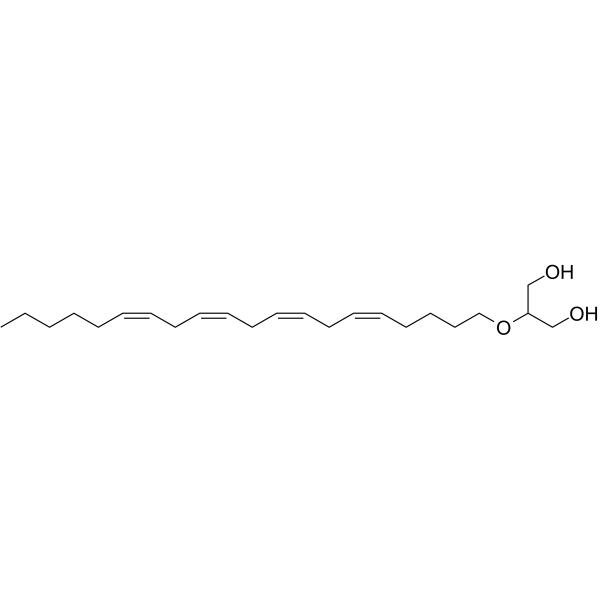
Noladin ether is a potent and selective agonist of cannabinoid CB1 receptor, with a Ki of 21.2 nM. Noladin ether can cause hypothermia, intestinal immobility, and mild antinociception.
For research use only. We do not sell to patients.
- CAS No.: 222723-55-9
- Formula: C23H40O3
- Molecular Weight:364.56
-
Storage:
4°C, stored under nitrogen
* In solvent : -80°C, 6 months; -20°C, 1 month (stored under nitrogen)

To place orders, for customer services and technical support, please contact: MedChemExpress USA
Tel: 609-228-6898 E-mail: [email protected] [email protected]


-
 Biological Activity
-
Chemical Information
- Protocols
- Purity & Documentation
- References
-
 Help & FAQs


-

HY-113421
Linoleoyl ethanolamideFatty Acid Ethanolamide -
HY-100488
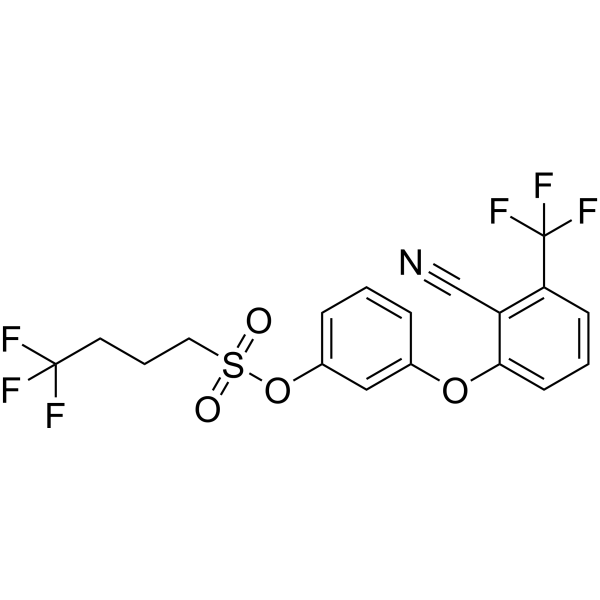
Bay 59-3074CB1/CB2 Receptor Agonist -

HY-103332S
N-Arachidonylglycine-d8Stable Isotope -
HY-107542S
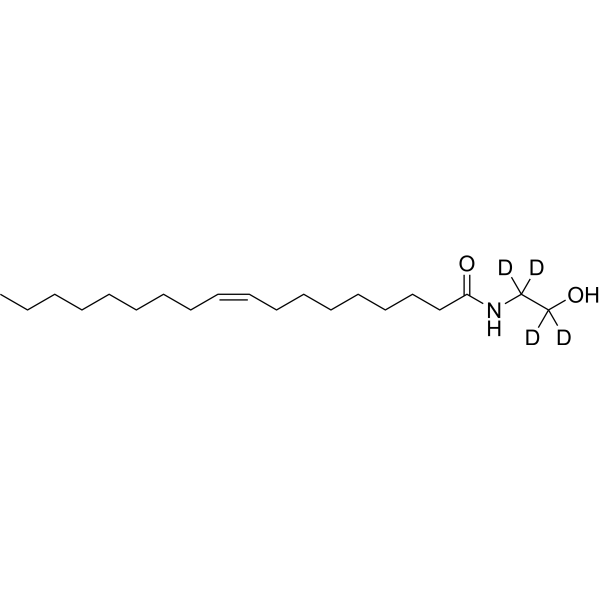
Oleoylethanolamide-d4Stable Isotope -
HY-110018S
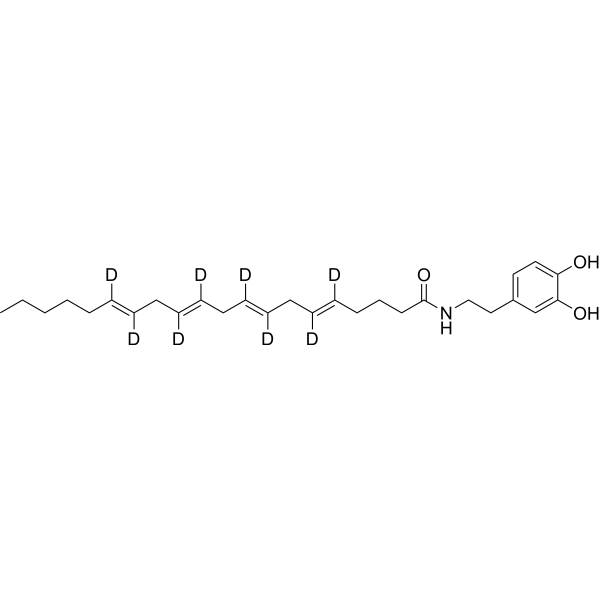
N-Arachidonyldopamine-d8Stable Isotope -

HY-124089S
Eicosapentaenoyl ethanolamide-d4Stable Isotope -

HY-113015S
Stearoylethanolamide-d3Stable Isotope -

HY-120957
AMC Arachidonoyl AmideFAAH Substrate -

HY-120892
Fluprostenol serinol amide -
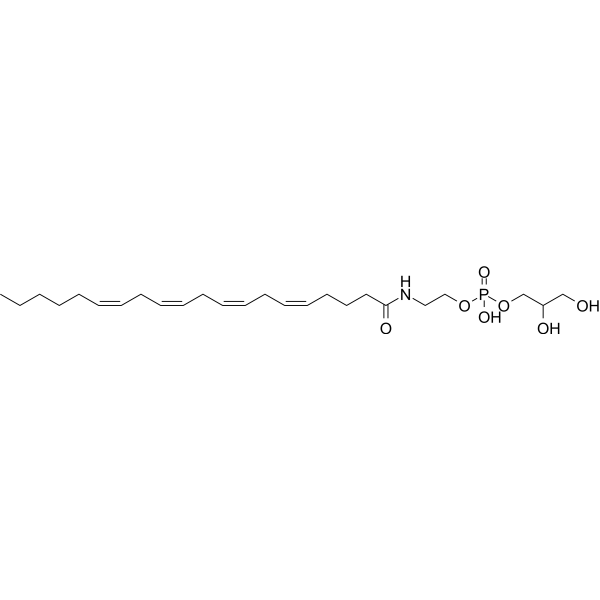
HY-W127407
Glycerophospho-N-arachidonoyl ethanolamineBiochemical Assay Reagent -
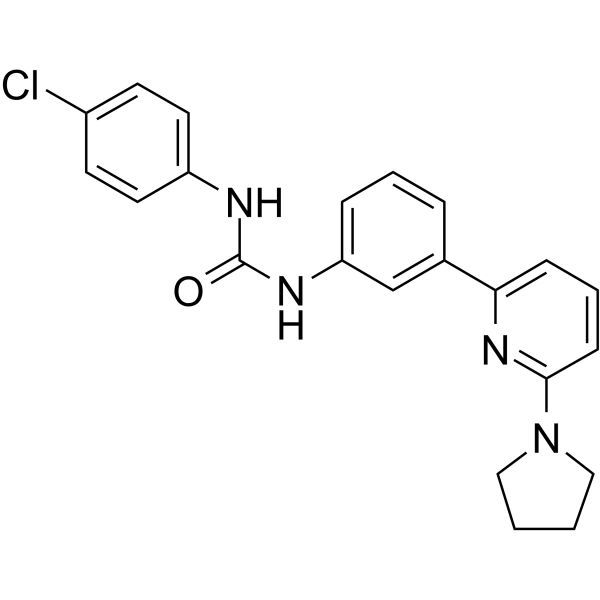
HY-110179
PSNCBAM-1Cannabinoid Receptor Antagonist -
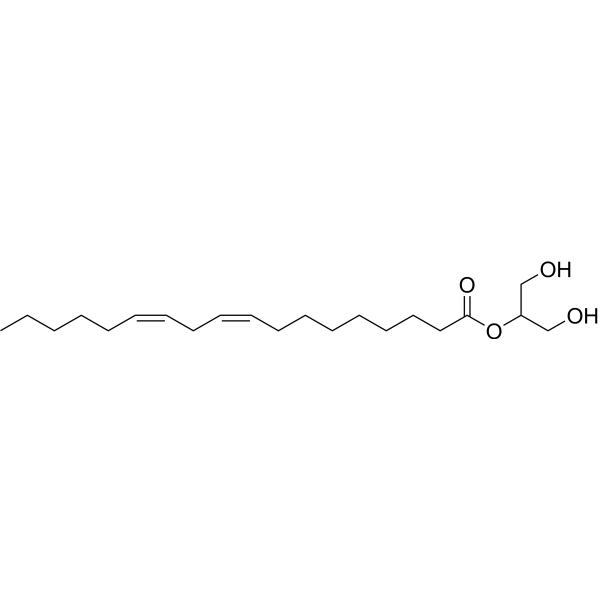
HY-130311
2-Linoleoyl glycerolCB1 Receptor Agonist
Publications Citing Use of MedChemExpress (MCE) Noladin ether
More Customer Validation & Images

-
IF


Biological Activity
Description
IC50 & Target
[1]|
CB1 21.2 nM (Ki) |
CB2 >3 mM (Ki) |


Chemical Information
-
CAS No. 222723-55-9
-
Appearance Liquid (Density: 0.948±0.06 g/cm3)
-
Molecular Weight 364.56
-
Formula C23H40O3
-
Color Colorless to light yellow
-
SMILES
CCCCC/C=C\C/C=C\C/C=C\C/C=C\CCCCOC(CO)CO
-
Shipping
Room temperature in continental US; may vary elsewhere.
-
Storage
4°C, stored under nitrogen
* In solvent : -80°C, 6 months; -20°C, 1 month (stored under nitrogen)


Publications (1)
-
Journal Impact Factor
-
Most Recent
-
J Headache Pain
Activation of CB1R alleviates central sensitization by regulating HCN2-pNR2B signaling in a chronic migraine rat model. [Abstract]2023 Apr 21;24(1):44. PMID: 37085778
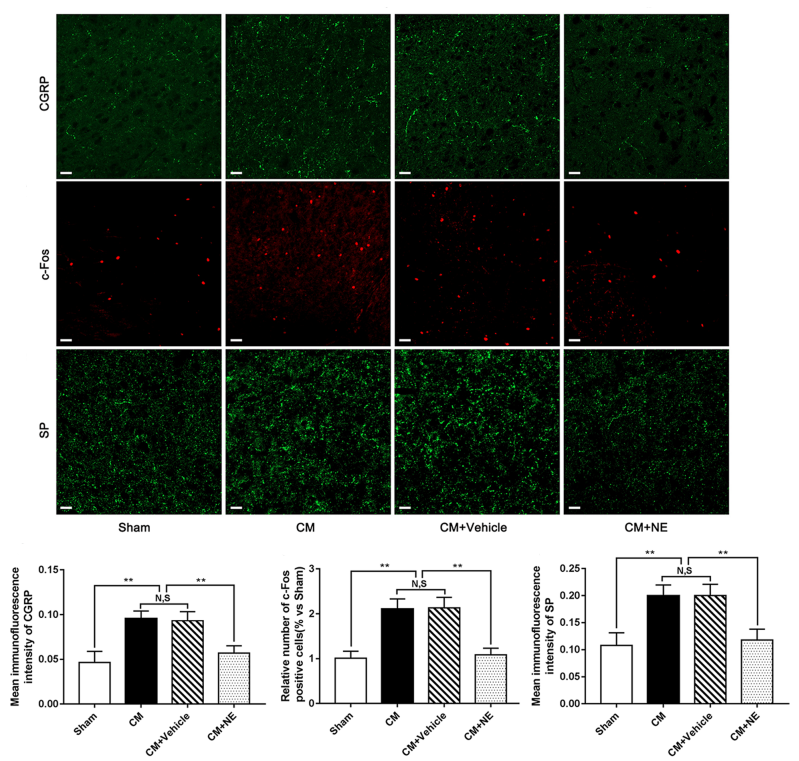
Noladin ether purchased from MedChemExpress. Usage Cited in: J Headache Pain. 2023 Apr 21;24(1):44. [Abstract]
ZD 7288 (5 μg; i.c.) robustly reduced the number of c-Fos-positive cells and the average fluorescence intensity of CGRP and SP in CM mice.

Protocols
-
Formalin-Induced Paw Inflammation/Nociceptive Inflammation
The formalin-induced paw inflammation/nociceptive test is a chemical persistent pain model in rodents in which subcutaneous injection of formalin into the hind paw produces spontaneous nocifensive behaviors such as flinching and licking. The response is classically biphasic, consisting of an early acute phase (Phase I) reflecting direct activation of peripheral nociceptors (particularly C-fiber afferents), followed by a later prolonged phase (Phase II) associated with central sensitization in the spinal dorsal horn driven by sustained afferent input and inflammatory signaling. This model is widely used to evaluate analgesic and anti-inflammatory interventions because it captures both peripheral nociception and central sensitization processes within a single assay system.


Purity & Documentation
-
Data Sheet (261 KB)
-
SDS (545 KB)
- English - EN (545 KB)
- Français - FR (545 KB)
- Deutsch - DE (545 KB)
- Norwegian - NO (545 KB)
- Español - ES (545 KB)
- Swedish - SV (545 KB)
- Italian - IT (545 KB)
- Korean - KR (545 KB)
- Portuguese - PT (545 KB)
-
Handling Instructions (2659 KB)
References

Calculators
Concentration (start) × Volume (start) = Concentration (final) × Volume (final)


Noladin ether Related Classifications
HY-110014 Related Classifications
 Powered by Bioz