



Polymers
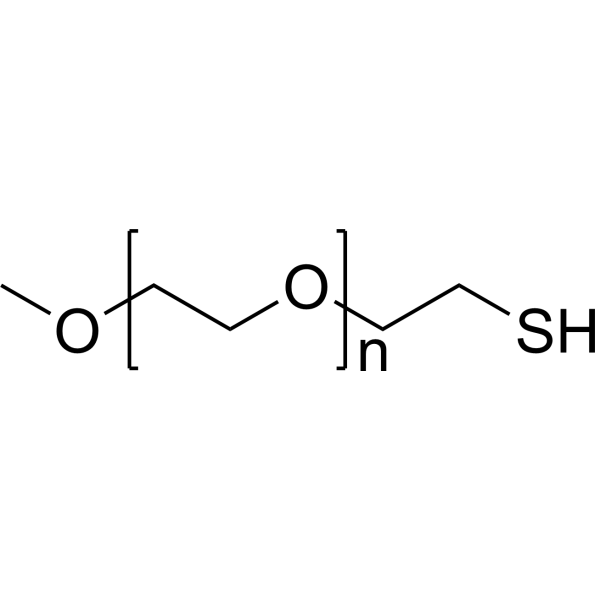
- Formula: (C2H4O)nC3H8OS
- Molecular Weight: 1000 (Average)
m-PEG1000-thiol (mPEG1000-SH) is a surface modifier that can modify DNA thiolation and is used in the synthesis of gold nanorods (AuNR). m-PEG1000-thiol can load thiolated DNA onto AuNR, form a covalent bond with the surface of gold nanoparticles through the thiol group, and stabilize the nanoparticles by the steric hindrance effect of the polyethylene glycol chain, preventing aggregation and enhancing its biocompatibility. m-PEG1000-thiol can also provide a platform for the subsequent coupling of biomolecules (such as DNA, antibodies) by replacing surfactants (such as CTAB) on the surface of nanoparticles, thereby exerting its activity in promoting the functionalization of nanomaterials[2].

PLGA-PEG-PLGA (hydrogel) (LA:GA 3:1) (20% solution) is a biodegradable thermosensitive hydrogel product that can undergo phase transition at a specific temperature. PLGA-PEG-PLGA (hydrogel) (LA:GA 3:1) (20% solution) can be widely used in drug delivery systems, tissue engineering, wound dressings, and biosensors. The gelation temperature varies with the concentration; the higher the concentration, the lower the gelation temperature.

- Molecular Weight: Average Mn (80000)
PLGA-COOH (MW 80000) (LA/GA 50:50) is a copolymer composed of lactic acid (LA)-glycolic acid (GA) at a molar ratio of 50:50 and a terminal carboxyl group. PLGA-COOH (MW 80000) (LA/GA 50:50) is used in compound delivery systems due to its biocompatibility and biodegradability.
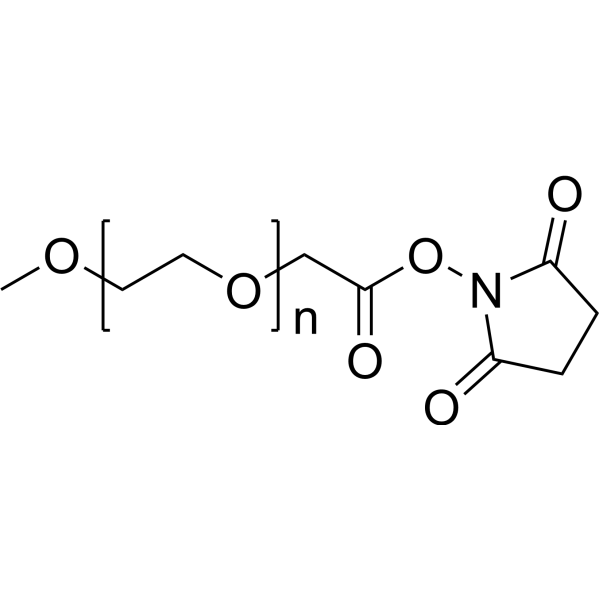
- Formula: (C2H4O)nC7H9NO5
- Molecular Weight: 40000 (Average)
m-PEG-NHS ester (mPEG-SC; mPEG-Succinimidyl ester) (MW 40000) is a polyethylene glycol derivative. m-PEG-NHS ester serves as a modifying agent that reacts with free amino groups on the surface of protein or polypeptide molecules to form stable amide bonds, thereby covalently linking PEG chains to biomacromolecules, improving their antigenicity and immunogenicity, and facilitating the preparation of injectable formulations.
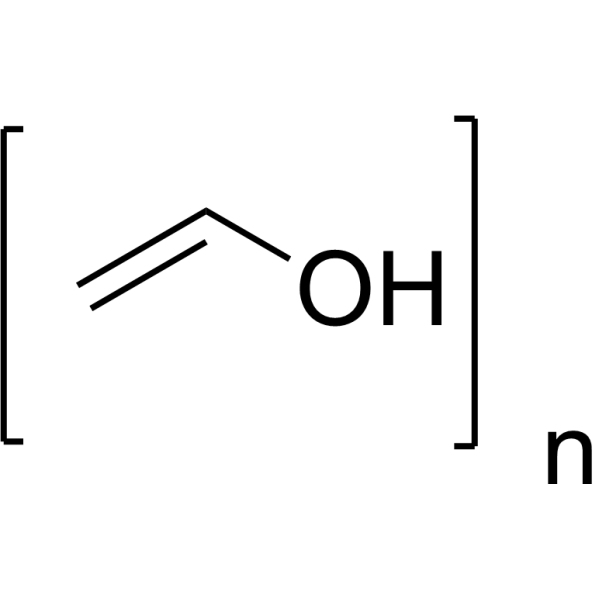
- Formula: (C2H4O)n
- Molecular Weight: 31000-50000 (Approximately)
Polyvinyl alcohol (Mw 31000-50000, 98-99% hydrolyzed), also known as PVA, is a vinyl water-soluble polymer that can be used as a non-ionic surfactant. It can also be used as a biodegradable polymer and can be used in adhesives, coatings, textiles, ceramics and cosmetics. Polyvinyl alcohol can be used in tissue engineering by electrospinning. Polyvinyl alcohol can achieve high cellular density, infiltration, and uniform distribution, facilitating functional connections between cells. Polyvinyl alcohol can improve cell vitality through in vitro cultivation. Polyvinyl alcohol demonstrates promising inhibition of ostersarcoma cancer cells with Doxorubicin (HY-15142A).
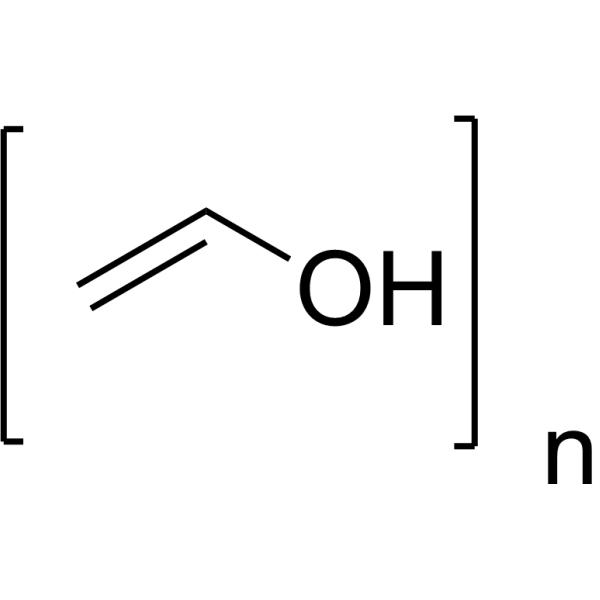
- Formula: (C2H4O)n
- Molecular Weight: 89000-98000 (Approximately)
Polyvinyl alcohol (Mw 89000-98000, 99+% hydrolyzed) also known as PVA, is a vinyl water-soluble polymer that can be used as a non-ionic surfactant. It can also be used as a biodegradable polymer and can be used in adhesives, coatings, textiles, ceramics and cosmetics.
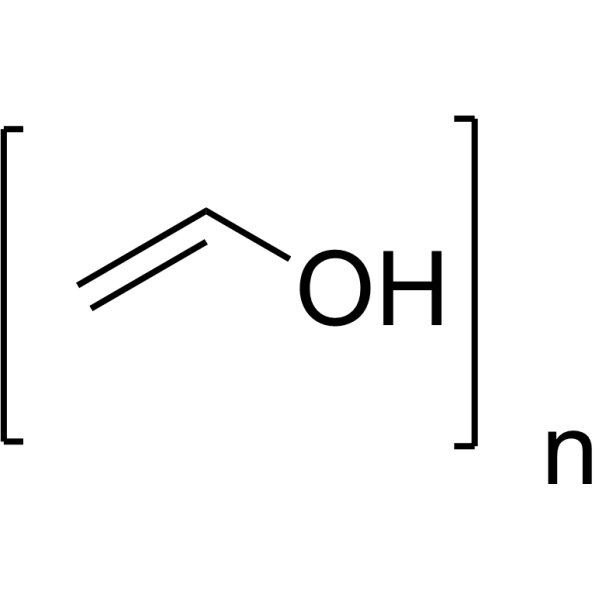
- Formula: (C2H4O)n
- Molecular Weight: 31000-50000 (Approximately)
Polyvinyl alcohol (PVA; Poly (Ethenol)) (Mw 31000-50000, 87-89% hydrolyzed) is a polymer with emulsifying and stabilizing properties, with a degree of hydrolysis of 87-89%. Polyvinyl alcohol (Mw 31000-50000, 87-89% hydrolyzed) mainly acts as a stabilizer in the preparation of nanomedicines; it not only maintains the structural integrity of PEGylated PLGA nanoparticles during double emulsion synthesis, but also facilitates the preparation of chitosan/matrine-PLGA nanoparticle aqueous solutions and lipid-polymer nanoparticles. Polyvinyl alcohol (Mw 31000-50000, 87-89% hydrolyzed) can be widely used in research related to fields such as breast cancer.
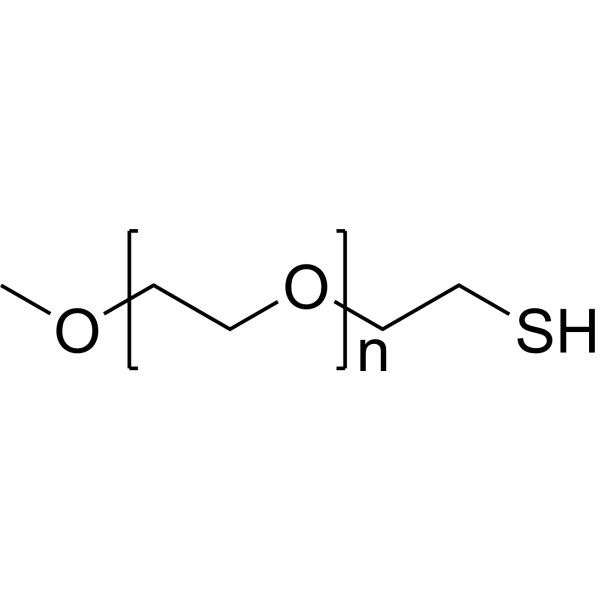
- Formula: (C2H4O)nC3H8OS
- Molecular Weight: 750 (Average)
m-PEG750-thiol (mPEG750-SH) is a thiolated methoxypolyethylene glycol oligomer. m-PEG750-thiol serves for the synthesis of gold nanorods (AuNR) and also acts as a side chain fragment precursor for post-polymerization Michael addition reactions. m-PEG750-thiol can be used in organic synthesis-related research.
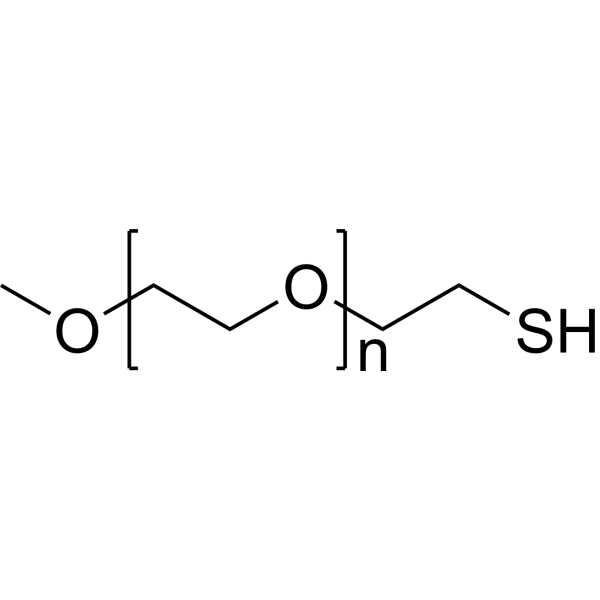
- Formula: (C2H4O)nC3H8OS
- Molecular Weight: 550 (Average)
m-PEG550-thiol modifies DNA thiolation for the synthesis of gold nanorods (AuNRs). Thiolated DNA can be loaded onto AuNR by the mPEG-SH/Tween 20 assisted method (Tween 20 and mPEG-SH repeatedly displace CTAB on the AuNR surface). DNA AuNRs have been widely used in nanostructure assembly, gene therapy, biosensing, and drug delivery.

PLGA-PEG-PLGA (hydrogel) (LA:GA 7:1) (20% solution) is a biodegradable thermosensitive hydrogel product that can undergo phase transition at a specific temperature. PLGA-PEG-PLGA (hydrogel) (LA:GA 7:1) (20% solution) can be widely used in drug delivery systems, tissue engineering, wound dressings, and biosensors. The gelation temperature varies with concentration. The gelation temperature varies with the concentration; the higher the concentration, the lower the gelation temperature.
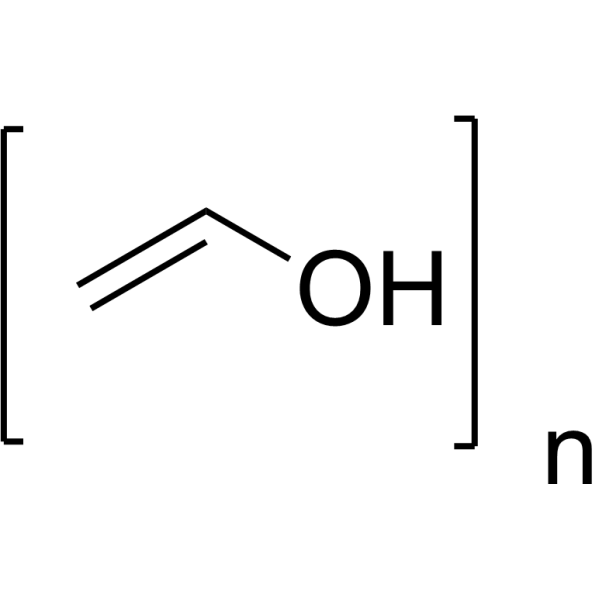
- Formula: (C2H4O)n
- Molecular Weight: 85000-124000 (Approximately)
Polyvinyl alcohol (Mw 85000-124000, 99+% hydrolyzed) is a polyvinyl alcohol with a molecular weight of 85000-124000 and hydrolytic properties. Polyvinyl alcohol (Mw 85000-124000, 99+% hydrolyzed) forms hydrogels that can be used to simulate digestive organs and lesion models for the training of endoscopic ultrasound (EUS) and endoscopic ultrasound elastography (EUS-E). Polyvinyl alcohol with different degrees of hydrolysis can be used to self-crosslink to form cryogel, which can be used as biological excipients.
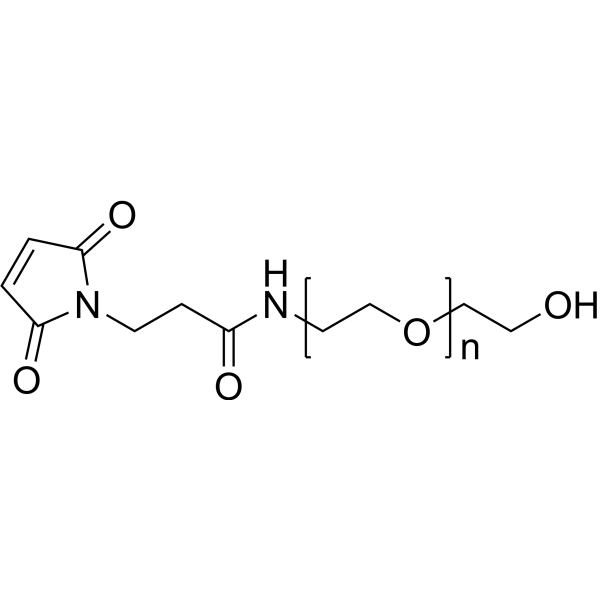
- Formula: (C2H4O)nC9H12N2O4
- Molecular Weight: 5000 (Average)
Mal-PEG5000-OH can be used as a macroinitiator to obtain amphiphilic diblock copolymers by ring-opening polymerization of LA. Nanoparticles prepared using amphiphilic block copolymers can form active drug delivery systems. Nanoparticles encapsulate Triptolide (HY-32735), which can avoid the disadvantage of Triptolide’s poor water solubility and reduce its toxicity.
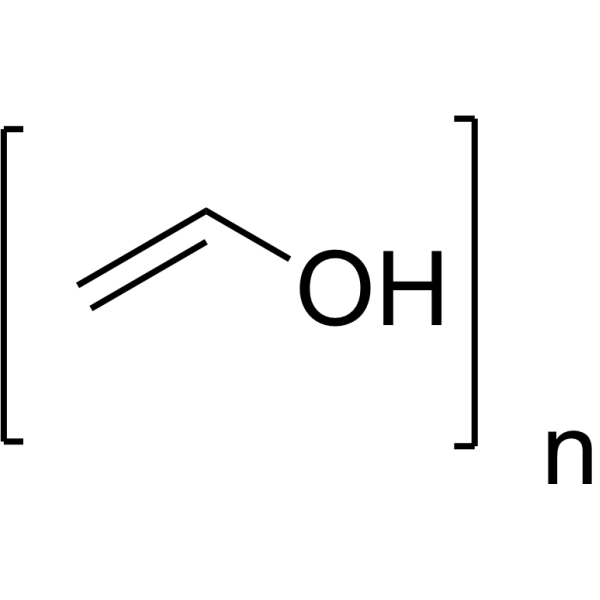
- Formula: (C2H4O)n
- Molecular Weight: 13000-23000 (Approximately)
Polyvinyl alcohol (PVA; Poly(Ethenol)) (Mw 13000-23000, 98% hydrolyzed) , also known as PVA, is a vinyl water-soluble polymer that can be used as a non-ionic surfactant. Polyvinyl alcohol (Mw 13000-23000, 98% hydrolyzed) can also be used as a biodegradable polymer and can be used in adhesives, coatings, textiles, ceramics and cosmetics. Polyvinyl alcohol (Mw 13,000–23,000, 98% hydrolyzed) can be used in studies involving breast cancer as well as cisplatin (HY-17394)-induced sensorineural hearing loss.
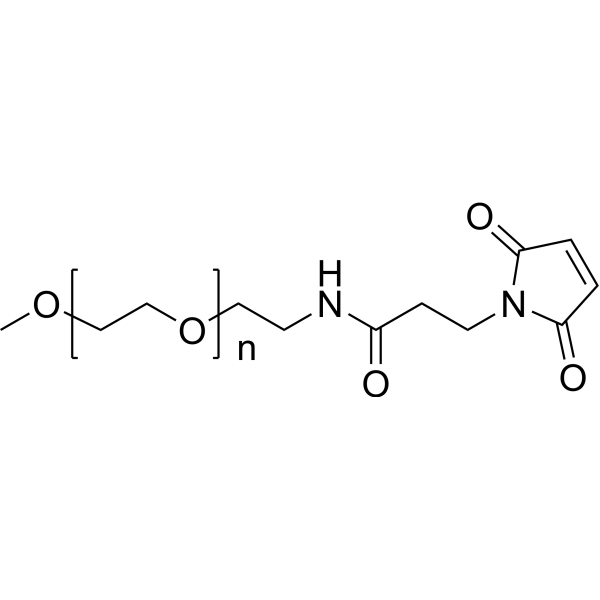
- Molecular Weight: 3400 (Average)
mPEG3400-Mal is a PEG derivative used for thiol pegylation of protein molecules. Its maleimide group (-Mal) degrades in aqueous media and finds application in drug delivery studies.
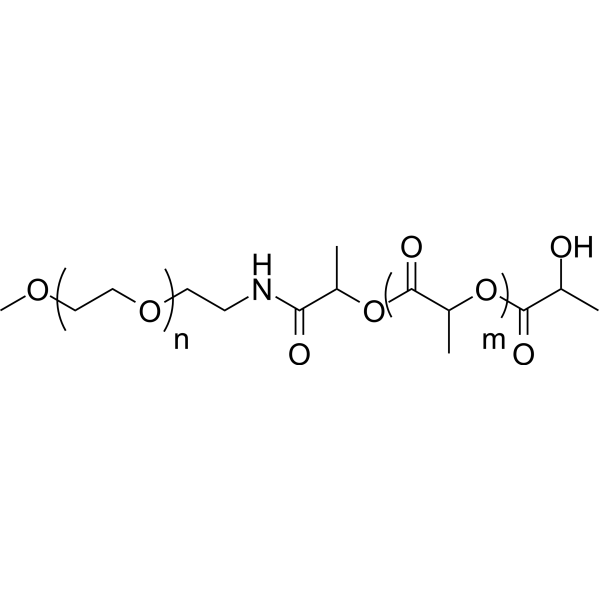
MPEG-PLA (PEG MW 3000 & PLA MW 50,000) is a block copolymer, which can be used to preparenanoparticles for targeted drug delivery.
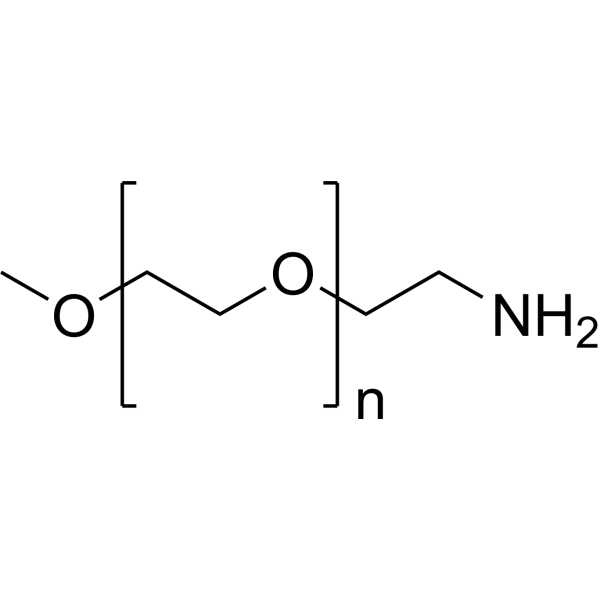
- Formula: (C2H4O)nC3H9NO
- Molecular Weight: 550 (Average)
mPEG550-amine (mPEG550-NH2) is a class of functionalized polymers composed of a methoxy-terminated polyethylene glycol backbone and a terminal primary amine group. mPEG550-amine serves as an important intermediate for constructing functionalized nanocarriers, modifying proteins or polypeptides, and developing novel drug delivery systems.

PLGA38000-PEG10000 is an amphiphilic polymer. Amphiphilic polymers can be used in drug delivery studies due to their ability to self-assemble into discrete aggregates.
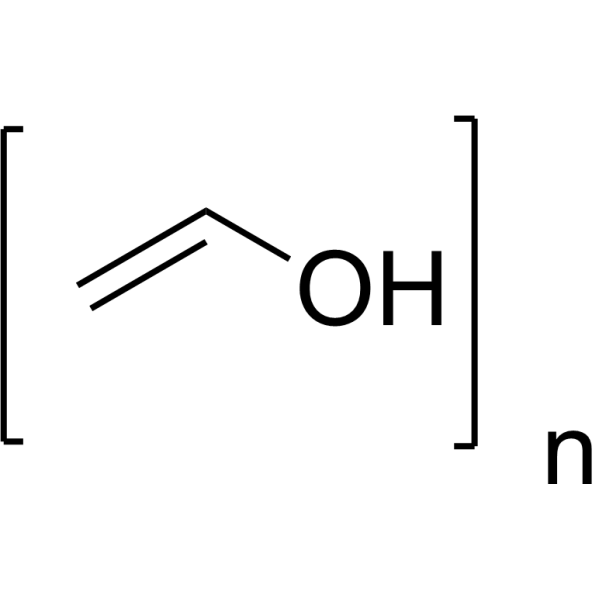
- Formula: (C2H4O)n
- Molecular Weight: 146000-186000 (Approximately)
Polyvinyl alcohol (Mw 146000-186000, 87-89% hydrolyzed) is a polyvinyl alcohol with a molecular weight of 146000-186000 and hydrolytic properties. Polyvinyl alcohol (Mw 146000-186000, 87-89% hydrolyzed) is the hydrolysis and removal of acetate groups after the polymerization of ethylene acetate. And polyvinyl alcohol is obtained. Polyvinyl alcohol with different degrees of hydrolysis can be used to self-crosslink to form cryogel, which can be used as biological excipient. Polyvinyl alcohol can be used in tissue engineering by electrospinning. Polyvinyl alcohol can achieve high cellular density, infiltration, and uniform distribution, facilitating functional connections between cells. Polyvinyl alcohol can improve cell vitality through in vitro cultivation. Polyvinyl alcohol demonstrates promising inhibition of ostersarcoma cancer cells with Doxorubicin (HY-15142A).
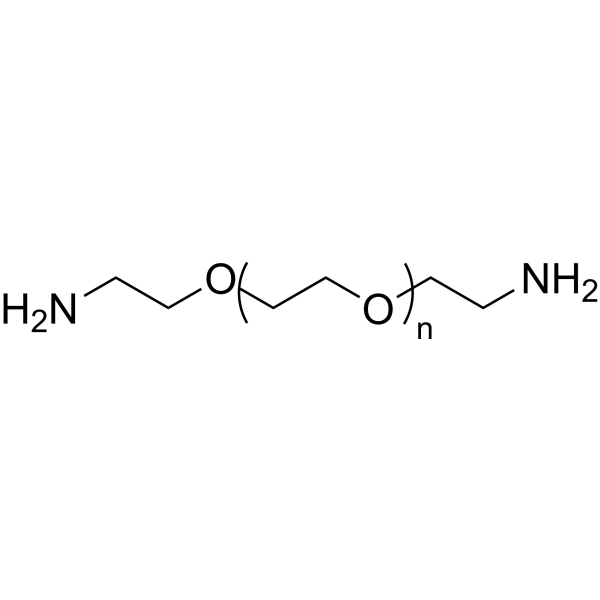
- Formula: (C2H4O)nC4H12N2O
- Molecular Weight: 4000 (Average)
PEG4000-bis-amine (Poly(ethylene glycol)-bis-amine 4000) is a diamine-terminated polyethylene glycol that acts as a linker for conjugate synthesis. PEG4000-bis-amine facilitates the development of MUC1 aptamer-based near-infrared fluorescent probes, and also conjugates folic acid with the near-infrared dye ICG-Der-01 to form a tumor-targeting probe. PEG4000-bis-amine supports the synthesis of folic acid-PEG-DSPE conjugates for the preparation of folic acid-targeted biliposomes. PEG4000-bis-amine is widely used in studies related to breast cancer, non-small cell lung cancer, hepatocellular carcinoma, rheumatoid arthritis, and tumors with high folate receptor expression.
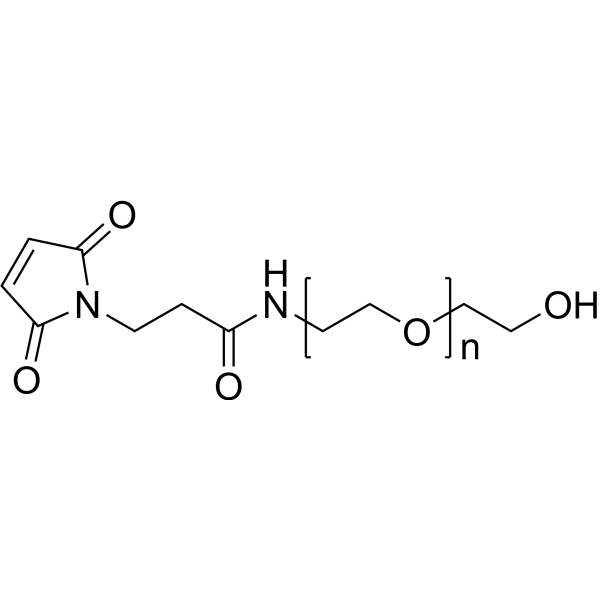
- Formula: (C2H4O)nC9H12N2O4
- Molecular Weight: 2000 (Average)
Mal-PEG2000-OH can be used as a macroinitiator to obtain amphiphilic diblock copolymers by ring-opening polymerization of LA. Nanoparticles prepared using amphiphilic block copolymers can form active drug delivery systems. Nanoparticles encapsulate Triptolide (HY-32735), which can avoid the disadvantage of Triptolide’s poor water solubility and reduce its toxicity.



