



Palmitoyl Tetrapeptide-3

Based on 1 Customer Validation
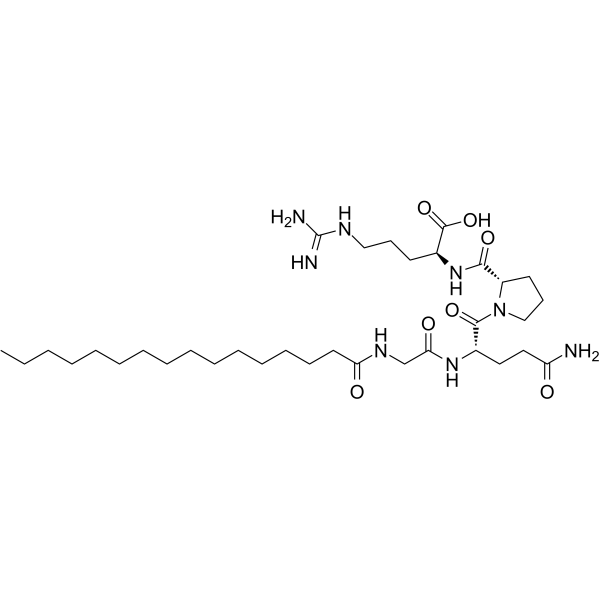
Palmitoyl Tetrapeptide-3 (Palmitoyl Tetrapeptide-7) is a synthetic peptide corresponding to amino acids 341-344 of the human immunoglobulin heavy chain, with the ability to stimulate phagocytosis. Palmitoyl tetrapeptide-3 reduces interleukin-6 (IL-6) secretion in keratinocytes and inhibits the UVB radiation-exposure inflammatory response of skin. Palmitoyl tetrapeptide-3 It also has anti-inflammatory and anti-aging effects, reducing skin wrinkles by promoting the production of elastic fibers in the papillary dermis.
For research use only. We do not sell to patients.
- Purity : 99.18%
- CAS No.: 221227-05-0
- Formula: C34H62N8O7
- Molecular Weight:694.91
-
Storage:
Sealed storage, away from moisture and light.
Powder -80°C, 2 years , -20°C, 1 year* In solvent : -80°C, 6 months; -20°C, 1 month (sealed storage, away from moisture and light)

To place orders, for customer services and technical support, please contact: MedChemExpress USA
Tel: 609-228-6898 E-mail: [email protected] [email protected]


-
 Biological Activity
-
Chemical Information
-
Solvent & Solubility
- Protocols
- Purity & Documentation
- References
-
 Help & FAQs


-
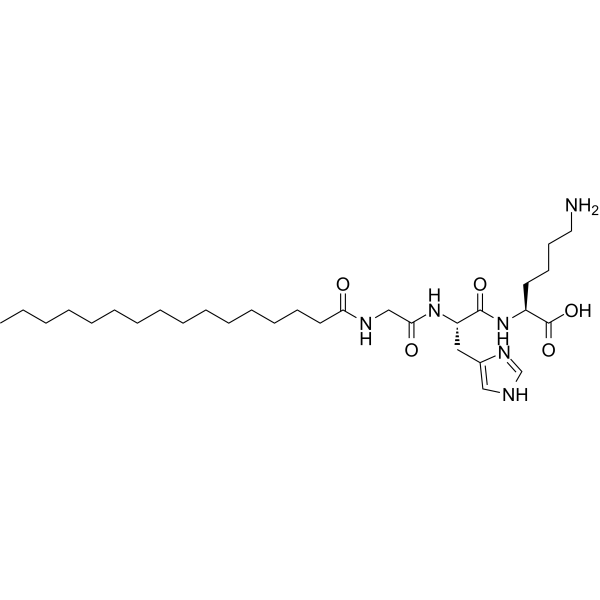
HY-P0047
Palmitoyl Tripeptide-1Polypeptide -
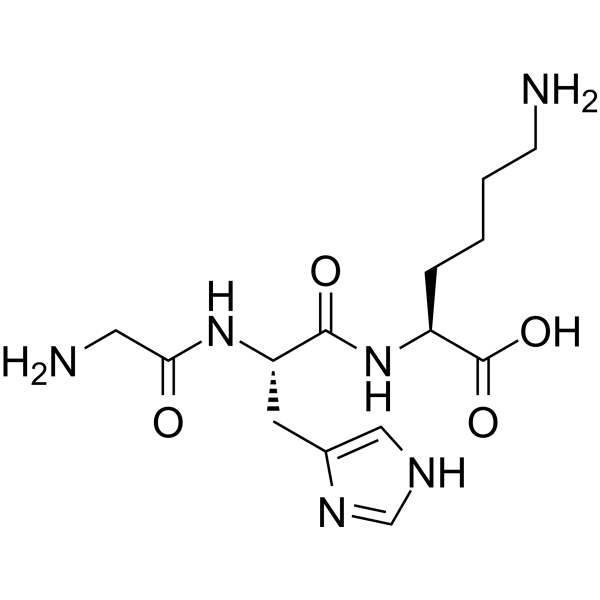
HY-P0046
Glycyl-L-histidyl-L-lysineTripeptide -
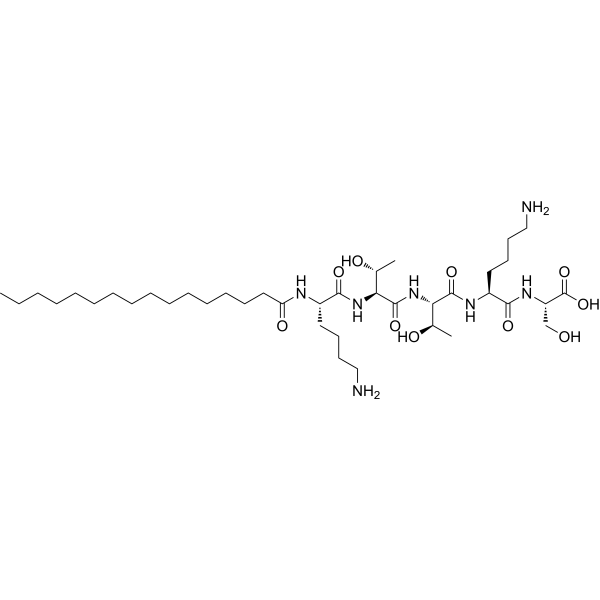
HY-P0045
Palmitoyl pentapeptide 4Anti-aging Peptide -
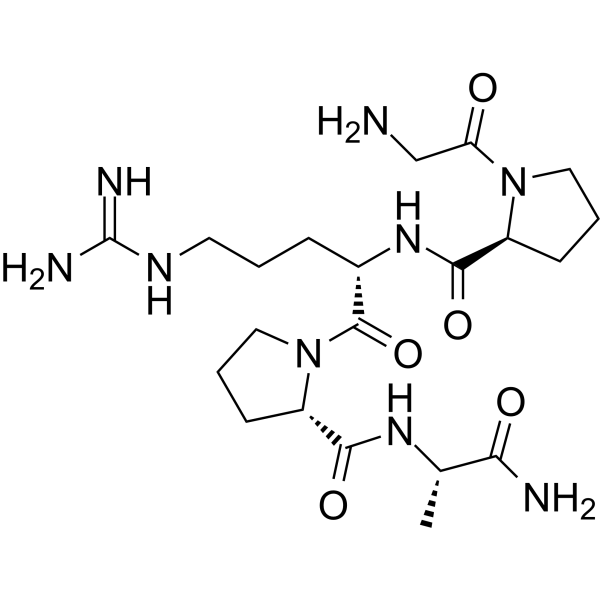
HY-P0099
Pentapeptide-3Acetylcholine Receptor Antagonist -
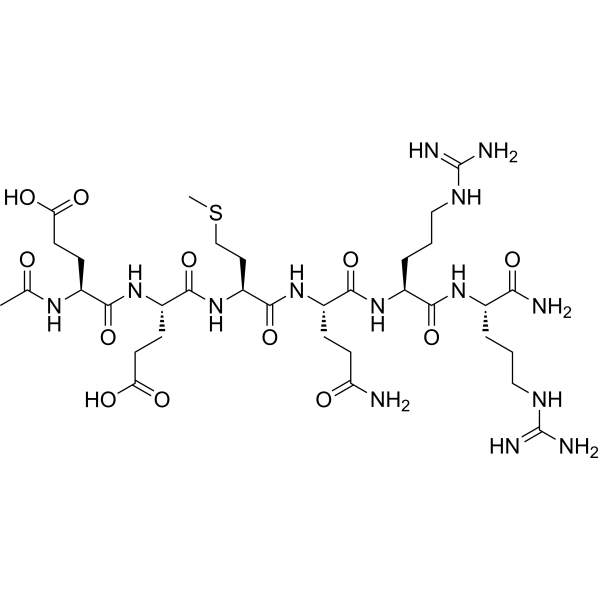
HY-P0033
ArgirelineAntiwrinkle Peptide -
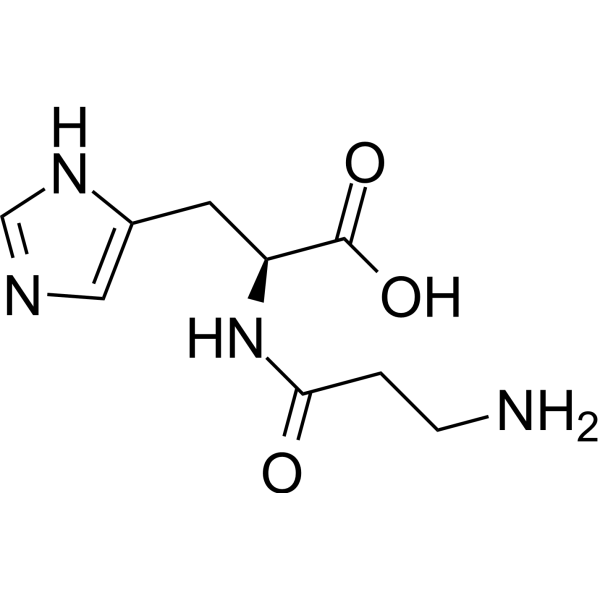
HY-W013494
L-CarnosineFree Radical Scavenger -
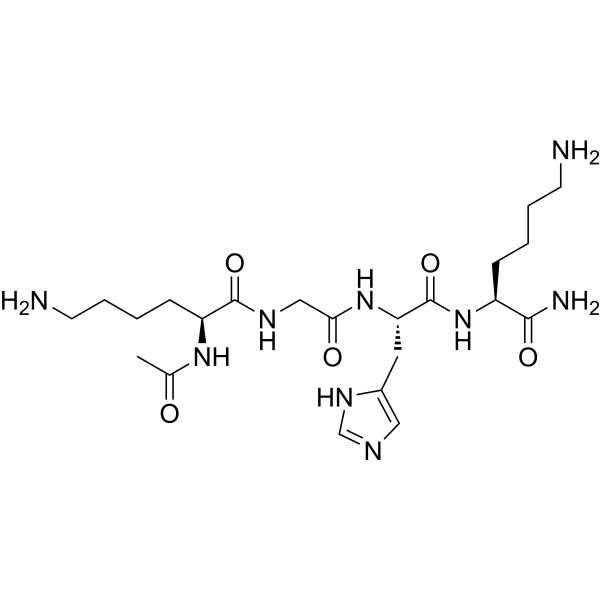
HY-W129161
Acetyl tetrapeptide-3ECM Protein Stimulant -

HY-W013494R
L-Carnosine (Standard) -
HY-66015
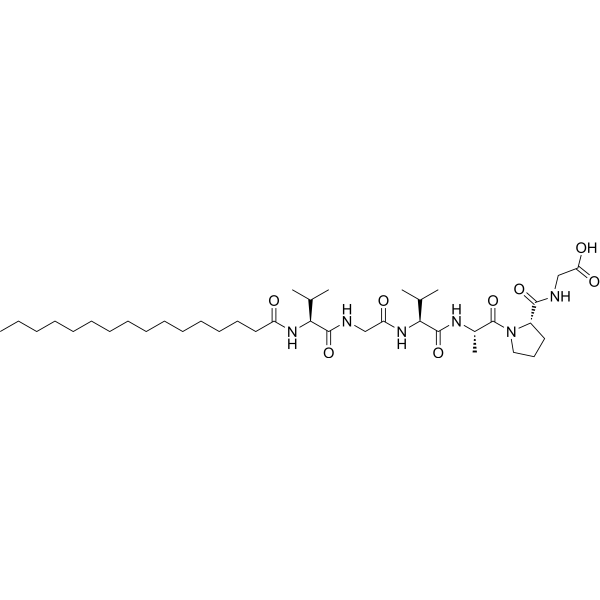
Palmitoyl hexapeptide-12Anti-aging Peptide -
HY-125616
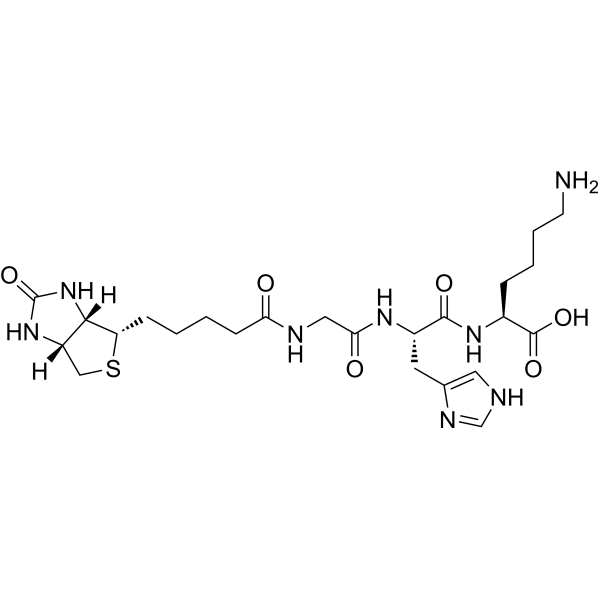
Biotinoyl tripeptide-1Peptide -
HY-P2663
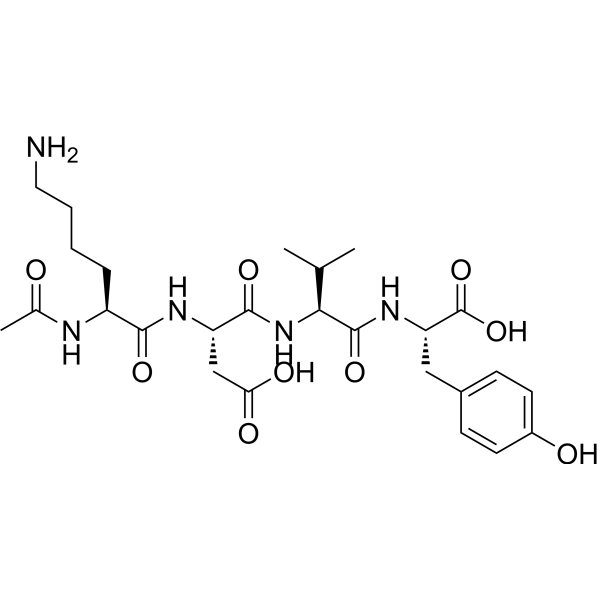
Acetyl tetrapeptide-2Anti-aging Peptide -
HY-118060
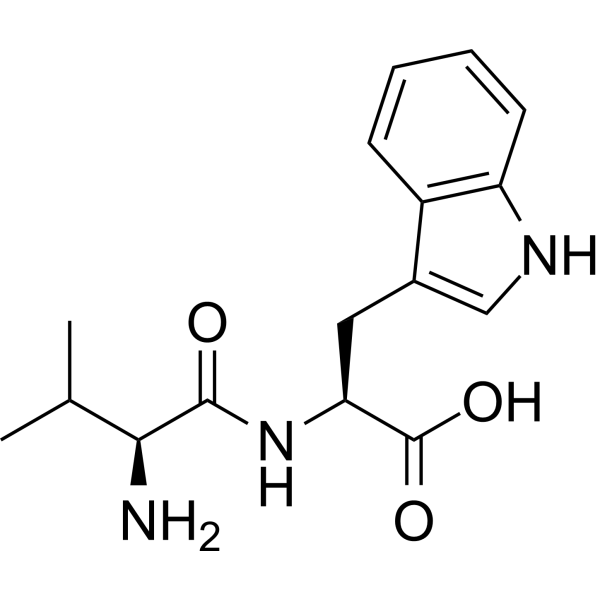
Dipeptide 2ACE Inhibitor


Biological Activity
Description


Chemical Information
-
CAS No. 221227-05-0
-
Appearance Solid
-
Molecular Weight 694.91
-
Formula C34H62N8O7
-
Color White to off-white
-
Synonyms
Palmitoyl Tetrapeptide-7
-
Sequence
Palm-Gly-Gln-Pro-Arg
-
Sequence Shortening
Palm-GQPR
-
Shipping
Room temperature in continental US; may vary elsewhere.
-
Storage
Sealed storage, away from moisture and light
Powder -80°C 2 years -20°C 1 year * In solvent : -80°C, 6 months; -20°C, 1 month (sealed storage, away from moisture and light)


Solvent & Solubility
In Vitro:
DMF : 10 mg/mL (14.39 mM; ultrasonic and adjust pH to 3 with HCl)
H2O : < 0.1 mg/mL (insoluble)
Please refer to the solubility information to select the appropriate solvent. Once prepared, please aliquot and store the solution to prevent product inactivation from repeated freeze-thaw cycles.
Storage method and period of stock solution: -80°C, 6 months; -20°C, 1 month (sealed storage, away from moisture and light). When stored at -80°C, please use it within 6 months. When stored at -20°C, please use it within 1 month.
Please refer to the solubility information to select the appropriate solvent. Once prepared, please aliquot and store the solution to prevent product inactivation from repeated freeze-thaw cycles.
Storage method and period of stock solution: -80°C, 6 months; -20°C, 1 month (sealed storage, away from moisture and light). When stored at -80°C, please use it within 6 months. When stored at -20°C, please use it within 1 month.
Concentration (start) × Volume (start) = Concentration (final) × Volume (final)

Protocols
-
Phagocytosis Functional Assay
A phagocytosis functional assay measures the ability of phagocytic cells, such as neutrophils, macrophages, monocytes, or microglia/macrophages, to bind and internalize particulate targets including bacteria, yeast particles, beads, or myelin particles. Fluorescent flow-cytometry assays detect target uptake as fluorescence associated with gated phagocytes, while pH-sensitive dyes such as pHrodo increase signal in acidic phagosomal compartments and therefore preferentially report internalized particles rather than particles remaining outside the cell. Microscopy or high-content imaging can be used to confirm intracellular localization and, in some protocols, to follow uptake kinetics.
-
Fibers: Elastic Fiber Staining
Elastic fiber staining is a histochemical technique used to selectively visualize elastin-rich structures such as elastic fibers in connective tissues (e. g. , blood vessels, lung, dermis) based on the affinity of specific dyes or oxidation products for elastin-associated amino acid residues and cross-linked elastic matrix components. Classical methods such as Verhoeff-Van Gieson (VVG), resorcin-fuchsin (Weigert-type stains), or aldehyde fuchsin rely on differential binding of dye complexes to elastic fibers, allowing them to be distinguished from collagen and other extracellular matrix components by contrast staining (typically black or deep purple elastic fibers against red collagen counterstain). These methods are widely used in histopathology to evaluate elastic fiber integrity, fragmentation, or remodeling in vascular diseases, pulmonary pathology, and connective tissue disorders.
-
Research Protocol for Inflammation-related Diseases
The NLRP3 inflammasome is a cytosolic innate immune signaling platform that integrates priming signals and danger-signal activation to promote caspase-1 activation, maturation of IL-1β and IL-18, and gasdermin D-mediated pyroptotic cell death. The core experimental logic is to determine whether inflammatory disease phenotypes are driven by increased NLRP3 expression, ASC-containing inflammasome assembly, caspase-1 cleavage, GSDMD cleavage, and extracellular release of IL-1β/IL-18 rather than by nonspecific cell injury alone. The pathway is strongly linked to inflammation-related disease phenotypes because monosodium urate crystals activate NALP3/NLRP3 inflammasome signaling in gout-like crystal inflammation, cholesterol crystals activate NLRP3 inflammasomes in atherogenesis models, and DSS-induced intestinal inflammation has been reported to involve NLRP3 inflammasome activity. However, experimental colitis studies also show context-dependent protective effects of NLRP3 inflammasome co


Purity & Documentation
-
Data Sheet (270 KB)
-
SDS (396 KB)
- English - EN (396 KB)
- Français - FR (396 KB)
- Deutsch - DE (396 KB)
- Norwegian - NO (396 KB)
- Español - ES (396 KB)
- Swedish - SV (396 KB)
- Italian - IT (396 KB)
- Korean - KR (396 KB)
- Portuguese - PT (396 KB)
-
Handling Instructions (2659 KB)
References
[1]. Rocchi R, et al. Synthesis and biological activity of tuftsin and rigin derivatives containing monosaccharides or monosaccharide derivatives. Int J Pept Protein Res. 1987 Feb;29(2):262-75. [Content Brief]
[3]. Mondon P, et al. Evaluation of dermal extracellular matrix and epidermal–dermal junction modifications using matrix‐assisted laser desorption/ionization mass spectrometric imaging, in vivo reflectance confocal microscopy, echography, and histology: effect of age and peptide applications[J]. Journal of cosmetic dermatology, 2015, 14(2): 152-160. [Content Brief]
[4]. Fengzhu Li, et al. Clinical evidence of the efficacy and safety of a new multi-peptide anti-aging topical eye serum. J Cosmet Dermatol. 2023 Dec;22(12):3340-3346. [Content Brief]


Complete Stock Solution Preparation Table
Please refer to the solubility information to select the appropriate solvent. Once prepared, please aliquot and store the solution to prevent product inactivation from repeated freeze-thaw cycles.
Storage method and period of stock solution: -80°C, 6 months; -20°C, 1 month (sealed storage, away from moisture and light). When stored at -80°C, please use it within 6 months. When stored at -20°C, please use it within 1 month.
| Optional Solvent | Concentration Solvent Mass | 1 mg | 5 mg | 10 mg | 25 mg |
|---|---|---|---|---|---|
| DMF | 1 mM | 1.4390 mL | 7.1952 mL | 14.3904 mL | 35.9759 mL |
| 5 mM | 0.2878 mL | 1.4390 mL | 2.8781 mL | 7.1952 mL | |
| 10 mM | 0.1439 mL | 0.7195 mL | 1.4390 mL | 3.5976 mL |


Palmitoyl Tetrapeptide-3 Related Classifications
HY-P0064 Related Classifications
 Powered by Bioz