271 Results for "

brain function

" in MedChemExpress (MCE) Product Catalog:
Products (271)

271 Results for "brain function" in MCE Product Catalog:

Art. -Nr.: HY-112747
CAS. Nr.: 97281-51-1
Synonyms: LPI; PE (soy)
Target:  

Phospholipase

Forschungsgebiete:  

Infection

Soy PE (LPI) is the most abundant phospholipid in prokaryotes and the second most abundant found in the membrane of mammalian, plant, and yeast cells, comprising approximately 25% of total mammalian phospholipids. In the brain, phosphatidylethanolamine comprises almost half of the total phospholipids. It is synthesized mainly through the cytidine diphosphate-ethanolamine and phosphatidylserine decarboxylation pathways, which occur in the endoplasmic reticulum (ER) and mitochondrial membranes, respectively. It is a precursor in the synthesis of phosphatidylcholine and arachidonoyl ethanolamide and is a source of ethanolamine used in various cellular functions. In E.coli, phosphatidylethanolamine deficiency prevents proper assembly of lactose permease, suggesting a role as a lipid chaperone. It is a cofactor in the propagation of prions in vitro and can convert recombinant mammalian proteins into infectious molecules even in the absence of RNA. This product contains phosphatidylethanolamine molecular species with variable fatty acyl chain lengths at the sn-1 and sn-2 positions .
loading...
    loading...
Art. -Nr.: HY-118278
CAS. Nr.: 161832-71-9
Synonyms: LY303070
Target:  

iGluR

GYKI 53784 (LY303070) is an orally active, blood-brain penetrant, selective, non-competitive AMPA receptor antagonist (IC50 = 0.32 μM). GYKI 53784 completely blocks AMPA-mediated synaptic transmission, protects against excitotoxicity, and partially inhibits Kainite (Kainic acid) (HY-N2309) responses, revealing both AMPA and kainate receptors. GYKI 53784 selectively blocks synaptic transmission (IC50 = 365.3 nM) without affecting neuronal excitability, and exhibits potent stereoselective antinociceptive effects via an opioid-independent mechanism. GYKI 53784 is a versatile tool for studying AMPA receptor function in synaptic transmission, excitotoxicity, neuroprotection, pain, and inflammation, with potential relevance to hearing loss, neonatal ischemia, neurodegenerative disorders, schizophrenia, and Alzheimer's disease .
loading...
    loading...
Art. -Nr.: HY-19689
CAS. Nr.: 90043-86-0
Synonyms: NIK-247; Amiridine
Ipidacrine (NIK-247; Amiridine) hydrochloride is orally active and blood-brain-barrier-penetrant AChE and BuChE inhibitors with IC50 values of 1 μM and 1.9 μM, respectively, which is also a partial agonist of M2-cholinergic receptors and a reversible cholinesterase inhibitor. Ipidacrine hydrochloride has a stimulating effect on neuromuscular transmission and excitation along the nerve fibres with a moderately anti-pain effect. Ipidacrine hydrochloride is an aminopyridines and is structurally similar to Tacrine (HY-111338). Ipidacrine hydrochloride is effective in various amnesia models, improves erectile function and inhibits K + and Na +-channels in the neuronal membrane in diabetic rats. Ipidacrine hydrochloride is promising for research of Alzheimer’s disease, ischaemic stroke, idiopathic neuropathy of the facial nerve, diabetes mellitus-induced erectile dysfunction and other deficits in central or peripheral cholinergic deseases .
loading...
    loading...
Art. -Nr.: HY-B0504S1
CAS. Nr.: 1173022-95-1
Synonyms: NSC13123-13C
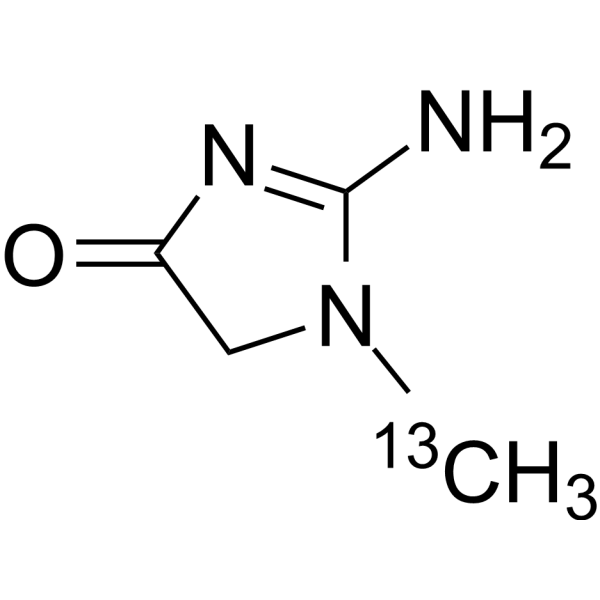
Creatinine- 13C is the 13C-labeled Creatinine. Creatinine (NSC13123) is an orally active, blood-brain barrier-permeable modulator of GABAA and NMDA receptors, with activities of antioxidation and metabolic regulation. Creatinine is generated via non-enzymatic conversion of creatine and phosphocreatine in muscle. Creatinine serum levels correlate with muscle mass, glomerular filtration rate, and extrarenal clearance, serving as an evaluation biomarker for renal function, muscle mass, and clinical outcomes, and used for perioperative renal risk assessment. In addition, Creatinine can induce specific Cryptococcus species to produce creatinine deiminase and act as their nitrogen source, while it can be secreted via renal tubules. Creatinine is widely used in research related to various diseases such as neurodegenerative diseases, psychiatric disorders, acute kidney injury, chronic kidney disease, and renal failure .
loading...
    loading...
Art. -Nr.: HY-B0504S2
Synonyms: NSC13123-d5
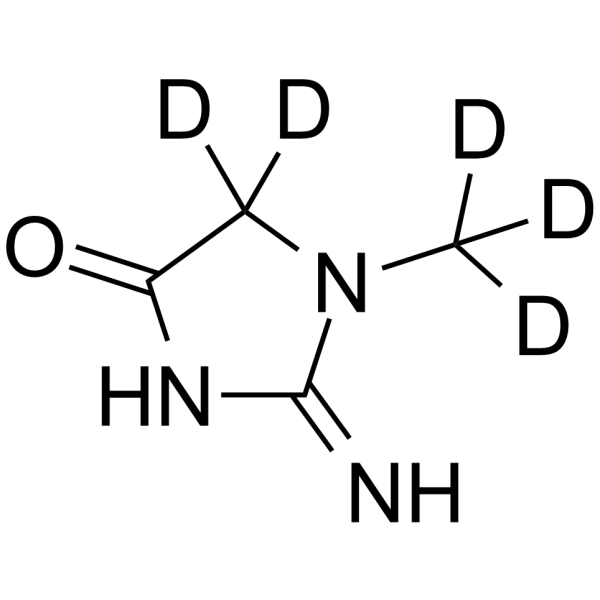
Creatinine-d5 is the deuterium labeled Creatinine. Creatinine (NSC13123) is an orally active, blood-brain barrier-permeable modulator of GABAA and NMDA receptors, with activities of antioxidation and metabolic regulation. Creatinine is generated via non-enzymatic conversion of creatine and phosphocreatine in muscle. Creatinine serum levels correlate with muscle mass, glomerular filtration rate, and extrarenal clearance, serving as an evaluation biomarker for renal function, muscle mass, and clinical outcomes, and used for perioperative renal risk assessment. In addition, Creatinine can induce specific Cryptococcus species to produce creatinine deiminase and act as their nitrogen source, while it can be secreted via renal tubules. Creatinine is widely used in research related to various diseases such as neurodegenerative diseases, psychiatric disorders, acute kidney injury, chronic kidney disease, and renal failure .
loading...
    loading...
Art. -Nr.: HY-B0551AR
CAS. Nr.: 7081-53-0
Forschungsgebiete:  

Neurological Disease

Doxapram hydrochloride hydrate (Standard) is the analytical standard of Doxapram hydrochloride hydrate (HY-B0551A). This product is intended for research and analytical applications. Doxapram hydrochloride hydrate is a respiratory stimulant. Doxapram hydrochloride hydrate increases breathing rate and depth by acting on the brain's respiratory centers and peripheral chemoreceptors. Doxapram hydrochloride hydrate inhibits TASK-1, TASK-3, TASK-1/TASK-3 heterodimeric channel function with EC50s of 410 nM, 37 μM, 9 μM, respectively. Doxapram hydrochloride hydrate inhibits the Ca²⁺-activated potassium current (IC50 ≈ 13 μM) and Ca²⁺-independent potassium current (IC50 ≈ 20 μM) in type I cells of the carotid body. Doxapram hydrochloride hydrate significantly prolongs the effective refractory period of the atrium and has an anti-arrhythmic effect. Doxapram hydrochloride hydrate can be used for the study of respiratory depression such as post-anesthesia respiratory depression, chronic obstructive pulmonary disease and apnea of prematurity.
loading...
    loading...
Art. -Nr.: HY-B0551S
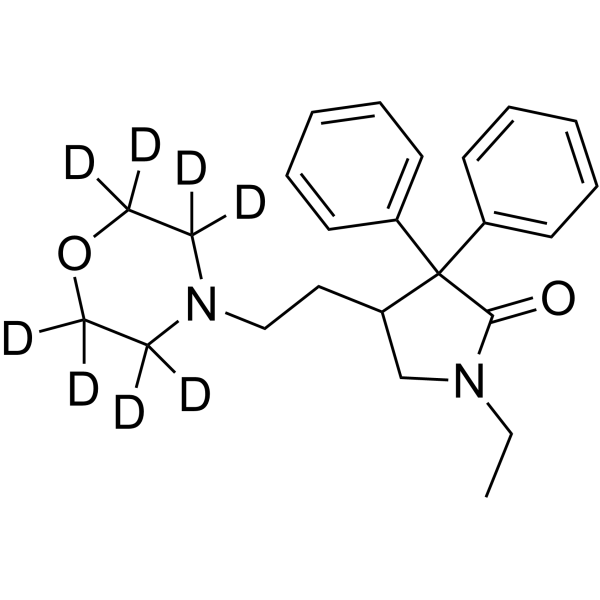
Doxapram-d8 is deuterated labeled Doxapram (HY-B0551). Doxapram is a respiratory stimulant. Doxapram increases breathing rate and depth by acting on the brain's respiratory centers and peripheral chemoreceptors. Doxapram inhibits TASK-1, TASK-3, TASK-1/TASK-3 heterodimeric channel function with EC50s of 410 nM, 37 μM, 9 μM, respectively. Doxapram inhibits the Ca²⁺-activated potassium current (IC50 ≈ 13 μM) and Ca²⁺-independent potassium current (IC50 ≈ 20 μM) in type I cells of the carotid body. Doxapram significantly prolongs the effective refractory period of the atrium and has an anti-arrhythmic effect. Doxapram can be used for the study of respiratory depression such as post-anesthesia respiratory depression, chronic obstructive pulmonary disease and apnea of prematurity.
loading...
    loading...
Art. -Nr.: HY-N1414
CAS. Nr.: 139891-98-8
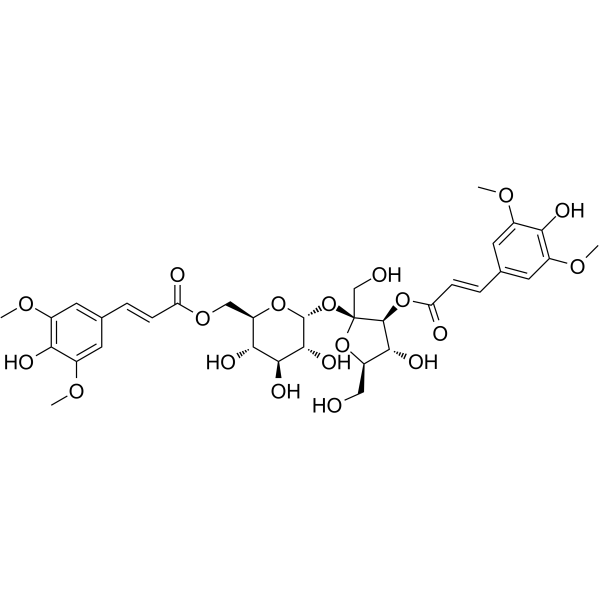
(E)-3',6-Disinapoylsucrose is an orally active, blood-brain barrier permeable neuroprotective agent that inhibits protein aggregation. (E)-3',6-Disinapoylsucrose exerts anxiolytic, anti-inflammatory and cognitive-enhancing effects. (E)-3',6-Disinapoylsucrose regulates the TrkB/BDNF signaling pathway, inhibits the expression of NF-κB p65, reduces pro-inflammatory cytokine levels, and alleviates neuronal damage. (E)-3',6-Disinapoylsucrose also enhances the functions of central 5-HT and noradrenergic systems, thereby improving spatial learning and memory abilities and reducing anxiety-like behaviors. (E)-3',6-Disinapoylsucrose can be used for the research of related diseases such as Alzheimer's disease, depression, memory impairment and anxiety disorder .
loading...
    loading...
Art. -Nr.: HY-P12141
CAS. Nr.: 2227651-65-0
Synonyms: KP405
DA5-CH (KP405) is a blood-brain barrier-permeable GLP-1/GIP receptor agonist. DA5-CH activates GLP-1 and GIP receptors, inhibits the NF-κB inflammatory pathway, reduces α-synuclein (α-synuclein) levels, restores the expression of tyrosine hydroxylase and neurotrophic factors, improves motor function, decreases amyloid plaques and phosphorylated tau protein levels in the hippocampus, restores synaptic plasticity, regulates the PI3K/AKT/GSK3β and CREB signaling pathways, and alleviates mitochondrial stress. DA5-CH can be used for research on Parkinson's disease and Alzheimer's disease .
loading...
    loading...
Art. -Nr.: HY-W017424R
CAS. Nr.: 136-95-8
Forschungsgebiete:  

Others

2-Aminobenzothiazole (Standard) is the analytical standard of 2-Aminobenzothiazole. This product is intended for research and analytical applications. 2-Aminobenzothiazole acts as a caspase 3/7 activator, an anticancer cytotoxic agent, and also exhibits neurotoxicity. 2-Aminobenzothiazole drives the apoptotic pathway by activating caspase 3/7, induces mitochondrial inner membrane depolarization, and triggers both early and late apoptosis via a caspase-dependent pathway. In zebrafish models, 2-Aminobenzothiazole induces oxidative damage in brain tissues and inhibits genes related to GABA and 5-HT synthesis pathways. Long-term exposure to 2-Aminobenzothiazole impairs motor ability, social behavior, anxiety-like state and cognitive function. 2-Aminobenzothiazole can be used in studies of human laryngeal carcinoma and related neurotoxicity .
loading...
    loading...
Art. -Nr.: HY-101349
CAS. Nr.: 156337-32-5
L 741742 is a highly selective and brain-penetrant D4 dopamine receptor antagonist, with Ki values of 3.5 nM, 770 nM and >1700 nM for human D4, D3 and D2 receptors, respectively. L 741742 suppresses PDGFRβ, ERK1/2, and mTOR signaling pathways, and impairs autophagic flux while disrupting lysosomal function.L 741742 induces G0/G1 cell-cycle arrest and apoptosis, promotes neuronal differentiation of normal human neural stem cells, selectively inhibits growth and clonogenic potential of glioblastoma neural stem cells and primary glioblastoma tumor cells, exerts synergistic effects with Temozolomide (TMZ) (HY-17364) against glioblastoma neural stem cells in vitro, and inhibits glioblastoma neural stem cell xenograft growth in immunocompromised mice. L 741742 can be used for the research of schizophrenia and glioblastoma .
loading...
    loading...
Art. -Nr.: HY-101349A
CAS. Nr.: 874882-93-6
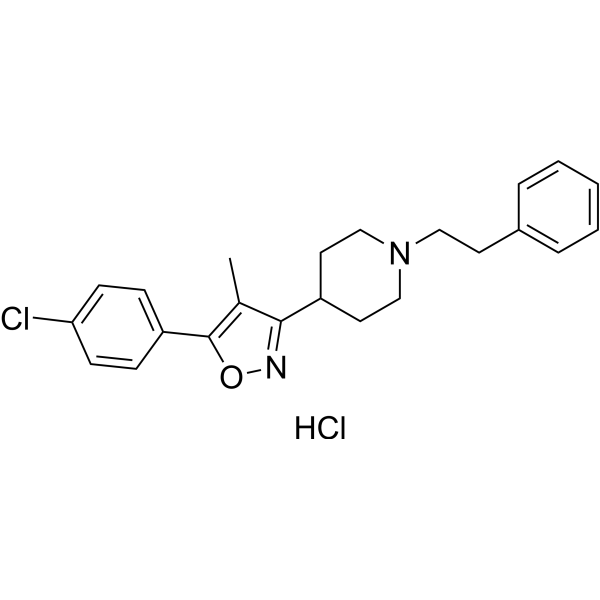
L 741742 hydrochloride is a highly selective and brain-penetrant D4 dopamine receptor antagonist, with Ki values of 3.5 nM, 770 nM and >1700 nM for human D4, D3 and D2 receptors, respectively. L 741742 hydrochloride suppresses PDGFRβ, ERK1/2, and mTOR signaling pathways, and impairs autophagic flux while disrupting lysosomal function.L 741742 hydrochloride induces G0/G1 cell-cycle arrest and apoptosis, promotes neuronal differentiation of normal human neural stem cells, selectively inhibits growth and clonogenic potential of glioblastoma neural stem cells and primary glioblastoma tumor cells, exerts synergistic effects with Temozolomide (TMZ) (HY-17364) against glioblastoma neural stem cells in vitro, and inhibits glioblastoma neural stem cell xenograft growth in immunocompromised mice. L 741742 hydrochloride can be used for the research of schizophrenia and glioblastoma .
loading...
    loading...
Art. -Nr.: HY-13324R
CAS. Nr.: 218600-53-4
Synonyms: RTA 402 (Standard); NSC 713200 (Standard); CDDO Methyl ester (Standard)
Bardoxolone methyl (Standard) is the analytical standard of Bardoxolone methyl (HY-13324). This product is intended for research and analytical applications. Bardoxolone methyl (RTA 402) is an orally active and blood-brain-barrier-penetrant activator of Nrf2 and an inhibitor of SARS-CoV-2 3CL protease. Bardoxolone methyl inhibits SARS-CoV-2 replication in Vero cells with an EC50 value of 0.29 μM. Bardoxolone methyl increases levels of pNrf2 and HO-1, inhibits inflammatory mediators like pNFκB and MCP-1. Bardoxolone methyl activates the Nrf2 pathway to enhance antioxidant and anti-inflammatory responses, inhibits viral replication, and improves mitochondrial function. Bardoxolone methyl can be used in research on chemotherapy-induced neuropathic pain (CINP), COVID-19, and chronic Kidney disease (CKd) .
loading...
    loading...
Art. -Nr.: HY-13774
CAS. Nr.: 908859-10-9
Target:  

P-glycoprotein BCRP

Forschungsgebiete:  

Cancer

WK-X-34 is a low-toxicity, highly effective multidrug resistance reversal agent. By potently inhibiting the transport functions of P-glycoprotein (P-gp, ABCB1) and breast cancer resistance protein (BCRP), WK-X-34 significantly increases the intracellular accumulation of anticancer drugs and radiotracers in drug-resistant cells. WK-X-34 exerts no significant effect on MRP transporters. WK-X-34 not only restores the chemosensitivity of multidrug-resistant ovarian cancer cells, but also significantly enhances the uptake of 99mTc-Sestamibi in P-gp-positive xenograft tumors, brain and intestinal tissues. WK-X-34 exhibits extremely low toxicity and favorable safety profiles both in vitro and in mice (at doses up to 50 mg/kg), and can be used for research on overcoming multidrug resistance in ovarian cancer .
loading...
    loading...
Art. -Nr.: HY-B0504R
CAS. Nr.: 60-27-5
Synonyms: NSC13123 (Standard)
Creatinine (Standard) is the analytical standard of Creatinine. This product is intended for research and analytical applications. Creatinine (NSC13123) is an orally active, blood-brain barrier-permeable modulator of GABAA and NMDA receptors, with activities of antioxidation and metabolic regulation. Creatinine is generated via non-enzymatic conversion of creatine and phosphocreatine in muscle. Creatinine serum levels correlate with muscle mass, glomerular filtration rate, and extrarenal clearance, serving as an evaluation biomarker for renal function, muscle mass, and clinical outcomes, and used for perioperative renal risk assessment. In addition, Creatinine can induce specific Cryptococcus species to produce creatinine deiminase and act as their nitrogen source, while it can be secreted via renal tubules. Creatinine is widely used in research related to various diseases such as neurodegenerative diseases, psychiatric disorders, acute kidney injury, chronic kidney disease, and renal failure .
loading...
    loading...
Art. -Nr.: HY-B0504S5
Synonyms: NSC13123-15N
Creatinine- 15N (NSC13123- 15N) is the 15N-labeled Creatinine (HY-B0504). Creatinine (NSC13123) is an orally active, blood-brain barrier-permeable modulator of GABAA and NMDA receptors, with activities of antioxidation and metabolic regulation. Creatinine is generated via non-enzymatic conversion of creatine and phosphocreatine in muscle. Creatinine serum levels correlate with muscle mass, glomerular filtration rate, and extrarenal clearance, serving as an evaluation biomarker for renal function, muscle mass, and clinical outcomes, and used for perioperative renal risk assessment. In addition, Creatinine can induce specific Cryptococcus species to produce creatinine deiminase and act as their nitrogen source, while it can be secreted via renal tubules. Creatinine is widely used in research related to various diseases such as neurodegenerative diseases, psychiatric disorders, acute kidney injury, chronic kidney disease, and renal failure .
loading...
    loading...
Art. -Nr.: HY-N0570S
CAS. Nr.: 1330260-89-3
Synonyms: DOPET-d4; 3,4-Dihydroxyphenethyl alcohol-d4; 3-Hydroxytyrosol-d4
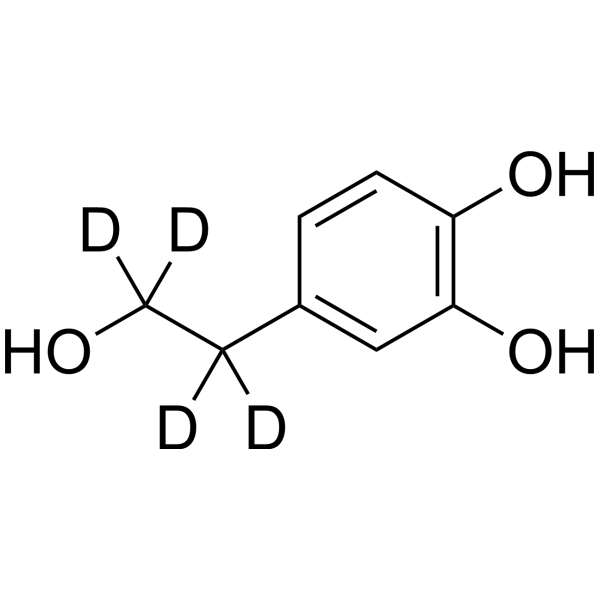
Hydroxytyrosol-d4 (DOPET-d4) is the deuterium labeled Hydroxytyrosol (HY-N0570). Hydroxytyrosol is an orally active, blood-brain barrier-permeable multi-active compound with multiple effects including antibacterial, antioxidant, anti-platelet aggregation, and neuroprotective activities. Hydroxytyrosol not only inhibits the growth of Vibrio by increasing bacterial membrane permeability, but also interacts with DNA and mediates supercoiled DNA relaxation. Meanwhile, Hydroxytyrosol effectively reduces thrombosis and inhibits lipid oxidation by inhibiting COX activity and promoting vascular nitric oxide production. In terms of neuroprotection, Hydroxytyrosol significantly alleviates neuronal apoptosis and inflammatory responses by up-regulating the expression level of ERβ, thereby improving cognitive function in Alzheimer's disease models. Hydroxytyrosol has been widely used in scientific research related to Vibrio infection, arterial thrombosis, Alzheimer's disease and other related fields .
loading...
    loading...
Art. -Nr.: HY-N0570S1
Synonyms: DOPET-d5; 3,4-Dihydroxyphenethyl alcohol-d5; 3-Hydroxytyrosol-d5
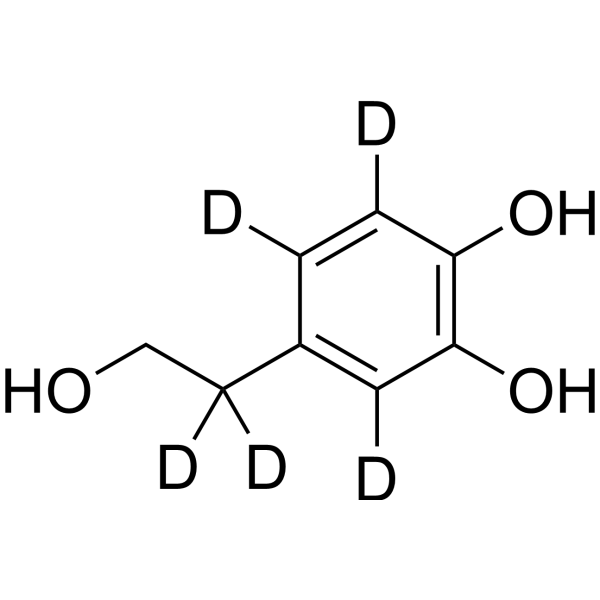
Hydroxytyrosol-d5 (DOPET-d5) is the deuterium labeled Hydroxytyrosol (HY-N0570). Hydroxytyrosol is an orally active, blood-brain barrier-permeable multi-active compound with multiple effects including antibacterial, antioxidant, anti-platelet aggregation, and neuroprotective activities. Hydroxytyrosol not only inhibits the growth of Vibrio by increasing bacterial membrane permeability, but also interacts with DNA and mediates supercoiled DNA relaxation. Meanwhile, Hydroxytyrosol effectively reduces thrombosis and inhibits lipid oxidation by inhibiting COX activity and promoting vascular nitric oxide production. In terms of neuroprotection, Hydroxytyrosol significantly alleviates neuronal apoptosis and inflammatory responses by up-regulating the expression level of ERβ, thereby improving cognitive function in Alzheimer's disease models. Hydroxytyrosol has been widely used in scientific research related to Vibrio infection, arterial thrombosis, Alzheimer's disease and other related fields .
loading...
    loading...
Art. -Nr.: HY-N6043R
CAS. Nr.: 69039-02-7
Hydroxytyrosol acetate (Standard) is the analytical standard of Hydroxytyrosol (HY-N0570). This product is intended for research and analytical applications. Hydroxytyrosol acetate is an orally active, blood-brain barrier-permeable multi-active compound with multiple effects including antibacterial, antioxidant, anti-platelet aggregation, and neuroprotective activities. Hydroxytyrosol acetate not only inhibits the growth of Vibrio by increasing bacterial membrane permeability, but also interacts with DNA and mediates supercoiled DNA relaxation. Meanwhile, Hydroxytyrosol acetate effectively reduces thrombosis and inhibits lipid oxidation by inhibiting COX activity and promoting vascular nitric oxide production. In terms of neuroprotection, Hydroxytyrosol acetate significantly alleviates neuronal apoptosis and inflammatory responses by up-regulating the expression level of ERβ, thereby improving cognitive function in Alzheimer's disease models. Hydroxytyrosol acetate has been widely used in scientific research related to Vibrio infection, arterial thrombosis, Alzheimer's disease and other related fields .
loading...
    loading...
Art. -Nr.: HY-W010178R
CAS. Nr.: 54947-74-9
4-Methyloctanoic acid (Standard) is the analytical standard of 4-Methyloctanoic acid (HY-W010178). This product is intended for research and analytical applications. 4-Methyloctanoic acid is an endogenous branched-chain medium-chain fatty acid and a negative regulator of the cAMP/PKA signaling pathway. 4-Methyloctanoic acid exerts antiepileptic effects by inhibiting epileptiform discharges and terminating behavioral and electroencephalographic seizures. 4-Methyloctanoic acid has neuroprotective effects; its polar metabolites can cross the blood-brain barrier, repair presynaptic release defects, improve motor function and alleviate neuromuscular degeneration in ALS models. 4-Methyloctanoic acid regulates phosphatidylinositol metabolism, reduces PIP/PIP2 levels and increases inositol levels. 4-Methyloctanoic acid can be used in studies related to epilepsy and amyotrophic lateral sclerosis .
loading...
    loading...

